
On 16 July 2024, City of Mississauga, where we live, recorded 97.41 mm of rain in a three-and-a-half-hour period. The torrential rains were result of a pipeline of moisture from the Gulf of Mexico that moved into Canada in the aftermath of Hurricane Beryl. It began on 15 July, when the remnant of Hurricane Beryl arrived in Toronto Area, bringing torrential downpours that resulted in some ponding on some local roads.
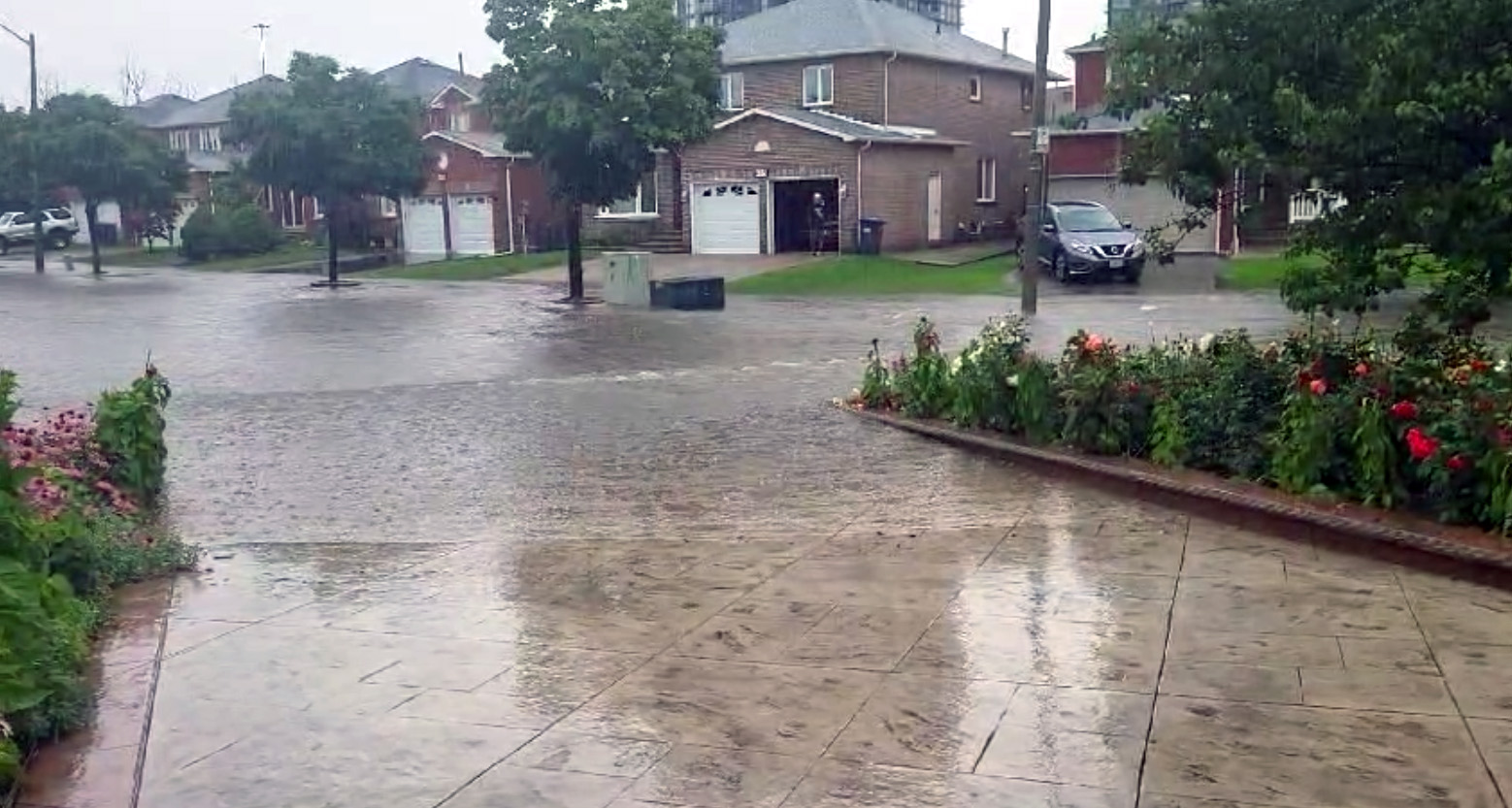
The water level in the street across our home rose steadily, engulfing our driveway. It began just before 9 AM and in about 45 minutes there was a deluge.
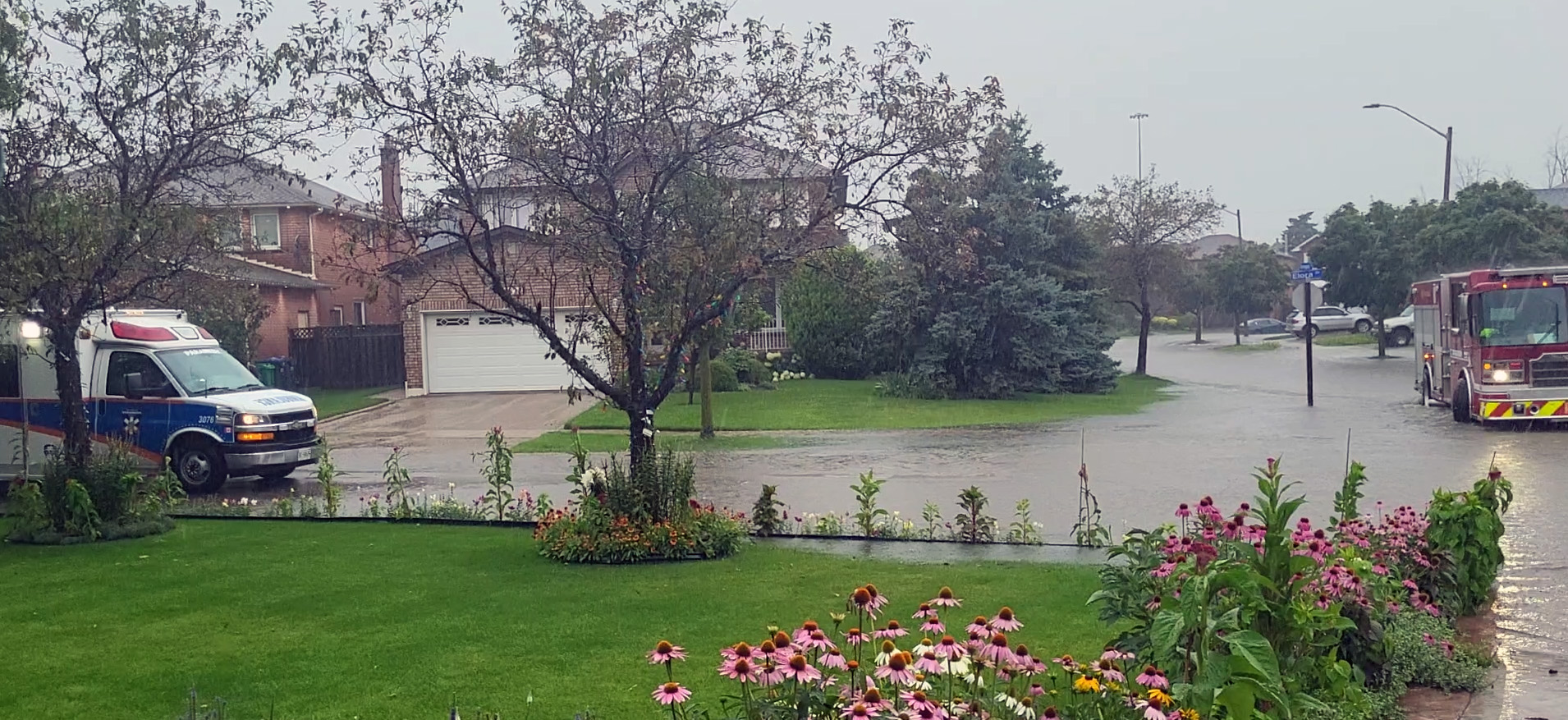
The First-Responders – Fire fighters and Ambulance – sprung into action and were outside our home to help anyone needing any help in the neighbourhood.
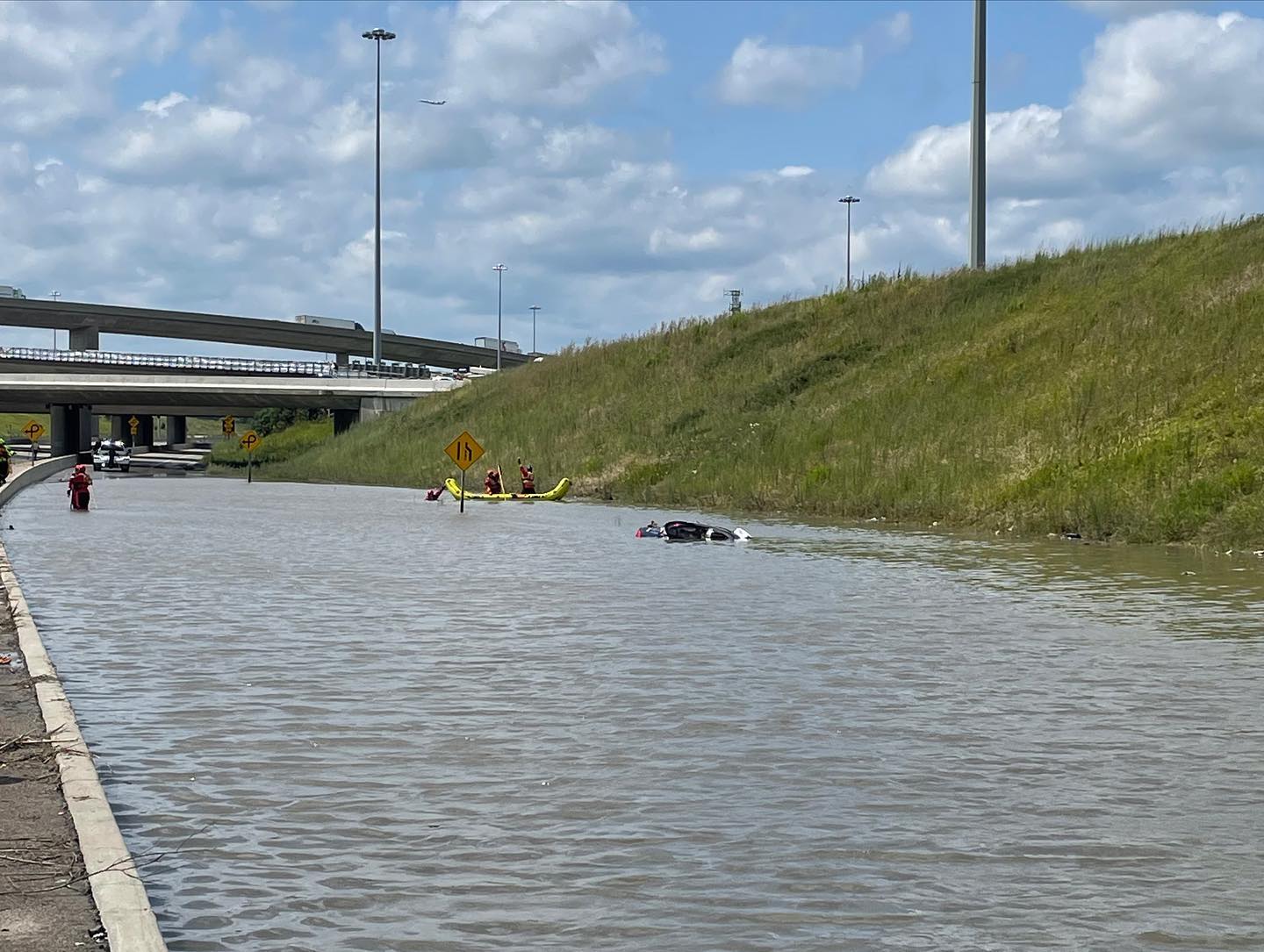
By 10 AM, many parts of the city got flooded and the Fire Fighters and Police launched boats to rescue people submerged in their cars.
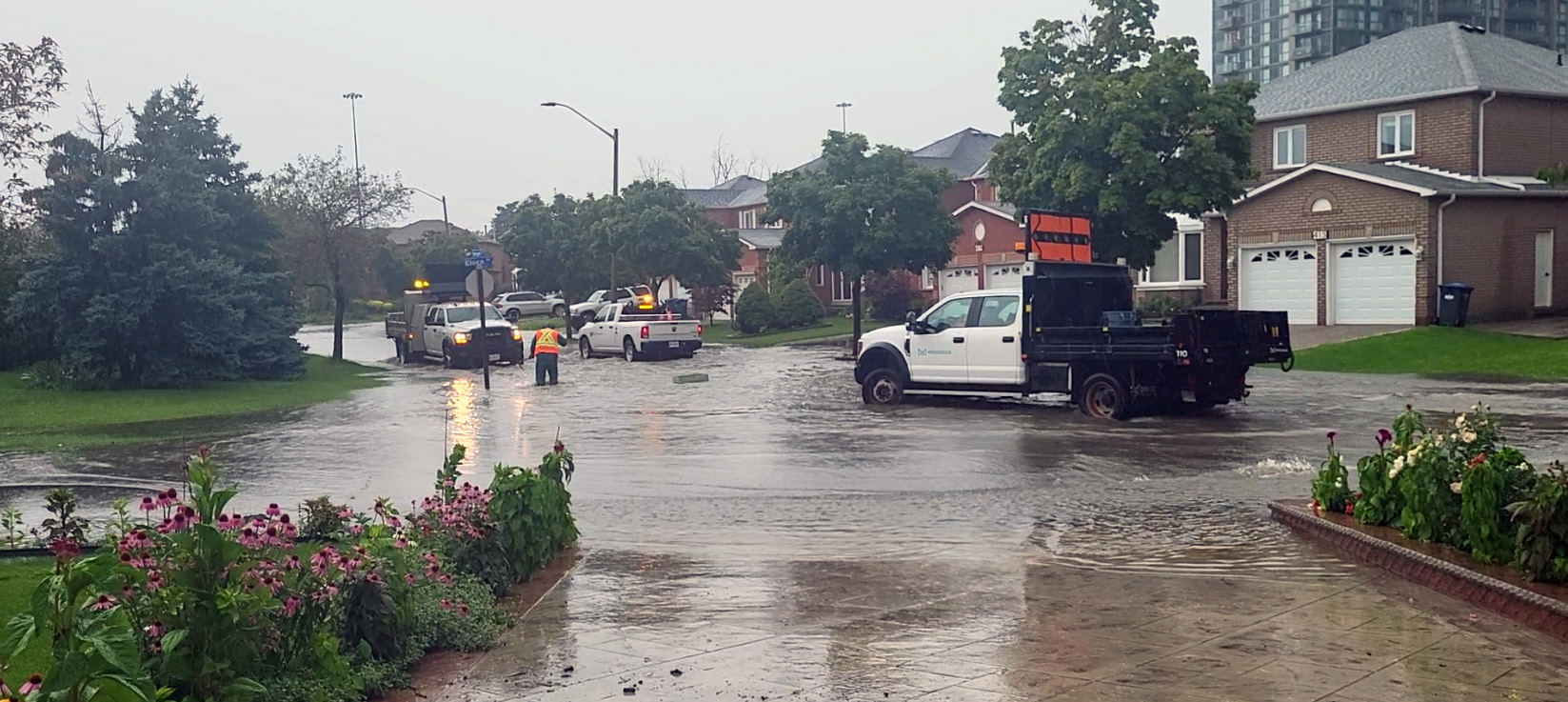
City’s crew swung into action immediately to clear all the storm drains to facilitate fast draining of water into Lake Ontario, about three kilometer away.
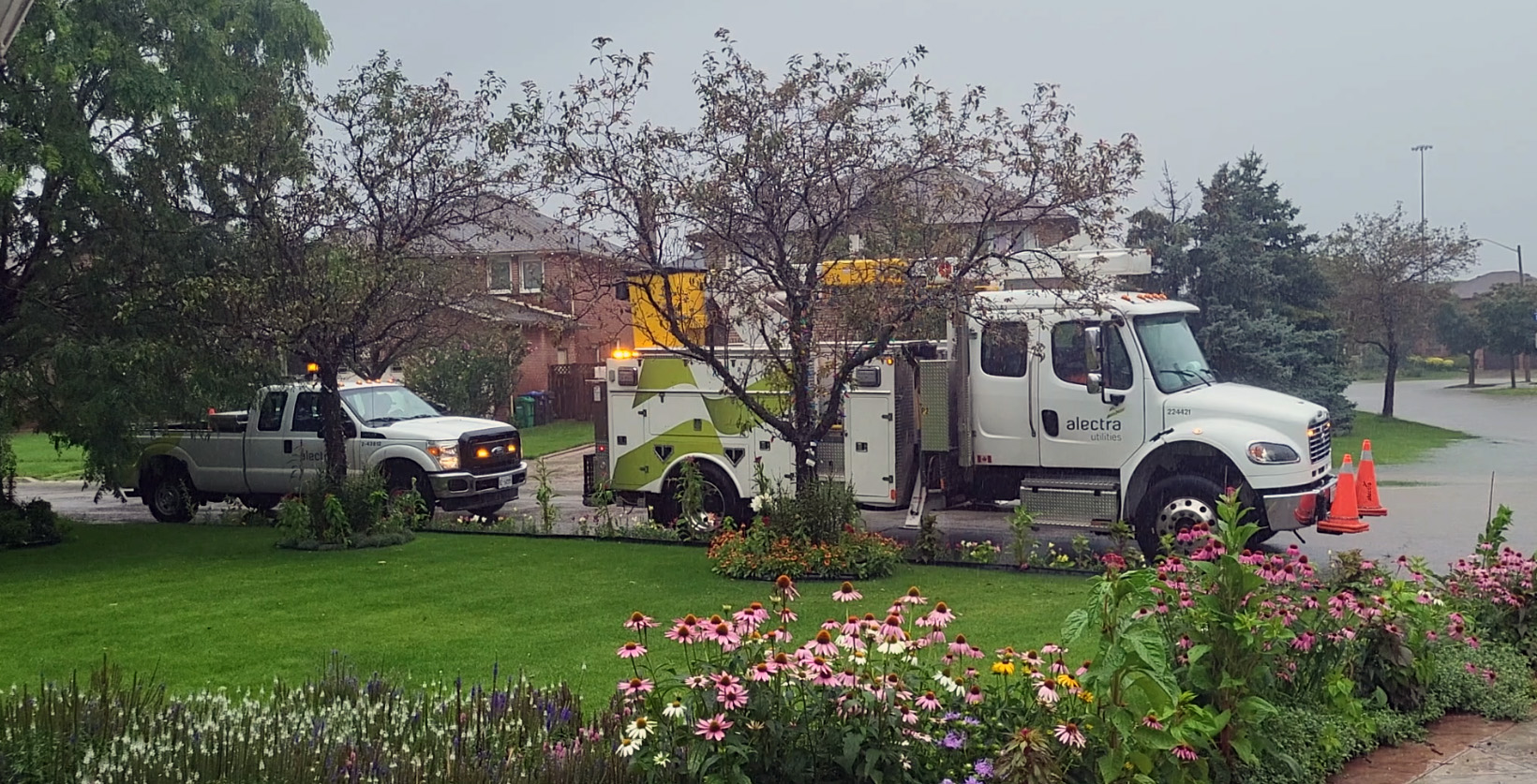
The electrical utility company came and parked their vehicles in front of our home to disconnect power to the homes in case the water levels rose over their transformers on ground. Luckily for us, it did not – thus ensuring continous power supply to the neighbourhood.
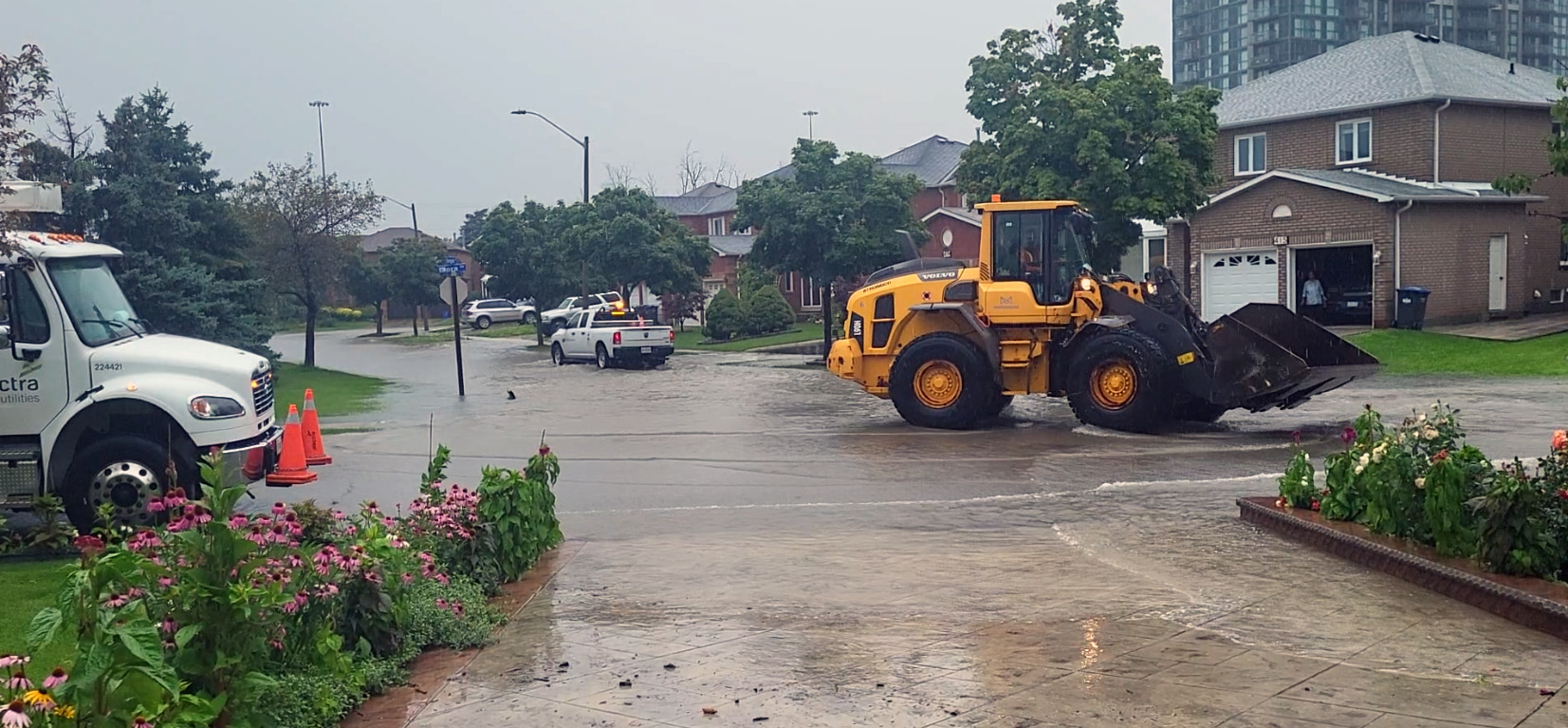
City employed all equipment on hand like dozers and pumps to ensure fast drainage of water.
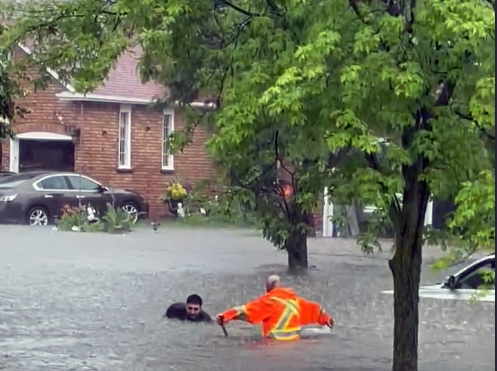
The City’s crew with volunteers from the community helped everyone in need.
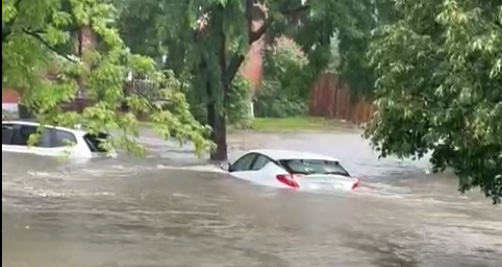
Many cars parked on the roadside were submerged and were written off.

All the basements of the homes in the neighbourhood got flooded due groundwater pressure. The ground absorbed the water from the heavy rains and became fully saturated and the water found its way into the basements. Our basement too began to flood by about 10 AM.
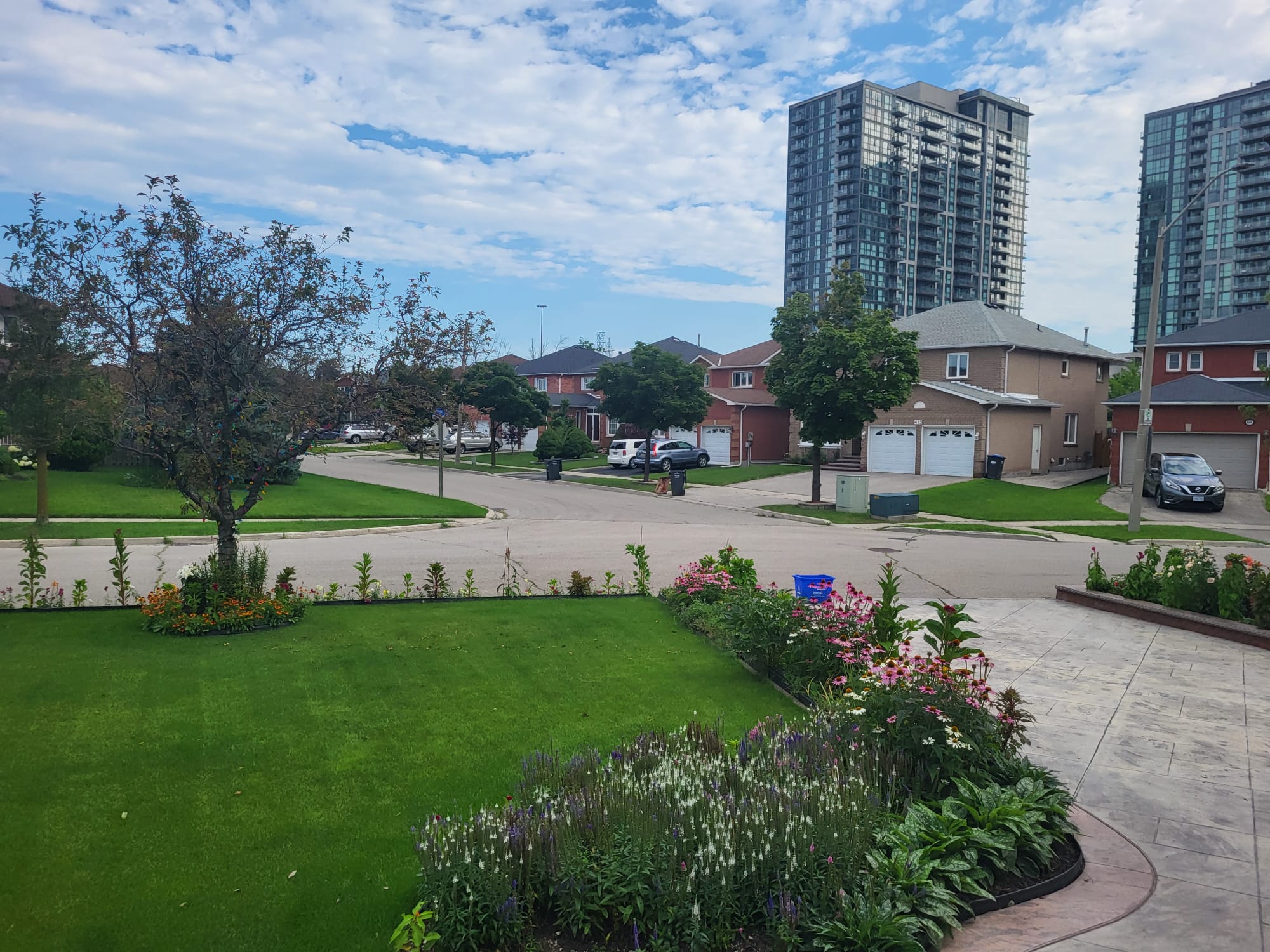
By 3 PM, it was all dry – as if nothing happened. Large-scale developments around our home—such as apartment and office complexes, shopping malls and roads—have added vast stretches of pavement to our area. These expanses of concrete and asphalt inhibited drainage and worsened flooding. The water flowed into the neighborhood’s streets rather than seep into the soil or flow into Lake Ontario.
 REJINCES