Recently I received a video on social media about a disused Turntable at a railway depot. My journey with the Indian Railway commenced with my first travel way back in 1966 when I was in Grade 1. Little did I realise as a toddler then that I will serve in the Indian Army and travel the length and breadth of the country on trains. It was the beginning of a long and cherished association with the Indian Railways.

During the steam-engine years of the railways, the turntable was located at most terminals and at depots. It was used to change the direction of the steam-engine. These engines operated most efficiently in the forward direction and thus had to be turned every time. They could run in the reverse direction, but at a lower speed. The turntables were operated manually or by hydraulics.
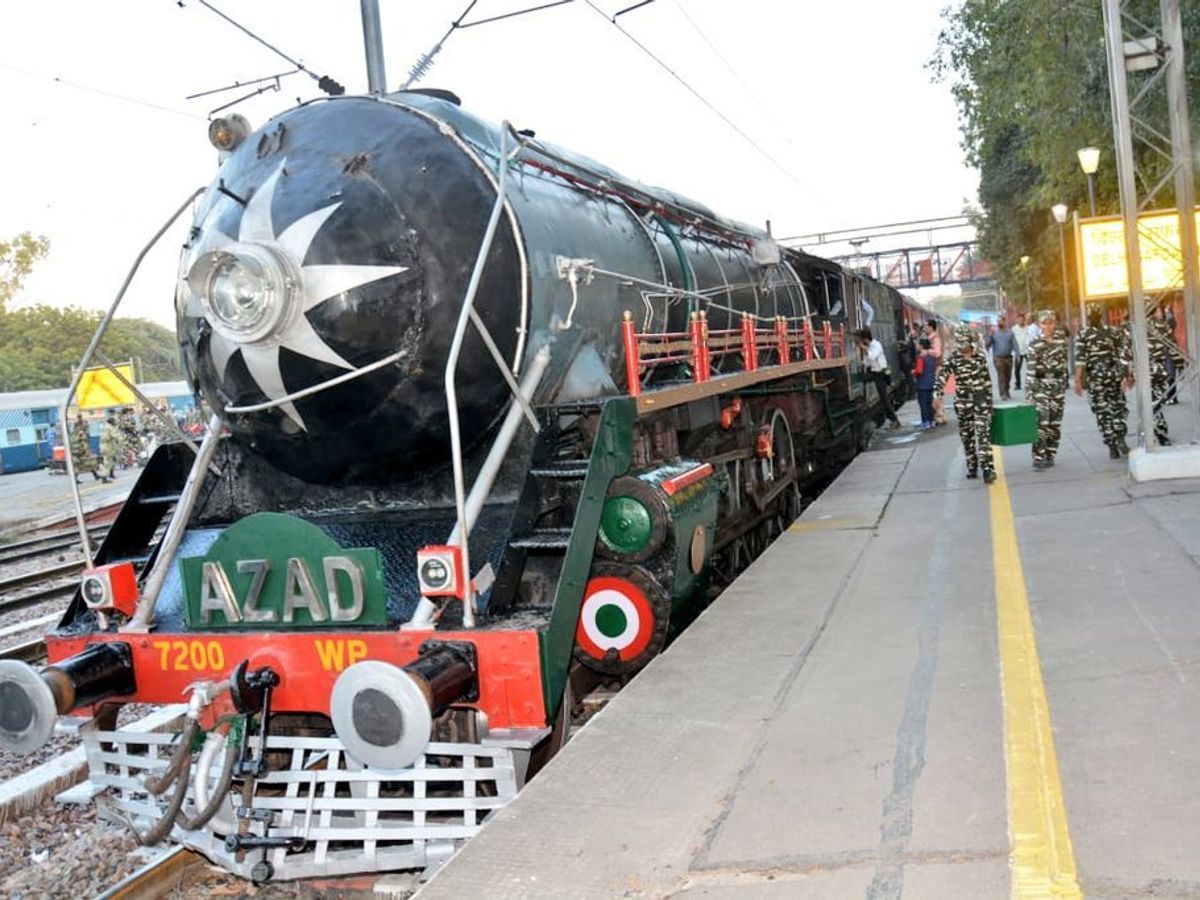
Steam engines are not extinct. The Indian Railways currently runs a luxury heritage train from Delhi to Alwar, renamed The Palace On Wheels, powered by a 70-year-old renovated steam engine, named Azad – engine number WP 7200, built in 1947 in the US. Indian Railways is still maintaining its oldest working steam locomotive named Fairy Queen at New Delhi.
With the arrival of diesel locomotives, which could run equally well in either direction, the need for turntables waned. By the 1990s, most steam engines were replaced by diesel/ electric engines and the turntables became obsolete.

In North America, many turntables have been restored and now find a place of pride in many rail museums – Roundhouse Park at Toronto, B&O Railroad Museum at Ohio, etc. Roundhouse Park, Toronto, created in 1997 features the original, fully restored and operational 120-foot-long locomotive turntable and a collection of full-sized railway equipment.
Early turntables were very small, sometimes just six feet in diameter since nothing larger was needed with the relatively small steam-engines and wagons in use during much of the 19th century. As the size of the steam-engine grew larger, heavier, and longer – the size of the turntables too increased. During the 20th century most roundhouse terminals featured turntables of at least 70 feet, with some as large as 120 feet or more in diameter.
I had my first experience of travelling with our Regiment by a military special in 1983, a move from Delhi by a meter gauge military special for firing practice of 130mm medium guns at Pokaran Ranges in Rajasthan.
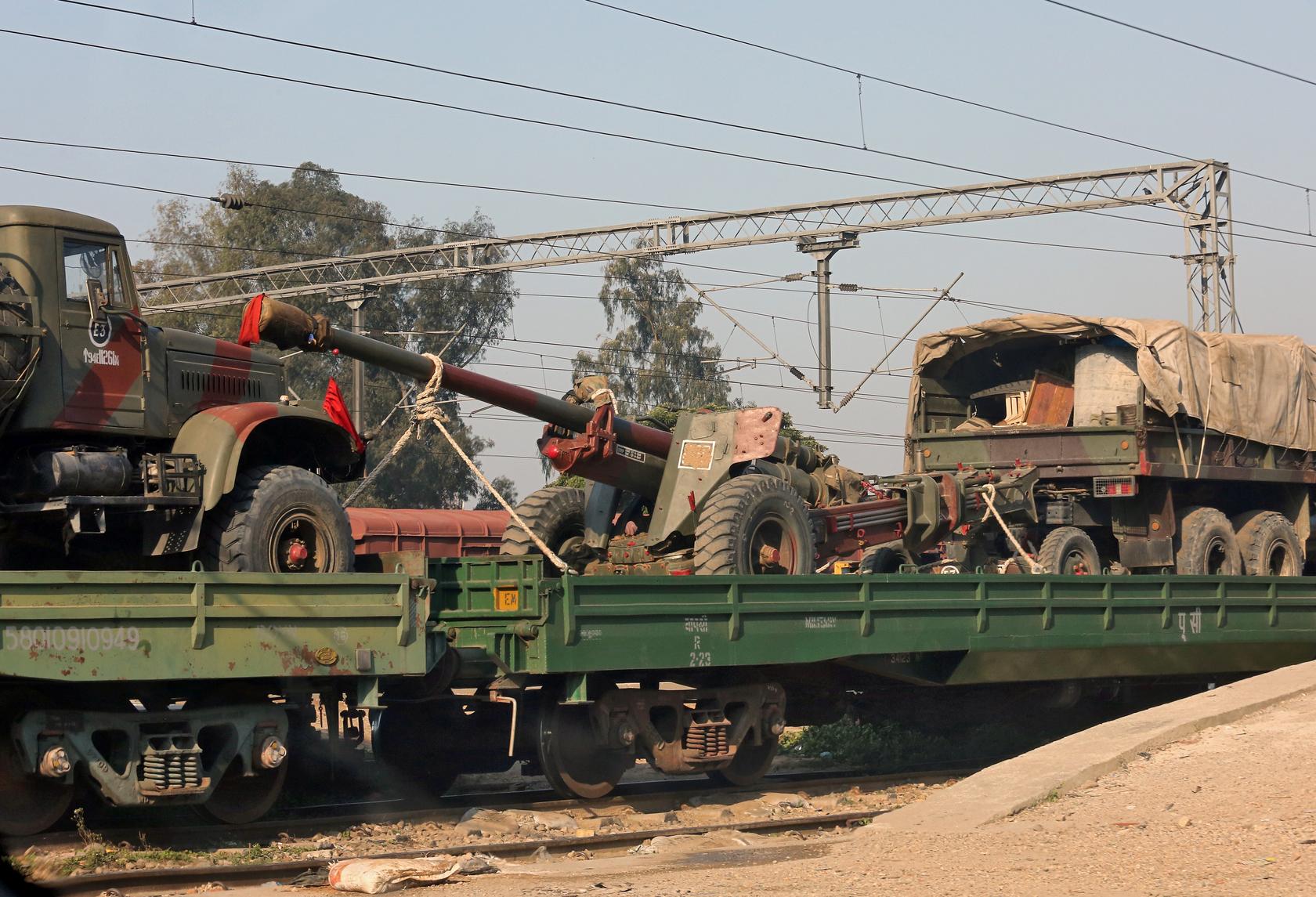
A 24-wagon rake for loading of the medium guns – MBFU – (M – Meter Gauge, B – Bogie Wagon, FU – Well Wagon) was placed at the military siding ramp at Delhi Cantonment Railway Station -12 for loading guns and 12 for Russian Kraz towing vehicle. The gun weighs over 8 tonnes and the wheelbase just about narrowly fit on to the meter gauge rake. Today with broad gauge rakes, the wagons offer sufficient width to maneuver the guns.
On reaching Pokaran railway station siding, we realised that the guns were facing the opposite direction of the ramp. It was indeed a great ordeal to load these guns in the forward position, getting them out in the reverse was near impossible.
The Yard Master at Pokaran railway station came to our rescue. He ordered the train to be put through a Triangle to change the direction the train faced. I had until then seen only turntables at many railway stations but was unaware of a triangle.
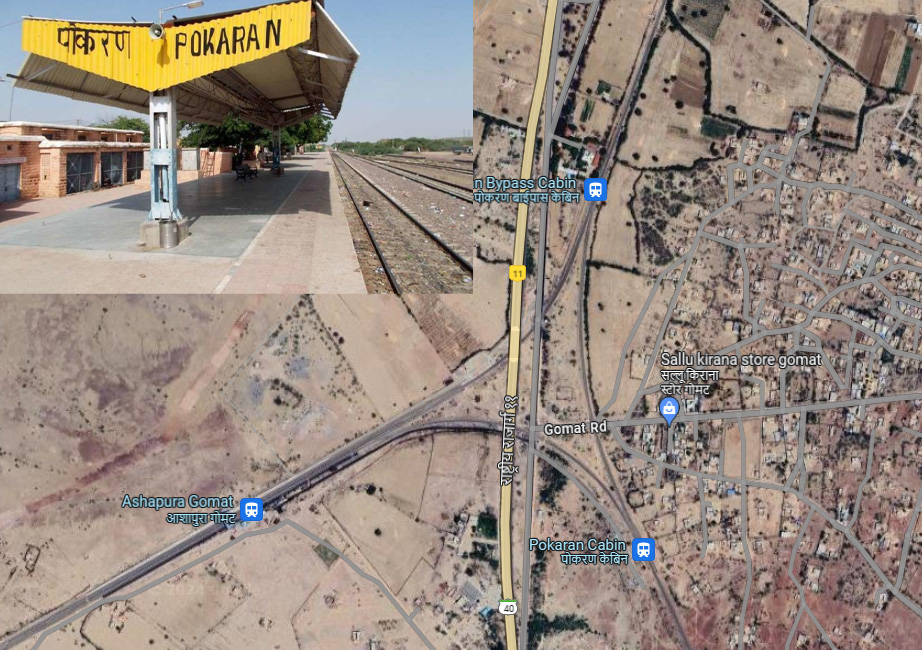
A Triangle in Indian Railway parlance (Wye Junction in North America) is a triangular shaped arrangement of rail tracks where two rail lines join to allow trains to pass from one line to the other line in two directions and/or is used for turning railway equipment.
I jumped on to the steam-engine used for shunting along with the Yard Master to watch the operation. The engine was connected to the rear of the rake and was pushed forward, crossing the Pokaran Cabin, until it crossed Ashpura Cabin. Then it was a reverse travel until the entire rake crossed the Bypass Cabin. Then the train was pushed to the railway siding, and we were now facing the forward direction. We then unloaded the guns and vehicles with ease.

After several decades, the turntables have made a reappearance – in a much more technologically advanced avatar on many metro rails across the world. Three turntables are in operation at Chennai Metro’s Koyambedu depot. With the help of digital technology, the turntables will help turn bogies, wheel sets and axles of metro rail trains for maintenance.
The bogies are pulled on to the turntable using a mini engine and then turned in the direction to which it must be taken. Two pairs of rails are mounted and positioned perpendicular to each other across diameter on the deck of each turntable to accommodate the bogies. Once the turntable completes the required turn – 90 or 180 degrees, the bogie is pulled out. This mechanism helps move bogies from one section of the depot. This equipment saves space, says an official, as otherwise lengthy tracks must be laid for trains or bogies to be turned around.
Our most valuable resources – creativity, communication, invention, and reinvention – are, in fact, unlimited – David Grinspoon (American Astrobiologist)
One rule of invention: before you can invent it, you have to imagine it – James Gunn (American filmmaker and studio executive)
 REJINCES