
‘Art is contemplation. It is the pleasure of the mind which searches into nature and which there divines the spirit of which nature herself is animated.’ –Auguste Rodin (French sculptor)

The trail through the gorges at Finger Lake area is a display of nature’s work of art of stone sculpting by water, snow, wind, natural fractures in the rock, type of bedrock, and winter climate.
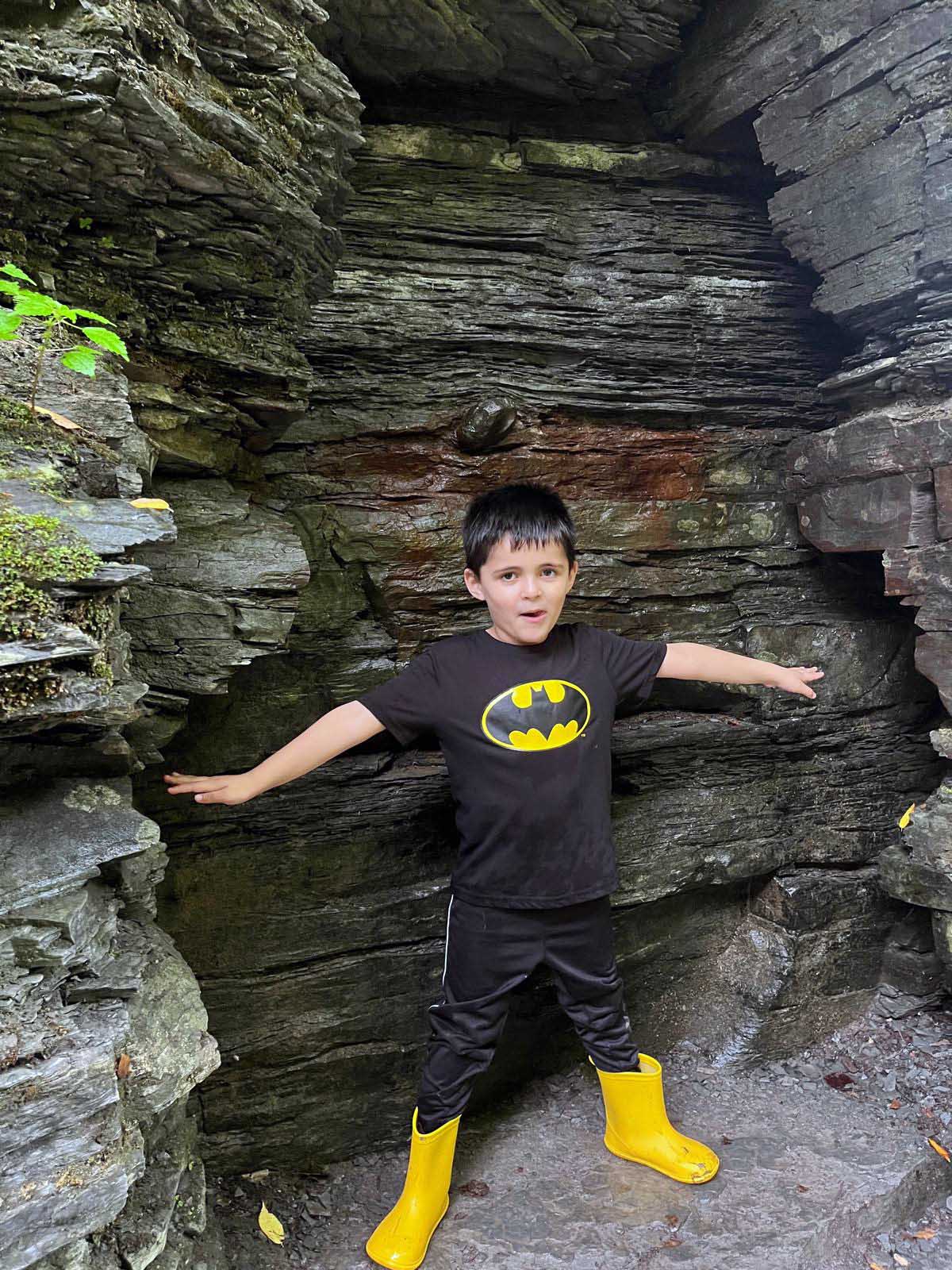
In addition to the carving of the gorge by water, much of the erosive forces fractured the rock along joints and natural cracksWater filled these cracks and expanded when it froze. This pried the rock apart, creating massive gorges over thousands of years.
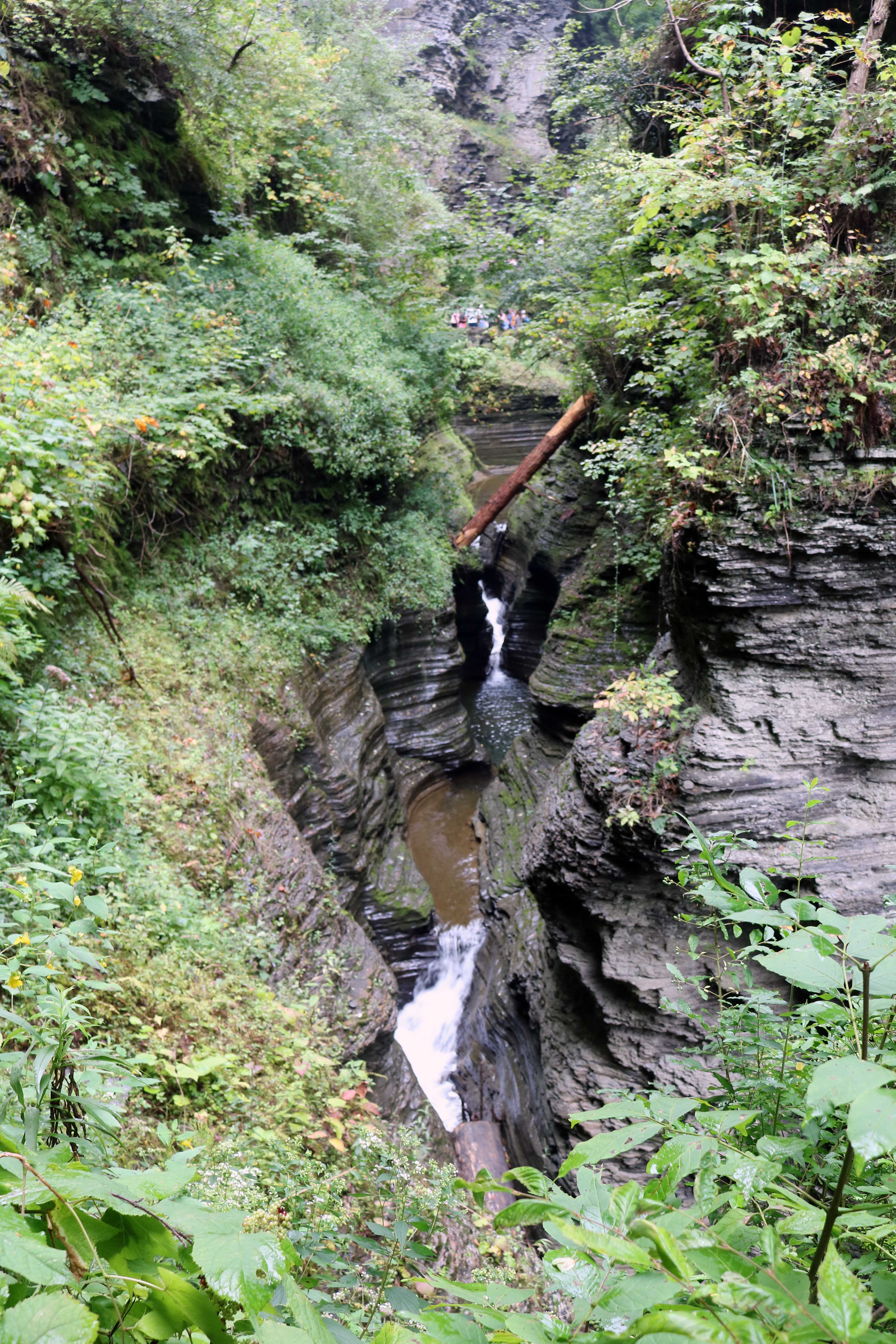
Beginning about two million years ago, glacial periods blanketed New York state in thick Laurentide Ice Sheet . The ice advanced and melted in cycles. The most recent glacial period took place about 21,000 years ago during the Wisconsin Era. This was when ice sculpted the region’s lakes, hills, and other landscape features. The gorges began to flow into the deep trough of Seneca Lake and has been shaping the gorges ever since. While we do not know its exact depth, scientists estimate the Laurentide Ice Sheet was a mile thick.

The long and narrow shape of the gorges is due to the ancient rivers, widened and deepened by glaciers flowing south. Before receding, the glaciers dammed the flow of water with debris, creating the lakes we have today.

Look at the rim of the gorge. Twelve thousand Years ago the river flowed up there. The gorge did not exist. and this chasm was full of solid rock. Since then, the creek has gradually eroded into a canyon.

Since then, thousands of floods have cut the gorge, seeping away fallen rocks, tumbling boulders and prying slabs from stream-bed. Each passing torrent deposited mud, sand and stones at the bottom of the gorge.
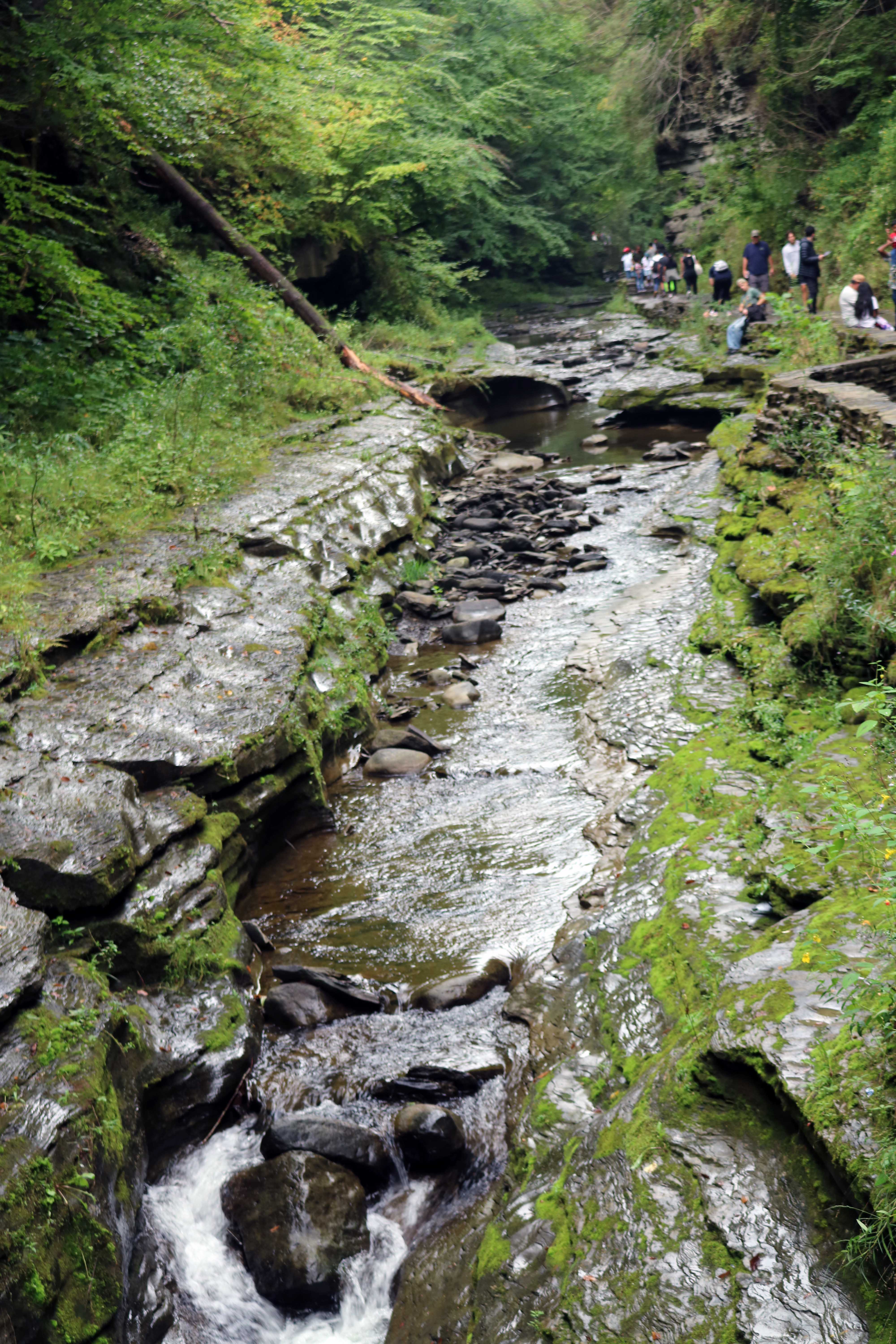
Rocks loosened by ice eventually fell from the cliffs, gradually widening the gorge. Over time, floods have washed the rocks of the gorge into the southern end of gorge.
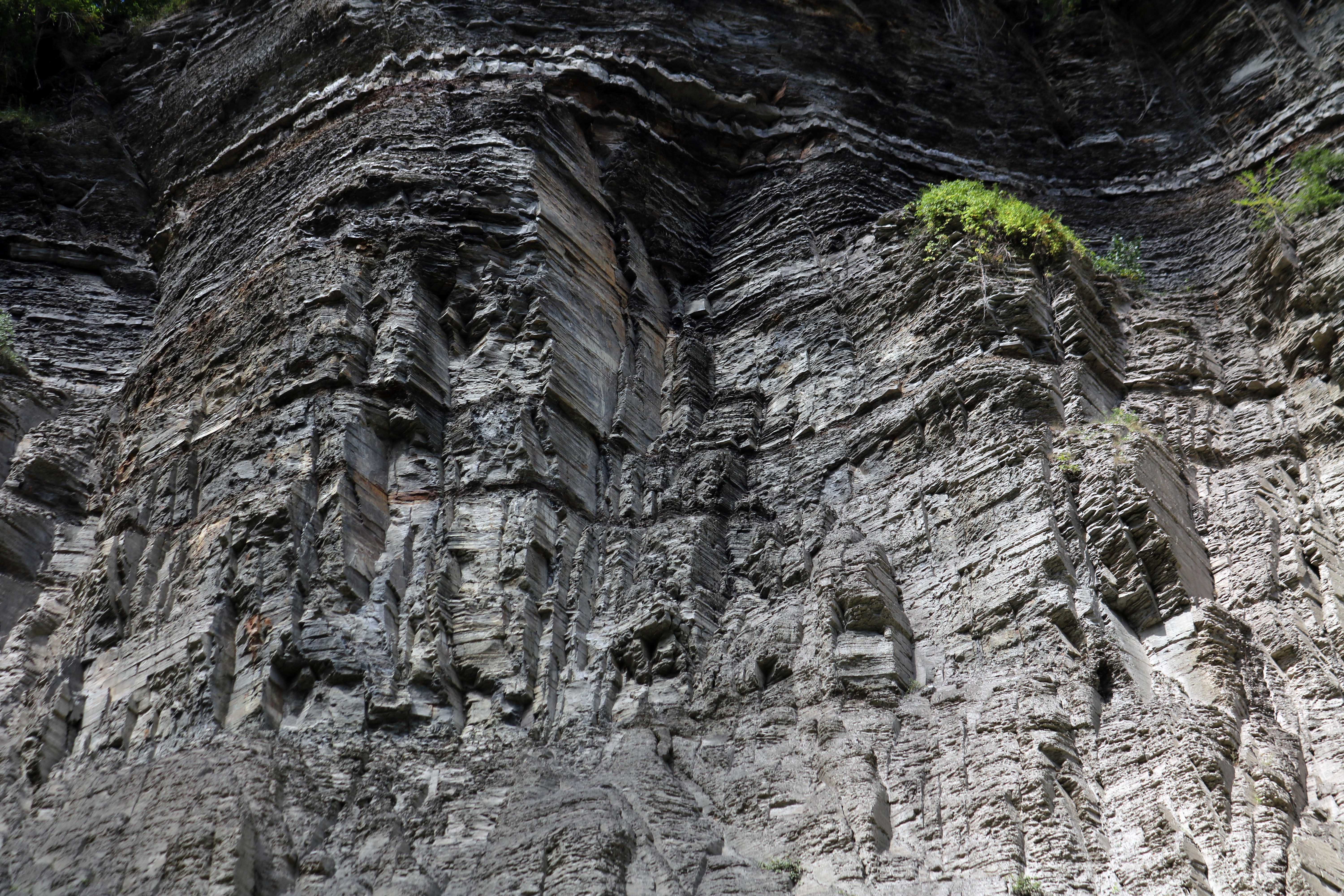
These Fractures tell a story. Look at the cracks, called joints, that run up the walls. They begin from the creek-bed and go up the wall. These cracks are from the great continental collision that pushed up the Appalachian Mountains in the Finger Lakes region.
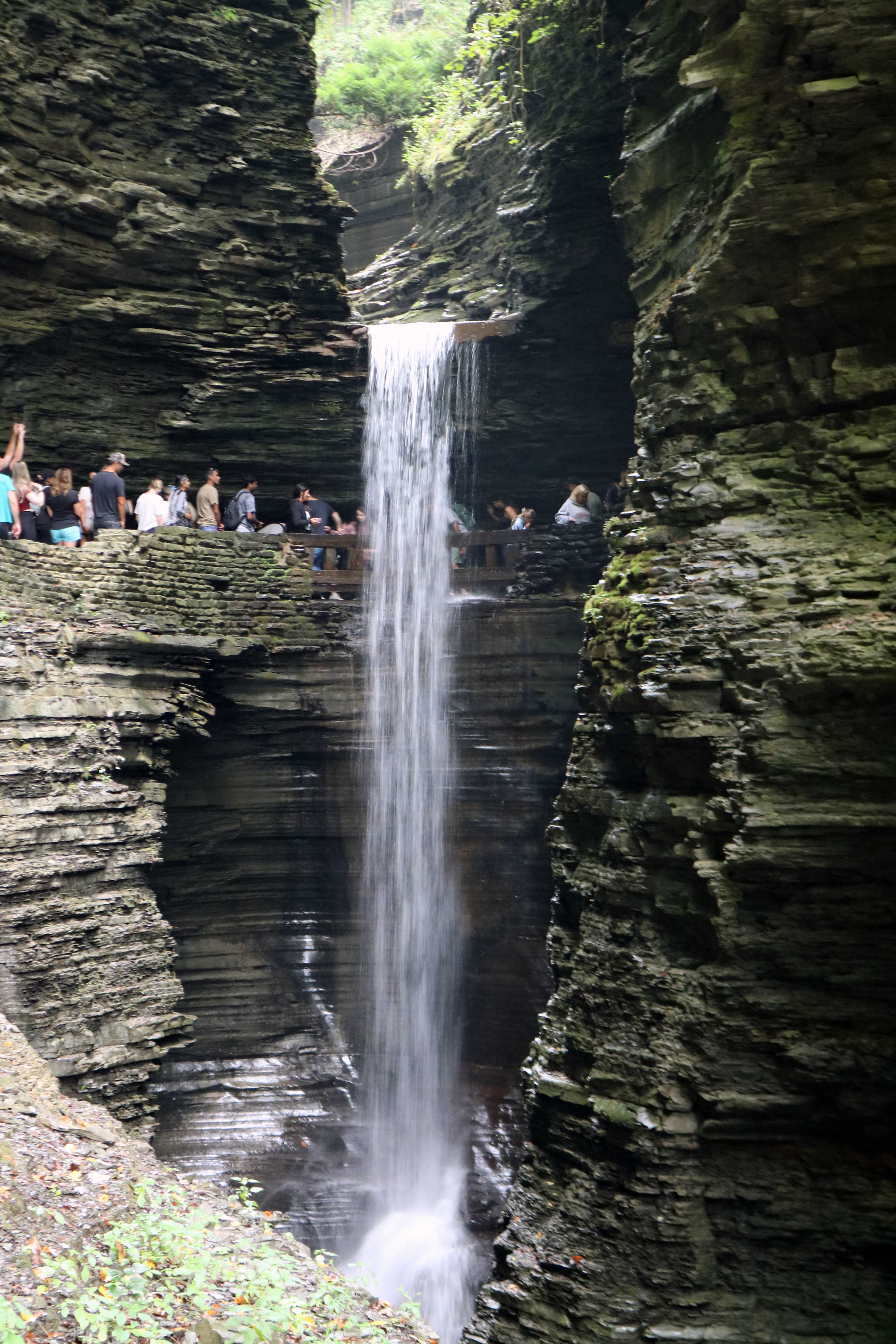
The gorge pours over light gray limestone and weaker, dark shale beneath it. As the shale erodes, limestone blocks break off, causing the waterfall to move slowly upstream. The falls in the gorges have eroded nearly a mile into the hillside since the end of the Ice Age.
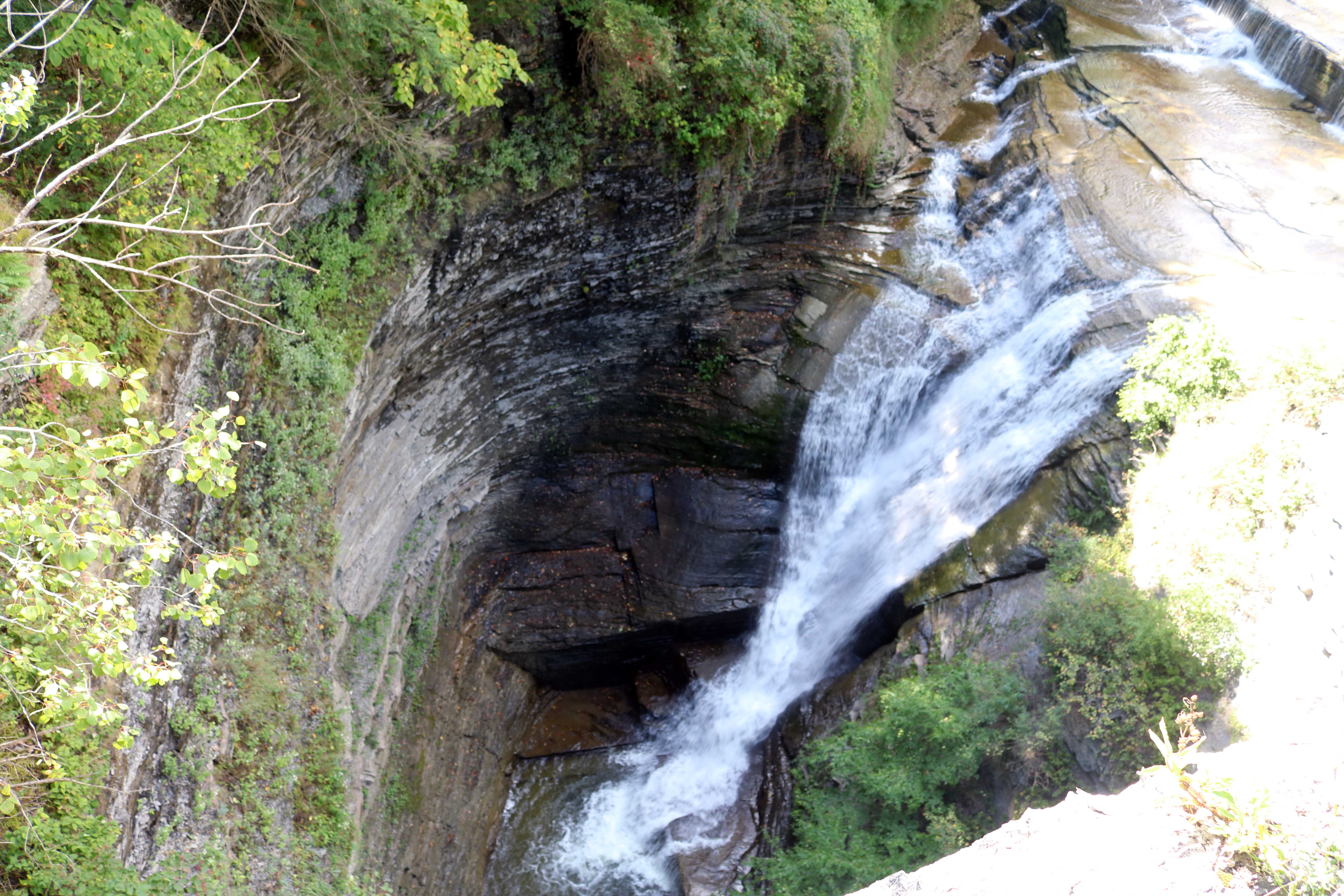
The waterfalls in the gorges have has crated many natural pools due to erosion.

A sea covered much of New York State during the Devonian Period, long before the dinosaurs. The ancient Acadian Mountains slowly eroded to become sand, silt, and clay that rivers carried to the sea, eventually filling it in. Millions of years of pressure from overlying material and natural cementing eventually hardened the sediments into rocks.
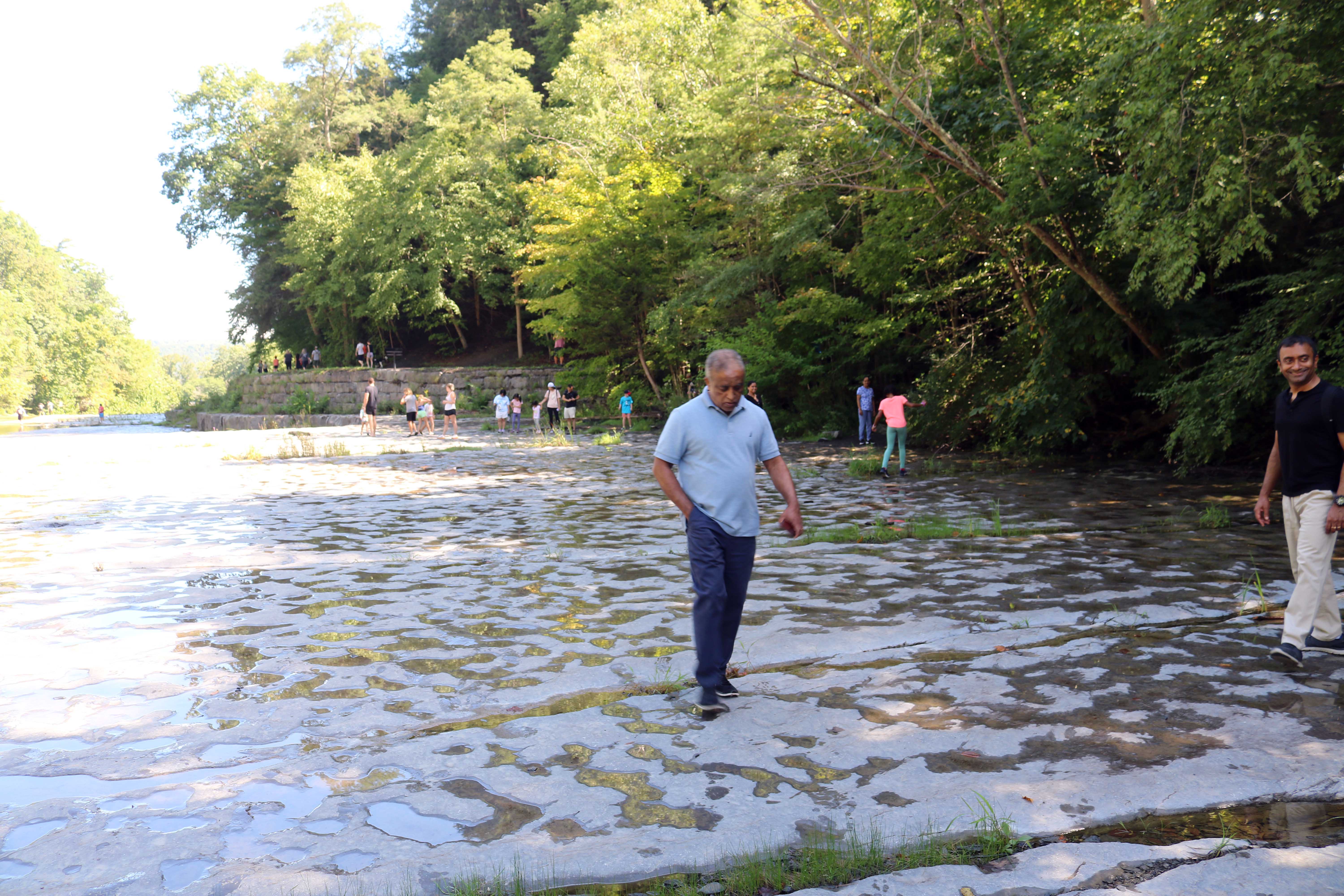
This area formed the bottom of an ancient sea. Marine invertebrates, including species of corals, which once lived here. These rocks were formed at the bottom of an ancient sea 380 million years ago.
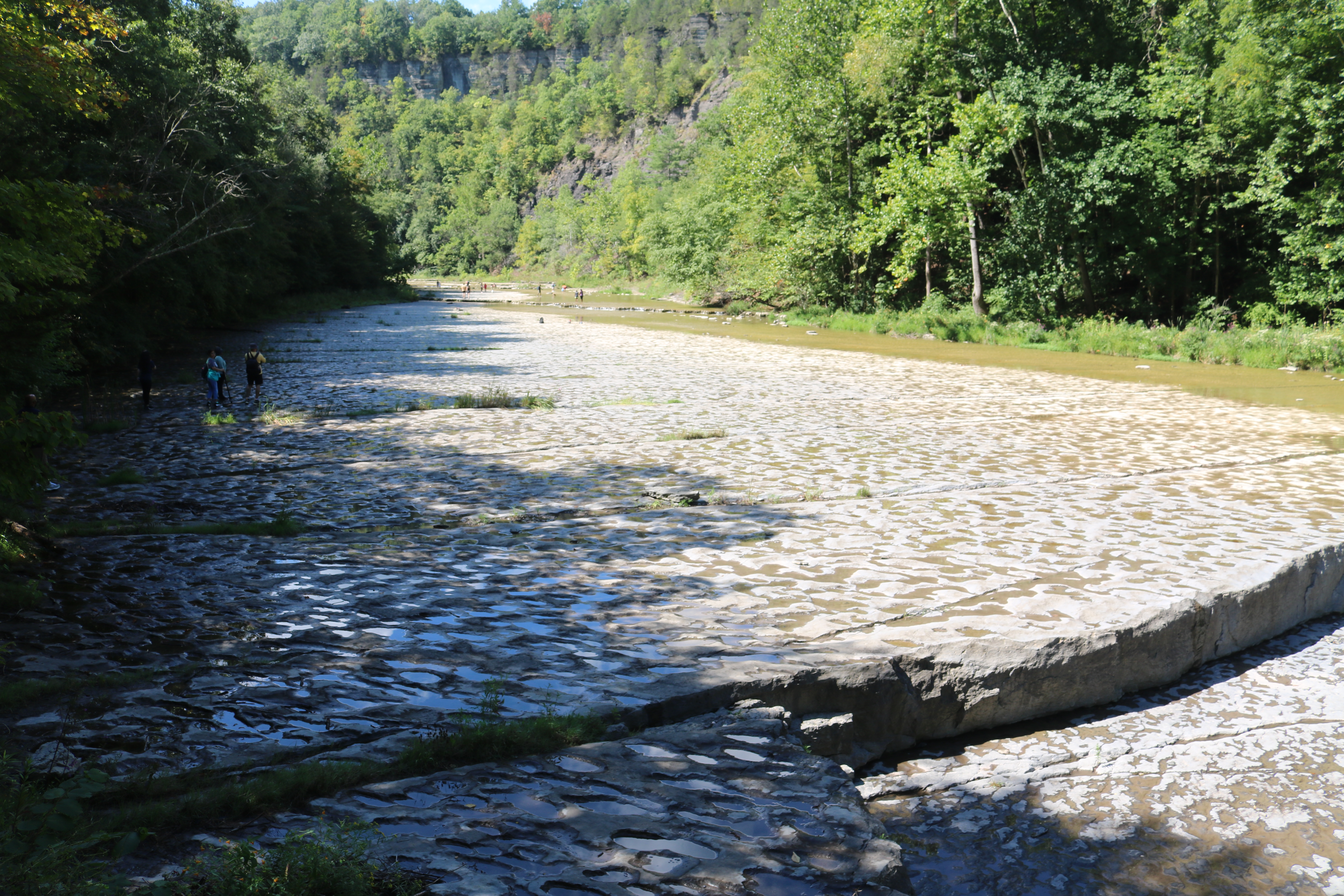
The gorge floor is made of light-gray limestone that once was lime mud made from the skeletons and shells of algae and other marine organisms. Above the limestone, the crumbly rock on the gorge’s walls is called shale. This shale was clay and silt that settled on top of the lime mud and eventually hardened into rock.

These pits are formed by rainwater which is naturally a little acidic. The water in the puddles dissolved the limestone due to chemical weathering.

Physical weathering occurs on the gorge walls when freezing splits shale into thin fragments that eventually fall. It is for the observers to decipher the art from their perspective.
‘Look deep into nature, and then you will understand everything better.’ – Albert Einstein
 REJINCES
Sethuraman
LikeLike