RIP Lt Col VC Poulose (Retd)

During the annual audit of the Northern Command Postal Unit in 1990, the Adjutant was Major VC Poulose and that is where I met him. From his name, I could make out that he was a Mallu. I went through the audit as objective as possible and had a few questions for Major Poulose.

Major Poulose gave satisfactory justification, I thanked him, and while signing various documents asked him “നാട്ടിൽ എവിടെയാണ്?” (Where are you from Kerala?)

“മൂവാറ്റുപുഴ – താൻ എവിടെനിന്നാണ്?” (Moovattupuzha. Where are you from?) and it started a great relationship.

We were blessed with Nidhi on 20 March 1991. Major Poulose came home after two weeks and said, “Better get the birth registered with the Udhampur Police Station and obtain an Urdu Birth Certificate.

I got the Birth certificate from the Command Hospital,” I replied.

That is fine, but this may help the child to secure admission in a medical college in Kerala being a Kashmiri Citizen,” he suggested.

I immediately tasked our Havildar Major and, in a week, I received the Birth Certificate of Nidhi as a Kashmiri Citizen – Remember Article 370!!!!

In 2008, on vacation from Canada to Kerala, I visited the home of Late Colonel Baby Mathew. In front of his house stood a gigantic and artistically intrinsic gate. I inquired as to from where he got the gates as it looked much different from the gates in Kerala homes. Prompt came Colonel Baby’s reply, “Colonel Poulose got it sent from Ambala. He designed it and got it fabricated and shipped it all the way to Palai, Kerala.

It bears Colonel Poulose’s signature all over it,” I replied. Colonel Baby was sweetly surprised that I knew Colonel Poulose well.

That was the quintessential Colonel Poulose – brilliant, witty, and extremely generous. Rest In Peace.

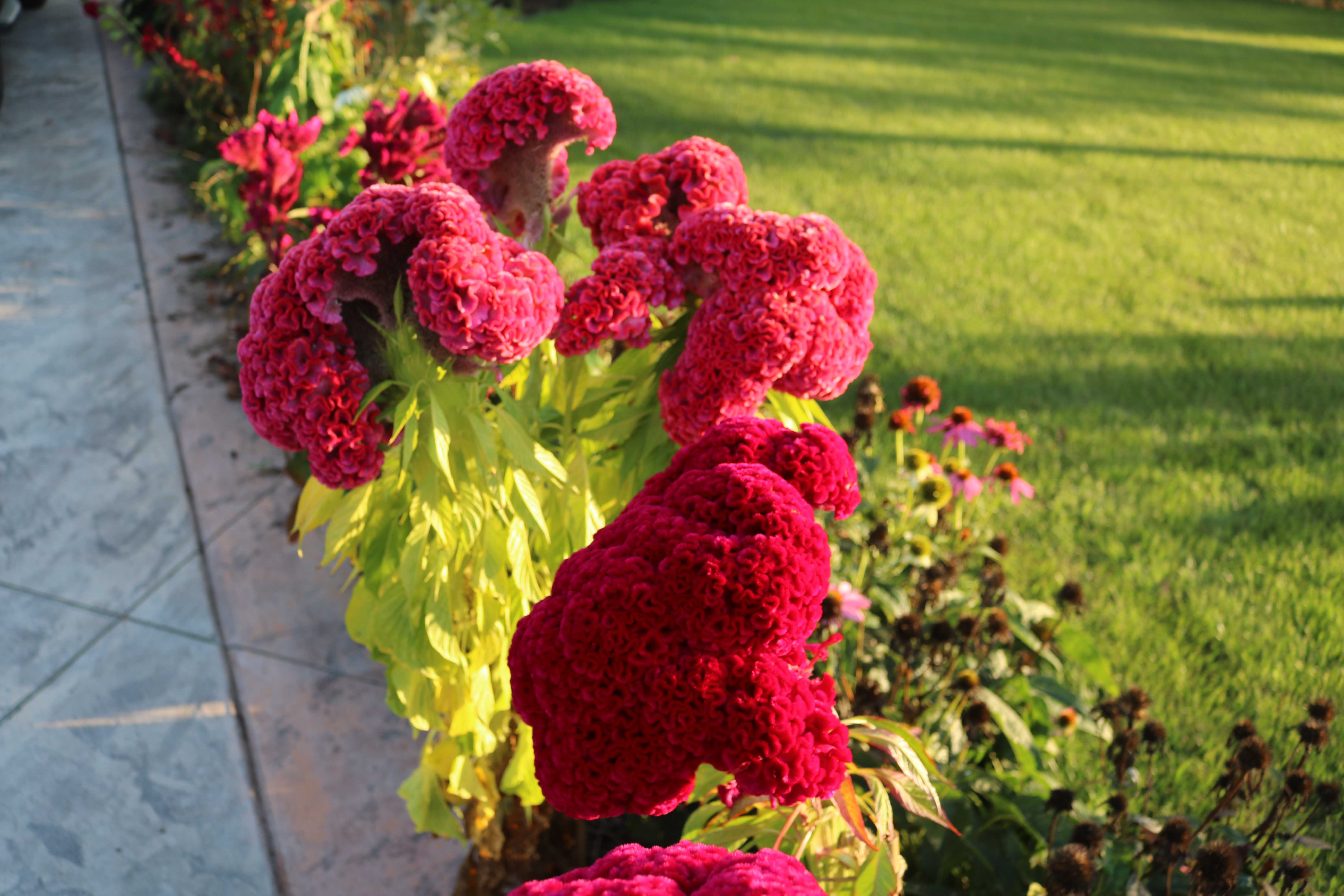
Brain Flower

Open the bloom of your heart and become a gift of beauty to the world. – Bryant McGill, author.

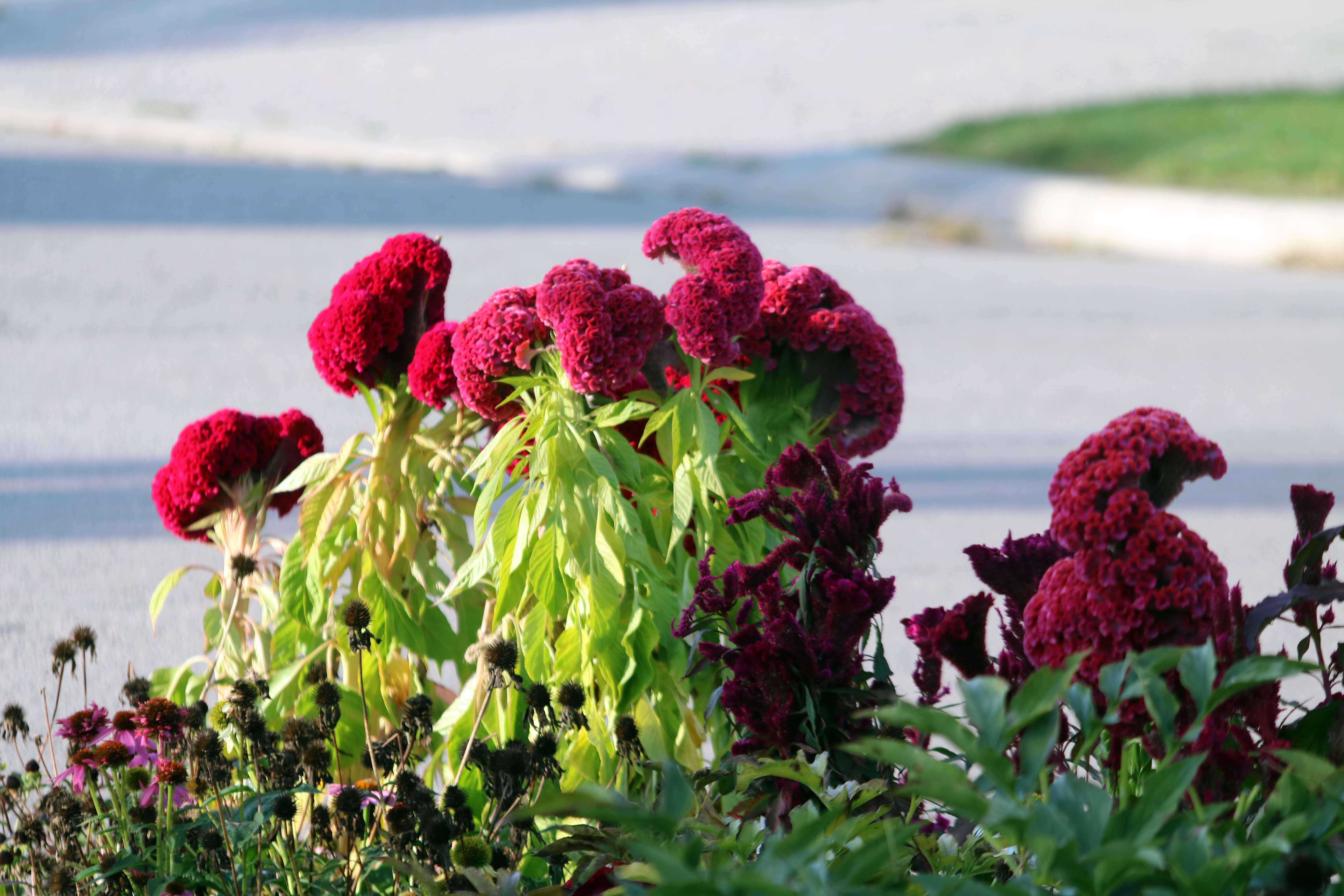
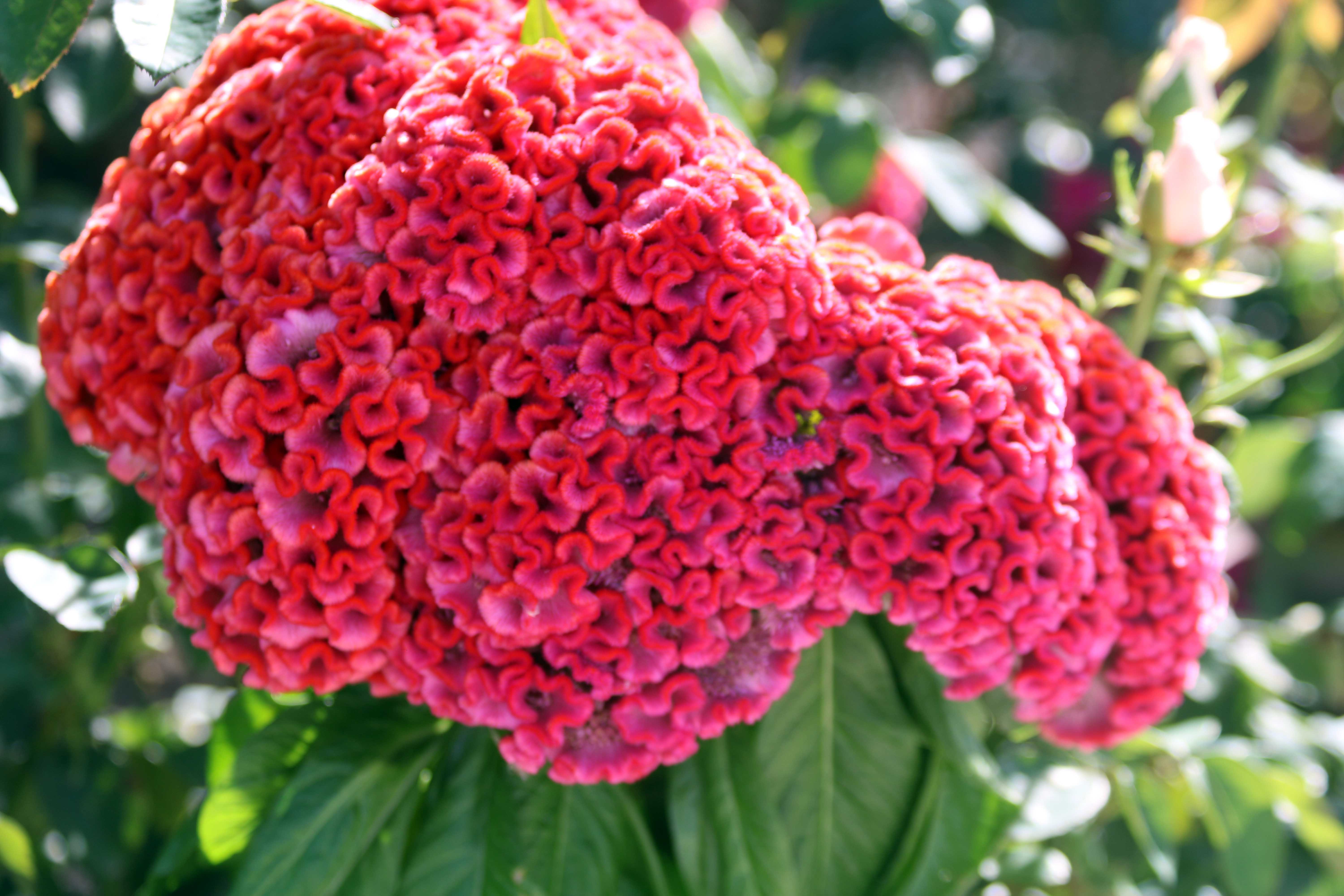
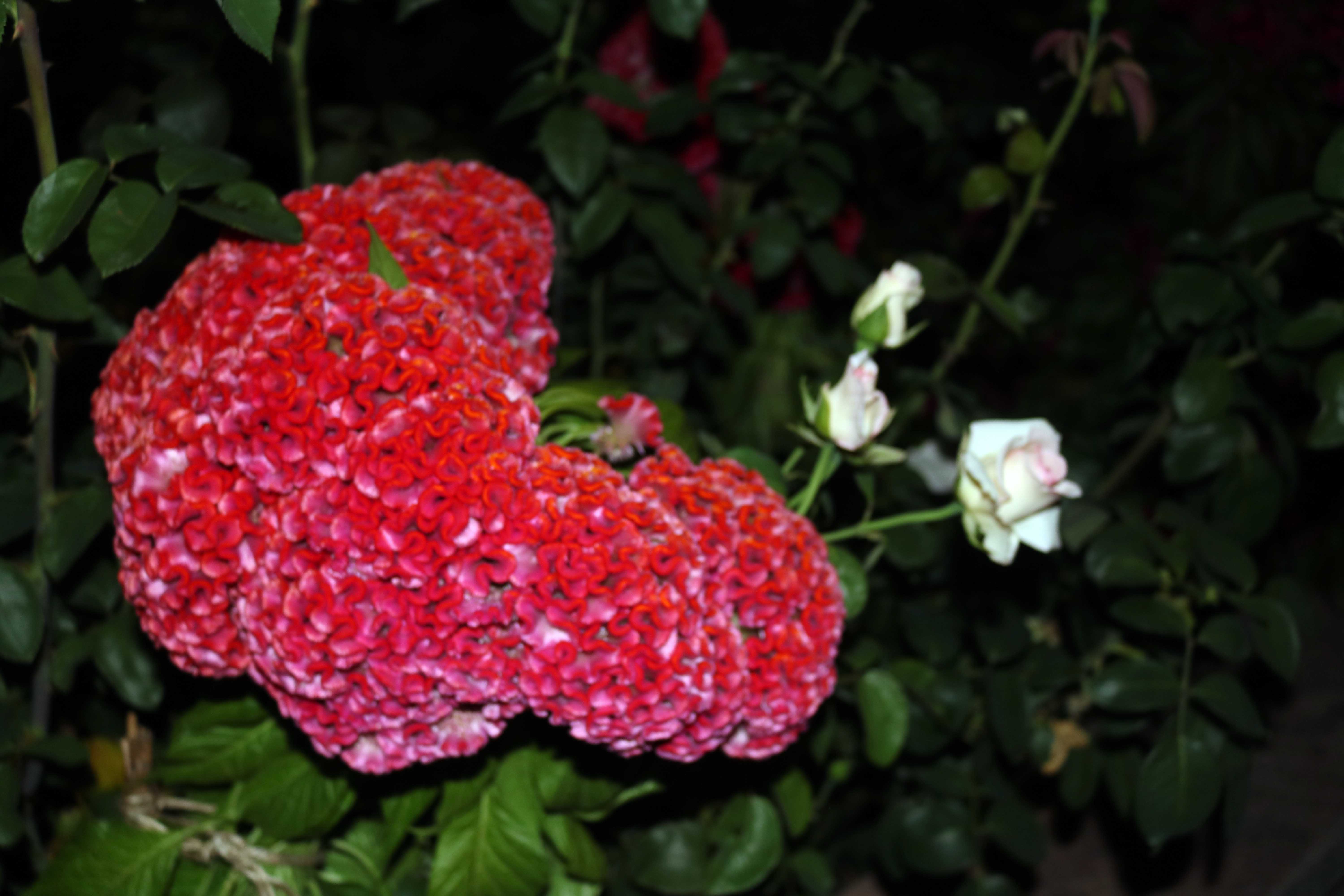
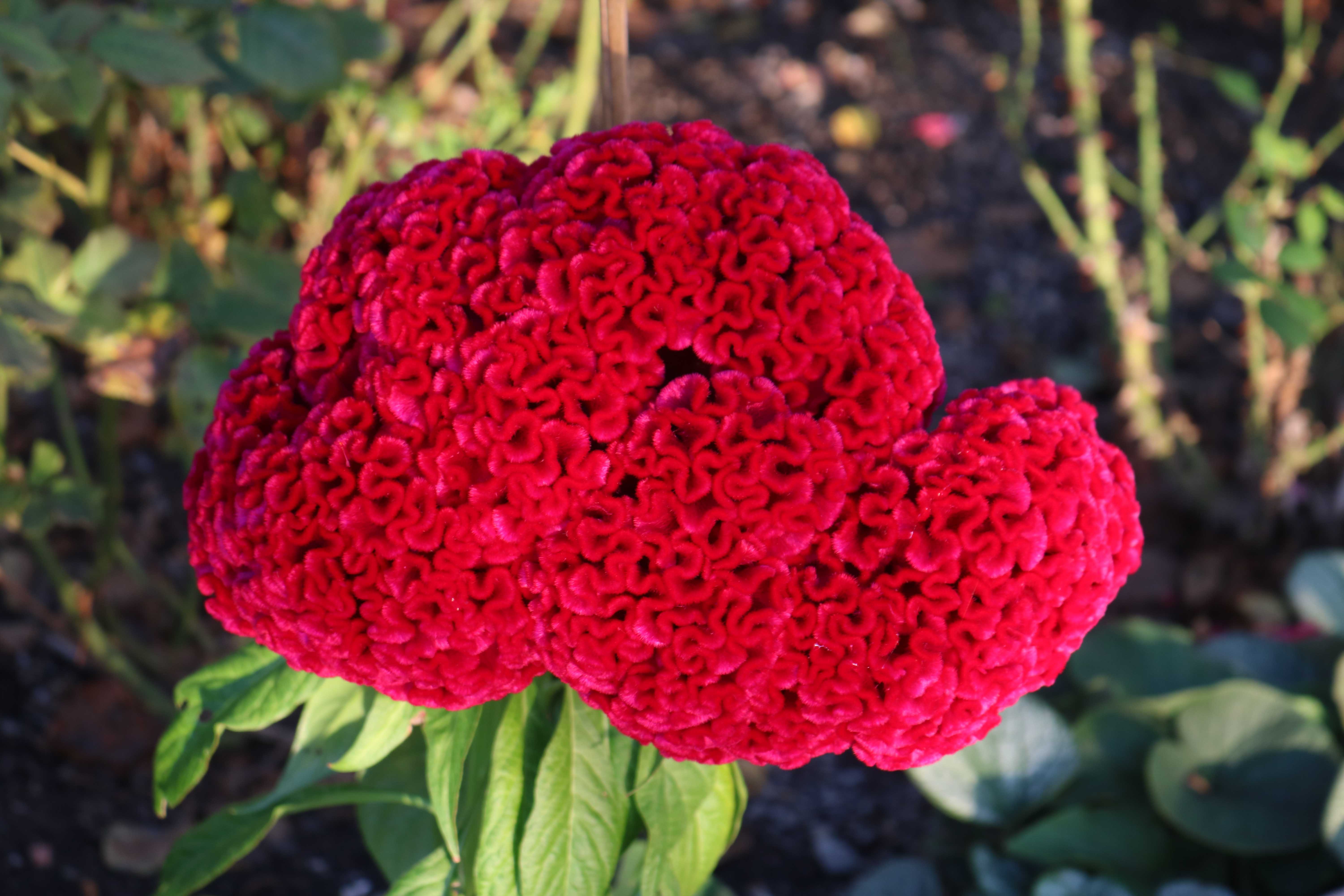
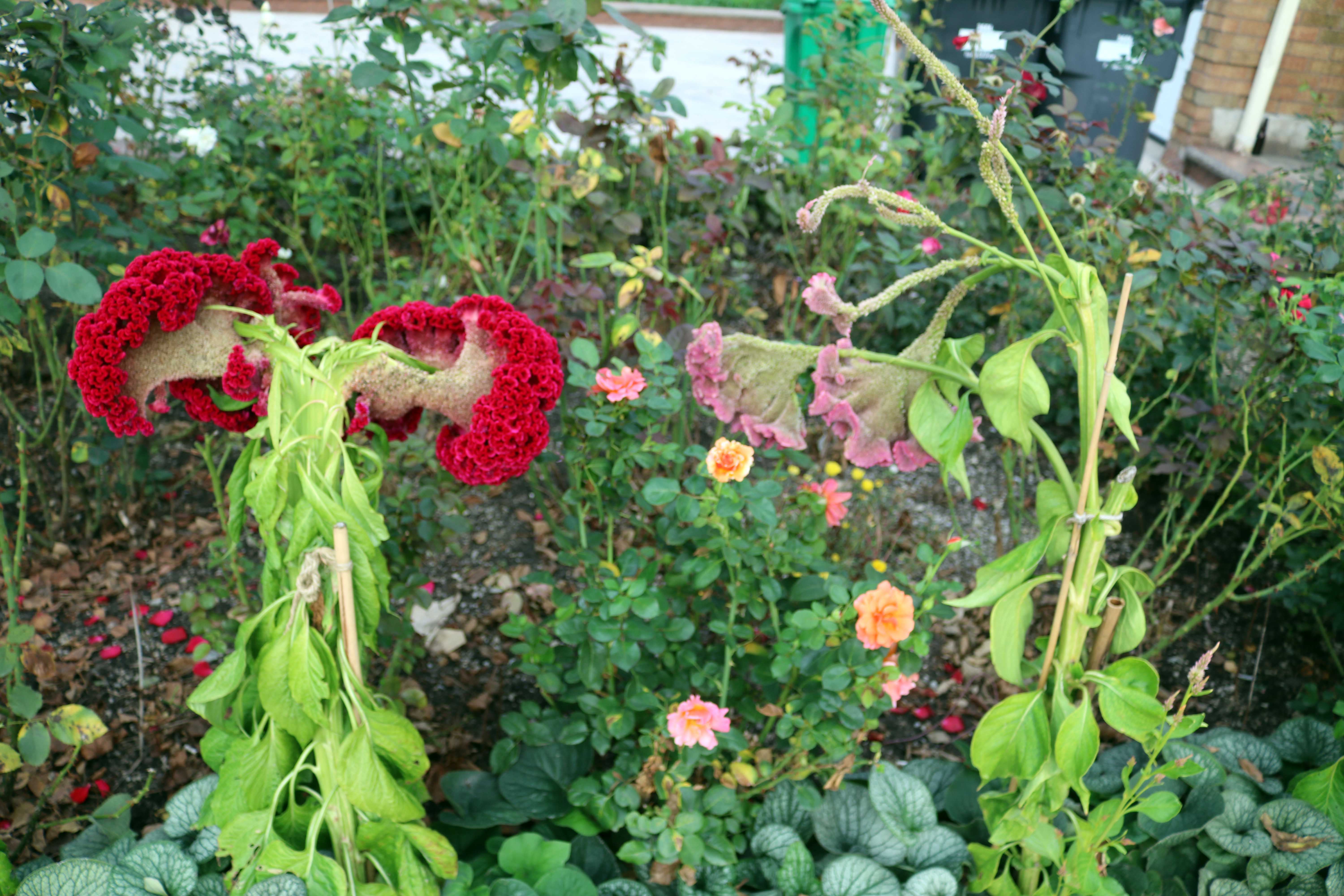
The cockscomb plant is an addition to our garden this year.  The unusual inflorescence and large size of the flowers attract many visitors to our garden.

Ccockscomb (Celosia Cristata) of the Amaranth family (Amaranthaceae) and it comes from India. Amaranth family of plants include beets and quinoa.

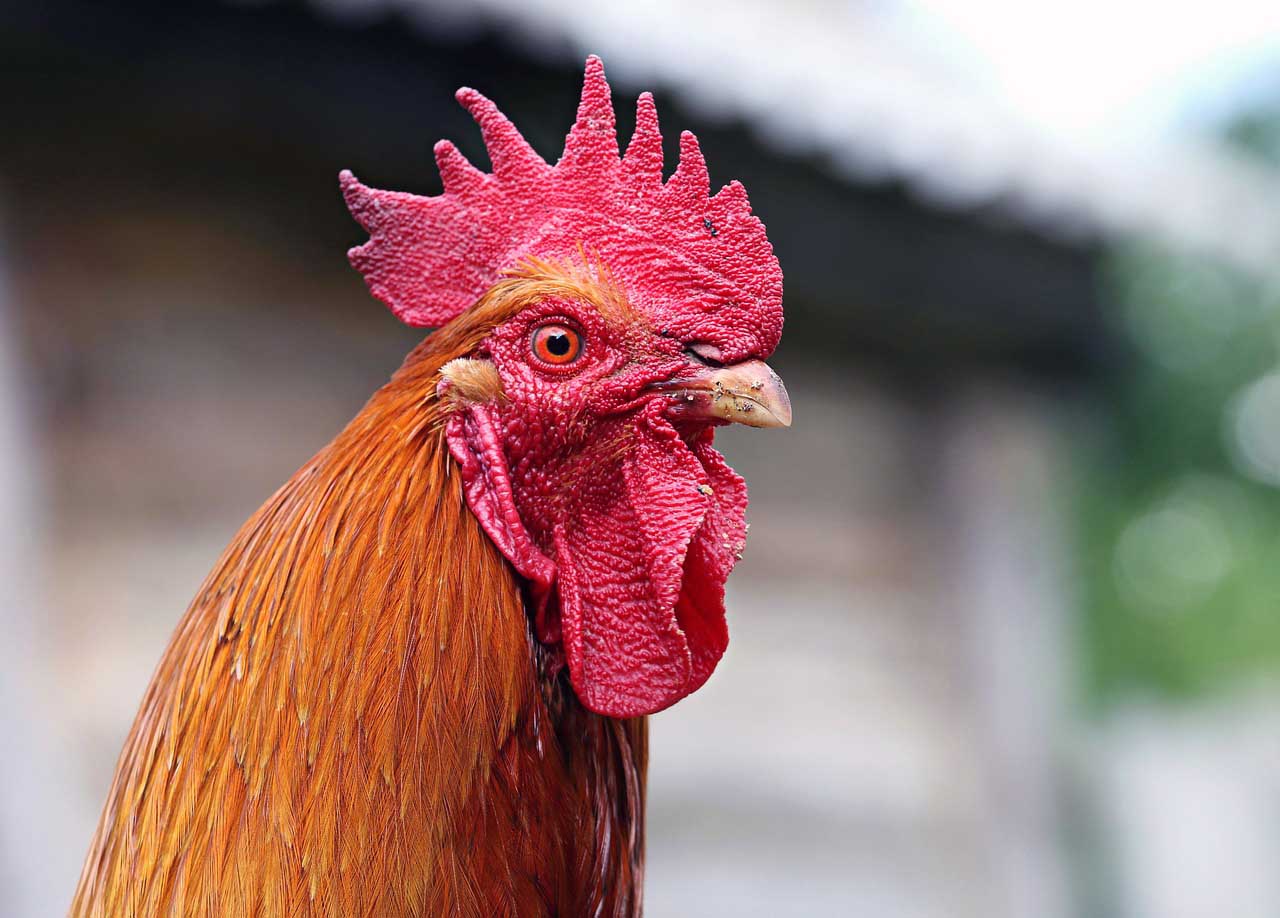
The flower gets its name from its similarity to the cock’s comb on a rooster’s head.

Our friend of Portuguese origin gifted the cockscomb seeds last year and said, “These plants originated in India first introduced to Europe in the mid sixteenth century.”

It could well be that Vasco-da-Gama took it from Kerala on his second return voyage in 1502!” I replied.

Cockscomb is also known as Dracula or Novelty Celosia. Flower head and plant reaching 12-16″ in height.

This bushy plant has dense, brain-like flowers with a woolen texture.  Thus, nicknamed wool flowers or brain celosia.

The flowers are used in traditional medicine to treat everything from headaches to menstrual cramps. 

The colours range from white and yellow to shades of orange, red, and purple. The flowers can be dried and used in floral arrangements.

Cockscomb plants produce simple oval leaves that are arranged alternately along the stem and often are borne on a reddish petiole (leafstalk).

The small flowers have colourful bracts and are densely arranged in showy inflorescences.

The flowers are tiny and hermaphrodite (Hermaphroditic plants have male and female reproductive organs within the same flower), and are packed in narrow, pyramidal, plume-like heads 10–25 cm long with vivid colors including shades of orange, red, purple, yellow and cream.

The garden reconciles human art and wild nature, hard work and deep pleasure, spiritual practice and the material world. It is a magical place because it is not divided. —Thomas Moore, writer, poet, and lyricist

Mushrooms of Finger Lake

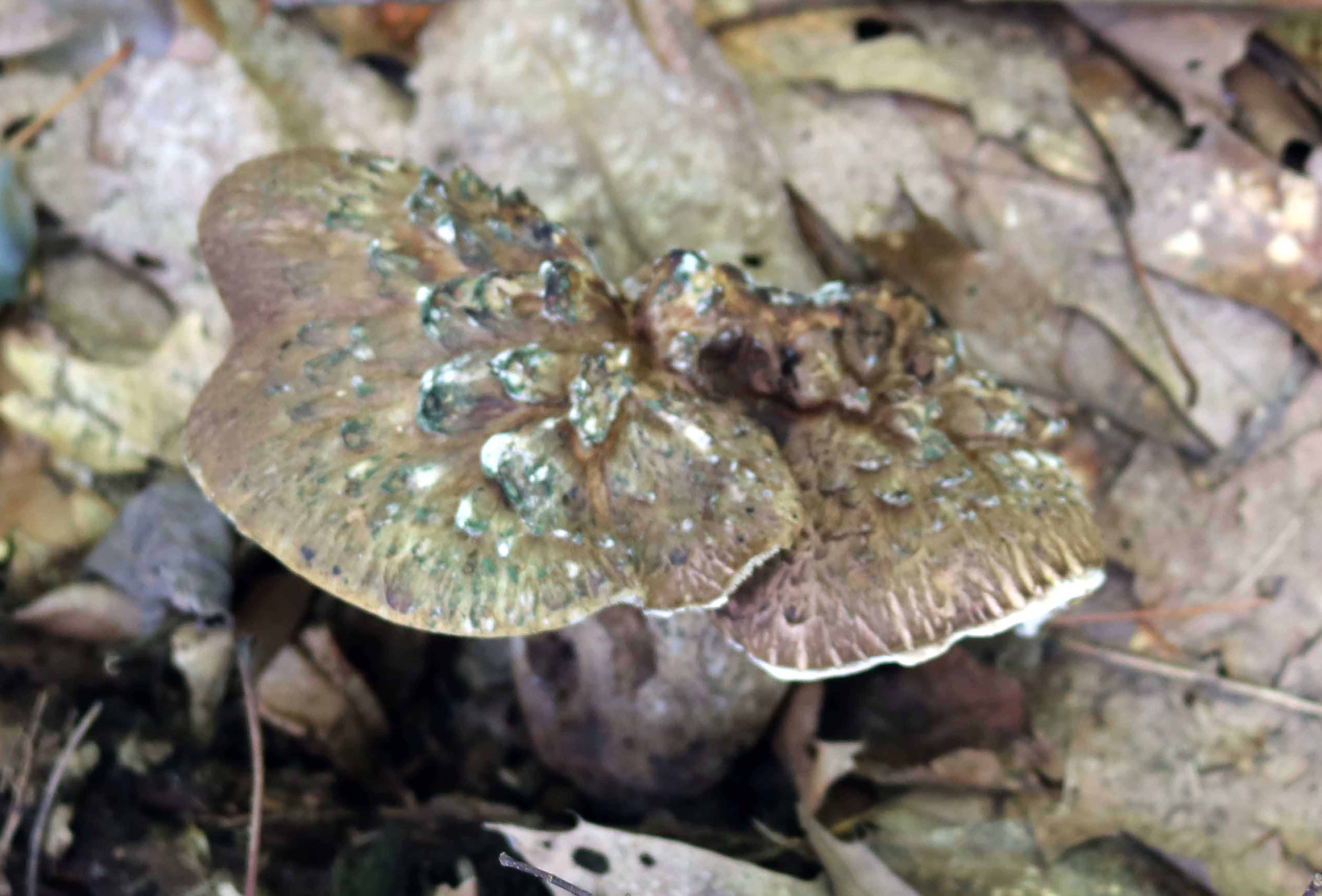
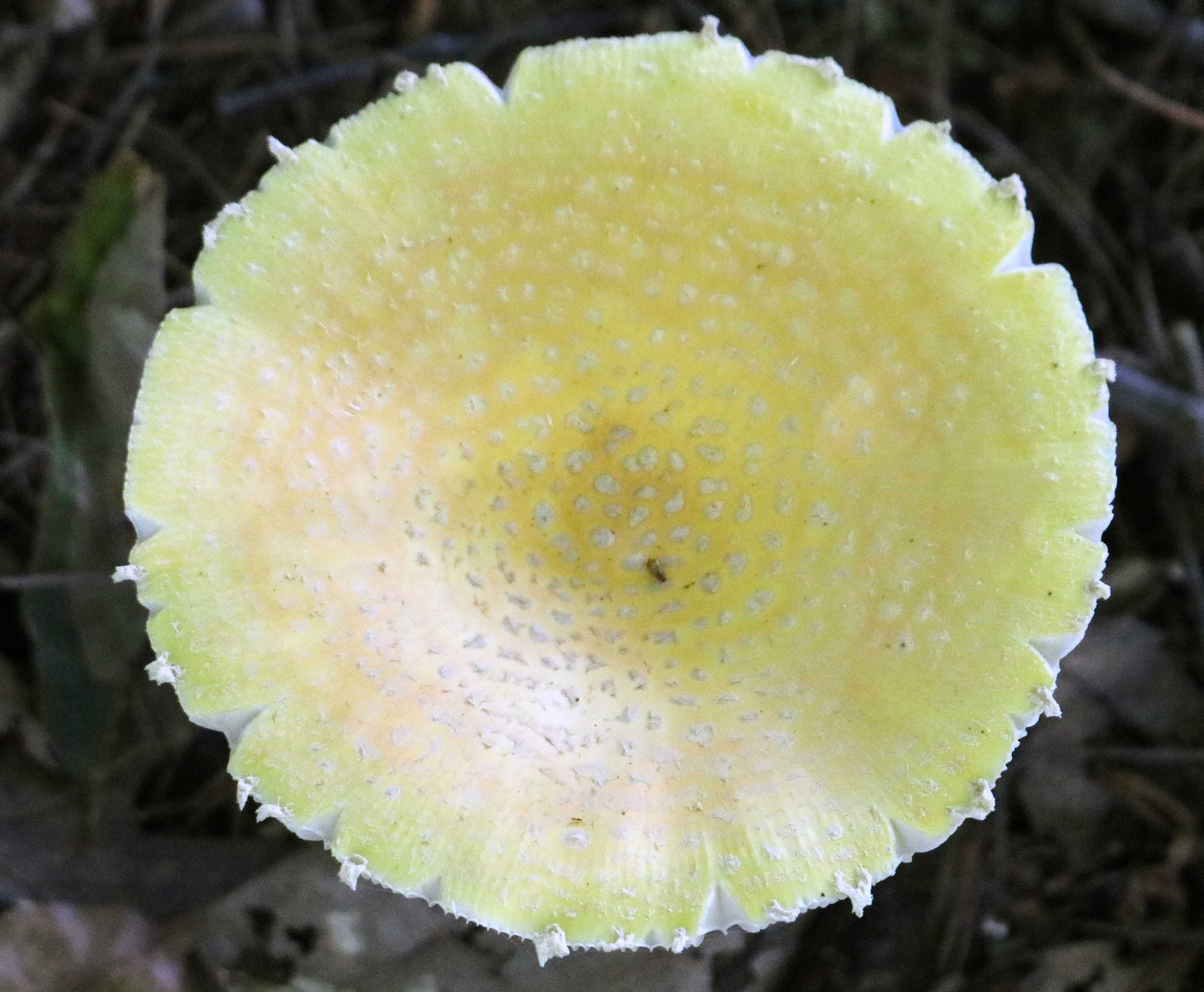
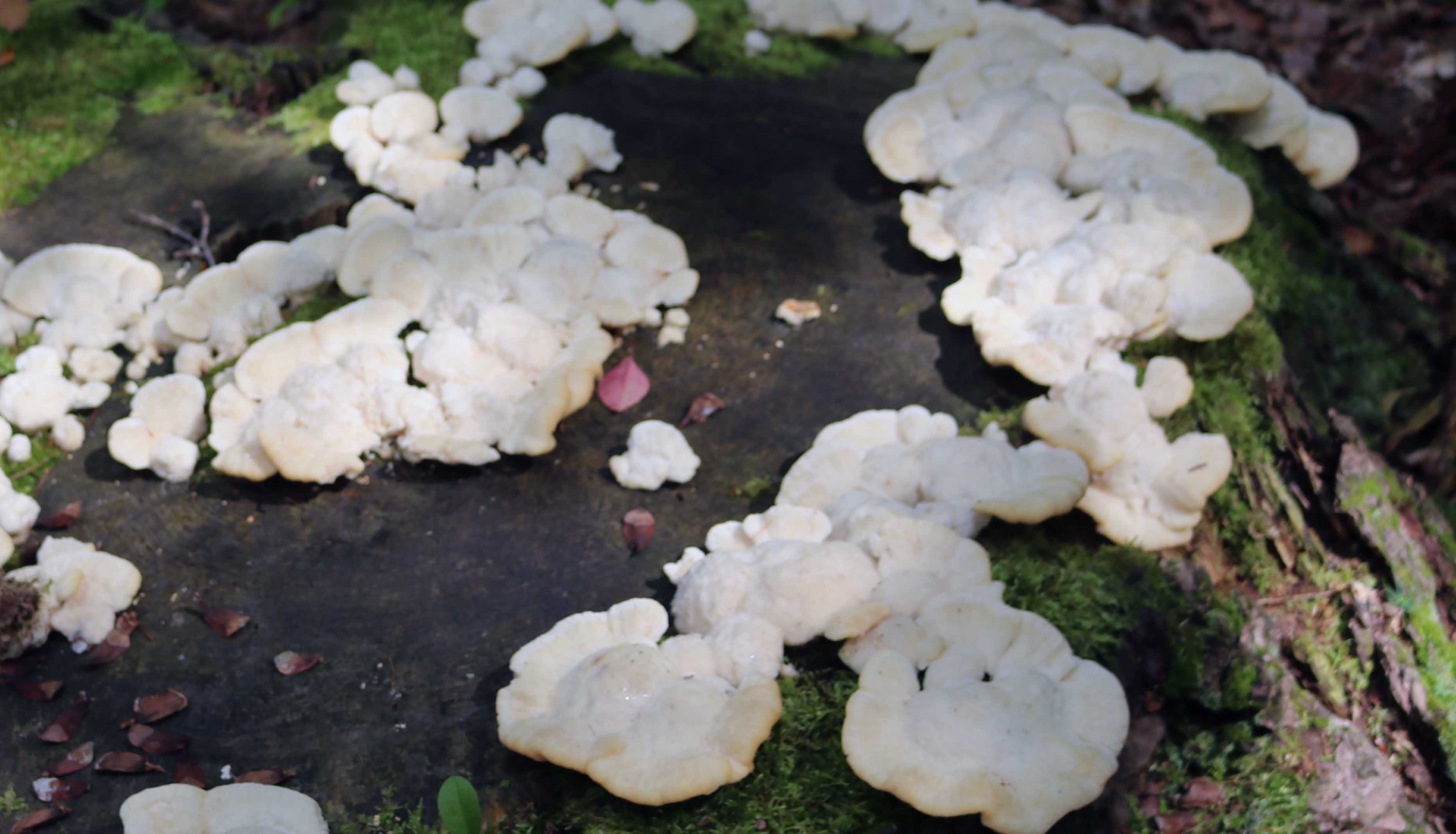
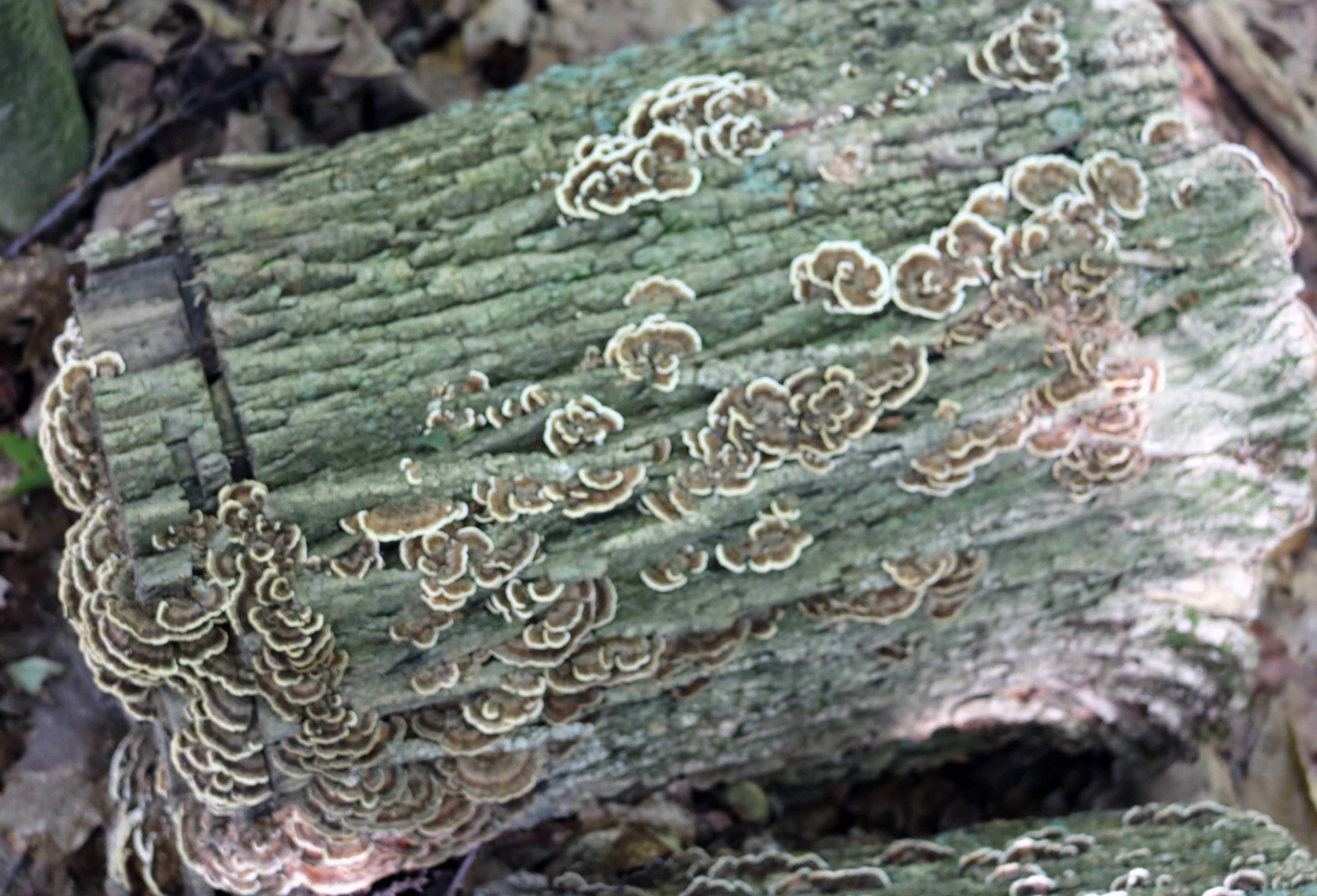
During our trek to the Taughannock Falls in the Finger Lake area of New York State, I came across some very interesting mushrooms. Roughly 75 people in North America are poisoned each year by mushrooms, often from eating a poisonous species that resembles an edible species. The advice to all is Don’t eat any mushroom in the wild! Avoid touching them too!!!

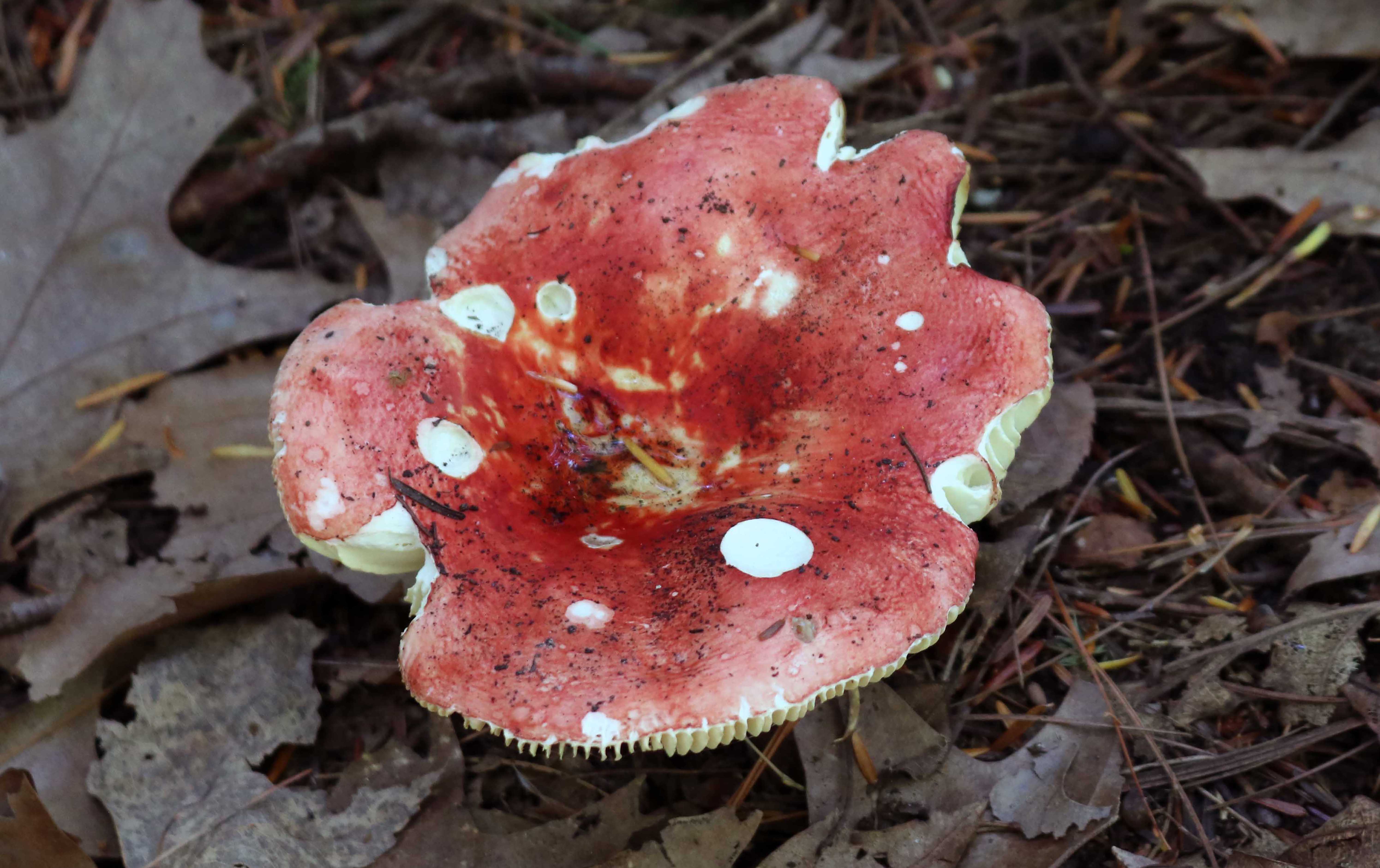
This is Russula cystidiosa, an oak-loving red mushroom with a bright red cap, a white stem, and a creamy to yellowish spore print.

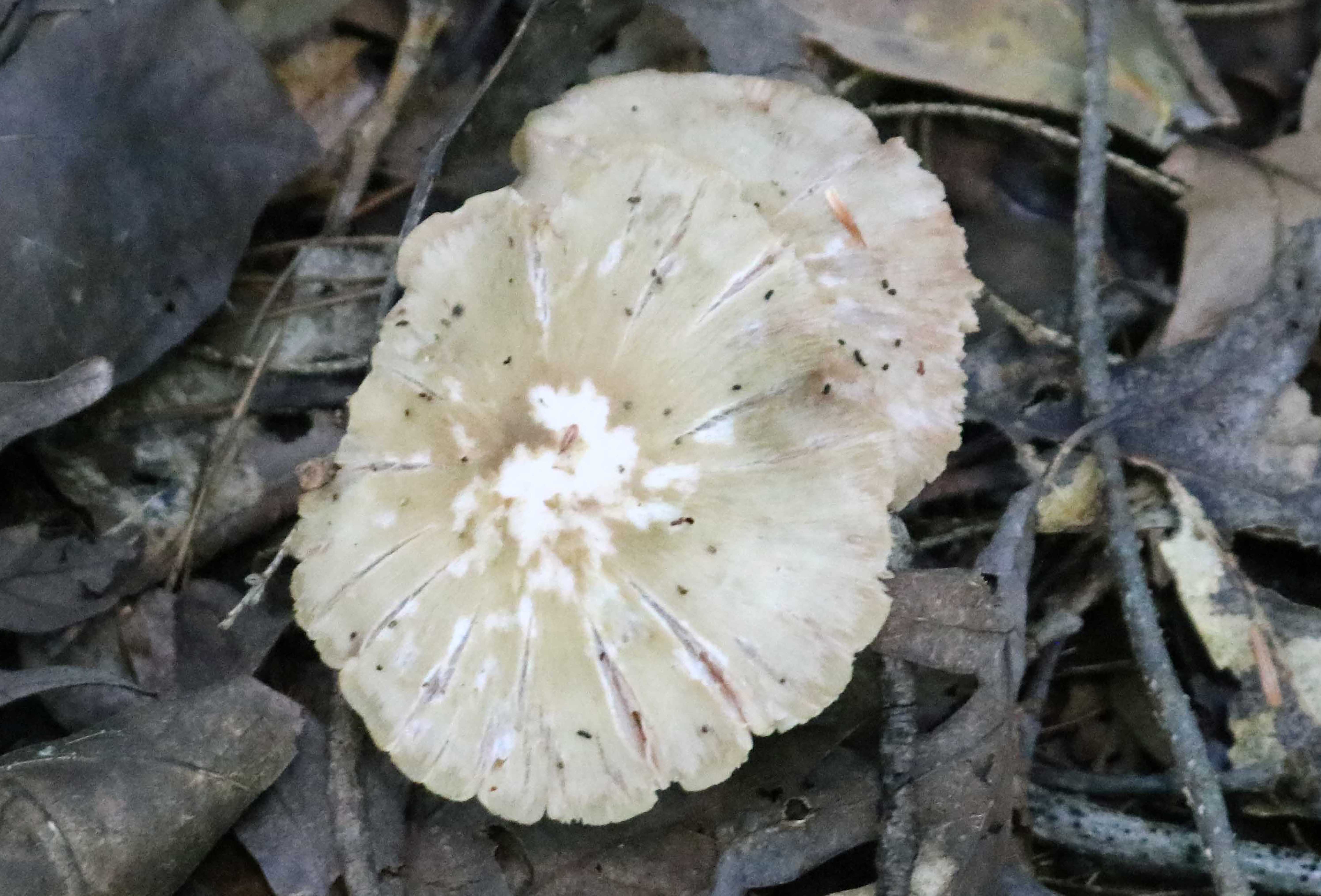
Megacollybia Platyphylla is a medium-sized mushroom that grows mainly on coniferous deadwood. It can be identified by its white spore print, brown to gray-brown cap, and a stem base often attached to white cords.

Albomagister – meaning Mr White in Italian – the name comes from its texture – is a genus of fungi in the family Tricholomataceae and this family has only one species. 

Polyporus Squamosus is an edible mushroom and is also known as Pheasants Tail as the pattern on the top of the cap that resembles pheasant’s feathers.

Leucocoprinus is a genus of fungi in the family Agaricaceae, an yellow mushroom with white spore prints.

Powder-puff Bracket (Postia Ptychogaster) is a species of fungus in the family Fomitopsidaceae. The fungus resembles a powdery cushion that grows on stumps and logs of rotting coniferous wood.

Turkey Tail fungus (Trametes versicolor ) grows on dead logs with concentric brown rings akin to a turkey’s tail. The fungus has been used in traditional Chinese medicine for many years to treat pulmonary diseases.

Ramaria Stricta, commonly known as Coral Mushroom. The name Ramaria is derived from Ram– meaning branch –aria meaning furnished with – as these mushrooms are furnished with numerous branches.

Frosted Lichens grows on hardwoods and requires bark with high pH and high moisture holding capacity. The lichen appears to have suffered a dramatic population decline due to air pollution and timber harvest.

Nature alone is antique, and the oldest art a mushroom. – Thomas Carlyle, Scottish essayist, historian, and philosopher