Dreams & 3BHK: A Reflection on Parental Aspirations and Sacrifices

Recently watched the Thamizh movie 3BHK (3 Bedrooms, Hall, and Kitchen Apartment), which tells the story of Vasudevan (Vasu), a lower-middle-class father in India, and his relentless pursuit of owning a 3BHK apartment. His dream spans two decades, during which his entire family—his wife, son, and daughter—sacrifice their own aspirations to help him achieve it.

Yet, every time they near their goal, life intervenes: Prabhu, their under-performing son, requires a hefty capitation fee for engineering admission; their daughter Aarthi’s marriage demands financial resources; and Vasu suffers a cardiac arrest, adding medical bills to their burdens. The cycle repeats with cruel predictability.

Prabhu’s Struggle: A Dream Deferred

Prabhu, though not academically brilliant, dreams of becoming a Mechanical Engineer. However, with low marks, his only option is a private college that demands an exorbitant capitation fee. His aspirations are crushed when the principal declares, “The future is in IT—better take IT.” Pressured by Vasu, Prabhu reluctantly pursues IT engineering while working part-time at a machine shop—his true passion.

After struggling through his degree, he lands a programming job but finds no joy in it. When Vasu arranges his marriage to a wealthy man’s daughter (for financial security,) Prabhu rebels and on the eve of his engagement, he elopes with his school sweetheart, declaring, “This is the first decision I’ve made with my heart!”

His IT career ends abruptly when his manager dismisses him: “You just Ctrl C & Ctrl V code. Nothing great!”—a harsh truth about India’s IT sector. He declares, “IT has its future, but my future is not in IT!” Finally free, Prabhu returns to his passion, working at the machine shop and pursuing Mechanical Engineering degree with his earnings and eventually securing a well-paying mechanical engineering job.

Aarthi’s Sacrifice: The Cost of Conformity

Aarthi, on the other hand, earns a commerce degree and secures a good job – only to be married off after a five-minute meeting, a common tragedy in middle-class Indian families. Forced to quit her job by her in-laws, she becomes a domestic servant in her in-laws’ home, enduring abuse until she finally walks out and files for divorce. Returning to work becomes her solace.

The Bittersweet Fulfillment of a Dream

In the end, Aarthi and Prabhu secure a housing loan and buy the long-coveted 3BHK apartment. The family moves in, but at what cost?

The film poignantly portrays a father living his dreams through his children, dictating what their dreams should be. The mother, a silent spectator, embodies the passive compliance often seen in traditional Indian households.

A Lesson for Parents: Let Children Dream

Parents should never live vicariously through their children. Instead, they must encourage their children to dream – and dream big. Their role is to support the children in achieving their dreams, not dictate what they should dream.
For a deeper understanding of Dreams, Aims & Goals, and how to achieve them, please click here to read my earlier blog.

The Invisible Wounds of War: Understanding PTSD in Indian Soldiers

A General’s Final Salute

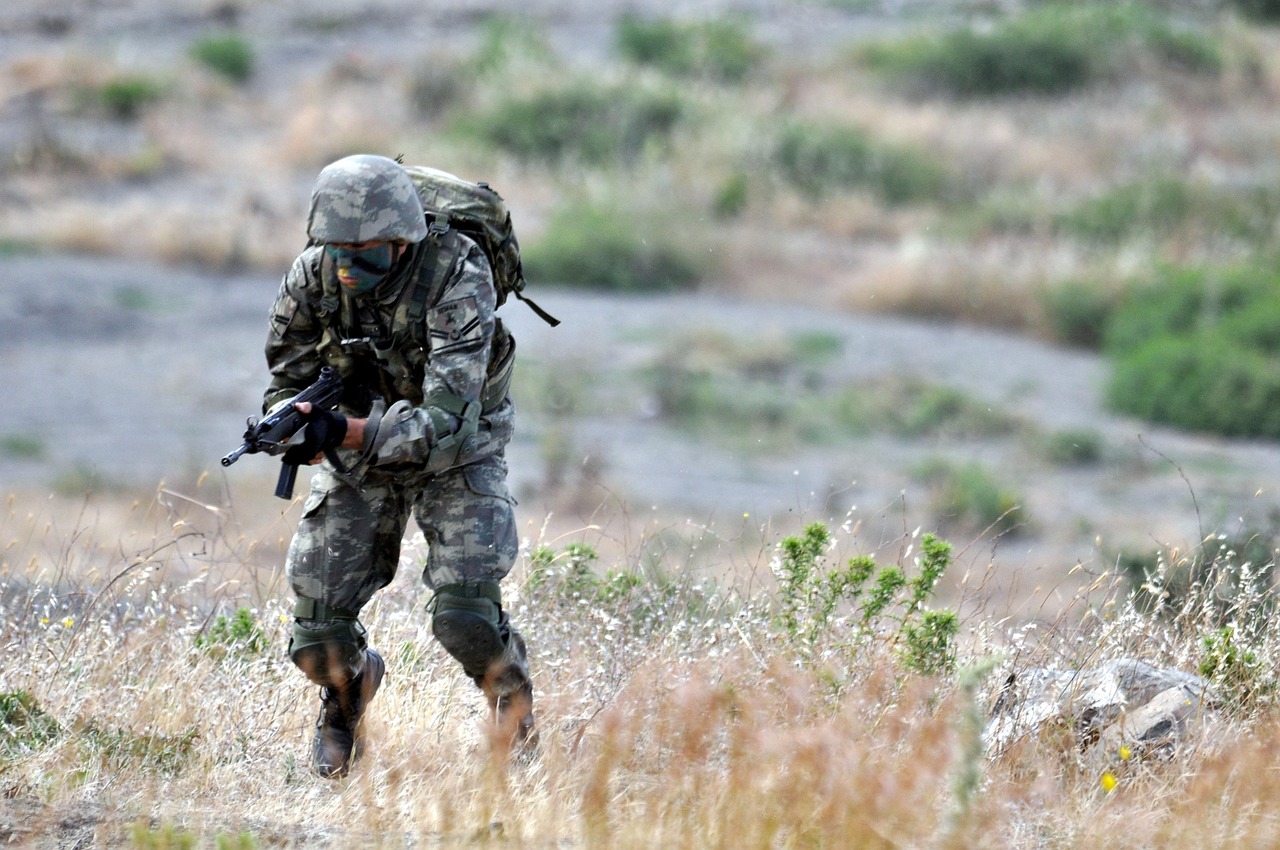
When Lieutenant General Savi (name changed) jumped from his eighth-floor apartment, his death shocked the military community. Friends revealed he had withdrawn from social life for three years—a classic red flag for Post-Traumatic Stress Disorder (PTSD). His tragedy underscores a silent crisis: India’s soldiers are fighting battles long after retirement.  As a veteran, I’ve experienced this firsthand.

The Indian Army operates in extreme environments—Siachen’s glaciers, Kashmir’s counterinsurgency ops, Insurgency-hit jungles—yet denies the psychological toll. While the Defence Institute of Psychological Research (DIPR) likely has PTSD data, reports gather dust in South Block’s bureaucracy.

PTSD: The Enemy Within

What is it?

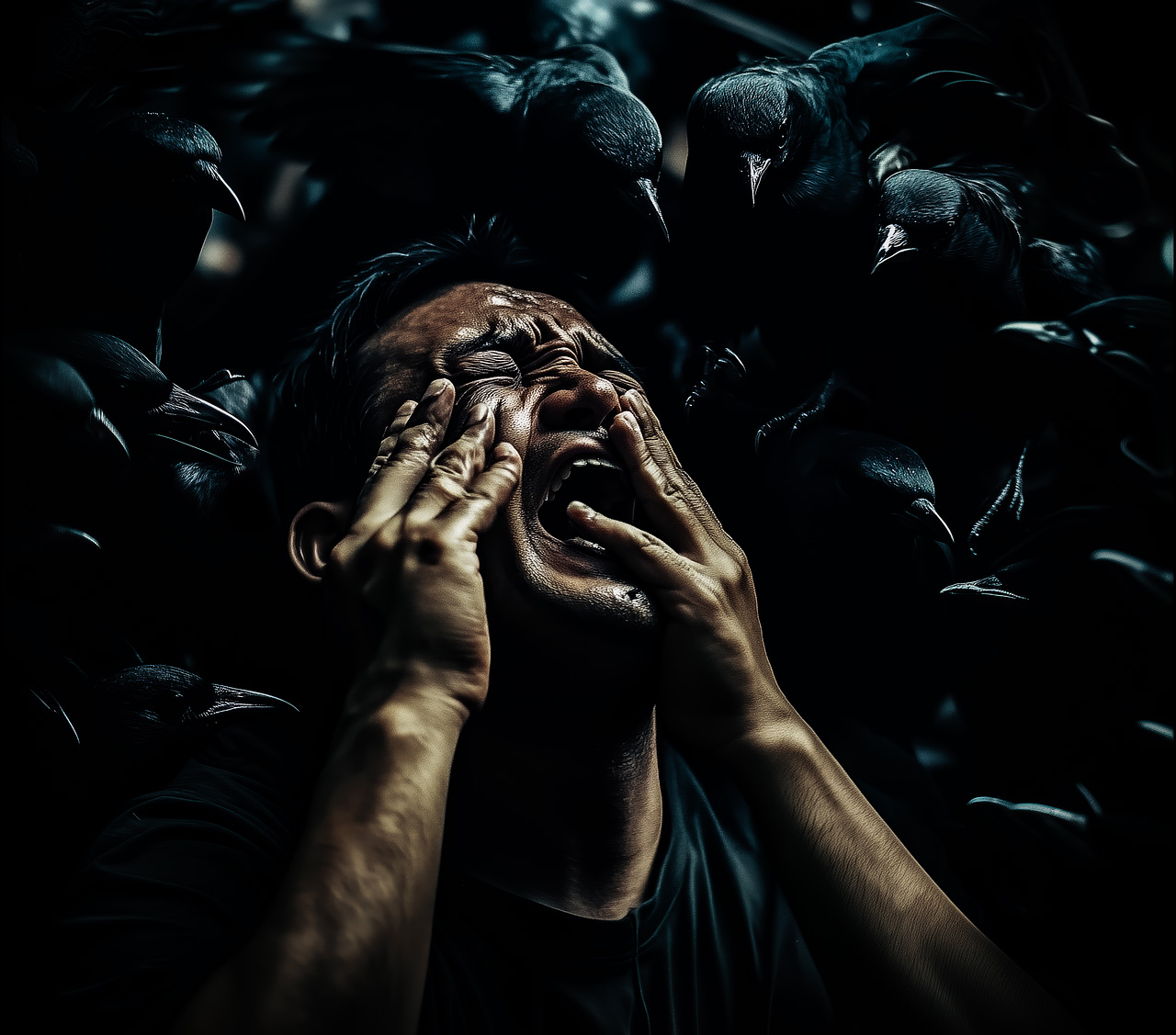
PTSD isn’t a weakness—it’s a brain injury caused by trauma (combat, explosions, losing comrades). PTSD isn’t a Western concept. Ancient Indian texts describe warriors’ psychological wounds—we just forgot to listen. In Mahabharata, Arjuna, experiences profound distress and hesitation to fight, displaying signs of what could be interpreted as PTSD. It’s time to honour our soldiers by healing their invisible scars. Symptoms include:

  • Reliving Hell: Nightmares, flashbacks (e.g., smelling gunpowder years later).
  • Emotional Numbness: Avoiding weddings, unable to hug children.
  • Hypervigilance: Startling at fireworks, road rage incidents.

Why Soldiers Are Vulnerable:

  • Delayed Onset: Symptoms may emerge years after retirement.
  • Stigma: Seeking help assuming it to be unsoldierly.
  • Institutional Denial: No PTSD modules in training at various academies and training institutions.
  • Psychiatric Department in Military Hospitals – they resemble a German Concentration Camp and the Psychiatrist’s office an interrogation cell.
  • Lack of confidence in Psychiatric Intervention.  Sometimes it has been used as a mode to punish those who do not Fall-in-Line. The infamous AFSF10 is mostly misused.

The Hidden Fallout of PTSD

  • Depression: Life loses meaning. Nothing feels joyful. Feelings of guilt over surviving when others didn’t can lead to isolation.
  • Anxiety: A constant sense of dread, often misinterpreted as a physical illness.
  • Substance Abuse: Affected soldiers may turn to alcohol or drugs. General Savi reportedly had a dependence on alcohol.
  • Relationship Issues: Loved ones may perceive veterans as distant or self-centered. Emotional intimacy and sexual relationships may also suffer.
  • Career Disruption: PTSD can impair focus, memory, and work performance. Some veterans bury themselves in work to cope, while others find even simple tasks overwhelming.

The Ripple Effects of Untreated Trauma

  1. Families Under Fire:
    • Spouses describe living with ghosts – Soldiers/ Veterans physically present but emotionally absent.
    • Children learn to tiptoe around Dad’s unexplained anger.
  2. Career Collateral:
    • Workaholism or Self-Sabotage become coping mechanisms.
    • Alcohol Abuse.
  3. National Betrayal:
    • Veterans feel abandoned by the system they served. As one soldier remarked: “They give us medals but took away our dignity.”

Breaking the Silence: A Battle Plan

For the Indian Army:

  • Mandatory mental health screenings during/after high-risk deployments.
  • Trauma-informed leadership training for officers (Battalion Commanders must recognise PTSD and be capable of counselling soldiers suffering from PTSD).
  • De-stigmatise therapy by involving soldiers/ veterans in awareness campaigns. Making everyone aware that consulting a psychiatrist/ psychologist does not mean that one is mad.

For Veterans:

  • Therapy Works: CBT and EMDR can rewire trauma responses.
  • Brotherhood Heals: Join peer groups like Ex-Servicemen Mental Health Foundation.
  • Small Wins Matter: Daily walks, fixed sleep times, reconnecting with one friend.

For Society:

  • Stop asking “Were you in combat?”—PTSD can stem from training accidents or peace-time deployments.
  • Demand Veteran Mental Health Policies.  Ex-Servicemen Contributory Health Scheme (ECHS) clinics are devoid of psychiatrists.

Last Post

General Savi didn’t die from weakness—he was failed by a system that equates mental health with shame. Until we accept that uniforms don’t armour minds, more silent salutes will follow.

“The bravest thing I ever did was asking for help.”  – Anonymous Para SF Veteran

Conclusion

The silence around PTSD in the Indian military is costing lives. The first step to healing is acknowledging that PTSD exists. It is not weakness. It is the cost of duty, paid in silence. For soldiers like General Savi, that silence turned fatal. But with greater awareness, empathy, and institutional support, we can ensure others don’t have to suffer in silence. Above all, remember you are not alone. Across generations, soldiers and veterans have faced similar struggles—and overcome them.

Thanks to Veteran Major General SK Dutta who prompted me to pen this article.

Srinagar Airport Incident: A Symptom of a Larger Crisis

Recent reports of an Indian Army officer assaulting SpiceJet staff over baggage fees shocked many. While inexcusable, this aggression may point to a deeper issue: Post-Traumatic Stress Disorder (PTSD). Unlike Canadian soldiers—who enjoy baggage allowances up to 32kg ×3 pieces without fees – Indian personnel often face logistical stressors that compound existing traumas.

Canadian Soldiers are not charged overweight/ and or oversized bag fees for in all Canadian airlines including ultra-low-cost airlines – both on official and private travel.  

This incident mirrors my own awakening to PTSD after moving to Canada. When our children teased, “Dad, PTSD is kicking in!”, I realised how ill-equipped I was as a former Commanding Officer to recognise this invisible wound in my soldiers or myself.

PTSD: The War That Doesn’t End

PTSD is a psychological injury caused by trauma (combat, accidents, witnessing death, etc.) Symptoms include:

  • Intrusions: Flashbacks, nightmares (e.g., reliving Siachen avalanches).
  • Avoidance: Shutting down when asked about operations.
  • Hyperarousal: Explosive anger, sleep disorders, constant vigilance.

Historical Context.  In the American Civil War, it was referred to as Soldier’s Heart; in the First World War, Shell Shock; in the Second World War, War Neurosis; Vietnam War, Combat Stress Reaction. Many soldiers suffering from PTSD were labelled as Combat Fatigue and many soldiers continued and in 1980, it was categorised as PTSD.

Why PTSD Goes Unchecked in the Indian Army

  1. Cultural Stigma: Mental health – Considered a weakness in hyper-masculine environments.
  2. Lack of Training: No PTSD education for both officers and soldiers.
  3. Systemic Neglect: Low reported rates (officially) may reflect fear of career impacts or denied benefits.

Devastating Consequences of PTSD

  • Relationships: Emotional numbness destroys marriages (Why won’t he hold our baby?)
  • Substance Abuse: 50% veterans with PTSD self-medicate with alcohol.
  • Work Dysfunction: Alternating between workaholism and uncontrollable rage.

Breaking the Silence: Pathways to Healing

  • Therapy: Cognitive Behavioral Therapy (CBT,) Eye Movement Desensitisation and Reprocessing (EMDR), a psychotherapy technique to alleviate the distress associated with PTSD.
  • Routine: Exercise, sleep hygiene, small daily goals.
  • Community: Creation of Veteran support groups.

For the Indian Army:

  • Accept Prevalence of PTSD.
  • Mandate PTSD Screening post-deployment (especially CI ops, high-altitude postings.)
  • Train officers to recognise symptoms.
  • Destigmatise PTSD. Confidential counseling without career penalties.

For Society:

  • Stop glorifying Sacrifice while ignoring suffering.
  • Demand veteran mental health budgets (current: <1% of defense spending).

A Call to Action

That officer at the airport wasn’t just misbehaving—he was likely re-experiencing trauma. Until India acknowledges PTSD as a war injury (not a disgrace,) we fail those who defend us. Indian Army claims that prevalence rates of PTSD is much lower compared to global averages – may be to ensure that the Veterans do not claim disability benefits.  In my opinion, about 50% of the Indian Veterans suffer from PTSD.

My Tryst with the Curry Leaf Tree

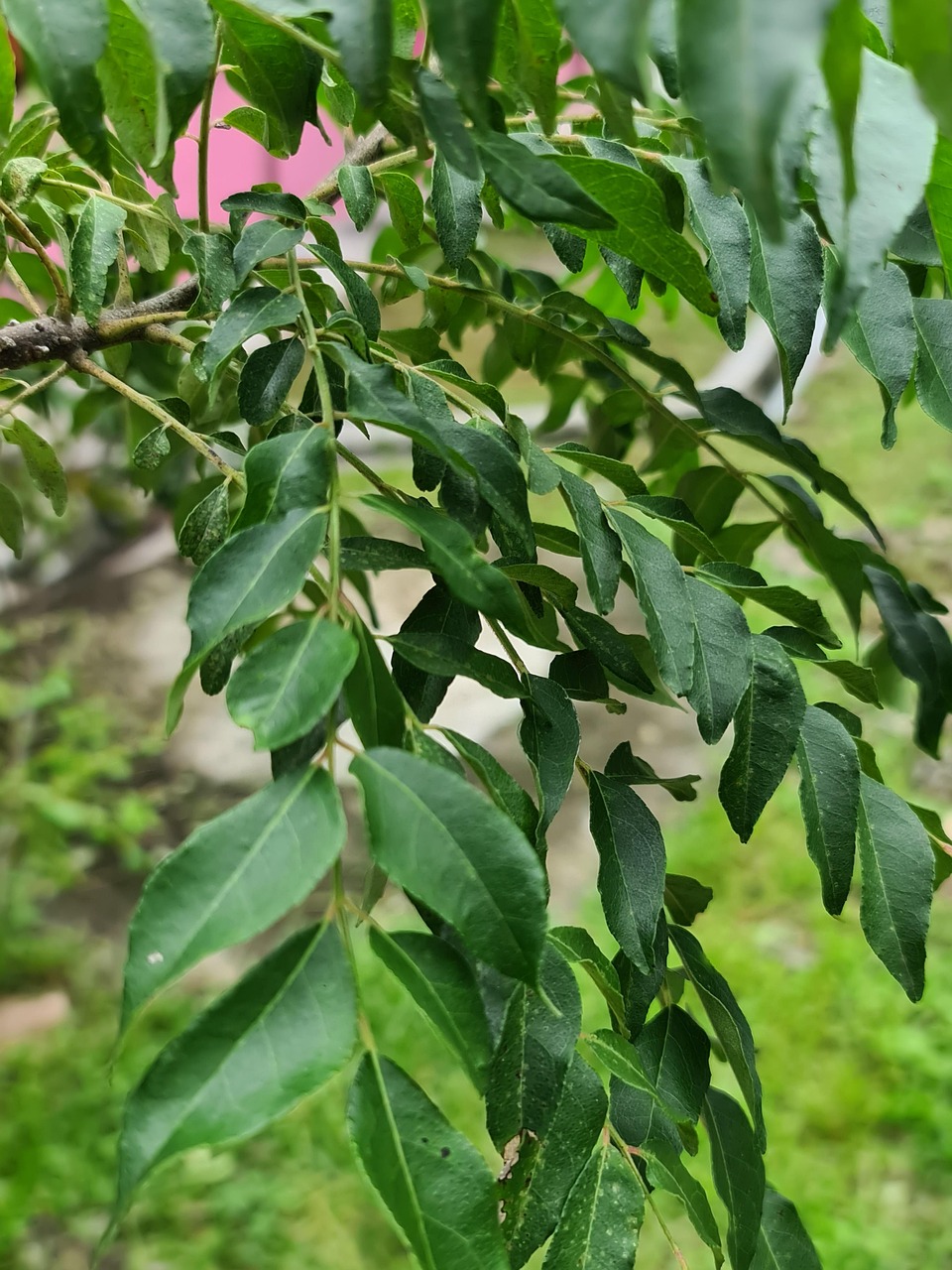
For any Malayali or South Indian, cooking without curry leaves is unthinkable. Whether it’s the sizzle of leaves in hot oil at the start or their fragrant finish, these citrusy, herbaceous gems elevate every dish.

Curry Tree (Murraya koenigii) (Bergera Koenigii,) കറിവേപ്പില (Kariveppila -Malayalam,) கறிவேப்பிலை (Kariveppilai – Tamizh,) कड़ी पत्ता (Kaddi Patta Hindi),is a tree that produces aromatic oval shaped leaves. The aromatic and flavorful leaves can change the taste of a dish quite dramatically by adding a pungent lemony flavor.

The Canadian Curry Leaf Struggle

When we arrived in Canada two decades ago, fresh curry leaves were a luxury. Sold at exorbitant prices in Indian grocery stores, these imported leaves often arrived wilted, their magic fading within days. Determined to grow our own, we embarked on a quest—one that proved far harder than we’d imagined.

In tropical Kerala, curry leaf trees grow like weeds. But in Canada? Indoors, they demanded the patience of a saint. Our first sapling, bought in 2006 for $20, withered within months. Five more gifted by friends—two smuggled from the US—met the same fate. Back then, the internet offered little guidance. We tried every hack: diluted lime juice, yogurt water, fermented rice water. Nothing worked.

The Culprit: Mealybugs and Scale Insects

Not to Give up Soldier (likely refers to the story of Hiroo Onoda, a Japanese soldier who continued fighting on a Philippine island for 29 years after World War II ended, refusing to believe the war was over. He eventually surrendered in 1974, after his former commanding officer personally rescinded his original orders). I researched on the internet, spoke to specialists at various nurseries, but to no avail.

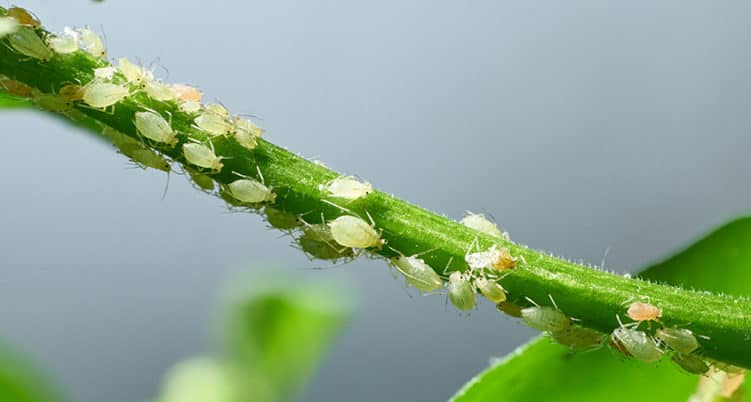
In 2022, we were gifted a curry leaf sapling by our family friend who had managed to smuggle it from the US. We shall not fail this time – we entered a covenant. The internet offered much more advice by now and we zeroed on to the culprit – Mealybugs or Scale Insects. These pests are known to infest curry leaf plants, often found under the leaves or on stems.

Mealybugs are white or pinkish-white insects with a waxy coating. They lay eggs in cottony masses, and their larvae feed on plant sap, causing leaves to curl and turn yellow.

Scale insects are small, immobile insects that attach themselves to stems and leaves. They feed on plant sap, leading to similar symptoms as mealybugs.

These pests can enter your home from infested plants brought indoors, open doors and windows, and new soil. They can also spread from fresh produce or cut flowers and from gardening tools. The larvae of these pests can burrow into the roots of the curry leaf plant, causing further damage and potentially leading to root rot. 

We fought back with neem oil, insecticidal soap, and repotting—but the infestation persisted. Just as despair set in, we discovered Doktor Doom Indoor Plant Spray (0.25% pyrethrin, derived from chrysanthemums.)

Eureka! Fortnightly applications saved our sapling. By 2025, it had flourished into a mother tree, sprouting 36 saplings from its roots.

A Curry Leaf Revolution

We re-potted the saplings—two per pot—and shared them with 18 friends across Canada. No more smuggling needed! While growing from seeds is possible, it’s slow and finicky indoors. Our hard-won wisdom? Pyrethrin is the hero, and vigilance is key.

Today, our home smells of Kerala -thanks to a family that refused to surrender, and a battle fought one leaf at a time.