
Introduction: The Political Repercussion
On 04 November 2025, Canada unveiled an immigration plan for 2026-2028. While setting targets of 385,000 newcomers in 2026 and 370,000 for the subsequent two years, it explicitly prioritised immigrants in fields like emerging technologies, healthcare, and skilled trades—primarily construction. This targeted approach is not an anomaly but a strategic response to a looming global crisis: the large-scale job displacement driven by Artificial Intelligence (AI). As AI disrupts labour markets, developed nations are entering a new political era where the vulnerability of a worker is defined not just by their skills, but by their citizenship status, making migrant populations convenient political targets for economic anxiety.
Canada’s Alberta province government has tabled legislation to add health-care numbers and mandatory citizenship markers to driver’s licences and identification cards. Other provinces in Canada are likely to follow suit.

The Political Calculus of Displacement
The emergence of AI promises widespread job displacement, creating a significant political challenge for developed nations. In countries with large populations of migrant and temporary workers, governments will face intense internal pressure to protect their citizens from unemployment. The political calculus becomes straightforward as native-born workers are displaced, governments must be seen prioritising their re-employment. Consequently, the path of least resistance may be the large-scale deportation of temporary workers and stricter enforcement of immigration laws. Nations like the US, Canada, Australia, and the UK are already signaling this shift through tougher legislation and empowered enforcement agencies. In an automated economy with shrinking demand for routine labour, foreign workers—often the most vulnerable—risk becoming the primary scapegoats for political expediency.
This dynamic is already visible. In the US and Canada, the most vulnerable foreign workers are often in roles ripe for automation, such as programming, software testing, truck/ taxi driving, accounting, and customer service. Conversely, roles demanding high levels of interpersonal interaction, complex physical dexterity, and nuanced judgment are more resilient. Workers in healthcare, skilled trades, and agriculture represent a less vulnerable segment, as their tasks integrate a synergy of sensory perception, adaptability, and physical skill that remains difficult to automate. This explains the logic behind Canada’s targeted immigration plan. It is a pragmatic effort to fill enduring human gaps while the political winds shift against other migrant groups.
The Escalating Threat: From Specialised AI to Adaptive AGI
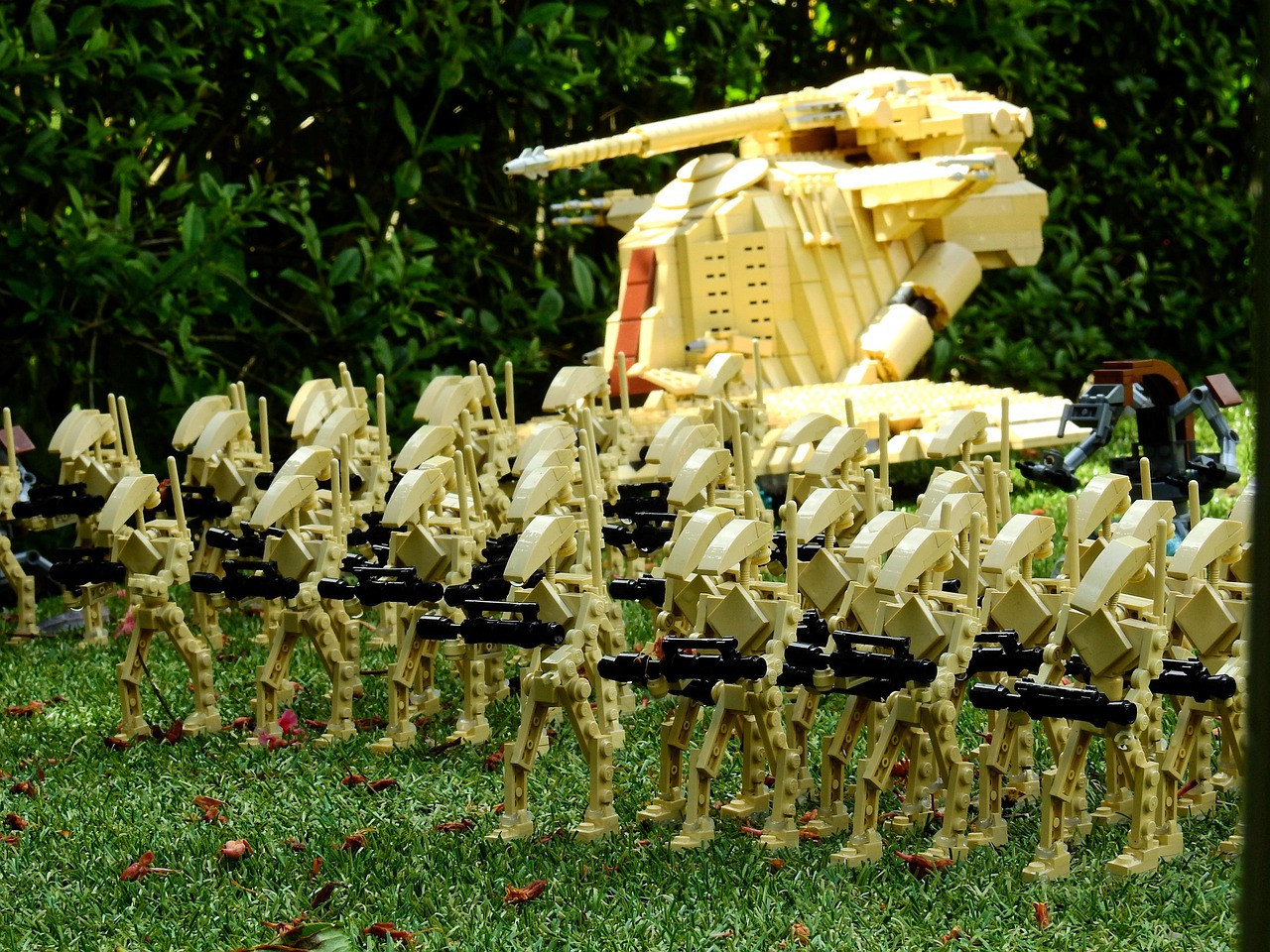
The current wave of automation is driven by specialised AI, which excels at specific, pre-defined tasks by recognising patterns in vast datasets. It powers everything from recommendation engines to data analysis tools. However, the frontier is advancing toward Artificial General Intelligence (AGI)—a hypothetical system with human-like cognitive abilities capable of reasoning, learning, and adapting to solve novel problems across various domains. This evolution from task-specific automation to general-purpose problem-solving will fundamentally reshape the global job market, exposing even more sectors to disruption.
The Expanding Automation Frontline
The advancement of AI places a broad spectrum of jobs at risk, particularly those characterised by routine, repetitive, or data-intensive tasks. The front-line of vulnerability includes:
- Administrative and Office Support: Data entry, scheduling, and basic document review are highly susceptible to automation.
- Creative and Analytical Services: Entry-level content creation, graphic design, accounting, bookkeeping, and legal research are increasingly handled by AI, which offers superior speed and accuracy for standardised tasks.
- Customer Service and Software Development: AI-powered chatbots are replacing human agents, while AI tools now assist or perform routine coding and software testing, impacting entry-level tech roles.
- Transportation and Logistics: The development of autonomous vehicles directly threatens millions of jobs in trucking, delivery, and taxi services.
Canada’s dual policy of selective immigration and stricter enforcement is a microcosm of a future defined by AI-driven labour market. It reveals a world preparing to welcome the skilled immigrants it needs while simultaneously purging the temporary workers it deems expendable. As AI continues its ascent from a specialised tool to a generalised intelligence, the political temptation to blame foreign workers for all structural economic problems will only intensify.
The Strategic Imperative: Reskilling for a Collaborative Future
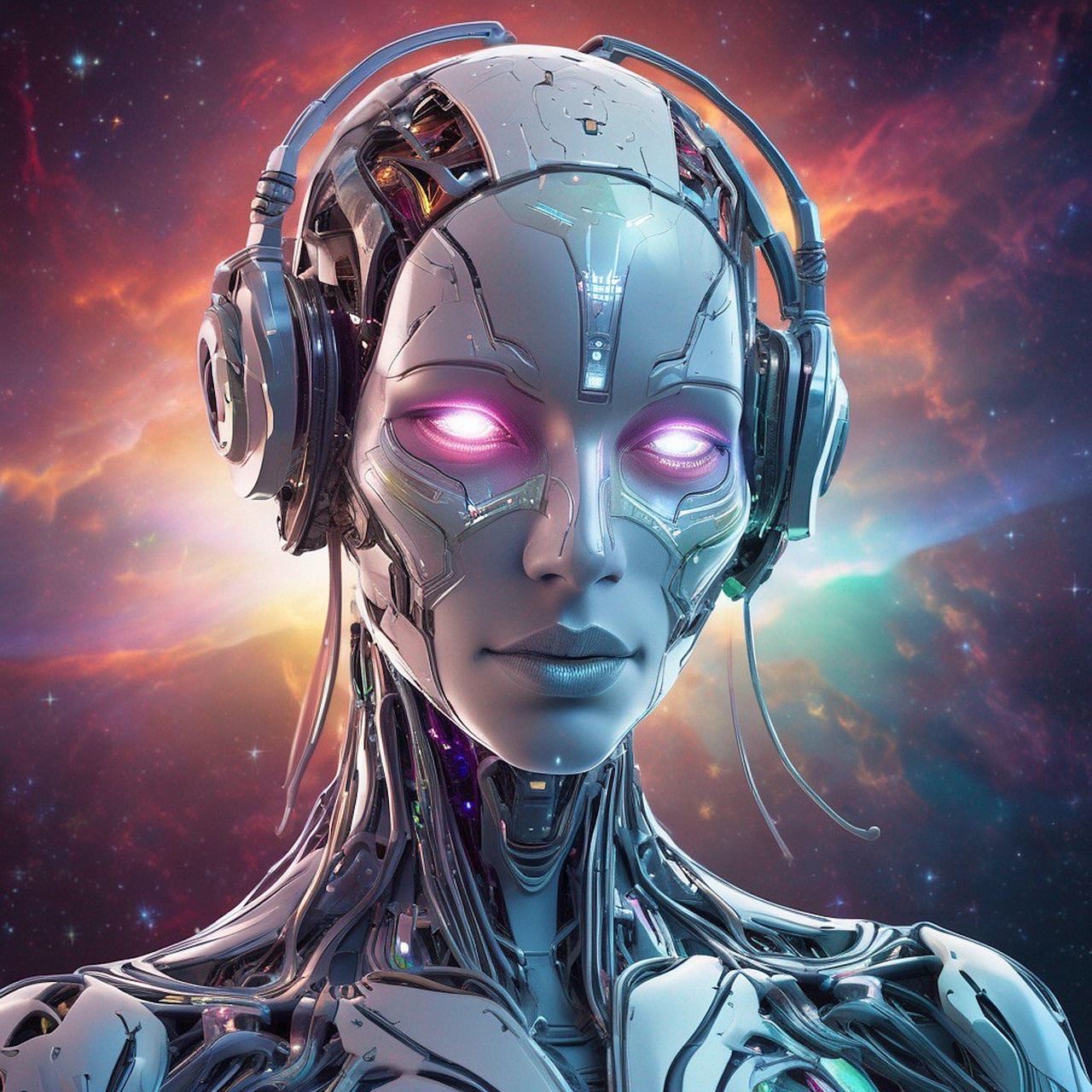
The cornerstone of this transition is a cultural and institutional commitment to continuous learning. As AI assumes a greater share of routine work, the value of uniquely human skills will surge. The workforce of the future must be equipped with:
- Digital and AI Literacy: Beyond basic computer skills, workers must understand how to interact with, prompt, and manage AI tools effectively.
- Critical Thinking and Analytical Acuity: The ability to question AI-generated outputs, identify biases, and solve complex, non-routine problems will be paramount.
- Creativity and Innovation: Machines optimise existing paradigms, whereas humans excel at imagining new ones. The ability to design novel products, strategies, and business models in partnership with AI will be a key differentiator.
- Emotional and Social Intelligence: Skills like empathy, persuasion, and team leadership are essential for fostering collaboration and trust in environments where human and machine intelligence intersect.
- Ethical Reasoning: Ensuring the responsible, fair, and transparent use of AI is a critical human responsibility that cannot be outsourced to an algorithm.
Redesigning Organisations for an Augmented Era
This skills shift necessitates a parallel evolution in organisational structure. The traditional, rigid hierarchy is giving way to more agile, network-based models.
- Flatter Structures: AI’s automation of middle-management tasks—such as data aggregation, performance reporting, and routine oversight—is leading to leaner organisations. Decision-making authority is pushed closer to the front lines, empowering teams to act quickly.
- Cross-Functional Teams: The future belongs to multidisciplinary teams that combine diverse expertise to tackle complex projects, moving away from siloed specialists.
- The Augmentation Model: The goal is not human replacement but human augmentation. In this model, AI agents handle high-volume, routine tasks, while humans focus on supervision, strategic oversight, managing exceptions, and providing the creative and emotional context that AI lacks. Workflows must be redesigned from the ground up to maximise this collaborative value creation.
Conclusion: Building a Future-Proof Ecosystem
The path ahead is clear. The most successful organisations—and indeed, economies—will be those that proactively invest in their human capital. By fostering a culture of adaptability and lifelong learning, and by deliberately designing systems that leverage AI to augment human potential, we can build a more efficient, innovative, and ultimately more human-centric future of work. The choice is not between people and technology, but in how we synergise their strengths.
Images Courtesy Pixabay.com
 REJINCES