
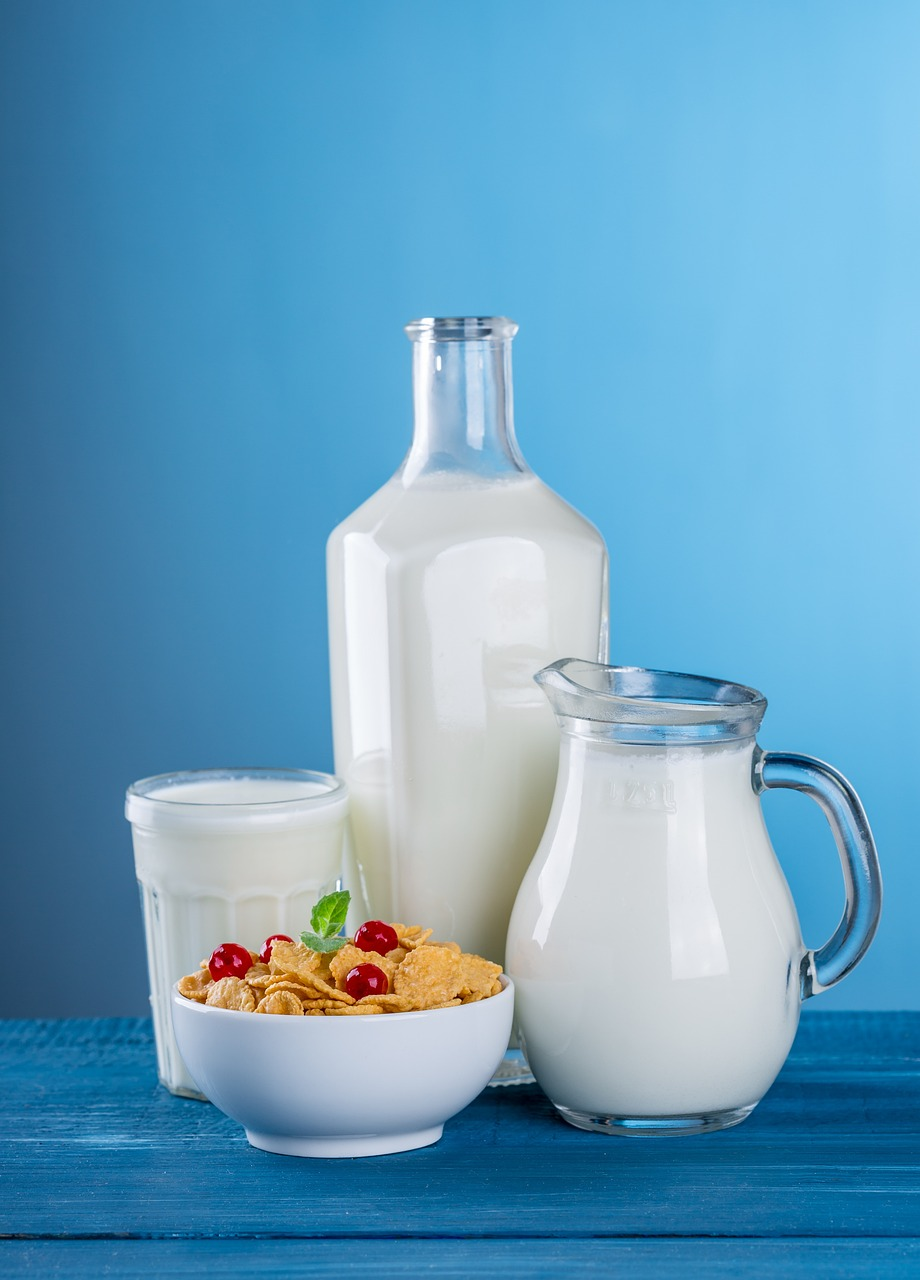
To improve the nutritional health of Canadians, Health Canada has implemented new regulations requiring milk and margarine producers to more than double the vitamin D content in their products. While fortification has been mandatory for decades, these updated standards aim to ensure a greater portion of the population meets the daily recommended intake.
New Standards for Daily Essentials
The fortification levels have shifted significantly to combat widespread deficiency:
- Milk: Increased from approximately 2.3 mcg to 5 mcg per cup.
- Margarine: Increased to 13 mcg per 50g (roughly three tablespoons).
- Alternatives: While not mandatory, yogurt, kefir, and plant-based beverages are now permitted to include increased vitamin D to ensure those opting for non-dairy lifestyles still receive adequate nutrition.
The “Sunshine Vitamin” Challenge
According to Health Canada, one in five Canadians is deficient in vitamin D. This is largely due to Canada’s high latitude; for six to eight months of the year, the sun’s angle is too low for the skin to produce vitamin D naturally. Studies indicate that the risk of deficiency doubles during these darker winter months, making dietary sources and supplements—such as drops or pills—essential.
Why Vitamin D Matters
Vitamin D is a critical nutrient that enables the body to absorb calcium, the building block of strong bones and teeth. Maintaining adequate levels is vital for:
- Bone Density: Reducing the risk of fractures and osteoporosis as bone cell renewal slows with age.
- Disease Prevention: Research suggests low vitamin D is a risk factor for developing multiple sclerosis (MS).
A 2023 report from Statistics Canada confirmed that 20% of Canadians aged 6 to 79 have levels below health requirements. Notably, the data shows that individuals who consume at least one glass of milk daily are significantly less likely to face deficiency than those who do not.
Recommended Dietary Allowance (RDA)
The amount of vitamin D required daily is measured in International Units (IU) or micrograms (mcg):
| Age Group | Recommended Daily Dose |
|---|---|
| 1–70 Years (Including pregnancy/lactation) | 600 IU (15 mcg) |
| 71+ Years | 800 IU (20 mcg) |
Optimizing Vitamin D Absorption: The Role of Fatty Meals
Taking vitamin D supplements with a fatty meal can significantly enhance their absorption compared to taking them on an empty stomach. Dietary fat facilitates this process by forming micelles—tiny molecular structures that transport fat-soluble vitamins like D into the bloodstream. Research indicates that individuals who consume vitamin D supplements with a high-fat meal experience a greater increase in serum vitamin D levels than those taking the same supplement without food. To maximize absorption and effectiveness, it is advisable to take vitamin D alongside meals containing healthy fats such as yogurt, milk, avocados, olive oil, nuts, seeds, or fatty fish.
Simple Ways to Boost Vitamin D Intake
- Upgrade Your Breakfast: Use fortified milk instead of water when preparing oatmeal.
- Creamier Soups: Replace a portion of broth in stews or chowders with milk.
- Coffee Break: Switch from a “splash” of milk to a latte (half milk, half coffee).
- Smoothie Power: Blend smoothies with milk and fortified yogurt for a double dose of bone-building nutrients.
- Weekly Fish: Incorporate fatty fish like salmon or mackerel into your meal rotation at least once a week.
 REJINCES