
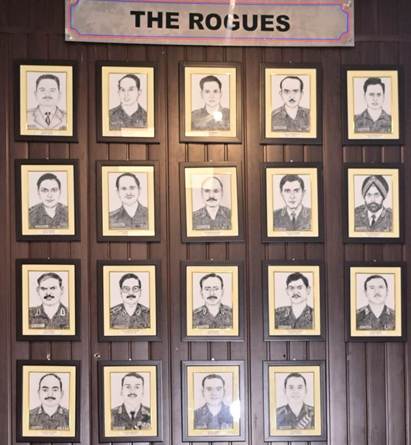
In every Regimental Officers’ Mess and the Commanding Officer’s Office, a place of distinction is reserved for what is affectionately known as The Rogues Gallery. Far from its criminal origins, this gallery holds a collection of photographs, paintings, and sometimes caricatures of the Regiment’s former Commanding Officers – the Tigers who led and shaped the Regiment’s destiny.
The term itself has an intriguing history. It originated in the mid-19th Century as a police-maintained archive of known criminals – complete with photographs, descriptions, and methods of operation – used to identify repeat offenders. In popular culture, the phrase was later adopted to describe the recurring villains and antagonists who challenge a hero, most famously immortalised in Batman’s comics through characters like the Joker, Penguin, and Riddler.
A Tradition of Affectionate Rebellion
The Rogues’ Gallery, a lighthearted, cynical, yet deeply affectionate military tradition playfully borrows its name from police mug shot collections. The implication is clear: these Commanding Officers, while revered and respected, were something of Rogues or Characters during their tenures. They were the ones who made life interesting, challenged conventions, and perhaps occasionally made things difficult for those around them!
Yet within this playful irreverence lies profound respect. The term acknowledges what every soldier knows that leading a Regiment requires a certain measure of stubbornness, unorthodox thinking, and strength of personality – qualities undeniably associated with a rogue. It is the Regiment’s way of saying that to command, one must be more than competent; one must be memorable. Notably, the incumbent Commanding Officer’s photograph finds no place in this gallery until the day he relinquishes command – a reminder that one must first earn the right to be remembered.
More than a mere display, the Rogues’ Gallery serves a vital purpose. It connects today’s officers with their predecessors, weaving an unbroken thread of continuity across generations. It fosters pride in legacy, respect for tradition, and a deep sense of belonging to something far larger than oneself. In the quiet corners of the Mess, amidst the faded photographs and painted portraits, the past speaks to the present – and the Regiment marches on.
A Parallel: The Rogue Elephant
An interesting parallel can be drawn with the rogue elephant of the wild – a solitary creature, often an older tusker, that has been displaced from leadership by a younger contender. An elephant herd is led by a matriarch, who is the oldest, largest, and most experienced female who guides her herd to food and water, makes critical survival decisions, and manages social dynamics. While in the herd, the dominant tusker play a critical role in mating, mentoring younger males and enforcing social discipline. Separated from its herd, the rogue elephant roams alone, bearing the weight of its experience in isolation. There is something poignant in this image: the former leader, once at the helm, now walks a solitary path. Like the photographs in the Rogues’ Gallery, the rogue elephant carries its history silently, a testament to a time when it led the herd through the wilderness.
Meeting the Rogues
Stepping into the precincts of the 75 Medium Regiment (Basantar River) on 16 December 2025 felt like a true homecoming. The air was thick with memories and filled with the warmth of familiar faces. It was more than a reunion – it was a gathering of veterans, serving officers, and their families, bound together by shared history and sacrifice. In that space, old friends embraced, comrades reunited, and the bonds forged in service were not just remembered but renewed. Meeting the Rogues who shaped my character and moulded me into a leader – those are moments I will cherish forever.
Veteran Brigadier Ariyur Natesa Suryanarayanan (Surya): Brilliance Personified
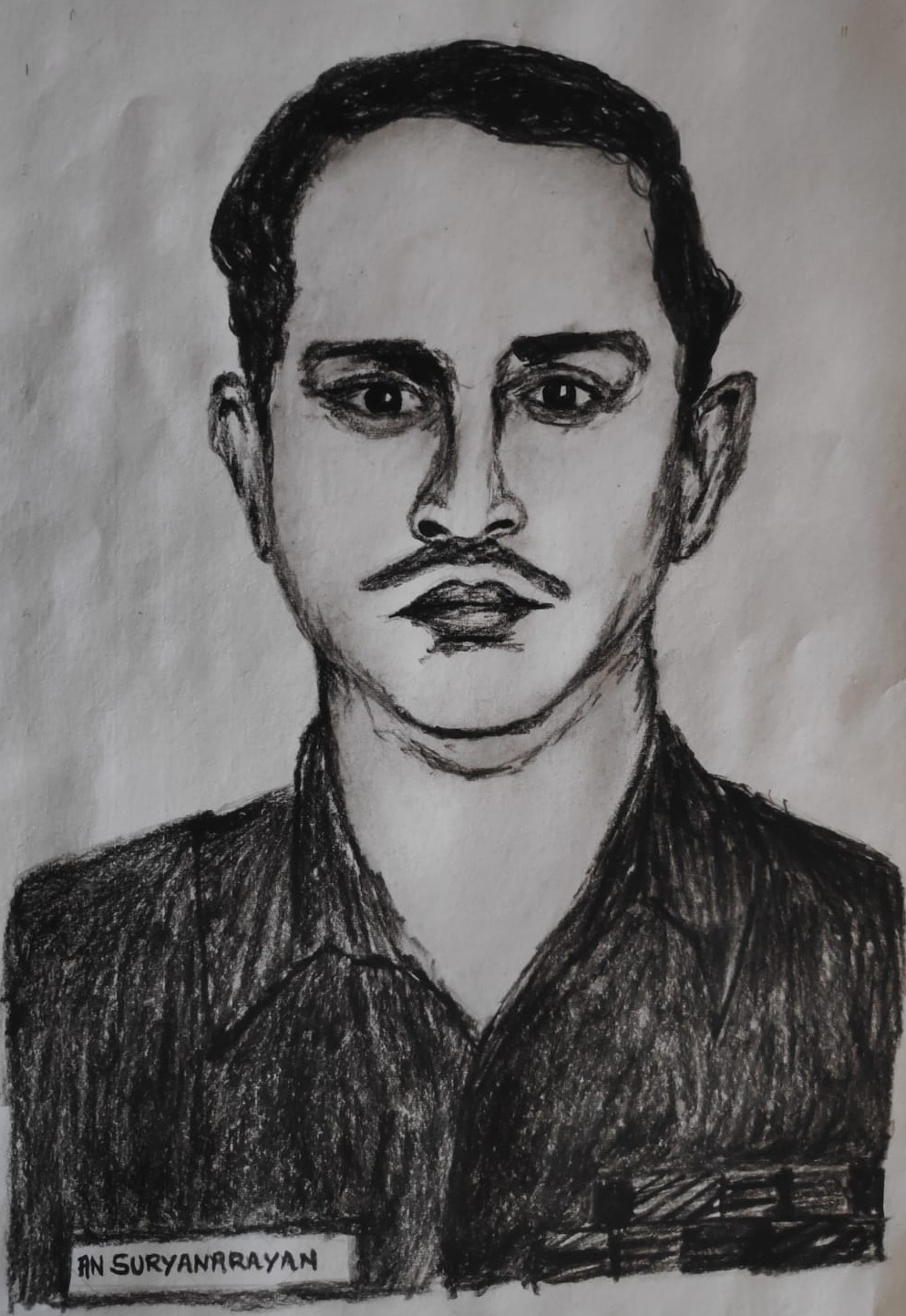
When I stepped into the Regiment in January 1983, I was a bundle of nervous energy. Lieutenant Colonel AN Suryanarayanan – affectionately known as Colonel Surya – was at the helm. I was quite intimidated at prospect of meeting the Tiger. I was instantly put at ease by his warm and reassuring demeanour during our initial meetings. He made me feel that I truly belonged.
Though a strict disciplinarian, his authority never felt heavy handed. Colonel Surya commanded respect not through intimidation, but through sheer unadulterated brilliance. In Regimental lore Colonel Surya stood on three formidable pillars. The first was his a mastery over the English language and a gift of the gab that made him a titan in any gathering. People around were simply compelled to sit up and listen, they had no choice about it. The second was his genius for mental mathematics that bordered on the supernatural. The third and most important was an elephantine memory that never forgot a detail.
Prior to taking command of our Regiment, he had served in the Military Secretary’s Branch at Army Headquarters – a role that perhaps honed his already exceptional memory. It was said across the entire Regiment of Artillery that he knew every officer of the corps by their personal number, their entire service history, and intimate details of their families. This was not just regimental lore; a lot of it was undeniably true.
As a Major in the late1970s, his painstaking efforts were pivotal in ensuring the Honour Title BASANTAR RIVER became an indelible part of the Regiment’s history.
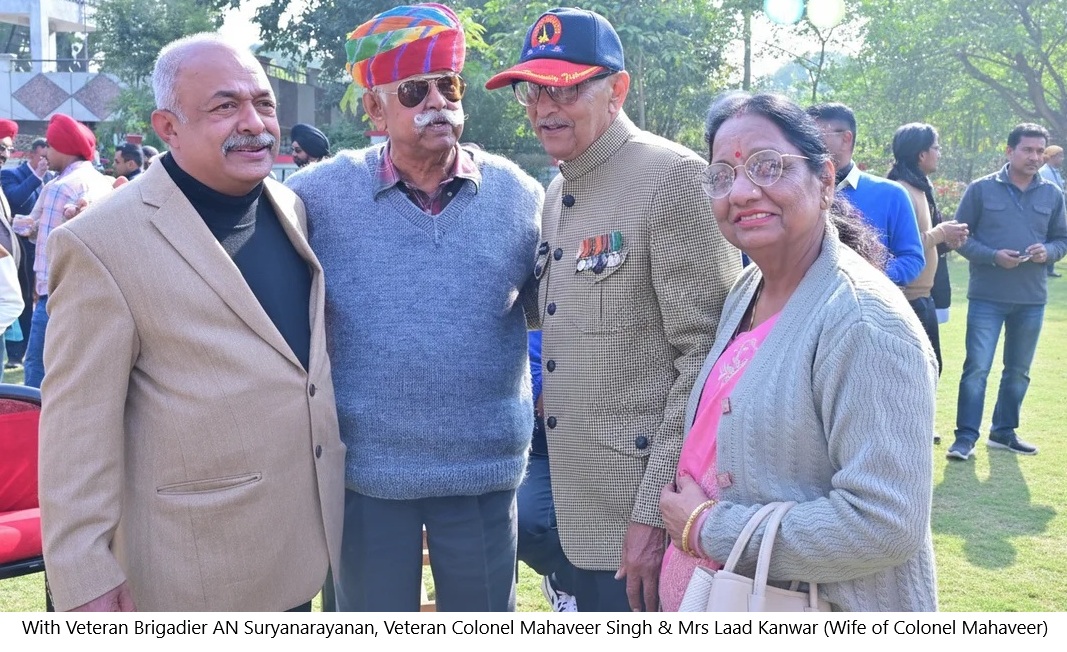
When I joined our Regiment, we were deployed in the Rajasthan deserts for a training exercise. In March of that year, I proceeded to Devlali for the Young Officers’ Course from the deserts. When I returned in October 1983, Colonel Mahaveer Singh was at the helm. In my absence, the Regiment had changed hands, and I had lost the opportunity to interact with Mrs. Kalyani Suryanarayanan, the gracious wife of my first Commanding Officer.
Tragically, she passed away while I was away on the course. During the same period, Brigadier Surya was away, attending the prestigious Higher Command Course, the only Gunner officer of his batch selected for that coveted distinction. By the time we both returned, she was no more. I never had the chance to meet her, a quiet regret that lingers to this day.
Decades later, when I met him as an octogenarian, he greeted me with a warm smile and I observed that the years had done nothing to dim the fire of his intellect. He asked without a moment’s hesitation, “How is Marina? How are Nidhi, Jay, and James? And how is Nikhil doing in the Canadian Army?” I stood there, momentarily speechless. It was a profound, overwhelming moment. To realise that after all those years and across all those miles, his memory still held a place for me and my family was more than just an impressive feat of the mind. It was a testament to a leader’s heart – one that never truly let go of the men he once commanded. In that brief exchange, I realised that for Colonel Surya, we weren’t just names on a roster; we were a legacy he carried with him, forever.
Veteran Colonel Mahaveer Singh: The Pulsating Heart of the Unit
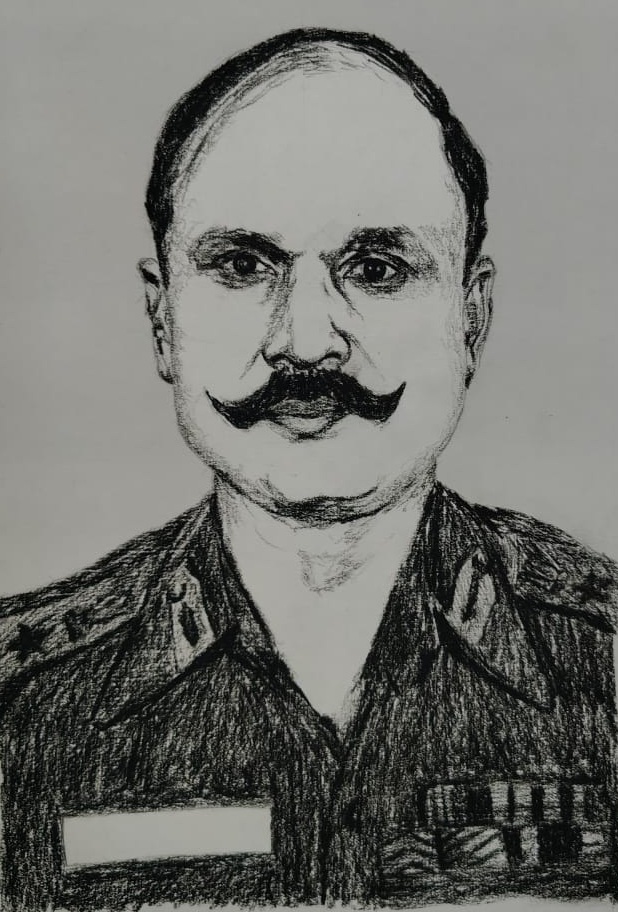
In October 1983, fresh from the Young Officers’ Course – that rite of passage where a rookie subaltern finally becomes a true Gunner – I returned to find Colonel Mahaveer Singh at the helm. He remained our Commanding Officer until 1988, a formative five-year span that remains the longest I have served under any leader. Today, even as he approaches the grand age of eighty-seven, that same irrepressible cheerfulness remains his hallmark, untouched by the passage of time.
Colonel Mahaveer, a true Rajput, embodied humility and possessed a heart large enough to embrace the entire Regiment. He treated all the young officers as his own children, often overlooking our youthful pranks and inevitable (mis)adventures with legendary grace and a twinkling sense of good humour. More importantly, he had a unique way of building leaders. He entrusted us with responsibilities, sometimes a bit heavy, long before we felt ready for them, always encouraging and motivating us to push beyond our limits and accomplish the impossible. Because he believed in us so implicitly, we began to believe in ourselves
It came as no surprise, then, that our Regiment earned the reputation of being the best in the formation. Quite effortlessly we became the envy of the formation. Young officers from other units eagerly sought attachments to our Regiment, just to spend a few days in our midst. They were invariably astonished by the unique bond we shared with Colonel Mahaveer – the sight of us playing basketball with him, sharing jokes, narrating incidents from our escapades, and above all, listening to his animated re-tellings of movie stories, particularly Sharabi, delivered without missing a beat. Yet, after every report of our latest escapades or innovative solutions to problems, he brought us back to mother earth with his trademark, all knowing smile and that classic, rhetorical question: “Who is commanding this Regiment, you or I?”
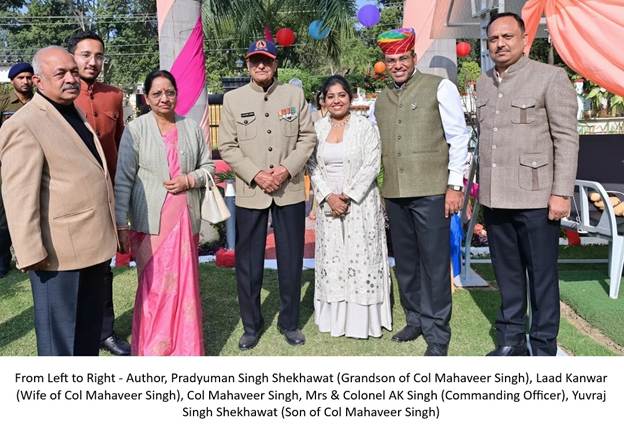
No tribute to Colonel Mahaveer would be complete without mentioning his wife, Mrs. Laad Kanwar. She was the quiet backbone of the family, the anchor that held everything together. She cared for her own children and for us – the real rogues – with such warmth and affection that none of us can ever forget. In her, we found not just the Commanding Officer’s wife, but a mother figure who made the Regiment feel like home. In the legacy of Colonel Mahaveer, it wasn’t just the professional standards that stayed with us – it was the profound realisation that a Regiment is not just a unit of soldiers, but a family bound by faith, laughter, and a leader who leads from the heart.
Veteran Brigadier Rajan Anand: The Architect of confidence
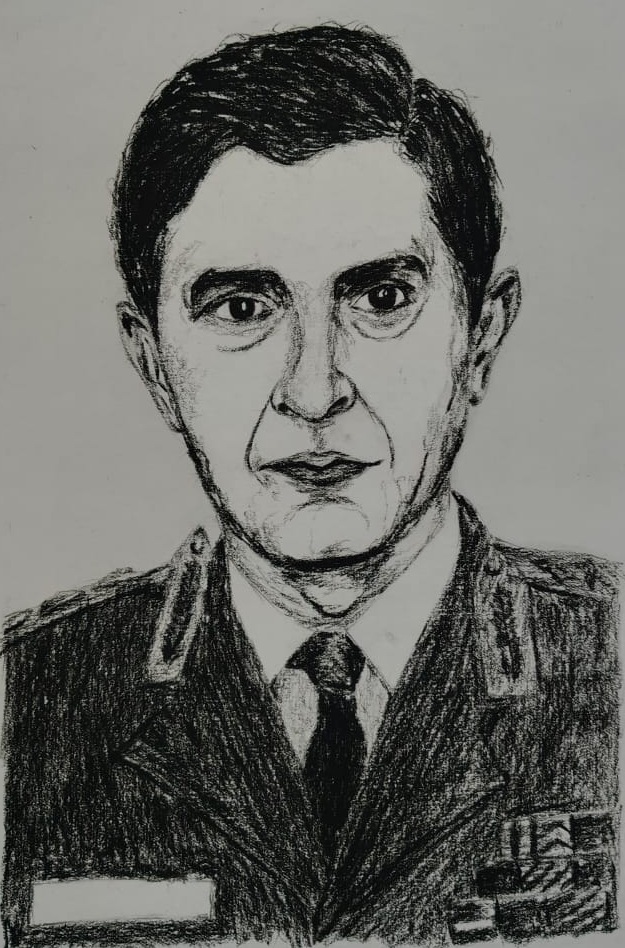
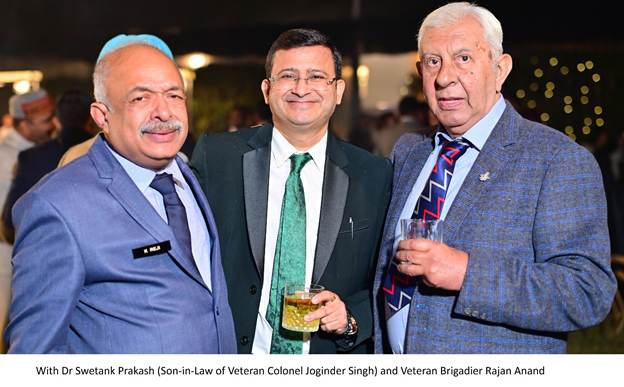
My first tenure as a Battery Commander was shaped under the guidance of Veteran Brigadier Anand – a man who taught me the true nuances of command and leadership. Flamboyant by nature, he was the architect of confidence. His leadership mantra revolved around two deceptively simple yet profound principles: delegation and absolute trust. He empowered his subordinates with unwavering confidence, often saying, “When I have Battery Commanders like you, why should I worry?” Those words instilled in us a self-belief that carried us through many daunting challenges.
An exceptional instructor, Brigadier Anand had a gift for transforming everyday moments into a professional master class. During long drives and training exercises, he seamlessly imparted his deep knowledge of tactics and leadership, enriching our understanding without us even realising we were being taught.
Years later, when I assumed command, I found my own playbook filled with his wisdom – especially his mantra of working smart over merely working hard, granting subordinates the freedom to fail (and thus, to learn), and above all, maintaining a sense of calm and stress-free poise at the helm.
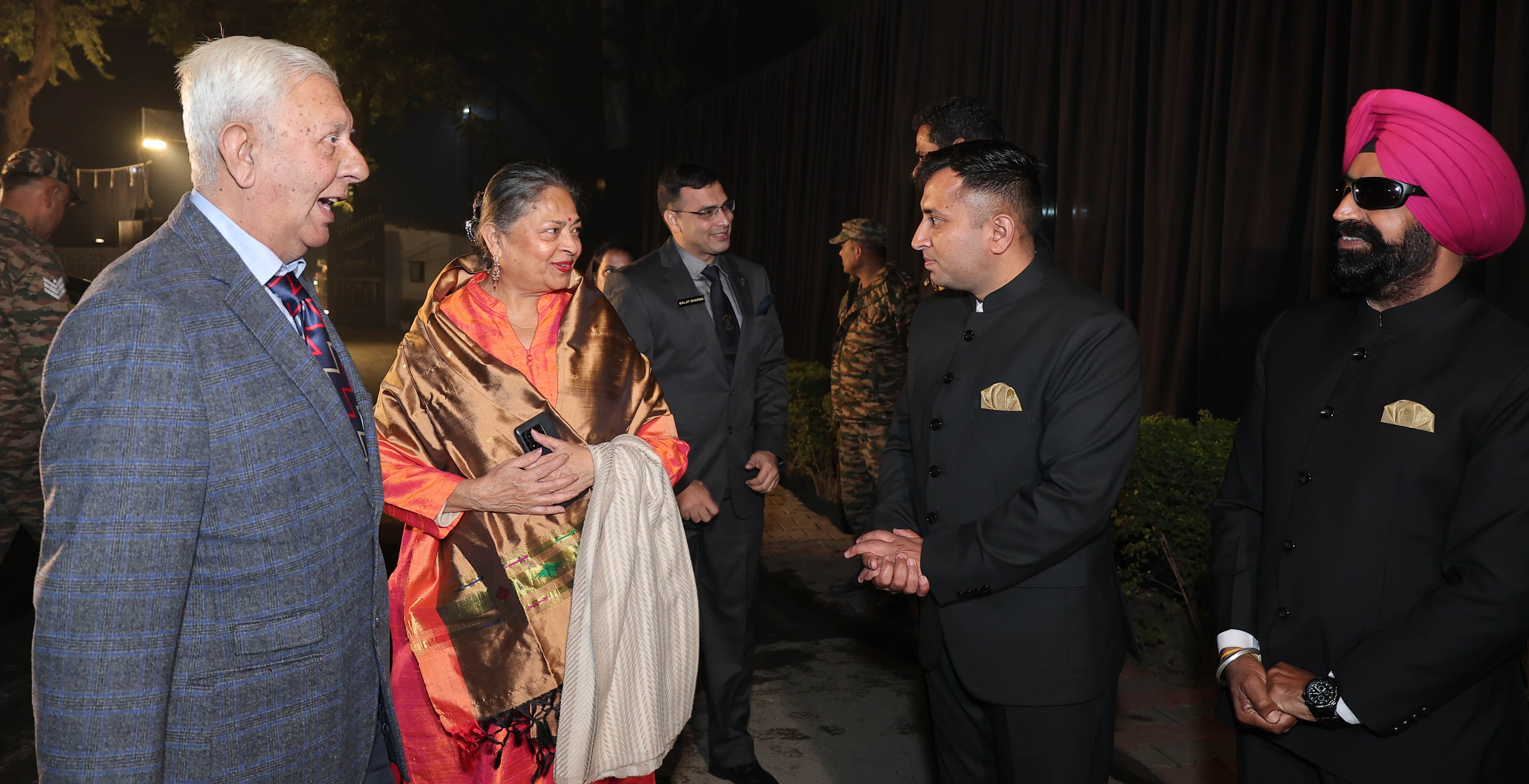
Behind this remarkable officer stood his wife, Mrs. Meenu Anand – a bubbly and warm companion who complemented him perfectly. Marina and I remain forever indebted to her for the gentle, patient way she helped Marina transition from a university student into the role of an army spouse. Mrs. Anand was supportive, diplomatic, approachable, and resilient – qualities that made her not just a Commanding Officer’s wife, but a guide and a friend to all who had the privilege of knowing her.
Late Veteran Brigadier KN Thadani, Visisht Seva Medal (Kiku): The Mentor and Mountaineer
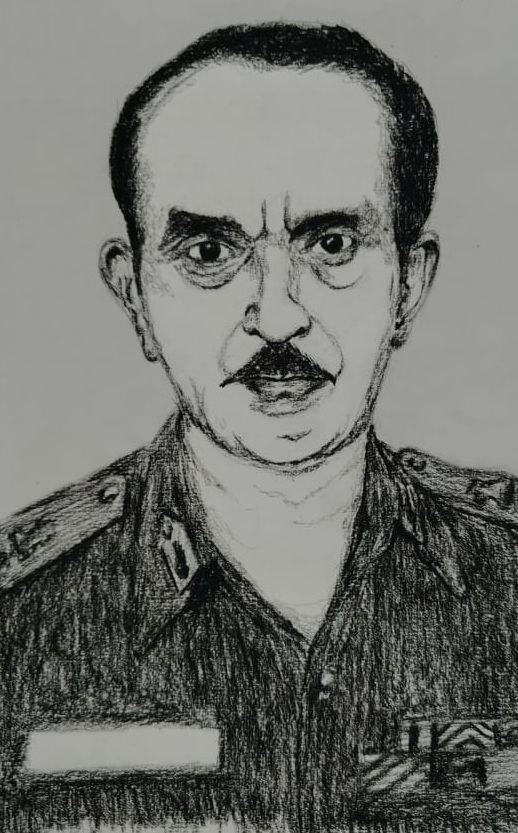
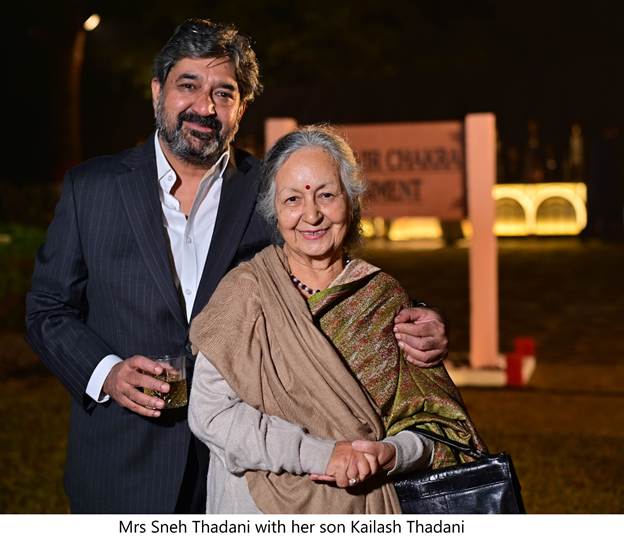
In 1985, Brigadier KN Thadani and his wife Sneh moved into the Officers’ Mess of our Regiment in Gurgaon while their home was being constructed. Though recently retired, Brigadier Thadani had deep regimental connections, having led the unit during the 1971 war. For me, then a young bachelor Lieutenant and the only regular mess member, this was an extraordinary opportunity to interact closely with a senior officer, a rarity in the Army’s hierarchical structure. Over countless meals and conversations, the Thadanis imparted wisdom not only on soldiering but also on spirituality and life, profoundly shaping the my professional and personal outlook.
I fondly recall those days and often find myself reminiscing about the couple and our times together. I look back at those Sundays with a lot of nostalgia. Brigadier and Mrs. Thadani whisked me away to the DSOI at Dhaulakuan for afternoons of cards and tambola. The day invariably culminated in dinner at some classy Delhi haunt, where the laughter was as rich as the food and the company even better. In those moments, I wasn’t just a subaltern of the unit; they treated me as family.
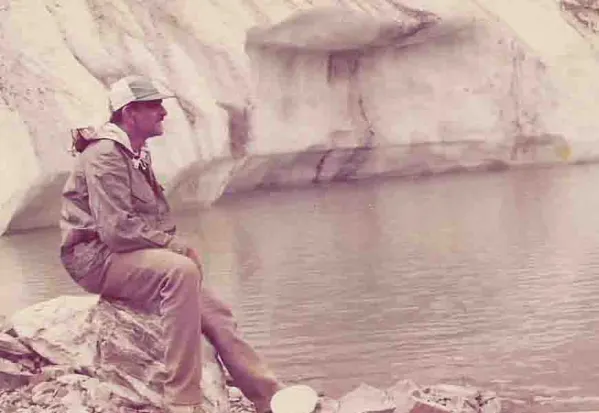
Beyond his military acumen, Brigadier Thadani was a skilled mountaineer – passionate about his craft and deeply knowledgeable about the mountains he loved. While commanding 3 Artillery Brigade in Leh, he led the very first expedition of sixteen soldiers to conquer the Apsaras I peak. The Apsaras group of mountains, lying to the north of the Teram Shehr Glacier, forms a large massif with its ridge line running from West to East. That he chose to lead from the front, even in the rarefied air of the Himalayas, was entirely in keeping with the man I had come to admire – a leader who never asked of his men what he would not do himself. He remains, in my memory, as steadfast and towering as the mountains he loved.
The Living Legacy: Why We Remember
We remember our Commanding Officers because they are far more than mere figures of authority; they are the living embodiment of leadership and the absolute accountability upon which the soul of military service rests. They are the steady hands that guide us through our darkest hours, making the profound decisions that shape our very destinies and nurturing within us an enduring sense of purpose.
Long after we have marched beyond the reach of their command, their influence remains indelibly woven into the fabric of our character. It becomes part of our professional DNA, quietly defining the persona of who we are and the leaders we eventually become. In the end, we do not just remember them – we carry them with us.
 REJINCES
Well deserved tributes to the tigers.
LikeLiked by 2 people
A well-articulated write up; both interesting and informative.
Reji; I commend you for writing skills to make even a trivial subject an interesting reading.
Your words of praise for the past COs & First Ladies, speaks volumes of your human & OLQ.
Enjoyed reading. Thanks for sharing.
Best Regards;
opsoni
LikeLiked by 1 person