

The Oxford Word of the Year for 2024 is Brainrot. It is defined as the deterioration of a person’s mental or intellectual state, especially viewed as the result of overconsumption of low-quality, low-value content on social media and the internet. In the current age of social media, the term has an increased relevancy. It has become widespread in journalism, especially in the visual media.
The term was first used in 1854 by Henry David Thoreau in his book Walden, which is based on his experiences of living a simple lifestyle in the natural world. As part of his conclusions, Thoreau criticizes society’s tendency to devalue complex ideas, or those that can be interpreted in multiple ways, in favour of simple ones. He sees this as indicative of a general decline in mental and intellectual effort

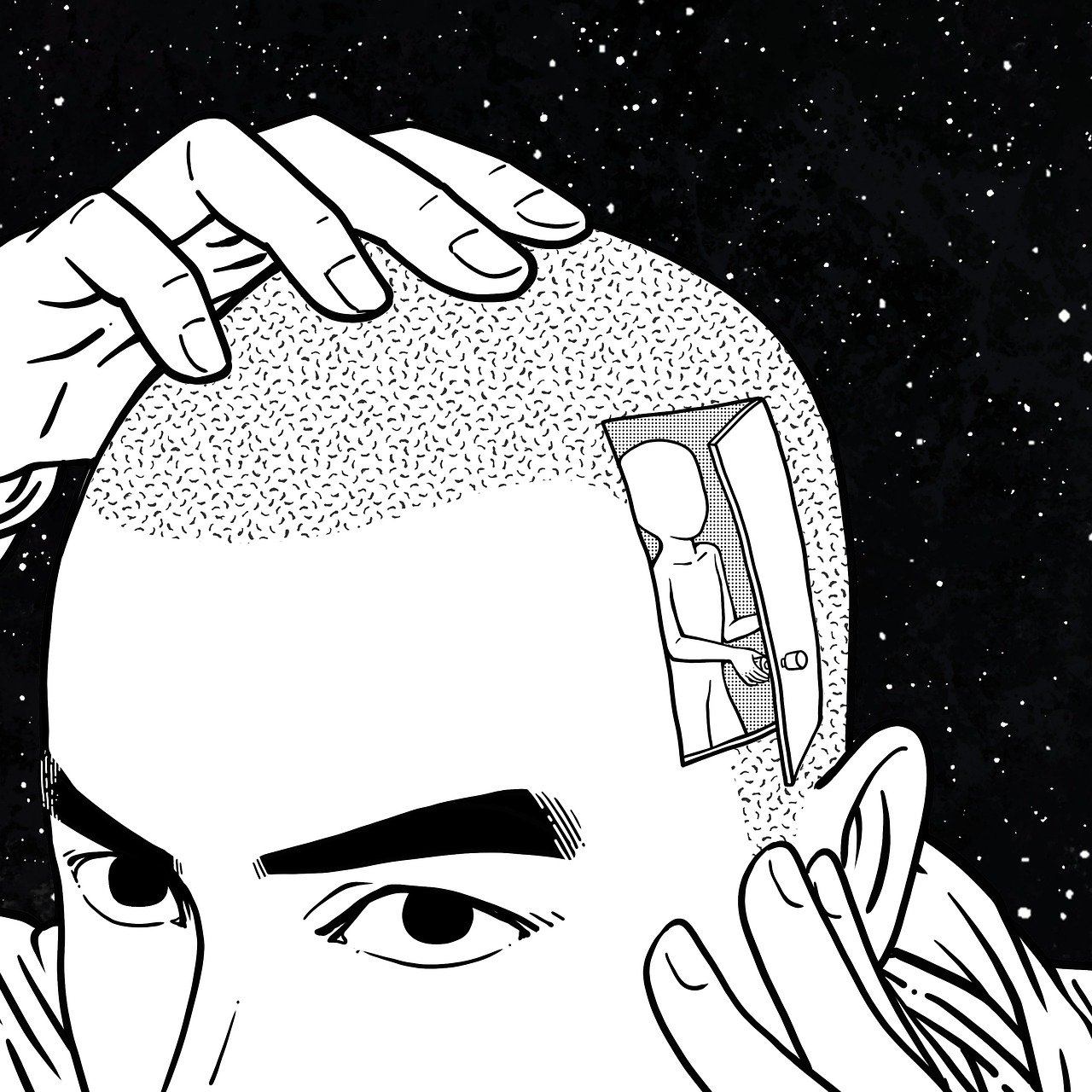
Brainrot is a condition of mental fogginess, lethargy, reduced attention span, and cognitive decline that results from an overabundance of screen time. There exists the danger of brainrot among the population that consumes excessive quantities of online content, particularly in children and young people.
Research has shown that the Internet can produce acute and sustained alterations in cognition related to attention and memory, which may be reflected in changes in the brain’s gray matter. Try to recall the telephone numbers from your memory of your loved ones. In the days of landline phones, one could recall them in a split second.
When your phone is always nearby, without you realising it, you check your texts and social media. This habitual screen time can crowd out other forms of mental engagement, like reading, exercising, or even just daydreaming. With constant bombardment – of both truth and lies – your brain doesn’t have time to analyse most of it. It is like eating junk food all day – you may enjoy it but it is harmful to your body and mind.

Social media platforms are designed to be addictive. You are bombarded with so much content that you have trouble focusing on anything in depth, especially more complex tasks that require sustained attention. You enjoy it while your brain is stuck in a loop of shallow engagement. Likes, comments, and notifications on your posts or forwards give quick dopamine hits, reducing your motivation to engage in more creative mental activities.
Everyone enjoys watching funny videos or scroll through memes, but your brain isn’t getting the workout it needs. When you spend all your time online, it is easy to skip out on stuff that makes you think, like learning a new skill or reading a good book. Trying new things forces your brain to work in different ways, which helps keep it in shape.
What are some early signs of brainrot?
- Increased forgetfulness and difficulty concentrating, particularly on tasks requiring sustained mental effort.
- Difficulty organising information, solving problems, making decisions, and recalling information.
- Searching for negative and distressing news online.
- Mental fatigue or feeling exhausted even after short periods of cognitive work.
- Reduced problem-solving skills and a shortened attention span.
On any social media platforms, one is assessed by how many friends, followers, or likes one gets and is visible for all to see, making it easy to fall prey to the comparison trap. This tends netizens to post their perceived professional successes, vacations, relationships, and digitally manipulated six-pack bodies, etc. This downgrades one’s self-worth, leading to increased stress, anxiety, and depression.
How can parents help prevent brainrot in children?

- Set screen time limits and stick to it.
- Encourage children to manage a balanced approach to technology and life.
- Encourage outdoor play.
- Engage them in mentally stimulating activities like puzzles, board games, and books.
- Limit your own screen time and lead an active lifestyle to set an example to your children.
- Build a close relationship with your children and enhance parent-child communication.
- Develop independence and encourage social interactions by your children.
How can adults help prevent brainrot?

- Set screen time limits and stick to it.
- Do not succumb to sensationalistic and negative news.
- Diversify your media sources so you maintain a more balanced world perspective.
- Unfollow accounts that regularly generate angry or anxious feelings.
- Populate your feeds with positive content that uplifts and inspires you.
- Pursue non-digital interests.
- Connect offline with positive people.
- Regular physical exercise.
- Balanced diet.
- Practice mindfulness and meditation.
- Follow a structured routine.
- Strengthen your mind by learning a new language or a new technical skill, analyse a philosophical concept, try mathematical or word puzzles, develop your writing ability or read about a period in history you know nothing about.
- Do a digital detox.
Effects of Brainrot on the Mind

- Impaired memory.
- Lower problem-solving abilities and attention span.
- Increased mental fatigue.
- Decline in cognitive abilities.
- Forgetfulness.
- Withdrawal from social activities that require mental engagement.
- Students with brainrot struggle to keep up with schoolwork, leading to lower academic achievement.
- It decreases productivity, making it harder to meet deadlines and achieve goals.
- Reduced physical activity.

Brainrot is behavioral and lifestyle induced. While it can be reversible with conscious effort, some people see excessive content consumption to self-soothe and do not want to change their habits.
Some people say video games rot your brain, but I think they work different muscles that maybe you don’t normally use. – Ezra Koenig, American musician, record producer, and radio personality.
 REJINCES
Great knowledge, worth putting into practice.
LikeLiked by 1 person