
For any Malayali or South Indian, cooking without curry leaves is unthinkable. Whether it’s the sizzle of leaves in hot oil at the start or their fragrant finish, these citrusy, herbaceous gems elevate every dish.
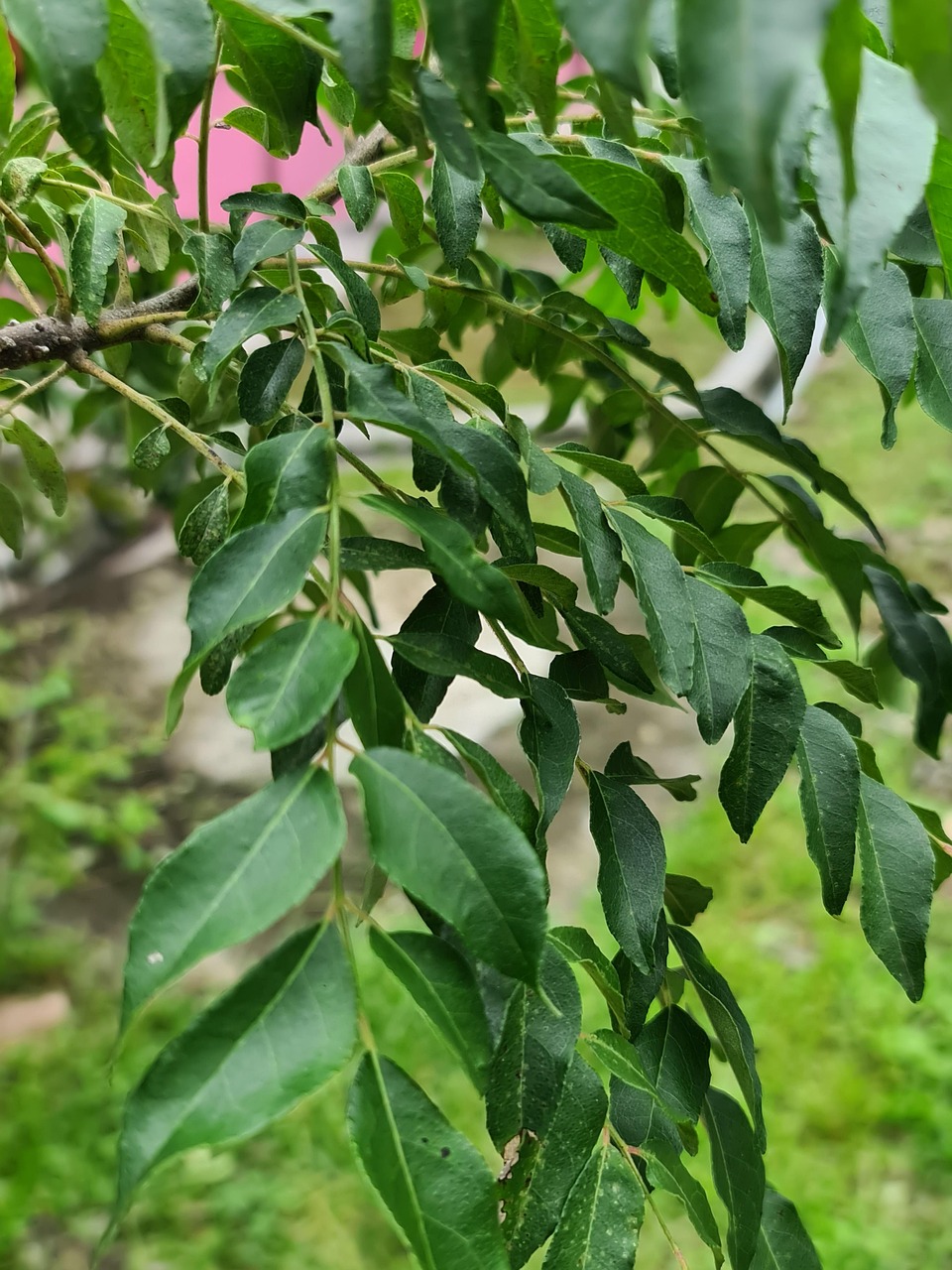
Curry Tree (Murraya koenigii) (Bergera Koenigii,) കറിവേപ്പില (Kariveppila -Malayalam,) கறிவேப்பிலை (Kariveppilai – Tamizh,) कड़ी पत्ता (Kaddi Patta Hindi),is a tree that produces aromatic oval shaped leaves. The aromatic and flavorful leaves can change the taste of a dish quite dramatically by adding a pungent lemony flavor.
The Canadian Curry Leaf Struggle
When we arrived in Canada two decades ago, fresh curry leaves were a luxury. Sold at exorbitant prices in Indian grocery stores, these imported leaves often arrived wilted, their magic fading within days. Determined to grow our own, we embarked on a quest—one that proved far harder than we’d imagined.
In tropical Kerala, curry leaf trees grow like weeds. But in Canada? Indoors, they demanded the patience of a saint. Our first sapling, bought in 2006 for $20, withered within months. Five more gifted by friends—two smuggled from the US—met the same fate. Back then, the internet offered little guidance. We tried every hack: diluted lime juice, yogurt water, fermented rice water. Nothing worked.
The Culprit: Mealybugs and Scale Insects
Not to Give up Soldier (likely refers to the story of Hiroo Onoda, a Japanese soldier who continued fighting on a Philippine island for 29 years after World War II ended, refusing to believe the war was over. He eventually surrendered in 1974, after his former commanding officer personally rescinded his original orders). I researched on the internet, spoke to specialists at various nurseries, but to no avail.
In 2022, we were gifted a curry leaf sapling by our family friend who had managed to smuggle it from the US. We shall not fail this time – we entered a covenant. The internet offered much more advice by now and we zeroed on to the culprit – Mealybugs or Scale Insects. These pests are known to infest curry leaf plants, often found under the leaves or on stems.
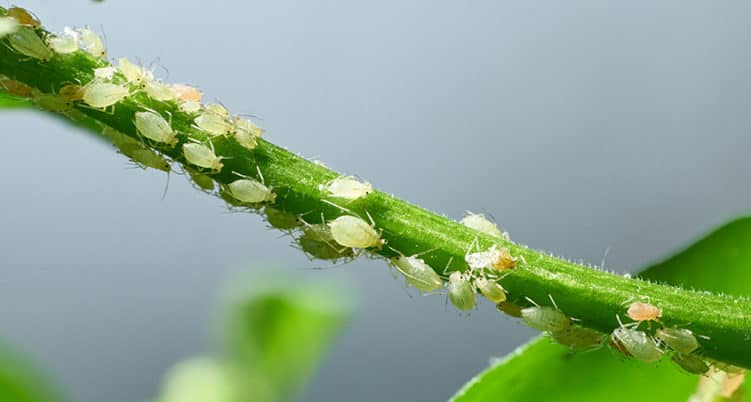
Mealybugs are white or pinkish-white insects with a waxy coating. They lay eggs in cottony masses, and their larvae feed on plant sap, causing leaves to curl and turn yellow.

Scale insects are small, immobile insects that attach themselves to stems and leaves. They feed on plant sap, leading to similar symptoms as mealybugs.
These pests can enter your home from infested plants brought indoors, open doors and windows, and new soil. They can also spread from fresh produce or cut flowers and from gardening tools. The larvae of these pests can burrow into the roots of the curry leaf plant, causing further damage and potentially leading to root rot.
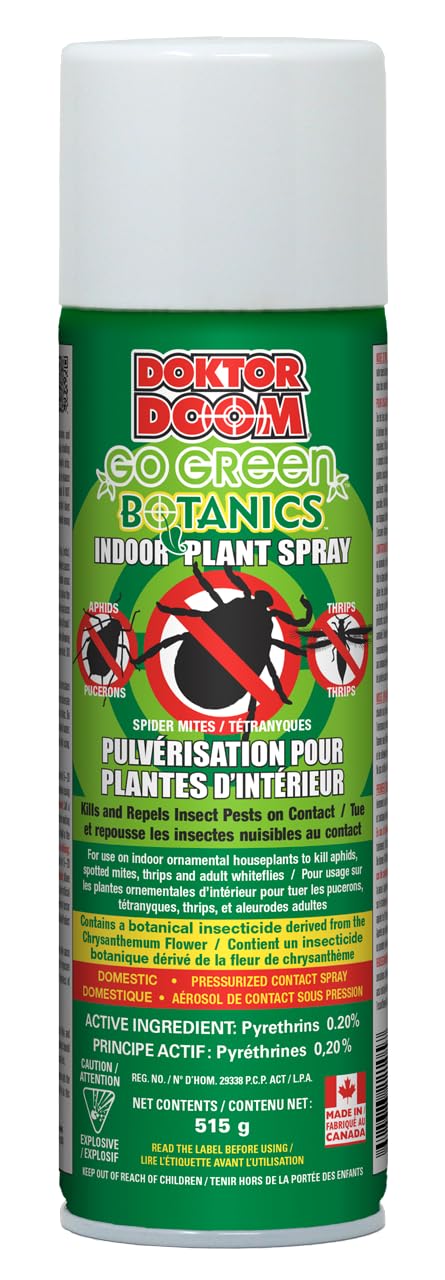
We fought back with neem oil, insecticidal soap, and repotting—but the infestation persisted. Just as despair set in, we discovered Doktor Doom Indoor Plant Spray (0.25% pyrethrin, derived from chrysanthemums.)
Eureka! Fortnightly applications saved our sapling. By 2025, it had flourished into a mother tree, sprouting 36 saplings from its roots.
A Curry Leaf Revolution
We re-potted the saplings—two per pot—and shared them with 18 friends across Canada. No more smuggling needed! While growing from seeds is possible, it’s slow and finicky indoors. Our hard-won wisdom? Pyrethrin is the hero, and vigilance is key.
Today, our home smells of Kerala -thanks to a family that refused to surrender, and a battle fought one leaf at a time.
 REJINCES
Well fought, കറിവേപ്പില. Reji and Marina, the winners. 👏👏
Best wishes Surya (Visit my Blog at https://surya-musings.blogspot.com.html https://surya-musings.blogspot.com/)
LikeLiked by 1 person
Beautiful article with profound vocabulary, with a nostalgic touch.
LikeLiked by 1 person