Recent reports of an Indian Army officer assaulting SpiceJet staff over baggage fees shocked many. While inexcusable, this aggression may point to a deeper issue: Post-Traumatic Stress Disorder (PTSD). Unlike Canadian soldiers—who enjoy baggage allowances up to 32kg ×3 pieces without fees – Indian personnel often face logistical stressors that compound existing traumas.
Canadian Soldiers are not charged overweight/ and or oversized bag fees for in all Canadian airlines including ultra-low-cost airlines – both on official and private travel.
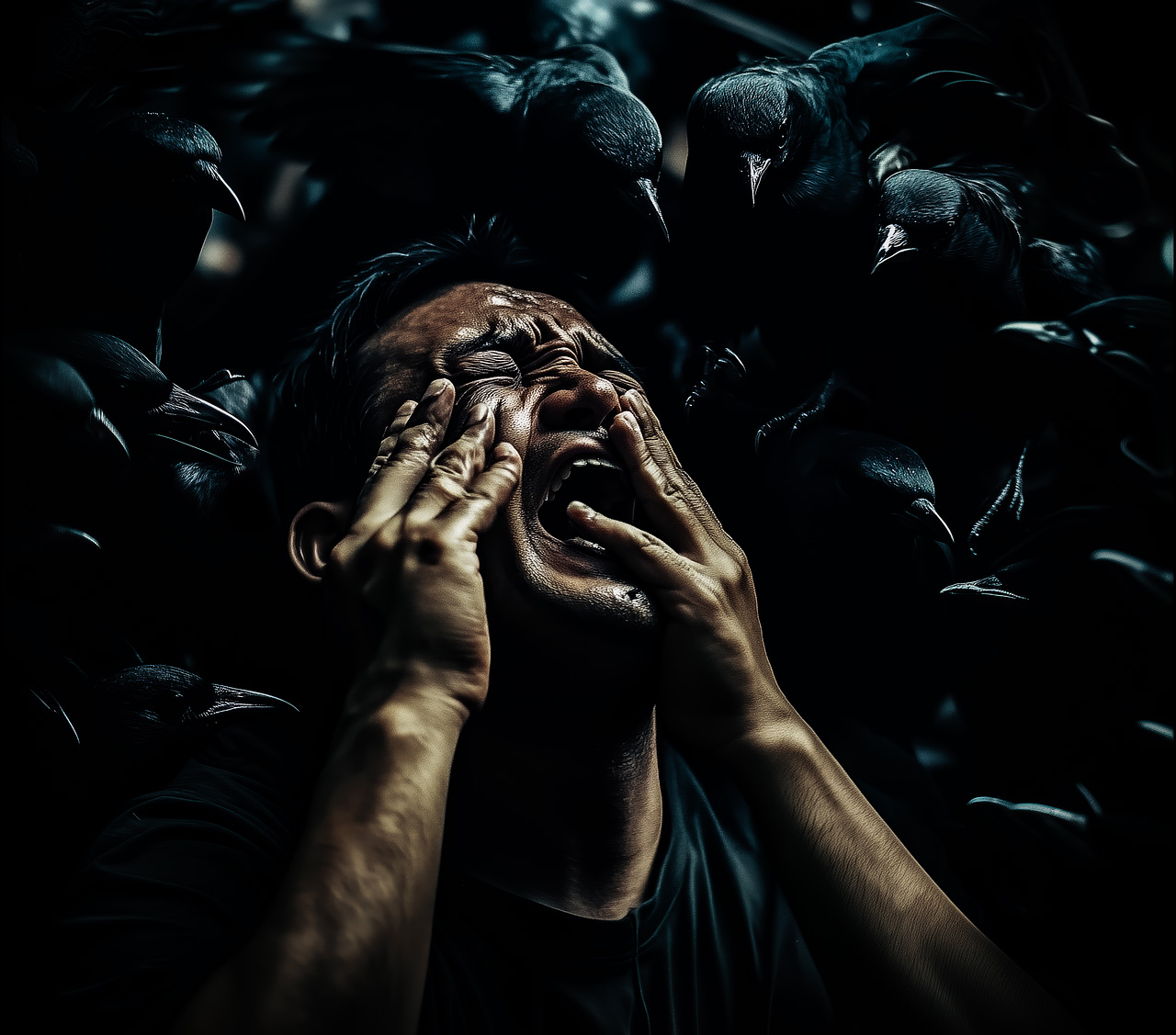
This incident mirrors my own awakening to PTSD after moving to Canada. When our children teased, “Dad, PTSD is kicking in!”, I realised how ill-equipped I was as a former Commanding Officer to recognise this invisible wound in my soldiers or myself.
PTSD: The War That Doesn’t End
PTSD is a psychological injury caused by trauma (combat, accidents, witnessing death, etc.) Symptoms include:
- Intrusions: Flashbacks, nightmares (e.g., reliving Siachen avalanches).
- Avoidance: Shutting down when asked about operations.
- Hyperarousal: Explosive anger, sleep disorders, constant vigilance.
Historical Context. In the American Civil War, it was referred to as Soldier’s Heart; in the First World War, Shell Shock; in the Second World War, War Neurosis; Vietnam War, Combat Stress Reaction. Many soldiers suffering from PTSD were labelled as Combat Fatigue and many soldiers continued and in 1980, it was categorised as PTSD.
Why PTSD Goes Unchecked in the Indian Army
- Cultural Stigma: Mental health – Considered a weakness in hyper-masculine environments.
- Lack of Training: No PTSD education for both officers and soldiers.
- Systemic Neglect: Low reported rates (officially) may reflect fear of career impacts or denied benefits.
Devastating Consequences of PTSD
- Relationships: Emotional numbness destroys marriages (Why won’t he hold our baby?)
- Substance Abuse: 50% veterans with PTSD self-medicate with alcohol.
- Work Dysfunction: Alternating between workaholism and uncontrollable rage.
Breaking the Silence: Pathways to Healing
- Therapy: Cognitive Behavioral Therapy (CBT,) Eye Movement Desensitisation and Reprocessing (EMDR), a psychotherapy technique to alleviate the distress associated with PTSD.
- Routine: Exercise, sleep hygiene, small daily goals.
- Community: Creation of Veteran support groups.
For the Indian Army:
- Accept Prevalence of PTSD.
- Mandate PTSD Screening post-deployment (especially CI ops, high-altitude postings.)
- Train officers to recognise symptoms.
- Destigmatise PTSD. Confidential counseling without career penalties.
For Society:
- Stop glorifying Sacrifice while ignoring suffering.
- Demand veteran mental health budgets (current: <1% of defense spending).
A Call to Action
That officer at the airport wasn’t just misbehaving—he was likely re-experiencing trauma. Until India acknowledges PTSD as a war injury (not a disgrace,) we fail those who defend us. Indian Army claims that prevalence rates of PTSD is much lower compared to global averages – may be to ensure that the Veterans do not claim disability benefits. In my opinion, about 50% of the Indian Veterans suffer from PTSD.
 REJINCES
Excellent subject and quick response, stay blessed
Brig. Dr. VD Abraham, SM Former Vice Chancellor, Shri Venkateshwara University, Gajraula, UP & Oriental University, Indore, India Adviser, RNB Global University, Bikaner, Rajasthan, India President, Indian Council of Sports and Culture, Indore, India
United Nation member -Education & Research Commission (IOED)+919441687771
LikeLiked by 1 person
A very different perspective Sir. Never thought of this aspect
LikeLiked by 1 person