
In 1995, during a posting in Jammu & Kashmir, our four-year-old daughter, Nidhi, wanted to visit me during her school holidays. I instructed Marina, to purchase her flight ticket to Jammu as an unaccompanied minor. On the designated day, Marina simply filled out a form at the Indian Airlines counter, and an airline staff member accompanied Nidhi directly to the aircraft.
That afternoon, I picked her up at Jammu airport. She complained of a churning stomach and needed the washroom. Afterward, I asked her about the flight.
“Oh!” she replied with a cheeky grin. “I put up a crybaby face every time the air hostess came by, and they filled me with cookies and chocolates!”
The Evolution of Unaccompanied Minor Services
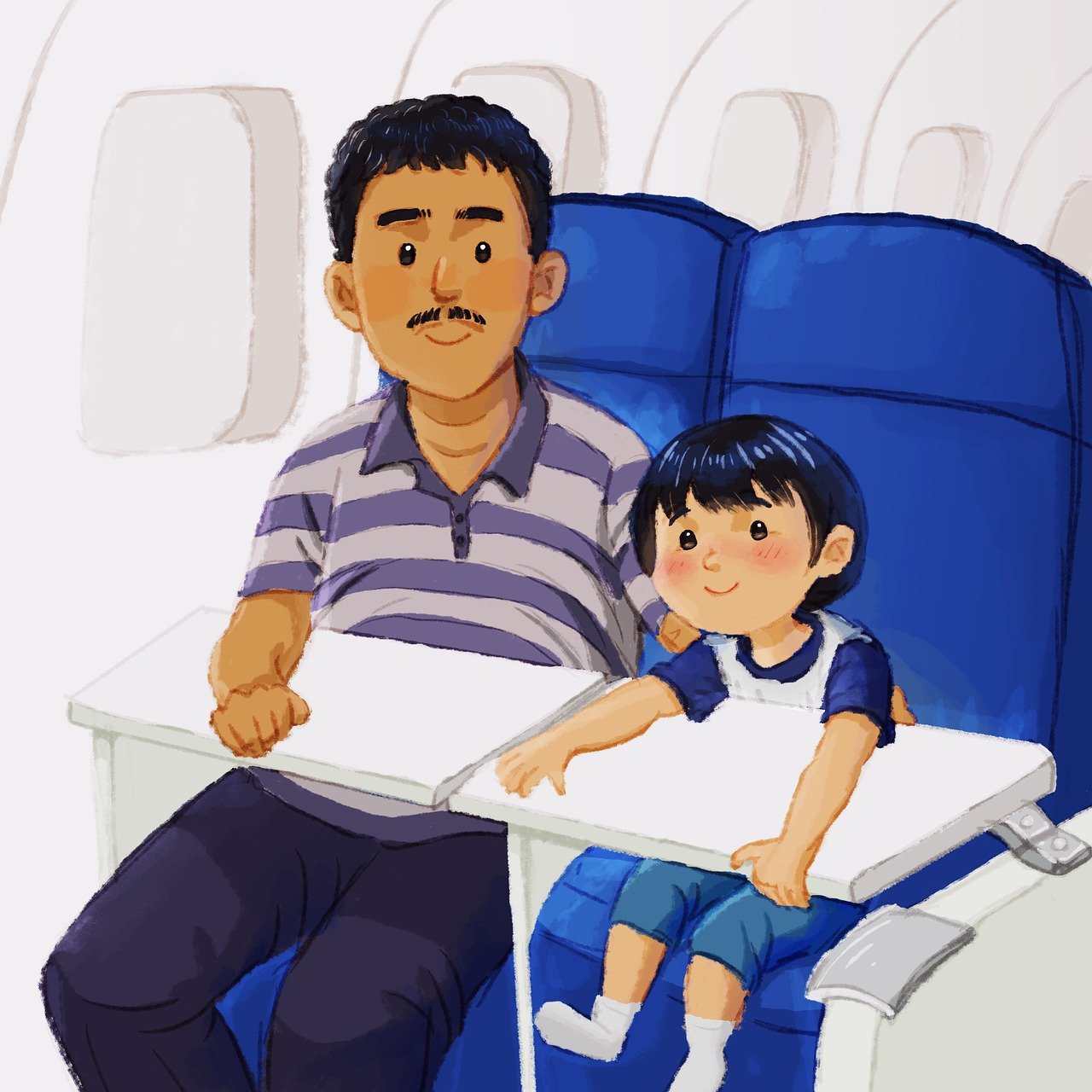
In those days, young children flew as unaccompanied minors free of any additional charge. Times have certainly changed.
Most airlines now charge a significant fee—often $150 USD/CAD, 5000 INR, or more—per child in addition to the ticket cost. This service is typically mandatory for children aged 5 to 11 and optional for those aged 12 to 17. For children under five, an accompanying passenger aged 16 or older is universally mandatory.
Airlines have specific policies regarding age limits, fees, and procedures. You can usually find these specific rules on carriers’ official websites.
The Mandatory Parental Consent Letter
Beyond airline policies, enhanced security measures and global efforts to prevent child abduction have made a parental consent letter a crucial, if not legally required, travel document.
A few years ago, while on a road trip to the US with Nidhi and grandson James, our son-in-law Jay was scheduled to join us two days later. US immigration authorities asked Nidhi for a formal consent letter from Jay, authorising her to bring their son across the border without him present.

A consent letter demonstrates that a child traveling alone, with only one parent/guardian, or with relatives, friends, or a group (e.g., sports team, school trip), has permission to travel abroad from every parent or legal guardian who is not accompanying them on the trip.
While there is no Canadian legal requirement for children to carry one within Canada, the letter is a vital precautionary measure. It may be requested by immigration authorities when entering or leaving a foreign country, airline agents, or Canadian officials upon re-entry. Failure to produce a letter upon request can result in significant delays or refusal of entry/exit.
The Government of Canada provides an excellent resource, including an interactive builder tool to help you create a valid letter: you can generate your official consent letter via the Government of Canada website.
Key reasons for carrying a parental consent letter:
- To Prevent Child Abduction: The primary purpose is to ensure a child is not being taken across borders without the knowledge and consent of all legal guardians, a vital safeguard, especially in cases of separation or divorce.
- To Meet Foreign Country Requirements: Many nations have specific entry requirements and may refuse entry if a consent letter is not provided.
- To Satisfy Airline Policies: Airlines require this documentation to allow the child to board and fly internationally.
- To Provide for Emergencies: The letter provides clear contact information for parents or guardians in case of an emergency or travel disruption.
A Final Observation on Travel Logistics
Just as the unaccompanied minor service became a paid feature, other airport services may follow suit. Social media is abuzz with videos of a large section of Indian senior citizens in foreign countries availing complimentary wheelchair assistance at airports. Like the unaccompanied minor service, extensive wheelchair assistance might soon transition into a universally paid service for those who do not have a verified medical necessity.















 REJINCES