
The recent, tragic loss of two cadets during swimming lessons at the National Defence Academy (NDA)—both incidents occurring within a month—has cast a pall over the institution. These heartbreaking events compel a critical examination of aquatic training protocols within India’s various military training institutions.

Drawing from my own experience with the NDA’s swimming curriculum and insights from our son, Nikhil, a certified swimming instructor and lifeguard, I will explore the systemic issues that may be plaguing water-safety policies in our armed forces.
At the heart of the problem is the training of the instructors. Hailing from the Army Physical Training Corps (APTC), their curriculum contains only a short capsule on swimming. This is fundamentally inadequate to certify them as qualified swimming instructors or lifeguards. Consequently, we have a system where those responsible for water safety may themselves lack essential proficiency – some may be lacking basic swimming skills.
To ensure the highest standard of safety during swimming lessons, all personnel must adhere to the following requirements. These protocols are designed to create a secure learning environment through qualified staff, vigilant supervision, and clear emergency preparedness.
Personnel Qualifications & Requirements
Suggested instructor-to-student ratio for swimming classes varies by programme and must be from 1:4 to 1:6 for beginners and may increase to 1:8 or 1:12 for intermediate or advanced classes.
All instructional staff must possess the following minimum credentials:
- Swim Instructors: Must be certified in swim instruction and hold current CPR and First-Aid certifications.
- Lifeguard Requirement: A dedicated, certified lifeguard must be present on deck whenever an instructor is teaching in the water. The lifeguard must be free from all other duties to maintain constant surveillance of the water.
- Supervisors & Officers: All supervisors, including officers, must be trained in emergency response protocols.
- Minimum Staffing: A minimum of two certified staff members (instructors or lifeguards) must be present during any instructional session.
Core Principles of Active Supervision

Safe supervision is defined as constant, direct, and active monitoring to ensure the safety of all participants.
- Constant Vigilance: Supervision requires uninterrupted attention. Staff must be free from distractions (e.g., phones, casual conversation) and always maintain visual contact with all students.
- Proximity for Non-Swimmers: For non-swimmers and beginners, instructors must stay within arm’s reach to allow for immediate intervention.
- Active Monitoring: This includes:
- Maintaining an accurate and continuous head count.
- Clearly defining the teaching area.
- Enforcing safe entry and exit procedures.
- Immediately stopping any unsafe or risky behaviors.
- The Water Watcher Role: A designated Water Watcher may be used to support supervision. This person must:
- Be explicitly nominated and focused solely on watching the water.
- Be vigilant and free from all distractions.
- Rotate this duty every 15-20 minutes to prevent fatigue and maintain alertness.
- Note: A Water Watcher is a preventive measure and is not a substitute for a certified lifeguard or instructor.
Instructor Competency & Emergency Response
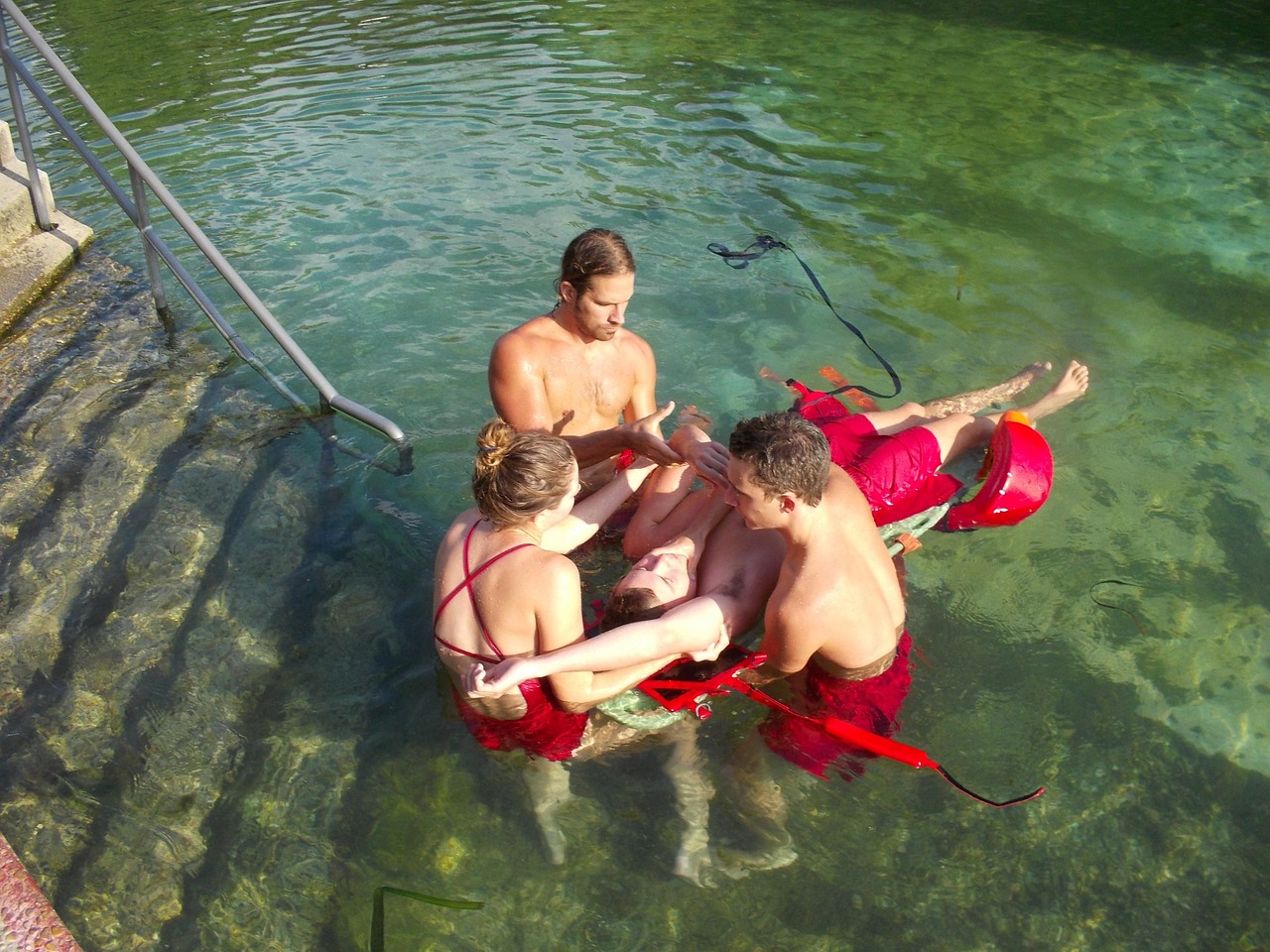
Instructors must be assessed as competent to manage all aspects of water safety, demonstrating the ability to:
- Effectively supervise the entire group while tracking individuals.
- Recognise signs of distress or someone needing help.
- Execute a necessary and timely rescue.
- Safely recover an individual to the poolside.
- Provide immediate first aid, including CPR, while awaiting emergency medical services.
Safety Equipment
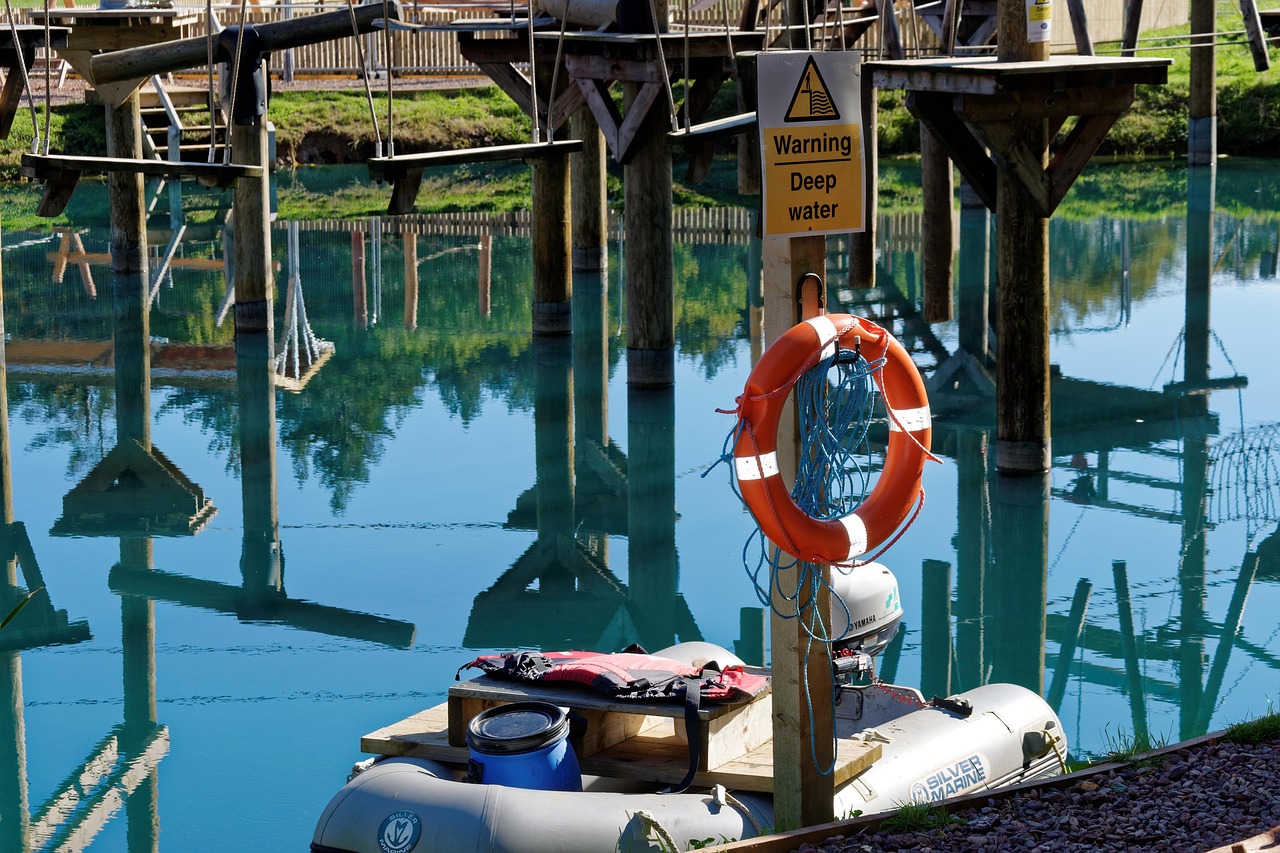
- Life Rings: A ring buoy with a rope attached should be kept poolside for quick access.
- Shepherd’s Crook: A pole with a hook at the end used to reach and pull a distressed swimmer to safety.
- Life Vests: Always have life vests in appropriate sizes for swimmers who may need them, especially non-swimmers.
- Rescue Tubes: Flexible tubes, like those used by lifeguards, can be used to support a distressed swimmer.
- First-Aid Kit: A fully stocked kit is necessary for treating injuries.
- Signs: Clearly posted signs are needed for rules like “No Running” or “No Diving,” as well as depth markers in the pool.
- Non-slip Surfaces: Having non-slip surfaces around the pool area can help prevent falls.
- Handrails: Stairs and steps should have handrails for added support.
Critical Reminder on Drowning Prevention
Drowning is often quick and silent. It does not involve splashing or calls for help. Therefore, the entire safety team—instructors, supervisors, lifeguards, and water watchers—must understand that prevention through constant, focused attention is paramount. Never wait for an emergency to occur; proactive intervention is the key to saving lives.
The Pillars of a Modern Physical Training System

The physical training regimen of the Indian Armed Forces requires a critical and comprehensive review. The traditional model, often perceived as the exclusive domain of the Havildar Majors of the Army Physical Training Corps (APTC), must evolve from a time-honoured tradition into a sophisticated scientific art. For a blueprint, one need only look at the advanced, data-driven approaches employed by the physiotherapists and trainers of modern Indian cricket teams, where peak performance is systematically engineered. A future-ready physical training program must be built on three core scientific principles:
- Integrated Functional Training: Modern training must move beyond isolated drills. It should integrate strength and endurance through High-Intensity Functional Training (HIFT), which simultaneously improves aerobic capacity and neuromuscular performance. This optimises a soldier’s readiness for critical tasks like load carriage over difficult terrain, handling heavy materials, and casualty evacuation, all while significantly reducing the risk of musculoskeletal injuries.
- Periodisation and Variation: To induce effective physiological adaptations, training must provide a greater variation of stimulus. Programmes must be meticulously periodised—meaning training load increases progressively but incorporates essential recovery cycles. This structured variation prevents plateaus and builds a more well-rounded and resilient soldier.
- Individualisation and Recovery: The ‘one-size-fits-all’ approach is obsolete. Given the vast differences in the initial fitness of recruits, some degree of individualized programming is crucial. This personalization avoids unnecessary injuries and over-training by respecting individual thresholds, ensuring that each soldier develops optimally without being broken in the process.
The Critical Role of Fitness Evaluations
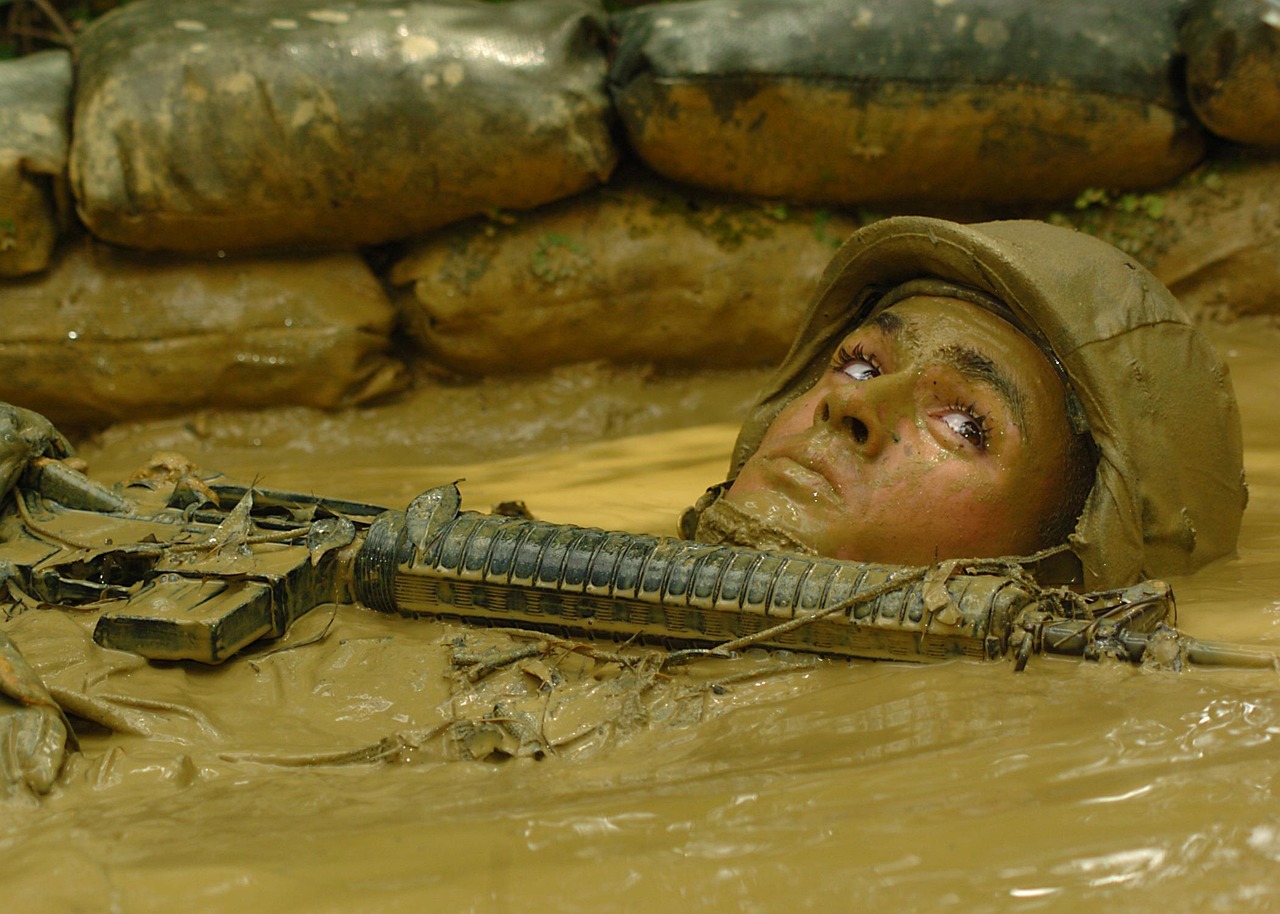
It is essential to systematically review and update the Physical Fitness Tests. These evaluations must be aligned with contemporary scientific research and the varying demands of modern warfare. The tests should not just be a test of basic fitness but a valid predictor of a soldier’s capability to meet specific operational requirements.
Conclusion
Maintaining and enhancing physical fitness – including swimming – is non-negotiable for operational success. By embracing scientific principles—functional integration, smart periodisation, and individualisation—the Indian Armed Forces can transform its physical training paradigm. This shift will forge a force that is not only stronger and faster but also more durable, resilient, and precisely prepared for the complex physical challenges of the 21st-century battlefield across various terrains.
Images Courtesy Pixabay.com


Thats a good one
LikeLiked by 1 person
I was a non swimmer when I joined NDA and has to seriously struggle to learn the basics of swimming. There was no specific guidance or technical support. Somehow I learnt it in 12-15 months and passed the 50 m test. Your article is just perfect for training institutes and even various swimming pools across the length and breadth of the country at fmn HQ to seriously look at the flaws and have a dedicated team to ensure safety and proper training.
LikeLiked by 1 person
Elaborate study and research.
LikeLiked by 1 person
The underlying fact remains that we value human lives very poorly
LikeLiked by 1 person