
The Occasion: Diamond Jubilee of 75 Medium Regiment (Basantar River)
In December 2025, I travelled to Delhi to attend the Diamond Jubilee celebrations of the 75 Medium Regiment – a momentous reunion of serving officers, soldiers, and veterans of a Regiment bound by shared history and sacrifice.
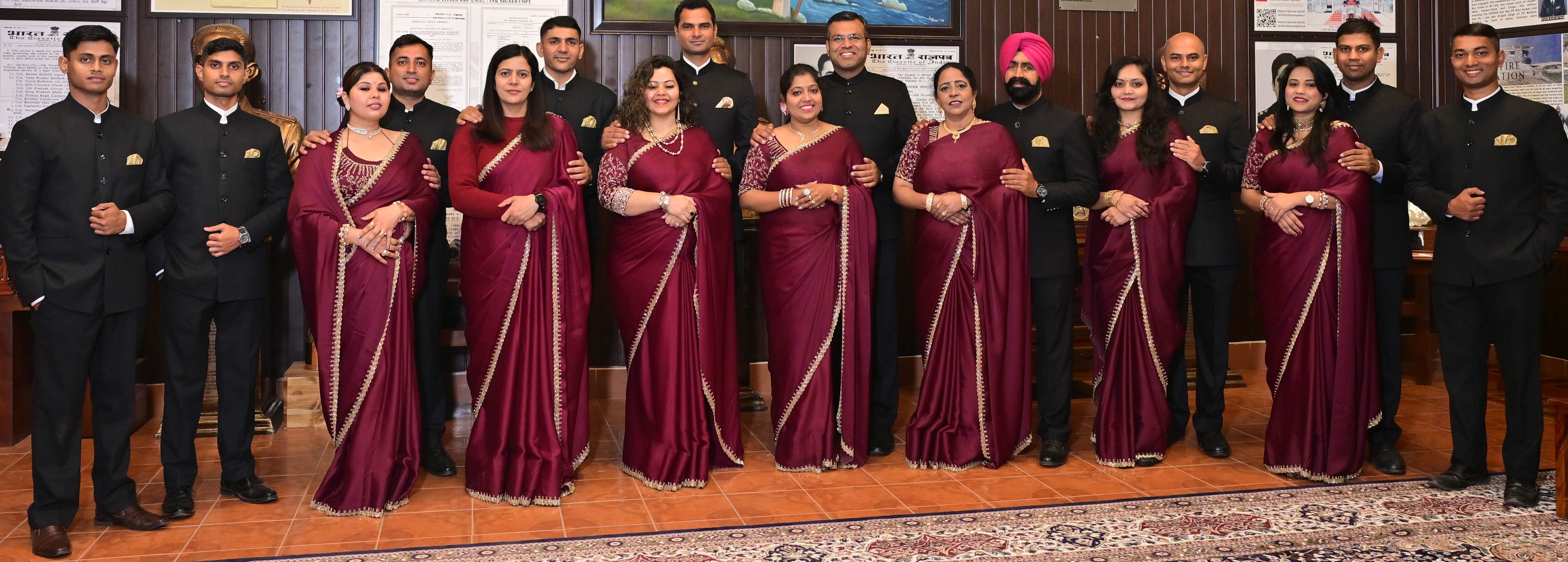
The Commanding Officer, Colonel AK Singh, along with every officer and soldier and their families of the Regiment, left no stone unturned to ensure the occasion was a grand and memorable one for all of us.
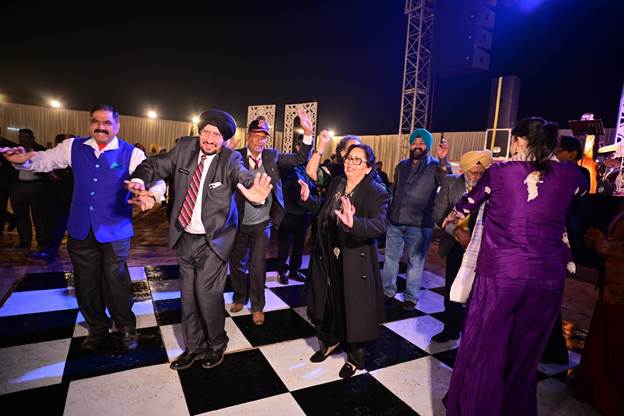
Returning to my parent Regiment for its Diamond Jubilee was not just a visit; it was a pilgrimage to the very soil where I took my baby steps as an officer. Stepping into the Regiment’s premises, I was instantly overwhelmed by a flood of emotions that spanned decades. This is the Regiment where I shed blood and sweat, where the raw potential of youth was forged into the resolve of a soldier.
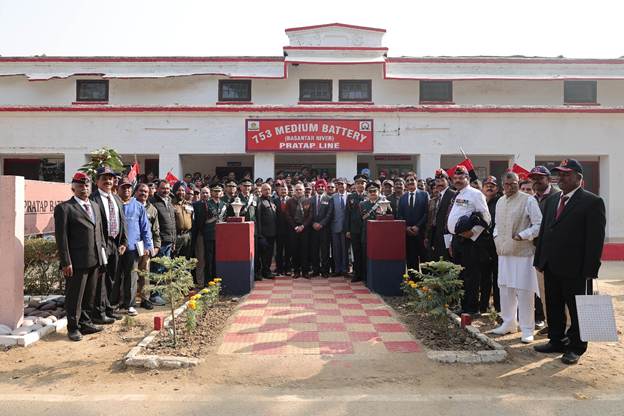
The reunion was a powerful tapestry of the past and the present. When old comrades met, we did not merely shake hands; we hugged like long-lost brothers, bound by a silent code and shared hardships that time cannot erode. In those embraces, the years of separation vanished, replaced by the unbreakable kinship of difficult days and the cozy warmth of messmates.
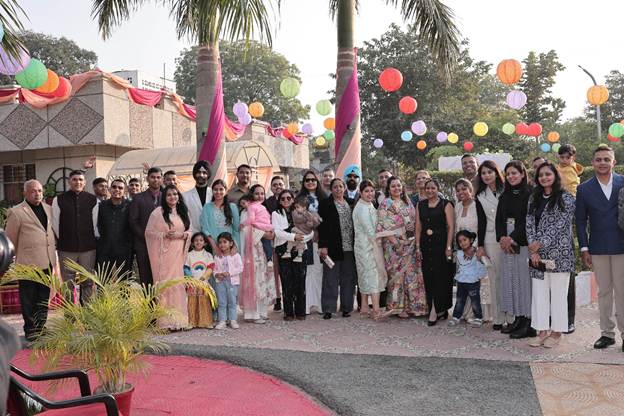
Watching the present torchbearers – the sharp, young officers now carrying the colours – filled me with bittersweet nostalgia. Seeing them, we saw reflections of our younger selves, full of fire and zeal. It was a proud realisation that while facing change, the soul of the Regiment remains steadfast. I felt an inexplicable pride in my chest, having contributed to a legacy that continues to shine brilliantly sixty years on.
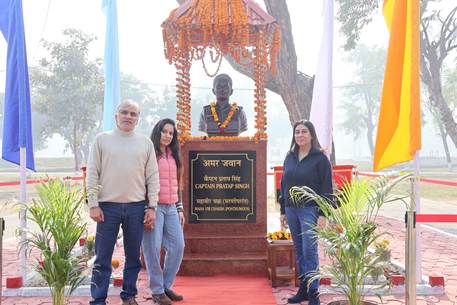
Amidst the grand festivities and warmth of camaraderie, the most profound moment for me was meeting Shakti Singh – the younger brother of Captain Pratap Singh. Our paths had not crossed for four decades, since 1985 when our Regiment was stationed in Delhi. The memory remains vivid: Pratap and I, both young bachelors at the time, were wandering through the bustling lanes of Connaught Place. Suddenly, Pratap’s eyes widened, and he urgently gestured toward our vehicle. “Sir, get into the Jeep – let’s get out of here!” he exclaimed. He had spotted Shakti nearby with Jyoti. In a typical display of conservative brotherly tact, Pratap didn’t want to disrupt the status quo or cause Shakti any needless embarrassment by revealing that he knew about the secret relationship. We made a swift tactical retreat, a moment of lighthearted protection that I carry with me ever since.
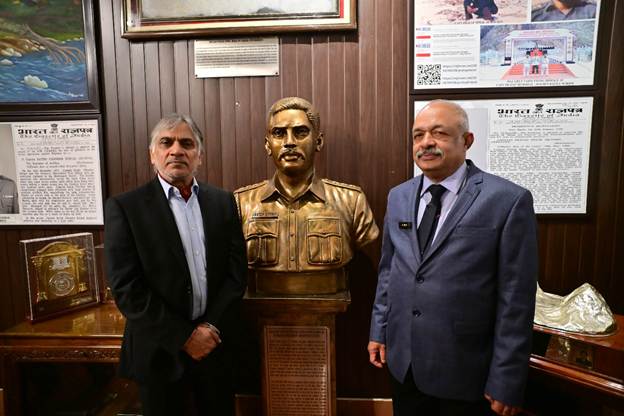
The fleeting image of Shakti and his companion, Jyoti, once seemed frozen in time – a distant memory from decades ago. On the morning of December 16, 2025, I found myself face-to-face with them again. Seeing Shakti and Jyoti now, forty years later, felt like bridging a lifetime of silence, turning a humorous memory of youth into a deeply moving connection to the past. Now they are the proud parents of Shrishti Pratap Singh; their lives are a testimony to a bond woven from love and shared history. Shrishti bears a name of deep significance, chosen to honour her father’s lifelong hero, Captain Pratap Singh. Jyoti, the pretty and petite young secret of those carefree days was now a woman of substance, a distinguished Judge of the Delhi High Court.
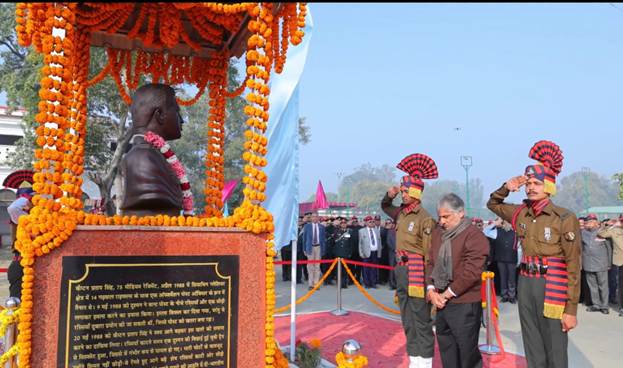
History returned home on 16 December 2025, as a new war memorial was unveiled by Shakti at the former Sikh Regiment Lines in Meerut. Commemorating Basantar Dayalongside the Regiment’s Diamond Jubilee, the inauguration was a poignant milestone in our heritage. Set against a backdrop of deep Regimental significance, the memorial serves as a permanent testament to our lineage.
Against the backdrop of grounds steeped in martial heritage, the unveiling transcended the ceremonial; it was a symbolic homecoming, a return to the very soil where generations of soldiers had marched, trained, and departed for battle. On a day already consecrated by history, this tribute served as a powerful reaffirmation of the Regiment’s unbroken covenant with its past – a solemn nod to the valour that binds every member of The Basantar Family, past and present, in an unending chain of sacrifice and pride.
A Tearful Embrace: The Weight of Remembrance
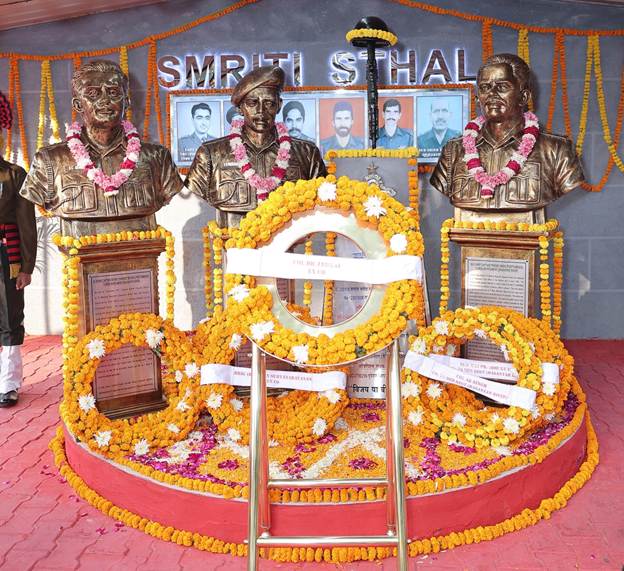
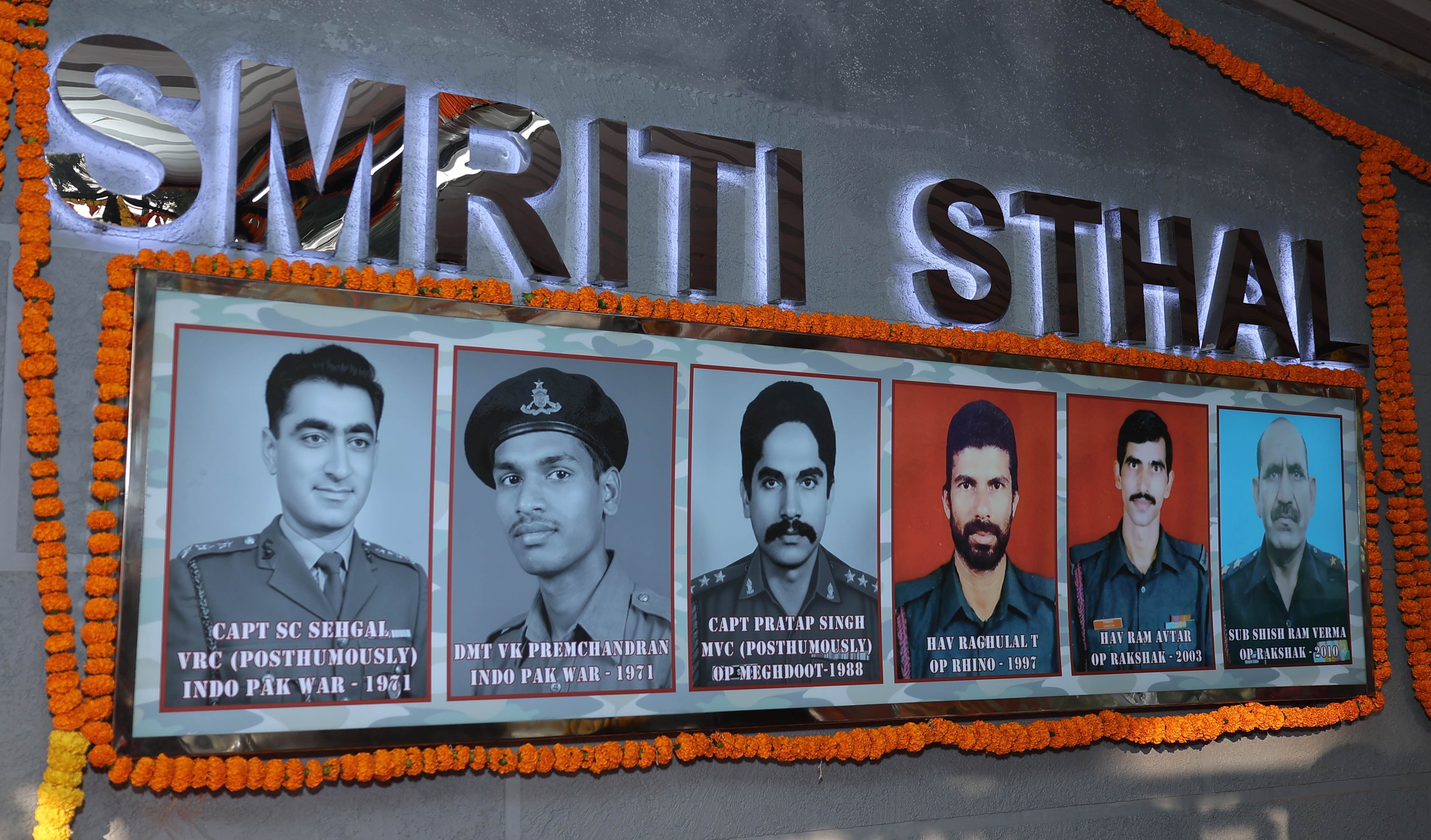
The day’s ceremonies began with a solemn wreath-laying ceremony at the Quarter guard. We paid homage to the brave sons who made the ultimate sacrifice for the motherland: Captain SC Sehgal, Vir Chakra and Gunner Premachandran from the 1971 Indo-Pak War; Captain Pratap Singh, Maha Vir Chakra; and Subedar Sheesh Ram, who fell on the icy heights of the Siachen Glacier.
After the ceremony, Veteran Colonel Mahaveer Singh – our Commanding Officer from 1983 to 1988 – approached Shakti Singh. Without a word, they embraced each other. Tears rolled down the octogenarian’s cheeks. It was a moment of silent, profound emotion that spoke volumes.
What lay behind that tearful hug? To understand the emotion, we must rewind to1988.
The Choice: Siachen or Brigade Headquarters
In December 1987, Colonel Mahaveer summoned Captain Pratap and me. Our Regiment was to induct its first Observation Post team into the Siachen Glacier in March 1988. One of us would lead that team and the other would be attached to Brigade Headquarters as an administrative staff officer for six months. The choice was ours to make – or so it seemed.
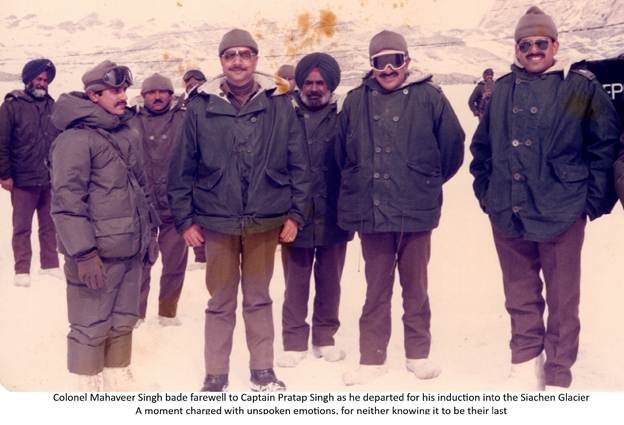
Captain Pratap, a Short Service Commission officer commissioned in September 1983, had not opted for a permanent commission. He had decided to take release from the army after completing five years of service. In January 1988, armed with his release application, Pratap walked into Colonel Mahaveer’s office. He made a compelling case: he wanted to participate in one final operation before his release, to serve his country in the field one last time. He convinced Colonel Mahaveer that he should lead the Siachen team. I, left with no choice, therefore, moved to the Brigade Headquarters.
The Supreme Sacrifice
On 27 May 1988, Brigadier DS Chowdhary, our Brigade Commander, called me to his office. His face was grave. He broke the news: Captain Pratap Singh had laid down his life while performing his duties on the glacier.
I immediately called our CO, Colonel Mahaveer. The line was silent. He did not utter a word. I rushed back to the Regiment and went straight to his office. It was the only time I ever saw tears in his eyes.
A Family of Warriors
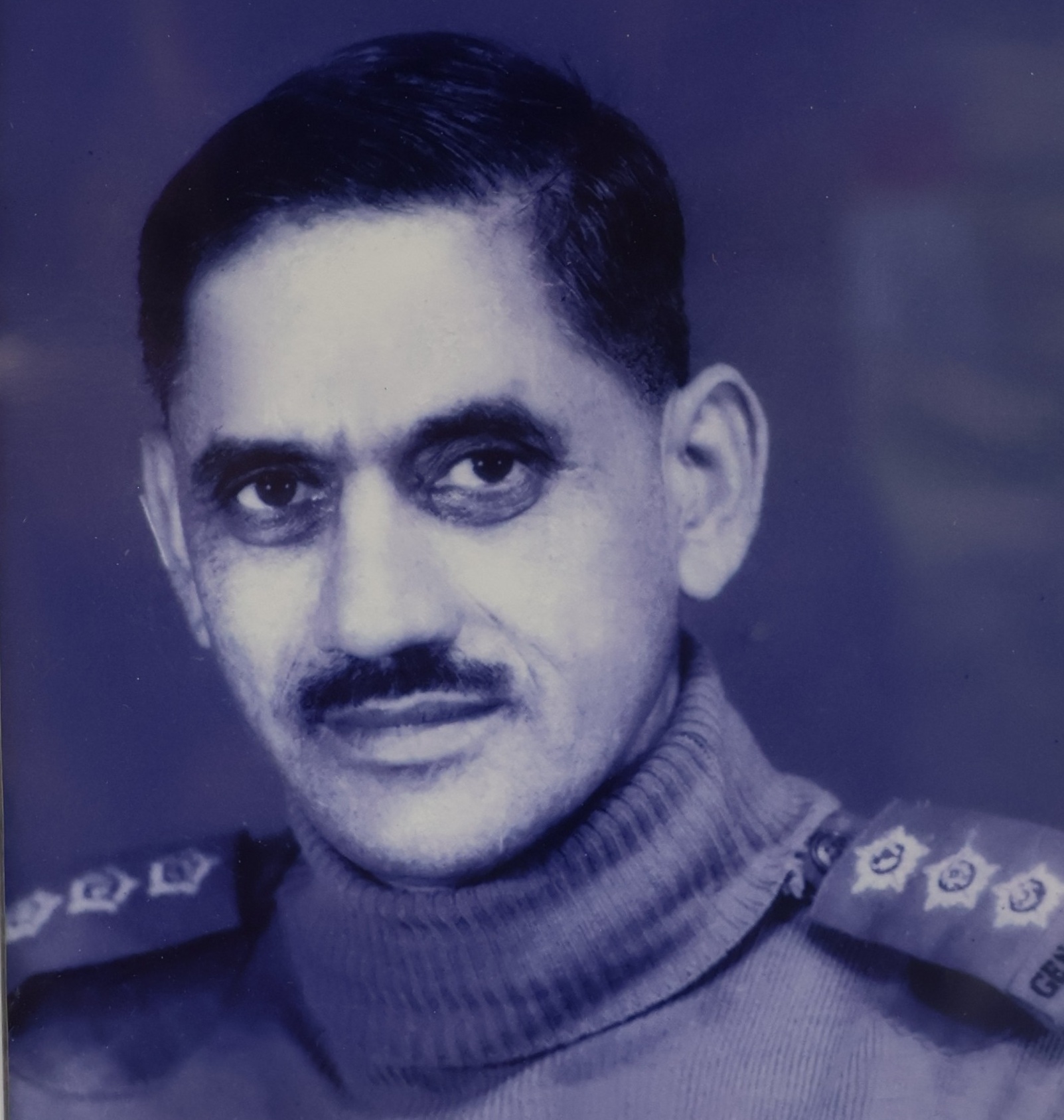
Lieutenant Pratap Singh joined our Regiment in April 1985, when we were stationed in Delhi. Two months earlier, he had lost his elder brother, Squadron Leader Gajraj Singh, a Jaguar Test Pilot of the Indian Air Force, in a tragic air crash in Rajasthan. On compassionate grounds, Lieutenant Pratap was posted to Delhi to care for his aging parents, who lived in Basai Darapur village, near Punjabi Bagh – the reason why he sought release from the army. His family carried a proud military legacy: his elder brother, Colonel Ran Singh, was serving with an Air Defence Regiment of the Indian Army – now settled in the US, while his father, Captain Khazan Singh, was a veteran of the Second World War.
The Citation: A Story of Unparalleled Gallantry
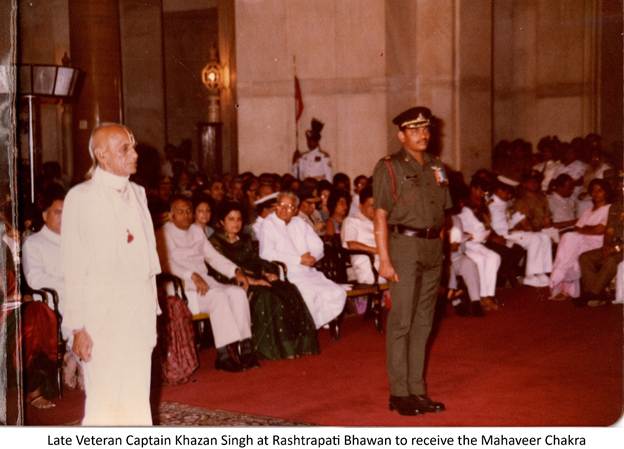
On 26 January 1989, the nation recognised Captain Pratap Singh’s supreme sacrifice, posthumously awarding him the Maha Vir Chakra, India’s second-highest gallantry award.
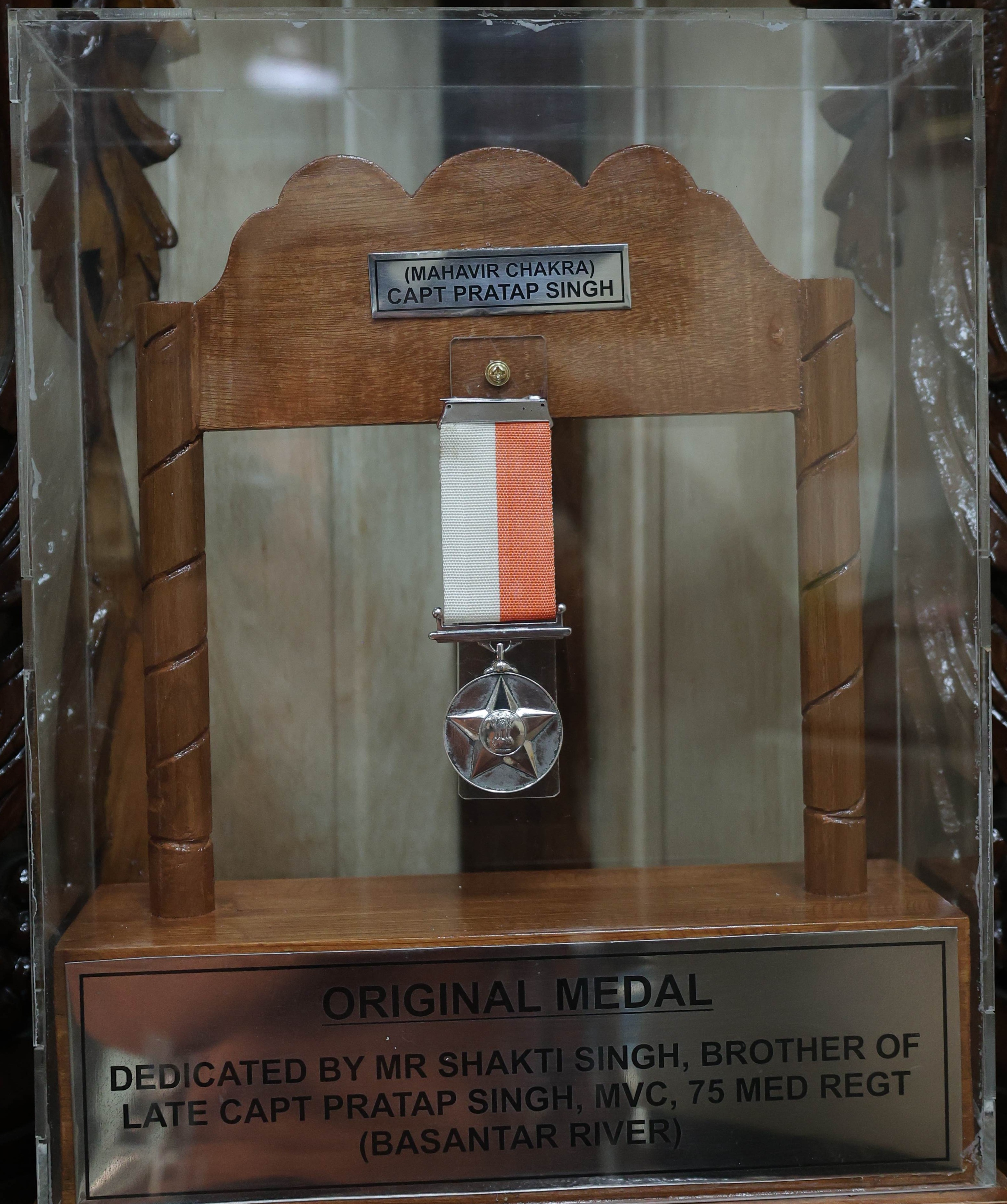
The citation read:
“Captain Pratap Singh was deployed as an Observation Post Officer in the Siachen area in April 1988.
The adversary made repeated attempts to retake a key post vital for our defences of Siachen, without success. Their last attempt to take the post was on 09 May 1988, when they fixed four ropes and a ladder-system on the ice-wall below the post for the purpose. This attack was successfully beaten back by our forces. The ropes and the ladder-system fixed by the adversary, however, remained in position, making it possible for them to be used again in fresh attempts.
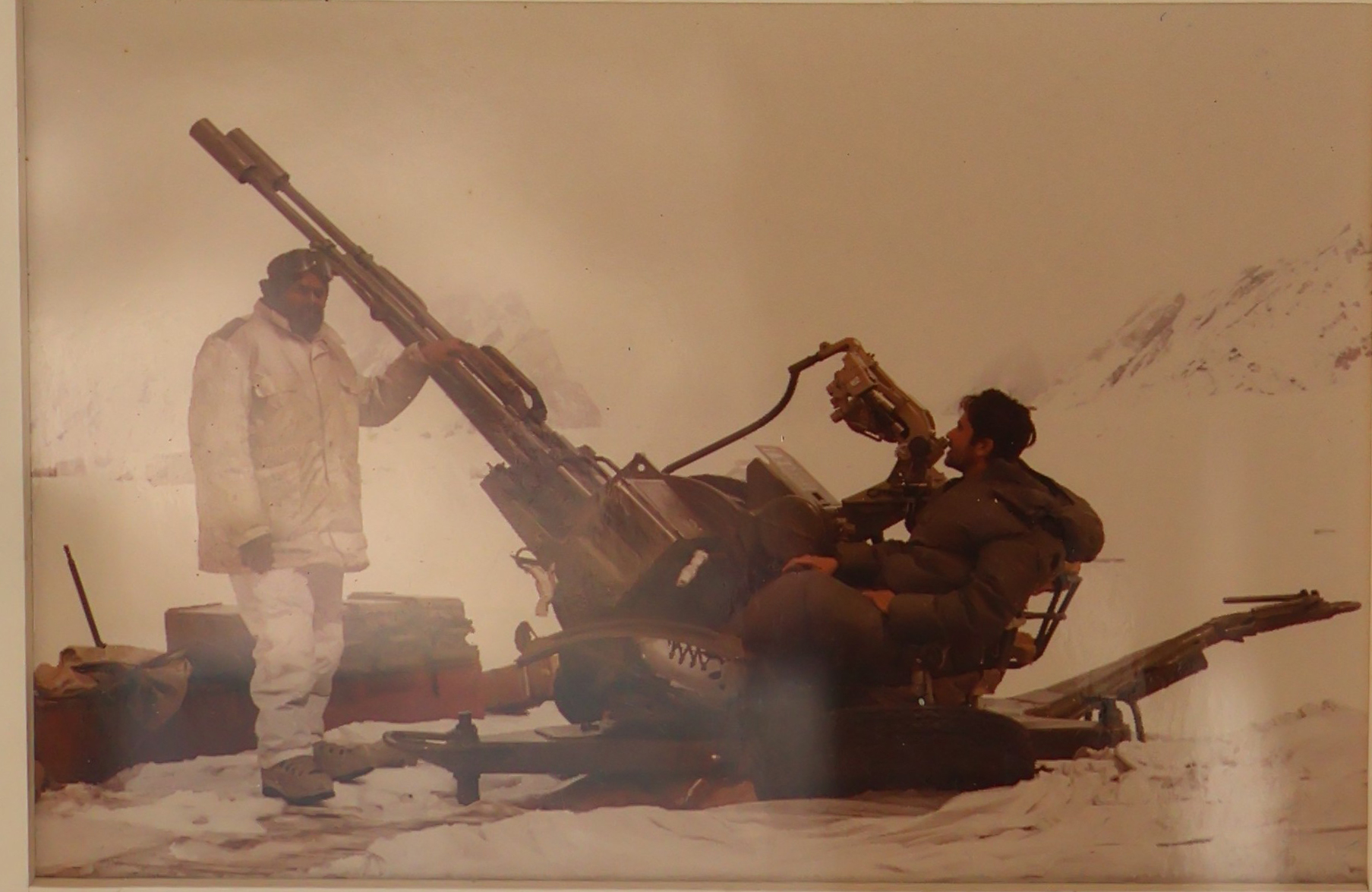
It was imperative that the fixed ropes be cut and the ladder removed to prevent further attempts. On 18 May 1988, Second Lieutenant Ashok Choudhary successfully reached and cut four of the ropes. On 26 May 1988, it was decided to cut the remaining two ropes and remove the ladder. Captain Pratap Singh undertook this mission with the help of a jawan, descending the ice wall.
On reaching the location, Captain Pratap Singh discovered a large quantity of ammunition and grenades lying at the head of the ropes. While examining them, a booby-trapped grenade detonated, severely wounding his right arm and chest. Despite his grievous injuries, the brave officer crawled forward to the fixed ropes and cut them with his knife. He then unfixed the ladder system and let it fall down the ice wall. Inching back to his own rope to ascend, he collapsed due to his severe wounds and made the supreme sacrifice for the nation.
Captain Pratap Singh thus displayed conspicuous gallantry and extraordinary valour in eliminating a grave threat to a key post in the vital defences of the Siachen Glacier, at the cost of his life.”
Epilogue: A Legacy of Courage
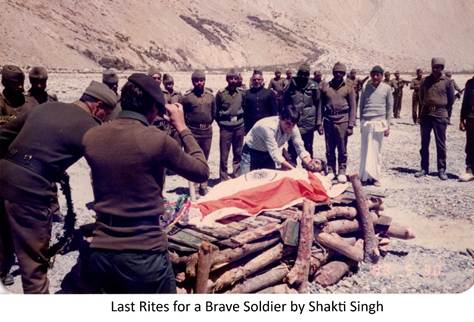
That morning in December 2025, as Colonel Mahaveer held Shakti Singh in a tearful embrace, the years melted away. The pain of loss, the pride in valour, and the bonds of brotherhood that transcend time converged in that single moment.
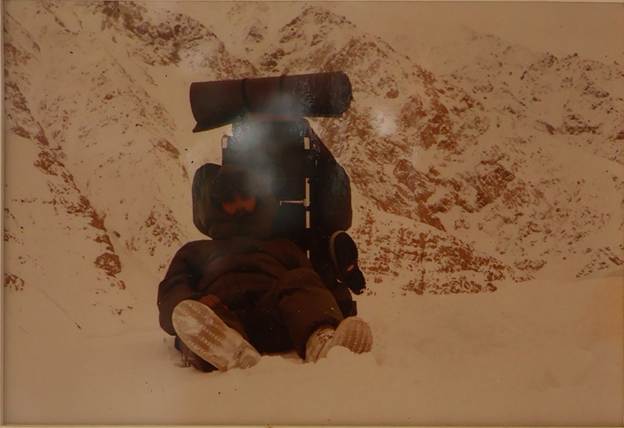
Captain Pratap Singh’s story is not just one of sacrifice; it is a testament to the spirit of a soldier who chose one last mission over comfort, who faced certain death with unwavering resolve, and whose name remains etched in the icy heights he gave his life to defend.
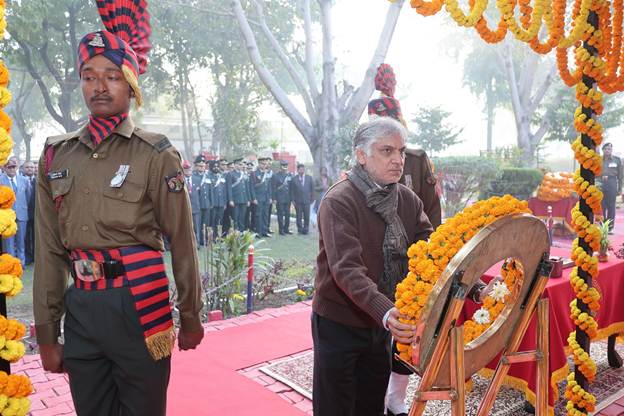
For those of us who knew him, his brother Shakti, and the Regiment that carries his memory forward, Captain Pratap Singh lives on – not just in citations and awards, but in the hearts of all of us who understand soldiering in its fullest sense.
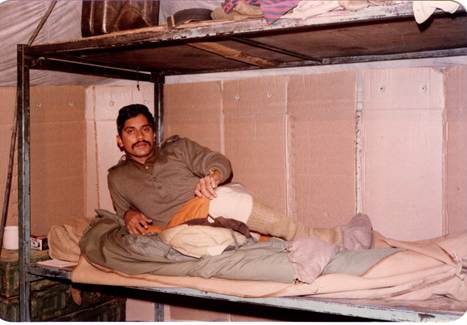
Most of you would wonder what made Captain Pratap Singh choose the difficult Siachen stint over a cozy staff job with only months remaining for his release from the army. For me who knew his pulse, it was a natural Pratap Singh decision. A decision of an altruistic leader. A decision driven by a profound duty-bound mindset and warrior first ethos. He did not want to be confined to the monotony of an administrative office. Given the opportunity, he sought a high adrenaline psychological peak to self-actualise and define his legacy. To Pratap it was all too natural. For bureaucrats and politicians who sit in profound judgement over death/ disability compensation of soldiers and veterans, such decisions are simply far too difficult to comprehend.
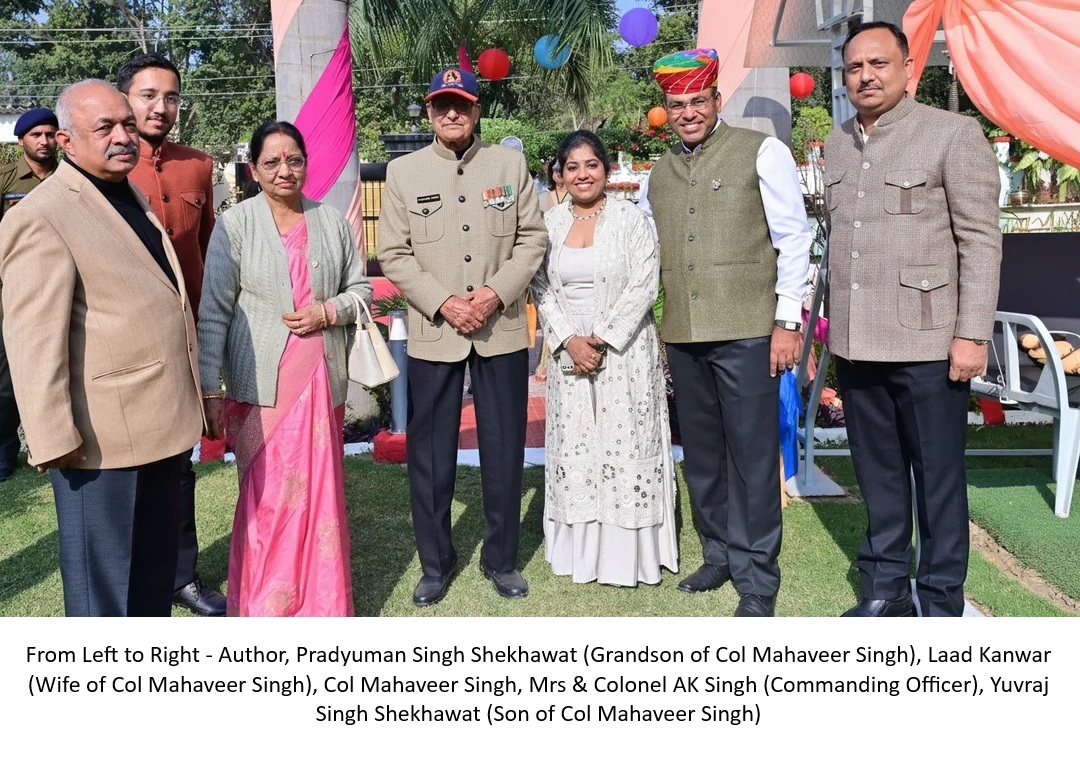
What about the emotions of Col Mahaveer Singh the Commanding Officer?
In the terrible loneliness of command, he must have faced a tremendous psychological tug of war in acceding to the choice made by Captain Pratap Singh. His grief was not that of a Commanding Officer losing an officer, but the grief of a father who quite unwillingly allowed his son to walk into fire.
 REJINCES
Very touching narration.
LikeLiked by 1 person
This tribute to Capt Pratap Singh MVC is written with rare depth and sincerity. It does far more than recount an act of gallantry; it restores to life the man behind the medal. The description of his resolve on the Siachen Glacier, his sense of duty even at a decisive moment in his service, and the quiet strength of his character reflect the finest traditions of the Regiment. Particularly moving was the account of the reunion after four decades, which captured the enduring bonds of comradeship that time can never erode.
The narrative flows effortlessly, balancing operational detail with human emotion, and carries the reader from pride to reflection in a natural and dignified manner. There is restraint in the writing, yet immense power in the sentiments conveyed. Such stories are not merely to be read; they are to be remembered and passed on.
Thank you for preserving his legacy with such clarity and respect. Pieces like this strengthen regimental memory and remind us all of the standard of courage and commitment that defines our calling.
LikeLiked by 1 person
An engaging and thoughtful account. The narrative brings out not only the courage and character of Capt Pratap but also the spirit and ethos that have shaped the regiment over the years. Stories like these add depth to our collective memory and help keep the legacy of our officers alive for present and future generations.
Coming soon after the Diamond Jubilee celebrations, it is particularly meaningful to revisit such episodes from our history. They remind us that the strength of the regiment lies in the lives, actions and values of those who served before us. Well narrated and a valuable addition to the regimental chronicles.
LikeLiked by 1 person
Thankyou so much Sir for the wonderful narration of the important facts of regtl History.
LikeLiked by 1 person
Sir, a very informative and inspiring article capturing the complete essence of Jubilee Celebrations and also showcasing our proud Heritage.
Thank you Sir
LikeLiked by 1 person
Your blog is not just a recollection of events, it is a living, breathing chronicle of honour, memory, and regimental soul.
Your tribute to Captain Pratap Singh is profoundly heartfelt. Through your words, we see not only the officer, but the warm-hearted and protective brother, the son, and the officer who chose duty over comfort in his final months of service.
Your description of his decision to opt for Siachen over a staff appointment captures the essence of his true self. That insight, that it was “a natural Pratap Singh decision” speaks volumes. Only someone who truly understood his pulse could have articulated that so beautifully.
The silent, tearful embrace between Veteran Colonel Mahaveer Singh and Shakti Singh reflects truly the unbearable weight of command, the fatherly grief of a Commanding Officer, that survives decades.
The unveiling of the memorial at Meerut on the Basantar Day commemorations was reflection of true spirit that regiments are families stitched together by love valour and sacrifice.
There is no grandstanding, no exaggerated rhetoric, only lived experience, affection, pride, and grief. Your tribute ensures that Captain Pratap Singh does not remain a name in a citation but continues to live in the collective conscience of the Basantar family.
LikeLiked by 1 person