
On the morning of Sunday, 8 March 2026, I moved my clock forward by one hour to mark the beginning of Spring Daylight Saving Time. As I tuned into the news, a dramatic rescue operation caught my attention. About two dozen ice fishers had become stranded after the ice shelf they were standing on broke away from the shoreline in Georgian Bay, Ontario. The massive sheet drifted approximately two kilometre from shore before splintering into several sections, leaving some people partially submerged in the freezing water.

Following the report, the newscaster offered a fascinating explanation of the different types of ice found in Canada – each colour-coded to indicate its density, age, and, most importantly, its safety level. While white ice is the most common, environmental factors such as compression, water content, and impurities can produce a surprising spectrum of hues.
White Ice: Opaque and Weaker
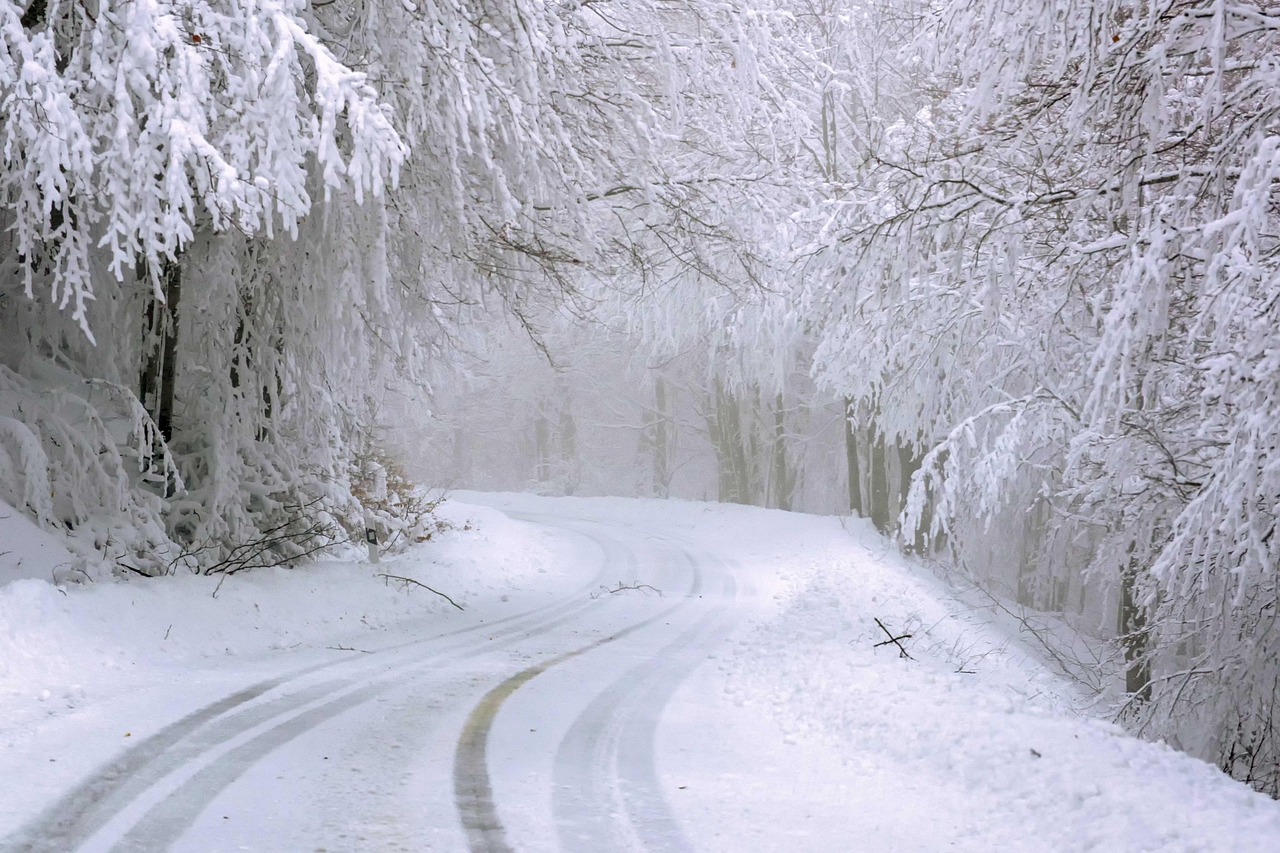
White or opaque ice forms when snow falls on existing ice, melts, and refreezes, or when slush freezes rapidly. Its cloudy appearance results from countless trapped air pockets. While common, white ice is only about half as strong as blue ice of the same thickness and demands cautious treatment.
Blue Ice: The Strongest and Safest
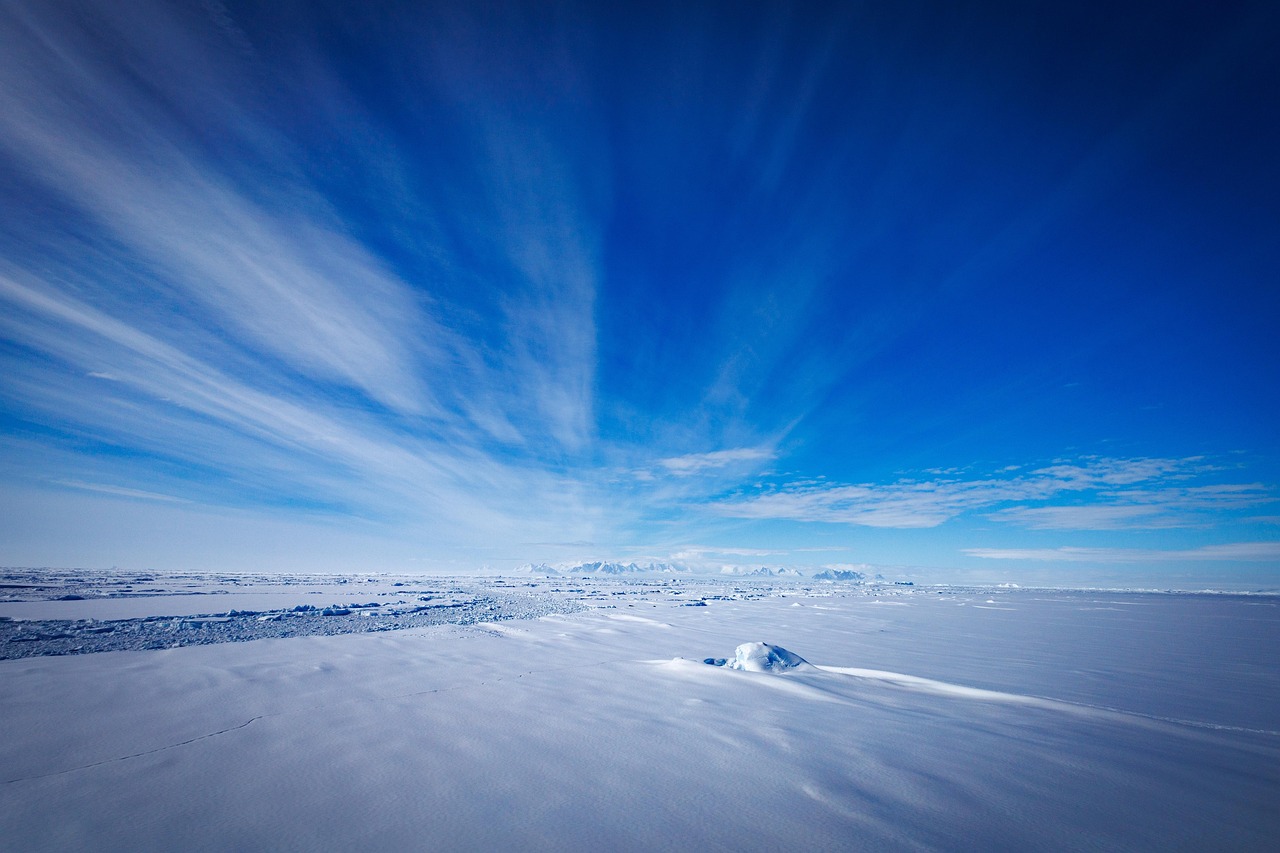
Blue ice is the gold standard of ice safety. Dense and ancient, it has been compressed over years by the weight of overlying snow, forcing out nearly all air bubbles. This density causes the ice to absorb longer wavelengths of light (reds) while scattering shorter ones (blues), giving it its distinctive transparent azure appearance. Found primarily in deep lakes or at the base of glaciers, blue ice is the strongest variety – just four inches (10 cm) is typically sufficient to support a person’s weight safely.
Grey Ice: A Sign of Danger
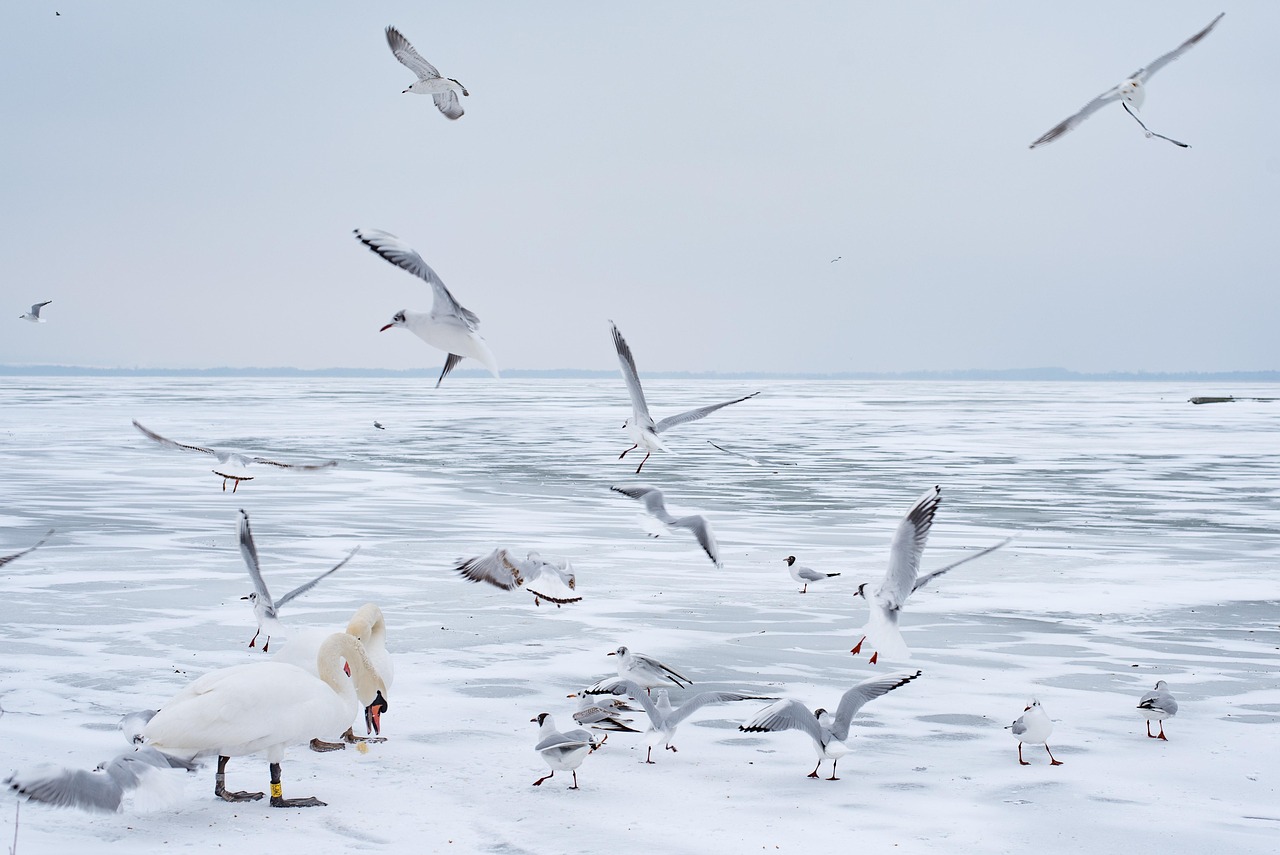
Grey ice signals trouble. Its dull, dark appearance indicates the presence of water or active melting and deterioration. Commonly seen in spring or on fast-moving water, grey ice is dangerously unstable and incapable of supporting significant weight. It should be avoided entirely.
Red Ice: The Watermelon Snow Phenomenon
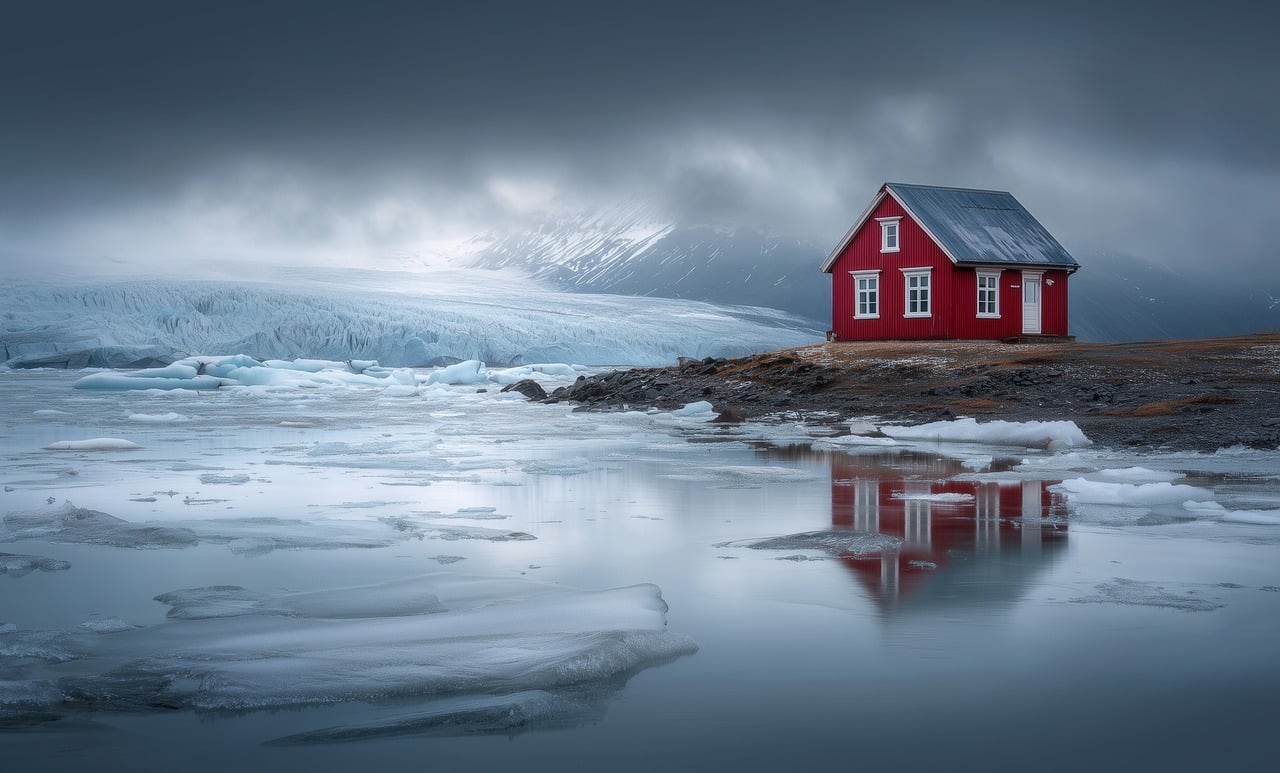
Red or pink ice, often called watermelon snow, results from blooms of microscopic algae (Chlamydomonas nivalis) living on the snow’s surface. These organisms produce a red pigment to shield themselves from intense solar radiation. Common in British Columbia’s mountainous regions and the Arctic during spring and summer, this phenomenon tints the snowpack in shades ranging from faint pink to deep crimson.
Green Ice: A Marine Mystery
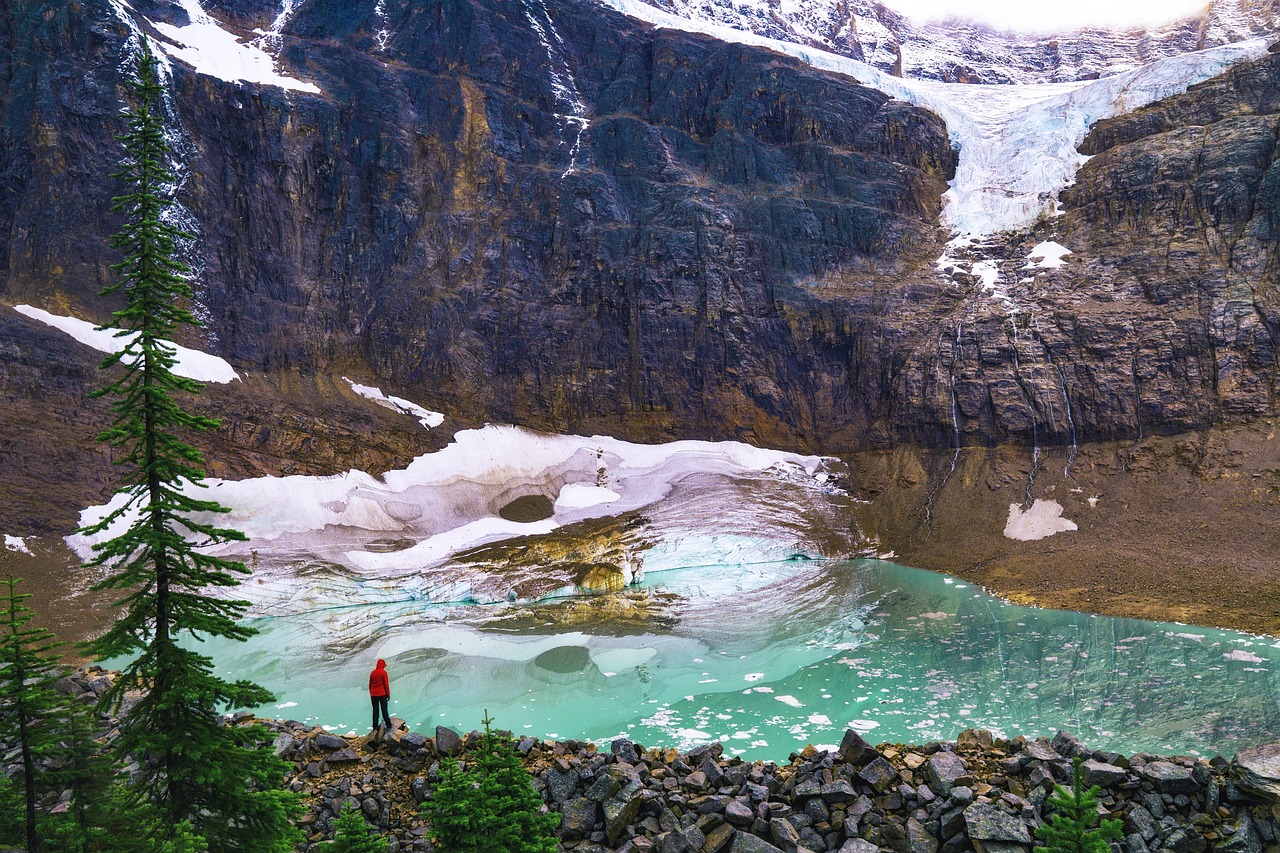
Green ice typically appears in marine settings, particularly in icebergs formed when seawater freezes to the underside of ice shelves. Scientists believe its emerald or jade hues result from high concentrations of iron oxides—derived from rock flour—trapped within the ice.
Black Ice: Clarity in Disguise
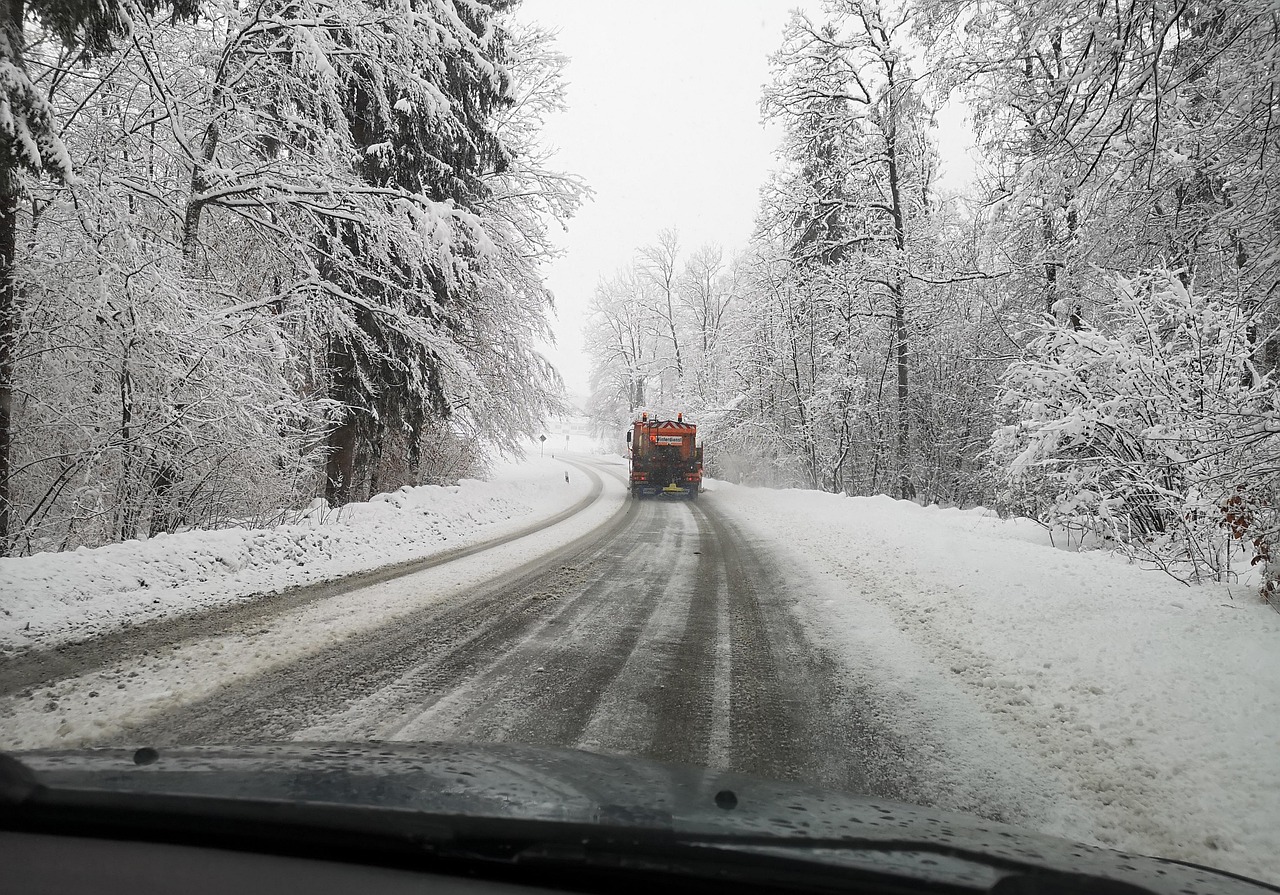
The dreaded black ice is a thin, nearly invisible, and highly slippery layer of transparent glaze ice that forms on roads, bridges, and walkways. Appearing as a wet patch on dark pavement, it occurs when moisture freezes instantly, often during early mornings or after light rain/melting snow. It poses a severe, unexpected danger to drivers and pedestrians resulting in many slip, falls, crashes, etc.
Conclusion
This colour-coded guide serves as a vital reminder that ice is far from uniform. Whether walking, fishing, or simply exploring, understanding these distinctions can mean the difference between a pleasant outing and a life-threatening emergency.
 REJINCES
Very interesting read . Informative.
LikeLiked by 1 person