The full moon of November 5, 2025, will be a notable celestial event: the second supermoon of the year, adorned with the traditional name Beaver Moon. This occurrence provides a perfect opportunity to explore the fascinating interplay of lunar nicknames, orbital mechanics, and the science behind these brilliant apparitions.
The Cultural Tapestry of Full Moon Names
Each month’s full moon carries a name rooted in cultural and natural history, often originating from Native American, Colonial American, and European traditions. The November full moon is known as the Beaver Moon. According to the Old Farmer’s Almanac, this name signifies the time when beavers begin to retreat to their lodges for the winter. An alternative explanation points to the historical fur trade, as this was the season to set beaver traps before the swamps froze.
These names create a yearly almanac in the sky, connecting the heavens to the rhythms of life on Earth. Below is a list of the commonly accepted full moon names:
Month
Full Moon Name
January
Wolf Moon
February
Snow Moon
March
Worm Moon
April
Pink Moon
May
Flower Moon
June
Strawberry Moon
July
Buck Moon
August
Sturgeon Moon
September
Corn Moon (or Harvest Moon)
October
Hunter’s Moon (or Harvest Moon)
November
Beaver Moon
December
Cold Moon
The Science of Supermoons
To understand a supermoon, one must first examine the Moon’s orbit. The Moon does not circle Earth in a perfect circle but in an elliptical orbit, which is inclined about 5 degrees to Earth’s orbital plane. This path has two key points:
Perigee: The point where the Moon is closest to Earth.
Apogee: The point where it is farthest.
A supermoon occurs when a full moon coincides with or is near the Moon’s perigee. At this moment, the Moon can appear up to 7% larger and 16% brighter than an average full moon. Conversely, a micromoon is a full moon near apogee, appearing noticeably smaller and dimmer.
The term supermoon was popularised by astrologer Richard Nolle in 1979 and gained widespread use in the media during a particularly close approach in March 2011.
The Lunar Cycle: Phases and the Blue Moon
The Moon’s phases are governed by two distinct cycles:
Sidereal Month (27.55 days): The time it takes the Moon to complete one orbit around Earth and return to the same position relative to the stars.
Lunar Month (29.53 days): Also called the synodic month, this is the time from one new moon to the next, which is longer due to Earth’s simultaneous revolution around the Sun.
This discrepancy between the lunar month and our calendar months (30 or 31 days) gives rise to the Blue Moon. The idiom once in a blue moon describes a rare event, but astronomically, a seasonal Blue Moon (the third full moon in a season with four) or a monthly Blue Moon (the second full moon in a single calendar month) occurs roughly every 2.7 years. Because February is shorter than a lunar month, it can never host a Blue Moon.
On rare occasions, a double Blue Moon can occur within a single year, a phenomenon that happens only 3 to 5 times per century. The last was in 1999, and the next will be in 2037.
A Celestial Convergence
The supermoon of November 14, 2016, was a record-setter, being the closest full moon since 1948—a record that will not be surpassed until November 25, 2034. The Beaver Moon on November 5, 2025, continues this cycle of celestial wonder, offering a brilliant reminder of the dynamic and predictable dance of our closest celestial neighbour. It is a chance to witness a beautiful fusion of ancient tradition and modern astronomy.
Indian Astronomy and Full Moons
While the term Supermoon is a modern astronomical concept without a direct equivalent in Indian astronomy, the tradition of naming full moons is deeply rooted in Indian culture. The Sanskrit word for full moon, Purnima, serves as the foundation for a calendar of lunar observations tied to seasons and festivals. These are not merely astronomical markers but are imbued with cultural and religious significance. For instance, Chaitra Purnima (March/April) often heralds the Hindu New Year, while Ashadha Purnima (June/July) is revered as Guru Purnima, a day to honour teachers. The harvest moon of Sharad Purnima (September/October) is dedicated to the goddess Lakshmi, and Kartik Purnima (October/November) celebrates the birth of the deity Kartikeya. Thus, each full moon connects the celestial cycle to the rhythm of life and spirituality in India.
The recent, tragic loss of two cadets during swimming lessons at the National Defence Academy (NDA)—both incidents occurring within a month—has cast a pall over the institution. These heartbreaking events compel a critical examination of aquatic training protocols within India’s various military training institutions.
Drawing from my own experience with the NDA’s swimming curriculum and insights from our son, Nikhil, a certified swimming instructor and lifeguard, I will explore the systemic issues that may be plaguing water-safety policies in our armed forces.
At the heart of the problem is the training of the instructors. Hailing from the Army Physical Training Corps (APTC), their curriculum contains only a short capsule on swimming. This is fundamentally inadequate to certify them as qualified swimming instructors or lifeguards. Consequently, we have a system where those responsible for water safety may themselves lack essential proficiency – some may be lacking basic swimming skills.
To ensure the highest standard of safety during swimming lessons, all personnel must adhere to the following requirements. These protocols are designed to create a secure learning environment through qualified staff, vigilant supervision, and clear emergency preparedness.
Personnel Qualifications & Requirements
Suggested instructor-to-student ratio for swimming classes varies by programme and must be from 1:4 to 1:6 for beginners and may increase to 1:8 or 1:12 for intermediate or advanced classes.
All instructional staff must possess the following minimum credentials:
Swim Instructors: Must be certified in swim instruction and hold current CPR and First-Aid certifications.
Lifeguard Requirement: A dedicated, certified lifeguard must be present on deck whenever an instructor is teaching in the water. The lifeguard must be free from all other duties to maintain constant surveillance of the water.
Supervisors & Officers: All supervisors, including officers, must be trained in emergency response protocols.
Minimum Staffing: A minimum of two certified staff members (instructors or lifeguards) must be present during any instructional session.
Core Principles of Active Supervision
Safe supervision is defined as constant, direct, and active monitoring to ensure the safety of all participants.
Constant Vigilance: Supervision requires uninterrupted attention. Staff must be free from distractions (e.g., phones, casual conversation) and always maintain visual contact with all students.
Proximity for Non-Swimmers: For non-swimmers and beginners, instructors must stay within arm’s reach to allow for immediate intervention.
Active Monitoring: This includes:
Maintaining an accurate and continuous head count.
Clearly defining the teaching area.
Enforcing safe entry and exit procedures.
Immediately stopping any unsafe or risky behaviors.
The Water Watcher Role: A designated Water Watcher may be used to support supervision. This person must:
Be explicitly nominated and focused solely on watching the water.
Be vigilant and free from all distractions.
Rotate this duty every 15-20 minutes to prevent fatigue and maintain alertness.
Note: A Water Watcher is a preventive measure and is not a substitute for a certified lifeguard or instructor.
Instructor Competency & Emergency Response
Instructors must be assessed as competent to manage all aspects of water safety, demonstrating the ability to:
Effectively supervise the entire group while tracking individuals.
Recognise signs of distress or someone needing help.
Execute a necessary and timely rescue.
Safely recover an individual to the poolside.
Provide immediate first aid, including CPR, while awaiting emergency medical services.
Safety Equipment
Life Rings: A ring buoy with a rope attached should be kept poolside for quick access.
Shepherd’s Crook: A pole with a hook at the end used to reach and pull a distressed swimmer to safety.
Life Vests: Always have life vests in appropriate sizes for swimmers who may need them, especially non-swimmers.
Rescue Tubes: Flexible tubes, like those used by lifeguards, can be used to support a distressed swimmer.
First-Aid Kit: A fully stocked kit is necessary for treating injuries.
Signs: Clearly posted signs are needed for rules like “No Running” or “No Diving,” as well as depth markers in the pool.
Non-slip Surfaces: Having non-slip surfaces around the pool area can help prevent falls.
Handrails: Stairs and steps should have handrails for added support.
Critical Reminder on Drowning Prevention
Drowning is often quick and silent. It does not involve splashing or calls for help. Therefore, the entire safety team—instructors, supervisors, lifeguards, and water watchers—must understand that prevention through constant, focused attention is paramount. Never wait for an emergency to occur; proactive intervention is the key to saving lives.
The Pillars of a Modern Physical Training System
The physical training regimen of the Indian Armed Forces requires a critical and comprehensive review. The traditional model, often perceived as the exclusive domain of the Havildar Majors of the Army Physical Training Corps (APTC), must evolve from a time-honoured tradition into a sophisticated scientific art. For a blueprint, one need only look at the advanced, data-driven approaches employed by the physiotherapists and trainers of modern Indian cricket teams, where peak performance is systematically engineered. A future-ready physical training program must be built on three core scientific principles:
Integrated Functional Training: Modern training must move beyond isolated drills. It should integrate strength and endurance through High-Intensity Functional Training (HIFT), which simultaneously improves aerobic capacity and neuromuscular performance. This optimises a soldier’s readiness for critical tasks like load carriage over difficult terrain, handling heavy materials, and casualty evacuation, all while significantly reducing the risk of musculoskeletal injuries.
Periodisation and Variation: To induce effective physiological adaptations, training must provide a greater variation of stimulus. Programmes must be meticulously periodised—meaning training load increases progressively but incorporates essential recovery cycles. This structured variation prevents plateaus and builds a more well-rounded and resilient soldier.
Individualisation and Recovery: The ‘one-size-fits-all’ approach is obsolete. Given the vast differences in the initial fitness of recruits, some degree of individualized programming is crucial. This personalization avoids unnecessary injuries and over-training by respecting individual thresholds, ensuring that each soldier develops optimally without being broken in the process.
The Critical Role of Fitness Evaluations
It is essential to systematically review and update the Physical Fitness Tests. These evaluations must be aligned with contemporary scientific research and the varying demands of modern warfare. The tests should not just be a test of basic fitness but a valid predictor of a soldier’s capability to meet specific operational requirements.
Conclusion
Maintaining and enhancing physical fitness – including swimming – is non-negotiable for operational success. By embracing scientific principles—functional integration, smart periodisation, and individualisation—the Indian Armed Forces can transform its physical training paradigm. This shift will forge a force that is not only stronger and faster but also more durable, resilient, and precisely prepared for the complex physical challenges of the 21st-century battlefield across various terrains.
Compliments to Hema – all the poems all have a flow of ideas that are set in rhythm and rhyme. I enjoyed each one of them as I could identify with each one. It could be because we both traced similar paths in our lives.
Let me introduce the poetess. Dr Hema Irene John graduated in medicine from the Christian Medical College in Vellore, Thamizh Nadu. She married Late Lieutenant Colonel John, Corps of Electrical and Mechanical Engineers (EME.) She served in the Army Medical Corps (AMC,) retiring as a Major. They later moved to Australia, where she practices medicine now.
I have taken the liberty to create a collage of lines from the collection rather than writing a review.
Each artist has a unique style; the art produced does beguile. Important to make our time rhyme; and leave footprints on the sands of time. Step by step, climb up high; you’ll get there, don’t sigh. Relax always, do not frown. Appreciation has lasting benefit and we need resilience to win fame. Celebrate the day with a great attitude; life is not life, without gratitude. Whatever happens, life goes on; we have to brave life and strive on.
Humans are made in different colours; also bestowed with varied powers. ‘Difficulties come, difficulties go’ – be strong always – our logo. Parents are the pillars they lean on; responsibility they need to own. The world would be a sad place without children; happiness is found in our grandchildren. Always plan your baby’s name.
Love and compassion stand on top, if we want all our worries to stop. When we see shells, our joy overflows; we possess them, and love bestows.
Friends can be angels, too, bringing joy and support in all we do. On home return, a splendid greeting. A dog is always man’s best friend. The older the wine, the better the taste; So are old friends, as the bonding is great.
Sight, smell, hearing, taste, and touch; without any of you, life is tough. Dance is all about communication, the whole of it needs concentration. Words are special when put to music, every song, endearing and does the trick.
There’s so much beauty that meets the eye; everyone can be very happy if we just try. True, happiness is a virtue; yes, surely this is true. It’s strong, like a lion’s roar; it sure will make hearts soar. With those who stay, we need to be happy, for this is life, for both you and me. Move on with life the best one can; Joy should be sandwiched in our plan. Happiness, sure, happiness in a smile; always makes our lives worthwhile.
Health is something we need to treasure; do our best without too much pressure. Leisure is a time made for our pleasure; it’s something we always need to treasure. Remember, gifts are always memorable; they steal our hearts and are adorable. Be optimistic and not pessimistic; be always cheerful and realistic. Eggs can be compared to family and friends; we’ll love them always until life ends. Our life’s journey is like a great salad; you can make your life a great big ballad.
Without the moon, night wouldn’t be night. The moon always is a splendid sight. Looking down from the very top, we see the beauty of the drop. Everyone loves rainbows, both young and old; a rainbow is always a beauty to behold. When you have finally cast your spell, the rainbow assures us all is well.
Every time we see the tall skyscrapers, we’ll appreciate their construction workers. Next time you see a uniform, know it took training to get to this form.
I am sure you all will enjoy the collection of poems as I did. The book is available on Amazon.
Long before it became a nationally mandated scheme, the mid-day meal program in Kerala had nurtured generations of students, built on a foundation of international aid and local community effort. I now recollect seeing it being played out first hand. Our father, a primary school headmaster in the 1960s and 70s, oversaw one of these early initiatives—a programme fueled by wheat, corn flour, milk powder, and vegetable oil from the US Agency for International Development (USAID) under the PL480 program.
The operation was under CARE (Cooperative for Assistance and Relief Everywhere,) an independent non-governmental organization (NGO) that received funding from USAID. The program laid the groundwork for Kerala’s future success in its educational and consequent social endeavours.
The program was essentially only for the needy. The CARE inspectors visited the schools for a headcount of the children partaking the mid-day meals and that was the only day – we the kids from the families that were comparatively well to do and therefore not included in the program – were allowed to stand in the queue for the mid-day meal. A little cheating for a good cause! The numbers had to be inflated. Many a time, our friends kept a small portion of their meals for us and gave it to us when we returned to school after lunch break. It was something inexplicably philosophical to explain. The impoverished kept a little of their share for their friends who returned from home after a full meal. For us it was the novelty of the corn flour Uppuma and for them its was the innocence of friendship from the core of their heart.
In 1941, Kerala started the School Lunch Programme by the Travancore Government. Even earlier some sort of mid day meal program was initiated by the Madras municipal corporation on a small scale. In the 1950s K Kamaraj, the Chief minister of Tamil Nadu had initiated the mid day meal project as his pet project, but it did not meet with much success. Later in the 1970s MG Ramachandran (MGR) as chief minister revived the program successfully. On 28 November 2001, the Supreme Court passed an interim order that provided for the conversion of eight food security schemes into entitlements of the poor. Between 2002 and 2004, however, most Indian states instituted universal midday meals in primary schools. Now in India the program is universal, the central and state governments contributing to the funding. But by and large there is no doubt that the program undertaken by CARE in Kerala was an early successful role model.
A Tapestry of Support: How the Scheme Operated
The operation was a remarkable collaboration between international, state, and local entities:
International Aid: The core ingredients were provided by USAID and distributed by CARE.
State Support: The Kerala government supplied funds for onions, spices, and condiments to make the meals palatable.
Local Community: Affluent families and local institutions like the church contributed additional funds, embedding the program into the community’s fabric.
The meals themselves – often uppuma made from the supplied ingredients – were prepared by the school peon, who doubled as the cook, and were served by teachers. In a quintessential Kerala touch, the students used the broad, circular leaves from the Macaronga Peltata tree (വട്ടയില vattayila) as eco-friendly plates.
More Than a Meal: A Lifeline for Many
The benefits of this scheme were profound and personal:
Combating Hunger and Malnutrition: For many children, this was not just a snack but a vital lifeline. One classmate in Grade 3 confessed he hated weekends and vacations because, without school, he missed his one guaranteed stomach-full meal. The scheme directly tackled classroom hunger and malnutrition, ensuring children were nourished and ready to learn.
Ensuring Education and Literacy: CARE inspectors conducted headcounts to ensure only the neediest children received the meal. On these days, those of us from more affluent families, who typically went home for lunch, were asked to stand in the queue to inflate the numbers and secure more resources for the school. This memory highlights the scheme’s primary goal: to incentivise school enrollment and attendance. It is undeniably one of the key foundations upon which Kerala built its famed 100% literacy rate.
A Foundation for the Future: By ensuring children completed primary education, the scheme equipped a generation with the basic skills needed to thrive. It laid the essential groundwork for the mobility and social uplift that later defined Kerala, enabling thousands to seek opportunities across India and in foreign countries, particularly the Gulf region.
A Lasting Legacy
We have all heard of the adage There ain’t no such thing as a free lunch. Sometimes its untrue as in this endeavour. The CARE programme was more than a free lunch; it was a powerful act of care that nourished bodies, minds, and a community’s future. It seamlessly blended international aid with local compassion, creating a model of effective public welfare. The memories of tasty uppuma on a vattayila leaf are not just merely emotive nostalgia; they are testament to a successful policy that understood a simple truth: a child cannot learn on an empty stomach. This pioneering initiative paved the way for the universal mid-day meal scheme that India implemented decades later, leaving a lasting legacy on the nation’s educational and social landscape.
Etymologically, Lieutenant combines the French lieu (in place) and tenant (holding) to mean – one who holds a place for another. Entering English from Old French, it described a deputy acting on behalf of a superior, a definition still central to its use in military and civil ranks (eg lieutenant colonel or lieutenant governor) and phrases like in lieu of.
Fresh from the academy, we joined our regiments as newly commissioned Second Lieutenants—eager to go, but as unguided as a nuclear-tipped missile. Fortunately, during my command tour (2002-2004), that breed had become extinct.
Despite a shared etymology, its pronunciation split into two distinct branches:
The British “Left-tenant”: This variant likely stems from a Middle English reading of Old French, where the letters ‘u’ and ‘v’ were often interchanged, influencing the sound to shift to an ‘f’.
The American “Loo-tenant”: This version hews more closely to the original French. It became standardised in the United States, partly due to the influence of spelling reformers like Noah Webster, who championed pronunciations that aligned with a word’s spelling.
The rank of Second Lieutenant is the most junior commissioned officer rank in many of the world’s armed forces, typically placed directly below the rank of Lieutenant.
Commonwealth and British Influence
Commonwealth militaries, following British practices, began using the rank of Second Lieutenant in 1871 to replace older ranks like Ensign (infantry) and Cornet (cavalry).
British Army: The rank was introduced in 1877, abolished in 1881, and then reintroduced in 1887. In 1902, its insignia was standardized as a single star.
Indian Army: The rank was used until the turn of the millennium (around the early 2000s).
Australian Army: The rank was abolished in 1986.
Canadian Forces: Adopted the rank in 1968 and used it until the late 2000s. The Canadian Navy briefly used it before reverting to the naval rank of Acting Sub-Lieutenant.
International Context
France: The equivalent rank, Sous-lieutenant, has a long history dating back to the reign of Henry II in 1674.
United States Army: The rank bore no insignia until December 1917, when a gold bar was introduced. This led to its common slang names:
Butter Bar or Brown Bar: Referring to the color of the insignia.
Shavetail: A derisive term from the U.S. Cavalry, referring to an unbroken mule whose tail was shaved to mark it as inexperienced and potentially dangerous.
Insignia
The standard NATO insignia for the rank is a single star.
In the British tradition, this single star was introduced alongside the two stars of a Lieutenant and the three stars of a Captain.
The young officers of the world’s militaries, whether holding the rank of Lieutenant or Second Lieutenant, are a potent force. They are defined by their readiness to accept any challenge and their commitment to learning the complex art of military leadership.
The Fireman’s Lift, known in North America as the Fireman’s Carry, was a source of significant dread for us casualties—far more than for the rescuers. At the military training academies, as one of the lighter cadets, my services were in high demand during training exercises, and I found myself hauled across the parade ground umpteen times, perched precariously on a fellow cadet’s shoulders.
This technique is a cornerstone of emergency response, a practical method designed for strength, endurance, and mobility. It allows a single rescuer to swiftly transport an injured person over considerable distances by draping them across their shoulders, distributing the weight to utilise the powerful muscles of the back and core. Its primary purpose is clear: to move victims away from immediate danger with efficiency and speed.
The carry’s name suggests a modern, practical origin, but its legend is rooted in a much older folktale of loyalty and cunning. The story takes us to the siege of Weinsberg in 1140, when King Conrad III of Germany besieged the fortress of Duke Welf VI of Bavaria. Facing certain defeat and starvation, the defenders negotiated terms of surrender. The King, in a gesture of mercy, granted the women of the city safe passage and the right to take with them their most precious possession, provided they could carry it on their shoulders.
Expecting them to emerge with bundles of gold, jewels, and household goods, the King’s men were astonished as the women filed out of the gates. Their most treasured possessions were not objects, but their husbands, whom they carried on their backs. King Conrad, though reportedly urged by his advisors to renege on the agreement, was so impressed by the women’s cleverness and devotion that he honoured his royal word, allowing the men to go free and securing the story a place in history.
Thus, the Fireman’s Carry is more than a mere physical technique; it is a timeless symbol of rescue, born from a clever twist of words and an unwavering commitment to saving what one holds most dear.
While the specific term Fireman’s Carry is a modern invention, the act of bearing another on one’s shoulders is a powerful and ancient motif within Indian tradition. This concept finds profound expression not in a singular mythological tale, but through a tapestry of stories and practices that intertwine the physical, the devotional, and the socially transformative.
The origins of Vikram Aur Vetaal lie in the Vetaal Pachisi, a series of spellbinding stories penned by the 11th-century Kashmiri poet Somdev Bhatt. These tales depict the battle of wits between the legendary King Vikramaditya and a clever ghost, Vetaal. Every time Vikram successfully captures him, Vetaal responds by narrating a story that ends with a complex moral question. Bound by a vow, Vikram must answer if he knows the truth, but the moment he speaks, Vetaal vanishes—forcing the king to begin his pursuit anew. The stories were vividly brought to life in many comics and a 1985 mythological series on Doordarshan, memorable for its iconic image of Vikram carrying Vetaal in a Fireman’s Lift.
The most poignant example comes from the epic Ramayana in the story of Shravana Kumara. A paragon of filial piety, Shravana carried his blind and elderly parents on a pilgrimage. He bore them in two baskets suspended from a bamboo pole across his shoulders, fulfilling their every wish. This image is the quintessential Indian archetype of the carry—not as a combat technique, but as an ultimate act of duty, love, and sacrifice.
Beyond mythology, the principle of leveraging weight and momentum is deeply embedded in Indian physical culture. In traditional Indian wrestling, or Kushti, a move known as Kalajangh (or Kalajang) is a classic takedown. This technique involves hoisting an opponent onto one’s shoulders to throw them, demonstrating that the conceptual strength and biomechanics of the carry have long been recognised and perfected in martial practice.
The motif evolves further from physical burden-bearing to carrying a profound spiritual and social message. A powerful narrative, often associated with saints like Ramananda or Namdev, tells of a sage who carried an ostracised Dalit devotee into a temple on his shoulders. In one version, this sage is Loka Saaranga. This act defied rigid caste hierarchies, asserting that divinity resides in all humanity. By literally elevating the marginalised individual, the carry became a radical symbol of equality and a vehicle for divine grace, leading to the devotee’s sainthood.
Although Hindu deities like Vishnu or Shiva are often depicted with multiple arms, this iconography symbolises omnipotence and the ability to wield multiple divine powers simultaneously, rather than a literal representation of carrying people. The true essence of carrying in Indian thought is less about sheer multi-tasking and more about the profound responsibility, devotion, and transformative power embodied in the act itself.
From the physical discipline of the wrestler to the sacred duty of Shravana Kumara and the revolutionary act of Loka Saaranga, the act of carrying another is a deeply embedded symbol of strength, sacrifice, and liberation.
During a family dinner in 1986, my brother, then a budding advocate, recounted a landmark Indian Supreme Court verdict. The court had just ruled in favour of Mary Roy, affirming that Syrian Christian women in Kerala possessed equal rights to their parental property. This was a seismic shift. Until then, our community in the former Travancore region was governed by the 1916 Travancore Christian Succession Act, which denied women inheritance rights, offering only a dowry at marriage in lieu of a share.
My mother listened intently, then offered her impression. “Mary Roy fought like Rani Lakshmibai,” she said, evoking the warrior queen who tied her child to her back and fled the British. “She was a tigress battling evil,” our mother insisted. Mary’s victory was quiet but profound; though the clergy and laymen of various churches largely opposed the decree. A new truth had been established, and they could not publicly utter a word against it.
This book is a work of literary impressionism, painted with the colours of emotion, memory, and sensation. It merges into a panoramic kaleidoscope of human relationships, much like the narrative of Mary Roy’s and Arundathi Roy’s lives. Arundathi charts her path from the tea estates of Assam, big-city life in Delhi via Ooty, Madras, Calcutta, Pachmarhi, Goa, Kashmir and above all her ancestral village – Ayemenem- the places I too experienced and loved during my growing up years in a Syrian Christian home in Amayannoor village in Kottayam – very similar to Ayemenem in all aspects – and three decades of military life. My Ayemenem connections come from my maternal grandmother and mother-in-law – both strong ladies – who hailed from Ayemenem.
The characters in this book are unvarnished, their natural grain exposed and absorbent. Unprotected, they are vulnerable to scratches, stains, and wear – a living, breathing soup of imagination and memory, possessing squirrel-like survival skills. Mary’s relationship with her brother Isaac was typical of the era: help and harm in equal measure. Mary’s children grew up in the cleft between a syrupy dream and a capricious nightmare, amidst shouting and silence.
My own memories intersect with this history in unexpected ways. My first movie experience was at Kottayam’s Star Theatre. Decades later, in 2002, while commanding our Regiment, I chanced upon the district’s Disaster Management Plan, duly signed by the Chief Secretary of Kerala state. To my astonishment, it designated the long-demolished Star Theatre as the site for an army field hospital – a ghost from the past, official – yet impossible.
Other important figures from our childhood find their place in this tapestry. We brothers once presumed ChellappanBhavani was a single person; they were, in fact, a husband-and-wife duo whose Bharatanatyam performances were essential to every local temple festival in Kottayam. In 1982, our cousin’s home was constructed by the renowned architect Laurie Baker—an inspiration for many—and though skeptics doubted it would survive the monsoon, it stands today as a testament to his visionary style.
Even my struggles echoed those in the narrative. Learning Hindi at the National Defence Academy (NDA) was a nightmare, much like the author’s challenges at the Delhi School of Planning and Architecture. I derived a sadistic pleasure from annoying the Hindi pundits, coining new words and inventing grammar rules just to sow doubt in their minds—a small vengeance that brought me joy.
During the Delhi riots, in the aftermath of Indira Gandhi’s assassination, our Regiment was at Delhi and we were responsible for the security of Teen Murthi Bhawan where her mortal remains lay in state. I witnessed the mayhem and for the first time someone had the courage to point out the real perpetrators- the Congress Party goons and the right-wing Hindu nationalists.
Arundathi’s relationships, specially with men follows her lament in the God of Small Things- Who can love whom and by how much was written in the love laws a long time ago. For her, the family unit is the rope on which the whole world swings and the families are drawn close by the threads of acute sufferings.
Her relationship with her mother Mary whom she describes as unpredictable, irreplaceable spark of mad genius – a dreamer, warrior teacher – is of fear, love, respect, empathy and pity. Arundathi as per Mary was an unwanted child whom she tried to abort during pregnancy. Their relationship was always thorny and conflict ridden to end with Mary’s declaration ‘There is no one in the world whom I have loved more than you.’
Reading the book, I was struck by the number of ‘would’s—a hesitant, non-committal tense that seems to shy away from affirmation. Removing them would have condensed the book by ten pages, and I wondered if, in her meticulous detail, the author occasionally missed the woods for the trees.
In the end, I was left with the echo of a Beatles song from 1970, Let It Be, written by Paul McCartney after a dream in which his mother, Mary, offered wisdom and comfort in a time of trouble.
When I find myself in times of trouble, Mother Mary comes to me Speaking words of wisdom, let it be.
The book and the song are a universal balm, but in this context, it felt uniquely specific. It was a refrain not just of resignation, but of hard-won peace, arriving after a long and righteous fight for what is undeniably equal.
Recently watched the Thamizh movie 3BHK (3 Bedrooms, Hall, and Kitchen Apartment), which tells the story of Vasudevan (Vasu), a lower-middle-class father in India, and his relentless pursuit of owning a 3BHK apartment. His dream spans two decades, during which his entire family—his wife, son, and daughter—sacrifice their own aspirations to help him achieve it.
Yet, every time they near their goal, life intervenes: Prabhu, their under-performing son, requires a hefty capitation fee for engineering admission; their daughter Aarthi’s marriage demands financial resources; and Vasu suffers a cardiac arrest, adding medical bills to their burdens. The cycle repeats with cruel predictability.
Prabhu’s Struggle: A Dream Deferred
Prabhu, though not academically brilliant, dreams of becoming a Mechanical Engineer. However, with low marks, his only option is a private college that demands an exorbitant capitation fee. His aspirations are crushed when the principal declares, “The future is in IT—better take IT.” Pressured by Vasu, Prabhu reluctantly pursues IT engineering while working part-time at a machine shop—his true passion.
After struggling through his degree, he lands a programming job but finds no joy in it. When Vasu arranges his marriage to a wealthy man’s daughter (for financial security,) Prabhu rebels and on the eve of his engagement, he elopes with his school sweetheart, declaring, “This is the first decision I’ve made with my heart!”
His IT career ends abruptly when his manager dismisses him: “You just Ctrl C & Ctrl V code. Nothing great!”—a harsh truth about India’s IT sector. He declares, “IT has its future, but my future is not in IT!” Finally free, Prabhu returns to his passion, working at the machine shop and pursuing Mechanical Engineering degree with his earnings and eventually securing a well-paying mechanical engineering job.
Aarthi’s Sacrifice: The Cost of Conformity
Aarthi, on the other hand, earns a commerce degree and secures a good job – only to be married off after a five-minute meeting, a common tragedy in middle-class Indian families. Forced to quit her job by her in-laws, she becomes a domestic servant in her in-laws’ home, enduring abuse until she finally walks out and files for divorce. Returning to work becomes her solace.
The Bittersweet Fulfillment of a Dream
In the end, Aarthi and Prabhu secure a housing loan and buy the long-coveted 3BHK apartment. The family moves in, but at what cost?
The film poignantly portrays a father living his dreams through his children, dictating what their dreams should be. The mother, a silent spectator, embodies the passive compliance often seen in traditional Indian households.
A Lesson for Parents: Let Children Dream
Parents should never live vicariously through their children. Instead, they must encourage their children to dream – and dream big. Their role is to support the children in achieving their dreams, not dictate what they should dream.
When Lieutenant General Savi (name changed) jumped from his eighth-floor apartment, his death shocked the military community. Friends revealed he had withdrawn from social life for three years—a classic red flag for Post-Traumatic Stress Disorder (PTSD). His tragedy underscores a silent crisis: India’s soldiers are fighting battles long after retirement. As a veteran, I’ve experienced this firsthand.
The Indian Army operates in extreme environments—Siachen’s glaciers, Kashmir’s counterinsurgency ops, Insurgency-hit jungles—yet denies the psychological toll. While the Defence Institute of Psychological Research (DIPR) likely has PTSD data, reports gather dust in South Block’s bureaucracy.
PTSD: The Enemy Within
What is it?
PTSD isn’t a weakness—it’s a brain injury caused by trauma (combat, explosions, losing comrades). PTSD isn’t a Western concept. Ancient Indian texts describe warriors’ psychological wounds—we just forgot to listen. In Mahabharata, Arjuna, experiences profound distress and hesitation to fight, displaying signs of what could be interpreted as PTSD. It’s time to honour our soldiers by healing their invisible scars. Symptoms include:
Reliving Hell: Nightmares, flashbacks (e.g., smelling gunpowder years later).
Emotional Numbness: Avoiding weddings, unable to hug children.
Hypervigilance: Startling at fireworks, road rage incidents.
Why Soldiers Are Vulnerable:
Delayed Onset: Symptoms may emerge years after retirement.
Stigma: Seeking help assuming it to be unsoldierly.
Institutional Denial: No PTSD modules in training at various academies and training institutions.
Psychiatric Department in Military Hospitals – they resemble a German Concentration Camp and the Psychiatrist’s office an interrogation cell.
Lack of confidence in Psychiatric Intervention. Sometimes it has been used as a mode to punish those who do not Fall-in-Line. The infamous AFSF10 is mostly misused.
The Hidden Fallout of PTSD
Depression: Life loses meaning. Nothing feels joyful. Feelings of guilt over surviving when others didn’t can lead to isolation.
Anxiety: A constant sense of dread, often misinterpreted as a physical illness.
Substance Abuse: Affected soldiers may turn to alcohol or drugs. General Savi reportedly had a dependence on alcohol.
Relationship Issues: Loved ones may perceive veterans as distant or self-centered. Emotional intimacy and sexual relationships may also suffer.
Career Disruption: PTSD can impair focus, memory, and work performance. Some veterans bury themselves in work to cope, while others find even simple tasks overwhelming.
The Ripple Effects of Untreated Trauma
Families Under Fire:
Spouses describe living with ghosts – Soldiers/ Veterans physically present but emotionally absent.
Children learn to tiptoe around Dad’s unexplained anger.
Career Collateral:
Workaholism or Self-Sabotage become coping mechanisms.
Alcohol Abuse.
National Betrayal:
Veterans feel abandoned by the system they served. As one soldier remarked: “They give us medals but took away our dignity.”
Breaking the Silence: A Battle Plan
For the Indian Army:
Mandatory mental health screenings during/after high-risk deployments.
Trauma-informed leadership training for officers (Battalion Commanders must recognise PTSD and be capable of counselling soldiers suffering from PTSD).
De-stigmatise therapy by involving soldiers/ veterans in awareness campaigns. Making everyone aware that consulting a psychiatrist/ psychologist does not mean that one is mad.
For Veterans:
Therapy Works: CBT and EMDR can rewire trauma responses.
Brotherhood Heals: Join peer groups like Ex-Servicemen Mental Health Foundation.
Small Wins Matter: Daily walks, fixed sleep times, reconnecting with one friend.
For Society:
Stop asking “Were you in combat?”—PTSD can stem from training accidents or peace-time deployments.
Demand Veteran Mental Health Policies. Ex-Servicemen Contributory Health Scheme (ECHS) clinics are devoid of psychiatrists.
Last Post
General Savi didn’t die from weakness—he was failed by a system that equates mental health with shame. Until we accept that uniforms don’t armour minds, more silent salutes will follow.
“The bravest thing I ever did was asking for help.” – Anonymous Para SF Veteran
Conclusion
The silence around PTSD in the Indian military is costing lives. The first step to healing is acknowledging that PTSD exists. It is not weakness. It is the cost of duty, paid in silence. For soldiers like General Savi, that silence turned fatal. But with greater awareness, empathy, and institutional support, we can ensure others don’t have to suffer in silence. Above all, remember you are not alone. Across generations, soldiers and veterans have faced similar struggles—and overcome them.
Thanks to Veteran Major General SK Dutta who prompted me to pen this article.
Recent reports of an Indian Army officer assaulting SpiceJet staff over baggage fees shocked many. While inexcusable, this aggression may point to a deeper issue: Post-Traumatic Stress Disorder (PTSD). Unlike Canadian soldiers—who enjoy baggage allowances up to 32kg ×3 pieces without fees – Indian personnel often face logistical stressors that compound existing traumas.
Canadian Soldiers are not charged overweight/ and or oversized bag fees for in all Canadian airlines including ultra-low-cost airlines – both on official and private travel.
This incident mirrors my own awakening to PTSD after moving to Canada. When our children teased, “Dad, PTSD is kicking in!”, I realised how ill-equipped I was as a former Commanding Officer to recognise this invisible wound in my soldiers or myself.
PTSD: The War That Doesn’t End
PTSD is a psychological injury caused by trauma (combat, accidents, witnessing death, etc.) Symptoms include:
Historical Context. In the American Civil War, it was referred to as Soldier’s Heart; in the First World War, Shell Shock; in the Second World War, War Neurosis; Vietnam War, Combat Stress Reaction. Many soldiers suffering from PTSD were labelled as Combat Fatigue and many soldiers continued and in 1980, it was categorised as PTSD.
Why PTSD Goes Unchecked in the Indian Army
Cultural Stigma: Mental health – Considered a weakness in hyper-masculine environments.
Lack of Training: No PTSD education for both officers and soldiers.
Systemic Neglect: Low reported rates (officially) may reflect fear of career impacts or denied benefits.
Devastating Consequences of PTSD
Relationships: Emotional numbness destroys marriages (Why won’t he hold our baby?)
Substance Abuse: 50% veterans with PTSD self-medicate with alcohol.
Work Dysfunction: Alternating between workaholism and uncontrollable rage.
Breaking the Silence: Pathways to Healing
Therapy: Cognitive Behavioral Therapy (CBT,) Eye Movement Desensitisation and Reprocessing (EMDR), a psychotherapy technique to alleviate the distress associated with PTSD.
Routine: Exercise, sleep hygiene, small daily goals.
Community: Creation of Veteran support groups.
For the Indian Army:
Accept Prevalence of PTSD.
Mandate PTSD Screening post-deployment (especially CI ops, high-altitude postings.)
Train officers to recognise symptoms.
Destigmatise PTSD. Confidential counseling without career penalties.
For Society:
Stop glorifying Sacrifice while ignoring suffering.
Demand veteran mental health budgets (current: <1% of defense spending).
A Call to Action
That officer at the airport wasn’t just misbehaving—he was likely re-experiencing trauma. Until India acknowledges PTSD as a war injury (not a disgrace,) we fail those who defend us. Indian Army claims that prevalence rates of PTSD is much lower compared to global averages – may be to ensure that the Veterans do not claim disability benefits. In my opinion, about 50% of the Indian Veterans suffer from PTSD.
For any Malayali or South Indian, cooking without curry leaves is unthinkable. Whether it’s the sizzle of leaves in hot oil at the start or their fragrant finish, these citrusy, herbaceous gems elevate every dish.
Curry Tree (Murraya koenigii) (Bergera Koenigii,) കറിവേപ്പില (Kariveppila -Malayalam,) கறிவேப்பிலை (Kariveppilai – Tamizh,) कड़ी पत्ता (Kaddi Patta Hindi),is a tree that produces aromatic oval shaped leaves. The aromatic and flavorful leaves can change the taste of a dish quite dramatically by adding a pungent lemony flavor.
The Canadian Curry Leaf Struggle
When we arrived in Canada two decades ago, fresh curry leaves were a luxury. Sold at exorbitant prices in Indian grocery stores, these imported leaves often arrived wilted, their magic fading within days. Determined to grow our own, we embarked on a quest—one that proved far harder than we’d imagined.
In tropical Kerala, curry leaf trees grow like weeds. But in Canada? Indoors, they demanded the patience of a saint. Our first sapling, bought in 2006 for $20, withered within months. Five more gifted by friends—two smuggled from the US—met the same fate. Back then, the internet offered little guidance. We tried every hack: diluted lime juice, yogurt water, fermented rice water. Nothing worked.
The Culprit: Mealybugs and Scale Insects
Not to Give up Soldier (likely refers to the story of Hiroo Onoda, a Japanese soldier who continued fighting on a Philippine island for 29 years after World War II ended, refusing to believe the war was over. He eventually surrendered in 1974, after his former commanding officer personally rescinded his original orders). I researched on the internet, spoke to specialists at various nurseries, but to no avail.
In 2022, we were gifted a curry leaf sapling by our family friend who had managed to smuggle it from the US. We shall not fail this time – we entered a covenant. The internet offered much more advice by now and we zeroed on to the culprit – Mealybugs or Scale Insects. These pests are known to infest curry leaf plants, often found under the leaves or on stems.
Mealybugs are white or pinkish-white insects with a waxy coating. They lay eggs in cottony masses, and their larvae feed on plant sap, causing leaves to curl and turn yellow.
Scale insects are small, immobile insects that attach themselves to stems and leaves. They feed on plant sap, leading to similar symptoms as mealybugs.
These pests can enter your home from infested plants brought indoors, open doors and windows, and new soil. They can also spread from fresh produce or cut flowers and from gardening tools. The larvae of these pests can burrow into the roots of the curry leaf plant, causing further damage and potentially leading to root rot.
We fought back with neem oil, insecticidal soap, and repotting—but the infestation persisted. Just as despair set in, we discovered Doktor Doom Indoor Plant Spray (0.25% pyrethrin, derived from chrysanthemums.)
Eureka! Fortnightly applications saved our sapling. By 2025, it had flourished into a mother tree, sprouting 36 saplings from its roots.
A Curry Leaf Revolution
We re-potted the saplings—two per pot—and shared them with 18 friends across Canada. No more smuggling needed! While growing from seeds is possible, it’s slow and finicky indoors. Our hard-won wisdom? Pyrethrin is the hero, and vigilance is key.
Today, our home smells of Kerala -thanks to a family that refused to surrender, and a battle fought one leaf at a time.
On May 07, 2025, more than two weeks after gunmen killed 26 civilians in Pahalgam, Kashmir, India, blaming Islamabad for the attack, launched missiles at multiple sites in Pakistan-Occupied Kashmir and Pakistan’s Punjab province. For the following three days, both India and Pakistan launched missiles, drones and artillery at each other, bringing the subcontinent to the brink of a full-fledged war.
Already there is growing evidence that future wars will see a significant use of drones and long-range precision weapons, alongside a potentially greater reliance on artillery tactics. Drones, particularly loitering munitions and reconnaissance Unmanned Aerial Vehicles (UAVs) are more prominent in present-day battlefields. Army Air Defence Artillery got to adapt to counter-drone threats and maintain its ability to strike at depth. The four-day Indo- Pak face off provided further evidence to this evolving nature of future warfare. It is axiomatic that India-Pakistan conflicts of the future will follow a similar trend.
The war in Ukraine has starkly highlighted the evolving role and challenges of tanks in modern warfare, challenging the notion that the era of the battle tank might be over. This conflict has highlighted the importance of electronic warfare capabilities, network-centric warfare, and the integration of UAVs and drones. It has demonstrated the critical role of logistical and repair support for sustaining tank operations, as well as the necessity for Main Battle Tanks (MBTs) to operate within a combined arms approach, including infantry, artillery, air defence, aviation and air support. This evolution reflects a broader trend towards high-tech, multi-domain combat operations, where traditional tank strengths are augmented by Electronic Warfare (EW) and advanced defensive systems to meet the demands of modern conflict.
In the Ukrainian war only a small fraction of tank losses was due to enemy tanks, with the majority attributed to mines, artillery, anti-tank missiles, and increasingly, drones. This has highlighted the diminished role of traditional tank-on-tank engagements and the rising significance of asymmetric threats, including kamikaze drones, which have proven effective at targeting tanks. In view of these threats, there is an urgent need for redesigning the MBTs and armoured tactics. Modern MBTs must be lighter, versatile and capable of defending against hemispheric 360-degree threats, marking a departure from the focus on frontal armour and long-range firepower.
A new dimension, with the development of Artificial Intelligence (AI) and robotics are the land drones or Unmanned Ground Vehicles (UGVs). In Ukraine, these vehicles are operating on the front lines to carry weapons and explosives, to conduct remote mining and de-mining, and to evacuate wounded soldiers from the battlefield. Use of UGVs is an asymmetric response to the enemy’s numerical advantage.
A key drone-countermeasure to the drones is by EW, controlling the electromagnetic spectrum by jammers, spoofers, deceiving enemy communication systems, radars, and other electronic devices. This causes the target drone to fall, veer off course, or turn around and attack its operator. Early warning and detection systems (radar, electro-optical/infrared sensors, and acoustic sensors,) jamming, anti-aircraft guns, high-energy lasers or microwave beams, can disable drones.
Proliferation of cheap, expendable drones has created an unfavourable interception curve for long range and expensive air defence platforms. Larger drones with a distinct radar cross-section are easy, slow-moving targets for air defence interceptors, while traditional air defence has some limitations against small systems. Army Air Defence gun systems which had become defunct against standoff weapons and fast-moving fighter aircraft have emerged most successful against drones. An emerging challenge of counter-drone defence is its cost-effectiveness, where the counter drone system must be cheaper than its target. Thus, gun systems and EW will be the most cost-effective counter against drones.
Militaries the world over are status quo in attitude and slow to transform. Gone are the days of the second world war type pincer movements carried out by mechanised forces. In general, we are heading in the direction of high technology multi domain network centric warfare where targeting is increasingly becoming a point of focus. Some strategists now believe that military objectives may now be achieved through targeting alone. The Indian army as also the Navy and the Air Force are on a path of transformation with the intended move towards Integrated battle groups and Theaterisation of Commands. With its heavy tilt towards the Infantry and mechanised forces, as of now the force structure surely looks a bit lopsided. Supposedly we are on a path of modernisation, technology upgrade, joint-ness and self-reliance.
Future Force Structure
The lowest formation of the Army that has in its organisation various combat and combat support elements is the Infantry/ Armoured/ Mountain Division. In the context of Future hi tech wars these seem quite imbalanced in terms of the Infantry/ Armoured components. It is a moot point whether colossal organisational structures such as strike corps are relevant any longer. Also at the divisional level, there is a case for inclusion of offensive and defensive capabilities in terms of drones, UAVs, aviation, and even some integral ground air defence. Maybe one or two Fire Power Brigades suitably organised may render the required balance. The future may see some infantry soldiers being replaced by inexpensive robots or AI powered drones. Let us admit that its no longer science fiction, but a reality. There undoubtedly is a case for urgent re-organisation based on a new force structure as applicable to the likely nature of future wars
Technology alone is not a war winning factor. The force with the best technology will not necessarily win, but a combination of mass, manpower and morale is essential for battlefield success. The importance of quality leadership as a battle winning factor cannot be overemphasised. More than at any other time, the nature of high-tech network centric multi domain warfare, demands high quality leadership. Let us therefore examine this factor in isolation.
Is the leadership of the Indian Army – the General Cadre – trained, equipped and prepared for Future Wars??
The Indian Government of late has often promoted officers to the highest appointments and positions based on merit-based selection, overriding the seniority principle which was in vogue for many years. There is of course the growing criticism of this being a politico-bureaucratic strategy to select a pliant military leadership and consequent politicisation of the Defence Forces. This strident criticism has some merit particularly when it is undeniably true that particularly in a country like India, there is no politico-bureaucratic authority or body that can truly judge the competence of military leadership. Often the selection boils down to who is best suited to the current political dispensation in power. So, if the merit-based selection principle is to be put in place, then the Government needs to clearly lay down the rules for such selection including the composition of this selection panel and various other parameters. In the absence of such rules, surely the seniority principle is a lesser evil at the highest levels of the hierarchy. One may even argue that at very high levels of the hierarchy the inter-se difference in merit is so minor that it may be ignored. In any case it is surely better than contentious merit.
Into this vexed question of seniority versus merit comes another lopsided system that of General Cadre. It is more in the nature of a prevalent unwritten convention, as to the best of my knowledge, no Government regulation, or rule or for that matter even an Army Order or instruction defines what General Cadre is. Essentially it is a cadre of officers who become eligible to be appointed to the highest command echelons of the Indian army.
Officers from the Infantry, Armoured Corps and Mechanised Infantry (so called Combat Arms) are sort of born into the General Cadre while those from the other arms (So called combat support Arms) need to be selected into the General Cadre. Once selected on exceptional merit, such officers are then required to Command an Infantry/ Mountain / Armoured Brigade and their continued retention in General Cadre is based on recommendations in their confidential reports by their superior officers.
For those born into the General Cadre, no such recommendations are necessary. Command of such a brigade is automatic if approved for promotion. It is also ironic that at the time of passing out from the military academy, one is required to give one’s choice of Arm/Service, but no one explains what the difference is of being born into General Cadre or otherwise. Often one does not get one’s choice. So, by chance one may be chosen to be a born military leader or denied that opportunity. The very entry to the hallowed system of General Cadre is flawed at the outset.
It is mind-boggling that the system exists by some unwritten norm and is not governed by any government or even Service Order or Instruction. Add to this some classic anomalies exist. Any officer who commands an Assam Rifles battalion, sector and then becomes an Inspector General Assam Rifles now becomes eligible to command the highest echelons of a joint force although his exposure has been limited to that of commanding units/formations of only a paramilitary force.
The present military leadership of the Indian Army consists of mostly Infantry officers and some Armoured Corps and Mechanised Infantry officers. There are hardly any officers from the Regiment of Artillery, Army Air Defence and Aviation who get into the General Cadre. The existing system also promotes favouritism and lanyard culture.
In this era of modern hi tech warfare surely a fresh definition needs to be made as to whether anyone at all fits into this category of officers who are born into General Cadre. What criteria should decide on this selection? This surely needs to be laid down as a set of clear-cut rules and not left to any norm or convention.
With the battlefield dominated by drones, UAVs, missiles and long-range artillery, there is a need to reorganise the General Cadre of the Indian Army. The General Cadre must consist of Artillery, Army Air Defence and Aviation officers. Only those officers who have adequate knowledge and technical skills to manage employment of drones, UAVs, missiles and long-range artillery from the Infantry, Armoured Corps and Mechanised Infantry be considered for promotion to the General Cadre.
The evolving nature of future wars should indeed be a guide for formulation of rules in this regard.
Father’s Day is celebrated across the world to honour fathers and fatherhood, acknowledging their role in families and society. It is a day to show appreciation for fathers and father figures, expressing gratitude for their contributions and sacrifices. The day highlights the importance of paternal bonds and the influence of fathers in shaping individuals and families. It also provides an opportunity to express love, gratitude, and respect for fathers, acknowledging their support and guidance.
Most Canadian dads look forward this Sunday to gifts from their children and the favourite gifts are shaving sets, tool sets, socks, ties, and perfumes, etc.
Origin of Fathers’ Day can be traced to Sonora Smart Dodd, who was raised by a single parent – her father. She was inspired to celebrate a day to honour her father on learning about Anna Jarvis’s effort to establish Mother’s Day. She wanted June 5 to be that day – her father’s birthday. Later, Sonora proposed that the Father’s Day be celebrated on June 19, 1910, the third Sunday of June. Dodd continued holding these celebrations in Washington, for many years until she left to study art in Chicago. She resumed celebrations when she returned to Washington in the 1930s. US President Lyndon B. Johnson designated the celebration of Father’s Day with a presidential proclamation in 1966, and Father’s Day was made a national holiday in 1972 by President Richard M. Nixon to fall on the third Sunday of June.
As with many holidays of today, Father’s Day began as a religious observance. A traditional Christian holiday celebrating fatherhood, dating back to the Middle Ages. Traditionally, Father’s Day took place on March 19, which is the date the Christians celebrate the Feast of St Joseph – the father of Jesus Christ.
Despite the original controversy surrounding Father’s Day, society has had a growing awareness of the importance of fathers. In the early 1900s, fathers did not receive much credit for the influence they had on their children. In fact, most psychological studies completed on parenting focused their research on mothers. However, in the 1970s, psychologists started recognising the importance of fathers.
While mothers have been recognised as the primary family-makers, times have changed as more women join the workforce with fathers becoming more involved in raising children and the family. Fathers today work hard to take care of their families by providing for their needs, helping with household chores, and spending time with their children.
Recent studies found that children raised by an involved father are more likely to be emotionally secure, be confident to explore their surroundings, and have better social connections. (Involved fathers play an important role in children’s lives – INSTITUTE FOR RESEARCH ON POVERTY – UW–Madison) An active and nurturing style of fathering result in better verbal skills, intellectual functioning, and academic achievement among children. Children who have involved fathers are more likely to be healthy emotionally, socially, and intellectually. Even when children face crises, having an involved father helps children regulate their behavior. Surprisingly children who have absent fathers are more likely to engage in at-risk behaviors.
Some unlucky ones do not have positive relationships or views of fatherhood from our earthly fathers. If you suffered abuse or neglect at the hands of your father, spend the day focusing on your heavenly Father – the God we believe in, Who loves you unconditionally. He is a Father Who will never hurt you and is always there for you.
On the Fathers’ Day of 2023, our son Nikhil gifted me a perfume and said, “I am proud of you Dad for bringing me up with all the skills and values. Today I stand at the threshold of my life of joining the Canadian Army as an officer. This could not have been possible without your dedication, perseverance and commitment.”
“Thank you,” I said and added, “It is all due to your determination and hard work.”
I now looked up at the skies to thank my father who too raised me well to join the Indian Army as an officer. I never thanked him ever as I never knew the importance of doing it. Rather, I did not know that Fathers’ Day existed until I migrated to Canada.
Let us all take the opportunity on this Fathers’ Day to express our gratitude to him.
Roman Charity was a popular story in 17th-century Italy that many writers, thinkers, painters and sculptors depicted in their work of art, literature, and philosophy as a testament to human compassion.
This is based on an exemplary story of a woman Pero who secretly breastfed her imprisoned father Cimon. The poor man was sentenced to death by starvation for stealing a loaf of bread during the reign of Louis XIV in France. Pero was his only daughter and the only visitor to his cell. She was allowed to visit him daily but was searched thoroughly so that no food was taken in.
The selfless devotion of Pero to nourish her father Cimon at her own breast is called Roman Charity. It is history’s most altruistic story of honouring one’s father. The kindness of Pero towards her starving father depicts mercy – To feed the hungry.
This story of Pero and Cimon finds a place in Factorum ac dictorum memorabilium by Valerius Maximus – an ancient Roman historian. It is believed that this story is related to the mythological story of Juno, the goddess of Wisdom, the daughter of Saturn, wife of Jupiter and mother of Mars, breastfeeding of the adult Hercules.
The God Jupiter wished to immortalise his son Hercules, whose mother was the mortal Alcmene. For that he held him to the breast of his sleeping wife, the Goddess Juno, to drink her milk. Juno woke immediately and pushed Hercules aside. The milk which spurted upwards formed the Milky Way, while that which fell downwards gave rise to lily flowers.
When after four months the man still lived on with no weight loss, the prison guards were perplexed and started spying on her. To their astonishment found she breastfed her father, sharing her baby’s milk.
A case was initially filed against her but realising the love and compassion of a daughter towards her father softened the judge’s heart and eventually he pardoned the father and released him free. It was considered a noble act worthy of honour.
In all its various depictions, the image is intended to be seen as a horrific act against nature, but an example of human survival – the most natural, innate instinct. It also depicts love and care for the father. Pero’s outward gaze depicts her nervousness and fear of repercussions from the society of a daughter breastfeeding her father.
The story serves as a reminder of the sacrifices people make for their loved ones and the power of human kindness. In a world often driven by self-interest, the story encourages individuals to act with empathy and moral strength. It also highlights the importance of care-giving, whether in family relationships or professions like healthcare, nursing and social work.
The works of Hans Sebald Beham, Peter Paul Rubens, Charles Mellin and countless other classical artists who portrayed the Roman Charity story, there exists an uncomfortable testament to female sacrifice. It could well be because it was considered as an unnatural act based on social taboos of the time. The story raises moral dilemmas about breaking societal norms for the sake of love and duty.
Roman Charity is a powerful narrative of devotion, love, and moral courage. It transcends time and culture, inspiring generations with its message of selflessness. The story of Pero and Cimon reminds us that acts of compassion, no matter how unconventional, have the power to move hearts and change lives.
In an era where personal sacrifice is often overlooked, Roman Charity remains a beacon of true altruism and humanity.
On January 29, 2025, American Airlines Flight and a US Army Black Hawk helicopter collided mid-air over the Potomac River in Washington, DC. The collision occurred at 8:47 PM at an altitude of about 100 m and about 800 m short of the runway. All 67 people aboard both aircrafts perished.
My friend Nandu, who lives in the US, asked me about the cause of the crash and I said Getting Home Syndrome. He now wanted an explanation of an unheard-of syndrome.
Getting Home Syndrome is a feeling of distress or anxiety that some people experience when returning home after being away, whether at work, a short trip, a long journey, or a permanent move. In this collision too, it can be summed up that everyone was in a hurry to return home as it occurred at 8:47 PM.
Getting Home Syndrome can be attributed to: –
Homesickness due to a common feeling of sadness or longing for home and loved ones.
Separation Anxiety after one has been away from home for a significant period related to the separation from their familiar environment and routines.
Change Adjustment because of the stress of being overwhelmed being away from home.
Empty Nest Syndrome may be experienced due to a sense of sadness or loss when returning to an empty home.
Emotional symptoms of the syndrome are sadness, anxiety, irritability, difficulty concentrating, and a general sense of unease. It is coupled with fatigue, headaches, stomach problems, and changes in appetite or sleep patterns.
Now I asked Nandu to compare the number of accidents his friends and coworkers encountered while on the road while going to work or holidays and while returning home. He confirmed that most accidents he was aware of were while returning home.
During many military moves I was part of, accidents occurred while we were returning home after long operational or exercise deployments. The last military move I carried out was while commanding the Regiment in 2002. Our Regiment was mobilised from its peace location in Devlali (Maharashtra, near Mumbai) on that year’s New Year Eve. The entire Indian Army had moved into their operational locations after the attack on the Indian Parliament building by terrorists believed to have come in from Pakistan.
After ten months, we moved back to Devlali. Our Divisional Headquarters entrusted me with an important and critical task of designing an Aviation Base for operating Unmanned Aerial Vehicles (UAV) two days prior to the move back. I was given a week to complete the task and fly back to Devlali on completion. As the Commanding Officer, I wanted to be part of the move home to ensure that everyone returned home safely.
I burnt the midnight oil for the next two days, completed the task, handed it over to the Divisional Headquarters. Our Colonel General Staff Azad Sameer asked, “While many Commanding Officers wanted to fly home on some pretext or the other, why were you so adamant about accompanying your soldiers on their journey home?”
I quoted the Chetwode Creed, a guiding principle for Indian Army officers, “The safety, honour and welfare of your country come first, always and every time. The honour, welfare and comfort of the men you command come next. Your own ease, comfort and safety come last, always and every time.”
The task was completed in two days only because the Commanding Officer of the Aviation Base was our course mate from NDA – Colonel Kesar Shekhawat. He provided all technical and aviation inputs and extended all out cooperation in planning the base. The Aviation Base stands testimony of our hard work and it is now the best Aviation Base of the Indian Army today.
It is a common perception that more accidents occur on the way home than to work though it does not have a definitive cause. The contributory factors may be: –
Familiarity and overconfidence as drivers feel more relaxed and less attentive on routes they know well, leading to complacency and potentially risky behaviors like speeding or multitasking.
Driver Fatigue due to intensive workday which results in dip in energy levels, resulting in being more prone to drowsiness and slower reaction times.
Increased traffic volume during late afternoon and early evening commute, when many people are returning home, with potentially more aggressive driving, increasing the risk of accidents.
Impaired driving as some drivers are more likely to consume alcohol or become impaired after work, increasing the risk of accidents on their way home.
Multitasking by drivers is more likely while driving home, such as talking on the phone, texting, or eating, which can lead to accidents.
How to Cope with Getting Home Syndrome
Acknowledge and recognise that these feelings are normal and allow oneself to grieve or adjust.
Prior to the journey, engage in activities to get back into a routine and engage in activities that bring joy and comfort. Suggested activities are watching a movie, reading, trekking, or any passion or hobby one is interested in.
Seek Support by talking to friends, family, or a therapist about your feelings.
Take Care of Yourself: Ensure you are getting enough sleep, eating healthy, and engaging in physical activities.
If you know you’re going home, the journey is never too hard – Angela Wood
The ache for home lives in all of us – Maya Angelou
If you go anywhere, even paradise, you will miss your home – Malala Yousafzai
Indian Premier League cricket matches were suspended in the wake of the recent standoff between India and Pakistan. Sunil Gavaskar, legendary Indian cricket player, has suggested that the remaining 17 matches be played without cheerleaders and DJs- as a respect to those who lost their lives in the recent conflict.
What about the soldiers??
On 08 March 2019, during India-Australia One Day Cricket match at Ranchi, the Indian players were wearing disruptive pattern Indian Army caps with the BCCI logo in front and the manufacture’s Nike logo at the back. I scurried through the internet to catch the news about the new headgear Indian players were wearing.
It was Lieutenant Colonel MS Dhoni, a legend from Ranchi, the wicket keeper, who came up with the novel idea. He handed over the cap to Virat kohli, the Indian Captain, and also to all team members and support staff before the start of the match. Captain Kohli at the toss said “This is a special cap, it’s a tribute to the Armed forces. We’re all donating our match fees of this game to the National Defence Fund. I urge everyone in the country to do the same, donate to the families of our armed forces.”
This must be the first time the Indian Cricket team must have shown such a gesture to the soldiers. Obviously, it had complete support from BCCI.
English Cricket Team that played a test match at Rajkot (November 9-13, 2016) were seen wearing the Red Poppy in honour of fallen soldiers to commemorate Remembrance Day (11 November). Will the Indian Cricket Team ever do so for the Armed Forces Flag Day (07 December)?
Few years ago, we watched a baseball game at Toronto between the Toronto Blue Jays and the Tampa Bay Rays. The Rogers Centre is the home-ground of the Blue Jays. The atmosphere was as electric as that of any cricket matches of the Indian Premier League.
During the innings interval, a sixty year old Veteran from the Canadian Army who was a Captain and had served in many UN assignments was called on to the centre and the Team Management of the Blue Jays presented him with a team shirt with his name printed at the back and with the team captain’s signature in the front. The entire stadium stood up to give the veteran a standing ovation – no one instructed anyone to do it, but was spontaneous. This is what is called patriotism.
Our son then said that during all the matches, a veteran from the armed forces or the police forces, who is a registered fan of the Blue Jays, is honoured this way.
Can we ever expect such a gesture at Mohali from the Kings XI Punjab or at Chennai from the Chennai Super Kings? Why one veteran, we can always honour a dozen at every match.
Will this ever happen in any Indian city? Will this remain a distant dream?
In Canada and many Western countries, the second Sunday of May is celebrated as Mother’s Day – a day to express gratitude for a mother’s love and hard work, and to strengthen and deepen family bonds. During my Indian military service days, I used to hear that days like Mothers’/Fathers’ Day were created as a strategy by greeting card companies to boost their business.
Two decades ago, after settling in Canada, my son came home from school with a handmade card for his mother. Giving it to her, he said, “I am proud of you for taking care of me!”
At that moment, I remembered — never in my life had I thanked my father or mother for raising me and helping me reach where I am today. I pondered why. We saw our parents’ struggles and efforts as their duty – or simply pretended not to notice. I had never heard or seen anyone expressing thanks to their parents.
Ten years ago, at our mother’s 80th birthday celebration, I said, “Had our mother received proper guidance, opportunities, and higher education during her time, she could have become a Collector!”
My younger brother added, “Not just a Collector – she could have become the Prime Minister of India.”
Our elder brother said, “With her wisdom, leadership, and skill, she nurtured our family – and it is because of her that we, her children, have reached where we are today.”
He added, “More than raising four mischievous sons, her true achievement lies in managing our four wives peacefully and helping raise our children together in unity.”
That day, all four of us sons expressed our love, respect, and gratitude to our mother.
I pray that each of you may also get such an opportunity.
Let us delve into the history of Mothers’ Day. In 1868, Ann Jarvis formed a committee to establish Mother’s Friendship Day with the aim of reuniting families divided during the American Civil War. In its present form, Mother’s Day was started by her daughter, Anna Jarvis, after Ann Jarvis passed away on May 9, 1905, with the support of Philadelphia merchant John Wanamaker.
Anna Jarvis initially worked to make Mother’s Day a national holiday in the United States and later aimed to make it an international observance. In 1910, the state government of West Virginia officially recognised it, and other states followed suit. On May 8, 1914, the U.S. Congress passed a law declaring the second Sunday of May as Mother’s Day.
Social media accounts are extensions of ourselves. Your social media account can reveal a map of your family and friends; a catalogue of your personal preferences and political views; and a comprehensive diary of your thoughts and speech. Social media surveillance threatens your rights to speak freely and live without fear of constant government scrutiny.
During the campaign for the Federal Elections 2025 in Canada, saw four candidates—three Conservatives and one Liberal – being dropped from the race over their controversial social media comments.
Liberal candidate Paul Chiang announced he was withdrawing his re-election bid in the riding of Markham-Unionville over comments he made in the past about a Conservative candidate.
Conservative Party dropped Mark McKenzie, who was running to represent the riding of Windsor after an audio recording of a 2022 podcast appearance in which McKenzie voiced his support for public hangings.
Third candidate to leave the race was Stefan Marquis, a Conservative Party candidate from the riding of Laurier—Sainte-Marie. He said a party representative informed him that his recent social media posts were sufficient reason to end the political collaboration with the Conservatives.
The Conservatives dropped Lourence Singh, the party’s candidate for Burnaby riding of British Columbia without elaborating any reasons behind his departure.
Social Media Monitoring in Canada for Immigrants
Immigration, Refugees and Citizenship Canada (IRCC) and Canada Border Services Agency (CBSA) routinely compare information provided in applications with what’s available in the applicant’s public domain, especially social media. If there are discrepancies between the application information and what can be found on the web, this could be grounds for refusal
If discrepancies are found, it can lead to application refusal and potentially a ban from traveling to Canada for up to five years. As a Canadian immigration applicant, any information can be used as evidence of the accuracy or inaccuracy of your application.
Misrepresentation is a serious offence and difficult to overcome. Immigration officers are strict about misrepresentation and a finding could result in an application being refused. Misrepresentation on immigration applications can also have severe consequences beyond your application refusal and may:
Forbid you from entering Canada for at least 5 years;
Give you a permanent record of fraud;
Take away your status as permanent resident or Canadian citizen;
Have you charged with a crime; or
Remove you from Canada.
It is important that applicants submit information that is entirely accurate and complete. Applicants should double check all information provided to make sure it is correct and remains consistent throughout the application.
The key to avoiding misrepresentation is to disclose all relevant information, even if you think it might negatively impact your chances of being approved. It is better to address potential issues directly in an application and provide supporting documents to explain them.
Privacy Impact Assessment (PIA) was developed by IRCC (AI based) to assess a candidate’s social media activities. Social media monitoring includes online public communications, forum discussions and social media activity.
An immigration applicant may meticulously complete all paperwork with the best of intentions, but if they forget to include a key piece of information that is available elsewhere on the internet, it could look like a deliberate omission to the immigration office.
Social Media Monitoring in the US
Social media has become a significant source of information for US law enforcement and intelligence agencies for purposes ranging from conducting investigations to screening travelers. A person’s social media presence can reveal an astounding amount of personal information: beliefs, professional and personal networks, health conditions, sexuality, and more.
You leave a digital footprint on the internet, a trail of information while browsing the web or posting on social media. It may haunt you when you apply for a visitor visa, student visa, immigrant visa etc. One post, like or comment on social media could lead to an arrest, deportation or denial of citizenship. On March 27, 2025, US Secretary of State Marco Rubio estimated that he had signed perhaps more than 300 letters revoking the visas of students, visitors and others to force their expulsion from the US because of their foreign policy views or criminal activities.
The US Department of Homeland Security (DHS) on March 5, 2025, mandated that the social media accounts of travelers and immigrants coming into the US be used to vet them upon entry, as well as to monitor them while they live in the US, to determine whether they pose a security risk. Immigrants now got to provide social media information on their immigration applications.
If you have your children, siblings, spouse, relatives or friends living in foreign countries, your social media comments and forwards may prove harmful for them.
Look is a verb which refers to the act of turning our eyes in a particular direction to see something or someone external. It also refers to search something. As a noun look refers to the act of looking or an expression, appearance style or fashion. Outlook is a whole lot different, and it refers to a person’s point of view or general attitude. It is about how a person thinks. It can be an attitude, a conviction, an expectation, an observation, a viewpoint, or a perception, based on a person’s state of mind and knowledge
When you look at an object or an idea you see the object or perceive the idea. When you analyse it, you develop an outlook based on your analysis and visualisation. Your analysis and visualisation are based on your knowledge and your experiences about that object or idea.
It was a ritual in our home that everyone recited the Twenty-third Psalm at the end of the morning and evening prayer. This Psalm is applicable to one and all, irrespective of one’s religion and it reaffirms one’s faith in their God. The Twenty-third Psalm begins with The Lord is my shepherd; I shall not want. In the Malayalam version which we recited as children, the “I shall not want” part was translated as എനിക്കു മുട്ടുണ്ടാകുകയില്ല (enikku muttundakukayilla), and I always looked at my knees after reciting it, as it literally translated in any child’s mind as I will not have my knees. This of course corresponds to the knowledge and experience of a child.
As you grow and gain knowledge, your outlook towards the very same object/idea/notion changes. You interpret what you see differently now, and you analyse it further.
As I grew older, I realised that without the wants humanity would have never progressed and developed to its current evolved stature.
Then comes vision which in the simplest form is an act or power of seeing. Many use vision and outlook interchangeably. In a literal or management sense vision is far different. Vision is generally a long-term, aspirational goal or desired future state, focussed on a distant future whereas outlook describes a current perspective or attitude towards a situation, often with a focus on the near future and potential outcomes.
Vision entails a more ambitious and idealistic picture of what could be, whereas outlook is a more practical assessment of what is likely to happen based on current conditions.
Vision is a guiding principle that inspires action towards a long-term goal, while outlook is a mindset or perspective with or without any specific actions.
Vision is generally detailed and specific about the desired future state, while an outlook is more about potential possibilities.
Two decades ago, after migrating to Toronto, Canada, the meaning of the second and third lines of the Psalm became clear one evening while walking along the shores of Lake Ontario, as my mind wandered off trying to connect the distant past with an uncertain future – He makes me lie down in green pastures, He leads me beside quiet waters. He refreshes my soul, He guides me along the right paths for his name’s sake.
Now let us throw in the differences between mission and vision. Vision is an organisation’s/ individual’s aspirational future state, outlining what he/it wants to be, while a mission defines the individual’s or organisation’s current purpose. Mission is how it plans to achieve its goals, focusing on the present actions taken to reach that future vision. Vision is where you want to be, and a mission is what you are doing now to get there.
In short, your mission is what you are doing right now, while your vision is what you hope to achieve in the future. A visionary is one who can foresee a desirable end state and work towards it.
We have yet another term in this thought process, that of Purpose. Purpose is the fundamental reason why you exist or do something, explaining your motivation and the core value behind your actions. Vision is what you want to achieve, while purpose is why you want to achieve it.
As a young Captain of the Indian Army, in 1987 I was deployed along the Line of Control (LOC) in Kashmir Valley where both Indian and Pakistani armies were positioned face-to-face, with our posts as close as 50 yards from the enemy. At that time, my mission, along with our soldiers, was to protect our motherland from enemy aggression.
On a bright sunny day, as I sat on top of the bunker basking in the sun and having my breakfast, the next two verses of the psalm crossed my mind – Even though I walk through the darkest valley, I will fear no evil, for you are with me; your rod and your staff, they comfort me. You prepare a table before me in the presence of my enemies. You anoint my head with oil; my cup overflows.
If you have purpose in life, it keeps you focused. It pushes an organisation or individual to focus on action. It reminds you why you are part of that organisation. This helps everyone in that organisation to connect their personal purpose to that of its leader.
Today, I live by remembering the last line of the Psalm – Surely Your goodness and love will follow me all the days of my life, and I will dwell in the house of the Lord forever.
You may wonder why are we indulging in this semantic exercise of trying to understand the specific meaning associated with some of these esoteric terms mostly related to management? No, its not exactly a semantic exercise. As each of us grow and evolve hopefully into a better human being, we need to identify our own notion of happiness and the purpose of our existence. This depends entirely on our outlook. This of course is our changing attitude to life as we grow and evolve. Most people identify such purpose work towards it in a haphazard manner and they may or may not be able to measure how close they are to achieving it. But happiness is a still a state of mind and they may be happy/unhappy irrespective of how close they are to their purpose.
An organised person, however, after identification of purpose goes about setting a future vision, and periodic/ intermittent missions to pursue and achieve. But even in the case of the organised man happiness may just be a state of mind, an attitude unrelated to attainment of purpose. So a clear understanding of these terms helps each of us in developing our own philosophic moorings but that is not to say that as individuals we need to be like corporate. For corporate purpose /vision/ mission are vital to their very existence. For individuals, they may not be essential depending on one’s outlook. Some may argue that a right attitude, an outlook is just about enough to be happy.
After a hiatus of being a Canadian househusband for 16 years, I was appointed the Chief Operating Officer of a Pharmaceutical chain six months ago.
During one of my visits to a pharmacy for audit, a young Indian girl who works as a Pharmacy technician asked me “You are from the Indian Army. How come you know so much about medicines, inventory, computers, software, accounting, financing, etc?”
I replied “फ़ौज में हम गोली समालते थे – यहां पर मैं गोली समाल रहा हूँ – आप मुझे गोली मत देना.” (In the Indian Army, I was dealing with Bullets, here I am dealing with Medicines, but you do not try your tricks.)
In Hindi Goli गोली means a Bullet, a Medicine and a Trick!!!!!
After 27 years of the the murder of Donna Oglive on March 8, 1998, a team of investigators from Toronto Police using Investigative Genetic Genealogy (IGG) solved the murder mystery. On February 6, 2025, 50-year-old Ronald Gordon Ackerman, of Gander, Newfoundland, was arrested at Pearson International Airport, Toronto and was charged with First Degree murder of Donna Oglive.
The Toronto Police claimed that “with IGG, anybody who committed sexual assault or homicides over the past 40 or 50 years – if they’re still alive – they’d be expecting a knock at their door at any point.”
In Donna Oglive murder case investigations, the Genealogists of OTHRAM lab in Texas assisted the police who began tracking the Deoxyribo-Nucleic Acid (DNA) in 2022, leading to Ackerman’s family. Investigators were able to gather DNA samples and make a match in 2024.
IGG is a DNA technique that can help identify suspects in criminal cases and can lead to an arrest when a suspect’s DNA profile matches the DNA profile at a crime scene.
DNA is the building block of the human body – unique to everyone. This unique DNA is present in one’s blood, saliva, skin tissue, hair, and bone. Unlike one’s fingerprints, DNA does not change or alter throughout a person’s life span.
How does IGG work?
DNA from a crime scene is uploaded to a genetic genealogy database.
The database identifies genetic relatives of the person who left the DNA.
A family tree is built using genetic relatives and public records.
Leads are developed to identify the person from the family tree and case information.
The Police narrows down the suspect pool to a small group of relatives.
The Police examine each suspect until they find a direct DNA match.
The Police arrest if the DNA profile matches.
In 2022, IGG helped identify a suspect in the murders of two women in Toronto in 1983. In 2025, IGG helped identify the remains of a man found in the Detroit River in 2003. Recently, the police used IGG to identify and arrest the suspect of two 1983 murders in Toronto. The Niagara Regional Police Service also used the IGG to locate a suspect in the 1999 murder of a 26-year-old Torontonian.
IGG by Toronto Police
When the police recover DNA from a crime scene, it is sent to the Centre of Forensic Science to create a Short Tandem Repeat (STR,) or a DNA profile with 21 DNA markers. The STR is uploaded to the national database. The STR is then sent to OTHRAM lab. With a DNA-sequencing machine, from the STR, a Single Nucleotide Polymorphism (SNP) is generated with hundreds of thousands or even millions of DNA markers that show a person’s skin colour, eye colour, hair colour, where their family is originally from.
The police upload an SNP profile to sites like GEDmatch or FamilyTreeDNA. They extract a list of people on file who match with the offender’s DNA – anywhere between zero and a couple hundred. If they match with a close relative, they will finish a case in 24 hours. If it’s fourth or fifth cousins, it takes six or eight months to solve the case. When they narrow down search to one family of interest, then it is a more of traditional police investigation.
DNA evidence is powerful, but it does mean that the DNA taken from a suspect is an absolute guarantee of the suspect’s guilt. The technique has the following limitations: –
Contamination from other sources during collection.
Degradation of DNA due to environmental factors.
Human error in analysis.
Difficulty interpreting complex or mixed DNA profiles.
Sample size of the DNA database.
Criminals planting fake DNA samples at a crime scene.
DNA evidence contains a wealth of personal and genetic information that can be used to identify an individual or a family. The collection and analysis of DNA evidence can also result in the creation of large DNA databases that can be used for purposes other than the investigation of a crime. This can result in the violation of privacy rights and civil liberties, as well as the potential for abuse and misuse of the information.
Reading this work of fiction by General Tharakan sent chills up my spine so many times and it completely blew my mind. This book deals with a General Court Martial (GCM) and I have experienced the role played by each character – accused, witness, defending officer, prosecutor and the Commanding Officer of a soldier who went through a similar situation. I enjoyed this book so much because I could relate with all the scenes in the book.
Portrayal of the incident that led to the GCM and the conduct of the GCM are as accurate as possible. The story is very gripping, and it takes the reader through the minds of the characters. The story is so vivid and fascinating that you would never believe it if it hadn’t happened.
The facts surrounding the crime, mostly perceived by the witnesses while lurid, were also fascinating. The skill of the defending officer and his quality of the advocacy was brilliant. Reading through the spectacle was an enthralling experience.
The description of the GCM proceedings in a chronological order makes the assimilation of the story easy. The role of the Presiding Officer and members of the GCM, the Judge Advocate, the limits of advocacy, and the rights accorded to the accused in the Indian Army – all changed dramatically during the GCM. The role of social media and visual media coverage, which had a significant impact on the members of the GCM and the witnesses is well etched.
The author has written this book with a great respect for the legal proceedings in the Indian Army and the rule of law. If you were looking for some gossip or cinematic court scenes, you will be disappointed.
The book illustrates how perceived injustices (justice) is overturned as the Defending Officer presents his logical arguments, leading to the acquittal of the accused, against all perceived odds.
A reader will find this book to be a terrific read, but this book will be particularly rewarding for anyone who is interested in the role of advocacy in an Indian Army’s system of justice.
I enjoyed this book. I liked it so much that I finished it in three hours in one sitting. I recommend this book to all lawyers, law students or anyone with an interest in Military Law – and above all to all officers of the Defence Forces.
The third Monday in January is deemed the Blue Monday. It began in 2005 as a marketing gimmick by Sky Travel, a UK travel company, to be the most depressing day of the year. The term was coined in 2004 for Sky Travel by Cliff Arnall, a psychologist and motivational speaker, who claimed that they calculated the date considering the weather conditions in the Northern Hemisphere.
Like all Mondays, it is dispirited because one must return to work after the weekend. It is characterised by a lack of energy, fatigue, lack of concentration, weight gain, etc.
The third Monday of January is also the Cheese Lover’s Day and this year it was the day of the Presidential Inauguration of Trump. Did it make it more depressing for some?
It caught the attention of Canadians as it appeared true. Year after year, the third week of January recorded very low temperatures. In 2025, the week recorded minus 20°C. During this time of the year, daylight is at a premium, nights are long and cold. It is the time when holiday bills arrive giving many a nightmare. It is also the time when most New Year’s resolutions are broken.
Arnall’s calculations were rejected by the scientific and academic community world over as there is no credible research evidence to show that Blue Monday is more depressing than any other day of the year. It cannot be that this day must be a bad day for everyone. Some may have it good too. Remember that no single day of the year is universally great for everyone or terrible for everyone
Suggested ways to wade through the Blue Monday is to involve in daily meaningful activities like getting proper sleep, maintaining a healthy diet, being physically active, setting up a budget to manage your spending habits, pursuing your hobbies and interests, stay connected with friends and family, avoid drugs and alcohol, etc. It applies to every day of the year and is not limited to Blue Monday.
During the run up to Blue Monday, some companies advertise their mood-boosting supplements, discounted gym memberships, financial management classes and travel deals to sunny destinations.
The happiest day in Canada on a similar scale is believed to be between June 21 and 24 – the period of Summer Solstice – close to mid-summer.
Now the third Monday of January has been labelled the most depressing day of the year – a notion planted in the consumer for marketing travel deals – and also creating a market desire to fix it.
It was fascinating to watch Dr Suresh Nambiar from Kannur, Kerala – singing a Hindi song with such elan and perfect diction. Kannur is a district in Northern Kerala and part of Malabar – comes from a combination of the word Mala (hill) and the Persian/Arabic word Barr (country/continent).
Malabaris – People hailing from Norther Kerala – have a rich heritage and association with Hindustani Music and Ghazals. Most performers in various singing competition hail from Malabar. Let us look deeper into it.
All the traders – Arabs and Europeans – headed for the Malabar Region in search of spices abundantly available. With trade came Judaism, Christianity and Islam to the region. Various ports operating dhows (small sea faring vessels) along the Malabar Coast on the Arabian Sea flourished in both trade and cultural exchanges.
In Malabar, cosmopolitan Hindustani film music too underwent local adaption with the traditional musical genres, such as Mappila songs of Malabari Muslims. Each port city in Malabar has different stories to narrate about their encounters with Hindustani music and its widespread practice among denizens.
The port city of Ponnani was famous from medieval times for its political and economic importance. In those days, dhows predominantly plied between Bombay and Ponnani, loaded with spices, salt and timber. The crew known as Khalasis (dhow workers) carried back ghazals, qawwalis, film songs and musical instruments with them from Bombay ports. During their month-long arduous journeys in dhows, music sessions were the only form of entertainment on board. Along with Mappila and folk songs, they sang Hindustani songs learned from their port calls. They brought what they practised to Malabar and fused it with Mappila songs resulting in Kadalpattus (Sea songs).
Kochi is a city of multiple ethnicities – Jews, Europeans, Anglo-Indians, Arabs, Bengalis, Gujaratis, Marathis, Deccanis, Kutchi Memons, etc. They came as traders or travellers and many settled in Kochi. Jew Town in Kochi with its Synagogue is a must see for any tourist.
The Cheraman Juma Mosque, claimed to be built in 629 CE to be the first mosque to be built in India. St Thomas – a disciple of Jesus – is believed to have brought Christianity to the shores of Malabar.
Through this kaleidoscope of cultures evolved a hybrid culture of music and art. Among them, the Deccanis, who came from Hyderabad were famous for their Hindustani Ghazals and Qawalis, which became popular among the locals.
Calicut, another thriving port city too was a melting pot of cultures, especially for music and musicians. The people welcomed Hindustani musicians from the far North to celebrate important events and entertain at their evening clubs patronised by the trading community in Calicut. Unlike in North India, in Malabar, there were no royal courts or the gharana system to offer patronage for such itinerant artists. The clubs organised Mehfils and the artists were in great demand. Many of these artists settled in Calicut and were prominent in spreading Hindustani Music in the area. They ran music schools and earned a number of disciples and patrons.
Jan Muhammed, gifted singer from Bengal, was a well-known name among the Hindustani musicians of the 1920s, who frequently visited Calicut for mehfils, and later lived in this city after marrying a native woman from Calicut.
By the end of the 1940s, gramophone music and records became popular among music lovers of Calicut. The Calicut Phono House was one such pioneering centre, where people crowded to listen to their favourite Hindustani film songs and other classical numbers. The broadcasting of Binaca Geetmala from Radio Ceylon, which aired Hindustani film hit songs on audience requests, was also very popular.
We should remember Mohmad Sabir Baburaj (MS Baburaj) who rose from being a street singer as a teenager, to lead singer in marriage mehfils, a crowd puller in Communist Party programmes, a music director in theatre, to being a leading music director in the Malayalam films. He composed a number of evergreen Malayalam hits, introducing a unique style blending Hindustani raga based music such as khayal, ghazal, qawwali and tumri, with the local folk Mappila (Muslim) songs.
The Baburaj – P. Bhaskaran – Yesudas combination produced many of the most memorable Malayalam tunes of the 1960s and 1970s. Most of his classic duets were sung by P Leela, K. J. Yesudas and S. Janaki, each recording solo Baburaj compositions as well. Many of Baburaj’s songs remain very popular in Kerala, with songs like ഒരു പുഷ്പം മാത്രം’Oru Pushpam Maatram, (Lone Flower) is frequently rendered on stage at various events.
There is a need for further research as to how Hindustani Music became so popular with Malabaris, irrespective of religion and caste. It has had an impact in the enunciation, pronunciation and diction of the locals in Malayalam, Hindi, Urdu and Arabic. Dr Suresh Nambiar’s singing is a proof of it.
As long as I have the strength and my mind is working, I’d like to make movies – Shyam Benegal
Shyam Benegal (14 December 1934 – 23 December 2024) made over 20 feature films, 70 documentaries and short films. Born in Hyderabad, he was the State cycling champion and State swimming champion.
In the 1970s, when mainstream Hindi cinema was dominated by commercial movies with Angry Young Man themes, Shyam Benegal came out with Ankur (The Seedling, 1974,) marking the beginning of parallel cinema movement in India. The movie was a criticism of the caste system and rural feudalism in India and received widespread national and international acclaim.
Benegal directed Ankur, Nishant (1975,) Manthan (1976,) Bhumika (1977,) Junoon (1979,) Kalyug (1981,) Arohan (1982,) Mandi (1983,), Trikaal (1985,) Susman (1987,) Suraj Ka Satvan Ghoda (1993,) Mammo (1994,) The Making of the Mahatma (1996,) Sardari Begum (1994,) Zubeidaa (2001,) Netaji Subhas Chandra Bose: The Forgotten Hero (2005,) Welcome to Sajjanpur (2008,) and Well Done Abba (2010).
He also made Television series Yatra (1986) and Bharat Ek Khoj (1988) – based on Jawaharlal Nehru’s book Discovery of India, Samvidhaan – on the making of the Constitution of India.
Benegal was Member of Parliament (Rajya Sabha) from February 2006 to February 2012. The Indian Government honoured him with the Dada Saheb Phalke Award in 2005. He won many accolades in India and from the International Film Festivals.
My association with Shyam Benegal was in 2004 when he was making the movie Netaji Subhas Chandra Bose: The Forgotten Hero. Some parts of the movie – scenes depicting World War II – were shot in the Devlali Field Firing Ranges. Our Regiment was responsible for providing necessary administration support to the crew.
One morning, I was on my walk and came to the Inspection Bungalow where Shyam Benegal was staying. He was walking on the verandah. I said “You were shooting the entire night. I thought you must be sleeping now.”
“The Director of the movie is the Captain of the ship and cannot afford to sleep. I keep visualising the scenes I am to shoot this evening in the morning,” he replied.
I called for two cups of tea and the discussion went on. I asked, “You are making a movie on a great personality of our freedom struggle. His contributions are immense but always shrouded in secrecy and controversies. Will your movie ever see the light of the day, or will it remain in the cans?”
Without flinching an eye, he said, “I make a movie which I am very much immersed in, and the subject is very close to my heart. I enjoyed making all my movies and controversies are not new to me.”
After immigrating to Canada, I purchased a copy of the movie Netaji Subhas Chandra Bose: The Forgotten Hero (it came in two CDs then.) I realised that Shyam Benegal made the movie with his heart, soul and mind.
I visited the sets and everyone on the set – from the cast to the light boy – addressed him as Shyam Babu. He commanded real respect from one and all and he was a true Captain of the ship.
During a break in the shoot, I moved to a corner for a smoke. Rajit Kapur, the actor was with me, and I offered him a cigarette which he politely refused saying, “This is Shyam Babu’s set. No one dare to smoke here.” (Shyam Babu smoked too!) I put the cigarette packet in my pocket and returned to my seat.

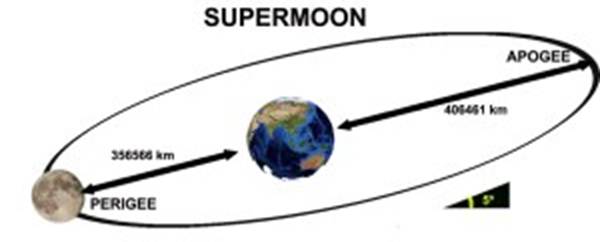

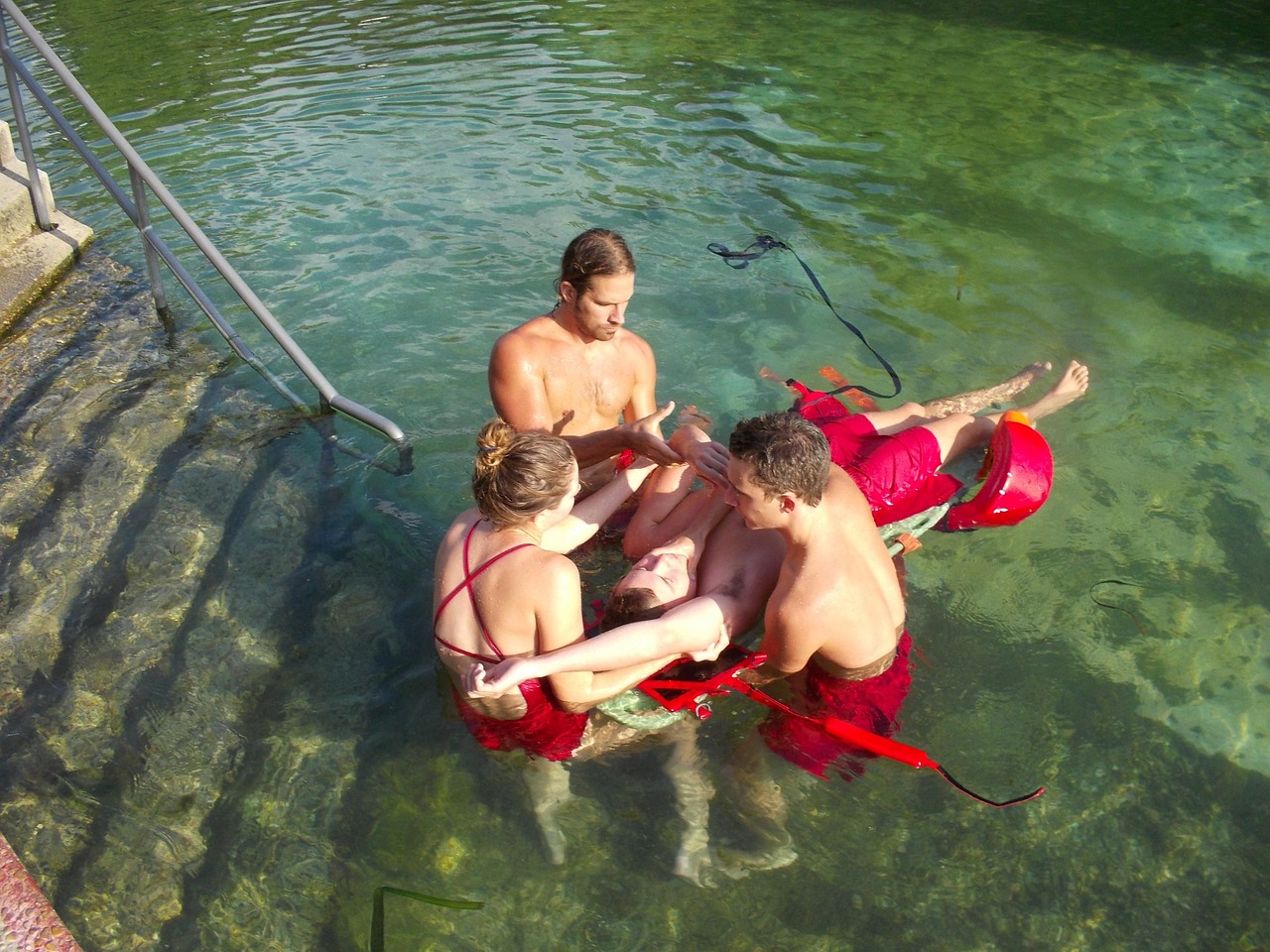


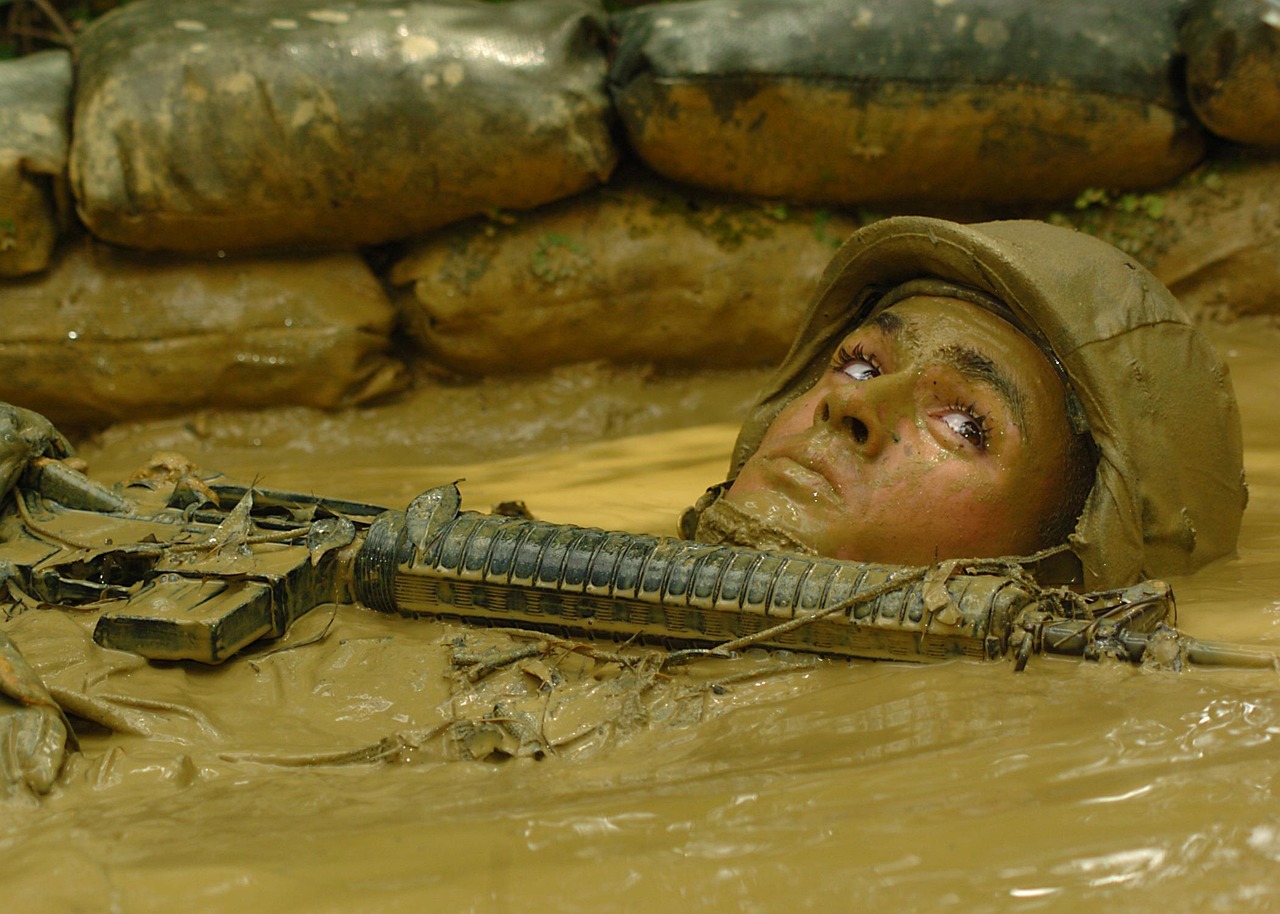

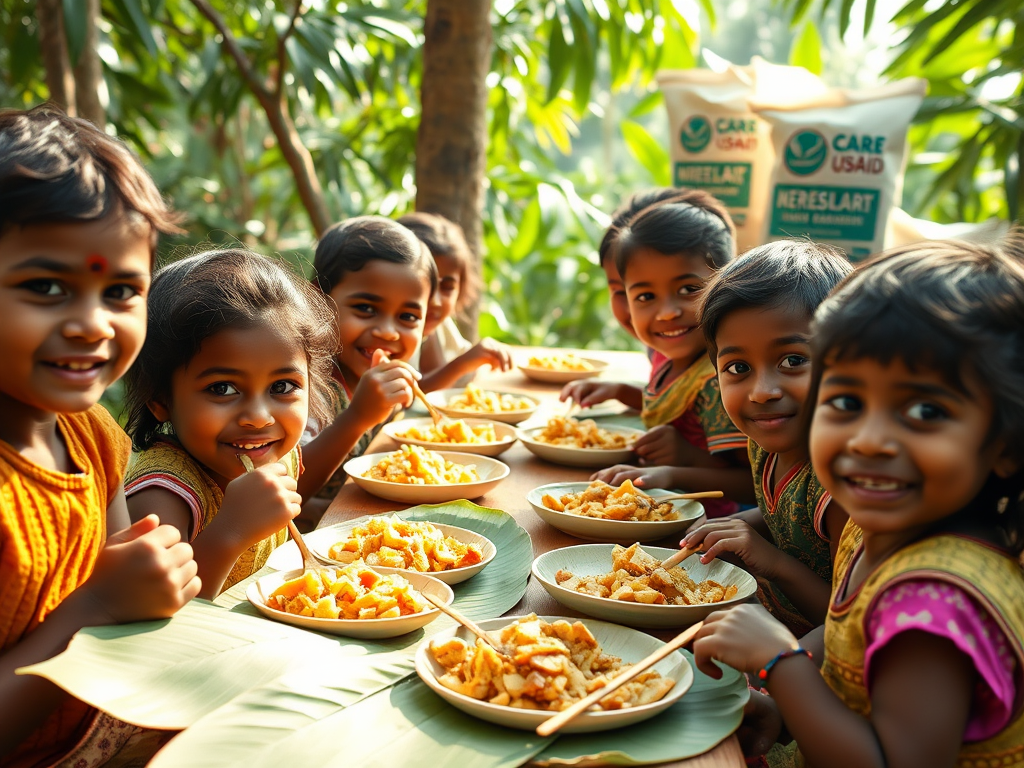


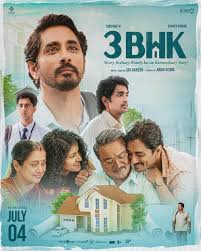
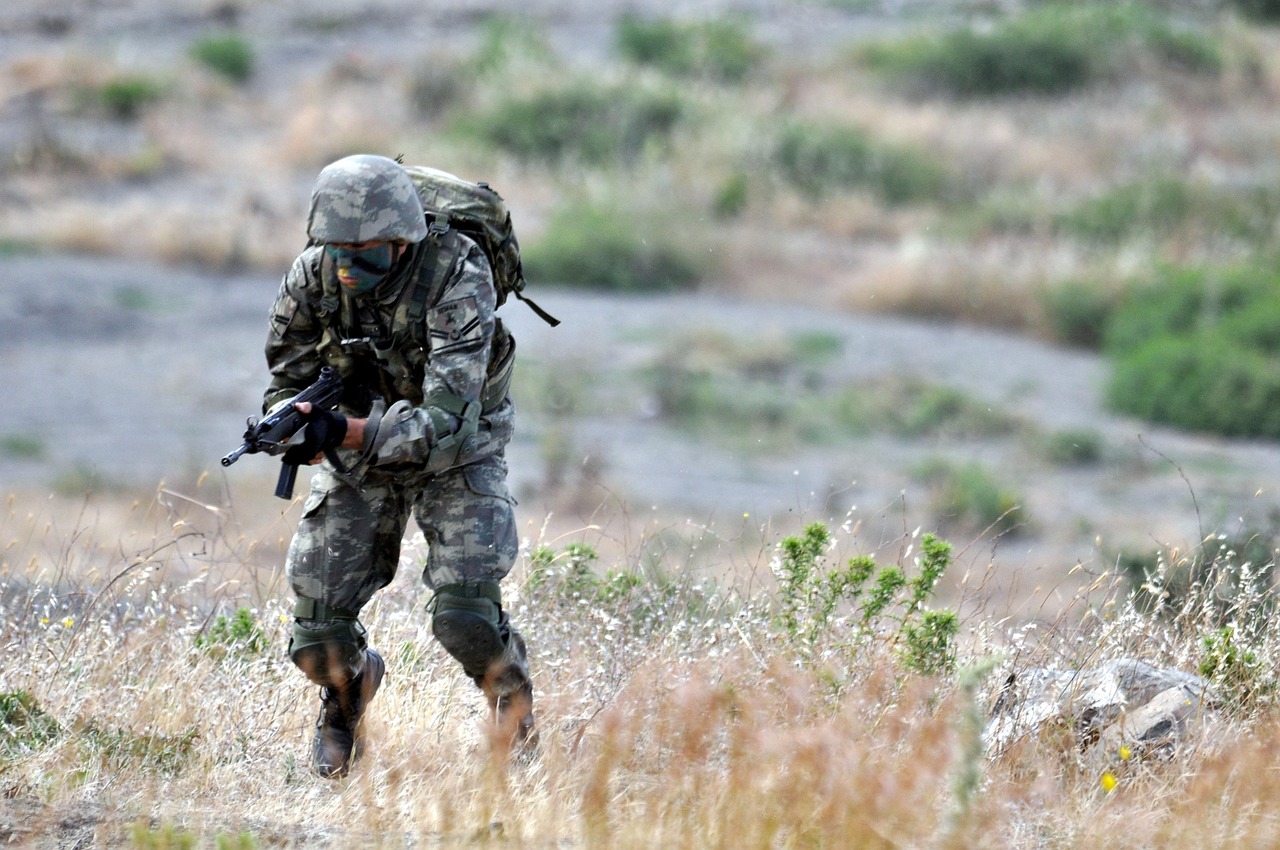
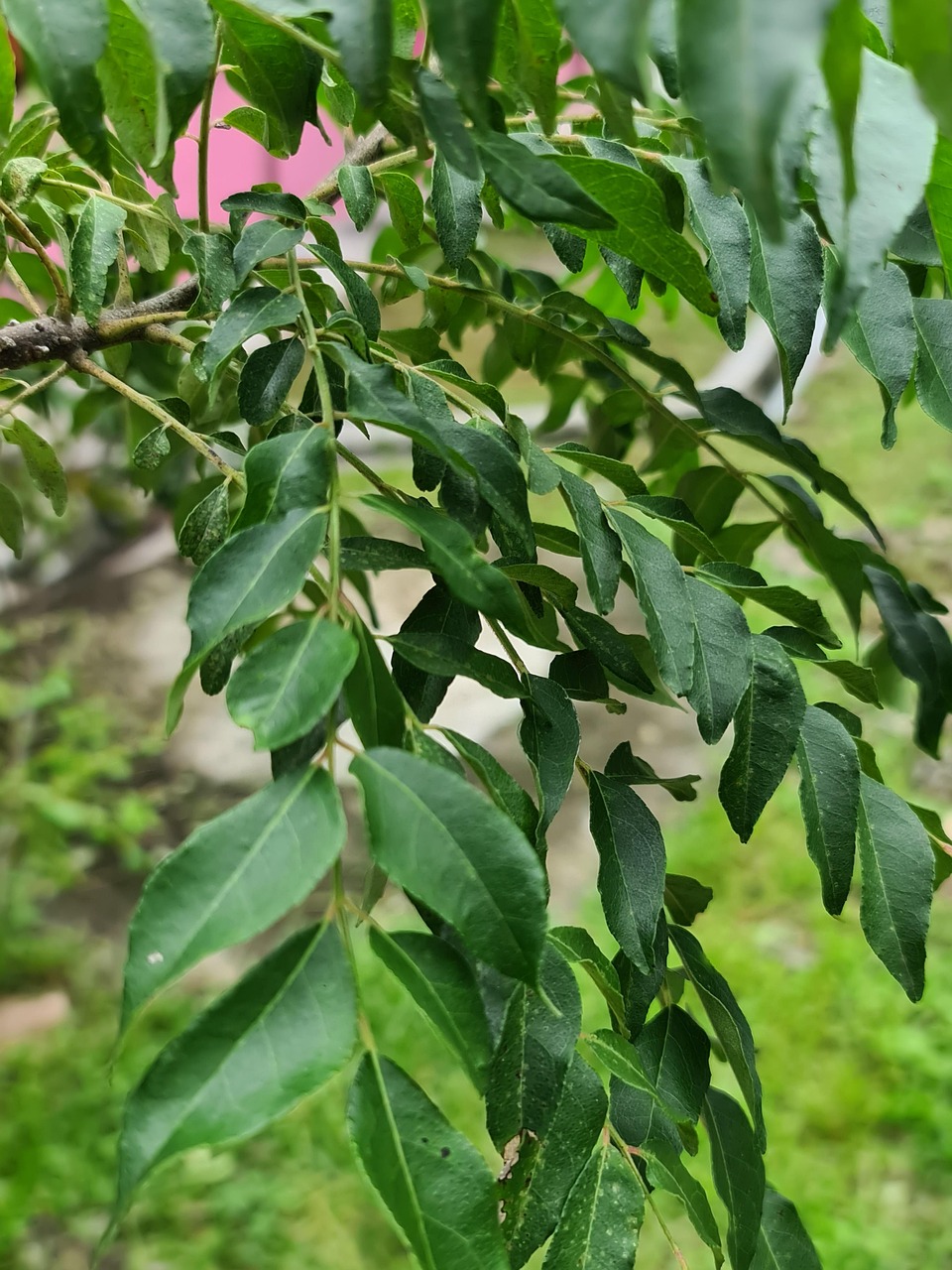
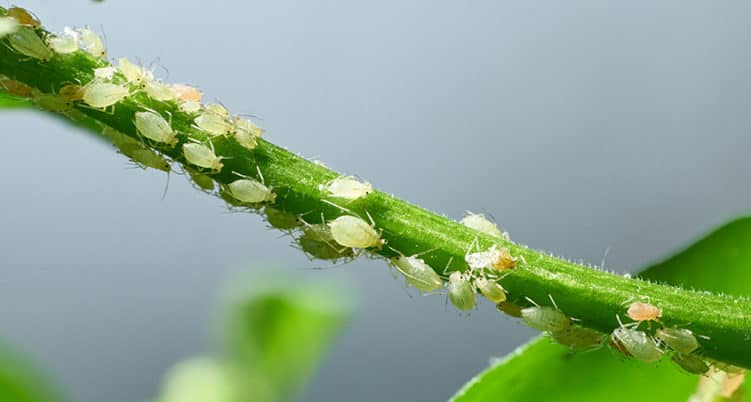



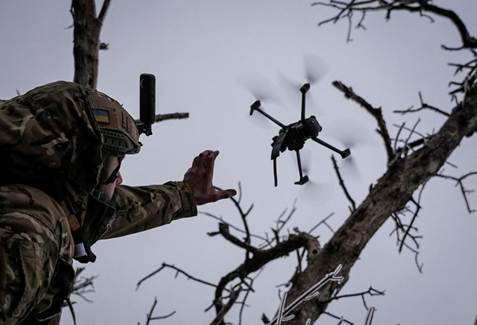


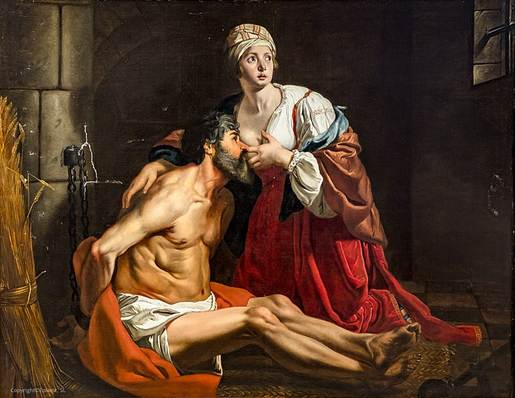

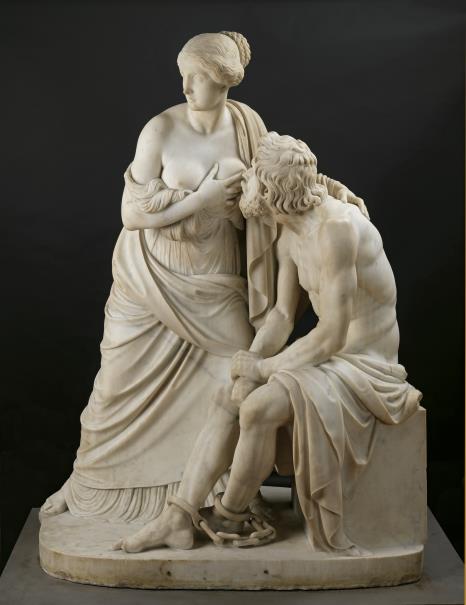


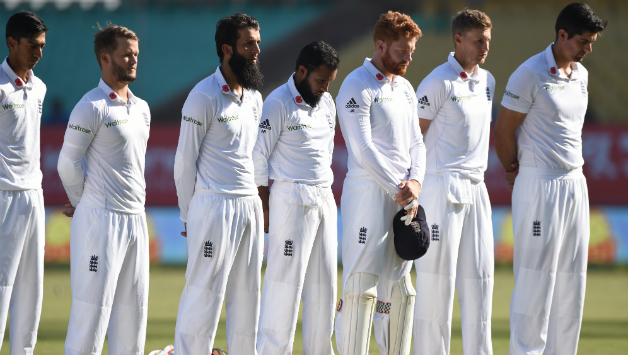





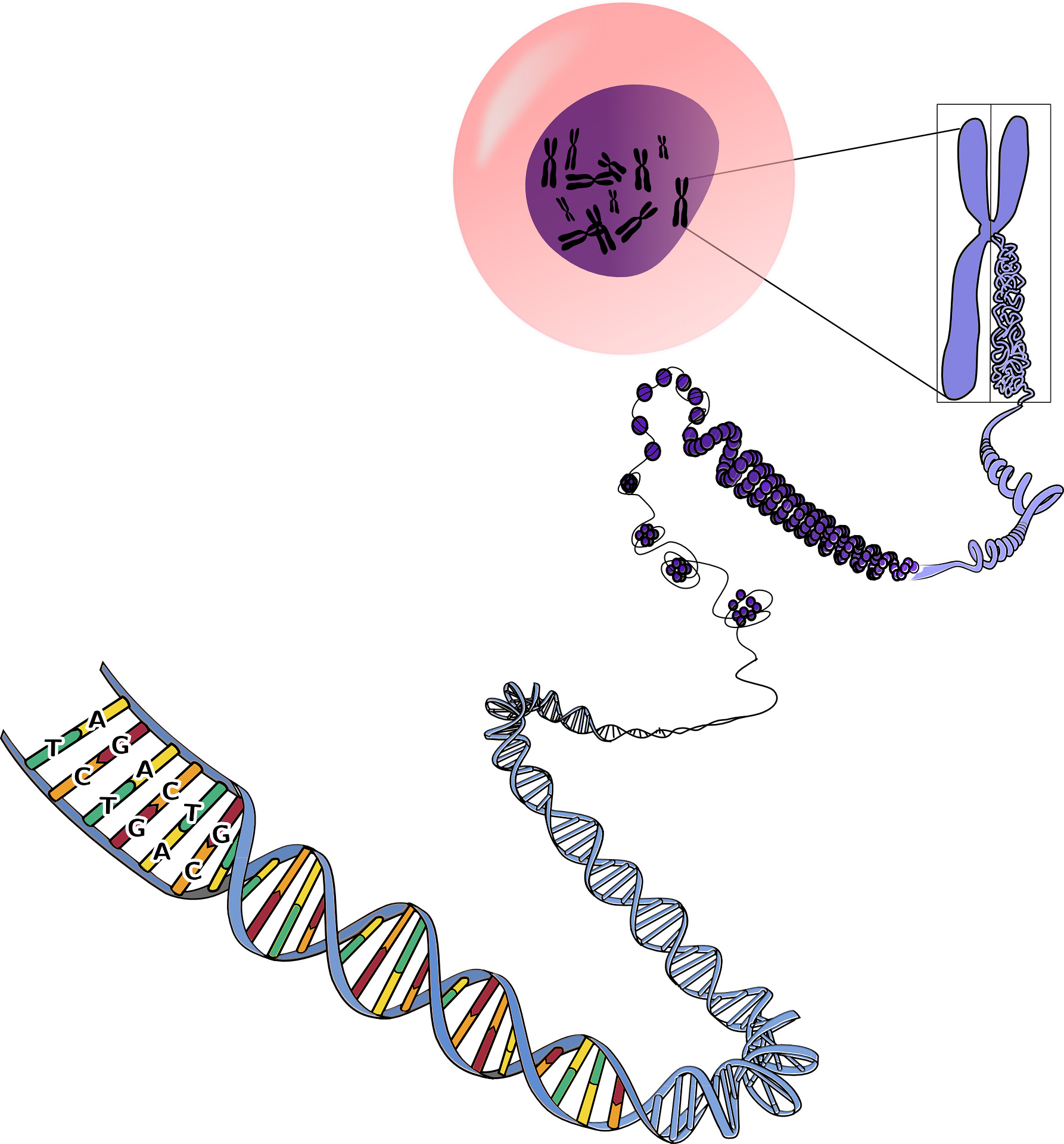




 REJINCES