A General’s Final Salute
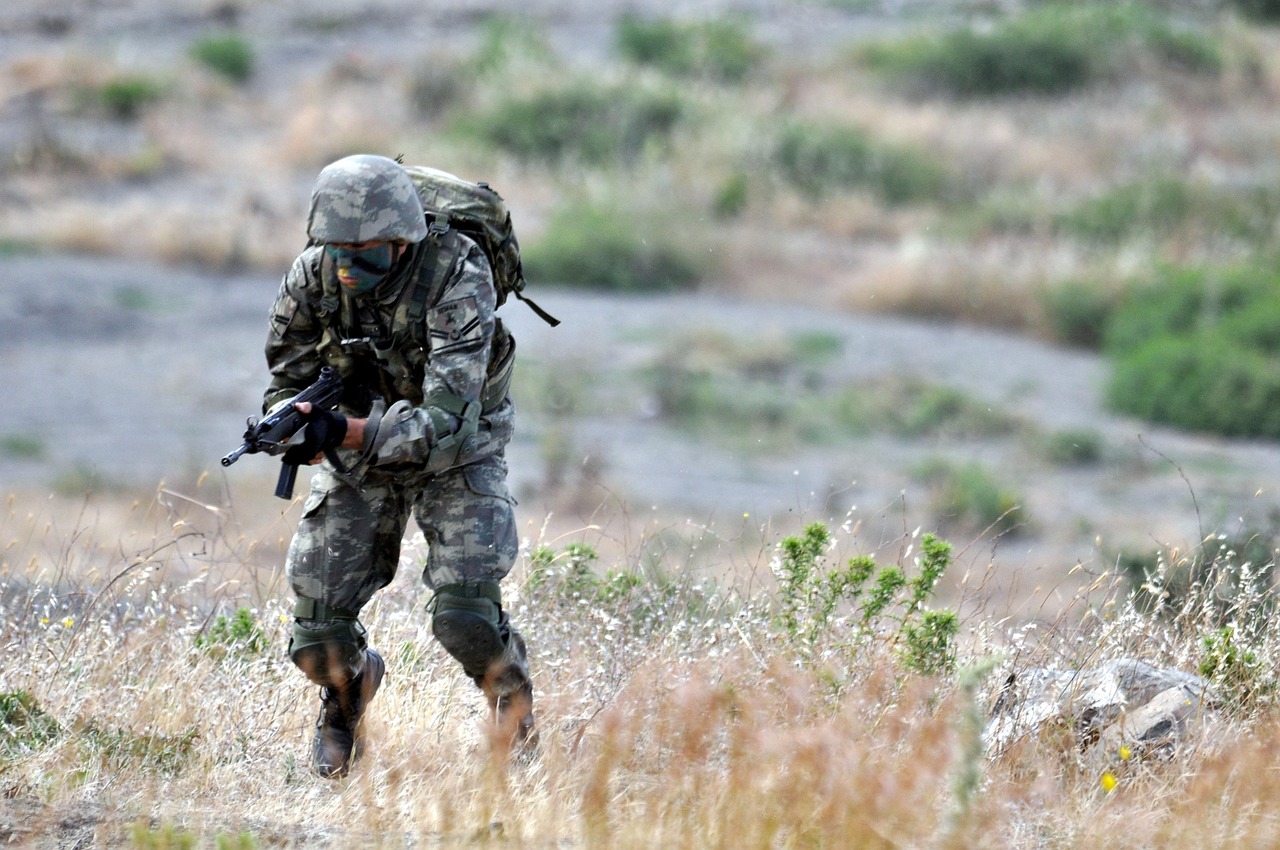
When Lieutenant General Savi (name changed) jumped from his eighth-floor apartment, his death shocked the military community. Friends revealed he had withdrawn from social life for three years—a classic red flag for Post-Traumatic Stress Disorder (PTSD). His tragedy underscores a silent crisis: India’s soldiers are fighting battles long after retirement. As a veteran, I’ve experienced this firsthand.
The Indian Army operates in extreme environments—Siachen’s glaciers, Kashmir’s counterinsurgency ops, Insurgency-hit jungles—yet denies the psychological toll. While the Defence Institute of Psychological Research (DIPR) likely has PTSD data, reports gather dust in South Block’s bureaucracy.
PTSD: The Enemy Within
What is it?
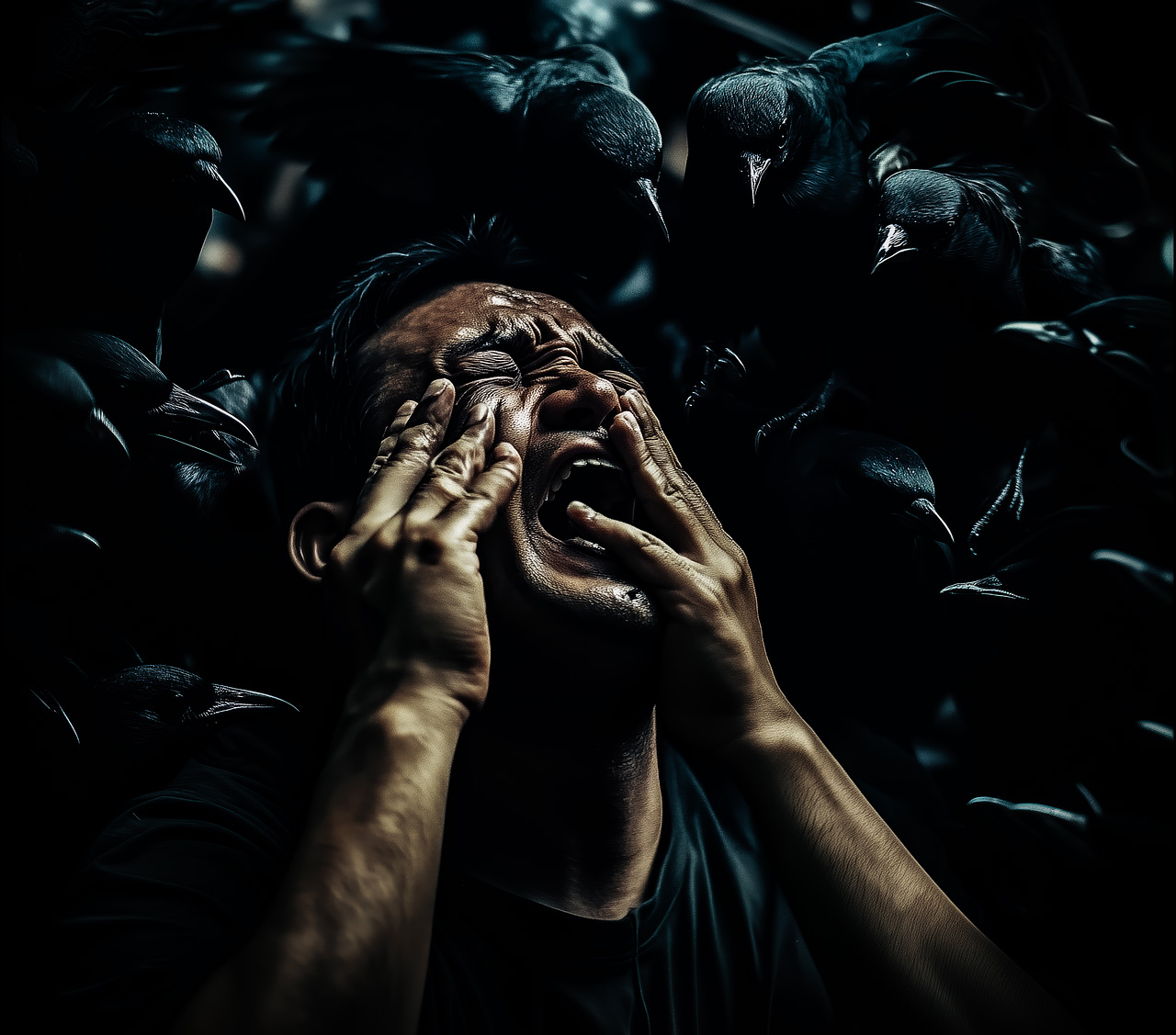
PTSD isn’t a weakness—it’s a brain injury caused by trauma (combat, explosions, losing comrades). PTSD isn’t a Western concept. Ancient Indian texts describe warriors’ psychological wounds—we just forgot to listen. In Mahabharata, Arjuna, experiences profound distress and hesitation to fight, displaying signs of what could be interpreted as PTSD. It’s time to honour our soldiers by healing their invisible scars. Symptoms include:
- Reliving Hell: Nightmares, flashbacks (e.g., smelling gunpowder years later).
- Emotional Numbness: Avoiding weddings, unable to hug children.
- Hypervigilance: Startling at fireworks, road rage incidents.
Why Soldiers Are Vulnerable:
- Delayed Onset: Symptoms may emerge years after retirement.
- Stigma: Seeking help assuming it to be unsoldierly.
- Institutional Denial: No PTSD modules in training at various academies and training institutions.
- Psychiatric Department in Military Hospitals – they resemble a German Concentration Camp and the Psychiatrist’s office an interrogation cell.
- Lack of confidence in Psychiatric Intervention. Sometimes it has been used as a mode to punish those who do not Fall-in-Line. The infamous AFSF10 is mostly misused.
The Hidden Fallout of PTSD
- Depression: Life loses meaning. Nothing feels joyful. Feelings of guilt over surviving when others didn’t can lead to isolation.
- Anxiety: A constant sense of dread, often misinterpreted as a physical illness.
- Substance Abuse: Affected soldiers may turn to alcohol or drugs. General Savi reportedly had a dependence on alcohol.
- Relationship Issues: Loved ones may perceive veterans as distant or self-centered. Emotional intimacy and sexual relationships may also suffer.
- Career Disruption: PTSD can impair focus, memory, and work performance. Some veterans bury themselves in work to cope, while others find even simple tasks overwhelming.
The Ripple Effects of Untreated Trauma
- Families Under Fire:
- Spouses describe living with ghosts – Soldiers/ Veterans physically present but emotionally absent.
- Children learn to tiptoe around Dad’s unexplained anger.
- Career Collateral:
- Workaholism or Self-Sabotage become coping mechanisms.
- Alcohol Abuse.
- National Betrayal:
- Veterans feel abandoned by the system they served. As one soldier remarked: “They give us medals but took away our dignity.”
Breaking the Silence: A Battle Plan
For the Indian Army:
- Mandatory mental health screenings during/after high-risk deployments.
- Trauma-informed leadership training for officers (Battalion Commanders must recognise PTSD and be capable of counselling soldiers suffering from PTSD).
- De-stigmatise therapy by involving soldiers/ veterans in awareness campaigns. Making everyone aware that consulting a psychiatrist/ psychologist does not mean that one is mad.
For Veterans:
- Therapy Works: CBT and EMDR can rewire trauma responses.
- Brotherhood Heals: Join peer groups like Ex-Servicemen Mental Health Foundation.
- Small Wins Matter: Daily walks, fixed sleep times, reconnecting with one friend.
For Society:
- Stop asking “Were you in combat?”—PTSD can stem from training accidents or peace-time deployments.
- Demand Veteran Mental Health Policies. Ex-Servicemen Contributory Health Scheme (ECHS) clinics are devoid of psychiatrists.
Last Post
General Savi didn’t die from weakness—he was failed by a system that equates mental health with shame. Until we accept that uniforms don’t armour minds, more silent salutes will follow.
“The bravest thing I ever did was asking for help.” – Anonymous Para SF Veteran
Conclusion
The silence around PTSD in the Indian military is costing lives. The first step to healing is acknowledging that PTSD exists. It is not weakness. It is the cost of duty, paid in silence. For soldiers like General Savi, that silence turned fatal. But with greater awareness, empathy, and institutional support, we can ensure others don’t have to suffer in silence. Above all, remember you are not alone. Across generations, soldiers and veterans have faced similar struggles—and overcome them.
Thanks to Veteran Major General SK Dutta who prompted me to pen this article.



 REJINCES