Cannabis – Marijuana

Indian media is filled with headlines of Aryan Khan’s  (son of Bollywood Star Sharukh Khan) arrest by the Narcotics Control Bureau (NCB) of India on a cruise ship on October 3, 2021.  Many media houses are celebrating the event with all pomp and glory throwing in bits and pieces of Masala (spice) – some even went berserk – especially those active on the social-media.

Can you justify such media glare and media trial?

Sashi Tharoor summed it up very well through his tweet “I am no fan of recreational drugs and haven’t ever tried any, but I am repelled by the ghoulish epicaricacy displayed by those now witch-hunting Sharukh Khan on his son’s arrest. Have some empathy, folks. The public glare is bad enough; no need to gleefully rub a 23yr old’s face in it.”

I needed a dictionary to understand his tweet – ghoulish (ugly and unpleasant, or frightening) epicaricacy (deriving pleasure from the misfortunes of others.)  That is Tharoorian English for you!!

I too am not a fan of recreational drugs and never tried it.  The smell of marijuana smoke puts me off – though I have been a cigarette smoker for over four decades.  But the way the NCB, Indian media and the judiciary have conducted themselves in dealing with the case – I am no fan of that too.  It is absurd – may be I have lived in Canada for 18 years where a similar case would have been dealt with differently. 

This prompted me to delve into the Canadian laws on Cannabis.  In our Province of Ontario, one must be 19 and older to buy, use, possess and grow recreational Cannabis. This is the same as the minimum age for the sale of tobacco and alcohol in our province. The law stipulates that one can smoke and vape Cannabis in private residences, many outdoor public places (sidewalks and parks,) designated smoking guest rooms in hotels, motels and inns, etc. One cannot smoke cannabis in publicly-owned sport fields (not including golf courses), nearby spectator areas and public areas within 20 metres of these areas.
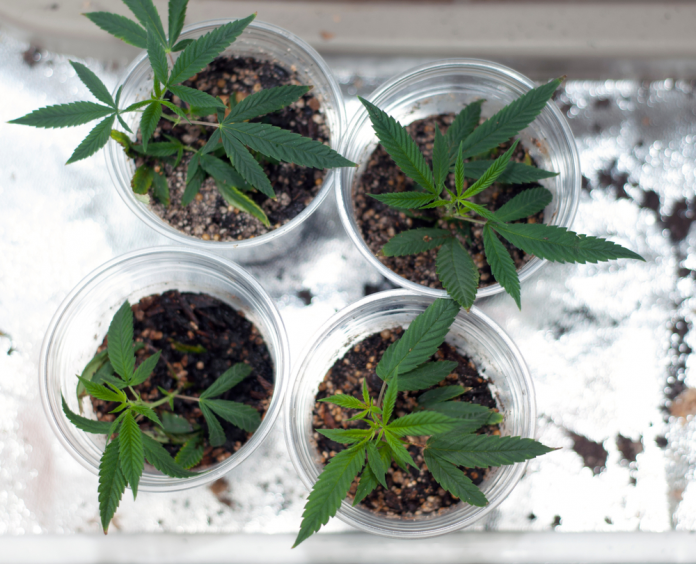
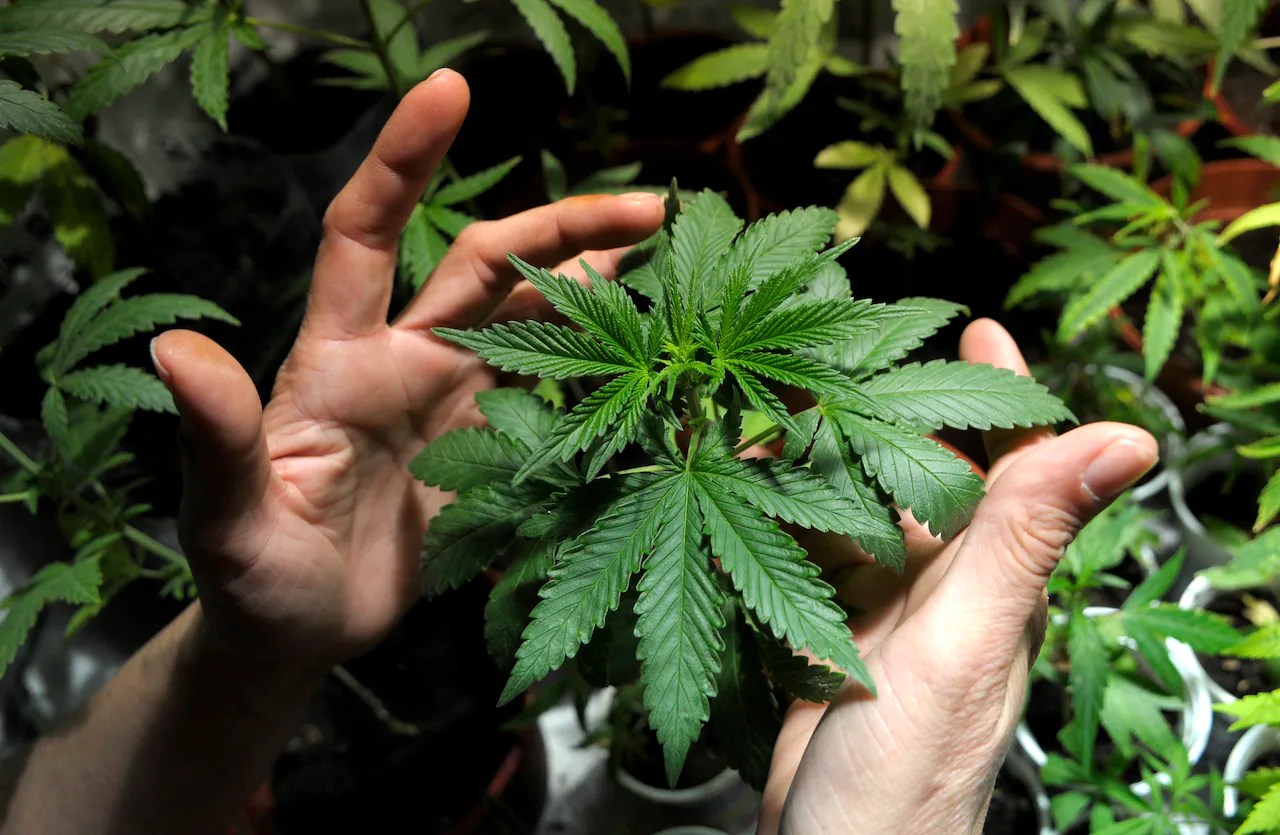
One can may grow up to four cannabis plants per residence (not per person) if one is 19 years of age and older; only for personal use; the seeds must be purchased from the Ontario Cannabis Store or an authorised retail store; and above all, it is not forbidden by your lease agreement or condo rules.

After the law was implemented in October 2019, I found a drastic decrease in the odor of Marijuana smoke while on my walks, especially at park corners. It appeared that it was Cool no more.

The law also permits a person to possess a maximum of 30 grams (about one ounce) of dried cannabis  in public at any time.  I also realised that I can grow four Cannabis plants at our home for recreational purpose.  

My mind raced back to 1980’s – a Television interview of a Tribal Chieftain from Kerala, India.  In the early 1970’s when Mrs Indira Gandhi was the Prime Minister of India, she visited the tribal area accompanied by Mr K Karunakaran, then Home Minister of Kerala State.  The Tribal Chieftain was fortunate to have had an audience with Mrs Gandhi.  She asked him as to what she could do for the welfare of his people and the Chieftain did not ask for a school, not a hospital and not a proper road to his land – he did not ask for  drinking water facilities and  not for electricity – but he promptly asked “Our people should be allowed to grow two Cannabis plants per household.”

Mrs Gandhi smiled and Mr Karunakaran nodded.  The Chieftain claimed that thereafter the Police and the  State Excise Department accepted it as an unwritten law and never ever bothered them.

A Father’s Guide to Navigating Teenage Drinking

The Discovery

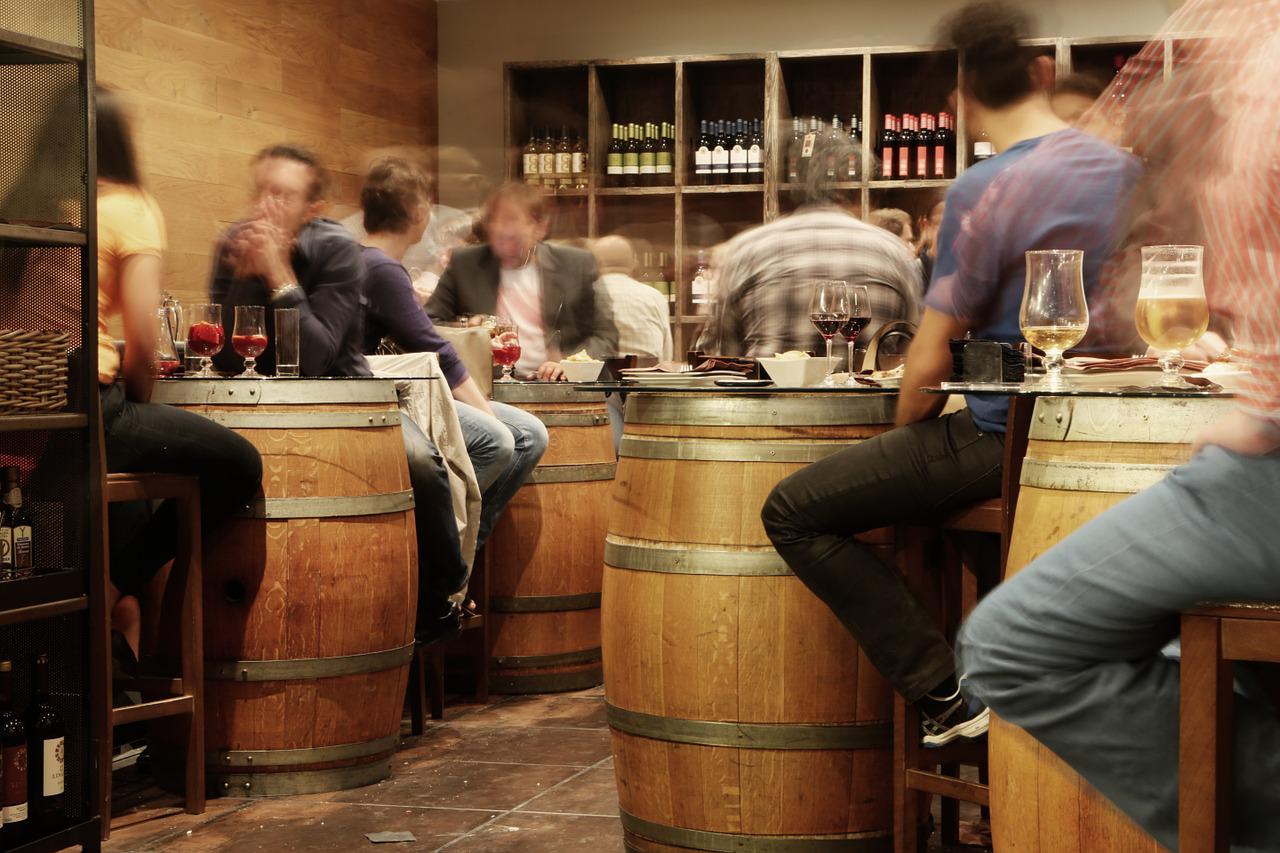
Bar at our Home

Our friend Joseph Kurian – Joe to those who know him – was cleaning up his daughter Meera’s room when he made a discovery: a bottle of cognac. His immediate concern was how to handle the situation. His fear was the usual one shared by most North American parents of teenagers: Going against an eighteen-year-old in America is like threading a minefield with no metal detectors.

It is very common for high school kids to consume alcohol. I found my scotch bottles near empty on several occasions and knew our son was responsible. Recently, Nikhil asked me why I never confronted him about it. My reply was straightforward: “Had it been your father, he would have poured water to maintain the level, ending up ruining the scotch. Thank God you didn’t do that.”

Nikhil’s explanation was equally candid: “Where else can high school kids get alcohol? Obviously, we take it from our dad’s bar. Otherwise, we need an adult to buy it from a store – and that costs money. So the easiest route is always the one teens resort to. Our parties cannot proceed without alcohol.

The Party Education

After his high school graduation party – complete with an after-party and an after-after-party at various friends’ homes – we picked him up the following morning at eleven. Marina asked how the party went.

Most kids didn’t know how to drink,” he said. “They threw up everywhere, and many girls ended up crying. By the end, I realised every girl was out to stab every other girl in the back. These girls are really complicated. We boys are much simpler. My group didn’t have any problems because I taught them how to drink.”

What have you learned?” Marina asked.

Nikhil explained: “Take a glass of water. Take a bite before drinking. Take your time with the first drink—don’t gulp it down. Take a bite, drink a glass of water, take a stroll through the party hall, dance to a song, release the pressure in the washroom if needed. The ritual continues throughout the night.”

Marina then asked, “Who taught you this?”

Dad!” came the instant answer.

Marina vented her frustration at me. Nikhil’s response was a lesson in itself: “You don’t teach swimming to a kid by standing on the ground. You have to put them in the water.”

Now Joe must put Meera in the water and help her navigate it. She needs an instructor, a coach to guide her through these waters—and a lifeguard. Who better than a father, all rolled into one?

The Science of Teenage Drinking

Teens have been experimenting with alcohol for generations. During adolescence, children are more vulnerable to addiction because the pleasure centre of the brain matures long before the decision-making part. Most teens, however, give up alcohol as they grow up—the thrill diminishes with age.

Statistically, children who have their first drink at age fourteen or younger are six times more likely to develop alcohol problems than those who wait until the Minimum Legal Drinking Age (MLDA).

A Global Perspective

It is interesting to note the wide variation in MLDA across countries:

  • No MLDA (19 countries): Bolivia, Cambodia, Cameroon, China, Indonesia, and others.
  • MLDA 16-17: Austria, Belgium, Cyprus, Denmark, Germany, Luxembourg, Netherlands, Portugal, Spain, Switzerland.
  • MLDA 18-19: Australia, Canada, Cuba, Czech Republic, Finland, France, Ireland, Israel, Italy, New Zealand, Philippines, Poland, Romania, Russia, South Africa, South Korea, Sweden, Ukraine, United Kingdom, Vatican City.
  • MLDA 20: Iceland, Japan, Paraguay, Thailand, Uzbekistan.
  • MLDA 21: United States, Sri Lanka.

In sixteen countries, alcohol consumption is illegal at any age: Afghanistan, Bahrain, Bangladesh, Brunei, Iran, Kuwait, Libya, Maldives, Mauritania, Pakistan, Qatar, Saudi Arabia, Somalia, Sudan, United Arab Emirates, Yemen.

In India, MLDA varies by state – from 18 in Goa to 25 in New Delhi. Realistically, enforcement is minimal, and monitoring is nearly non-existent. Most of our nephews and nieces in India, Canada, and the United States admitted to having consumed alcohol during their high school years.

Understanding Binge Drinking

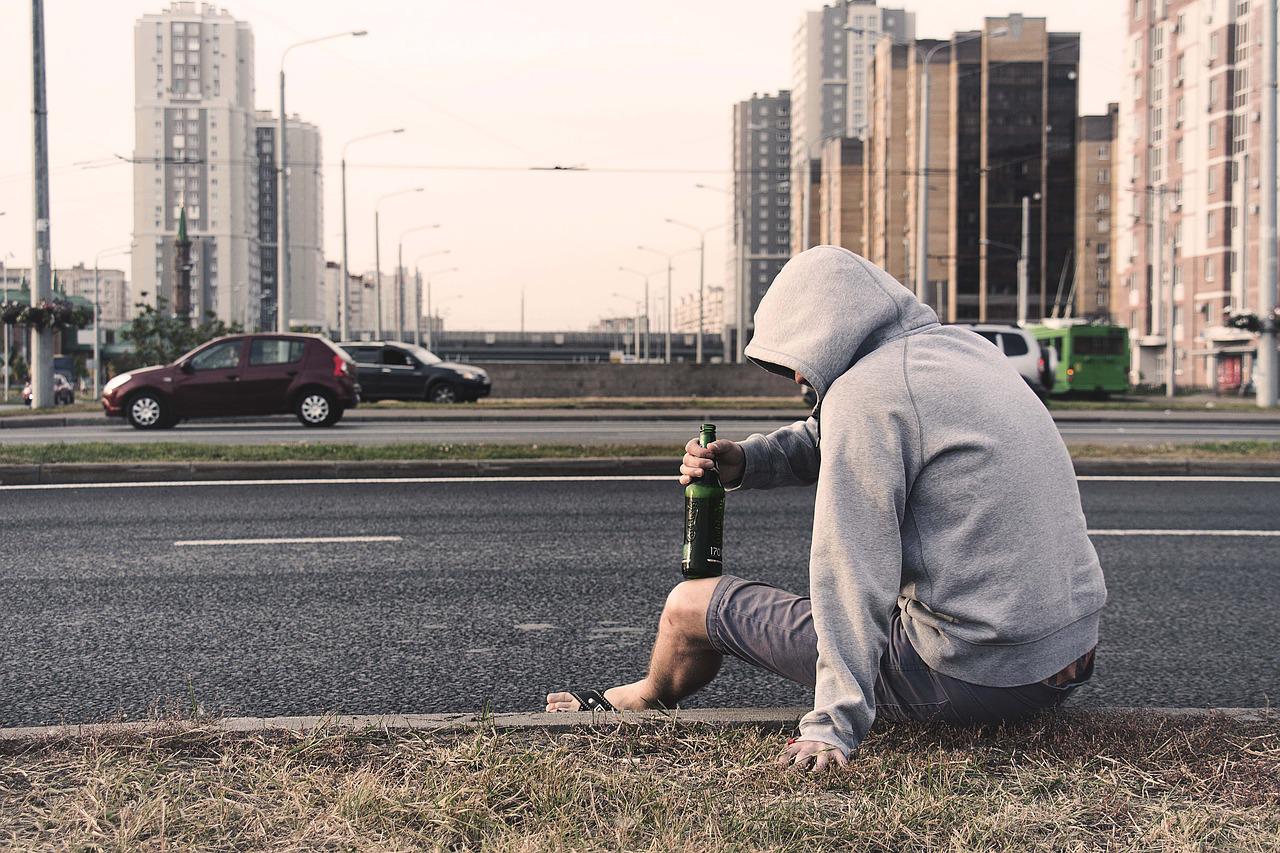
Binge drinking – consuming five or more drinks at one sitting – can cause teens to pass out, feel sick, or behave abnormally. As a central nervous system depressant, alcohol consumed too quickly slows bodily functions, potentially resulting in loss of consciousness.

The Parental Role

As parents, grandparents, teachers, relatives, or friends, we have an important role to play. Interestingly, children from families where alcohol dependency or abuse is prevalent often appear to keep away from it. Preserving family rituals – established daily routines, family dinners, holiday celebrations – can make a significant difference in steering children away from alcohol abuse.

The need of the hour is open communication with teens about alcohol. Many parents are uncertain when to begin the conversation. Teens themselves are often confused about what to drink and when to start. Mostly, it becomes a group activity that devolves into a show-off scenario.

Parents must set the stage early, letting teens know they can talk about anything without the heavens coming down.

A Family’s Approach

Our nephew Joji, an engineering graduate, commented that if a situation like Meera’s had occurred in his home, he could not imagine the consequences. Marina often speaks openly with our children about her father and my younger brother – both of whom underwent alcohol de-addiction programmes. She also shares her own experiences with drinking and mine.

Practical Advice for Parents

It is crucial for parents to set a practical MLDA at home. The ultimate tool is communication with children. In awkward situations, take a deep breath, remember your own teenage years, and express your feelings positively – without finger-pointing or pontificating.

Please read my earlier Blog Post ‘Importance of Parent-Child Communication’ by clicking here.

Teenage binge drinking is a reality many families face, but it should never be dealt with lightly. Open communication and truly knowing your child will pay rich dividends in navigating these matters.

The Final Word

My conversation with Joe concluded on a lighter note: “Meera seems very classy—she chose a costly cognac bottle. Next might be a condom! So, start preparing for that. We’ll cross that bridge when we come to it. I don’t want to pre-empt you with my dose of advice.

The unspoken message was clear: parenting teenagers is a continuous journey, best navigated with honesty, humour, and unwavering support.