
By Brig Azad Sameer (Retd)
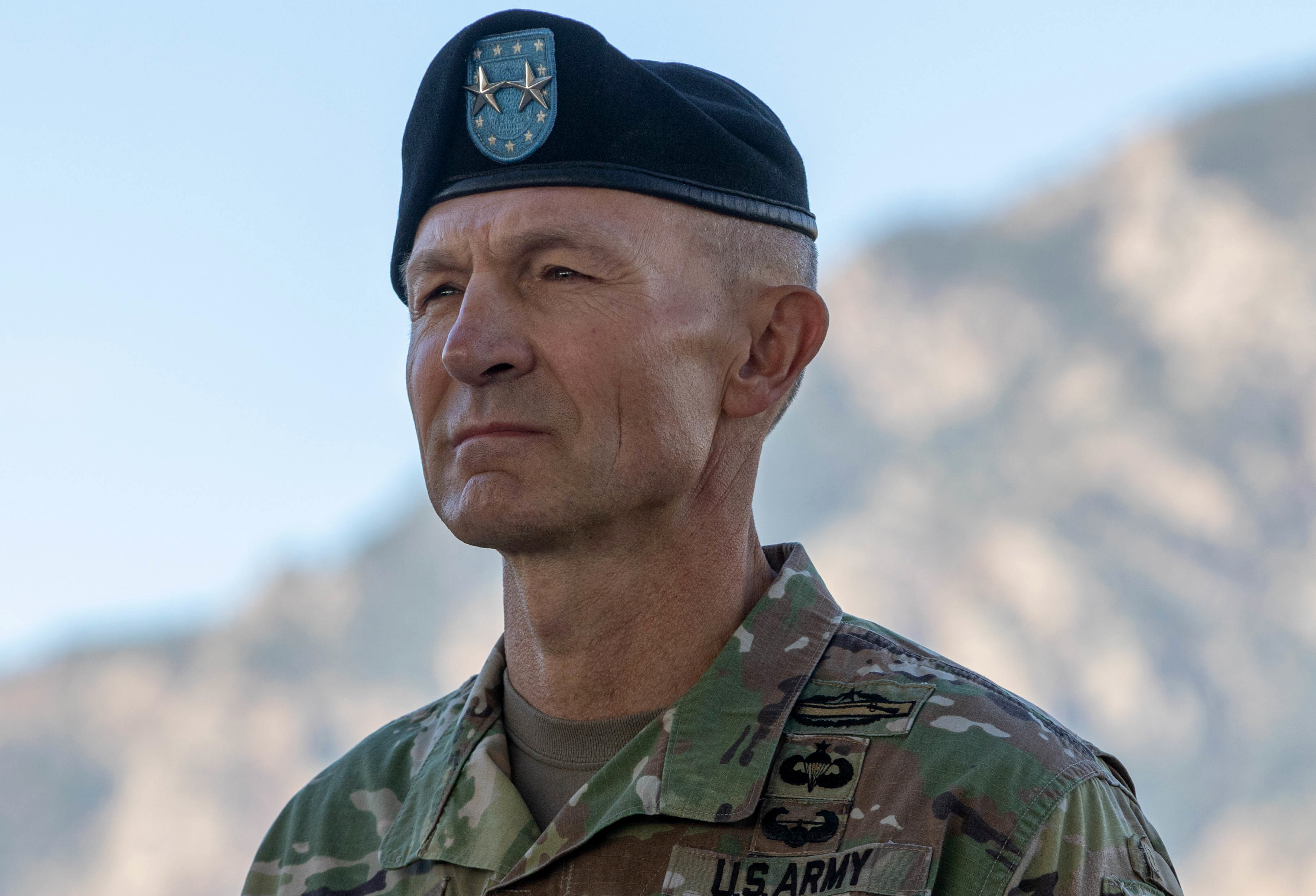
On the day after April Fool’s, as if in a lingering extension of the absurd, the United States Army was rocked by the abrupt sacking of its Chief during Operation Epic Fury. On April 3rd, the Army woke to find its top general Missing in Action. While some initially dismissed the news as a belated prank, the reality was sobering. This was no upheaval in a distant banana republic; it was happening in the United States, the self-proclaimed center of the civilized world. General Randy George was simply told to go home, ushered into the convenient euphemism of early retirement without explanation.
Rumors quickly went viral that George was the 24th high-ranking officer fired by Secretary of Defense Pete Hegseth since taking office. While the exact tally remains debated, the number of verified departures is staggering – at least 14 top officials, including a member of the Joint Chiefs of Staff, the Naval Chief, the head of the Defense Intelligence Agency, and the Commandant of the Coast Guard, have been cleared out. To understand this latest dismissal and its potential fallout, one must first look at the unprecedented context of the current Pentagon.
Purge in the Pentagon
The phrase Purge in the Pentagon feels surreal, carrying echoes of totalitarian regimes like Stalin’s Russia or Mao’s China. Yet, it has become the reality for the world’s oldest democracy. Upon taking office in 2025, the Trump administration, with Hegseth at the helm, initiated a sweeping overhaul of the Department of Defense. The mission was clear: eliminate woke ideology and partisan influence.
This purge targeted leaders who supported Diversity, Equity, and Inclusion (DEI) programs or were perceived as insufficiently loyal to the President’s agenda. Central to this effort was the Warrior Board, a panel of retired senior officers empowered to review the performance of three- and four-star generals. Those found wanting in strategic readiness – often a shorthand for ideological alignment – were recommended for immediate retirement, creating a massive leadership vacuum at the top.
The scale of these dismissals has ignited a fierce national debate. Supporters call it a necessary house cleaning to restore a focus on lethality and merit. Critics, however, view it as a political vendetta that shatters the tradition of a non-partisan military. By early 2026, this friction had escalated into a constitutional crisis, with several state governors refusing to allow similar ideological screenings for their National Guard units.
The Sacker-in-Chief
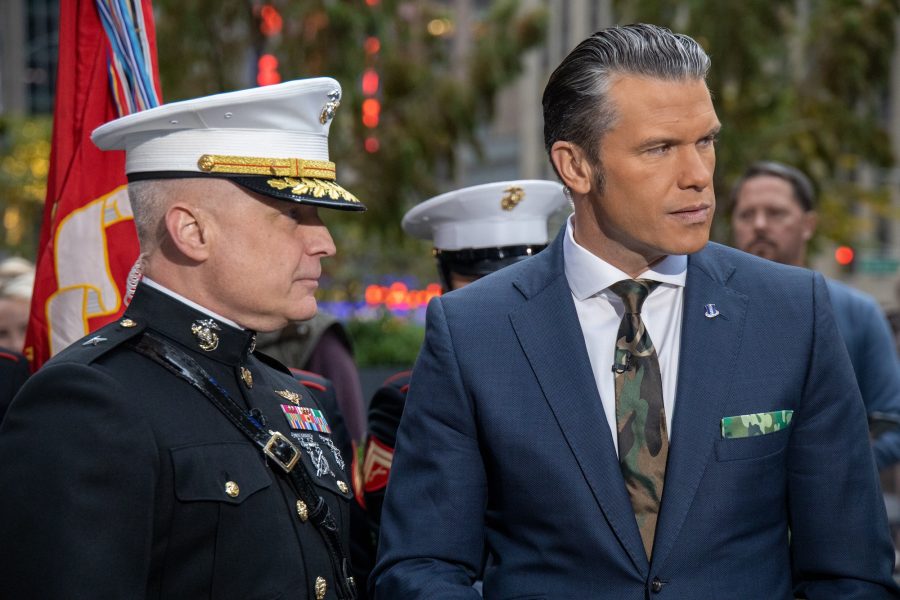
Pete Hegseth’s rise to power – and his rebranding of the Pentagon as the Department of War -has earned him the moniker The Sacker-in-Chief. A former infantry officer in the Army National Guard, Hegseth volunteered for tours in Guantanamo Bay, Iraq, and Afghanistan before leaving the service as a Major. While he holds two Bronze Stars and a Combat Infantryman Badge, critics often point out that his medals were for meritorious service rather than valor, suggesting his warrior persona is more a media creation than a product of battlefield heroism.
His credentials were further scrutinised during his 2025 confirmation due to his Jerusalem Cross and Deus Vult (God Wills It) tattoos. Though Hegseth defends them as symbols of faith, military security officials once flagged them as potentially extremist – leading to the revocation of his orders to guard President Biden’s 2021 inauguration. We now know that his far-right symbolism is for real. At 44, the retired Major systematically ousted the very Generals and Admirals who once sat far above him in the chain of command.
Hegseth’s path to the Pentagon was paved in the studios of Fox News. As a decade-long co-host of Fox & Friends Weekend, he championed America First policies and successfully advocated for the pardon of service members accused of war crimes. Thus, he also made strides first into President Trump’s living room and then his coterie. After being appointed Secretary in January 2025, he quickly moved to replace the old guard. In the wake of General George’s dismissal, Hegseth elevated his own former aide, Gen. Christopher LaNeve, to the position of Army Chief, ensuring a loyalist was in place to execute a radical cultural overhaul.
Perilous Portents
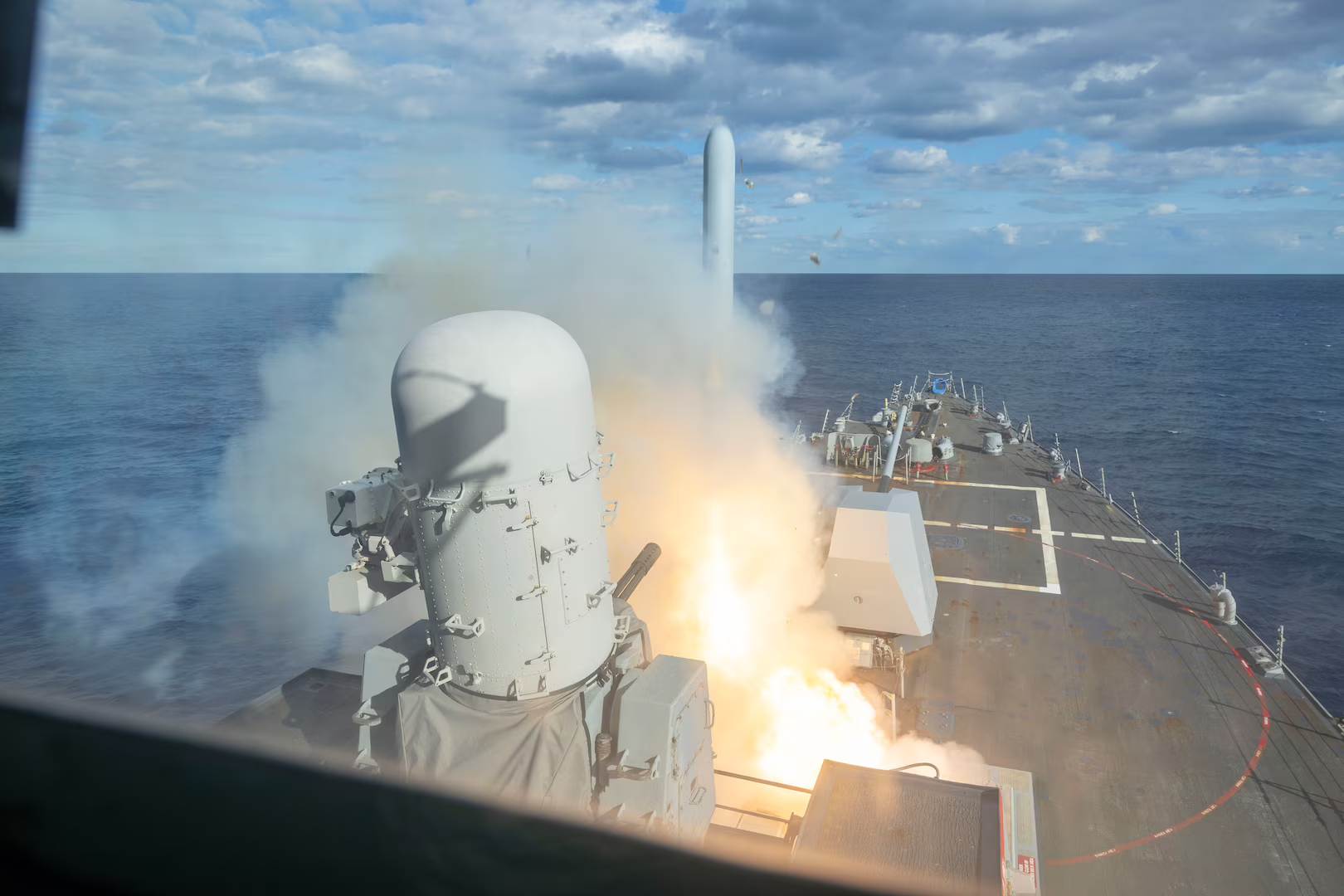
The timing of General George’s removal – five weeks into Operation Epic Fury – is virtually unprecedented and has sent shockwaves through international defense circles. While the Department of War issued a perfunctory note of thanks, they offered no reason for truncating a term intended to run until 2027.
Insiders point to a bitter fallout between George and Hegseth over promotions. George reportedly refused to block the advancement of women and minority officers whom Hegseth wanted purged. Furthermore, as a Biden appointee and former aide to Lloyd Austin, George was viewed as ideologically incompatible with the new administration’s warrior ethos.
However, there may be a more urgent, tactical reason for this sudden vacancy. As a member of the Joint Chiefs of Staff, the Army Chief is a primary military advisor to the President. It is highly probable that George either objected to pending decisions regarding Operation Epic Fury or was expected to do so. In politics, it is often easier to replace the advisor than to overrule reasoned professional advice.
The heart of the disagreement likely lies in the boots on the ground controversy. Many analysts warn that any terrestrial operation in Iran is inherently perilous. While a strike and extricate mission is feasible, US forces are not currently logistically prepared for sustained ground combat, which threatens to drag the nation into another forever war. While the exact nature of George’s counsel remains classified, one conclusion is clear: the sacking of the Army Chief and the looming threat of a ground invasion are inextricably linked. The next phase of the war may be only days away.
 REJINCES