A True Kerala Story: Dismantling the Foundations of Structural Violence

By Brig Azad Sameer (Retd)

The Kerala Model of development has long been a subject of fascination for global economists like Amartya Sen. It presents a profound paradox: a region achieving human development indices – high life expectancy, low infant mortality, and near-universal literacy – comparable to advanced Western nations, despite a relatively low per-capita income. At the heart of this success is the systematic dismantling of structural violence. By addressing the invisible, systemic barriers that historically suppressed its people, Kerala transformed from what Swami Vivekananda once called a lunatic asylum of caste into a global beacon of social justice and Positive Peace. Essentially it is only when social and economic inequities are minimised do we get Positive Peace.

1.   The Concept of Structural Violence: The Galtungian Framework

The term Structural Violence was pioneered by the Norwegian sociologist and Father of Peace Studies, Johan Galtung, in 1969. To understand Kerala’s journey, one must first grasp Galtung’s expansion of what violence means. He argued that violence is not merely a physical act of hitting or killing (which he termed Direct Violence); rather, it is any social arrangement or institution that prevents a human being from achieving their full potential.
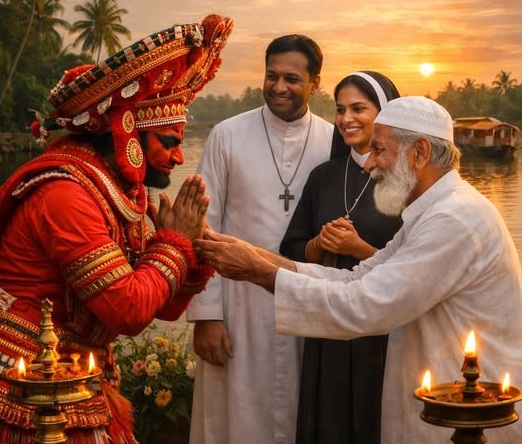
Galtung defined it as the avoidable gap between the potential and the actual. If a person dies from a curable disease because they cannot afford medicine, or if a child remains illiterate because of their social status, violence has been committed – even if no one pulled a trigger. This form of violence is silent, actor less, and often invisible because it is built into the very laws, economic systems, and social norms of a country. Furthermore, Galtung introduced two supporting concepts:

  • Cultural Violence: This refers to aspects of culture – religion, ideology, or language – that are used to justify or sanitise structural or direct violence. In India, the doctrine of Karma was sometimes historically misused to suggest that a person’s low social status was a divine consequence, making the structural inequality seem natural, preordained and unchangeable.
  • Positive Peace: Galtung argued that the absence of direct violence is merely Negative Peace. For a society to thrive, it requires Positive Peace, which is the active presence of social justice, equity, and the removal of the structures that cause harm. Kerala’s history is a deliberate march toward this Positive Peace.

2.   Two Millennia of Caste Endogamy

The Roots of Inequity: In the Indian context, the most potent engine of structural violence has been the caste system, a hierarchy sustained for nearly 2,000 years through the rigid practice of endogamy (marrying strictly within one’s own caste). As analysed by Dr. BR Ambedkar, endogamy was the mechanical method used to create enclosed units that prevented the fusion of blood and culture across society. This centuries-old practice resulted in several deep-rooted facets of structural violence:

The Monopolisation of Resources: Endogamy ensured that Social Capital – land ownership, literacy, and ritual status – remained locked within the upper tiers of the hierarchy. Wealth and knowledge were not allowed to trickle down; they were inherited only by those born into the right circle.
Systemic Deprivation: For the underprivileged sections (the Dalits and Adivasis), this meant a hereditary sentence to manual labour and landlessness. In Kerala, this was particularly brutal. The state practiced unapproachability and even unsuitability, where a lower-caste person was legally and socially barred from using public roads or entering schools.

Internalised Oppression: By maintaining these rigid silos for two millennia, the system created a psychological barrier. The marginalised were often persuaded to perceive their own deprivation as an inescapable law of the cosmos rather than a result of human-made policy, practice or norm. Breaking this 2,000-year-old structural deadlock required more than just charity; it required a total revolution of the state’s socio-economic architecture.

3.   Constitutional Deconstruction: The Union’s Post-Independence Mandate: To dismantle this multi-layered structural violence and to rectify for the errors of history the newly independent Indian state, under the chairmanship of Dr. BR Ambedkar, institutionalised a radical legal framework. The Constitution of India (1950) served as the primary tool for Positive Peace by criminalising the most overt forms of caste-based discrimination. Article 17 abolished Untouchability, transitioning it from a social norm to a punishable offense, while Article 15 prohibited discrimination on grounds of religion, race, caste, sex, or place of birth. Recognising that mere legal equality was insufficient to bridge the avoidable gap, the Union government introduced Articles 16(4) and 330, establishing the world’s most comprehensive system of Affirmative Action (Reservations) in public employment and legislative bodies. Furthermore, the Scheduled Castes (SC) and Scheduled Tribes (ST) Prevention of Atrocities Act was eventually conceptualised to provide a legal shield against direct violence. These national measures provided the essential legal scaffolding upon which Kerala would later build its unique, localised socio-economic interventions, turning constitutional promises into lived realities for the marginalised.

4.   Empirical Evidence: Kerala’s Lead in the Fight against Structural Violence
The most conclusive proof of Kerala’s success in dismantling structural violence lies in its consistent performance in the Sustainable Development Goals India Index (SDGI), developed by NITI Aayog. The SDGI is a comprehensive framework that evaluates Indian states and Union Territories on their progress toward the United Nations’ 17 Sustainable Development Goals, effectively measuring a state’s ability to provide equitable health, education, and economic security. Since its inception, Kerala has remained the national benchmark, securing the top rank in all four editions: it shared the lead with Himachal Pradesh in 2018, held the solo top position in both 2019-20 and 2020-21, and most recently shared the first-place ranking with Uttarakhand in the 2023-24 assessment.

This sustained excellence translates directly into the lives of Kerala’s most vulnerable populations. Recent findings from the NITI Aayog National Multidimensional Poverty Index (2023) and the National Family Health Survey 6 (NFHS-6) reveal a dramatic reduction in structural violence compared to the All-India average:
  • Multidimensional Poverty (MPI): Kerala’s headcount poverty ratio is a staggering 0.55%, the lowest in India, compared to the national average of 14.96%. While poverty among SCs and STs remains over 30% in many states, the gap in Kerala is statistically marginal, proving that birth is no longer a predictor of destitution.
  • Health and Survival: A primary marker of avoidable death is the Infant Mortality Rate (IMR). Kerala’s IMR is roughly 6 per 1,000 live births, matching developed nations like the USA, while the All-India average stands at 28. Furthermore, while the national Maternal Mortality Ratio (MMR) is around 97 per lakh, Kerala has achieved an MMR of 19, demonstrating a systemic protection of life that transcends class.
  • Literacy and Education: Kerala’s literacy rate is nearly universal at 94-96%, compared to the Indian average of 77%. Critically, the SC/ST literacy rate in Kerala (over 90%) is higher than the general literacy rate of most other Indian states. The gender gap in literacy is also the lowest in India (under 2%), proving that structural barriers against women have been effectively dismantled.
  • Life Expectancy: A person born into an underprivileged section in Kerala can expect to live nearly 75 years, roughly 10-12 years longer than the national average for the same demographic. In Kerala, the system no longer steals years of life based on the circumstances of one’s birth.

5.   Current Prosperity and Socio-Economic Status: A Story of Upward Mobility

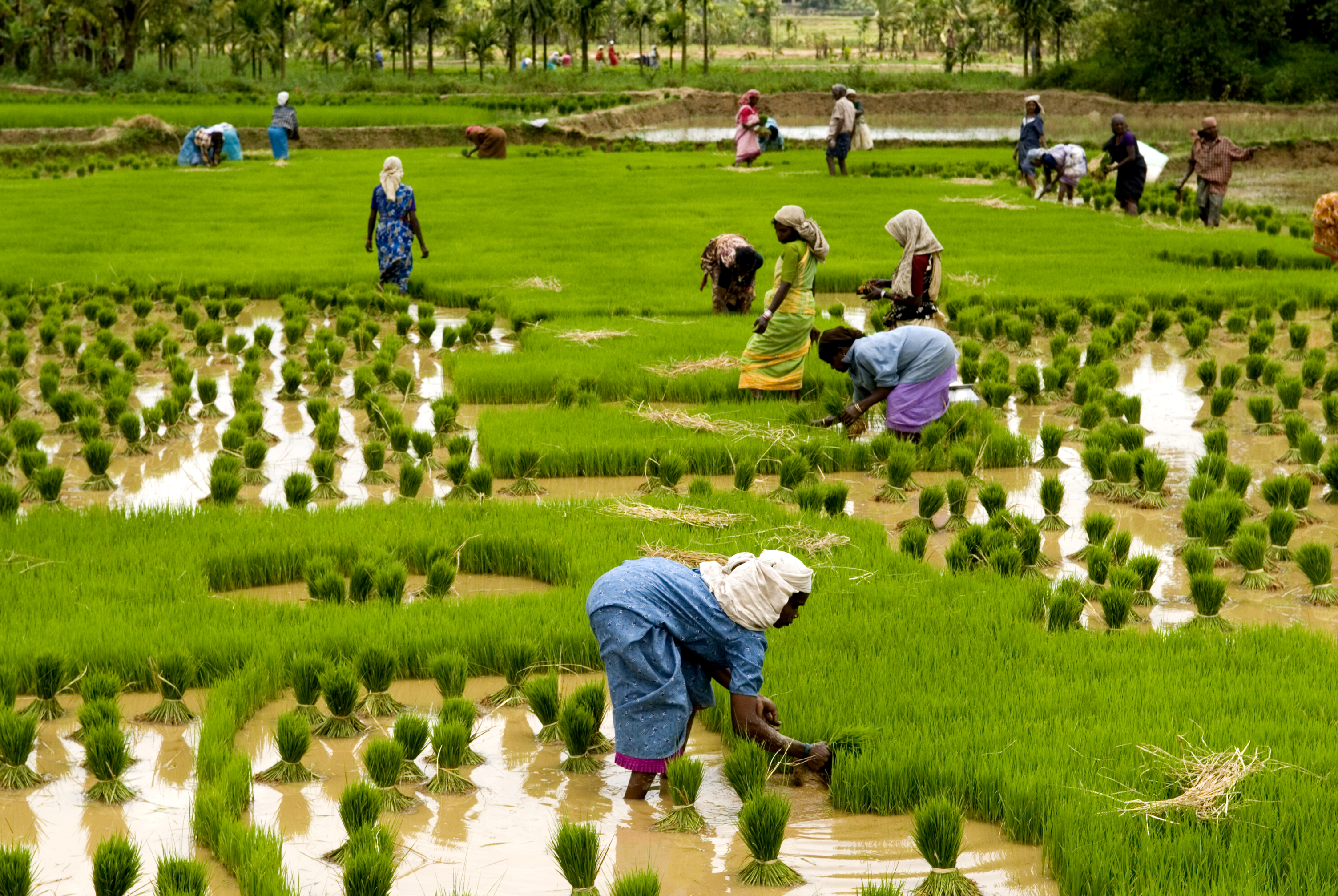
The contemporary prosperity of Kerala is defined by a radical shift from agrarian feudalism to a robust, service-oriented middle-class economy. Central to this upward mobility was the Land Reforms Act of 1963, which dismantled the Janmi (landlord) system and redistributed land to the tiller, effectively decapitating the primary engine of structural violence: landlessness. This foundational change allowed subsequent generations to pivot toward education rather than subsistence labour. Today, this transition is visible in the significant presence of underprivileged communities in elite professional spheres. In the medical and engineering sectors, the avoidable gap has been narrowed through sustained state support; for instance, nearly 14-15% of undergraduate engineering enrolments in the state now come from SC and ST communities. Specialised programs like the Sree Chitra Tirunal Institute for Medical Sciences and Technology (SCTIMST) Empowerment Program provide targeted scholarships and research opportunities in biomedical sciences for ST students, ensuring they reach the highest tiers of medical specialisation.

Furthermore, the state’s bureaucracy has seen a democratic overhaul. Recent data from the e-Caste database indicates that SC and ST members now hold over 62,000 permanent government positions. This upward movement extends into Group A and gazetted services, where once-marginalised groups now exercise administrative agency. In the realm of private business, the Kerala Startup Mission (KSUM) has launched initiatives like Startup Dreams and the Backward Classes Development Department (BCDD) Grant, providing up to ₹10 lakh in early-stage funding specifically for entrepreneurs from backward classes and SC/ST backgrounds. These schemes, combined with a Migration Miracle that has democratised access to global labour markets, ensure that prosperity in Kerala is increasingly decoupled from the historical accidents of birth. The state’s rurban landscape now reflects a spatially distributed wealth where high-quality housing and modern amenities are a shared reality rather than a caste privilege.

6.   Current Status of Caste-Based Occupations
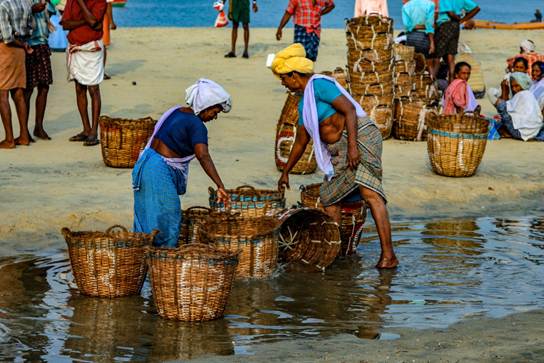
One of the most profound markers of dismantling structural violence in Kerala is the near-total decoupling of caste from occupation. For centuries, the varna system acted as a rigid professional prison; today, that prison has been razed. The state has successfully moved away from hereditary labour through a combination of aggressive trade unionism, minimum wage legislation, and universal education. In Kerala, manual scavenging – a brutal hallmark of caste-based violence elsewhere – is virtually non-existent, replaced by technological interventions.

Furthermore, the democratisation of the sacred has struck at the heart of Cultural Violence. In a historic move, the Kerala Devaswom Board (which manages temples) began appointing non-Brahmins and Dalits as priests, challenging the 2,000-year-old monopoly over ritual labour. In the secular sphere, the high density of white-collar professionals among SCs and STs – enabled by the state’s robust reservation policies and a 90%+ literacy rate—means that a person’s surname no longer dictates their tools of trade. While subtle prejudices may linger in private social circles, the economic necessity of caste-based labour has been replaced by a Dignity of Labor culture, where the minimum wage for an unskilled worker in Kerala is often three to four times higher than the national average. A plumber in the US may arrive for work in a swank car. But here in Kerala at least he arrives in a swank bike.   Much of the caste-based occupations have simply vanished. In a few generations caste-based occupations may entirely be a relic of the past.

7.  Evaluation: Current Levels of Structural Violence
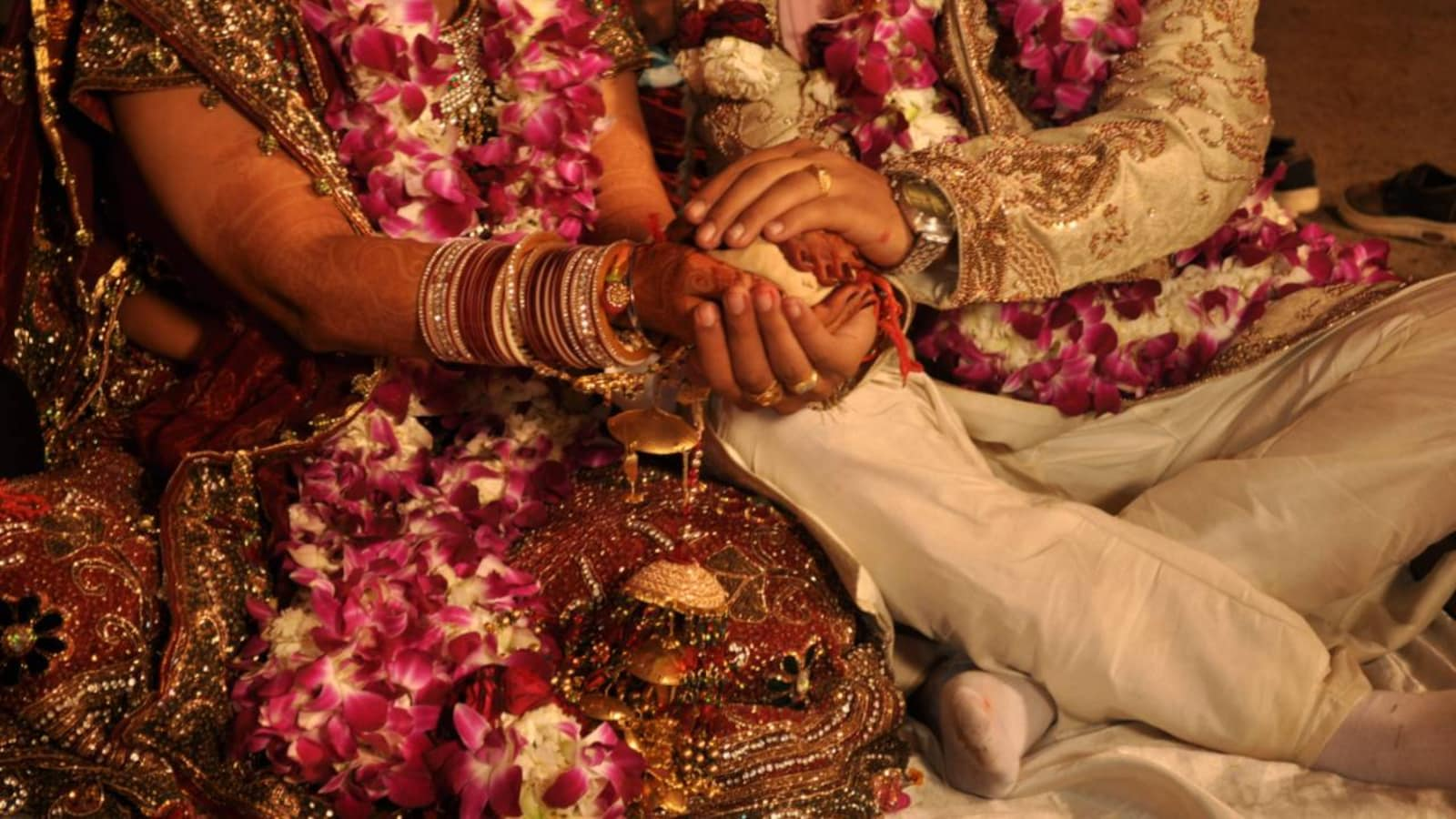
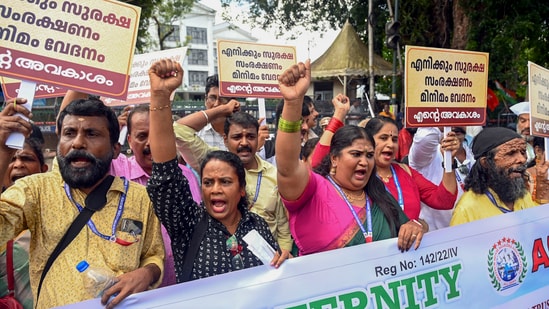
Is caste-based endogamy still prevalent in Kerala? Yes, of course it does. Only 12-15% of all marriages are inter-caste. In the case of marriages below the age of 24 this is nearly 25% inter-caste. These figures are however more than double the national average. Does structural violence exist in Kerala today? The answer would have to be yes, but very little in scale. While Kerala has made historic strides toward Positive Peace, an honest evaluation reveals that structural violence has not been entirely eradicated; rather, it has evolved and shrunk into specific pockets of exclusion. The Galtungian avoidable gap persists for two specific groups: the Adivasi (tribal) communities in regions like Attappady and the coastal Fisherfolk. Despite the state’s low Multi-Dimensional Poverty Index MPI, these groups still face higher rates of malnutrition and land alienation compared to the Kerala average, representing a last mile challenge for the Kerala Model.

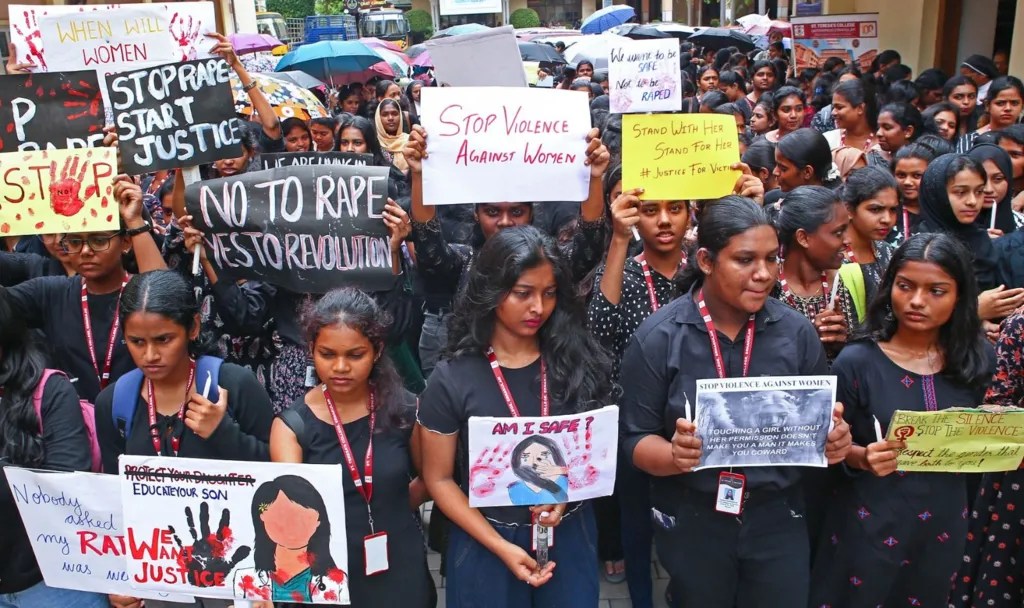
Additionally, new forms of structural barriers have emerged in the form of Gendered Violence. While Kerala leads in female literacy and health, its female labour force participation rate (LFPR) has historically lagged its educational achievements, suggesting that patriarchal social norms still act as a structural brake on women’s economic potential. However, when measured against the Direct Violence and Extreme Poverty prevalent in the rest of South Asia, Kerala’s levels of structural violence are remarkably low. The state has moved from a caste lunatic asylum to a deliberative democracy where the marginalised have the political agency to protest and demand their rights. Kerala’s journey proves that structural violence is not a permanent condition of the Global South, but a policy choice that can be unmade through persistent social engineering and the pursuit of equity.

8. The Mechanics of Transformation
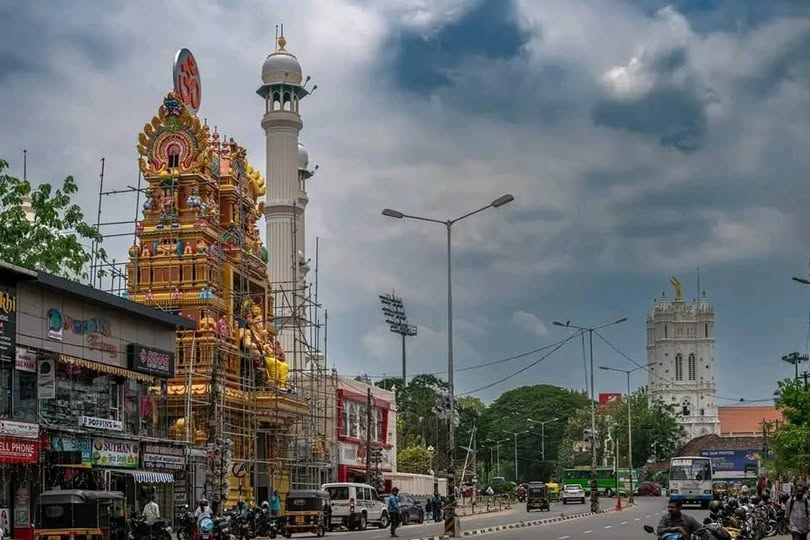
A Tripartite Synergy: The transition from a lunatic asylum to a model of human development was not accidental; it was the result of a deliberate, century-long synergy between social movements, visionary governance, and institutional reform. This transformation can be broken down into several key catalysts:

The Kerala Renaissance: Cultivating the Grassroots:  Long before the state intervened, a powerful social reform movement—the Kerala Renaissance – began eroding the foundations of cultural violence. Figures like Sree Narayana Guru, who championed the slogan One Caste, One Religion, One God for Man, and Ayyankali, who led the struggle for the right of Dalit children to attend school, challenged the internal logic of the caste system. These movements did more than protest; they built alternative institutions – schools, temples, and community centres – that empowered the marginalised to reclaim their human agency. By the early 20th century, these grassroots agitations had successfully shifted the public consciousness, making social equity a non-negotiable political demand.
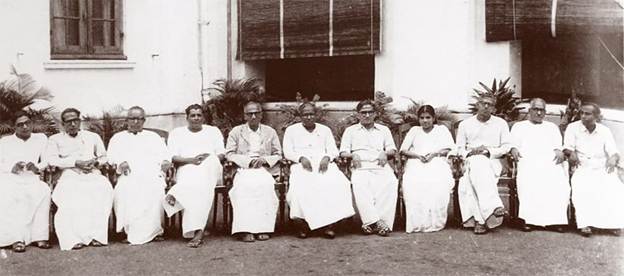
1957: The First Communist Ministry and Legislative Boldness:  A pivotal moment in the dismantling of structural violence occurred in 1957 with the election of the first Communist ministry in the world through a democratic process, led by EMS Namboodiripad – well known as EMS. This government moved beyond rhetoric to enact systemic change. The Education Bill of 1957 sought to regulate private schools and ensure better conditions for teachers, effectively democratising access to knowledge. Simultaneously, the introduction of the Kerala Agrarian Relations Bill (the precursor to the 1963 Land Reforms) struck at the heart of feudalism. By promising land to the tiller, the state began the physical process of redistributing social capital, ensuring that the underprivileged were no longer mere appendages to the soil but stakeholders in the economy.

9. Understanding the Kerala Model

The Kerala Model is a unique developmental trajectory where high human development outcomes – comparable to those in the Global North – coexist with a relatively modest per-capita income. This model was not the product of a single era but the result of a sustained ideological commitment to equity. A defining moment in this journey occurred in 1957, when Kerala elected the first Communist government in a major democratic state in the world. Under the leadership of EMS, this ministry introduced radical reforms that fundamentally sowed the seeds of the state’s future progress. By prioritising land redistribution and the democratisation of education, they struck a decisive blow against the inherited structures of feudalism and caste. It sowed the seeds of the welfare state where health and literacy developed into human rights. This focus on Human Capabilities (as Amartya Sen describes it) ensured that even those with low private incomes had access to world-class health outcomes and 100% literacy.
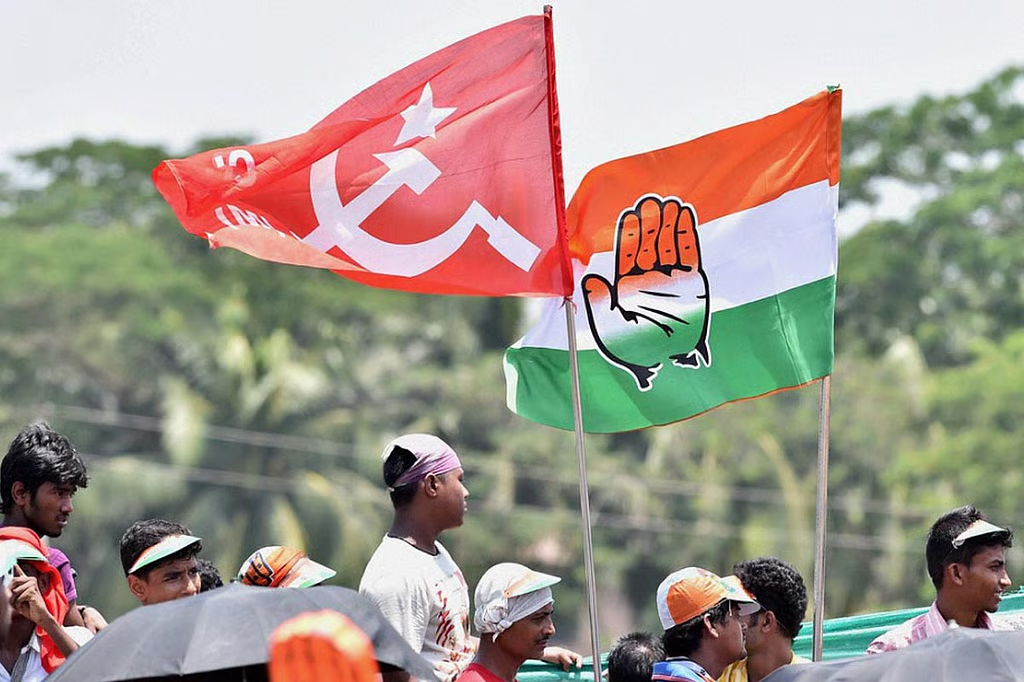
Political Continuity.  What makes the Kerala Model truly remarkable is its political continuity. The radical seeds sown by the 1957 ministry created a powerful social demand for welfare that no subsequent administration could ignore. Over the following decades, whether the state was led by the Left (LDF), or Centrist coalitions (UDF), the core pillars of the model – universal healthcare, food security through the public distribution system, and accessible education – were nurtured to fruition. This cross-party consensus ensured that the dismantling of structural violence became a permanent feature of the state’s governance. As a result, the Kerala Model stands today as a testament to how visionary early legislation, when consistently upheld by successive governments irrespective of their political labels, can transform a society from the bottom up.

Education, Migration, and the Global Dividend: This heavy investment in human capital directly enabled the Migration Miracle. Because the state had produced a highly literate and healthy workforce, Keralites were uniquely positioned to take advantage of the 1970s oil boom in the Gulf. This migration served as a massive economic bypass of the traditional caste-based wealth structures. Remittances flowed directly into rural households, funding the construction of modern homes and the higher education of the next generation. In this way, the state’s focus on health and education provided the wings for upward mobility, allowing the underprivileged to leapfrog centuries of domestic economic stagnation.
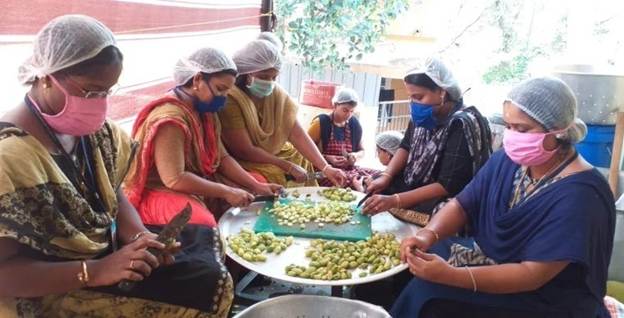
Kudumbashree: Economic Agency as a Tool for Liberation:  A cornerstone in the fight against gender-oriented structural violence is Kudumbashree, the State Poverty Eradication Mission launched in 1998. By organising women into a massive three-tier network of Neighbourhood Groups (NHGs), Kerala shifted the focus from traditional charity to economic agency. For women from underprivileged and below-poverty-line (BPL) backgrounds, Kudumbashree dismantled the structural barrier of financial dependence. Through micro-credit, collective farming, and small-scale entrepreneurship, millions of women gained access to independent capital for the first time. This economic empowerment directly challenged the silent violence of domestic confinement, allowing women – particularly those from marginalised castes – to bypass traditional money lenders and patriarchal control over household resources. By turning the homemaker into a breadwinner, the mission effectively narrowed the avoidable gap between a woman’s economic potential and her actual social standing.
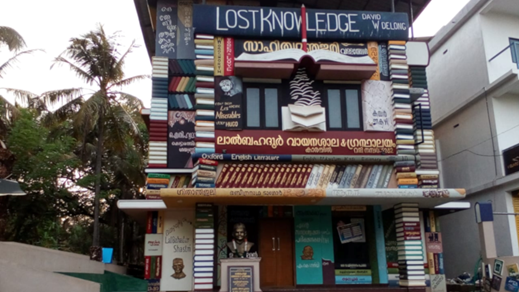
The Intellectual Scaffolding: Missionaries, Libraries, and Civil Society: The structural transformation of Kerala was significantly bolstered by an intellectual and social infrastructure that preceded and complemented state action. In the 19th and early 20th centuries, Christian missionaries played a foundational role by establishing Western-style schools and dispensaries that were often the first to open their doors to the unapproachables and untouchables. This early institutional presence was later amplified by a unique grassroots intellectualism – the Library Movement (Granthasala Sangham). By establishing thousands of village libraries, the movement ensured that literacy was not just a functional skill but a tool for political consciousness. This was further strengthened by civil society organisations like the Kerala Sastra Sahitya Parishad (KSSP), which popularised science and rationalism. These non-state actors created a critically literate citizenry capable of identifying structural violence and holding the state accountable, ensuring that the push for equity was a persistent demand from below rather than a mere gift from above.
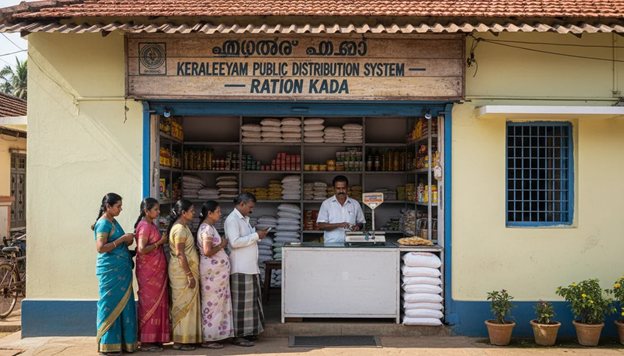
Institutionalising Equity: Food Security and the Decentralisation Revolution: A critical, often overlooked mechanism in dismantling the structural violence of hunger and administrative exclusion was the universalisation of the Public Distribution System (PDS) and the subsequent Big Bang decentralisation of the 1990s. While most of India struggled with chronic under nutrition among the marginalised, Kerala’s robust PDS network ensured that food was treated as a fundamental right, effectively decoupling caloric intake from caste-based land ownership. This was further solidified by the People’s Planning Campaign of 1996, which remains one of the world’s most ambitious experiments in local democracy. By devolving nearly 40% of the state’s development budget to local Panchayats, the state shifted the power of the purse and the plan to the neighbourhood level. This allowed marginalised communities, including Dalits and Adivasis, to directly prioritise their own needs – be it a local clinic, a paved road to an isolated colony, or a specialised school – thereby dismantling the bureaucratic barriers that historically silenced their voices. This institutionalised Positive Peace by giving the people at the bottom of the pyramid the political agency to dismantle any remaining local vestiges of structural violence.
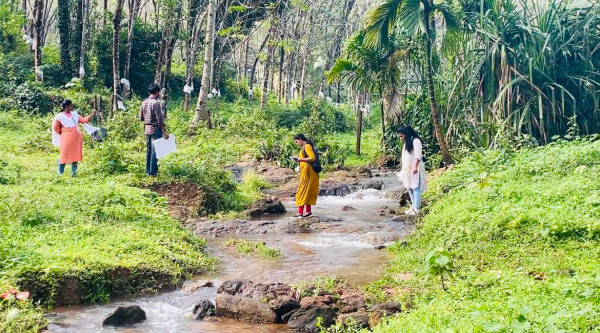
Ecological Justice and the Protection of the Vulnerable:  The Kerala Model also recognised that structural violence often manifests as environmental degradation, which disproportionately affects the most vulnerable. The landmark Silent Valley Movement of the 1970s and 80s was not merely an environmental crusade but a social justice struggle that prevented the displacement of indigenous communities and the destruction of their natural capital. By successfully protesting large-scale industrial projects that threatened the ecological security of the marginalised, Kerala’s civil society demonstrated that Positive Peace also requires a sustainable relationship with the environment. This legacy of grassroots environmentalism continues to protect the commons – the forests and water bodies that the underprivileged depend on – ensuring that the march toward prosperity does not come at the cost of the ecological foundations of the poor.

10. Conclusion: Towards a Resilient and Inclusive Positive Peace
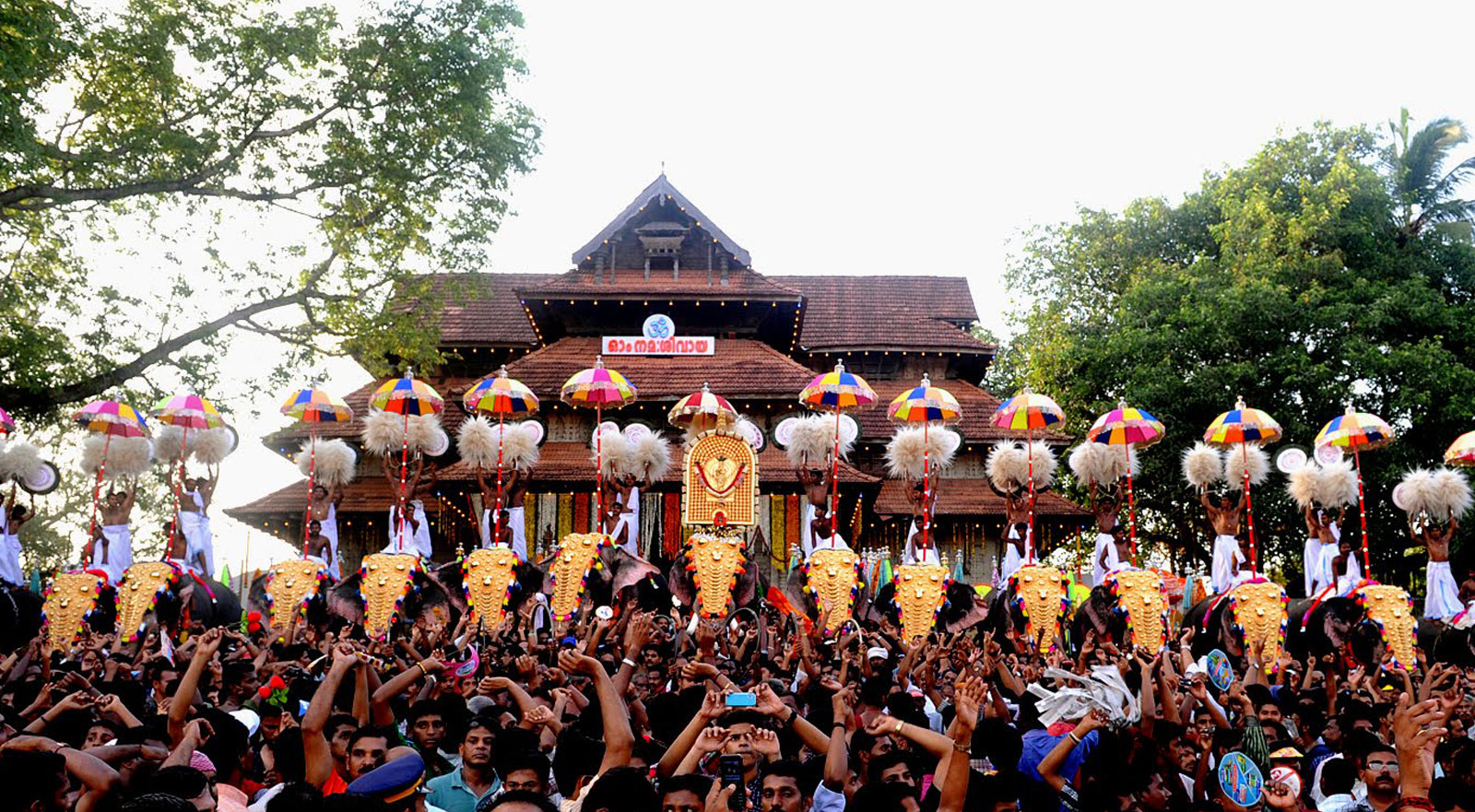
Kerala’s journey from a fractured lunatic asylum to a global benchmark for human development is a definitive testament to the power of dismantling structural violence. By systematically erasing the avoidable gap between human potential and lived reality, the state has proven that high-quality life outcomes are not the exclusive property of wealthy nations, but the result of a deliberate, multi-layered pursuit of Positive Peace. However, to sustain this legacy, the way forward must involve addressing the second-generation challenges born of its own success. This requires bridging the last mile of exclusion for Adivasi and coastal communities, transitioning from a remittance-dependent economy to a high-value knowledge society, and dismantling the remaining patriarchal barriers that limit women’s labour force participation despite their educational achievements. By evolving the Kerala Model to meet these modern complexities, the state can ensure that the foundations of structural violence are not merely dismantled for the present, but are permanently replaced by a resilient, inclusive, and equitable future for every citizen. Sooner or later the playing field will be level from where true meritocracy should evolve.
Leadership Lessons from the Mandir Parade

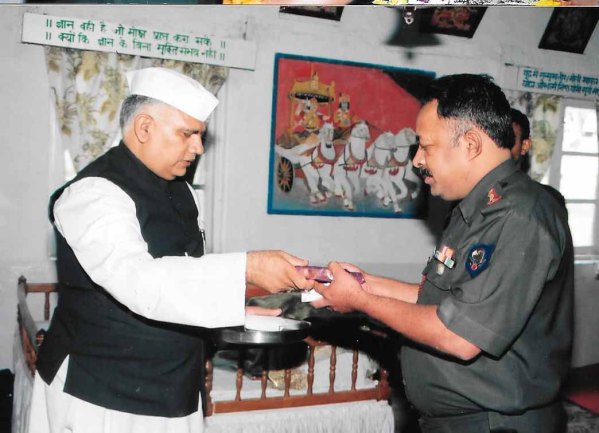
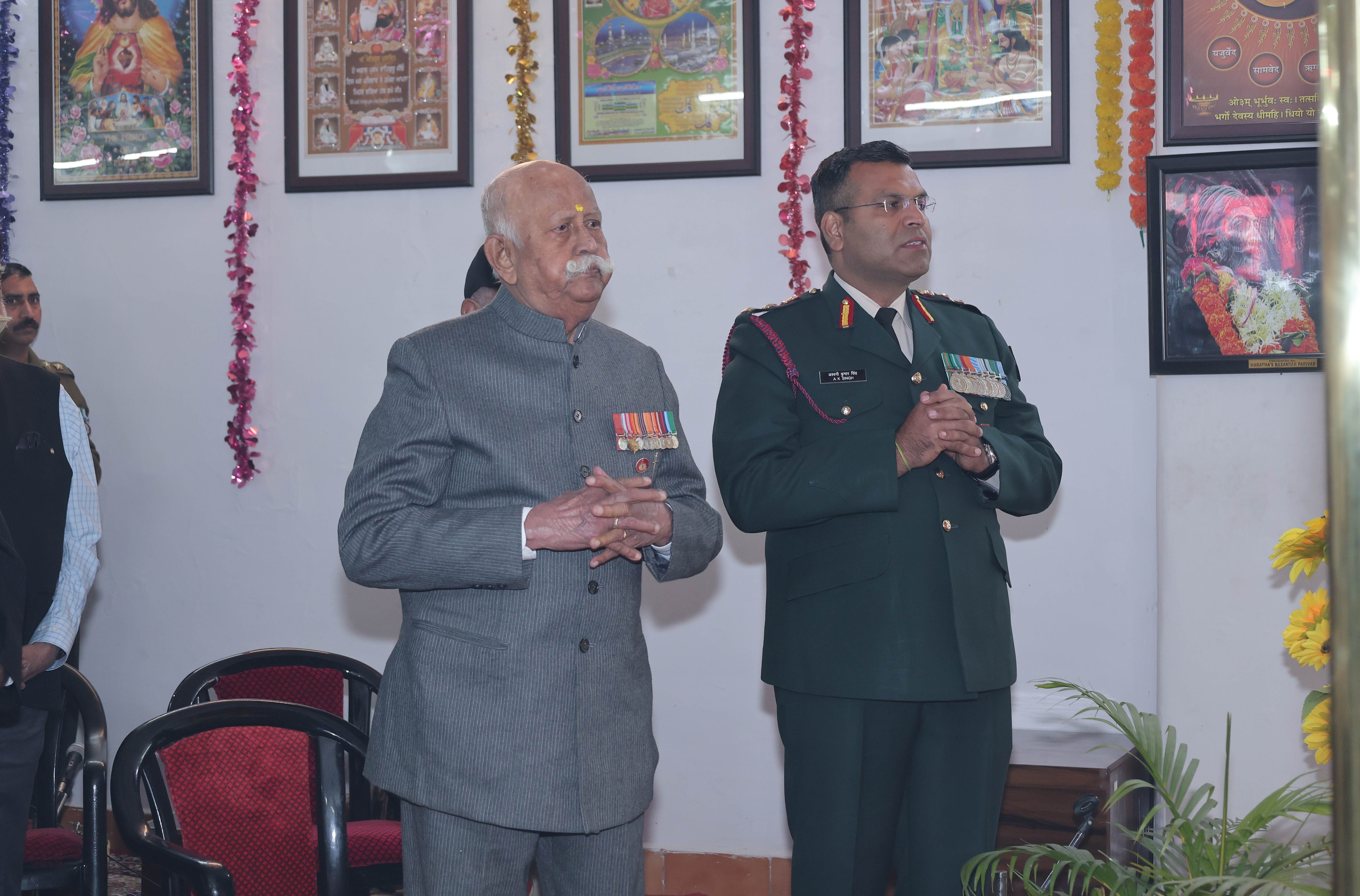
Veteran Brigadier AN Suryanarayanan with Colonel AK Singh, Commanding Officer, at the Mandir Parade

On 16 December 2025, I attended the Mandir Parade during the Diamond Jubilee of our Regiment – 75 Medium Regiment (Basantar River,) I had a terrifying realisation: I might have forgotten my ATM PIN, my wedding anniversary, and where I parked my car, but the aartis and slokas I learned forty years ago were still part of my DNA, still rearing to go.

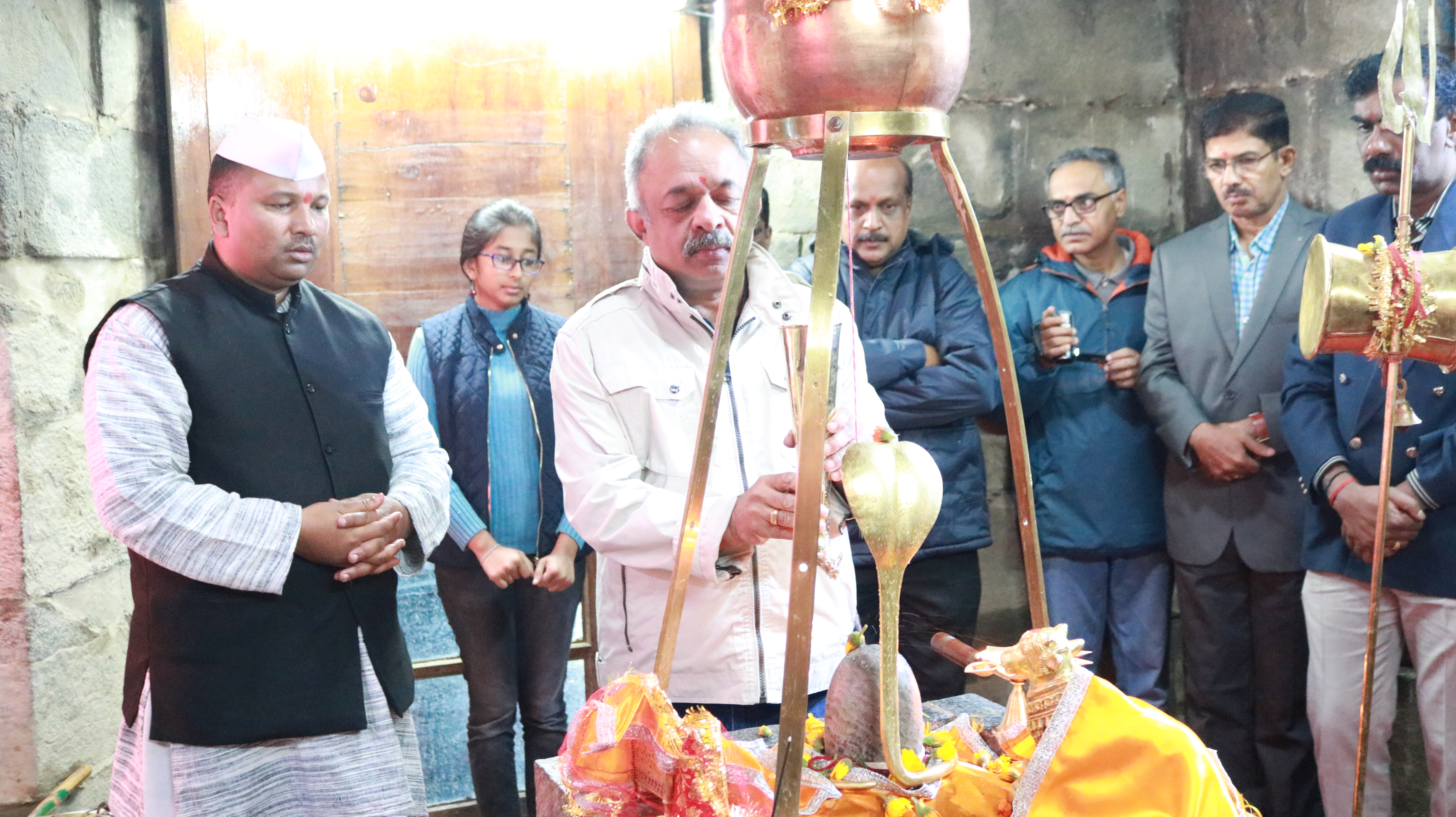
This wasn’t my first spiritual flashback. Back in 2017, during a trip to Kashmir with my Sainik School buddies, the local Religious Teacher saw me reciting verses with such gusto that he handed me the gaumukhi shringi (that fancy horn-shaped copper vessel). I held it with the confidence of a man who knew exactly what he was doing. I was also secretly hoping I wouldn’t accidentally pour holy water down my own sleeve!

What began as a leadership lesson became something far deeper. The aartis and slokas I learned in the Mandir, the hymns I heard in the Gurudwara, the prayers I offered at the Peer Baba’s shrine in Kashmir, and the Lord’s Prayer I whispered each morning and evening – they all came to feel like different doors to the same Sacred Room.

Decades later, standing at the Mandir Parade of our Regiment’s Diamond Jubilee, I understood that I had not merely memorised verses. I had absorbed a lesson that transcends religion: that faith, in all its forms, is the language of trust – and in the Army, trust is everything.

How did a Christian boy end up as a part-time Pundit?

It all started in 1982 when I was commissioned as a Second Lieutenant.  Our Regiment was like a multi faith buffet: one battery of Brahmins, one of Jats, and one from the South, even more multi faith. Our Commanding Officer, Lieutenant Colonel AN Suryanarayanan, took one look at my work-in-progress Hindi and decided the best cure was immersion therapy. He posted me to the Brahmin Battery. Our Battery Commander, late Major Daulat Bhardwaj, gave me the ultimate leadership pep talk: “To command Brahmins, you must become a Brahmin. You must be mentally alert, morally straight, and spiritually superior.”

I said, “Sir, the Academy made me physically tough, but I’m a Christian. My spiritual ‘superiority’ usually involves a Sunday hymn and a bit of bread afterward.”

Major Daulat wasn’t having it. “Get to the Mandir Parade. Learn the mantras. Rote-learn those until you’re singing them in your sleep.”

A month later, I was a lean, mean, chanting machine. I did have a moment of panic thinking about the Ten Commandments – specifically the part about no other Gods before Me – but I figured the Almighty was probably fine with it. After all, I was pretty sure that He wouldn’t be mean enough and just waiting to push me into hell at the slightest provocation.

More seriously, all officers of the Indian Army are trained to internalise and adopt the religious customs and practices of the men they command. It is an inherent part of the trust and rapport-building process.

The Test Behind the Mandir Parade

In 1986, I was the Senior Subaltern – the most senior Captain or Lieutenant in the Regiment – tasked with supervising, mentoring, and maintaining discipline among the junior officers.

One morning, after the Mandir Parade, the young officers approached me, with Late Captain Pratap Singh, Maha Vir Chakra (Posthumous), leading the pack. Captain Pratap spoke for the group. “We heard from our soldiers that you are well versed with the aartis and slokas recited in the Mandir. We wanted to check for ourselves. We stood behind you during the Parade to see if you were merely lip-syncing. You came out with flying colours.”

Their curiosity now piqued, and Captain Gulshan Rai Kaushik pressed further – दिल मांगे मोर Dil Mange More (The heart wants more.) They needed answers as to how had I learned all the aartis and slokas – especially being a Malayalee Christian.

I smiled and explained. It had begun in my early days with the Regiment, when Lieutenant Colonel AN Suryanarayanan and Late Major Daulat Bhardwaj had taken it upon themselves to rechristen me – not as a convert, but as a Brahmin in spirit. To command men of faith, they taught me, one must first understand their faith. And to understand, one must participate. What began as a leadership lesson had, over time, become a part of who I was.

Kashmir: Where Atheism Goes to Die

On my first assignment to the Kashmir Valley as a young Captain in 1987, my belief in God Almighty was instantly rekindled – not through theology, but through the sheer inhospitality of the terrain: sub-zero temperatures, heavy snowfall, avalanches, thin air deficient in oxygen, altitudes above 10,000 feet. If you want to find God, don’t go to a cathedral or a temple; go to a mountain road where one wrong turn sends your jeep into a gorge that doesn’t even have a bottom.

I was with a Punjab Battalion. On Sundays, attendance at the Mandir and the Gurudwara was mandatory. It was a Parade, which in Army-speak means: You will be spiritual, and you will be spiritual at 0800 hours sharp.

Then there was the Peer Baba shrine on the road to Headquarters. Legend had it that if you didn’t stop to pay your respects, your vehicle would develop a sudden urge to fly off a cliff. I became a very frequent visitor. Between the Mandir, the Gurudwara, the Peer Baba, and my own morning & evening Lord’s Prayer, I had a feeling that I must be the most spiritually insured man in Northern Command.

I, a Christian by birth, continued my own rituals – the Lord’s Prayer each morning and evening, a habit instilled by my father. It was right there in Kashmir, amidst the swirling snow and the will-my-jeep-survive-this-turn terror, that I finally cracked the code on Secularism. In the Army, secularism isn’t some fancy political theory – it’s essentially Spiritual All-Risk Insurance. I realised that whether I was chanting a sloka, bowing at a Gurudwara, nodding to the Peer Baba, or whispering the Lord’s Prayer, I was knocking on different doors of the same cosmic office. I wasn’t entirely sure who was signed in on the duty roster that day – Jesus, the Gurus, the Hindu Deities, or the Baba – but considering the sub-zero madness and the bottomless gorges, I figured it was best to keep all of them on speed dial. After all, when you’re 10,000 feet up, you don’t argue with the Management; you just make sure you’re on good terms with the entire Board of Directors.

Siachen: The High-Altitude Prayer Meeting

During later years of field service, I had a stint at the Siachen Glacier – the world’s highest battlefield, a disputed territory between India and Pakistan, renowned for its treacherous terrain, freezing cold at minus 40 degrees Celsius, crevasses, avalanches, and, lastly, enemy action. Statistics reveal that since 1984, when the Indian Army first occupied Siachen, more lives have been lost to the weather than to enemy action.

At minus 40 degrees, your breath freezes, your tea and everything else turns into a brick, and your brain starts wondering why you didn’t join the Navy. In Siachen, everyone is religious and your dependence on faith increases exponentially each following day. When the ice beneath your feet groans like a hungry monster and the air is too thin to support a conversation, let alone a firefight, you start talking to whoever is listening upstairs. Faith isn’t a luxury there; it’s the only thing that keeps you from checking your sanity at the base camp.

The Conclusion of a Confused Christian

Looking back, I understand now that the Indian Army’s genius lies not in imposing a single faith, but in embracing all faiths as one. The Army doesn’t care which door you use to enter the Sacred Room, as long as you show up. I learned that trust is the real currency. If my men saw me chanting their slokas, they knew I wasn’t just their officer; I was one of them. In the end, who kept me safe through the shelling, the avalanches, and the sub-zero madness? Was it Jesus? The Guru Granth Sahib? The Peer Baba? Or the Hindu deities?  I like to think they all took turns. And honestly, considering the frequent messes that I got into, they probably needed teamwork. I honestly hope that this genius of the Indian Army is not changing its colours anytime soon.

Besides, considering your duty as a warrior, you should not waver. Indeed, for a warrior, there is no better engagement than fighting for upholding of righteousness. – Bhagavad Gita 2.31

You are my Protector everywhere; why should I feel any fear or anxiety? – Sri Guru Granth Sahib Ji on Ang (page) 103.

Be strong and courageous. Do not be afraid or terrified because of them, for the Lord your God goes with you; he will never leave you nor forsake you. – Deuteronomy 31:6

O you who have believed, remember the favor of Allah upon you when armies came to attack you and we sent upon them a wind and armies of angels you did not see. And ever is Allah, of what you do, seeing. – Surah Al-Ahzab 33:9

The West Asia Chessboard: Why Operation Epic Fury is a Masterclass in Diplomatic Bluffs

By Brig Azad Sameer (Retd)

Date: March 25, 2026

The drums of war are beating louder than ever in West Asia, but a closer look at the tactical map suggests we might be watching a high-stakes theatrical performance rather than the opening salvo of a world-altering invasion.

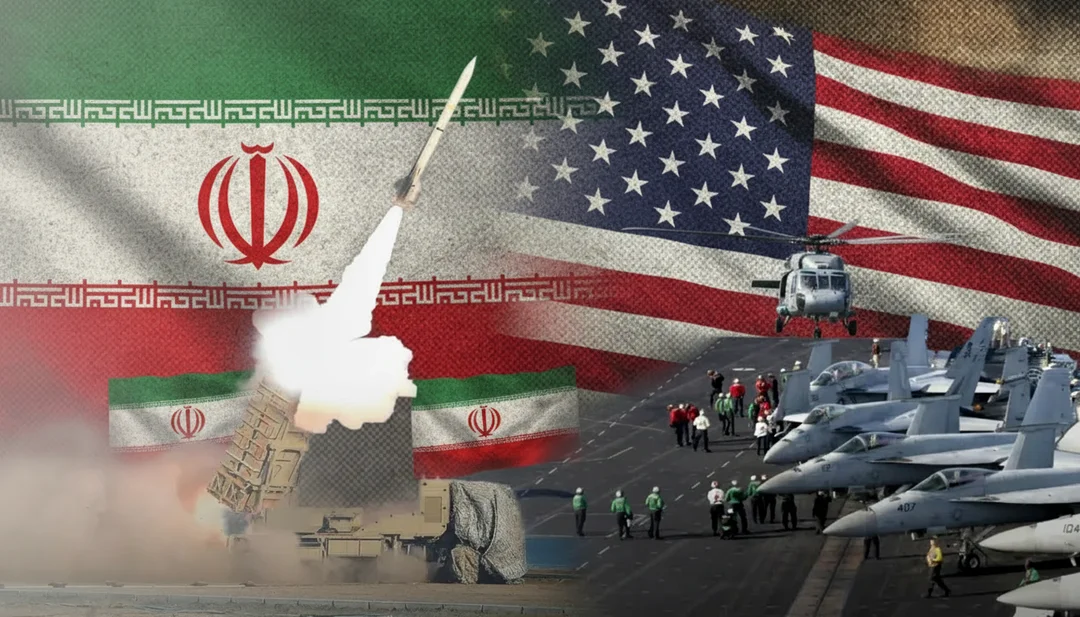
As of today, the indicators for a U.S.-led terrestrial operation—part of the much-discussed Operation Epic Fury – remain Critical High. Major General Brandon Tegtmeier and the 82nd Airborne’s Immediate Response Force are on the ground in Kuwait. Global oil markets have already reacted, with prices sliding below $100 per barrel following President Trump’s 5-day ceasefire offer and a 15-point peace plan sent via Pakistan. However, if you look past the headlines, the military reality tells a different story.

The Fist Without an Arm

The 82nd Airborne is a formidable fist, capable of rapid vertical envelopment. But in modern warfare, a fist needs an arm to provide reach and sustained power. In this case, that arm is missing.

Despite the hype surrounding the potential seizure of Kharg Island, the U.S. currently lacks the San Antonio-class mother ships inside the Persian Gulf. Without these LPDs (like the USS San Diego or USS New Orleans, which remain outside the Strait of Hormuz), an amphibious assault to link up with paratroopers and provide the sea to shore logistic support, does not seem probable as of now. You cannot hold territory you cannot resupply from the sea. Logistic sustenance of a force launched via vertical envelopment is possible temporarily, even up to week or so through an Air bridge operation. But by itself it is inadequate and fails the requirement for a longer-term outlook. Normally you do not launch forces by vertical envelopment when land link up or shore to land link up does not seem probable in the short term

The Kharg Island Ruse

While the media is in a frenzy over Kharg Island – the terminal for 90% of Iran’s oil exports – strategic analysis suggests this is likely an operational ruse. By fixing Iranian defensive attention on their oil infrastructure, the U.S. is forcing Tehran to overextend its posture, while the real battle is being fought in the halls of diplomacy and on the floors of stock exchanges.

A Diplomatic Smokescreen

The 15-point plan, demanding the total dismantling of Iran’s nuclear facilities and an end to regional proxy funding, isn’t a traditional negotiation. It is a Shaping Operation.

  • The Goal: Create a Negotiate or be Invaded ultimatum.
  • The Reality: Tehran has already dismissed the offer as fake news, and the recent Iranian drone strike on Kuwait International Airport shows they are calling the bluff by attempting to crater the runway for U.S. C-17s.

Conclusion: The Grand Illusion

The alignment of the 82nd Airborne, the 5-day tactical pause, and the aggressive peace proposal are pieces of a massive diplomatic bluff.

The U.S. is projecting the image of an imminent invasion to force a collapse in Iranian resolve and stabilize global energy markets. But without the heavy lift of amphibious support inside the Gulf, Operation Epic Fury remains a paper tiger. We aren’t seeing the start of a ground war; we are seeing the ultimate exercise in Armed Diplomacy.

The Hormuz Dilemma: Will the Boots Ever Land on Ground?

Veteran Brigadier Azad Sameer

Following the blockade of the Strait of Hormuz by Iran, the Global economy is indeed reeling and pretty badly at that. In the meantime a heated debate has possibly ignited within the Pentagon and among Allied planners: Is a terrestrial intervention on Iran’s northern coast to secure the dominating costal high grounds, the only way to permanently break the blockade on the world’s most vital oil artery?

For a long time, strategic thinkers have described the Strait of Hormuz as the world’s jugular vein. For the effective blockade, the Iranians are known to be using comparatively cheap tactics, utilising anti-ship cruise missiles (ASCMs), smart mines, and swarming drone technology. The U.S. military doctrines boasts of Command of the Seas and Command of the Air strategies and capabilities. While the USA does seem to enjoy command of the air, the ‘command of the seas doctrine’ has been tested severely as never before. Carrier-based airstrikes can degrade Iranian capabilities, and possibly even remove the blockade temporarily. Even this will take some doing. However, there is near unanimity among military analysts that as long as Iranian forces control the rugged, mountainous terrain of the Hormozgan Province, the blockade can be made effective once again, within hours.

The Case for Terrestrial Operations

The rationality for land-based buffer zone is rooted in what is called as the Whack-a-Mole problem. Iran’s mobile missile launchers, such as the Noor and Ghadir systems, are skillfully camouflaged within the limestone cliffs and complex of coastal caves overlooking the shipping lanes. They can emerge from a hidden cave or hardened bunker, fire a missile and relocate within minutes. By the time the launch is located and counter measures considered, the mole is back in its hole. The problem is complicated by the fact that sinking of even a single vessel in the narrow passage may cause a permanent blockade.

To anyone familiar with basic military tactics, it is abundantly clear that to effectively clear the strait, one must seize and secure the following:

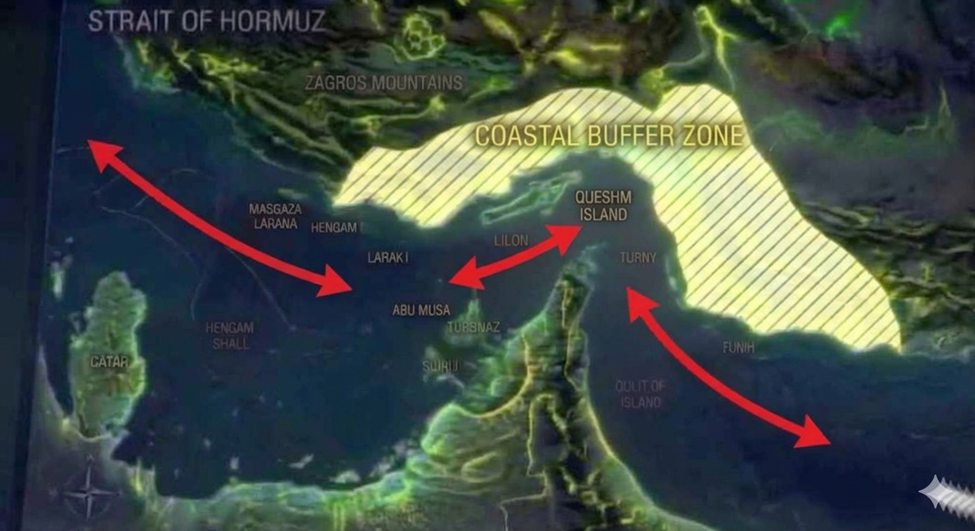
  • The Island Chain to include the islands of Queshm, Larak, Abu Musa, Tunbs and maybe Hormuz.
  • Tactical high grounds on the northern coast line. A terrestrial operation to occupy the high grounds extending from Bandar e Lengeh and running east for about 250 km will be needed to clear the threat and physically displace the weapons that currently hold global energy markets to ransom.  The depth of this zone is about 70 to 200 km Northward from the coast line and include all the lower ridge lines that dominate the water way and at least some points on the main Zagros mountain ridge lines. 

This is not an easy task, the hostile terrain extending over a vast area of approximately 2500-3000 sq km.  The contours of such an operation if undertaken will primarily hinge around vertical envelopment employing very large sized heli-borne and air-borne forces in conjunction with special operations, to seize the tactically important high grounds overlooking the coast line as well as the island chain. This necessarily may have to be followed up with frontal assaults to link up with forces landed in depth. In addition may an extensive Air Bridge operation may have to be established for logistic sustenance of a large force, at least for initial phase of the operation until the land link up completed.

Minimum Estimated Force Levels

  • Amphibious Assault Force consisting of 2 to 3 Marine expeditionary Units (5000 to 7000 marines).
  • Special Operations Command. 2-3 seal teams and Army rangers for silent insertion.
  • Air Superiority and Suppression. 2/3 Carrier Strike Groups together with land based  A-10s and AC 130s operating from bases in UAE and Oman for close air support
  • Seizing and Holding the coastal buffer. 1 Army Airborne Division and 2 infantry Divisions.

Time Frame

Initial operations to clear the blockade may take about 2 to 3 weeks. To fully sanitise the coast line, many months of counter insurgency operations will be required, difficult to estimate or define.

Financial Implication

All the above add up to a full scale invasion which according expert estimates may involve a financial implication of roughly 5 billion dollars per month if successfully executed.

The Challenge of Fortress Iran

However, the feasibility of such a campaign is fraught with extreme danger. The northern coast of the Strait is a defender’s dream. In essence, for the attacker to win in this kind of terrain, the defender must flee. Any attacking force must face the tyranny of the terrain which is characterised by jagged mountains that rise abruptly from the sea, leaving little room for the kind of large-scale amphibious landings seen in the 20th century.  Key assets of the US Mechanised Forces are of little use in this kind of terrain. More hostile than the terrain will be the weather. Not all troops are accustomed to operating in temperatures over 40 degrees combined with extreme coastal humidity. While the US military may well have adequate forces trained for such vertical envelopment and amphibious operations, it’s a moot question whether they are trained to operate in harsh mountainous terrain and very hostile weather conditions.

U.S. forces will face the Islamic Revolutionary Guard Corps (IRGC) Mosaic Doctrine – a decentralised, asymmetric defense designed to bog down high-tech invaders in a war of attrition. Any landing force will be met with pre-positioned, motivated insurgent cells, man-portable air-defense systems (MANPADS), and a civilian population likely to view the intervention as a violation of national sovereignty, potentially sparking a decades-long insurgency. More than three weeks of the operation comprising ruthless air and missile attacks by the combined forces of USA and Israel have resulted in almost 70% of the Iranian surface missile force being destroyed. But even the Pentagon has admitted that the even the island chain is far from neutralised, despite an almost complete air superiority of the attacking force.

The Logistics of an Impossible Shoreline

Logistically, sustaining even brigade-sized force on the Iranian coast will indeed be a herculean task. Capturing and holding a coastline of 250 km may well require beyond a Corps size force. The humongous nature of the logistics involved is indeed a never ending nightmare.

Furthermore, a terrestrial invasion might almost certainly escalate the conflict beyond a localised maritime dispute. It will likely trigger a total mobilisation of the Iranian state and could draw in regional proxies, and perhaps other global players turning a mission to open the taps into a full-scale theater or global war.

The Verdict

 A limited raid-and-destroy mission by Special Operations Forces to hit specific batteries is highly feasible, especially involving an aerial insertion and exfiltration. But a sustained terrestrial occupation to control the choke point remains an operation in the realm of very low probability, an operation of last resort. A large scale terrestrial operation of sort is far too expensive, far too dangerous involving unacceptable casualties in the long run and the probability of successful execution not very high.    For now, Washington appears to be tethered to a strategy of maritime escort and aerial suppression. But as oil prices climb and the blockade holds, the pressure to take the coast and islands may soon enter the realm of active consideration.

Ice Colours: A Guide to Safety and Science

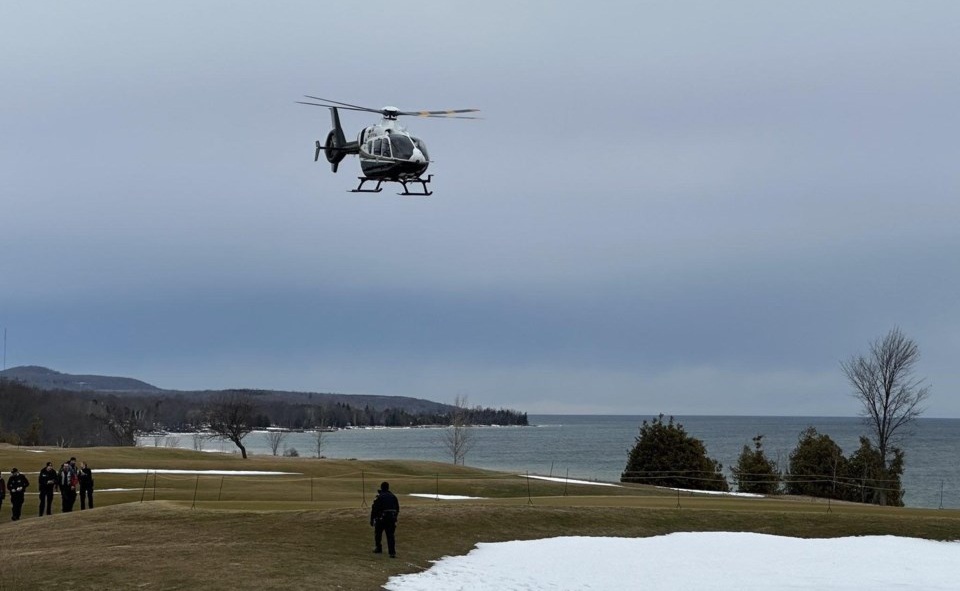
On the morning of Sunday, 8 March 2026, I moved my clock forward by one hour to mark the beginning of Spring Daylight Saving Time. As I tuned into the news, a dramatic rescue operation caught my attention. About two dozen ice fishers had become stranded after the ice shelf they were standing on broke away from the shoreline in Georgian Bay, Ontario. The massive sheet drifted approximately two kilometre from shore before splintering into several sections, leaving some people partially submerged in the freezing water.

Following the report, the newscaster offered a fascinating explanation of the different types of ice found in Canada – each colour-coded to indicate its density, age, and, most importantly, its safety level. While white ice is the most common, environmental factors such as compression, water content, and impurities can produce a surprising spectrum of hues.

White Ice: Opaque and Weaker

White or opaque ice forms when snow falls on existing ice, melts, and refreezes, or when slush freezes rapidly. Its cloudy appearance results from countless trapped air pockets. While common, white ice is only about half as strong as blue ice of the same thickness and demands cautious treatment.

Blue Ice: The Strongest and Safest

Blue ice is the gold standard of ice safety. Dense and ancient, it has been compressed over years by the weight of overlying snow, forcing out nearly all air bubbles. This density causes the ice to absorb longer wavelengths of light (reds) while scattering shorter ones (blues), giving it its distinctive transparent azure appearance. Found primarily in deep lakes or at the base of glaciers, blue ice is the strongest variety – just four inches (10 cm) is typically sufficient to support a person’s weight safely.

Grey Ice: A Sign of Danger

Grey ice signals trouble. Its dull, dark appearance indicates the presence of water or active melting and deterioration. Commonly seen in spring or on fast-moving water, grey ice is dangerously unstable and incapable of supporting significant weight. It should be avoided entirely.

Red Ice: The Watermelon Snow Phenomenon

Red or pink ice, often called watermelon snow, results from blooms of microscopic algae (Chlamydomonas nivalis) living on the snow’s surface. These organisms produce a red pigment to shield themselves from intense solar radiation. Common in British Columbia’s mountainous regions and the Arctic during spring and summer, this phenomenon tints the snowpack in shades ranging from faint pink to deep crimson.

Green Ice: A Marine Mystery

Green ice typically appears in marine settings, particularly in icebergs formed when seawater freezes to the underside of ice shelves. Scientists believe its emerald or jade hues result from high concentrations of iron oxides—derived from rock flour—trapped within the ice.

Black Ice: Clarity in Disguise

The dreaded black ice is a thin, nearly invisible, and highly slippery layer of transparent glaze ice that forms on roads, bridges, and walkways. Appearing as a wet patch on dark pavement, it occurs when moisture freezes instantly, often during early mornings or after light rain/melting snow. It poses a severe, unexpected danger to drivers and pedestrians resulting in many slip, falls, crashes, etc.

Conclusion

This colour-coded guide serves as a vital reminder that ice is far from uniform. Whether walking, fishing, or simply exploring, understanding these distinctions can mean the difference between a pleasant outing and a life-threatening emergency.

This is how the Kaliyug Ends

Veteran Brigadier Azad Sameer

Bloated vanity transforms into a hurricane
And plays a second innings.
Remember the shadows that scorched the stones of 1945?
The ego is a heavy, inflated thing—a lung filled with warm air,
Or toxic ash perhaps, swelling until the earth begins to crack.

Now the hurricane, a screaming, mindless force,
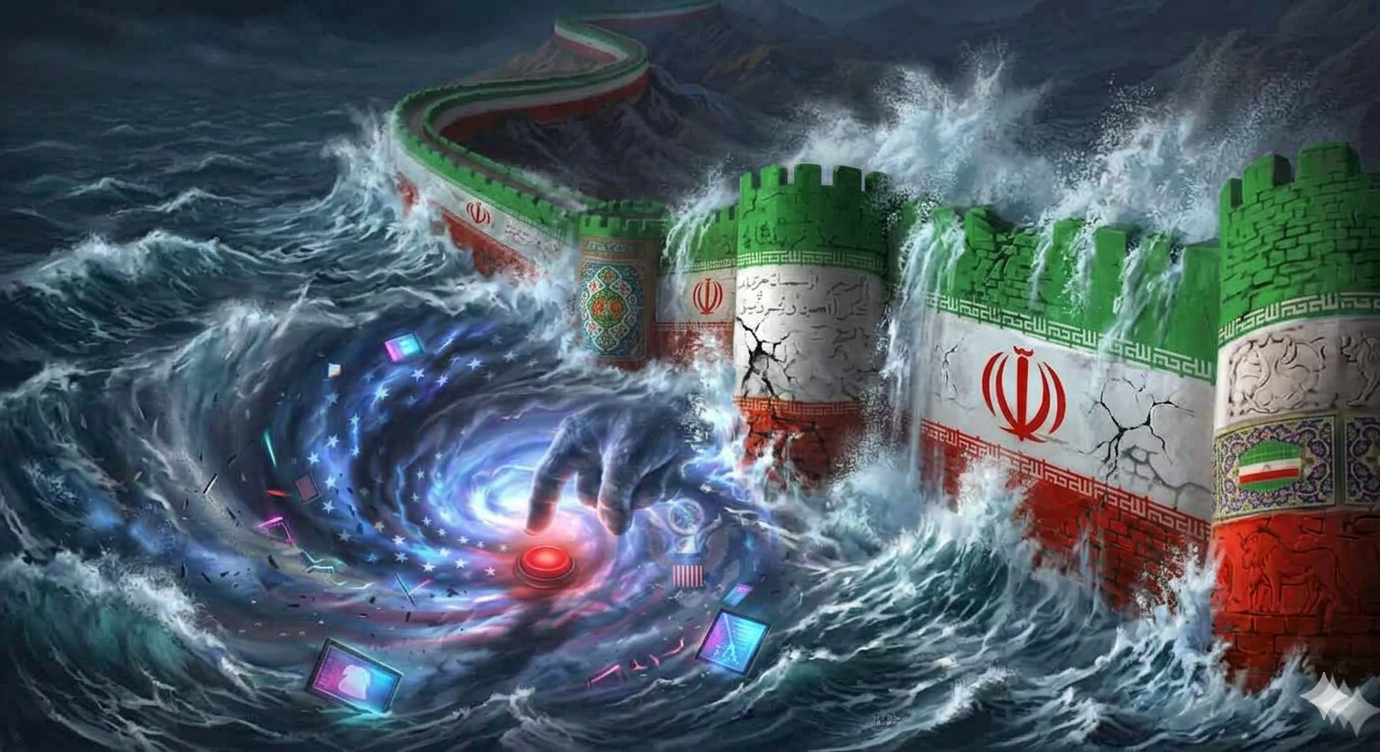
Lashing out at the silence of the Great Stone Wall.
The ancient wall begs not for mercy;
It holds the line with a quiet, terrifying dignity;
The storm demands the world acknowledge its righteous rage.

Hidden in the bunker of frustration, the bully broods;
The map of relevance shrinking by the day.
Maddened by fury, the finger moves
His finger—a pale, trembling worm—begins its move.
It moves across the console, as in a slow funeral march.

We can see the finger move
Slow and steady, sure and certain
We feel its vibrations in our very teeth,
A low-frequency hum of a world preparing to sublimate.

There is no impulsive strike,
Only the unbearable crawl,
Across the metal, toward the red, unblinking eye of the button.
We read the chronicle of extinction written in the red dust,
We read the final pages of history in real-time, breathless and numb.
Yet we are the silent spectators; in silence is our strength.
We turn to the floodlights of the field so green,
Oh, that glorious drive through extra cover,
That arc of a curving free kick into the net!
Our eyes are fixed on the scoreboard, tallying trivial triumphs,
While the finger crawls, the finger crawls.

We wait for a David and his sling of truth,
Or a Prophet to part the sea of our collective inaction.
But the stadium is a temple of indifference.
The air grows thin; the shadow of that creeping finger reaches the button.
We are not victims of a sudden lightning strike,
We are the architects of a preordained fall painfully slow.
Oh, shall we not shatter the glass and seize the hand,
Or shall we simply wait for the telecast cut to a silent black?

This is how the Kaliyug ends.
Not in a frenzy but in slow motion.

The Author’s Notes

The Hurricane of Hegemony (The USA)

The bloated vanity and hurricane: Represent the expansive, often chaotic nature of a global superpower.

The Second Innings: This suggests a resurgence of interventionism or a sequel to past conflicts (like the World Wars or the Cold War).

Shadows of 1945: This is a chilling reminder that the US is the only nation to have used nuclear weapons. The toxic ash refers to the literal and political fallout of that hegemony, now swelling to a breaking point as it faces a world it can no longer fully control.

The Ancient Stone Wall (Iran)

In this reading, Iran represents the Great Stone Wall—a stand-in for a 5,000-year-old Persian civilization that views the US as a screaming, mindless force of modern history.

Quiet, Terrifying Dignity: This describes the posture of a nation that refuses to bow to sanctions or military threats. The wall holds the line, representing a defensive, immovable ideology that infuriates the hurricane because it cannot be blown away or easily broken.

The Bully in the Bunker

The bully brooding as his map of relevance shrinks represents a fading superpower’s frustration.

The Pale, Trembling Worm: This metaphor suggests that despite the massive military industrial complex (the hurricane), the actual decision-making power rests in the hands of a fragile, fallible human being in a command center.

The Slow Funeral March: The movement of the finger toward the console symbolises the slow-motion escalation toward a regional or global conflict. It isn’t a sudden mistake; it is a calculated, agonisingly slow crawl toward a red, unblinking eye

Global Indifference (The Spectators)

While the US and Iran engage in this high-stakes standoff, the rest of the world is portrayed as a Temple of Indifference.

The Scoreboard: While the finger crawls toward the button in the Middle East, the global public is distracted by extra covers and free kicks – a critique of how we consume news and entertainment simultaneously. We watch the chronicle of extinction as if it were just another sports highlights reel.

Trivial Triumphs: This suggests that international diplomacy has become a game of scoring points rather than saving lives.

The Failed Saviors

The wait for a David with a sling of truth or a Prophet represents the world’s reliance on some unknown miracle. However, the poem suggests these figures are absent. Instead of a heroic David stopping the Goliath (the US hurricane), there is only the silent black of a cut transmission.

The Slow-Motion Kaliyug

In this geopolitical context, the End of the Kaliyug is the collapse of the modern world order.

It doesn’t end with a sudden lightning strike, but through the preordained fall – refusing to blink until the telecast finally goes dark. The tragedy is that we see it coming in slow motion and do nothing to seize the hand.

Stories of My Ignorance, a Bliss 

By Veteran Brigadier Dr VD Abraham, Sena Medal

Sixteen months in Antarctica – and an accident that nearly claimed my life -reshaped my worldview. What once appeared to be coincidence slowly revealed itself as design. Philosophy seeps into every day. Gain and loss felt indistinguishable, each merely part of a larger pattern. A Greek philosopher from 500 BC advised: Seek ye first the good things of the mind, and the rest will either be supplied, or its loss will not be felt. Centuries later, Matthew 7:7 echoes the same eternal principle: Ask, and it shall be given to you; seek, and ye shall find; knock, and it shall be opened unto you. 

But what if the door does not open? Perhaps we must return to the first truth – that polishing a stone into a diamond demands persistence. With every rub, life shapes us into something brighter. 

I stand here as that raw stone – not in confession, but as someone walking a destined path. Born into a conservative Syrian Christian family in Chunakara, Kerala, I grew up as an only child. My mother travelled with my father, an Indian Army soldier, leaving me to navigate childhood like a misguided missile – with no guidance, no role model, no affection, and no sense of divine direction. Only now do I understand that He was watching over me through every peril. But who was He? Perhaps by the end of this story, you will have an answer. 

 Beginnings 

My schooling began at Olakettiampalam, continued in Chunakara, and then at Kayamkulam for high school. I completed my Pre‑Degree at Bishop Moore College. Those were turbulent years. As I wrote in The Pilgrimage to Peace, student unrest often forges leaders. I witnessed M. Muralee rise from those very strikes to eventually become an MLA. 

At first, I admired the activism; soon, I grew weary of classes disrupted by protests. Many of my peers turned to tuition centres; I immersed in extracurriculars – sometimes at the cost of academics. I stumbled, even failed Hindi once, yet clawed my way back through revaluation. 

The turning point came when I shifted to the Defence Services. Destiny seemed to take my hand – guiding me into roles I had never envisioned: facing terrorists as ADC to the Governor of Jammu & Kashmir, earning an Army Chief’s Commendation, and ultimately joining an Antarctic expedition. 

 Journey to Antarctica 

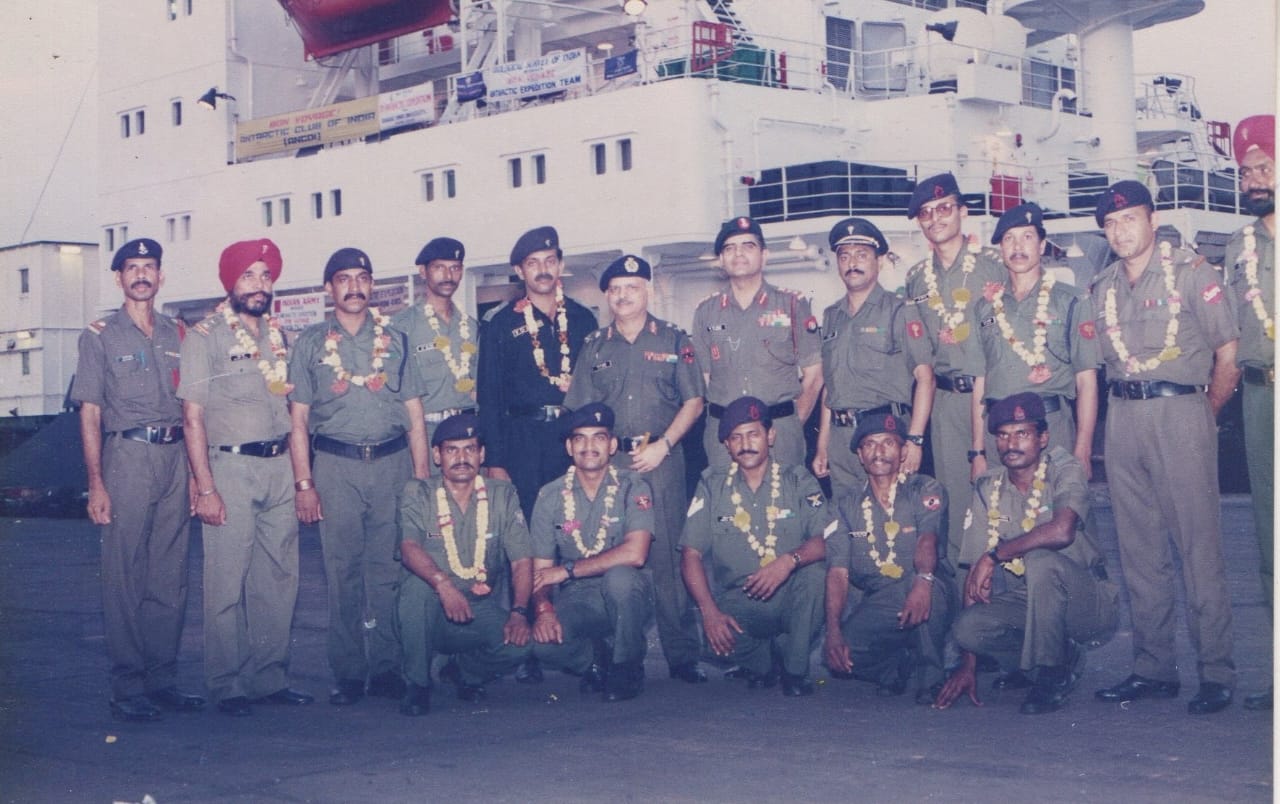
I was selected as the Army Team Leader for the 15th Indian Scientific Expedition to Antarctica – an electronics engineer applying for what was essentially a mechanical engineer’s role. I had no influence or patronage backing me. My biggest battle was convincing my father to allow me to leave my wife and little daughter, given the unspoken dangers of the continent. 

I walked out of home like a modern‑day Gautama Buddha – driven not by renunciation but a desperate urge to explore the unknown. Perhaps divine guidance led me through sacred sites of various religions, igniting an inner transformation I didn’t yet comprehend. 

Arriving in Goa, I saw the massive German icebreaker for the first time. Its sheer scale startled me – I instinctively ran the length of its 100‑metre deck several times. Observers may have thought I was simply warming up, but in truth, the ship overwhelmed me. 

Soon, responsibilities began to define me. I was asked to articulate the vision and discipline expected of the expedition team. I prayed, secluded myself in a small cabin, prepared my words, and then delivered them. From that moment, something shifted – my speech, my conduct, my entire bearing began aligning with my role. 

We sailed past the Equator into the Southern Ocean, crossing the Roaring Forties, Furious Fifties, and Screaming Sixties. Waves towered 10–15 meters. The deck was forbidden; seasickness was common. Yet sharks, seabirds, and albatrosses glided alongside reminding us of the world’s silent beauty. 

A brief halt in Mauritius allowed us to load two Australian helicopters, along with two pilots and an engineer‑pilot – a living lesson in technical self‑reliance. 

Closer to Antarctica, the sea mellowed, then paled. Ice sheets thickened; seals lounged on floating ice under the eerie white‑out of 24‑hour daylight. We donned snow boots, goggles, gloves, and masks gradually surrendering to the polar world. 

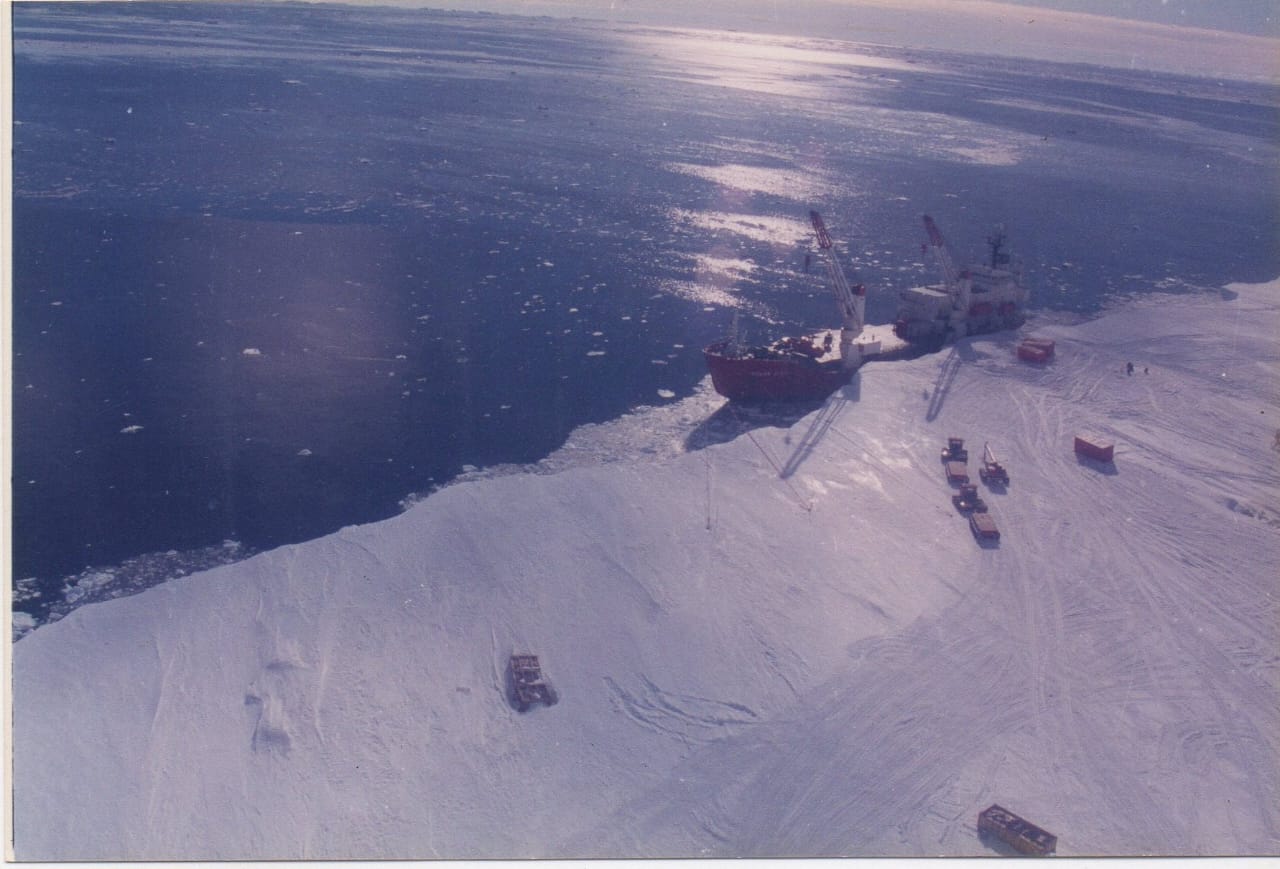
The ship anchored by massive shelf ice stretching kilometers into the ocean. India’s second station, Maitri, stood 125 km away – the first, Dakshin Gangotri, now buried under ice. 

On 31 December 1995, both helicopters took off. A selected group flew to Maitri to celebrate New Year with the outgoing team, weary after 16 months. Soon after, we began unloading cargo – food, fuel, medicines, snow vehicles. The work was relentless, but the unsetting sun kept exhaustion at bay. 

 The Accident — 27 February 1996 

By February’s end, we had grown confident. That afternoon, the former Team Leader, a Major, and I headed to the ship for lunch. A crane was to lift us in a bucket large enough for ten people, resting on the ice shelf. 

As I stepped onto it, a loud crack split the silence. 

In an instant, nearly 900 ton of ice broke beneath us and crashed into the Antarctic Ocean, slamming the ship violently. Freezing water surged up, drenching me. I clung to the bucket’s rim as the ice sank. In such temperatures, survival is barely three minutes freezes, consciousness fades. 

The ship tilted. The Captain, who was filming the operations, shouted orders to raise the bucket. Only then did I realise the Major was missing – trapped beneath the collapsing shelf. 

I yelled for them to lower me back, but the German crew, perhaps misunderstanding my English, continued lifting. Someone hurled a rope. I tied it around me and slid down. Icicles tore into my skin; visibility dropped to a blur of bubbles. 

Time was drowning. Then – a frozen hand. 

Without thinking, I leapt from the bucket, grabbed it, and pulled. Our clothes were heavy, fighting every movement, but instinct outweighed fear. I dragged him towards the bucket and collapsed across his arms, numb and powerless to lift him alone. The crane lowered the bucket, and together we heaved him inside. 

Doctors fought to restore his circulation. Hallucinations plagued him for hours, but slowly he returned to life.  I thanked Him – for using me as an instrument of His will. 

On 15 August 1996, I received a gallantry award from the President of India. The German crew began calling me the Nicholas of India.

 Reflection 

Surviving that moment redefined me. I turned more toward philosophy than religion. No institution, no doctrine, no scripture can wholly enlighten you. Ultimately, the search is within. 

Tat Tvam Asi — Thou art That. 
The divine you seek is the divine within.

The Rogues Gallery

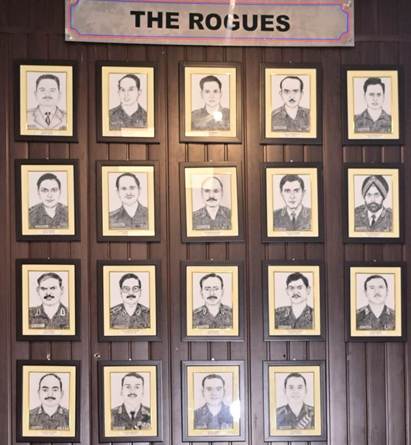
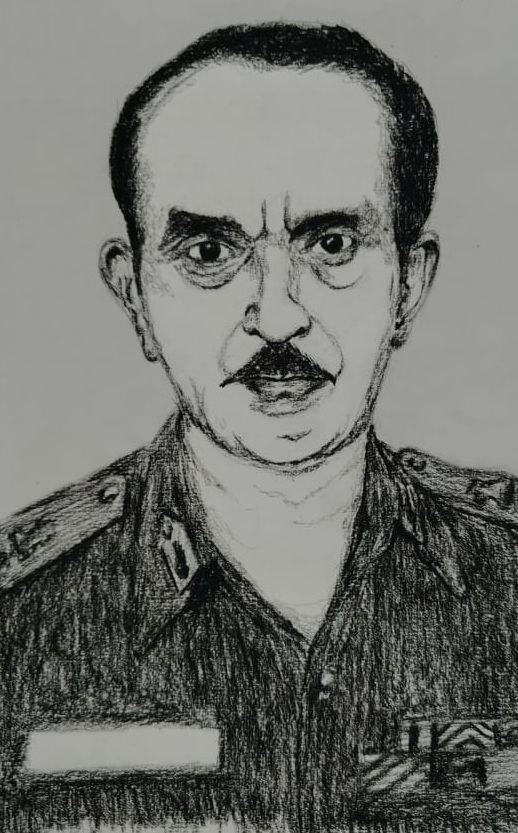
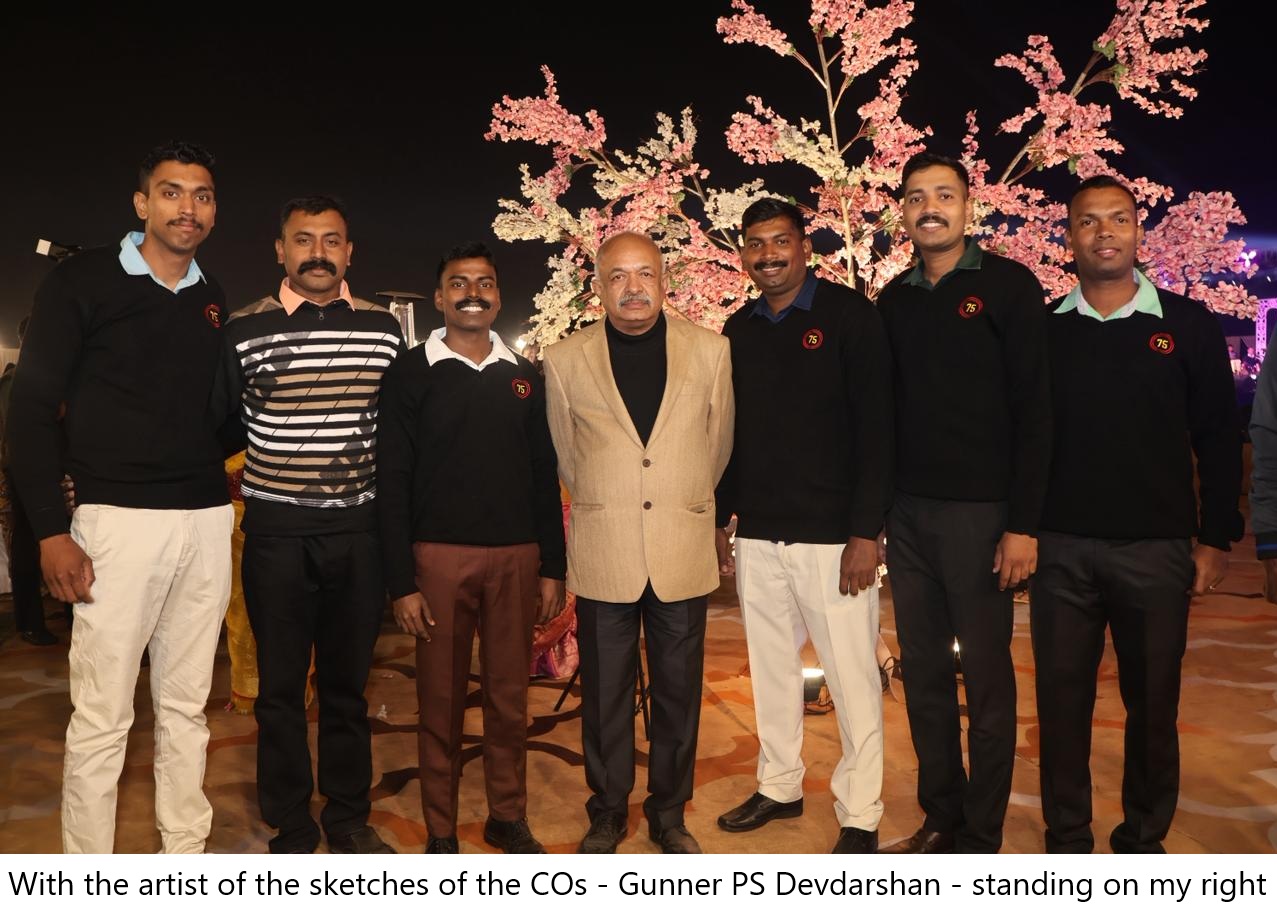
In every Regimental Officers’ Mess and the Commanding Officer’s Office, a place of distinction is reserved for what is affectionately known as The Rogues Gallery. Far from its criminal origins, this gallery holds a collection of photographs, paintings, and sometimes caricatures of the Regiment’s former Commanding Officers – the Tigers who led and shaped the Regiment’s destiny.

The term itself has an intriguing history. It originated in the mid-19th Century as a police-maintained archive of known criminals – complete with photographs, descriptions, and methods of operation – used to identify repeat offenders. In popular culture, the phrase was later adopted to describe the recurring villains and antagonists who challenge a hero, most famously immortalised in Batman’s comics through characters like the Joker, Penguin, and Riddler.

A Tradition of Affectionate Rebellion

The Rogues’ Gallery, a lighthearted, cynical, yet deeply affectionate military tradition playfully borrows its name from police mug shot collections. The implication is clear: these Commanding Officers, while revered and respected, were something of Rogues or Characters during their tenures. They were the ones who made life interesting, challenged conventions, and perhaps occasionally made things difficult for those around them!

Yet within this playful irreverence lies profound respect. The term acknowledges what every soldier knows that leading a Regiment requires a certain measure of stubbornness, unorthodox thinking, and strength of personality – qualities undeniably associated with a rogue. It is the Regiment’s way of saying that to command, one must be more than competent; one must be memorable. Notably, the incumbent Commanding Officer’s photograph finds no place in this gallery until the day he relinquishes command – a reminder that one must first earn the right to be remembered.

More than a mere display, the Rogues’ Gallery serves a vital purpose. It connects today’s officers with their predecessors, weaving an unbroken thread of continuity across generations. It fosters pride in legacy, respect for tradition, and a deep sense of belonging to something far larger than oneself. In the quiet corners of the Mess, amidst the faded photographs and painted portraits, the past speaks to the present – and the Regiment marches on.

A Parallel: The Rogue Elephant

An interesting parallel can be drawn with the rogue elephant of the wild – a solitary creature, often an older tusker, that has been displaced from leadership by a younger contender. An elephant herd is led by a matriarch, who is the oldest, largest, and most experienced female who guides her herd to food and water, makes critical survival decisions, and manages social dynamics. While in the herd, the dominant tusker play a critical role in mating, mentoring younger males and enforcing social discipline. Separated from its herd, the rogue elephant roams alone, bearing the weight of its experience in isolation. There is something poignant in this image: the former leader, once at the helm, now walks a solitary path. Like the photographs in the Rogues’ Gallery, the rogue elephant carries its history silently, a testament to a time when it led the herd through the wilderness.

Meeting the Rogues

Stepping into the precincts of the 75 Medium Regiment (Basantar River) on 16 December 2025 felt like a true homecoming. The air was thick with memories and filled with the warmth of familiar faces. It was more than a reunion – it was a gathering of veterans, serving officers, and their families, bound together by shared history and sacrifice. In that space, old friends embraced, comrades reunited, and the bonds forged in service were not just remembered but renewed. Meeting the Rogues who shaped my character and moulded me into a leader – those are moments I will cherish forever.

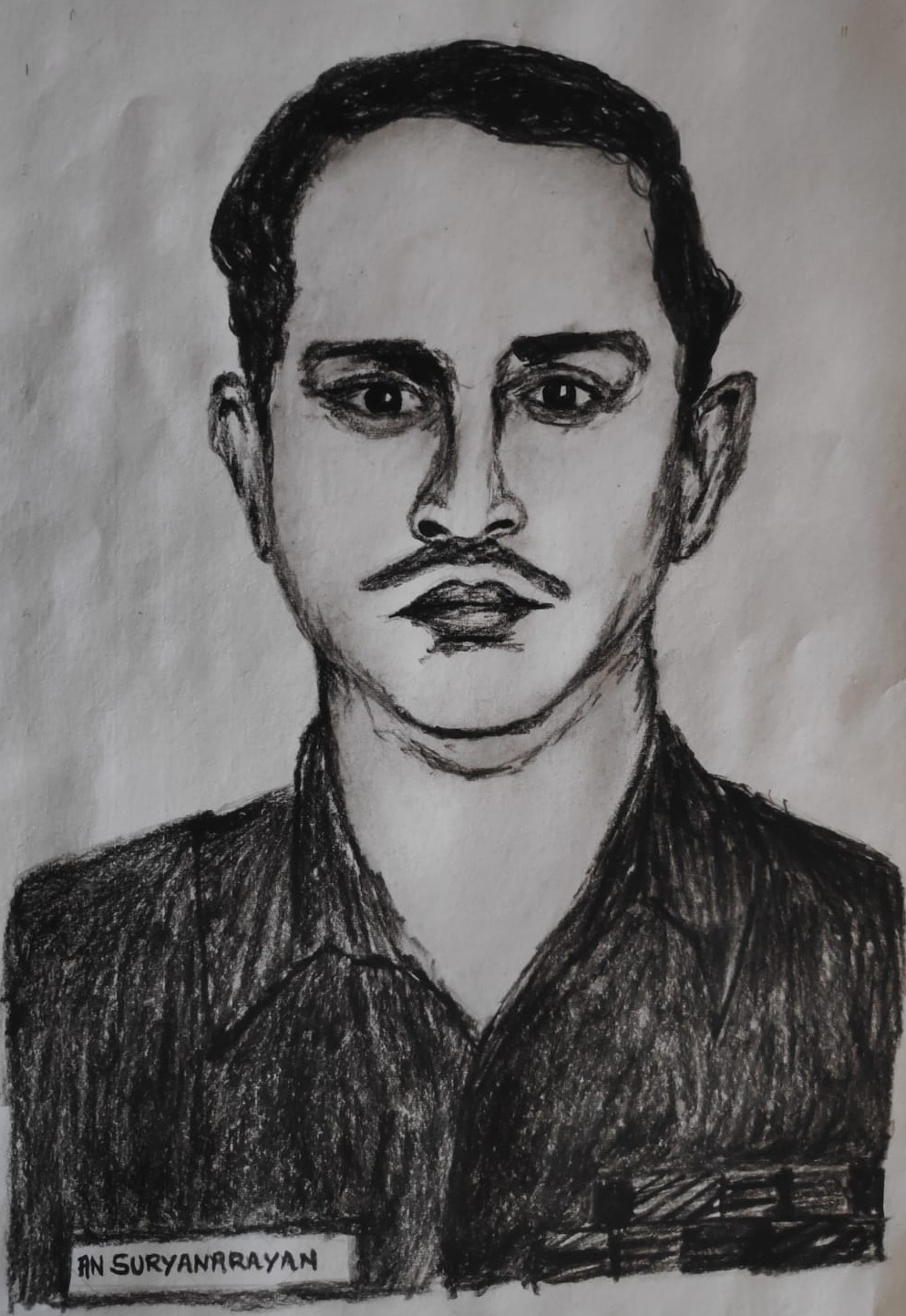
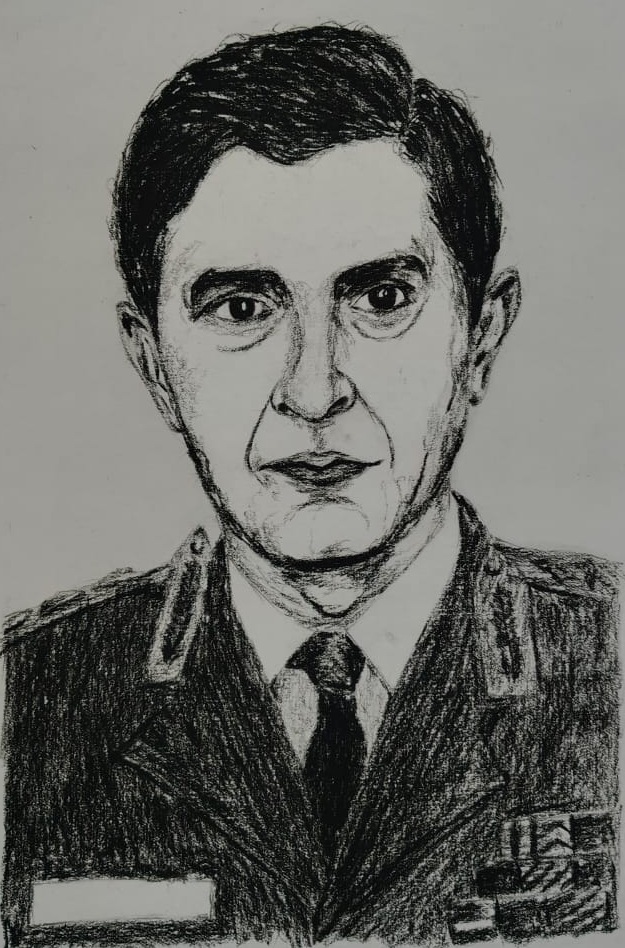
Veteran Brigadier Ariyur Natesa Suryanarayanan (Surya): Brilliance Personified

When I stepped into the Regiment in January 1983, I was a bundle of nervous energy. Lieutenant Colonel AN Suryanarayanan – affectionately known as Colonel Surya – was at the helm.  I was quite intimidated at prospect of meeting the Tiger. I was instantly put at ease by his warm and reassuring demeanour during our initial meetings. He made me feel that I truly belonged.

Though a strict disciplinarian, his authority never felt heavy handed. Colonel Surya commanded respect not through intimidation, but through sheer unadulterated brilliance. In Regimental lore Colonel Surya stood on three formidable pillars. The first was his a mastery over the English language and a gift of the gab that made him a titan in any gathering. People around were simply compelled to sit up and listen, they had no choice about it. The second was his genius for mental mathematics that bordered on the supernatural.  The third and most important was an elephantine memory that never forgot a detail.

Prior to taking command of our Regiment, he had served in the Military Secretary’s Branch at Army Headquarters – a role that perhaps honed his already exceptional memory. It was said across the entire Regiment of Artillery that he knew every officer of the corps by their personal number, their entire service history, and intimate details of their families. This was not just regimental lore; a lot of it was undeniably true.

As a Major in the late1970s, his painstaking efforts were pivotal in ensuring the Honour Title BASANTAR RIVER became an indelible part of the Regiment’s history.

When I joined our Regiment, we were deployed in the Rajasthan deserts for a training exercise. In March of that year, I proceeded to Devlali for the Young Officers’ Course from the deserts. When I returned in October 1983, Colonel Mahaveer Singh was at the helm. In my absence, the Regiment had changed hands, and I had lost the opportunity to interact with Mrs. Kalyani Suryanarayanan, the gracious wife of my first Commanding Officer.

Tragically, she passed away while I was away on the course. During the same period, Brigadier Surya was away, attending the prestigious Higher Command Course, the only Gunner officer of his batch selected for that coveted distinction. By the time we both returned, she was no more. I never had the chance to meet her, a quiet regret that lingers to this day.

Decades later, when I met him as an octogenarian, he greeted me with a warm smile and I observed that the years had done nothing to dim the fire of his intellect. He asked without a moment’s hesitation, “How is Marina? How are Nidhi, Jay, and James? And how is Nikhil doing in the Canadian Army?” I stood there, momentarily speechless. It was a profound, overwhelming moment. To realise that after all those years and across all those miles, his memory still held a place for me and my family was more than just an impressive feat of the mind. It was a testament to a leader’s heart – one that never truly let go of the men he once commanded. In that brief exchange, I realised that for Colonel Surya, we weren’t just names on a roster; we were a legacy he carried with him, forever.

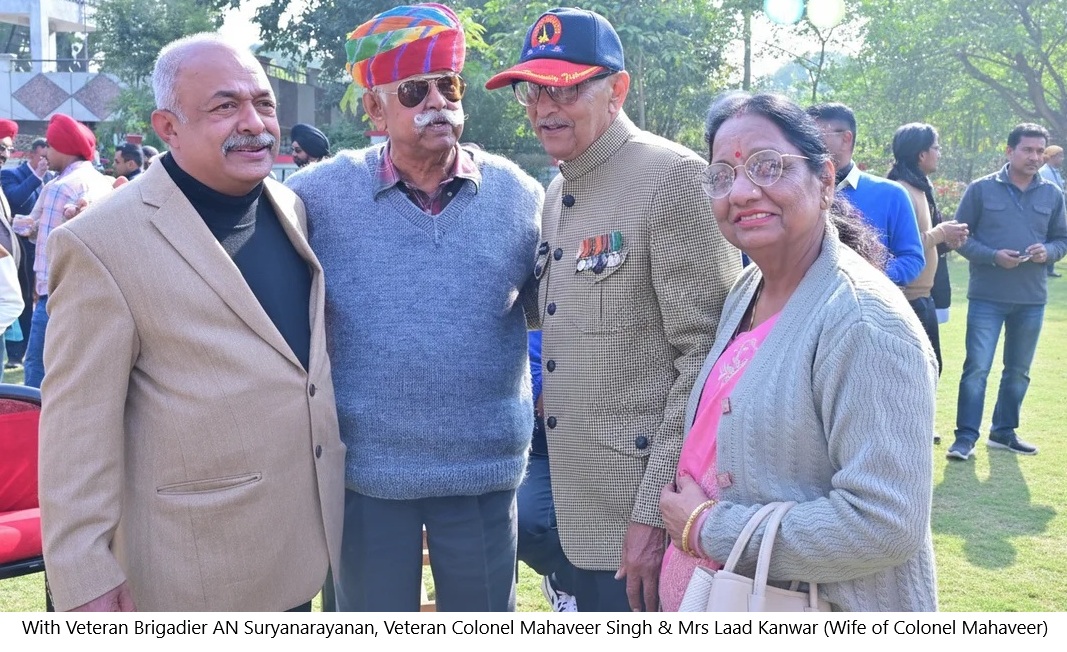
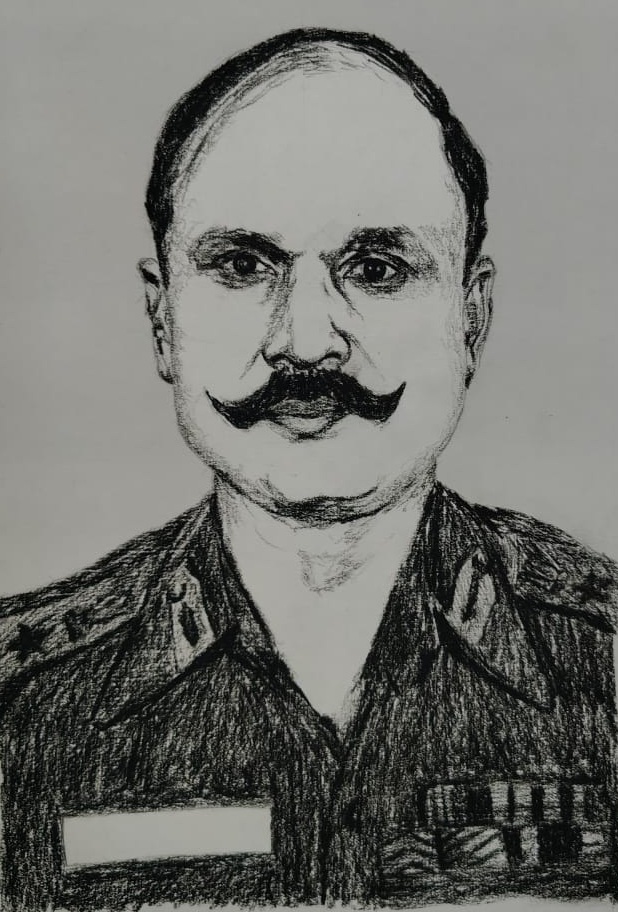
Veteran Colonel Mahaveer Singh: The Pulsating Heart of the Unit

In October 1983, fresh from the Young Officers’ Course – that rite of passage where a rookie subaltern finally becomes a true Gunner – I returned to find Colonel Mahaveer Singh at the helm. He remained our Commanding Officer until 1988, a formative five-year span that remains the longest I have served under any leader. Today, even as he approaches the grand age of eighty-seven, that same irrepressible cheerfulness remains his hallmark, untouched by the passage of time.

Colonel Mahaveer, a true Rajput, embodied humility and possessed a heart large enough to embrace the entire Regiment. He treated all the young officers as his own children, often overlooking our youthful pranks and inevitable (mis)adventures with legendary grace and a twinkling sense of good humour. More importantly, he had a unique way of building leaders. He entrusted us with responsibilities, sometimes a bit heavy, long before we felt ready for them, always encouraging and motivating us to push beyond our limits and accomplish the impossible. Because he believed in us so implicitly, we began to believe in ourselves

It came as no surprise, then, that our Regiment earned the reputation of being the best in the formation. Quite effortlessly we became the envy of the formation. Young officers from other units eagerly sought attachments to our Regiment, just to spend a few days in our midst. They were invariably astonished by the unique bond we shared with Colonel Mahaveer – the sight of us playing basketball with him, sharing jokes, narrating incidents from our escapades, and above all, listening to his animated re-tellings of movie stories, particularly Sharabi, delivered without missing a beat. Yet, after every report of our latest escapades or innovative solutions to problems, he brought us back to mother earth with his trademark, all knowing smile and that classic, rhetorical question: “Who is commanding this Regiment, you or I?”

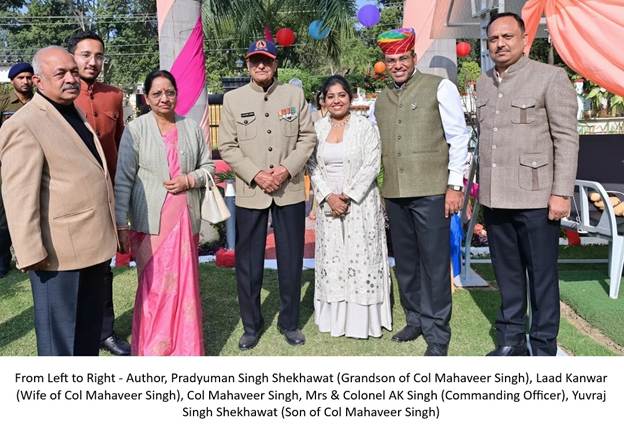
No tribute to Colonel Mahaveer would be complete without mentioning his wife, Mrs. Laad Kanwar. She was the quiet backbone of the family, the anchor that held everything together. She cared for her own children and for us – the real rogues – with such warmth and affection that none of us can ever forget. In her, we found not just the Commanding Officer’s wife, but a mother figure who made the Regiment feel like home. In the legacy of Colonel Mahaveer, it wasn’t just the professional standards that stayed with us – it was the profound realisation that a Regiment is not just a unit of soldiers, but a family bound by faith, laughter, and a leader who leads from the heart.

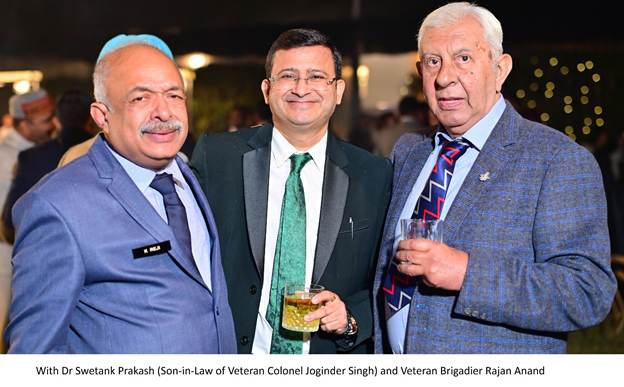
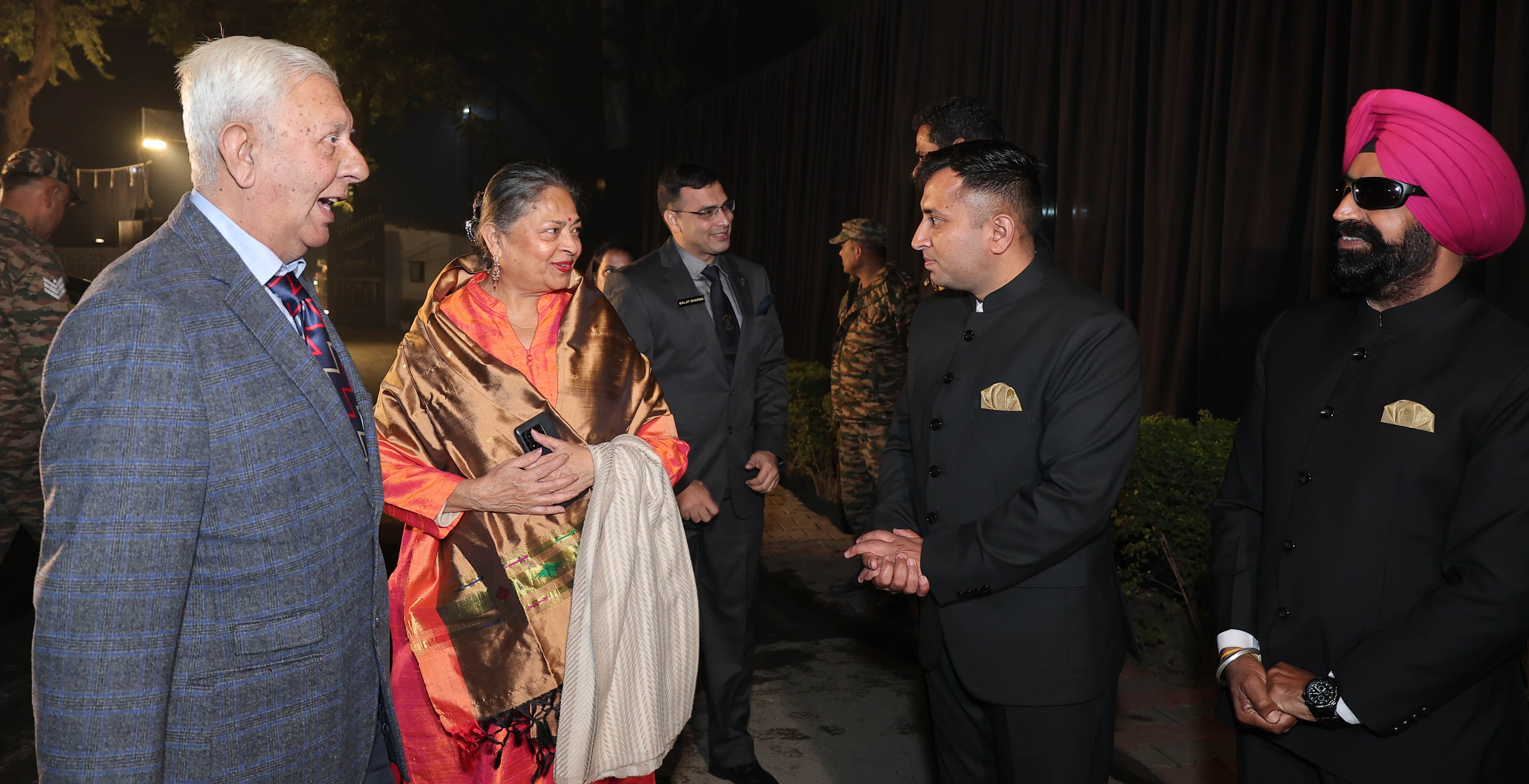
Veteran Brigadier Rajan Anand: The Architect of confidence

My first tenure as a Battery Commander was shaped under the guidance of Veteran Brigadier Anand – a man who taught me the true nuances of command and leadership. Flamboyant by nature, he was the architect of confidence. His leadership mantra revolved around two deceptively simple yet profound principles: delegation and absolute trust. He empowered his subordinates with unwavering confidence, often saying, “When I have Battery Commanders like you, why should I worry?” Those words instilled in us a self-belief that carried us through many daunting challenges.

An exceptional instructor, Brigadier Anand had a gift for transforming everyday moments into a professional master class. During long drives and training exercises, he seamlessly imparted his deep knowledge of tactics and leadership, enriching our understanding without us even realising we were being taught.

Years later, when I assumed command, I found my own playbook filled with his wisdom – especially his mantra of working smart over merely working hard, granting subordinates the freedom to fail (and thus, to learn), and above all, maintaining a sense of calm and stress-free poise at the helm.

Behind this remarkable officer stood his wife, Mrs. Meenu Anand – a bubbly and warm companion who complemented him perfectly. Marina and I remain forever indebted to her for the gentle, patient way she helped Marina transition from a university student into the role of an army spouse. Mrs. Anand was supportive, diplomatic, approachable, and resilient – qualities that made her not just a Commanding Officer’s wife, but a guide and a friend to all who had the privilege of knowing her.

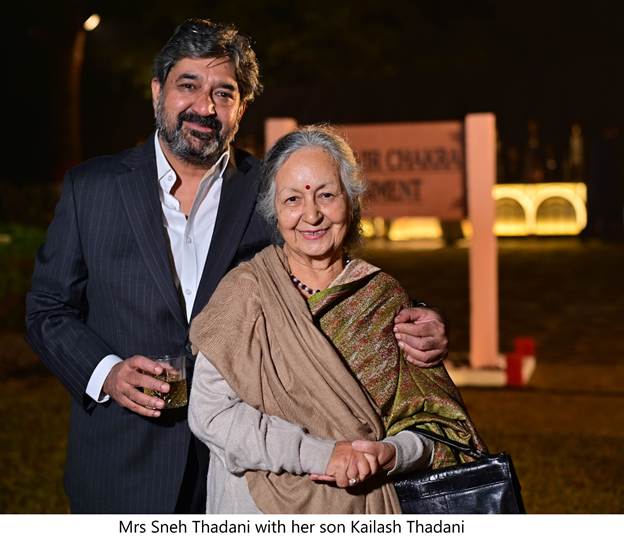
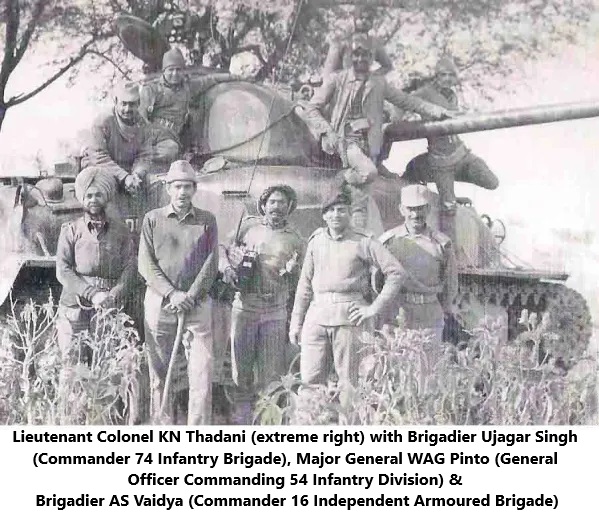
Late Veteran Brigadier KN Thadani, Visisht Seva Medal (Kiku): The Mentor and Mountaineer

In 1985, Brigadier KN Thadani and his wife Sneh moved into the Officers’ Mess of our Regiment in Gurgaon while their home was being constructed. Though recently retired, Brigadier Thadani had deep regimental connections, having led the unit during the 1971 war. For me, then a young bachelor Lieutenant and the only regular mess member, this was an extraordinary opportunity to interact closely with a senior officer, a rarity in the Army’s hierarchical structure. Over countless meals and conversations, the Thadanis imparted wisdom not only on soldiering but also on spirituality and life, profoundly shaping the my professional and personal outlook.

I fondly recall those days and often find myself reminiscing about the couple and our times together. I look back at those Sundays with a lot of nostalgia. Brigadier and Mrs. Thadani whisked me away to the DSOI at Dhaulakuan for afternoons of cards and tambola. The day invariably culminated in dinner at some classy Delhi haunt, where the laughter was as rich as the food and the company even better. In those moments, I wasn’t just a subaltern of the unit; they treated me as family.

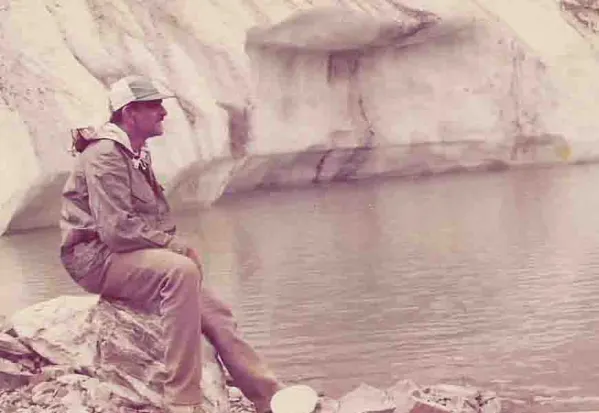
Beyond his military acumen, Brigadier Thadani was a skilled mountaineer – passionate about his craft and deeply knowledgeable about the mountains he loved. While commanding 3 Artillery Brigade in Leh, he led the very first expedition of sixteen soldiers to conquer the Apsaras I peak. The Apsaras group of mountains, lying to the north of the Teram Shehr Glacier, forms a large massif with its ridge line running from West to East. That he chose to lead from the front, even in the rarefied air of the Himalayas, was entirely in keeping with the man I had come to admire – a leader who never asked of his men what he would not do himself. He remains, in my memory, as steadfast and towering as the mountains he loved.

The Living Legacy: Why We Remember

We remember our Commanding Officers because they are far more than mere figures of authority; they are the living embodiment of leadership and the absolute accountability upon which the soul of military service rests. They are the steady hands that guide us through our darkest hours, making the profound decisions that shape our very destinies and nurturing within us an enduring sense of purpose.

Long after we have marched beyond the reach of their command, their influence remains indelibly woven into the fabric of our character. It becomes part of our professional DNA, quietly defining the persona of who we are and the leaders we eventually become. In the end, we do not just remember them – we carry them with us.

Liberation

By Veteran Brigadier Azad Sameer

Between the target
And the impact
Between the coordinates
And the crushed little skulls
Falls the Shadow
                       Oh! Life is yet to bloom and still so short

Between the mission
And the massacre
Between smart bombs
And the severed limbs
Falls the Shadow
                       For Thine is the Empire

Between the precision
And the primary school
Between the seven year olds
And the concrete rubble
Falls the Shadow
                       For Thine is the Sovereignty

One hundred eighty souls,
Gathered on this brink of the swollen Jajrud,
In this valley of dying stars.
They are not targeted,
Just collateral liberation.

The world’s most incisive eyes
Are hollow, stuffed with straw,
Leaning together,
Looking but not seeing,
Or just not wanting to see
The ribbons in the red dust
And the satchels with the little books.

Ninety more must carry the weight,
In this hollow land,
This cactus land.
They carry the weight of the missing limb,
The shattered eyes
And the silence that screams.


No apology is whispered,
No head is bowed in the wind.
Between the liberation
And the butchery
Between the error
And the rage
Falls the Shadow
                       For Thine is the kingdom of Tyranny

This is the way the childhood ends
Not with a prayer but a blast.​

(With profound apologies to T.S. Eliot—adapted from The Hollow Men and with a silent prayer for the hundreds of little girls who lost their lives or limbs when the bombs came down on them on 28 February 2026)

A Bond Forged in War and Peace: Remembering Gunner (Driver) VK Premachandran

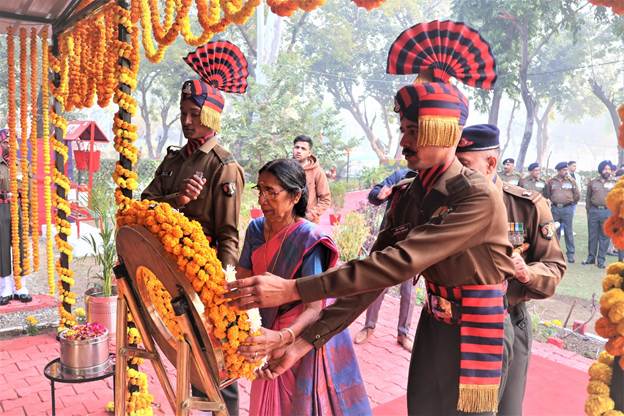
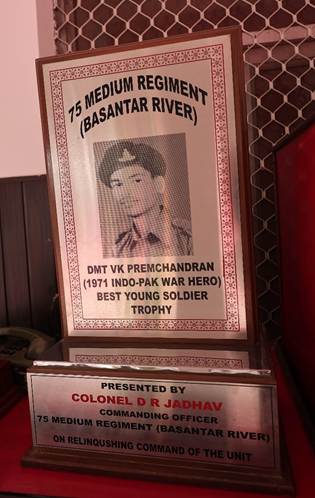
On 16 December 2025, during the solemn wreath-laying ceremony at the Quarterguard, I had the privilege of meeting Mrs. VK Lalitha, the younger sister of Gunner (Driver) VK Premachandran, who made the ultimate sacrifice during the 1971 Indo-Pak War.

Her presence at the regimental function was no accident. It was the result of painstaking efforts by Colonel AK Singh, the Commanding Officer, and Honorary Captain M Sreedharan, who traced Mrs. Lalitha and ensured she could attend the Diamond Jubilee celebrations of our Regiment. In doing so, they bridged decades of separation and brought a family’s sacrifice back into the collective memory of our Regiment.

Meeting his sister, Mrs. Lalitha, after all these years, was a moment of profound connection. In her eyes, I saw the reflection of that young soldier who rode into history, trusting his motorcycle and his destiny. And in her presence at our Diamond Jubilee, I witnessed the unbroken chain of gratitude that binds a regiment to the families of those who gave everything.

I was only 15 when my brother passed away at 23. We had lost our father years earlier, so our brother had become our guardian. After his death, our mother received a lifelong pension, and the Government of Kerala honoured his sacrifice by employing me in the Education Department,” she shared, memories flickering in her eyes.

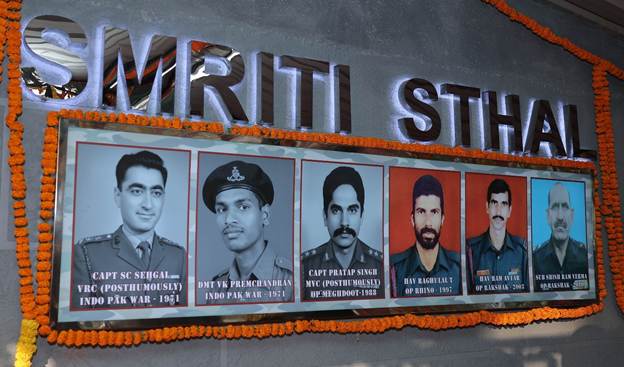
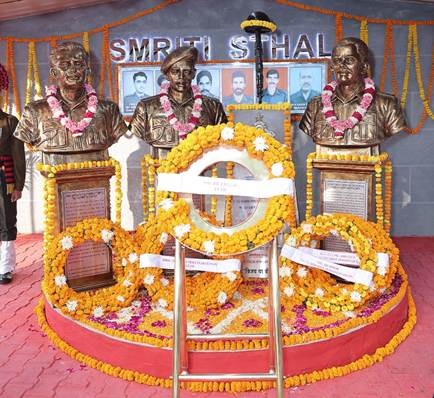
Our Regiment fulfilled a long-cherished resolve. A bust of Gunner Premachandran was installed at the Smriti Sthal of our War Memorial – a tribute that many jawans had quietly voiced during previous Raising Day gatherings. They felt deeply that the young Despatch Rider, who had carried the Fire Plan through relentless shellfire, deserved a permanent place among the Regiment’s honoured fallen.
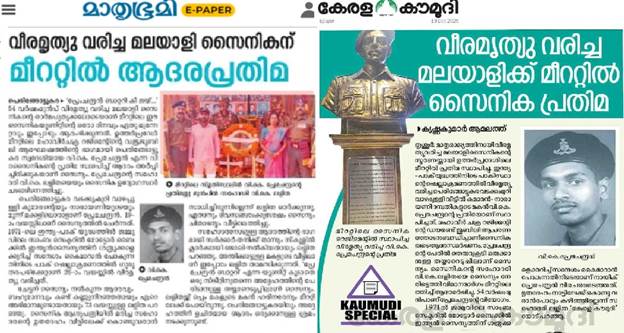
When the bust was unveiled, it was more than stone and metal – it was the Regiment’s promise kept. A solemn affirmation that his name and his spirit will stand guard with us for all time.

As the veil was drawn back, Mrs Lalitha stepped forward and laid the first wreath. In that moment, the bond between a family’s sacrifice and a Regiment’s gratitude was sealed forever. Gunner Premachandran’s story is not just a memory – it is a legacy. And as long as the 75 Medium Regiment (Basantar River) marches, that legacy will march with us.

The Act of the Sacrifice

Let me now turn the clock back and dig deep into my own memory of Gunner Premachandran – a soldier whose name is etched not only in official citations but in the hearts of all who knew his story.

In 1985, Late Brigadier KN Thadani and his wife, Mrs. Sneh Thadani, took up residence in the Officers’ Mess of our Regiment, then stationed in Gurgaon. He had retired from the Army a few months earlier, but his connection to the Regiment ran deep.

The Thadanis were constructing their home in Gurgaon, and it was only natural that they move into the Mess during this interim period. That was my first encounter with this remarkable couple – an encounter that left an indelible mark on me.

In the hierarchical world of the Army, it is exceedingly rare for a young subaltern to interact closely with a Brigadier, retired or serving. I, then a Lieutenant and the sole bachelor officer, was the only regular dining-in member of the Mess. As messmates, I had the privilege of spending considerable time with Brigadier Thadani and his gracious wife, Sneh. Their presence transformed the Mess into a home, and their stories became my window into the Regiment’s glorious past.

Years before, in 1971, as a Lieutenant Colonel, he had led our Regiment into the crucible of war. It was under his command that our Regiment provided critical artillery fire support to the legendary 17 Horse – The Poona Horse – during the famous Battle of Shakargarh – a battle forever remembered for the supreme sacrifice of Second Lieutenant Arun Khetrapal, Param Vir Chakra.

Basantar Day: A Time to Remember

16 December 1985 – Basantar Day – arrived, a day we annually commemorate to honour the Regiment’s achievements during the 1971 Indo-Pak War. It is a day of pride and reflection, a time when the sacrifices of our brethren are remembered with reverence. Among those sacrifices was that of Captain Satish Chandra Sehgal, who made the ultimate sacrifice and was posthumously awarded the Vir Chakra.

Lieutenant Colonel KN Thadani served as the Artillery Advisor to Brigadier AS Vaidya, Maha Vir Chakra (who later rose to become General and Chief of the Army Staff), Commander of the 16 Independent Armoured Brigade. In this pivotal role, he demonstrated exceptional professional acumen in planning and executing artillery fire support during critical operations. His strategic foresight, coupled with unwavering courage and exemplary leadership under fire, proved instrumental to the brigade’s success. For his distinguished contributions, Lieutenant Colonel KN Thadani was awarded the Visishta Seva Medal – a recognition of his invaluable service and the high esteem in which he was held by his commanders.

That evening, Brigadier Thadani shared a memory that had clearly stayed with him – a story of trust, choice, and loss.

Gunner Premachandran and His Motorcycle

He spoke of Gunner VK Premachandran, his Despatch Rider during the war. In those days, radio communications were not advanced enough to transmit lengthy documents. The Despatch Rider was the vital link between the Commanding Officer and the Fire Direction Centre, carrying critical Fire Plan documents on his motorcycle through shell-torn terrain.

On the day of the battle in support of The Poona Horse, Brigadier Thadani handed Premachandran the Fire Plan documents. Enemy shelling was intense. Concerned for his safety, he instructed the young Gunner to load his motorcycle onto a truck and travel that way to the Fire Direction Centre.

Premachandran looked at his Commanding Officer and said, “Sir, I trust my motorcycle. It will not betray me. All these days, through heavy shelling, I have ridden it and completed every task entrusted to me. I will ride my motorcycle.”

Brigadier Thadani paused, his eyes moistening as he recalled the moment. “Had I insisted that he go in a truck...” His voice trailed off. Then, quietly, he added, “I was too carried away by his trust in his machine.”

Gunner Premachandran rode his motorcycle that day and completed the task entrusted to him. He did not return.

The Weight of Memory

That evening in 1985, I understood something profound about leadership and its burdens. Brigadier Thadani carried the weight of that decision – not as guilt, but as a memory that time could not erase. He had honoured a soldier’s faith in his machine, in his own ability. And yet, the cost was immeasurable.

Years later, I often think of that conversation. It taught me that leadership is not always about giving orders; sometimes it is about respecting the spirit of those who serve. Gunner Premachandran’s trust in his motorcycle was not naivety – it was the essence of a soldier’s resolve. And Brigadier Thadani’s willingness to share that story, with tears in his eyes, was a testament to the bond that connects a Commanding Officer to every man he leads.
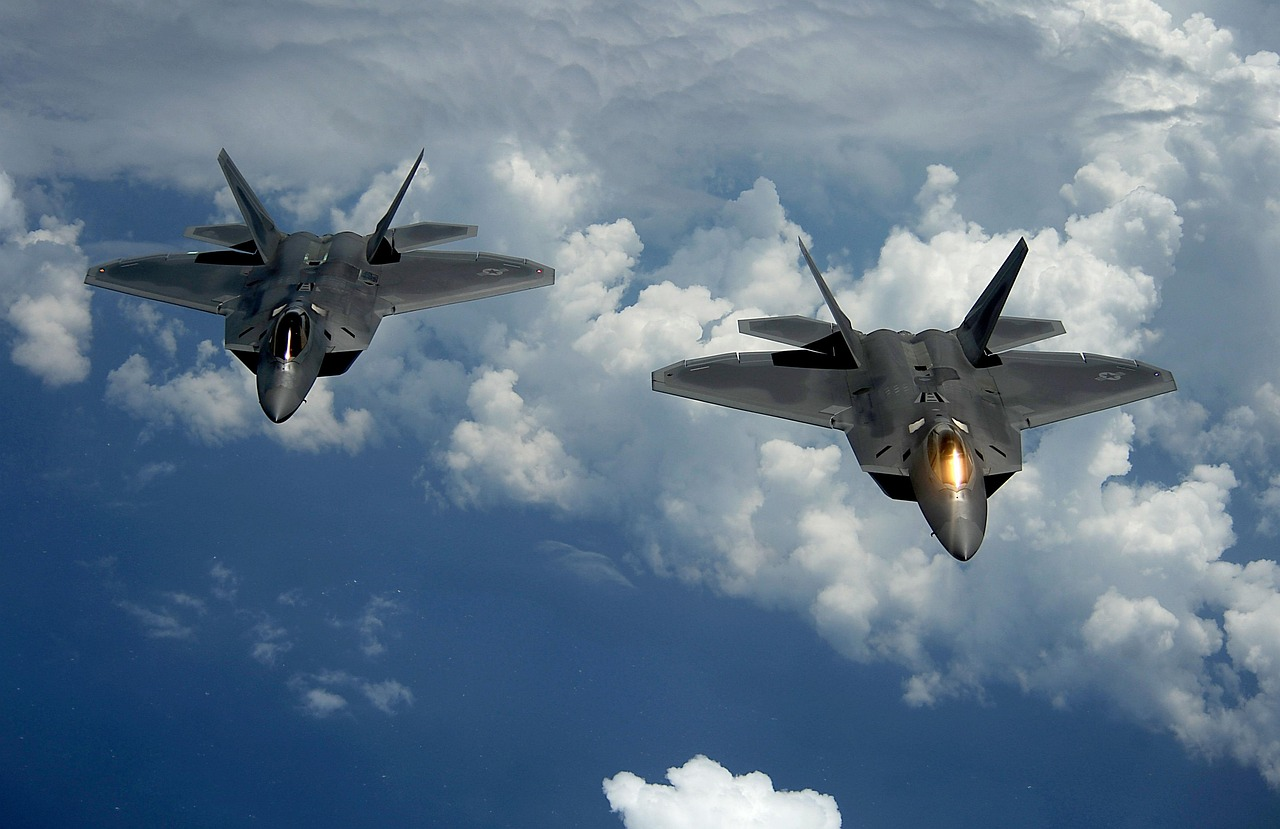
Today, as we remember the valour of 1971, let us also remember Gunner Premachandran – who rode his motorcycle into history, trusting his machine, his Commanding Officer, and his destiny. And let us remember Brigadier Thadani, a leader who carried that trust in his heart to his grave.

Kerala Media

We are deeply grateful to the media in Kerala – both print and visual – for covering the event in such detail. Their thoughtful reportage ensured that the stories of sacrifice and valour reached every corner of the state.

The Murder of Sovereignty: A Moment of Global Reckoning

By Veteran Brigadier Azad Sameer

As of today, the world stands on the precipice of a contrived calamity. The joint U.S.-Israeli attack on Iran represents a profound breakdown of the international rules-based order. By targeting sovereign leadership and infrastructure during active diplomatic negotiations, these actions do more than ignite a regional war; they dismantle the very concept of Just War Theory and the sanctity of the UN Charter.

​​A Violation of Law and Logic

​Under the pretext of preventing nuclear proliferation, the aggressors have sidestepped the International Atomic Energy Agency (IAEA) and the UN Security Council. It is a bitter irony that the United States—the only power to have ever deployed atomic weapons and a nation currently retaining a stockpile capable of ending civilization multiple times over—is now the primary actor in an unprovoked assault to prevent a hypothetical threat.

​Just war theory requires last resortlegitimate authority, and proportionality. None of these pillars are present here. To attack while diplomats are at the table is to acknowledge that force is the first choice, not the last. To carry out political assassinations is to engage in extrajudicial state-sponsored violence that invites a cycle of retaliation, which we are now witnessing as the Middle East descends into chaos. Historically we have seen that this type of unilateral use of force has been the cause of breeding and growth of terrorism. The current situation only aggravates that problem.

The Fallacy of the Global Policeman

​A dominant rationalization offered by the aggressors is the tyrannical nature of the Iranian government and its history of internal oppression. However, this argument is primarily inconsistent and legally hollow. The in-house political struggle of a nation belongs solely to its people; it is not a mandate for foreign powers to act as global judge, jury, and executioner. By initiating a military operation for regime change under the facade of liberation, the U.S. and Israel have unilaterally appointed themselves as global policemen—a role that violates the foundational principle of state sovereignty.

​The idea that a state can be bombed into democracy is a historical absurdity. If the Iranian people seek to challenge or change their leadership, that is their inherent right and their struggle to wage. When external powers interfere through high-altitude strikes and political assassinations, they do not bring freedom; they bring chaos, martyrdom, and the destruction of the very civil society required for internal reform. International order cannot survive if tyranny becomes a subjective thumbs up for any nuclear-armed power to dismantle a sovereign neighbour.

Historical Amnesia

This historical pattern of interventionism is not an anomaly, but a continuation of a destabilizing doctrine. From the decades-long morass in Afghanistan to the 2003 invasion of Iraq—launched under the false pretences of weapons of mass destruction—the United States has repeatedly bypassed international law to pursue regime change. The 2011 intervention in Libya further illustrates this catastrophic cycle; what was framed as a humanitarian mission to protect civilians quickly devolved into the state-sponsored assassination of its leader, leaving a power vacuum that turned the nation into a failed state, a civil war and a marketplace for modern slavery. The western intervention in Iraq resulted in the country being fractured to pieces and the establishment of the dreaded Islamic state and organizations like the ISIS. Until the sanctions hit hard Iraq was near ideal secular state. What a demonic transformation? Afghanistan marked the return of the Taliban. Dreaded Terrorists have returned to power in Syria too. In every instance, the forced dismantling of sovereign structures did not yield the promised democracy. Instead, it fractured civil society, displaced millions, and created fertile breeding grounds for extremist groups like ISIS and Al-Qaeda. By ignoring the lessons of these ruins, the current aggression against Iran risks repeating a history where liberation serves only as a precursor to enduring regional chaos and the global proliferation of terror.

The BRICS Response: Rhetoric without Resolve

​The expanded BRICS+ bloc has issued a joint statement strongly condemning the violation of Iranian sovereignty. However, this response remains strategically way too insufficient. While China and Russia have categorized the attacks premeditated aggression, they have stopped short of offering any material or military deterrent. By limiting their intervention to diplomatic notes and calls for dialogue at a toothless UN, BRICS has apparently highlighted its inability to propose a functional security alternative. This disinclination signals to the aggressors that while the Global South may dissent morally, it lacks the resolve to stop the dismantling of sovereign states by force.

The Connivance of Continental Silence

Simultaneously, the response from the European Union has been characterized by a lukewarm, strategic ambiguity that borders on moral bankruptcy. Rather than acting as a principled mediator or a champion of the international legal framework it claims to uphold, the EU has issued hollow pleas for de-escalation that fail to name the aggressors or acknowledge the illegality of the strikes. This paralysis stems from a deep-seated reluctance to break ranks with Washington, yet such subservience effectively signals that the rules-based order is a selective privilege rather than a universal right. By offering only bureaucratic hand-wringing in the face of a sovereign nation’s dismantling, Brussels is setting a catastrophic precedent that erodes the security of all mid-sized and smaller states. This collective silence is not merely a diplomatic failure; it is an invitation to future lawlessness. If the sanctity of borders and the immunity of leadership can be discarded today in the Middle East without a forceful European rebuke, there is no logical or legal barrier to prevent similar military adventurism in other strategic territories. Today the target is Tehran, but a world without enforceable sovereignty is a world where even the quietest corners of the globe—perhaps even the resource-rich expanses of Greenland—could tomorrow find themselves in the crosshairs of a nuclear power’s unilateral security interests. Failure to act now transforms the EU from a bystander into an architect of a new era of global anarchy.

​The Need for Urgent Action

​The retaliation from Iran and its allies is the predictable result of a sovereign state being pushed to the brink. When the world allows one or two nations to dictate the internal politics of others through fire and steel, it signals the end of global stability.

The rest of the world must react. If the international community does not move beyond urging restraint to an explicit condemnation and active diplomatic isolation of the aggressors, we are effectively endorsing a world where might is the only right. We must demand an immediate cessation of hostilities. The alternative is a total war where the primary casualties are the innocent millions who have no say in the games of nuclear-armed titans. Are we heading into global anarchy? Time is running out.