Recently I came across a video clip about TWG’s Yellow Gold Bud Tea. This tea is believed to have been once the favourite of Chinese emperors and as precious and costly as gold. In fact, each tea bud is lavished in 24-karat gold, which once infused, yields a delicately metallic and floral aftertaste.
In the Sixties, during our childhood days, back home in Kottayam, the regular morning brew was coffee. Ripened red coffee beans were plucked from the coffee trees that grew in our homestead and after being sun dried their outer covering was removed. The beans were then fried until they turned black and ground to a powder at the nearby mill, to be stored in airtight containers. The coffee powder was put into a copper vessel with boiling water and was left for a few minutes for the coffee to be infused and the thick powder settled at the bottom of the copper vessel. The extract or decoction was now mixed with milk and sugar and then served to all. Just thinking about it makes one salivate.
The taste of that home-made coffee is now history. With the advent of rubber plantations, all coffee trees were cut to make way for rubber. Thus, the end of home-made coffee powder. We now source our coffee powder from various commercially available brands in the market. Sad change.
Happy change. I took to drinking tea on joining Sainik School, Amaravathinagar, Thamizh Nadu, at the age of nine in 1971. Tea was served to us early in the morning prior to Physical Training, at 11 o’ Clock between classes and in the evening prior to games. Every cadet took a liking to this tea as everyone looked forward to it. For many it served as a clock as none of us wore a wristwatch. The tea had some magic in it as it had the innate quality to kick start all the important events in a cadet’s life!
What was so special about this magical concoction? The taste of this tea is beyond words, and could never be replicated. We tried hard to analyse the secret of this addictive tea. What was special about it? It could be the special blend of the tea leaves or the way in which it was cured. Or perhaps it was the sublime effect of the Amaravathi River waters, the vessel in which it was brewed, or the cloth used to filter it – the possibilities were endless. It remains a mystery to all of us, but it attracts most alumni to the school every year and they gleefully indulge in consuming steaming cups of this divine tea. Some Cadets even claimed that it was made with donkey’s milk.
Another most memorable cup of tea that I have had was the tea served by soldiers at the Sadhna Post at Nastachun Pass. This pass is located at about 10,000 feet Above Sea Level at the entrance to the Thangdhar Valley on the Indo-Pak border. The narrow one-way road from Chowkibal (about 100 km from Srinagar) was cut along the mountains to Nastachun Pass and then down into Thangdhar Valley. The road being narrow could only accommodate one vehicle either way. To ensure a smooth flow of vehicles, all traffic was regulated by a convoy system. The up and down convoys left from Thandhar and Chowkibal at about 8 in the morning and 2 in the Afternoon respectively. The vehicles on reaching Nastachun Pass parked there, awaiting all vehicles to fetch up from either side.
During this wait, soldiers manning Sadhna Post served tea to all. It was real refreshing cup of tea as one was both physically and mentally tired traversing up through the treacherous roads with many hairpin bends. It was a magic potion that invigorated tired limbs and ebbing spirits.
During winter, the road and the mountains got covered with over ten feet of snow. The only way to cross over was by foot columns. The foot columns operated at night, two days after a heavy snowstorm to avoid avalanches. The foot column consisted mainly of soldiers proceeding or returning from leave from their homes, porters carrying essential supplies – fresh vegetables and milk, mail, etc.
It took about four hours of strenuous climb to Sadhna Post and was a sure test of anyone’s mental and physical abilities. It was a kind of surreal experience. On reaching Sadhna Post, everyone was welcomed by the soldiers with a hot ‘cuppa,’ a cup of tea that was the most refreshing and tasty – it simply was the best . To my mind, it could very well be compared to Amrit – the nectar of immortality in Hindu mythology. The climb down from the Sadhna post appeared easier but was just as treacherous, if not more, due to the tendency to slip and fall.
I have never tasted the Yellow Gold Bud Tea, the specialty of the Chinese emperors. But I am certain that it will pale into insignificance when compared with the Amravathi Special or the Sadhna Post Amrit!
Swamiye Sharanam Ayyappa – this is the chant every Lord Ayyappa devotee utters, especially on pilgrimage to Sabarimala, on the Western Ghats of Kerala, India, the abode of the Lord Ayyappa. He is revered by most Hindus of South India. He is believed to be the son of Shiva (God of destruction) and Mohini – the female avatar of Vishnu (preserver and protector of the universe). Any devotee undertaking pilgrimage to Sabarimala is expected wear a Rudraksha chain, observe 40 days of fasting, penance and continence, walk barefoot, wear black dress, etc.
Another name of Lord Ayyappa is Sastha which means Buddha. Buddhism is believed to have entered in Kerala by 3rd Century BC. The constant and repeated chants, especially the word Sharanam is that of the Buddhists. The chain the pilgrims wear comes from the Rudraksha chain of the Shaivites. The strict fasting, penance and continence is taken out of the beliefs of the Vaishnavites. Ahimsa is taken from the Jains.
Myth has it that the King of Pandalam, childless, got a baby from the forest and took him to his palace and called him Manikantan. Later, the Queen delivered a baby and the she wanted the adopted son to be thrown out. Conniving with the Minister, the Queen pretended to be ill with the royal doctor prescribing Tigress’ milk as cure. Manikantan was tasked to procure Tigress’ milk from the forest. Knowing the intent of Manikantan’s visit, the King of the Gods, Indra, transfigured into a Tigress. Manikantan climbed on top of the tigress and led the way back to the Palace. Manikantan pardoned everyone who plotted against him and nominated his younger brother to the throne.
He then took the King to the forest , blazed an arrow toward a hill and asked the King to construct a shrine for him where the arrow landed. He also requested his father to come annually to visit him at the shrine.
It is believed that the Pandalam Royal Family are descendants of the Pandya dynasty of Madurai, Thamizh Nadu. The Pandya King fled to Kerala after losing the battle against Malik Khafer, General of Delhi Sultan Alauddin Khilji and settled in Pandalam in 1202 AD.
There is an Islamic angle also to the belief in Lord Ayyappa. Vavar, a Muslim forest brigand was shown the path of righteousness by Lord Ayyappa and he became the trusted lieutenant of the Lord. When Lord Ayyappa took to his abode at the hilltop of Sabarimala, Vavar took up his position at the foothills in a Mosque at Erumeli. Ayyappa devotees on pilgrimage first pay their respects to Vavar at the mosque before undertaking the trek uphill to the Temple.
What is the significance of Lord Ayyappa to me, a Syrian Orthodox Christian and an Indian Army Veteran?
In December 1982, I was commissioned as a Second Lieutenant to 75 Medium Regiment of Artillery. A regiment in Artillery is divided into three gun Batteries. A Battery operates six guns, manned by about 150 soldiers. The Regiment then had an interesting class composition. One battery was of Brahmins (other than those from the Southern and Eastern States of India), the second had Jats and the third was manned by the soldiers from the four Southern States. In those days, any Young Officer posted to the Regiment would serve with each of the batteries for one or two years in order to make them familiarise with the soldiers. I too went through this rotation beginning with the Brahmins, then with the South Indians and then with the Jats. On promotion to the Rank of Major, I took over command of the Brahmin Battery with Major Joginder Singh, a Sikh, commanding the South Indian Battery.
The War Cry of the South Indian Battery was ‘Swamiye Sharanam Ayyappa.’ It is believed to have been introduced by Captain AN Suryanarayanan, who was the Adjutant of the Regiment in the early days of the Regiment. He later rose to command the Regiment and is now a Veteran Brigadier.
‘Sawmiye Sharanam Ayyappa’ reverberated on the battlefield when the Regiment saw action during 1971 Indo-Pak war during the Battle of Basantar River. Our Regiment was honoured with the Honour Title ‘Basantar River’ based on the Regiment’s performance in war.
Lord Ayyappa is a warrior deity and is revered for his ascetic devotion to Dharma – the ethical and right way of living, to deploy his military genius and daring yogic war abilities to destroy those who are powerful but unethical, abusive and arbitrary. Hence ‘Swamiye Sharanam Ayyappa’ is an apt Regimental Battle Cry. We said it loudly before we undertook any mission, before commencement of engaging the enemy with our guns, while on training, while on the playing fields, at any competitions, and so on; why it reverberated whenever we got together, while in service or post retirement.
Our Regiment might be the only Indian Army entity to have the War Cry ‘Swamiye Sharanam Ayyappa.’ Hindus, Sikhs, Christians, Muslims, Jains, Parsis – irrespective of our religious faiths, we all cried out loud ‘Swamiye Sharanam Ayyappa.’
Offering free meals to anyone and everyone is a great Sikh tradition known as of Langar (लंगर). It has remained a core part of the Sikh faith from inception. Every Sikh temple or Gurdwara (गुरुद्वारा ) around the world offers people a free meal at any time regardless of sex, colour or religion. There are no rituals involved and everyone eats together. The aim is to inculcate the feeling of equality amongst all, a Sikh teaching around equality.
When the state of Kerala faced disastrous floods in August 2018, Sikh volunteers from the UK- based philanthropist group – Khalsa Aid – reached Kerala and setup a Langar at Kochi for some 3,000 people. On seeing the plight of the people, they expanded the Langar relief to serve 13,000 people twice a day.
These Sikh volunteers, joined hands with Kochi administration, took over the kitchen at Rajiv Gandhi Indoor Stadium at Kochi, where the aid materials were pouring in. Food supplies and cereals like wheat, rice, vegetables poured in, but with no one to cook a meal. The Sikh volunteers purchased spices and utensils, took over the kitchen at the stadium and kept the kitchen fires going. The food from this kitchen was distributed at various relief camps for the needy.
Hardly any media or social media showed the contribution of the Sikh volunteers in bringing succour to the flood affected. The Kerala Government and administrative officials seemed ignorant about the contribution of the Sikh volunteers as there was hardly any gratitude expressed for these volunteers.
Let us now turn a few pages of Kerala history to 1923.
As per the caste system prevalent in Kerala (then broadly divided into Malabar, Cochin and Travancore kingdoms) and the rest of India of that time, low-caste Hindus were not allowed entry into the temples. They were not even allowed even to walk on the roads that led to the temples.
In the Kakinada meet of the Congress Party in 1923, TK Madhavan presented a report citing the discrimination that the depressed caste people were facing in Kerala and the need to abolish untouchabiity – a practice in which some lower caste people were kept at a distance, denied of social equality and made to suffer for their touch was considered contaminating or polluting the higher caste people.
In Kerala, a committee was formed comprising people of different castes to fight untouchability. Satyagraha movement began on 30th March 1924 at the Mahadeva Temple at Vaikom town in Travancore, which denied entry of lower caste people – mostly Ezhavas. Satyagraha is a form of nonviolent resistance or civil resistance and the term was coined and developed by Mahatma Gandhi to oust the British from India. People who offered satyagraha are called Satyagrahis . The Satyagrahis in batches entered the temple and were arrested by the police.
On 01 October 1924, a group of forward caste Hindus marched in a procession and submitted a petition to the Regent Maharani Sethulakshmi Bai of Travancore with approximately 25,000 signatures for allowing entry to the temple for everyone.
On 23 November 1925, all the gates of the temple were opened to all Hindus except the Eastern gate. In 1928, backward castes got the right to walk on public roads leading to all temples in Travancore. This was the first time that an organised movement was conducted on such a massive scale for the basic rights of the untouchables and other backward castes in Kerala.
As the sathyagraha commenced in 1923, a few Sikh volunteers reached Vaikom in support of the demonstrators. They established a Langar there to feed the Sathyagrahis. How they reached Vaikom from Punjab in those days with a scant railway network and how they cooked food for Keralites who only ate rice got to be researched.
This is an archived image of the Sikh volunteers with Ezhava sathyagrahis.
After successfully completing the Satyagraha and after the Temple Entry Proclamation, some of the Sikhs remained in Vaikom. Some Ezhava youth were attracted to the concepts of Sikhism. It is believed that many Ezhavas joined the religion. Many families later returned to Hinduism and the number of Sikh Ezhavas dwindled.
In Sikhism, the practice of the Langar is believed to have been started by the first Sikh Guru, Guru Nanak. The concept of Langar was prevalent in Punjab from the 12th Century – from the time of Baba Farid and Sufi saints. Guru Angad, the second Guru institutionalised it for all Sikh temples. Guru Amar Das, the third Guru established langar as a prominent institution and required people to dine together irrespective of their caste and social rank. He insisted on all those who visited him attend laṅgar before they could speak to him.
From the beginning till date, Sikhs have followed the words of their Gurus and have been rendering yeoman service to humanity by providing food not only in their places of worship, but also to the needy wherever and whenever it is required.
Hats off to the spirit and commitment of this great community of Sikhs.
Disaster struck Kerala in August 2018 in the form of heavy rains, which created floods and landslides causing unprecedented damage to the people, property and ecology. The tragedy struck Kerala just prior to Onam festival to welcome the mythological king of Kerala – Mahabali. I am reminded of the Onam song ‘മാവേലി നാട് വാണീടും കാലം, മനുഷ്യരെല്ലാരും ഒന്നു പോലെ’ (When Mahabali ruled, the people where all together). When the tragedy struck causing havoc to human life, the people of Kerala, irrespective of their faith or religion came together to save fellow humans.
What are the lessons to be learnt from the way this tragedy was handles at all levels – from federal government to the local village administration to the last man standing.
Youth Power. The youth of Kerala were the first to emerge and organise themselves into small groups and bring succour to those affected. They forgot their well known political rivalries and united to show that they can surmount any tragedies. Girls and boys – all put their hands on deck, working day and night – to organise rescue and relief.
Political Strength. The ruling coalition and the opposition – all came together to work with a single aim to bring succour to the flood affected people of Kerala. The strength of the grass-root organs of all political parties showed their mettle in bringing relief to the people. Only one political party and its various outfits did not play their part and they have been ‘trolled out’ in the social media.
Religious Organisation. Various religious organisations and institutions opened their gates to accommodate all those displaced by the tragedy. Muslims were reported to be cleaning Hindu temples and Christians taking shelter in temples and mosques – the list is endless. In effect – Gods (with their Godmen) were submerged – Humanity emerged.
Supermen Fishermen. The role played by the fishermen of Kerala in rescuing the people – especially in the hilly areas where they would have never dreamt of taking their boats – would be etched in gold in Kerala’s history. They were poor fishermen, who left their families near the seashore and ventured inland to save their brethren without caring for their personal safety and without even asking for any compensation for their loss of livelihood and damage to their boats.
State Machinery. Unlike what was seen in other Indian states, the state machinery from Members of Parliament, Members of Legislative Assembly, District Collectors – all were out in full force to help the victims. Some of them were seen physically handling rescued persons and rescue materials. The role played by two women District Collectors – Ms TV Anupama, in-charge of Thrissur, and Ms K Vasuki, in-charge of Thiruvananthapuram – needs a special mention. The leadership of the Chief Minister Mr Pinarayi Vijayan proved that he is a man with a vision and a good leader by maintaining a cool head and providing necessary instructions in ensuring that no stone was left unturned in providing relief to the flood affected. It is no wonder that he is nicknamed ഇരട്ട-ചങ്കൻ (Iratta-Chankan) meaning man with double hearts.
Local Government. Kerala state has a well established local government at City/ Town/ Village levels. They were the first to organise rescue efforts without awaiting any orders from the top. They worked in tandem with the Armed Forces, National Disaster Management Force (NDRF). Kerala Police, Fire Force and various other agencies. They provided helpful terrain and water-flow information to the rescue teams, provided guides and all other possible assistance.
Role of Media. The Malyalam media played their part well in informing people about the floods, passing information about people stranded at various places and rescue efforts in progress. National English and Hindi media might not have had adequate interest in Kerala, but after a few days they also pitched in. It is pertinent to mention here that in the early days of the flood, various international media houses gave more airtime to cover floods in Kerala than the Indian English and Hindi channels.
Social Media. The social media had a very positive impact on the rescue missions being undertaken. Victims could communicate with the rescue teams and people outside and was of immense help. The social media ensured connectivity with the world community, especially with many Keralites working or settled abroad, wishing to know the status of their near and dear ones. There were a few cases of rumour mongering reported and the state police has already registered cases to deal with them.
Federal Government. The role played by the Central Government calls for some retrospection. When monetary and material aid started flowing from many countries with sizeable Keralite work force, the Central Government refused to accept it. The Central Government initially granted 100 Crore which was later revised to 500 Crore – a tiny portion of the money needed for rehabilitation of the flood affected. The Union Food Minister wanted the state to pay for the food grains released, but later, succumbing to the pressures of Kerala’s political leadership, the decision was reversed. It might be the first time in Indian history that various persons and business houses and many state governments and organisations have donated much more than the money given by the Central Government for disaster rehabilitation. Is it all because the ruling party has hardly any presence in the state?
That was the Kerala model of disaster management. There is a need to iron out many folds and deficiencies, but the common folks in Kerala have risen up to the occasion. An Indian Army officer undertaking rescue operations said “I did not see any victims; all I saw were Heroes.”
During the first week of September 2017, I visited our ancestral home at Kottayam in Kerala State of India. The last time I was at our ancestral home in the month of September was in 1971, prior to my joining the Sainik (Military) School at the age of nine.
St Mary’s Church in Manarcaudu village, the village adjacent to ours, celebrates the feast of the Nativity of Virgin Mary on September 8. The first eight days of September are observed as Eight Day Lent by the devotees. This occasion attracts thousands of pilgrims from all religions, Hindus, Muslims and Christians.
On the sixth day of the Lent, a historic procession called Raaza is taken out. The Raaza is accompanied by traditional drums of Kerala – Chendamelam and caparisoned elephants. Thousands of devotees from far and wide participate in the celebrations, carrying Muthukkuda (Royal Umbrellas), lavishly decorated umbrellas with silk parasols and silver crosses.
On the seventh day of the Lent, the ceremony of Nada Thurakkal (opening of the sanctum sanctorum) is held. This enables the devotees to have Darshan (Holy Viewing) and venerate the Holy portrait of holy Mother Mary with child Jesus in her hand. Such ‘darshan’ of the portrait is then closed after a week.
On the eight day of the Lent, Pachor (a sweet dish made from rice, milk and jaggery), prepared by the church, is offered to all devotees. In the evening of the eight- day lent, the culmination of the festival is marked by a spectacular display of fireworks. After the fireworks, parish members perform traditional art forms like Margam Kali – a group dance by women – and Parichamuttu Kali – a martial dance by men – with songs tracing their origins to the evangelistic activity of St Thomas.
A granite cross known as Kalkurisu (Stone Cross) is located at the rear side of the church. Lighting candles around this stone cross is an important ritual in this church. Many of the devotees who come to the church to take part in the Eight Day Lent, after taking a ritual bath, roll themselves on the ground around the cross and light candles there. It is believed to have a miraculous cure.
There are two ponds next to the church, one on the northern side for women and on the western side for men. Taking bath in these ponds is believed to have miraculous healing powers.
In the centre of the hall of the Church burns the Kedavilakku (the eternal lamp or lamp that is never put out).
The rituals, the structural architecture, traditions and customs, all point to the natural amalgamation Indian Hindu culture with the Christian belief that the Syrian Christians of Kerala follow. Christianity in Kerala is believed to have been established by St Thomas, a disciple of Christ, in the first century.
Rev. Joseph Pit, an Anglican Missionary who visited the church in 1836 was surprised to find a large crowd of pilgrims in the church and its premises. He chronicled that “I heard that some Christians observed a special lent for a week in the name of St. Mary in Manarcaudu. They observed it in the church by avoiding certain items of food, taking daily bath and by attempting to make themselves holy….. More than 2000 pilgrims had assembled in the church and its premises.”
About 400 meters from the St Mary’s Church is the Sri Bhagavathy (Goddess) Temple. According to local folklore, St Mary and the Bhagavathy are sisters. At the temple’s annual festival, the priests carry the Goddess around the village on top of an elephant to receive offerings from the people. The Goddess on this journey stops at the Church to meet her sister Mother Mary. When the Goddess arrives at the church to meet her sister, the congregation of the church receive the Goddess and makes a donation to the temple – money and a tin of oil for the temple lamps.
The devotees coming to Manarcaudu, the Hindus pray at the church and the Christians at the Temple for the blessings of Mother Mary and the Bhagavathy. They believe that the pilgrimage is incomplete without a visit to both the sisters.
During my visit to our village in Kerala in August-September 2017, I observed an increased use of cellphones and lack of verbal communication among family members and also among friends. A family on a dinner at a posh restaurant, all the family members were glued to their mobile devices. If it was the aim of the outing, it would have been better at home. The relatives at homes I visited, the scene was no different – each one busy with their devices – smiling at times – may be enjoying the very same joke or watching the very same video clip, with hardly any verbal communication. Wouldn’t it be better in case the same was shared by all?
Another notable aspect was the absence of laptop or desktop computers at home. Obviously the modern cellphone does have much more capabilities than the computer, but it reduces the possibilities of parental monitoring. Fast and cheap data connectivity, at a fraction of a cost as compared to Canada, appears to be the major factor driving children to over-use their cellphone. The Indian parents care too much for their children – they pay for both the cellphone and the monthly bills of their children. Some parents take ‘pride’ in the digital abilities of their young kids and flaunt their kid’s latest cellphone. Could be that some parent is today looking out to be first proud parent of the school to provide iPhone X.
Everyone, at home, travelling or at places of leisure, were all too busy swiping continuously on their mobile devices. They were obviously not reading, but only glancing which is given out by the frequency of their swipes.
The next causality of this ‘digital revolution’ is reading. No one seemed interested in paperback books, newspapers or periodicals. They appear more interested in sharing or forwarding what they received. The comments posted on social media are mostly solitary words. If someone does not read, how can you expect him/her to write?
The ‘sharing and forwarding’ syndrome has nipped creativity in the children and in the youth. The most appreciated video clips are of those children mimicking the movie superstars. Mimicry seems to have become accepted as an art form in Kerala and is the most sternly competed event in the Youth Festivals organised by the schools and also at the district and state level competitions. Most TV Channels air at least a couple of mimcry shows with children as young as Kindergarten kids to grandparents as participants. There are hardly any show to explore the creative talent of the kids and the youth.
Kerala homes about two decades ago had a gravel spread courtyard with a little garden. Every morning the courtyard was swept clean of the fallen leaves. Today there is neither the gravel spread courtyard nor the garden. The courtyards have all been tiled or concreted and the gardens have been replaced by potted plants – some even the artificial ones. No one appears to have time and energy to get up early morning to sweep away the fallen leaves. Further, most fruit trees that adorned the area in front of the homes have been felled. Where are the leaves to fall now?
In our growing days, it was the duty of all the children at home to ensure that the courtyard was kept clean and the garden tended to. As both our parents were school teachers, we had to do the hard work to keep the home beautiful. Nowadays the parents want their children to study all the time and do not want them dirtying their hands. Obviously there is some disconnect.
Two days after I landed in Kerala, the morning newspaper carried the frontline news about the Blue Whale Game, an Internet game that claimed the life of college student. The game allegedly consists of a series of tasks assigned to players by administrators during a 50-day period, ending with the challenge requiring the player to commit suicide like the beached whales.
The parents of the victim claimed that before ending his life, their son did not behave normal and also carved some initials on his body. The victim’s mother said that there were signs that he was taking up the life-risking challenges that Blue Whale administrators ask its users to perform. The victim is believed to have jumped into a river though he did not know how to swim and had to be rescued. In April, once the victim is said to have asked his mother, “What if I die? Will you be upset?”. Two weeks later he committed suicide and before ending his life, he had watched a number of horror movies.
The administrators or curators of the game are in the lookout for kids who visit sites carrying suicidal content or the kids ‘googling’ issues like suicide, self inflicted injuries, etc. The administrator now sends in an invite to join. Once a kid gets in touch with the administrator, he is given a new challenge each day. Then children are supposed to take a photo or video to prove that the challenge is completed.
When kids accept the game, the administrator gets some personal information from them or they extract images and video clips from their device. In case children want to leave or terminate the game, the administrator threatens with exposure or harm to their family. On the fiftieth day, the administrator instructs the participant on how to commit a suicide.
When I discussed this subject with the parents, everyone seem to carry a misconception that “Our children are God fearing and respectful to their parents. They will never visit such sites.” No one appeared concerned about it and the news channels carried the news accompanied by verbose discussions by the so called ‘experts’ for a day. Barring a few, most participants in the channel discussions brushed it off as a onetime phenomenon. The clerics blamed it on lack of prayers and fear of God among youth.
The parents got to talk to their kid about the game. The aim being to find out as to whether it has already taken root in the child’ school. In case of any indication, it is best to inform the school about it. The parents need to be aware of mood and behavioural changes of their children and got to go for professional advice to deal with the situation. The quacks and clergy are obviously not the answer to your child’s problems.
Sir is a term for addressing males who have been given certain honours or titles (such as knights and baronets) in Commonwealth Countries and is strictly governed by law and custom. The term is also commonly used as a respectful way to address a commissioned military officer – surely not civilians. Equivalent term in the feminine gender is Madam and a young woman, girl, or unmarried woman may be addressed Miss. A knighted woman or baronetess is a Dame and a Lady, the wife of a knight or baronet.
In Kottayam, Kerala, there is a girls’ school called Baker Memorial Girls High School. The school was established by Amelia Dorothea Baker (1820-1904) of the Church Missionary Society (CMS). Miss Baker married John Johnson, another CMS missionary, who passed away in 1846. Miss Baker remained in-charge of the school in Kottayam till 1855. Her two sisters married CMS missionaries and three daughters of her brother Henry Baker Jr became teachers at the very same school. (Biographical Dictionary of Christian Missions, edited by Gerald H Anderson, Page 336)
The school today stands as a memorial to celebrate the efforts of the three generations of missionaries who dedicated their lives for the empowerment of the women of Kottayam through education. Common folk of Kottayam until my student days called it as Miss Baker School. Remember, it was during the British Raj and everyone addressed the founder headmistress of the school, very respectfully, as Miss Baker. Today, could any student in the very same school address their teacher Miss Anita? I have often heard them addressing their teacher as Anita Miss (I could never make out as to what Miss Anita ‘missed’!)
On joining Sainik School, Amaravathi Nagar, Thamizh Nadu in Grade 5 in 1971, our first Class-Master was Mr MJ Raman, our Mathematics teacher. We were about 25 of us from Kerala and only one could understand English and the rest 24 of us knew only Malayalam. In our first class Mr Raman issued us books, stationary, etc and briefed us in English and I did not get any of what he said.
We then had English class by Mr KG Warrier. He asked us something like “Who asked you to do it?” in his Oxford accent and the Cadet who knew a bit of English promptly replied, “Raman Sir told us to do it.” Mr Warrier said “I know that Dr CV Raman was knighted but did not know that Mr MJ Raman was also knighted. You all will address your teachers as Mister or Miss followed by their surnames.” Those words were imprinted on our young minds and through all these decades until now, we have always revered our teachers but invariably addressed them as Mister or Miss, orally and in writing. Culturally, in Kerala as well as the rest of India, these modes of address have undergone mutation. Today, it is sacrilege for a college/ university student to address his professor as Mister Singh.
In Canadian high schools, students mostly address their teachers as Mister or Miss followed by their surnames. In universities, some professors during their introduction class specify their requirement. Some want to be addressed in the traditional manner and many with their first names or even shortened first names.
While interacting with an Indian immigrant teacher in Canada, he said he felt uncomfortable when the students addressed him as Mr George. He had taught in a college in India for over two decades and everyone addressed his as Sir and he felt that the Canadian students are disrespecting their teachers by not addressing them as Sir.
Addressing male teachers as Sir and all females irrespective of marital status as Miss shows a massive status disparity and sexism of previous years. According to Times Educational Supplement, Sir was first used in Sixteenth Century classrooms when male teachers of a lower social standing were attempting to reinforce their authority among largely upper-class boys. Miss (not anywhere near the status of Sir) is largely a Victorian era creation when women were pressurised to give up work after they married, with a number of schools only hiring single female teachers.
In the Dutch education system, children address teachers by their first name, using Juf or Juffrouw as a title for a female and Meester for a male teacher. Australians address their teachers as Mr/Mrs/Ms and surname. Sometimes if a teacher has a long or difficult-to-pronounce name, it is shortened to Mr PK, etc.
In Finland, it’s first names or even nick-names with teachers, no titles or surnames. The whole society there is very informal. French kids use the terms Maîtresse and Maître for female and male teachers respectively, meaning teacher. German students address teachers by using Herr/Frau and surname, using Sie as the polite form (Herr Schmidt, Koennen Sie…).
How do you wish to address your teachers? How do you wish your children addressed their teachers?
Pazhankanji – fermented previous day’s cooked rice soaked in plain water – was served every morning at our home while we were growing up. It was mostly accompanied by a pickle or ഉപ്പുമാങ്ങ (Uppumanga) chutney. Uppumanga is pickled tender mangoes in brine. After harvesting the tender mangos, generally in March-April, they are washed clean, dried and put into a large china-clay pitcher called a ഭരണി (Bharani) with brine and lot of fresh green chillies. The mangos are now left to pickle up and is used to make chutney, with or without coconut, during the monsoons (June till September). At that time availability of vegetables from our farmland around the house depleted as new saplings were planted with the commencement of monsoons. During the monsoons, they would be growing up to yield their produce.
തവി (Thavi)
Amma made chutney with the Uppumanga and the accompanying chillies by grinding it with the small red button onions and grated coconut. She also used it to prepare prawn curry. I relished the brine from the Bharani which had the flavour of both the mango and the chili. My brothers too loved it and obviously it was a strict ‘no-no’ for us to dip our hands into the Bharani as it might spoil the Uppumanga Amma treasured. Our hands could be dirty or wet and she did not want the mangoes to be infected with fungus. She had a special തവി (Thavi), a large ladle made of half shell of a coconut with a long handle made from coconut wood, to take out the mangoes.
Amma cooked every morning prior to leaving to the school where she taught and in the evening on return. The rice for the dinner was cooked in the evening and I observed that she always cooked an extra cup of rice. On inquiry, she said it is for the guests who might come calling on in the evening. In those days the last trip of the bus to Kottayam town was at 7 PM and all relatives who came over had to spend the night at our home. Our home was about 20 km from our ancestral village as our father moved there next to Amma’s school so that she could spend more time at home and with us children.
Any rice left over after dinner was placed in an earthen pot soaked in water and left to ferment overnight at room temperature. We did not have a fridge by then and hence this was the only way to store the leftover rice. Next morning it was served as Pazhankanji. It tasted a lot better when one had it using a spoon made out of a Jack-Fruit leaf as shown in the image above. In case poor and hungry people came calling, were served this. If any of it was still left, it was put in the feed for the cows we reared.
As per Ayurveda and common popular belief, consuming Pazhankanji has the following advantages:-
Rich in B6 and B12 Vitamins.
Easy to digest and hence the body feels less tired and one feels fresh throughout the day.
Beneficial bacteria get produced in abundance for the body.
Excessive heat retained in the body overnight is relieved .
Reduces constipation as this is very fibrous..
It is said to lower blood pressure and hypertension subsides appreciably.
This removes allergy induced problems and also skin-related ailments.
It removes all types of ulcers in the body.
It helps in maintaining youthful and radiant look.
Consuming this is believed to reduce craving for tea or coffee.
From where does the rice, known as കുത്തരി (Kuththari), to make this divine Pazhankanji come from?
തഴപ്പായ് (Thazhappay)
Rice from our paddy field after harvesting is stocked in പത്താഴം (Pathazham), a large wooden box. About 50 kg of this raw harvested rice it is taken out and boiled in the evening in a large copper vessel until the husk break open a little. This is left overnight and next morning it is drained and sun dried on a തഴപ്പായ് (Thazhappay) – a mat of 12 feet by 30 feet made from the leaves of screw pine. We children had to be sentries for the rice being dried in the sun to ensure that the brood of fowls we reared did not feast on the rice and also to shoo away the crows. Another task was to turn the rice over using our hands and feet to ensure exposing of the entire rice to the sun to facilitate even drying. In case one spotted a rain bearing cloud, one had to alert every member of the household to come out to pack up the rice and the mat. In case they got wet, fungus infection was a sure shot thing in humid Kerala. The only other task one was permitted during this sentry duty was to read a book.
After about two to three such rounds of sun drying were complete, the rice was packed in gunny bags and had to be transported to the rice mill for de-husking operation. Our eldest brother was the mission commander and he hired a hand cart and we siblings loaded it up and pushed the cart to the mill with our eldest brother manning the controls of the hand cart in front. At the rice mill, the semi-polished rice emerged out through a chute, the outer husk through another and the edible Bran – തവിട് (Thavidu) through another. We had to collect these in different gunny bags and load them up in the hand cart. After paying up the mill owner was the return journey home. The inedible husk was used as fuel to be burned with firewood to boil the next lot of raw rice and the bran found its way to the cows’ feed.
A part of the rice husk was burned and the residue was sieved and to the fine powder. Salt, powdered pepper and cloves were added to this to form ഉമ്മിക്കരി (Umikkari). This was used as tooth powder by all of us. I was least surprised by the advertisements of modern toothpaste manufacturers claiming that they have all the ingredients that made up our Ummikkari in their product.
In the earlier days, when I was a little child, prior to the establishment of the rice mill, Amma hired women folk to do the de-husking operation in an ഉരൽ (Ural). Ural is a stone cylinder about two feet tall and two feet in diameter. On the top surface, a hole, six inch in diameter and depth is chiseled out to hold rice. There is a five feet tall baton made of hardwood, with a metallic cover at the base, which is lifted up and pounded on the material inside the hole. Perfecting the art of not spilling the contents while pounding is developed over time – to start with for any learner, the speed of pounding is a bit slow, but with practice, the speed really picks up. In my younger days I have seen two ladies doing this in tandem. Real precision timing and coordination is required for each pounding, else it could spell disaster.
With the advent of modern household appliances like grinders, fridges. mixies, etc and availability of pre-prepared, sorted and cleaned rice and various other products have surely reduced the workload, but the taste of the natural rice still lingers on my taste buds. The fridges for sure have made Pazhankanji a history, even in our home.
All things bright and beautiful,
All creatures great and small,
All things wise and wonderful:
The Lord God made them all. Cecil F. Alexander
This was a hymn we sang at the morning assembly at our school. During my vacation in Kerala in April 2017, these lines came back to my mind as I took a stroll through the farmland behind our home. Three small but great creatures caught my attention. They are not great because the Lord God made them all, but because they were my companions as I grew up as a child.
The very first is the Antlion. It is surely neither an ant nor a lion, else a little three year old kid could not have played with them. The Antlion is called so because it feeds on ants and hence is like a ‘lion’ for the ants. In Malayalam it is called കുഴിയാന – Kuzhiyana – meaning an elephant in a pit. It is surely not an elephant, but its hump looks like that of an elephant and it did live in a conical pit. In North America, Antlions are called ‘doodlebugs’, because of the doodles they leave on the sand while looking for a suitable spot to dig its pit. It is in fact the larval form of a dragonfly.
A fully developed Antlion is about a centimeter long, with a larval life cycle similar to that of a caterpillar. At the end of the larva stage, it spins a cocoon and after a few days an adult a dragonfly emerges.
Antlions like to set their pits in places where it is dry and where the soil particles are loose and small. They dig a circular, funnel-shaped pit and hide at the bottom of it. When an unsuspecting ant falls into the pit, the Antlion grabs it with its jaws. The prey cannot escape the pit because the wall is crumbly. As the prey tries to climb up, the grainy wall crumbles down.
Antlion with its bean-shaped body and ant like head appear to move rearwards. As a child, I used to locate Antlions’ pits and blow the sand away with my mouth. As the sand blew away, exposing the Antlion, it would further dig deep down to escape until I caught it. The Antlions caught would be stored in an empty matchbox. After a few of these creatures were caught, I used to line them up like elephants paraded during Thrissur Pooram. The Thrissur Pooram is held in the city of Thrissur in central Kerala (India) and is a cultural highlight that is unique in its pageantry, magnitude and participation. 30 elephants are paraded on this occasion, attired with the traditional Nettipattam (golden headdress), decorative bells and ornaments, decorated umbrellas, palm leaves and peacock feathers, and beautifully-crafted kolam (paintings).
The Antlions grow into dragonflies and would flutter around in search of insects, their staple food. As a kid, I chased and caught a few of them and tied a small thread to their tails so as to control them and make them take short flights. Then I would prompt the dragonfly to pick up small pebbles and increased the size of the stones until the dragonfly could lift no more. This sadistic game ended with the death of the dragonfly, when it severed its head from its torso.
The next creature is the dangerous നീർ – Neer – The Red Weaver Ants . They are found in the tropical forests of Africa, Australia and the Solomon Islands. In India I have found them only in Kerala. All animals, insects, birds and humans are scared of them because of the painful bite they inflict. They are very aggressive territorial ants and tend to be very aggressive and responsive to disturbance. They have a vice like grip and tremendous strength while inflicting a painful slicing bite. With the bite they spray formic acid into the resulting wounds.
They are seen in almost all fruit trees in our farmland, mainly the mango and jackfruit trees. They are natural insect killers as they feast on the fruit flies that hover around these trees. It takes a few minutes for a fruit fly to find a suitable spot on the mango and inject her eggs under the skin of the fruit and make the fruit rot. The weaver ants on these trees chase them away or capture them. When other insects, squirrels or birds detect the scent of weaver ants, they prefer to stay away.
The only catch is that when one needs to climb these trees to get the fruits down. Then one has to apply a strong insect repellent – usually kerosene – and carry a bag full of ash. As one climbs up the tree, ash is spread all around to keep these weaver ants at bay.
These weaver ants are famous for the elaborate treetop nests they build. They are champions of cooperation when it comes to building a nest. They build nests by stitching five to ten leaves together using larval silk. They first find a suitable location on a treetop and then bend down the leaves and place them in a tent like shape. Holding down such leaves demand the force of a thousand ants, each drawing down with all his might and the others fasten the joints to build a spacious nest that protects their colony from impending danger of predators.
Using precise coordination, the weaver ants create very strong ant chains by linking legs to pull and bend leaves into desired tent like positions. Then they glue them with silk. The silk comes from their own larvae. The adults carry larvae in their jaws and squeeze them gently so that the larvae secrete a drop of silk on one end of the leaf edges. The ants then carry the larvae along the entire length of the leaf edges, squeezing as they go, using the larvae like living bottles of glue, until the edges of the leaves are stuck together from end to end.
Weaver ants live in a highly organized, co-operative society, where every individual has a role to play in the survival of the entire colony. Their jobs are based on their physique and they execute the tasks with utmost sincerity and discipline. Those in charge of food bring anything edible back to their colony to feed other ants. They also have a workers army who construct the nests and repair them and very aggressively protect the nests filled with ants and their eggs.
As a child, I used to stand next to the mango tree and observe these ants at work. I used to talk to them, reporting what all happened at home. This time I did watch them curiously, but had nothing to talk to them.
Our friend Suresh Nellikode invited me to watch Adoor Gopalakrishnan’s Malayalam movie ‘Pinneyum‘ on September 13, 2016 at the Toronto International Film Festival (TIFF). I grew up watching classics of Adoor- Swayamvaram, Kodiyettam, Elipathayam and Mathilukal – which remain in my memory. In all these movies I was impressed with the use of natural sounds with minimum background score, unlike many Indian movies.
In his latest venture ‘Pinneyum’ (Once Again), he has captured the natural sounds and used it to convey the time and the environment to the viewer. Was it that effective like his earlier attempts? Has Adoor done justice to the natural sounds which obviously changed with the times in Kerala’s rural background spanning a timeline of over 17 years?
The first time I left Kerala was to join Sainik School Amaravathinagar, Thamizh Nadu in 1971 at the age of nine. Every year I came home for the summer vacations. During this homecoming, I could not make out any changes to the ambient sounds of nature. The wind created music, caressing the paddy fields downhill through the tapioca and pineapple cultivation uphill to our home. A few notes changed with the swaying of the coconut trees and the tropical fruit trees – tamarind, bread fruit, jack fruit – that grew abundantly in our homestead. The air had the aroma of the flowers in bloom or the fruits that had ripened. The road in front of our home had scant traffic with a few cars and the hourly bus service, only connection to Kottayam town.
Only one or two homes in the village, of those who could afford, had a telephone and a car. Obviously we could not afford either. Even a wall clock and radio were rarities. We had a wall clock, a mechanical pendulum one, which struck once every half hour and the number of hours at the hour. This striking sound was a break from the sounds of nature – from the birds’ chirping and calls and the shrill cries of the crickets and the flying lizards – an evolutionary link between lizards and birds – which flew from one palm tree to another in search of insects. Every household in the village reared cows, goats, chicken and ducks. Their moos, bleats, rooster’s crowing and hens’ songs – filled the air all through the day.
The evenings marked prayer time and as one strolled along the road, one heard readings from the Bible, hymns and devotional songs – both from the Hindu and Christian homes. The nocturnal music of the nature was very much different with the owls, insects and dogs pitching in with their parts.
The artificial sounds that one heard once in a while was from the Chenda (drums) of the announcer who came along the road to announce the release of a new movie in the village talkies – a thatched theater. The temples and churches hired the Mike Set (Public Address system) and the Chenda Melam (ensemble of drums ) only on the annual festival days. A Gramophone was a vital element of the mike set. Luckily in those days the songs lasted only three minutes as one side of the gramophone record could only hold as much.
The early eighties brought prosperity to our village due to the increased salary of government employees, higher prices for the cash crops and spices the village produced and many seeking employment in foreign lands, mainly in the Gulf countries. Our eldest brother moved to Sultanate of Oman.
The natural music I was used to during my annual vacations started to be corrupted by the artificial ones. With every passing year, the changes were audible.
That was when the first Television came into our home beaming the national channel Doordarshan. On Saturdays they telecasted a Malayalam movie and all the neighbours congregated at our home. Our eldest brother brought in a digital electronic clock which chimed its musical notes every fifteen minutes. Now the old mechanical clock got pushed away on to the wall of the side room and its Japanese cousin took its place of pride in the family room. We also got a telephone connection and the metallic ringing sound of the rotor dial telephone also added to the milieu.
Exorbitant labour costs, pests and crop diseases turned the village to rubber plantations. Most tropical fruit trees were cut, tapioca and pineapple cultivation discarded – all to make way for the rubber trees. The herbal plants which grew abundantly became extinct. Many species of birds and the flying lizards disappeared as they could neither nest among the rubber trees nor could find any food. Rice cultivation disappeared too being uneconomical. Thus Kerala turned into a consumer state.
The traffic on the roads kept increasing manifold with new varieties of automobiles – from motorbikes to large trucks. The Churches and Temples procured their own Mike Sets and the competition to please their Gods with highest possible decibel levels all through day and night commenced. Thus the natural sounds now gave way for more synthetic tones. The noise of the wind passing through the rubber trees was no more music to the ears. Why, even the aroma in the air had disappeared.
The nineties marked the opening of the Indian economy and with it came telephones and televisions in every homes in the village. The rotor dial telephone made way for their electronic avatars. Cable Television came in without any government controls or regulations and in the absence of any red-tape, each and every home joined the cable yugam in a matter of few weeks. This resulted in the many channels reaching the homes and families getting closeted indoors glued to the television.
With the turn of the century, cows, goats and fowls disappeared from the cow-sheds and pens. Every house had a car parked in the porch. The era of Bible reading and hymn singing evenings ended as everyone got fixated to the tear jerking serials various channels beamed with vengeance to each other and to humanity.
This aspect of changing sounds was missing in Adoors ‘Pinneyum’ with the story-line spanning about 17 years. He, well known as a perfectionist in the art of movie making, has captured even the minutest sounds like the coconut leaf dangling in the temple rubbing the shoulders of the actors. It is a puzzle as to how Adoor failed to capture the changing sounds to depict the timeline in his movie.
Kerala state in India was carved out of the Madras State in 1956 as a result of reorganisation of states based on linguistic lines. Until then, it was called Madras State – a name that was derived from Madras Presidency of British India. The then state of Madras was reorganised into four: Madras, Mysore, Andhra Pradesh and Kerala based on the linguistic majority of Thamizh, Kannada, Telugu and Malayalam respectively. Incidentally ‘Malayalam’ is the only language in the world which forms a Palindrome- when spelt in English would read the same both right to left and in Arabic style left to right. A person whose mother tongue is Malayalam is called a Malayalee. In recent times the nextgen has stylised this to ‘Mallu’.
Madras State was renamed Thamizh Nadu in 1969 and their Kannada speaking brethren renamed Mysore to ‘Karnataka’ in 1973. Andhra Pradesh was further subdivided to form Telangan State in 2014. The city of Madras changed its name to Chennai in 1996. The only vestige of the erstwhile Madras Presidency in the Indian Army is the Madras Regiment – a group of Infantry Battalions and Madras Engineering Group (MEG) manned by soldiers from the erstwhile Madras Presidency states and in the civil front, the Madras Cricket Club (MCC). Even though the Madras Presidency became history and the Madras city changed its name to Chennai, the North Indians, until recently continued to refer to the people by the demonym ‘Madrasi’, perhaps in a wee bit derogatory sense and therefore deemed an ethnic slur.
There is also a French connection to this ethnic, linguistic and colonial chaos. The French in the Seventeenth Century established trading posts in South India at Pondicherry, Karaikal and Yanaon on the East Coast in the Thamizh speaking area and Mahe on the West Coast in the Malayalam speaking region. Post Indian independence in 1947, the French continued to hold these areas until 1954. A general election involving 178 people in Pondicherry Municipal and Commune Panchayat was held in 1954 and 170 people voted in favour of independence from France and eight people voted against. Thus on 01 November 1954, Pondicherry became part of the Indian Union. In order to maintain their French identity, these areas came directly under the rule of the federal government and was known as the Union Territory of Pondicherry. They also underwent a name change and became Puduchery in 2006.
After formation of Kerala State, the first elections to the state legislature was held in 1957 and the world was in for a surprise. The Communist Party of India won the elections by a slim majority, forming the first democratically elected communist government in the world. It also became the first ‘non-Congress’ ruled state in India. The Communist victory raised hackles in USA, especially at the height of the Cold War. There were concerns within India too, particularly in the federal capital of New Delhi, but Prime Minister Nehru, true to the spirit of federalism was willing to work with the then Communist Chief Minister, EMS Namboothirippad.
A notable feature of the first EMS Government was the calibre of distinguished personalities who occupied Cabinet positions. They initiated thoughtful changes in state government policies, mainly oriented on enabling the poor and the downtrodden. Their actions were, in my view, mainly responsible for the current state of affairs in Kerala, with 100% literacy, good healthcare, zero population growth, eradication of poverty, very low child mortality and so on, all typical indicators of a developed country in the world. The state’s development has been so well studied that the ‘Kerala Model‘ is frequently referred to by economists, anthropologists, and policy-makers alike. The United Nations’ annual Human Development Index (HDI) reports, rank Kerala along with developed countries of the world.
Through the Land Reforms Act the EMS government sought to confer ownership rights on tenant cultivators, grant permanent ownership of land for the agricultural labourers, by putting a ceiling on the individual land holdings, so as to distribute the surplus land among the landless. The landowning communities in Kerala, from all sections of society had serious issues with this bill.
Introduction of the Education Bill added fuel to fire. The Education Bill claimed to regulate appointments and working conditions of the teachers in the government-aided private schools. It also mandated to takeover any government-aided private educational institution, if they fail to meet the conditions set by the newly promulgated bill.
Within hours of the passing of the Bill, ‘Vimochana Samaram‘ (liberation struggle) was called to bring down the Communist government, mainly lead by the Churches, the upper caste Hindus and Muslim clergy, all whom had a stake in the ‘education pie’. The efforts of these vested interests along with the manoeuvres of the political front led by the Indian National Congress Party, resulted in the dismissal of the state Government by the Central Government, using the notorious Article 356 of the Indian Constitution in 1959. Be that as it may, the leftist lean continues in Kerala till date and the left ideology had taken deep roots.
CIA’s role in Kerala did not surface until Daniel Patrick Moynihan , Ambassador to India in the early 1970s admitted this in his 1978 book ‘A Dangerous Place’. In an interview of Moynihan with Ellsworth Bunker, the then US Ambassador to India (1956 to 1961), admitted to the US involvement. He contended that the CIA had provided financial assistance to the Congress Party because the embassy had hard evidence that the Soviets were funding local communists. He opined that “as they have done everywhere in the world, but as we have done elsewhere in the world, we have come to the assistance of our friends when we knew and had evidence about what the Communists were doing financially and otherwise (sic).”
That was the left side of Kerala state and until I was selected to join the National Defence Academy (NDA) in 1978. I was in no way influenced by a left leaning Kerala. When a successful candidate from a state other than Kerala, had to fill in only a few forms for police clearance, I had to fill in a dozen more. All because I hailed from a Leftist Kerala State. Now I needed a special verification from various intelligence bureaus of the state police and the central police. I was well advised by my father never to disclose any connection of our family to the Communist Party – my uncle M Thomas was a Communist member of the Legislature from Kottayam (1971-1977). The police clearance procedure resulted in many policemen, from different departments making frequent visits to our home and my father had no option but to grease their palms, else his son may be denied entry into NDA. Luckily, now days, this practice seems to have ended.
In our young days the fish vendors would come cycling down the street early morning, howling at the top of the voice മത്തിയേ മത്തി… രൂപയ്ക്കു ആറ് mathiye mathi… roopakku aaru (Sardines, Sardines – six for a rupee). One of the women from the household went to the street on hearing his calling and the vendor dismounted. Putting the cycle laden with the heavy fish-basket on the rear carrier gingerly on its stand commenced the procedure. It began with ascertaining the freshness of the fish, the type of fish and the price. The lady most often complained that the fish he sold last time was not all that fresh as the vendor had claimed. After exchanging a few bargaining words, the price was settled and the vendor counted out fish as demanded. Sometimes the men also went out to the road to purchase the fish.
After our eldest brother turned a teen, it became his duty every alternate morning to buy the fish. As we all grew up, everyone took turns. During my vacations from boarding school, I was entrusted the duty for the two months. Whenever I bought the fish, Amma always complimented me for the deal I clinched from the fish vendor. Our eldest brother became suspicious of my deal and one day he asked me the secret behind it. I told him that I told Amma not the actual price I paid, but half a rupee or a quarter less. He then wanted to know as to how I managed the balance change and I told him that the few coins I saved up from my pocket money at school was used for this. If I could gather a few brownie points over my brothers and above all if I could make Amma feel pleased, it was worth it, I thought.
We generally bought fish every alternate day as we all liked a day old fish curry. It was only with the a day of ageing that the kodampuli, (Garcinia gummi-gutta) or Pot Tamarind, a specific type of tamarind from the Malabar region in Kerala, soaked into the soft flaky flesh of the fish from the backwaters of the Arabian coast… and that is also when all the spices let out their combined aromas. The day after, the fish curry with steaming hot fresh boiledrice, tastes truly like it was made for God, in his own country, none the less!
After our father’s retirement, he rose early, clear the fallen leaves in the courtyard and await the fish vendor. We never had any particular vendor, but bought fish from the one who arrived first. One day Thankachan came with the fish and our father bought some from him. After two days it was Thankachan who sold fish to our father.
Promptly, Thankachan appeared on our doorsteps the next day requesting our father to buy fish. Our father explained to him that we bought fish only on alternate days. Now Thankachan narrated his story.
Thankachan had been into the fish vending business for the past two years and not even one day he could sell off all his fish. At the end of the day he sold all the remaining fish in the basket to the Toddy Shop at half price and this always ate into his earnings. Our father was his very first customer for the two days and on both the days his basket was empty by noon. That was why he did not sell any fish to anyone on his way from the market to our home and wanted our father as his first customer, being a good omen.
From that day we bought fish every morning and Thankachan gave us a good deal, but always made sure that he received the payment only from our father. This customer relationship continued for the next ten years until Thankachan called it a day from his business of door-to-door fish vending.
Many vendors in India still feel that the business for the day depends on the first sale they execute and the day will go well only in case the first customer is a lucky person for the vendor. The vendors hate when the first customer wants credit and some even refuse such customers or in case it is unavoidable, requested them to come after an hour. With the advent of credit cards and online payments, I am unaware of the protocols followed by the merchants.
With the changing times, development and prosperity setting in Kerala, where in all the strata of the society prospered together, the fish vendors discarded their bicycles for motor-bikes. Now they do not howl at the top of their voices, but texted preferred customers the details of the type of fish and the price and the interested customers confirmed by a return text message. Once they got confirmation for their entire stock, then only they set out on their bikes from the market.
The days of the haggling fish vendor has now been confined to history.
A very pertinent question being asked in today’s world, filled with evangelists from all religions and sects, standing on rooftops and on TV, shouting at the top of their voices. Everyone it appears want to prove to the world that the Gods they sell are the best, accompanied by miracles in various forms. Most of these evangelists, exploiting the greed of humanity, have amassed wealth that even their Gods cannot fathom.
The city of Kottayam in Kerala, which boasts of near cent percent literacy, is better known as the city of three Ls – Latex , Letters and Liquor. It is the trading centre of natural rubber in India and the Indian Rubber Board is also located here. The city boasts of many educational institutions with their glorious past and also is the home for most publishing houses in Kerala with Malayala Manorama and its allied publications leading the pack. It also set many records in liquor consumption, but of late, other smaller towns have leaped miles ahead of Kottayam. The city boasts of many Hindu temples, Muslim mosques and Christian churches that dot the townscape. It is the headquarters of most factions of the Syrian Christians.
Panhandling has been banned in Kottayam since my childhood, but one can always spot a few beggars in and around the town, especially adjacent to religious places of worship. On the days of various festivals in these religious places, an army of beggars, mostly immigrants from the other Indian states congregate here. It appears to be an organised racket and the way they are moved from one place to another and the methodology employed in locating them at vantage points will put any army to shame.
On a Friday morning, a beggar, desperate to get a few bucks as he was really hungry, located himself in front of a mosque in Kottayam. In the afternoon, everyone came for the prayers (Jummah). (The schools in Kerala have a long recess on Fridays, extending till 2:30 PM to facilitate Muslim students to offer Jummah.). On culmination of the prayers, everyone folded their caps, dusted and rolled their prayer mats and went home. No one even bothered to give a glance at the hungry beggar.
On Saturday morning the beggar placed himself at the vantage point of Shiva Temple of Kottayam. Devotees came in droves (Second Saturday of a month is a holiday for all offices and schools of Kerala) and offered Poojas, Nivedyams and Abhishekams and left and no one gave any offering to the hungry beggar.
On Sunday morning the beggar placed himself in front of the Cathedral. He reached there well before the priest and the church manager could even open the doors. During the Holy Mass, Gospel reading was from the Gospel According to Saint Mathews – Chapter 25 – Verses 35 to 40. Verse 35 says “For I was hungry and you gave me something to eat, I was thirsty and you gave me something to drink, I was a stranger and you invited me in.” At end of the mass, priest in his sermon reminded all true followers of Christ that they must feed the hungry as it would be equivalent to any offering to God.
The beggar was full of hope that he would surely get something, especially after the priest’s sermon. The Clergy and the Laymen all assembled after the Holy Mass for the meeting and elected committee for the coming year and dispersed. No one gave anything to the beggar.
On Monday morning, by about 10′ o clock, the beggar perched in a shady corner, next to the outlet of Beverages Corporation of Kerala (liquor vent). A queue of about 30 people had already formed, without any jostling or pushing, awaiting the auspicious time of 10 AM for the sale window to open. The salesman at dot 10 AM opened the window and brisk sales proceeded and more people joined the queue.
By about 11 AM, the beggar found his pan full of money and overjoyed with it, he prayed to God Almighty. He wanted God to answer his query as to why He gave him His wrong address. God appeared in front of the beggar and explained to him His reasons.
“Look! These are the real devotees. Everyone has formed a proper and well disciplined queue which you will never find in front of any other places you had been till now. There is no difference between rich and poor; literate and illiterate. There is no segregation along caste, creed or religious lines. They stand in a queue in most decent manner, braving storms, rains or hot sun. They respect each others privacy and ensure that they do not even touch the one in front. Now they maintain social distance norms.”
“These devotees are only asking for what they want and never for their parents, children, relatives or friends. They never request that others should not be given what they want. They ask what they want in minimum words, in a language everyone understands. They neither sing praises about their brand of liquor nor do they sermonise about evils and goodness of liquor. Here there are no VIPs and one does not have to pay upfront at various counters and obtain a receipt for services rendered. There are neither any commission agents nor are there any long forms to be filled. There is no need for any written application on a white sheet of paper. They never try to bribe Me with their offerings in cash or in kind, without realising that if offered to the needy would be of immense help and if offered to Me would never be of any use to anyone.”
“Hence isn’t this the best place in Kottayam for the God to be?”.
On hearing the reasons given by the God, the beggar asked “Then why did You make me beg around for the past three days?”
The God replied “That is to show you beggars as to where to find God.“
During our childhood my brother, the youngest in the family, then aged four, came up with an unusual request. He wanted someone younger to him. It was all because he was at the losing end of all the physical fights we siblings had. At the time our parents solved the problem by getting him a kid, a goat’s kid, a female one. That was how goat rearing commenced at our home.
In the evenings, after school, we used to take the goat out into our farmland for grazing. We had to be on the lookout to ensure that the goat did not forage on the Tapioca (Kasava) cultivation, mainly to save the cultivation and also to save the goat from food poisoning. Little did I then know that the toxicity of the tapioca foliage was due to the presence Hydrogen Cyanide (HCN). During the Monsoon rains, we had to cut the necessary forage from the trees which acted as support for the black pepper wines.
The kid grew real fast with all the attention and forage that we children heaped on her. In a year she matured into a beautiful doe and was ready for a mate. A Doe would come to heat by the end of summer and it lasts for two or three days and the cycle is repeated every three weeks.
In Kerala, the schools reopen after the summer vacations on 01 June but my Alma Mater, Sainik School Amravathinagar, reopens only by 15 June. During my Grade 7 summer vacation, after the schools reopened for my brothers, our doe bleated one entire night. In the morning Amma said that the doe is on heat and it is time to mate her. That day our farm-hand did not turn up as he had pneumonia due to drenching in the monsoon showers the previous day. I was the only one now free to take the doe for mating.
The village had a ചായക്കട (Chayakkada – teashop) run by Kuttappai. The teashop is an integral part of urban and rural landscape of Kerala. The teashop served as the meeting place for all village elders and doubled up as a reading room. All dailies and magazines published from Kottayam found their way there. It also served as the village parliament‘. It was indeed a house of knowledge and doubled up as a cultural-political-social-entertainment institution, where anything and everything under the sun – from international relations to state and village politics; science to the Bible; communism to capitalism – were discussed. Gossips too found their way in, as spicy as the narrator could make it.
Kuttappai reared a flock of goats housed in a thatched shed to the rear of the tea-shop. He used the milk from the goats to make tea and obviously the village folk relished his special tea. The flock was led by a majestic buck. The buck also served as the village stud and Kuttappai charged Rs 10 for every mating.
At about 11 o’ clock, I walked our doe to Kuttappai’s tea shop, as per Amma’s advise because that was the time when the teashop would be empty of customers as people would have returned home after fiery debates and discussions. Obviously, that was the only time Kuttappai would be free to facilitate the mating.
On reaching the teashop, Kuttappai instructed me to tie our doe closely on to a coconut tree adjacent to the goat shed. The smell and sight of the doe in heat made the buck tied in the shed restless and his snorting and kicking increased, at times reaching a violent stage as if he would bring the entire shed down.
After 15 minutes, Kuttappai emerged from his tea-shop. The buck was tied with a long rope and Kuttappai released him so as to make him reach the doe. The buck went around the doe, smelled and licked her vulva and when he was about to mount her, Kuttappai pulled him back into the shed and tied him up. That was a staged foreplay for the buck.
Now the buck had turned real violent as the frequency of his kicking multiplied and the volume of his snorts became louder. After 10 minutes Kuttappai again released the buck and he came charging in and mounted the doe and the entire mating was completed in a few seconds. Kuttappai now pulled the buck back into the shed and like a conqueror, the buck stood with his head high, but the tone of his snorts had changed as if to announce his accomplishment.
A doe generally gets into heat in the later part of summer and in Kerala it coincides with the onset of Monsoons (June to September). There are certain indications the doe gives out when in heat. Her vulva swells and become red, and she may have some vaginal discharge. She tends to eat less and become restless because the hormones associated with fertility kick in. A milk producing doe may decrease her milk production due to the hormonal changes. Her frequency of tail-wagging suddenly increases and her bleats become longer, especially at night.
During the monsoons when the doe goes into heat, the buck goes into rut. During rut the buck urinates into his mouth and on his chest, face, and beard, turning them yellow. The scent glands near his horns become overactive. These lead to an unbearable stink – in reality the stink is to attract a doe in heat towards him. During rut a buck snorts, grunts and kicks its hind legs. It tends to give a terrorising look with its upper lip curled up.
In the evening when Amma returned from school I dutifully reported to her the events of the day and posed some uncomfortable questions about the procedure and the need for it. The School teacher in Amma responded with poise and she summarised the entire event as an act of depositing the sperm by the buck in the doe’s womb where it would fertilise an egg and would result in the formation of an embryo. She also explained that the rooster and the hens also did the same and so did humans. Thus began my introduction to sex education.
Every morning in our childhood, we were woken not by alarm clocks, but by our rooster’s assertive crowing. He announced his supremacy over territory and brood with unwavering regularity. Throughout the day, another avian sound punctuated the rural silence—the hens’ triumphant “bak bak ba ko” after laying an egg. This is charmingly known as the hen’s ‘egg song.’
Our home stood about fifty meters from a barn that housed our cows and stored hay—their primary fodder. The hens found sanctuary there, retreating to the haystacks to escape the afternoon heat or shelter from monsoon downpours. Brooding hens made it their near-permanent residence, venturing out rarely. Most laid their eggs atop the soft hay, while some adventurous ones ventured into the main house, depositing their treasures in Amma’s grain storeroom or amongst piles of old newspapers and magazines.
The Ritual Song
The hen’s egg song typically lasts a minute or two, occasionally extending to five. At times, its persistence grew intensely irritating, and one wished fervently for silence. It appears the hen desperately wanted to broadcast her achievement to the entire world—a great event in her day, worthy of celebration.
But why this public announcement? Would silence not be more sensible, protecting her precious egg from predators and humans alike?
The Reasons Behind the Song
Several theories attempt to explain this curious behaviour:
Perhaps the hen simply feels proud of her accomplishment and crows with justifiable pride. Or maybe she experiences relief after the physical effort of laying and expresses it vocally.
Another possibility: having laid her egg in seclusion, she calls out to rejoin her flock. She might even be protecting her egg by deliberately drawing attention to herself, leading predators away from the nest.
The song could also serve as an invitation to the rooster. Often, after her serenade, the rooster would approach with dipped wing, flaunting his colourful tail feathers in an elaborate circular dance. These encounters frequently culminated in successful mating—and one mating provides enough sperm to fertilise eggs for up to a week.
Hens vocalise for many reasons beyond egg-laying: purring contentedly, growling warnings, squawking alarms, and calling chicks to food. Some breeds are naturally more talkative than others, their volume and frequency determined by genetic constitution.
The Quiet Ducks
We also kept ducks, and they presented a stark contrast. They quacked incessantly throughout the day with no discernible pattern or purpose. Yet when it came to actual accomplishment, they maintained dignified silence. Ducks typically laid their eggs at night, quietly. Occasionally, they would lay early morning while being led to the water-filled paddy fields—and those eggs were usually lost. When the fields were drained for rice sowing, we would discover and collect many eggs.
The duck’s egg is notably larger than the hen’s, and some claim it possesses twice the nutritional value. Its thicker shell ensures longer freshness. Duck eggs are richer in albumen, making cakes and pastries fluffier. They contain more Omega-3 fatty acids, which apparently regulate heart rhythm, reduce arterial plaque, decrease blood clotting, lower triglycerides, increase HDL cholesterol, and reduce inflammation. This may explain why the Chinese preserve duck eggs by brining or packing in salted charcoal—a delicacy said to remain edible for years.
The hen announces her modest accomplishment to the world; the duck, achieving something arguably greater, remains silent. As children, we would scramble through haystacks searching for eggs before crows, alerted by the hen’s song, could snatch them. Occasionally, we encountered hoaxes—hens that sang without laying.
The Ducklings’ Tale
Ducks do not brood; they refuse to sit idle in one place and consequently make poor hatchers. At our home, a brooding hen would hatch duck eggs, caring for the ducklings as her own chicks. After a week or two, the ducklings would instinctively jump into the paddy field water and swim. The poor mother hen would run along the edge, crying helplessly – unable to enter the water, unable to reach “her chicks,” unable to protect them. That moment marked the end of their relationship; the ducklings would thenceforth move as a flock.
The Human Parallel
Perhaps there exists a human parallel to this comparison between hen and duck.
Some people execute difficult tasks and accomplish great deeds yet remain quiet after their hard work. They do not announce their achievements to the world, and often their contributions are recognised only years after their departure. Consider Galileo Galilei—scientist, mathematician, and astronomer; Vincent van Gogh—Dutch Post-Impressionist painter; Johann Sebastian Bach—composer; Gregor Johann Mendel—discoverer of genetics’ basic principles. The list stretches endlessly.
Others announce every accomplishment to the world, and many make considerable noise about minor feats. Some fake it entirely—all noise, no substance.
A Modern Reflection
In today’s social media-dominated world, perhaps it is better to be a hen than a duck. Every trivial activity is broadcast as monumental achievement. The silliest moments are shared as significant accomplishments. The egg song has found its ultimate expression in the digital age.
Yet the question remains—one worth pondering in quiet moments of self-reflection: Are you a ‘duck type’ or a ‘hen type’?Do you accomplish quietly, allowing your work to speak for itself across time? Or do you announce every egg you lay, real or imagined, to an increasingly indifferent audience?
The hens and ducks of my childhood taught me this lesson long before I encountered the complexities of human ambition and recognition. Their simple existence offered a parable that grows richer with each passing year.
Mr Pothen (Peter in Malayalam) lived opposite our home across the street and everyone called him Kunjappan suffixed with ‘Chettan’ meaning an elderly man. Kunjappan Chettan was the village trader who ran his business from his home. He traded mainly in pepper, nutmeg, natural rubber, eggs and dried tapioca (cassava), which the villagers produced.
I have seen him from childhood always wearing a spotless white dhoti with a white towel which always hung from his right shoulder. He visited the nearby village markets too to collect the merchandise he traded in. He never wore a shirt on his business trips, but wore a white shirt while going to the church on Sundays, visiting his relatives or going to Kottayam town.
Kunjappan Chettan was very popular with the women folk as bought all the eggs their hens laid – the free range ones. The ladies used the money to buy fish the next day or meat on the weekends. The entire households in the village produced their own vegetables in those days and the only purchases were limited to onions and tomatoes. Nowadays the situation in our village is that hardly anyone produces any vegetables, mainly due to non availability of labour and with the advent of rubber cultivation.
The women folk liked him for not that he provided the best price for their eggs, but that he accepted cracked eggs too, unless they were leaking. The secret behind it was that he was supplying his eggs to Mr Rozario, an Anglo-Indan who ran the best bakery in Kottayam town. Mr Razario accepted all the cracked eggs as he had to crack them anyway. Mr Rozario’s pick-up van visited Kunjappan Chettan every Fridays to pick-up the eggs he had collected the entire week.
All the spices and the rubber procured by Kunjappan Chettan had to be transported to Kottayam market, 12 km away, to be sold to wholesale traders. Pappchan with his bullock cart provided the transportation services. Pappachan had a bullock cart, pulled by two hefty bullocks, and he always addressed them as his sons. He never hit them and always was seen talking to them. Whether the bullocks understood anything what Pappachan said, they silently stood in front of Kunjappan Chettan’s home until the cart was fully loaded on Monday evenings. After the loading was completed, Pappachan told his sons to proceed. Pappachan went off to sleep and the bullocks pulled the cart and by early morning reach the market gate. Pappachan then handed over all the merchandise to the wholesale dealer and during the day picked up stuff for the village store and any other materials anyone else had ordered. He commenced his return journey by evening and the bullocks found their way to Kunjappan Chettan’s home and reach early morning Wednesday and all the while Pappachan slept. The modern trucks have driven these bullock-carts to extinction.
Kunjappan Chettan’s family and our family had a healthy relationship. All the children went to school together, played in the evenings together and we always formed part of any celebrations in either home. This relationship has carried over to the next two generations.
In those days Mr Chackochan (Jacob in Malayalam) was the only one who owned a car in our village. The magnanimity of Chackochan ensured that his car always doubled-up as an ambulance in emergencies for the entire village. Now every household has at least one.
Chackochan belonged to the richest family of our village. He ran a coconut oil mill. The mill had a telephone and it became a village property and always carried urgent messages for the village folks. The workers in the mill doubled up as messengers who ran to the home of the recipient of the message to convey it. With the introduction of cell phones, anyone and everyone now owns a phone.
Kunjappan Chettan’s grandson used to be asthmatic during his childhood and used to get severe attacks and he had to be rushed to the hospital about 5 km away. Chackochan always came with his car to provide the ambulance service, even at midnight. While I was on summer vacation from Sainik (Military) School, the boy suffered a severe attack at midnight and I was asked to run (being the fittest) to Chackochan’s home to fetch the car.
On reaching Chackochan’s house, I opened the gate and went to the front door and rang the bell. Chackochan came out and asked me as to whether the dogs attacked me. That was when I looked behind and I saw two German Shepherds staring at me. No one ever told me that there were two German Shepherds guarding the house and one had to use the bell at the main gate to call Chackochan. The dogs must have got really confused on seeing me confidently and fearlessly opening the main gate and running up to the front door.
With the arrival of modern transportation systems, the village trader’s role diminished as the villagers could sell their produce directly to wholesalers at Kottayam and also buy and transport goods from there. Mr Rozario became old and closed down his bakery resulting in lack of demand for eggs. Thus Kunjappan Chettan retired, closing down his business.
Driving through the Canadian rural area, we landed at a farm selling ‘farm fresh’ eggs. They were also selling ‘Free Range‘ eggs, costing over double the price of normal eggs. These eggs they claimed were laid by hens raised free of cages and other types of confinement housing and provided with access to the outdoors, weather permitting.
The labels on egg cartons in Canada are confusing to any shopper and are misleading. Only a handful are certified by a third-party agency like ‘SPCA Certified,‘ meaning the product comes from a farm following prescribed standards of animal welfare, assessed annually by a trained inspector or ‘Certified Organic,‘ where in the birds are raised on organic feed without growth hormones or antibiotics. I am told that mature broiler chicken raised on growth hormones are in such terrible state of pain due to the inability of their legs to withstand the body weight, that we are actually doing them a favour when we slaughter them!
Now we get many uncertified, but somewhat accepted labels, more as a fashion statement. They cover Free Range and ‘Free-Run‘ denoting that hens could move around in open concept barns, but they do not necessarily have access to the great outdoors. The ‘Cage-Free‘ and ‘Pasture Raised‘ can also be found.
Labels such as ‘Animal Friendly‘, ‘Country Fresh‘, ‘Naturally Raised’, ‘Non-Medicated’, ‘Raised Without Antibiotics’, ‘Raised Without Hormones’ or ‘Vegetable-Fed’ or ‘Grain-Fed’ do not mean anything, misleading.
In case there are no labels, or the label states ‘Classic‘, ‘Conventional‘, ‘Regular‘, ‘Farm-Fresh‘ or ‘Natural‘, it means that the hens who laid these eggs were kept in cages for almost their entire lives. The cages are about the size of a file cabinet drawer and can hold up to seven hens. It is reported that an estimated 95% of eggs produced in Canada come from hens confined to cages where their movement is severely restricted and they are denied their most fundamental behavioural needs such as wing-flapping, foraging, perching and nesting.
The space provided for each hen varies across farms but may be as little as 432 sq cm (67square inches) per bird, which is less than a standard-sized piece of notebook paper. Generally, 4-6 birds are housed in each cage and cages are stacked vertically (hence the term ‘battery’”) to allow thousands of hens to be housed in one barn.
In Canada the law specifies that: –
Birds must be able to stand fully in an upright position within the enclosure.
Flooring must be designed, constructed, and maintained in a manner that supports the birds’ feet and does not contribute to trapping, injuries, or deformities to the birds’ legs, feet, and/or toes.
All birds must have access to at least 2 waterers in case one breaks down.
Automated feeding systems must be designed to minimise the likelihood of chicks getting caught in them.
Tiers must be arranged to prevent droppings from falling directly on tiers below, excluding perches, terraces and ramps/ladders.
The number of tiers must not exceed four where the ground level is considered to be one tier.
In my childhood, I was always fascinated by the brood my mother reared. The most dominant cock assumed the position of a rooster, leading the brood. There were many duels to establish supremacy and the defeated cocks submitted to the rooster. The rooster always pushed ahead of the females to have first pickings of the food while the hens stood back.
In the evenings the brood returned and never entered the coop but perched on the tamarind tree behind it. The rooster perched on the top with the hens and other cocks below him; hence the idiom ‘ruling the roost‘. The rooster was always on the lookout for intruders and predators and warned the brood about them. He also attacked and threw away the intruders. The rooster crowed at the break of dawn, announcing to the world his presence and dominance in the brood. It also served as an alarm for our father. He woke us all up and commenced with the morning prayers.
The rooster also crowed in response to a potential rival. When being fed in the morning, the crowing acted as a way to assert that it is his food. It also served as a warning to other roosters in the neighbourhood, not to trespass his territory.
Our neighbour’s rooster was bigger and always ‘bullied‘ our rooster. In one such fight, I, then aged about four, barged between the two roosters in an attempt to protect ours. The neighbour’s rooster literally flew into a rage and pecked on my forehead and left me bleeding and presented me with a scar which became my identification mark. A mark of recognition! How would I be identified without the help of the neighbour’s rooster? A philosophical poser.
The rooster mates with the hens during the day, like all birds. The mating ritual will typically begin with a rooster exhibiting a type of dance meant to attract his mate. He would dip one wing, wave his colourful tail feathers and dance around the hen in a circular pattern. If the hen is receptive, she will crouch down and allow the rooster to mount her, else he would force himself upon her. For balance, he would peck on to her comb atop her head. The entire mating would last a few seconds.
Both male and female chickens have one exterior sexual opening called a cloaca. When a rooster mounts a hen, he tucks his tail under the hen’s in a ‘cloacal kiss‘, passing sperms to fertilize the egg. The sperms travel up the oviduct, where an egg is released every day. One mating can leave enough sperms to fertilize each egg for up to a week.
The hens usually met their end dying of old age, disease or falling prey to intruders like foxes, dogs or cats. Some got run over by the vehicles plying on the road in front of the house. The rooster’s or cock’s end is another story. Amma ordered us sons to butcher one to be the entrée for the dinner when an uncle came calling on. The cocks also met similar fates to celebrate the birth and resurrection of our Lord – Christmas and Easter. She indicated the cock to be butchered by its colour and at night, one had to climb the tamarind tree with the skill of a leopard, locate the cock and catch it. It was indeed a ‘Surgical Strike.’ The operation was impossible during the day as the cock always run away.
We then had to butcher it and dip it in boiling water to de-feather them. Unlike the factory reared chicken of today, these fowls, being Free Range do not carry any fat between their skin and muscles, hence, skinning them was impossible. The meat took longer to cook and was harder to bite into, but always tasted much better. Similarly, the eggs from the Free Range hens tasted much better to my palate than the factory produced eggs served at the Cadets’ Mess or the Officers’ Mess. It could be because these hens foraged on the leaves, especially of the herbal plants that grew abundantly all around our house then.
Every other year, Amma hatched chicks to recoup the dwindling strength of her brood. She selected a healthy hen who had just moved into her ‘broody‘ state and prepared a safe area in the storeroom, away from other hens and cats. A hen in a broody state does not lay eggs, eats hardly, remains in her nest, is very irritable and assumes that she is incubating eggs to hatch, though there is nothing under her.
She then picked out a dozen eggs from the recent pile. She was a bit superstitious when it came to placing the eggs under the hen for incubation. She always believed that anything she touched turned male – that is why we do not have a sister. I was presumed to be the ‘lucky’ one because whenever I placed the eggs under the brooding hen, it mostly resulted in about eight females and four male chicks.
After I left home to join Sainik School, the job for once was given to my younger brother. It turned out that barring two, rest of the chicks were all males. That possibly explains why he has two sons today!
After 21 days of incubation under the broody hen, the chicks hatch. The mother hen led the chicks out, teach them to eat and drink and walk through the farm. In case of any attack from predators like cats, hawks or crows, the mother hen tucked the chicks under her wings. She also attacked the intruder with her beak. The rooster immediately came to her rescue and also join the fight to repel the intruder. As children, we used to artificially color the chicks to red, orange or pink, to scare away the predator birds.
The offering at the annual feast of our ancestral church with St George as the patron saint, was fowl. Many ladies in the area conditionally promised St George that they would offer Him a fowl in case at least 10 of the dozen chicks survived through. Now the responsibility to take care of the chicks rested with St George and in case he failed, he lost a fowl during the annual feast!
After about six weeks of rearing the chicks, the mother hen either avoided them or pecked them away as they have now become capable enough to take care of themselves. They now grow as ‘Free Range’ to produce eggs or to end up as entrée at the family dinner.
With rubber plantations replacing the pineapple and tapioca cultivation in our farmland, forage for the fowls reduced. Spurt in vehicular traffic on the road in front of our house made it unsafe for the birds. Easy availability of eggs and chicken meat at affordable prices without hassles made rearing of fowls uneconomical. All these factors, along with the age of my mother contributed to the sad end of fowl rearing at our home, as also in much of rural Kerala. At the very thought of those childhood days with the ‘Free Range’ brood around, I am flooded with a wave of nostalgia.
PS – Thanks to Veteran Colonel Baby Mathews – the idea for this article emanated from a telephonic conversation with him.
Our son attended a training capsule regarding social service, especially dealing with the old and infirm. He showed me a pamphlet and it described how the old and the infirm need to be looked after and it concludes by saying that its more important to serve a person than looking for their disabilities. This is a lesson to be taught to the coming generations.
Amir Khan through his TV Programme ‘Sathyameva Jayathe‘ tried his best to portray the struggles of the differently-abled in India. Did you observe that the stage from where he was preaching all these was not wheel-chair accessible? There was no ramp! I am sure it would not have cost them much compared to the money the programme generated. Another TV presentation of a retirement home shown on a Malayalm channel, it was observed that the houses in the retirement home neither had a ramp nor were wheel-chair accessible. An old lady was shown climbing the steps with the support of a walker assisted by a girl.
Many buildings in India are not wheel-chair accessible; why even that; many of the Indian homes with old people are not differently-abled-friendly. Our own ancestral home; where my 82 year old mother lives, does not have a ramp for entry from the courtyard into the house. She suffers from arthritis and finds it extremely difficult to step in and out of the house.
During trip home in 2013, I had to take my mother to the Government Treasury, Kottayam, the City of Letters, to muster her pension roll. There were two options – one to drop her by car at the lower level and make her climb 14 steps, the other, to drop her by car at the upper level and make her walk 200 meter. After consulting my mother, I opted for the first option. The powers that be at Kottayam are well aware that most of the pensioners are old and infirm and to make the place for mustering be made easily accessible to them would is not a very difficult.
Public transport buses in many countries are the least differently-abled-friendly. One in the best of health needs some effort to board these buses. Many a times, the conductor/ cleaner would push the old and differently-abled into the bus; could be the next bus is close at his heels and does not want to get delayed.
Seniors in these countries are restricted to their homes – we respect them too much to be send out for a haircut, for manicure or pedicure, for drinking coffee from the nearby coffee shop, buying vegetables, haggling with the vendors etc. We claim that the children are there to do these for them.
Wait a minute, they also have their feelings too and would love to feel the tomatoes they buy, haggle with vendors to save a few rupees, exchange a few gossip, look pretty and smart.
In most homes, the seniors are confined to a corner of a house and have limited movement or accessibility. To say the least, many are swept under the carpet/ bed. Now days a home nurse is provided to take care of them. Some of our friends here in Canada want to admit their old parents to the available old-age homes. This involves paying a hefty amount as admission fees and monthly payments, which will surprise many. Even though one is ready to pay these, many fear for the social and family stigma that the son has pushed the old parents into an old-age home and is enjoying in Canada/America. All these critics will never do anything to mitigate the problem of the seniors, but will be the first ones to raise shackles of family and social values.
During the three-week vacation in India, I realised that there is no one at home on weekdays as the adults go to work and children to schools. Spending time was the most difficult as there is none to talk to. Only way to pass time was to see those TV serials or listen to music. There is no worthwhile bookstall in Kottayam which sells English novels – most available were old – which I had read before. Then I realised the plight of my mother and I saw that she had read the day’s newspaper from first to last page and had watched four serials by the time her grandchildren were back from school. There are no activities available for the seniors to indulge in and the infrastructure does not permit them to travel around.
I generally do my chores like groceries, go for a haircut, go to bank etc on weekday mornings – less busy in the Canadian Malls at this time. One sees old couples, dressed in their best, enjoying a cup of tea/coffee, window shopping, talking to other seniors, etc. Some of these seniors are wheel-chair bound. Most of the wheel-chairs are battery powered so that they can move around freely through the Malls.
In case you go for a haircut on a weekday morning, you will find only seniors, waiting for a haircut, a new hair-makeover, pedicure, manicure etc. They would be non-stop chatting with their hairdresser /beautician about their last outing for a movie, holiday, their dog, their children, grandchildren, and the list goes on. The hairdresser would be listening, nodding, at times replying to all those small talks. May be the seniors did spend some time, may be his/ her day was spent very fruitfully. At the end of it, the hairdresser/ beautician gets a decent tip for putting up with all the small talk the seniors did. In India if a senior lady goes to a hairdresser or a spa, she is surely bound to invite comments that the lady is now trying to become a beauty queen. The irony is that many a times these comments originate from their own children and grandchildren.
We live in Mississauga, a city adjacent to Toronto. We had Mayor Hazel McCallion until 2014 and she was was over 92 years old then. To read more about her, Please Click Here. A real charismatic lady, who ran the city with an iron hand, drove around in her car etc. Mississauga is the only city in Canada to have a surplus budget and the city boasts of a very high standard of amenities, social life and infrastructure. Obviously, the real-estate prices are pretty high in comparison to the neighbouring cities. She spoke at our daughter’s High School Graduation in 2010; what a powerful speaker she is. I wish we also had such powerful seniors back home too.
The public transit in Canada, the public buildings, the malls – all got to be wheelchair accessible by law. Further the Senior Citizens get a good discount on many City Transit systems. Many cannot drive or their licenses have been revoked by the Transport Department due to their medical conditions. These seniors travel on their own without any assistance and do most chores on their own.
The schools reopen for the new session in Kerala after the summer vacation in June every year. The school opening is marked by the commencement of the monsoon rains and in the low-lying areas of Kottayam, there would invariably be floods and the schools are often closed at least for a fortnight thereafter.
Our father was the headmaster of a school in thithereafter.qs area near Kumarakom and once I asked him “Why can’t you have an extended school session till April end and have summer vacation in May and June?”
“This idea was tried out unsuccessfully as the combination of extremely hot summer days and scarcity of drinking water posed major difficulties and hence the proposal was shelved,” he replied.
The low-lying areas of Kottayam are a part of the North Kuttanad, known as the rice bowl of Kerala. This is perhaps the only region in the world where rice farming is done at about 2.5 meter below sea level. The paddy fields are reclaimed land from the backwaters. In case one embarks on a boat ride through the backwaters, one can observe that the paddy fields are at a much lower level than the water level of the backwaters. If you carefully observe the images above or below, you can differentiate the two levels.
Kuttanad meaning ‘low lying lands’ is one of the most fertile regions of Kerala, spread over the districts of Alappuzha and Kottayam, crisscrossed by rivers, canals and waterways. The region contains the low-lying lands measuring about 25 kilometers East-West and 60 kilometers North-South on the West coast of Kerala. A major portion of this area lies 1 to 2.5 meters below the sea level. Kuttanad has 1,10,000 hectare area, of which 50 % is reclaimed and 88 % is under agriculture. The area is characterised by Dyke building in deep waters, land reclamation and maintenance and Rice-Fish rotation farming.
The dykes (bund) construction and maintenance are intricate tasks, for which an array of long and stout coconut poles are hammered deep enough into the lakebed in two rows, about two meters in width enveloping the entire area. It is then fenced with bamboo mats on either side. The channels of the bund are now filled to the desired height, first with sand, followed by twigs, interspersed with high quality clay dug from the bottom of the lake. Then water is pumped out and the land is prepared for rice cultivation.
The dykes are now mostly permanent ones built with granites and concrete. Only a few gaps are left to facilitate flowing in of water after the harvest. The gaps are filled prior to cultivation as mentioned above. In the earlier days, water was pushed out from the low lying areas manually using a waterwheel. Nowadays, the manual labour has been replaced by electric pumps.
During heavy monsoons, the flood waters may breach the bunds and inundate the paddy fields, causing heavy losses to the farmers.
The freshwater environment close to rice fields and the canals provide abundance of Pearl spots (Karimeen for which Kerala is well known for), fresh water giant prawns (Attukonju) and freshwater catfish.
So much for the geography of Kuttanad and its peculiarities.
Let me now relate to a monsoon related necessity. It was customary for our father to gift all four of us with an umbrella, with our name inscribed on it, at the beginning of every school year. One either lost them or damaged them as the school year passed by. In the autumn of his life, he resumed the old habit and continued with the same gift to all his grandchildren.
In China, gifting your friend an umbrella means you want to end the relationship because umbrella sounds like San in Chinese, which means to separate. Giving a married couple an umbrella as a gift should be avoided in all cases, at least in China. The Chinese believe that if it is raining and you are worried, he or she will get wet, it’s better for both of you to huddle under one umbrella until you reach your partner’s destination.
That brings me to a personal anecdote related to the gifting of umbrellas. A few weeks after assuming command of the unit in the operational area in Rajasthan, our Second-in-Command (2IC) Late Col Suresh Babu approached me and said “There are about 100 umbrellas lying unsold in the Regimental Canteen at Devlali, Maharashtra. I propose a 50% reduction sale for them.”
I realised with the unit in the operational area, it may not be feasible to execute the sale.
After analysing the loss being incurred by the canteen and the overall cost of the umbrellas, and taking a cue from my father, I said “Let the Regiment buy all the umbrellas from the Regimental fund and let them be gifted to all children of the unit at the beginning of the academic session.”
As in Kerala, in Devlali too, the monsoons pour down heavily coinciding with the school opening, but luckily there are no floods. The gift must have impressed all the families and children, back in Devlali as they had not yet met the new Commanding Officer.
In 2009, five years after handing over command, I received a call from Subedar Ravinder Singh. His son came online and said “Sir, the umbrella you gifted to me at the time of taking over command of the unit has been preserved by me and was always a sign of encouragement for me. Thank you very much Sir and also for training all the children of our unit on computers. The introductory training to technology I received at that early age made me explore the world further and it has helped me immensely in my career. Thank you, Sir.“
Most of your deeds and actions may not matter much to you, but it matters to the one who is in the receiving end. The resultant effect will always be as to how the receiver perceives it. And, if the recipient perceives it well, he or she will replicate it in later life, in one form or the other.
Good deeds generally have a chain reaction as do bad deeds. But in case of good deeds the chain is generally much longer than in the case of bad deeds.
In December 2012 our son Nikhil wanted to accompany me on my trip to Kerala as he had two weeks of Christmas vacation. I asked him the reason behind such a decision and he said that it was to spend a few days with his grandmother, uncles and cousins. He also wanted to visit all the old temples and churches in Kottayam and what interested him the most was Sree Padmanabha Temple at Trivandrum as he had read a lot about the billions worth of treasure the temple had.
Accordingly we landed early morning in Trivandrum and checked into the Taj Hotel. He was really astounded by the top quality service rendered by the Darwan (Person guarding the main entrance and receives the guests), the bell boy and the room service, the likes of which he had never experienced in all our travel across North America. After visiting the temple we headed to Kottayam and stayed with my eldest brother, with whom my mother lived.
During every Kerala visit, I make a trip to Kochi to meet my Sainik (Military) School classmates, Veteran Commander Reginald and Mr Roy John (Collector, Customs) and this time too Reginald was gracious enough to arrange an evening at the Naval Institute. Nikhil was again surprised that once he was about to empty his Coke glass, it was refilled by the waiter, a privilege he had never enjoyed.
Nikhil interacted with his cousins and became closer to them than before. They saw a Hollywood movie on DVD. At the end of the movie, one of the cousins commented that it was for the first time he enjoyed and understood a Hollywood movie. Nikhil all through the movie paused the DVD, explained to them the context of the scene with respect to the events in North America and its culture; replayed the scene. Until then they said they never understood the inner meanings of many scenes and obviously never the subtle humour associated with them. I told them that my plight is still the same and I do not get the essence of many scenes in the movies as I am not as well versed with the North American society as our children – they go to school in Canada.
Interacting with my elder brother who at that time was the Public Prosecutor and a Communist supporter, helped to enhance Nikhil’s knowledge about the legal system in India. It also gave him an insight into the growth of Communism in India, especially Kerala, resulting in the first democratically elected communist regime under Mr. EMS Namboodirippadu in 1957. They held many discussions about the relevance of Communism in the world today and how it played a great role in bringing social changes in Kerala.
They discussed as to how the term ‘Kerala Model’ of development was termed and how Kerala achieved improvements in material living conditions reflected in indicators of social development comparable to those of many developed countries, even though the per capita income is low. Achievements such as low levels of infant mortality and population growth, high levels of literacy and life expectancy, along with other factors responsible for such achievements were also discussed. There was a discourse about contribution of various Communists governments in achieving such development when the rest of India lagged very much behind (obviously not because of the ‘Gulf Money’ as many from North India think as consolation for their lack of progress).
On our way back to Canada, we came through Chennai as we had planned to spend an evening with Major General PK Ramachandran, who was our Commanding Officer and at that time serving with the Area Headquarters at Chennai. On reaching his residence, the sight of the guards, the way the lawn was manicured and the fabulous garden, the way he was looked after by the General and his wife and all the services he received from the staff at the General’s home seem to have touched a nerve or two in the teenager. When we went to bed, Nikhil asked me as to why did I leave all these luxuries behind and quit the army and whether I missed these. To this I said that I really miss all these, but had to make a choice between the family and the army and hence I migrated to Canada to join the family. Had I continued in the army, they would have visited me during their vacations for few weeks and I would have visited them for two or the most three months (including furlough) in a year. I was touched by his reply “That is a real sacrifice for our sake”.
One day at Kottayam, we decided to set off on foot to visit the old temples and churches around my elder brother’s home. Nikhil was finding it difficult to keep up with me and I asked him whether he was feeling good to walk or should we hire an auto-rickshaw. He said that he had a heavy breakfast as his grandmother wanted him to put on a few kilos and hence piled up his plate. He was upset that the granny did not realise that his body structure and metabolism did ensure that he remained thin and it was not that he did not eat enough and he added that granny being a school teacher, who is well read and well-traveled should realise these facts. “You could have always refused her and could have left the meal half eaten”, I said. “Your mother is too powerful and I can never say ‘no’ to her. Look at your eldest brother who is four years elder to you and your elder brother, the city’s public prosecutor, they never said ‘no’ to her and instantly obeyed all what she said. When she was in Canada with us, you never said ‘no’ to her. How do you expect a little boy like me stand up to her and ever say a word,” said Nikhil.
I then realised that this trip was worth more than a thousand times its cost. The value of knowing one’s roots is often incalculable.
My gratitude to Veteran Commander MS Vinod Kumar of Indian Navy for prompting me to write an article on Shainamol.
The fireworks accident at Puttingal temple in Kollam District on 10 April 2016 was the deadliest in the state’s history, but surely will not be the last. Fireworks and accidents are associated not only with the Hindu Temple festivals, but also Christian Churches, who are not lagging behind; in some places, they would out do the Temples.
The first major fireworks accident reported was way back in 1952 at Sabarimala in which 68 people died and many were maimed. Rough estimates show that in the last 50 plus years, there have been more than 400 such accidents and they have claimed at least 500 lives. The famous Trissur Pooram in Central Kerala, sponsored by the State run Kerala Tourism, is known for its multiple rounds of competitive firework displays, has been hit thrice with high casualties and injuries.
In 1987, 27 people who were watching a fireworks display at the Jagannatha Temple at Thalassery got run over by a train. As the fireworks proceeded, the crowd kept retreating until they reached the nearby railway track. Due to the high decibel levels, they suffered from a temporary Noise Induced Hearing Loss (NIHL) and did not hear the approaching train, even though the engine driver of the train had sounded the siren.
The next malady is parading elephants during these festivals, ending in accidents, resulting in causalities. The elephants get disoriented with the high decibel sound from the fireworks and the crowds cheering and jeering. These elephants run amuck, killing or injuring people and damaging property. In some cases causalities have been caused by stampedes.
Whom are these devotees trying to please? Which God wants animals to face hardships? Even the Gods would tremble at the high decibel levels and fire? Why do all places of worship, irrespective of religion, blare their prayers and hymns at high volume? Else the Gods may not hear! – The Gods possibly suffer from NIHL by now!
The same story gets repeated over the years. Neither the religious authorities, nor the political leadership want to take any step to curb the practice. In Indian democracy who would like to antagonise the Gods, taking into account the imperative needs of the vote bank politics. The only way out is for the Judiciary to step in.
The judiciary did step in. The Kerala High Court on 12 April 2016, banned the display of sound-emitting firecrackers in all places of worship in the state after sunset. It, however, allowed the use firecrackers, not more than 140 decibel, during daytime. The very same High Court, on 14 April 2016, ruled permitting fireworks display for Trissur Pooram provided there was no unauthorised chemicals used and the sound level not to exceed 125 decibels. The reason cited for the ruling was that the Pooram celebrations was part of the social and cultural fabric of Trissur.
The irony is that the High Court is well aware that neither the administration nor the police is equipped with any equipment or instruments to monitor the clauses of high decibel or unauthorised chemicals. In case of any disaster, the Kerala Police is untrained to deal with it, the Fire Department is ill equipped and the Emergency Ambulance services inadequate. To compound the problem further, the exit routes would invariably be clogged by various vendors or vehicles parked illegally.
Here too the Judiciary lost and the Gods won.
The developed world too have fireworks display, at a much grander scale, but they employ advanced pyro-techniques. They have strict regulations on the decibel levels and the chemicals being used. The regulators are well equipped and ensure applications of the rules. The Emergency services – Police, Fire and Ambulance – are all stand-by mode in more than adequate numbers. The area is cleared of any bottlenecks for exit and entry of people.
It is obvious that any social evil cannot be stopped by rules and regulations, but only by self-restraint. Kerala state boasts of near 100% literacy, but has failed to make its people aware of the disasters awaiting them. To add fuel to the fire, the emergence of the ‘Hindutva’ Brigade, duly supported by the political party in power at the centre has set their own propaganda machinery. These propagandists claim that the rules to curtail the celebration of Hindu festivals are the deliberate works of the political leadership and administration, to belittle the majority population!
In the case of the fireworks accident at Puttingal temple, the state was ruled by a Christian Chief Minister; local Member of the Legislative Assembly (MLA) is a state minister and also a Christian; District Collector is a Muslim, so also the Additional District Magistrate.
With the state going to the polls in the following month, can anyone stop the social evil of the fireworks display at a Hindu Temple?
Shainamol, the District Collector and Shanavas, the Additional District Magistrate had denied permission for the fireworks at Puttingal temple. They were reportedly bullied and threatened by local politicians and Hindu groups, with communal motives attributed to their actions. The temple authorities managed to get the support of political parties and coerced the Police and went ahead with the fireworks, despite the ban from the collector. Since it was election time, the temple authorities were confident that no one would stop them. It left over 100 devotees dead and over 300 injured.
Kerala Police was quick to transfer the blame for the accident on to the District Administration. Shainamol courageously stood her ground and went public through the media, explaining her position. The political masters did not digest this act and the State Cabinet censured Shainamol for airing her views in public. She did not relent and did not budge from her position.
Shainamol comes from a devout Muslim family in Kerala. Her father S Abu and mother PK Sulekha are proud parent today, as three of their children qualified the civil services exams. Her elder sister A Shaila is the Mumbai District Collector and her elder brother A Akbar is the Superintendent in Kerala Police Crime Branch.
Her father Abu, a retired school teacher, is all praise for his three children, crediting their determination, hard work and constant prayers for their success. He is ever thankful to Allah for letting his children reap the benefit of their hard work. Abu’s advice to parents is that the children should be given ample opportunity for studies, a congenial atmosphere at home, time and basic amenities.
The Muslim community of Kerala are now realising that advancement in social and economic fields can come through education. Shainamol believes that the future belongs to young people and therefore there is an urgent need for the Muslim community to get rid of its backwardness. She opines that there is a need for an attitudinal change with more emphasis on education and employment generation programmes.
Let us all stand together and support Shainamol in all her future endeavours.
Across the street from our house lived Shankara Panikkan, the village blacksmith. He had a foundry adjacent to his home. The foundry flooring was covered with fine sand, black in colour over years of heating and cooling and the charcoal powder from the furnace mixing with it. The furnace had a leather airbag at one end, which was compressed and released to force air to the burning charcoal. The compression was done by way of pulling a rod about six feet long projecting over the Panikkan’s head, when he was seated in front of it. The other end of the rod was connected to the bottom of the leather airbag with an iron rope as shown in the image. On the right of the furnace was a small water tank, to quench the heated metal and to the left was a small anvil.
Everyone in the village used to come to the Panickan to get their kitchen knives and farm tools sharpened and he used to charge a rupee per item. At the age of three (1965), I was attending the village Anganvadi (Kindergarten) and the classes used to end by afternoon. In the evening I used go to the Panickan’s foundry and watch him at work or play with his youngest son Krishnan, who attended the Anganvadi with me.
Watching Panickan at work was quiet entertaining for me as I enjoyed the sound the forced air from the foundry’s air bag made while it hit the burning charcoal. I used to observe Panickan heating the edge of an implement to be sharpened until it became bright red or yellow, then move it to the anvil and bang it a few times with his hammer and again heat it on the furnace. At times he buried the heated metal in the sand and wait for it to cool. The final action was the one I enjoyed the most. Panickan heated the piece and then immersed it in water. The enjoyable part was the hissing sound it made when the hot metal touched water. The entire operation was executed with Panickan sitting in the same position in front of the furnace and he never moved until he quenched the metal in the water tank. At that age I never understood why the Panickan did all these, just to sharpen a small sickle or an axe, that too for a rupee.
The main source of income for Panickan was not from sharpening tools, but from his lathe, housed in a shed between his house and the foundry. To turn the lathe there was a wheel of a bullock cart attached at one end, which had to be rotated manually at a particular speed. Panickan’s elder son Thankan, was an expert at the task.
Villages around our area grew sugarcane as a major crop (rubber plantations now). The customers at the lathe were the sugarcane crusher owners. In those days the crusher had two vertical steel rollers, rotated by a bull going around it in circles. The metallurgy was not that well developed and the rollers used to get worn out, especially in the middle, due to the extensive pressure the passing sugarcane exerted. As the rollers lost their cylindrical shape, their effectiveness reduced drastically and had to be turned on the lathe, especially at the two ends to make them cylindrical. Panickan used to charge 20 rupees per roller he turned on his lathe, but this bonanza came to Panickan on a few days, that too only during the crushing season.
The day Panickan got the bonanza, the evenings were more entertaining, especially for the neighbourhood (no one had a radio then.) Panickan that evening visited the ‘Kallu Shop(Toddy bar)’. (Toddy is an alcoholic beverage made from the sap of palm trees by fermentation). He returned home drunk by nightfall and sang folk songs and Hindu devotional songs. The way he used to sing will put any of today’s professional singers to shame. His favourite songs were the one he sang in praise of Lord Aiyyappa of Sabarimala. Panickan never undertook the pilgrimage to Sabarimala, but I remember Thankan and Krishnan undergoing the ritual.
In 1971, I joined Sainik (Military) School in Thamizh Nadu and my evenings at the Panickan’s foundry came to an end. After four years, Panickan passed away and the foundry became silent. His elder son Thankan now runs a metal fabrication unit with modern welding and cutting machines in the very same place the foundry stood. The younger son Krishnan runs an auto repair garage in the town.
In 1996, while attending the Technical Staff Course at Pune, we had metallurgy as a subject and was taught by the head of the department Dr Kulkarni. That was when I learnt that steel is a solid solution of carbon in iron and it is impossible to produce 100% iron like we cannot get 100% alcohol (Chemistry students will understand). The closest to 100% iron the humanity has ever made stands in the form of the Ashoka Pillar located next to Qutab Minar in Delhi. 100% iron will never rust as there is no carbon in it, but the technology of making it has been lost as neither it was passed down the generations nor documented. In case the technology was available today, iron would have neither rusted nor corroded and the paint industry would have not survived. The ship’s hull would have remained intact and would not have suffered corrosion from the saline sea water and hence the ship-breaking industry would not have flourished. Bridges and buildings would have had longer life as steel used in them would not degrade.
Dr Kulkarni taught us about various types of steels like ferrite, austenite, cementite, pearlite, etc, all based on their molecular structure and carbon content. Then he came on to the applications of these types of steel and the first one discussed was making of a sword. He explained that to get a sharp, strong and fine edge, one got to heat it to certain degree (over 500 degrees Celsius) and then cool it under certain pressure and the heat it to a certain degree and then cool it in the absence of oxygen, then heat it and cool it under a certain pressure, then heat it and quench it in water. Dr Kulakarni went into details of each action describing the temperature to be attained in degrees Celsius and the pressure to be exerted in kilo Pascal, the tools to be used and so on.
At the end of the class, my question to Dr Kulkarni was that how come Shankara Panickan could execute all these tasks, sitting in one position, without using any of the gauges or pressure hammers, but achieve the very same results. Dr Kulkarni explained that Panickan had done everything exactly as what he had taught. His eyes could recognise the temperature of the metal with the shades of red and yellow glow the hot iron emitted. His pressure hammer was his hand as he exactly knew how much pressure should be exerted on to the hot metal. He cooled the metal in the absence of oxygen by pushing it down into the sand on the foundry floor. Then Dr Kulkarni asked me whether Panickan’s sons know the technique, I said “no”. Then Dr Kulkarni said that the mistake of the Panickan was that he never documented what he knew.
(Suspension Bridge in August with the catchment area filled after monsoons)
During my Kerala visit in December 2015, along with my elder brother and sister-in-law, we visited our cousin Raju at Kattappana in Idukki District. He cultivates cardamom and pepper, the main cash crops of the region. Kattappana, the largest town of Idukki District, is the main trading centre for cardamom and pepper. The Spices Board of India has its office here and also a Spices Park. There are many tea-estates too in the area.
The drive from Kottayam (3m above sea level) to Kattappana (1100m above sea level), is about 100 km and the road winds its way through the Western Ghats, revealing an uncanny mystic beauty of the countryside side all around. At the lower levels of the hills is mostly rubber plantations and as you gain altitude, the cultivation turn into pepper, ginger, cardamom, coffee and tea. The natural beauty that the drive offers will surely mesmerise and captivate the beholder and the only colour one gets to see is Green.
During our Sainik School days in the 70s we often trekked to Munnar, Thekkady and Idukki. In those days, the area in and around Kattappana had only jeepable dirt track connecting a few villages and homes were not electrified. The scenario has changed a great deal today with all homes electrified and most villages connected with black-top roads.
At lunch, Raju said that we must see the suspension bridge at Ayyappan Kovil (Temple of Lord Ayyappa) on our way back. After lunch, Raju took on to the wheels and we drove to Thoppippala, a village along the Kottayam-Kattappana road. In the 80s, Raju ran a jeep taxi service in the area with a rickety jeep. The jeep used to carry about two dozen people with the stuff they bought from Kattappana Market to their homes in the remote villages, connected through the dirt tracks. I was once a passenger in his jeep and the way he negotiated the hair-pin bends and near 60 degrees slopes still lingers in my memory.
The car veered off from Thoppippala, to a stone-topped dirt track through the reserve forest, home to teak and rose wood trees. Only the local jeep drivers can drive through such a road and with the expertise of Raju, the ride was very smooth. After driving about 5 km, we reached the suspension bridge, the longest one in Kerala State. The bridge about 200 m in length and about a meter wide, facilitates the locals to cross the Vellilamkandam River which flows under it.
(Suspension Bridge in December when the waters recede)
The need for the suspension bridge arose as the catchment area of the Idukki Dam, constructed in the 70’s with Canadian aid, covered Ayyappan Kovil Village. The area was home to about 500 families then, who were relocated as the entire area got submerged during the next monsoons (June to October).
(View from the Suspension Bridge – North East Side with a bridge on the old road)
The old alignment of the Kottayam-Kattappana road traversed through this submerged area and the old road with a bridge is visible when the waters recede. The suspension bridge provides a stunning view of the mountains of the Western Ghats with its forests and plantations. The beauty of the surrounding region is exquisite and any visitor would be drowned in its pristine glory. I couldn’t help feeling that the tagline for Kerala Tourism, “Gods Own Country” must have been coined by someone who visited this area.
(View from the Suspension Bridge – North West Side)
(View from the Suspension Bridge – South Side)
The area does not attract many tourists, possibly due to its limited accessibility and hence not disturbed and littered. Some locals run a raft boat made of bamboo for tourists, but has not yet been commercialised. The suspension bridge is undoubtedly an attraction that should be visited before it becomes popular amongst tourists. The area surrounding the suspension bridge is undoubtedly a paradise for the romantics, an adventure terrain for the outdoor enthusiasts and a serene land for a nature lover. The best way to reach here would be to hire a jeep at Kanchiyar on the Kottayam-Kattappana road and drive to the suspension bridge through the forest track.
About 5 km from the suspension bridge is located Kovilmala (Temple Hill), the only area in Kerala to be ruled by a ‘King’. The current King, Raja Raman Mannan ascended the throne in 2012. He is an economics graduate from Maharaja’s College, Kochi and worked in the Forest Department before he ascended the throne. The area attracts a lot of visitors, especially with the recent media coverage about the King and the tribe. Mammootty, Malayalam movie star visited the King and the tribe in 2012. The King discussed the current situation of his community with the superstar and sought his support for higher education of the children of his tribe. Mammootty promised that he would do his best to help the tribe.
The Mannan Tribe is a peace loving community which has joined the mainstream. When they were with Travancore Kingdom (pre-independence), they had the sole right over harvesting wild cardamom and other spices and hill produces, which were the key sources of income. Today, the tribe has lost its special rights over cardamom and spices and is generally dependent on collecting forest produce for their livelihood. Some of them have taken to other jobs and agriculture.
The tribe, currently around 50,000 and dwindling, has a rich legacy. Goddess Meenakshi, principal deity of Madurai Meenakshi temple, is their deity. There are many folklores about their association with the Pandya kings who ruled from Madurai during 13th century. Later they are believed to have enjoyed the patronage of Poonjar and later Venad Kingdoms. Annexation of Venad by Travancore brought the Mannans under their control. Travancore kings gave Mannan Kings special titles and the right to wear bangles and carry a cane as mark of their position. As per the Kerala State Government’s policy of allowing the tribe to preserve its customs, the position of king is accepted on certain matters. The Kerala government had built a house for the former Mannan King Ariyan at Kovilmala. The funeral of former king was held with state honours.
The King is respected in public society as the leader of the tribe. He is believed to be the protector, administrator and spiritual leader of the tribe. The King commands a lot of respect and also settles disputes among members. He has power to ostracise members of the community who fail to obey orders. The king is assisted by nine ministers who help him arrive at decisions and implement them. When it comes to criminal and civil disputes, they follow the Indian laws.
Despite claims of government officials of spending huge amounts of money for the upliftment of the Mannan tribe, locals say a majority of Mannans still continue to lead a primitive life. Large sections of the community are addicted to liquor and there are reports that Ariyan, the king who recently died, had developed liver complications from heavy drinking.
In case you plan for holidays in Munnar or Thekkady, you must take a detour and visit Kattappana and Kovilmala. There are many resorts that have sprung up in the area to cater for tourists. These resorts are pretty comfortable and mostly located adjacent to rivulets or streams. The area, having temperate climate, can be visited all through the year. The monsoons (June to October) brings in a lot of rains and in case you do not enjoy the showers, these months may be avoided.
When our son had accompanied me on our trip to India in 2012, we stayed at our ancestral home, inherited by my younger brother (a Syrian Orthodox Christian tradition, also followed by most Christian households in Kerala), wherein the youngest son inherits the ancestral home and along with it the responsibility to look after the aging parents. This could be because he is the one most likely to outlive the parents as in the olden days marriages were consummated at an early age and the prevalence of deadly diseases with poor healthcare, in some cases the parents outlived their children.
We spent a few days there and our son, prowling around the backyard, was trying to place the tamarind trees, jack-fruit trees, breadfruit tree, chicken pen, cow shed etc (almost all of them have disappeared now), based on all the stories I had narrated to him about our growing up days. He suddenly found a stone, looking more like a ‘Shiva Ling‘ as per his perception and knowledge of Hindu mythology. He imagined that the earlier owners of the property could have been Hindus and they must have left the stone and our family might have stowed it away safely in the backyard.
He called me out and sought my explanation about the origin of this stone. I explained to him that it was the ‘Aattu Kallu’, a circular base stone with a hole, six inch in diameter and depth, chiselled out to make space to put in soaked rice and lentils to be ground for making batter for Dosa and Idli. The cylindrical stone applies pressure while being manually churned around in the hole on to the rice and lentils, thus crushing it into a smooth paste.
The kid could not grasp the entire operation as I could make out from his expressions. The only way to make him understand was to hold a demonstration (experiences in conducting lecture-demonstrations while in the army came handy). I requested my sister-in-law to soak some rice and lentils overnight for the demonstration scheduled next morning.
Seeing his curiosity, I decided to introduce a few more items of interest. Outside the kitchen in the work area, there was the ‘Ammi Kallu’. I took him there to explain as to how the wet-grinding of shredded coconut and spices was done on a two feet by a foot rectangular stone platform with the help of stone cylinder of about six inches diameter and a foot in length. It is an art to move the stone cylinder over the platform without rotating it. Rotating the stone cylinder meant less pressure on the material to be ground and hence additional time spent. My sister-in-law was gracious enough to conduct a demonstration of its utilisation (after she kept aside the Sumeet Mixie), and I conducted the accompanying lecture.
There is also an interesting cultural association. The Thamizh Brahmin groom inserts the toe ring (Metti) on the bride’s toes when the bride places her foot on the Ammi Kallu. It is believed that as per the Indian myths that the Ammi Kallu is a magical stone, and the coconut and spices ground on its surface is believed to be healthier than the ones done in an electric grinder.
In the corner of the work area was the ‘Ural‘, unused for many years, given way again for the more efficient modern electric mixer grinder. Ural is again a stone cylinder about two feet tall and two feet in diameter. On the top surface, similar to the Attu Kallu, a hole, six inch in diameter and depth, chiselled out to hold rice, or coffee beans. De-husking of raw or boiled and sun-dried rice was done in the Ural. Powdering of rice or the coffee beans or spices was also executed here. It was strictly meant for dry grinding only. There is a five feet tall baton made of hardwood, with a metallic cover at the base, which is lifted up and pounded on the material inside the hole. Perfecting the art of not spilling the contents while pounding is developed over time – to start with for any learner, the speed of pounding is a bit slow, but with practice, the speed really picks up. In my younger days I have seen two ladies doing this in tandem. Real precision timing and coordination is required for each pounding, else it could spell disaster. With a small quantity of rice, I did a demonstration, but the contents did spill out.
According to the Hindu mythology, one day Yashoda, lost her motherly patience after a few pranks by little Lord Krishna. To keep him quiet, she tied him to an Ural and went into the kitchen to attend to her chores. Now alone, Krishna dragged the Ural and passed between two large trees. The Ural got stuck between the trees and with one yank, he succeeded in freeing himself and also in bringing down the trees. The trees were in fact two Gandharvas (male spirits with superb musical skills, husbands of the Apsaras [beautiful, supernatural female beings]), who were transformed into trees by a curse by the sage Narada, with a condition that they would be reincarnated by the touch of Krishna.
Next morning, we did the wet grinding practice; I demonstrated the activity and our son followed it up. Here again coordination is required to rotate the stone cylinder with one hand and push the material into the hole with the other. We used to take turns, in teams of two, one doing the cylinder rotation and the other pushing the material. I explained to our son that the secret behind the well toned arm muscles of his dad and the three uncles were courtesy these stone implements.
It was an emotional farewell for Lieutenant Colonel Elambulassery Kalarikkal Niranjan, who laid down his life in the terrorist attack at the Indian Air Force base at Pathankot. He was laid to rest with full military honours at his ancestral home at Elambulasserry village in the Palakkad district of Kerala state.
The Kerala Government was represented at the cremation by Home Minister Ramesh Chennithala. The Kerala Government give a solatium of Rs 50 lakh to the family of the martyr. The State Government also decided to give a government job to the martyr’s wife and to take care of the educational expenses of their daughter.
The State Government decided to name the Industrial Training Institute at Elambilassery, the martyr’s village, after him. The stadium being built on the Palakkad Medical College campus will also be named in his honour.
The State Government also directed that at 11 AM, the time of the funeral, all the schools in the state to observe a minute’s silence in memory of the martyr. Surely, the teachers at the schools would have explained as to why a minute’s silence is being observed. It was indeed a great step to create awareness among children about the sacrifices of Lieutenant Colonel Niranjan and other soldiers defending the country. These children would indeed grow up as patriotic citizens of the nation, with respect for the soldiers in their minds.
These steps by the Kerala state need to be commended. There was hardly any mention of the event in the national print and electronic media. One hopes that other states too would take a cue from this.
As seen during all the martyrs’ funerals, the public had turned up in large numbers here too. The last rites were delayed as there was a heavy rush of people to pay their respects to the martyr. Serpentine queues were visible outside the School where the body was placed before family members conducted the final rites.
It is felt that the Central and State Governments should have ordered flying the national flag at half-mast in honour of all the martyrs of the Pathankot terror attack. Some may opine that there is no need to go into mourning every time for a fallen soldier. Please remember what French Nobel laureate Albert Camus said “Martyrs, my friend, have to choose between being forgotten, mocked or used. As for being understood: never”. The least we can all do is to pay our respect to the fallen soldier and what better way than flying the national flag at half-mast. It does not cost anything, but will surely enhance our national esteem and pride.
The image above showing flags flying at half-mast as a sign of respect for the fallen soldier, was taken in front of the McDonald’s outlet across the street from our home on 23 October 2014. Both the Canadian national flag and the McDonald’s flags are at half-mast. This was done to honour Corporal Nathan Cirillo, who fell to the bullets of a terrorist, at the National War Memorial. This brings out the real national character of the Canadians and exemplifies their regard for their soldiers.
The veterans need to be better organised, have to be present in large numbers and facilitate smooth conduct of the funeral proceedings. They were hardly visible during the live telecasts, or in case were present, they were not wearing their medals and cap and were not in any group or formation to be noticed. The only veteran I could make out was Major AK Ravindran of NSG (Sivarasan hunt fame and movie director).
The Malayalam print and electronic media gave ample coverage of the funeral with almost all the channels telecasting it live. Many a time, the camera crew were jostling for space to get the best angle. There is an immediate need for the Information Ministry to coordinate the efforts for such occasions. The national broadcaster is best equipped for the job and also have better commentators on their rolls, compared to the vernacular media. A single feed can be provided to all the channels, thereby ensuring better quality transmission across the globe.
After the funeral, Kerala Police arrested Anwar Sadhik, under Section 124A of the Indian Penal Code, for his Facebook post, seen as promoting enmity among people, insulting a martyr and undermining the Indian democracy. Claiming to be a journalist, Sadhik had posted derogatory comments about Lt Col Niranjan on Facebook. His post in Malayalam translated as “Good- there goes one more trouble. Now his wife will be given a job and financial aid. Ordinary folks get nothing. Stinking democracy!”
Section 124A of the Indian Penal Code stipulates that “Whoever, by words, either spoken or written, or by signs, or by visible representation, or otherwise, brings or attempts to bring into hatred or contempt, or excites or attempts to excite disaffection towards the Government established by law in India, shall be punished with imprisonment for life, to which fine may be added, or with imprisonment which may extend to three years, to which fine may be added, or with fine.”
In the light of the above, one needs to consider the editorial by the Indian Newspaper Telegraph, raising a question whether Martyr Niranjan’s last rites deserved state honours and thousands paying their respects to him. The writer dares to ask, “does he deserve to be honoured?” He even says “An officer like Niranjan should be taken to task even after his death, so that an example is set for others not to break discipline and risk lives.”
Now, shouldn’t the Government of India invoke Section 124A of the Indian Penal Code against The Telegraph?
When will the Government of India issue a policy guideline to the journalists, newspapers and media houses about their roles in similar situations?
Will the Government of India issue a policy regarding flying of the national flags at half-mast in honour of a fallen soldier as existing in most countries?
Will the Veteran community organise and turn up in strength to grace similar occasions in future?


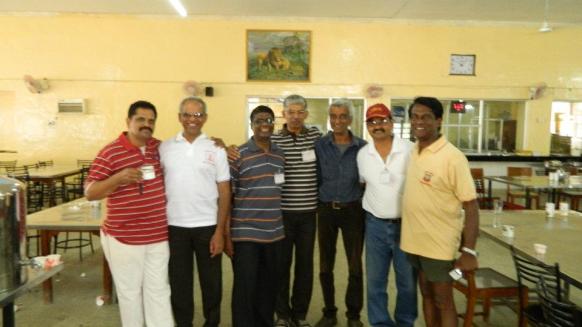

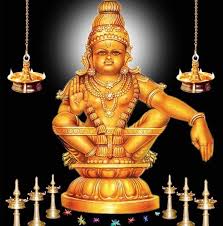

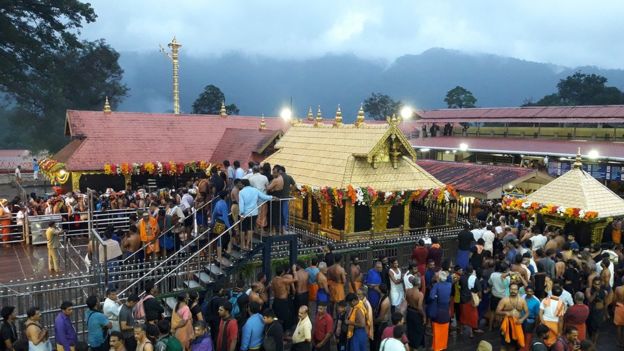
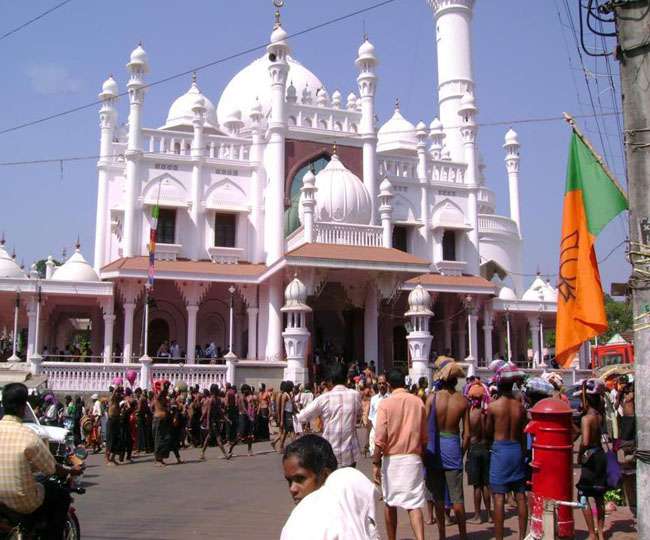


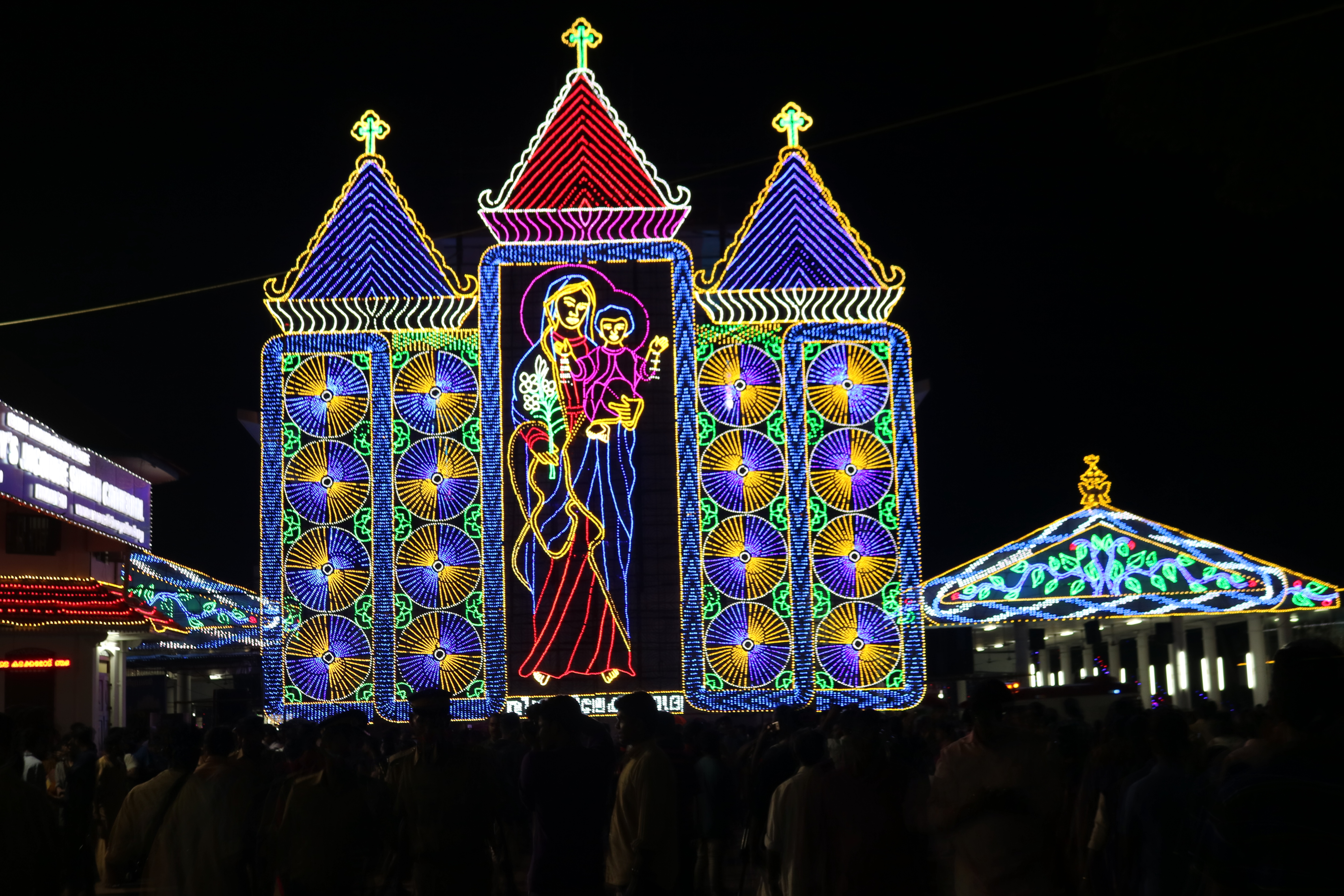
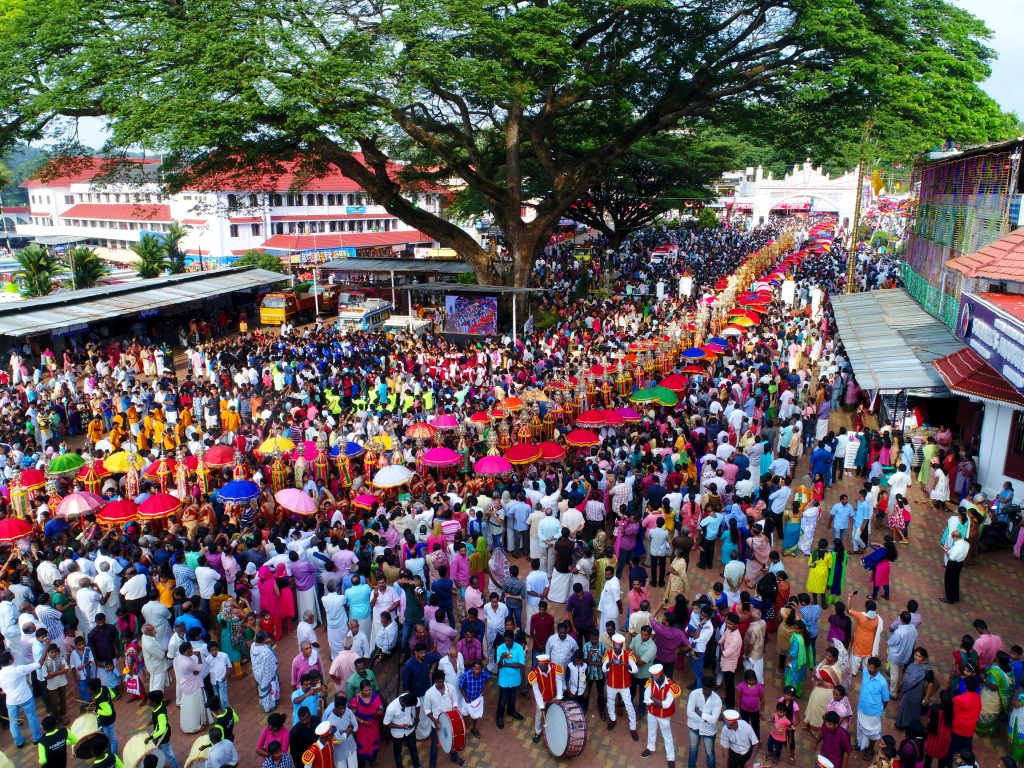

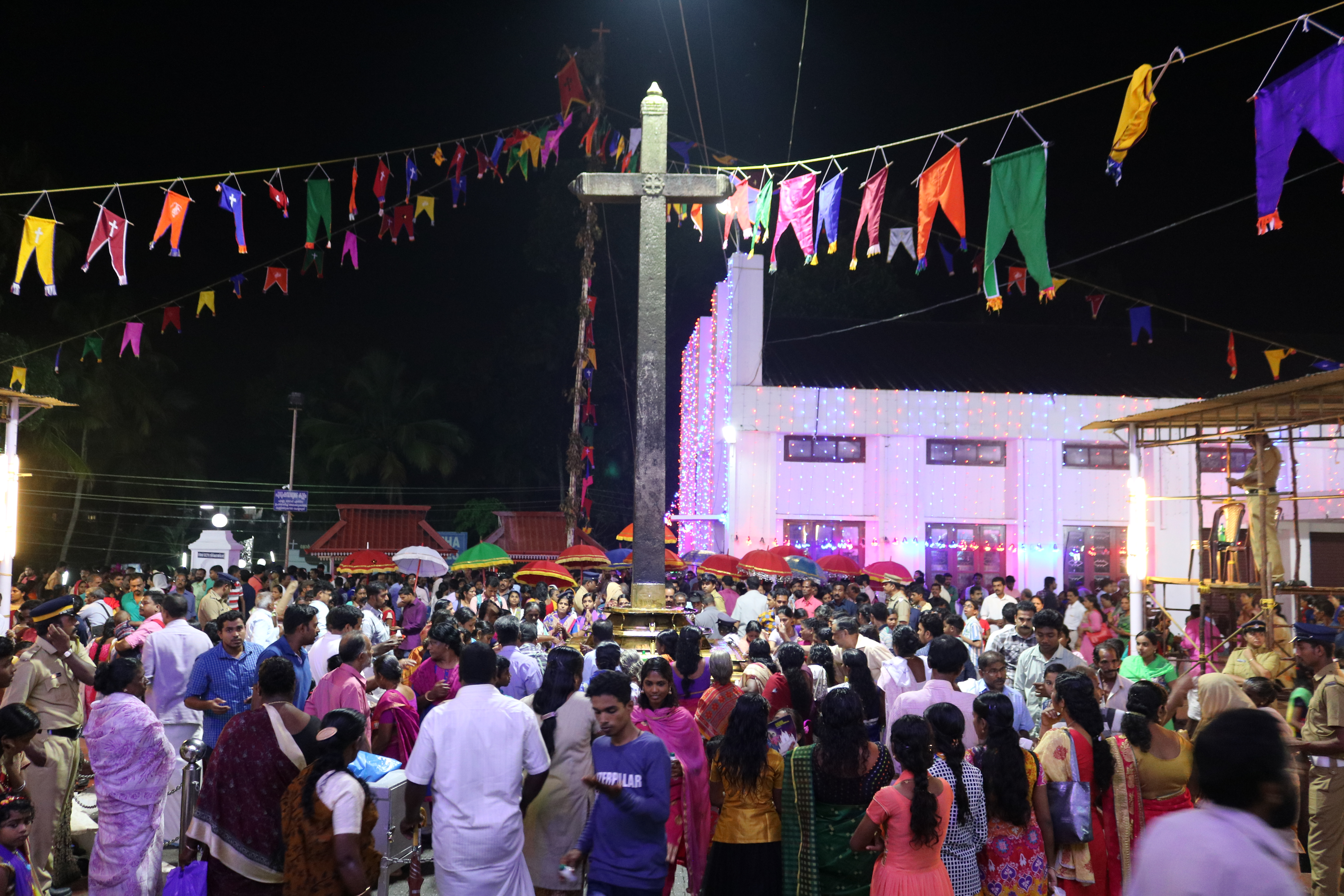

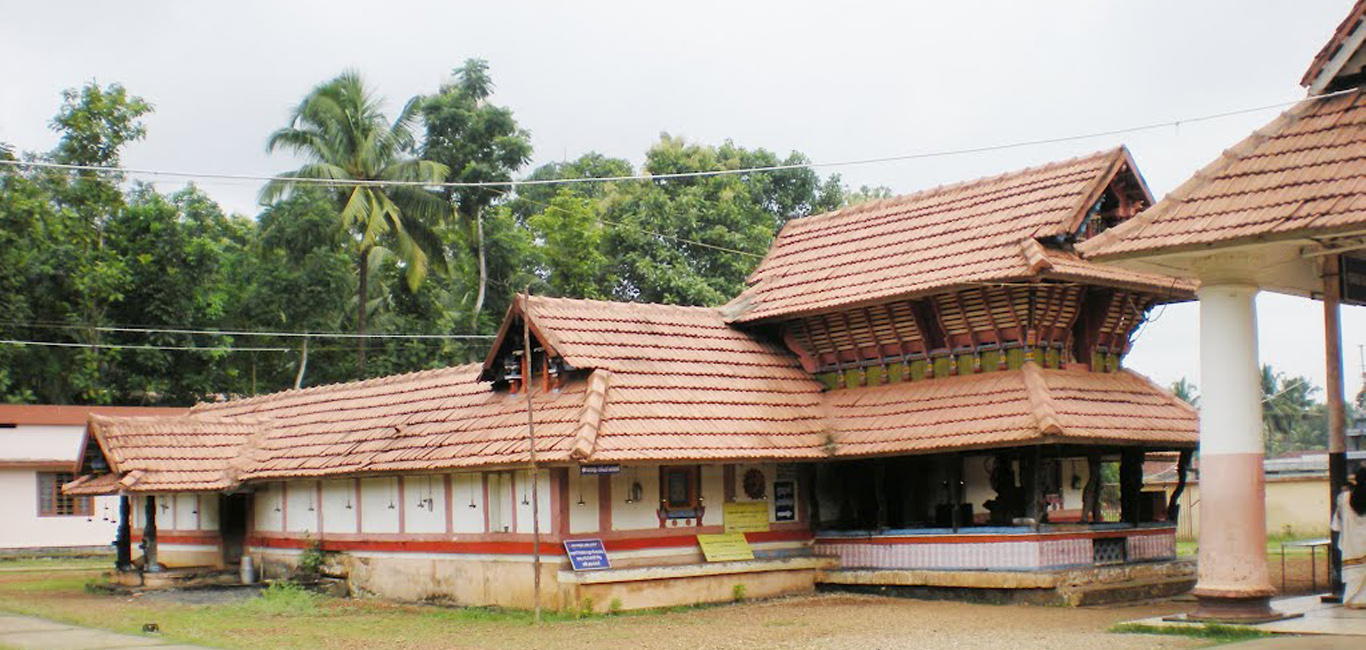



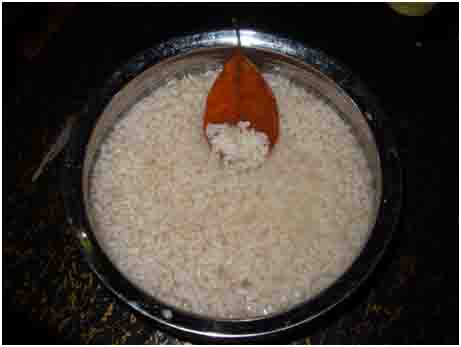


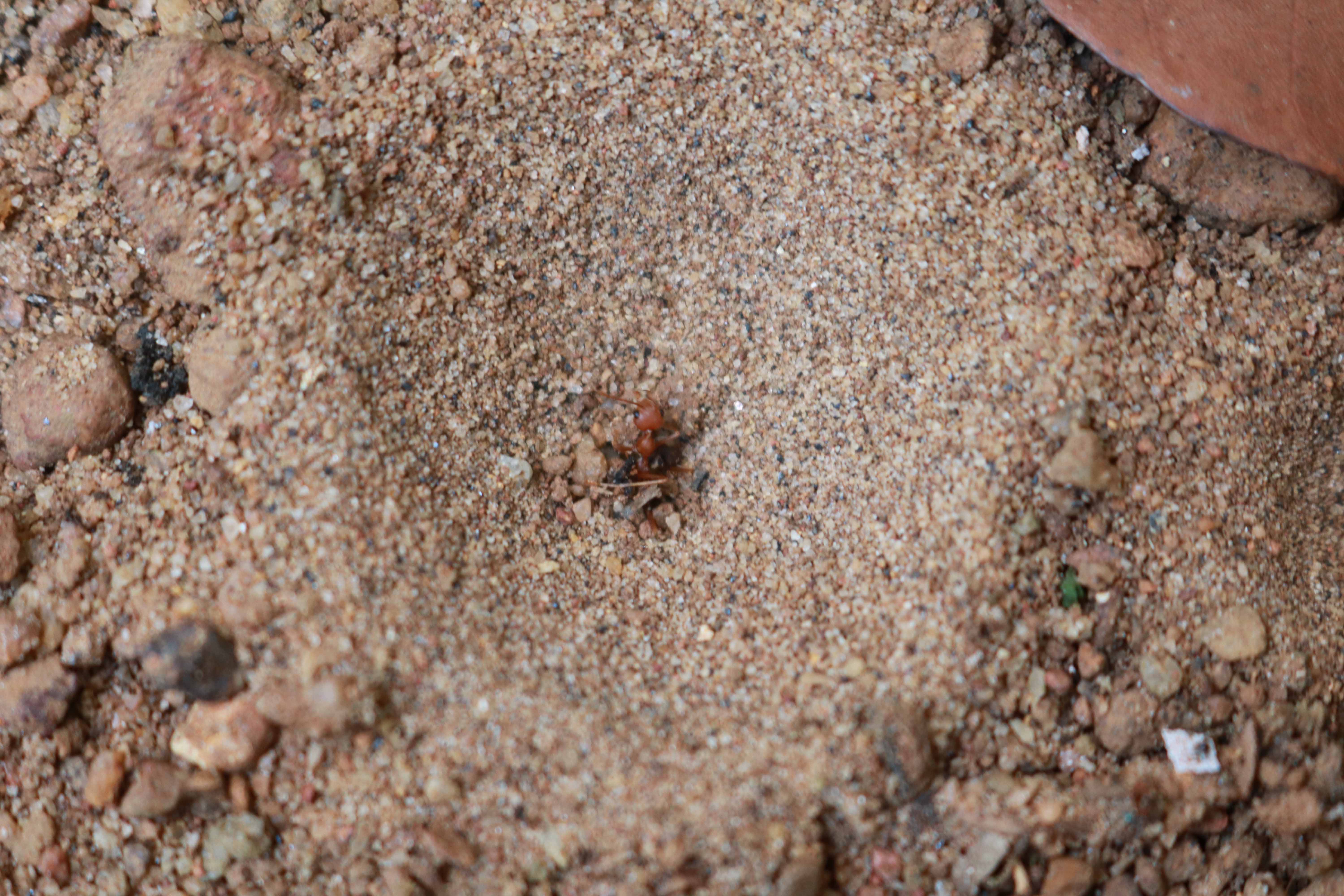
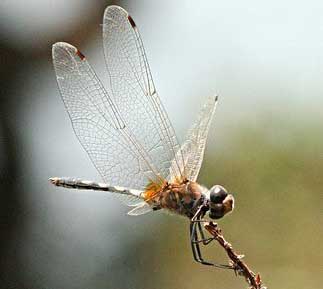

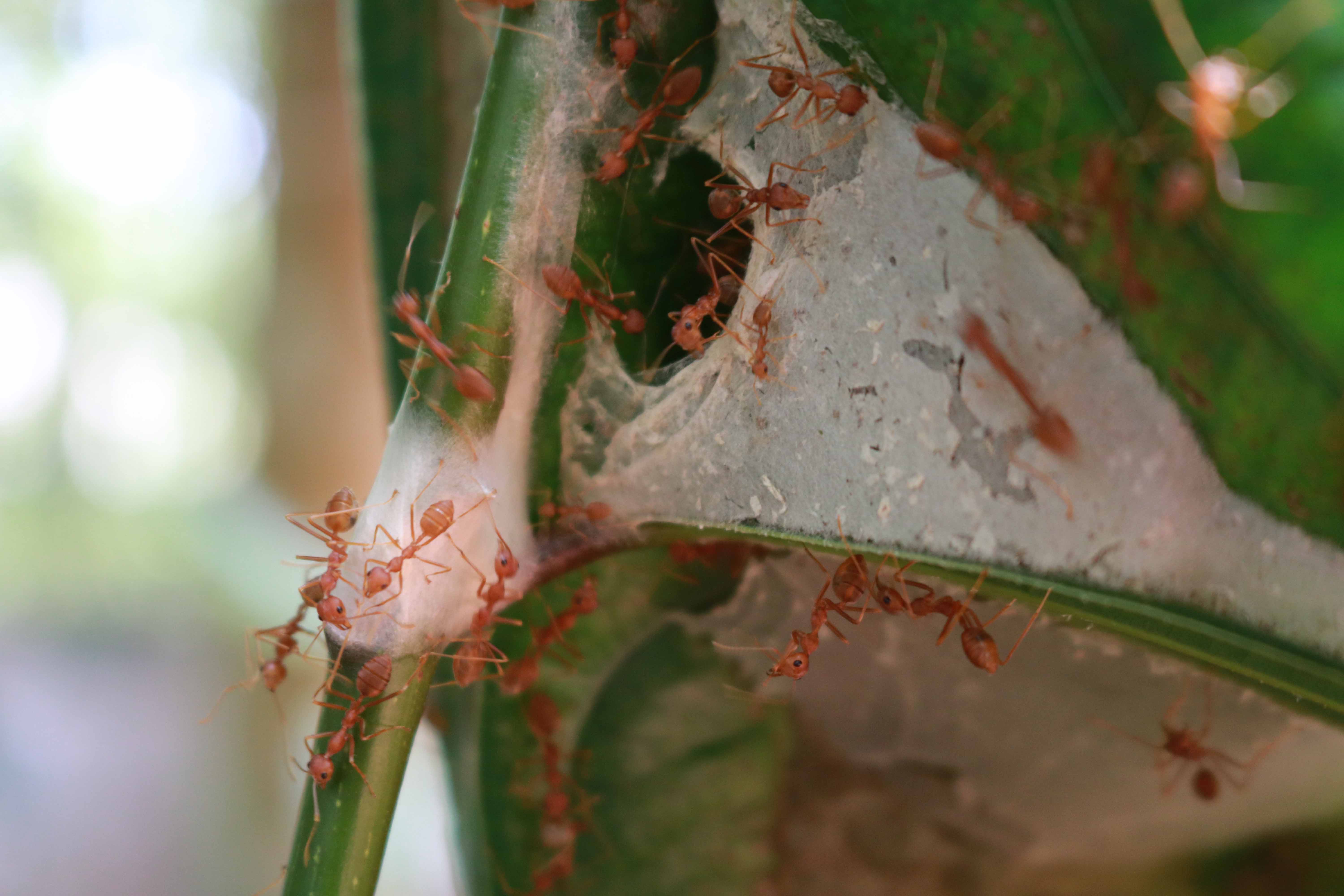
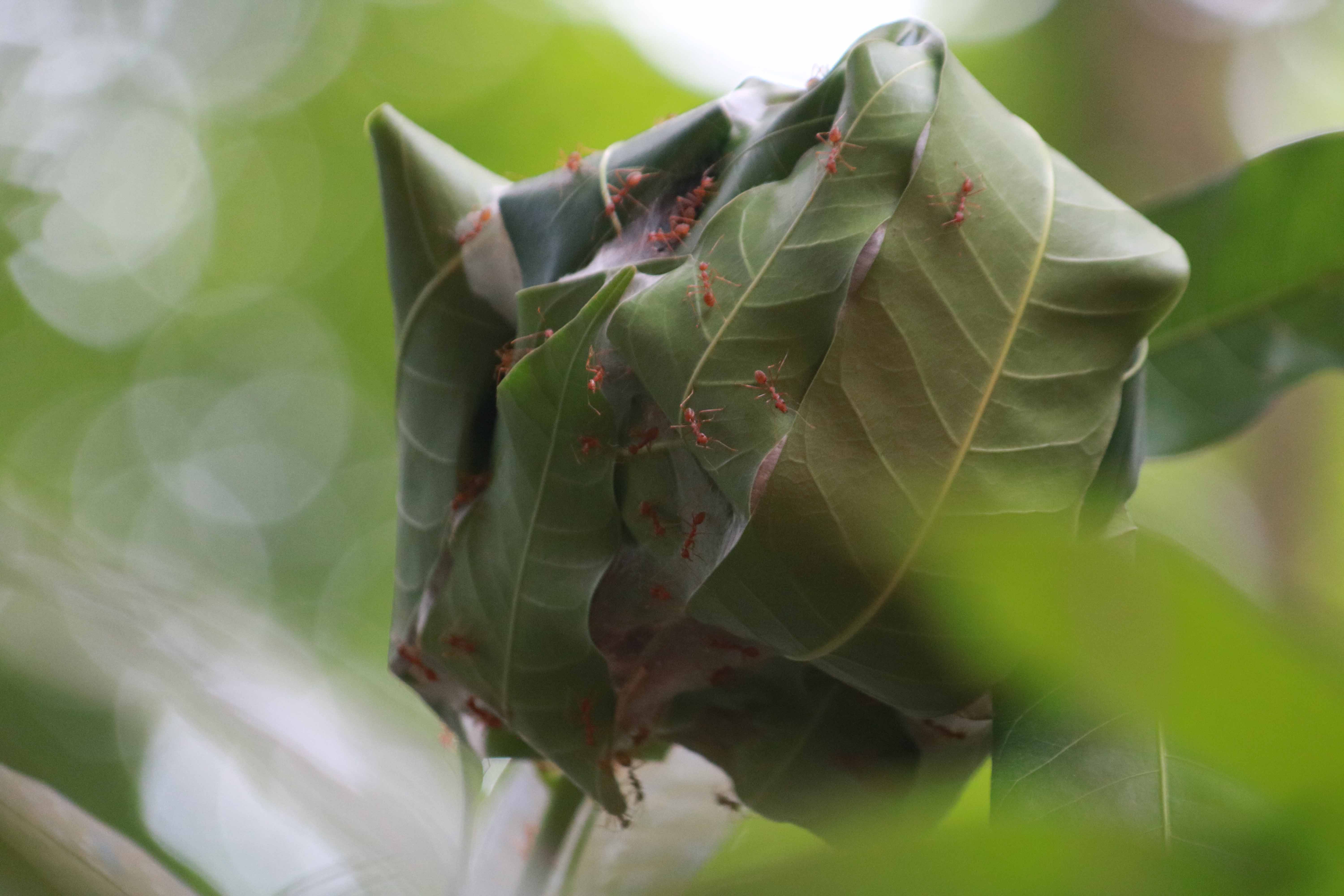

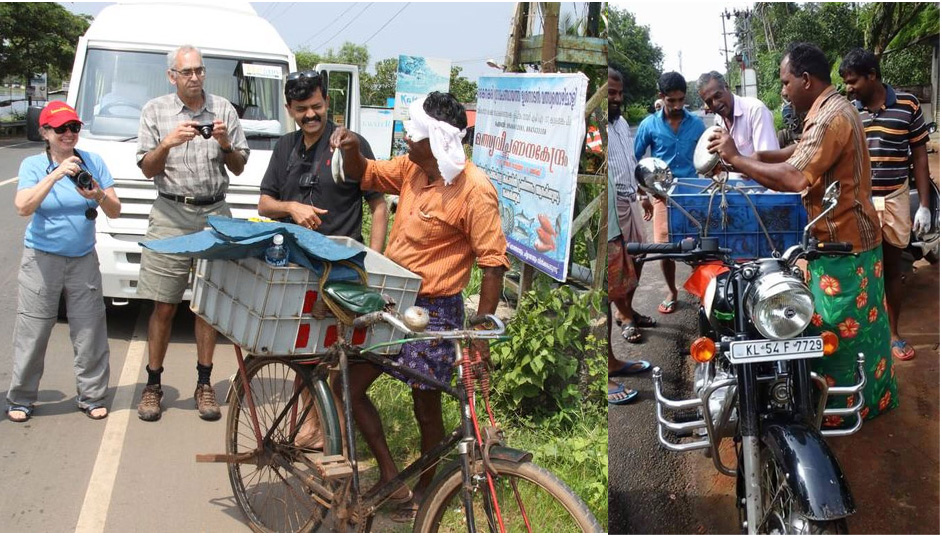


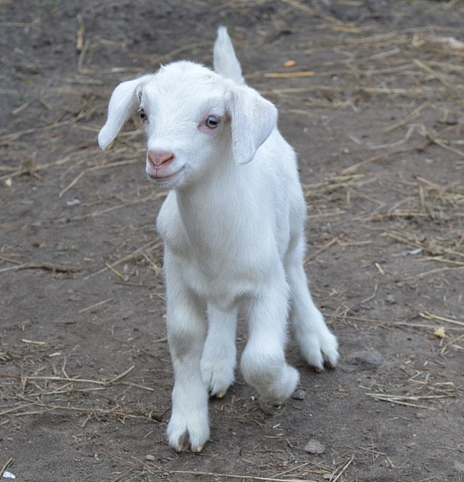


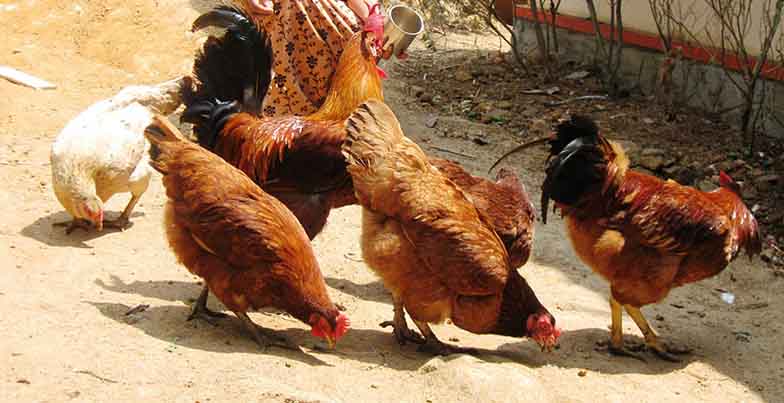
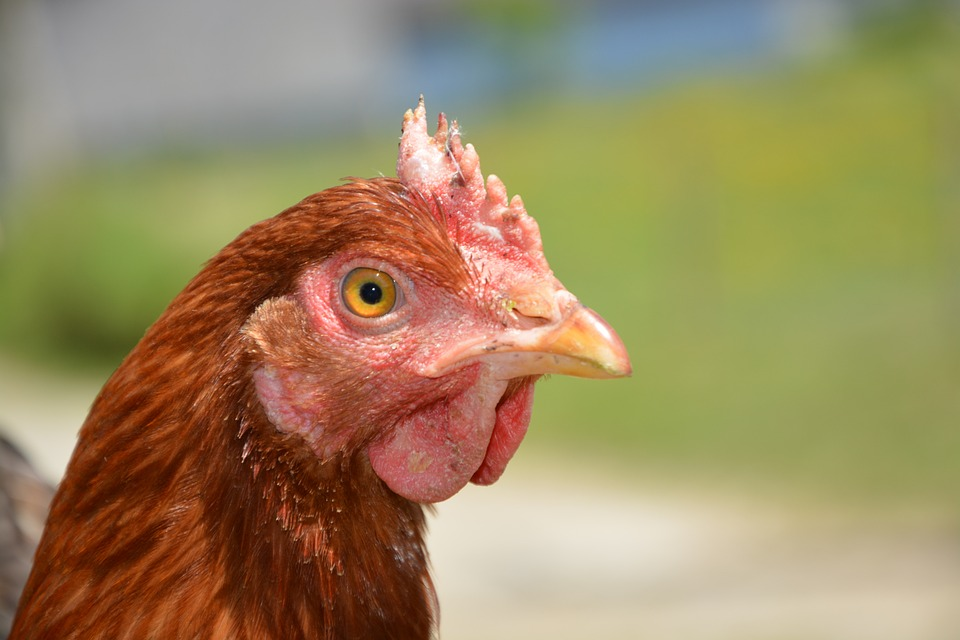
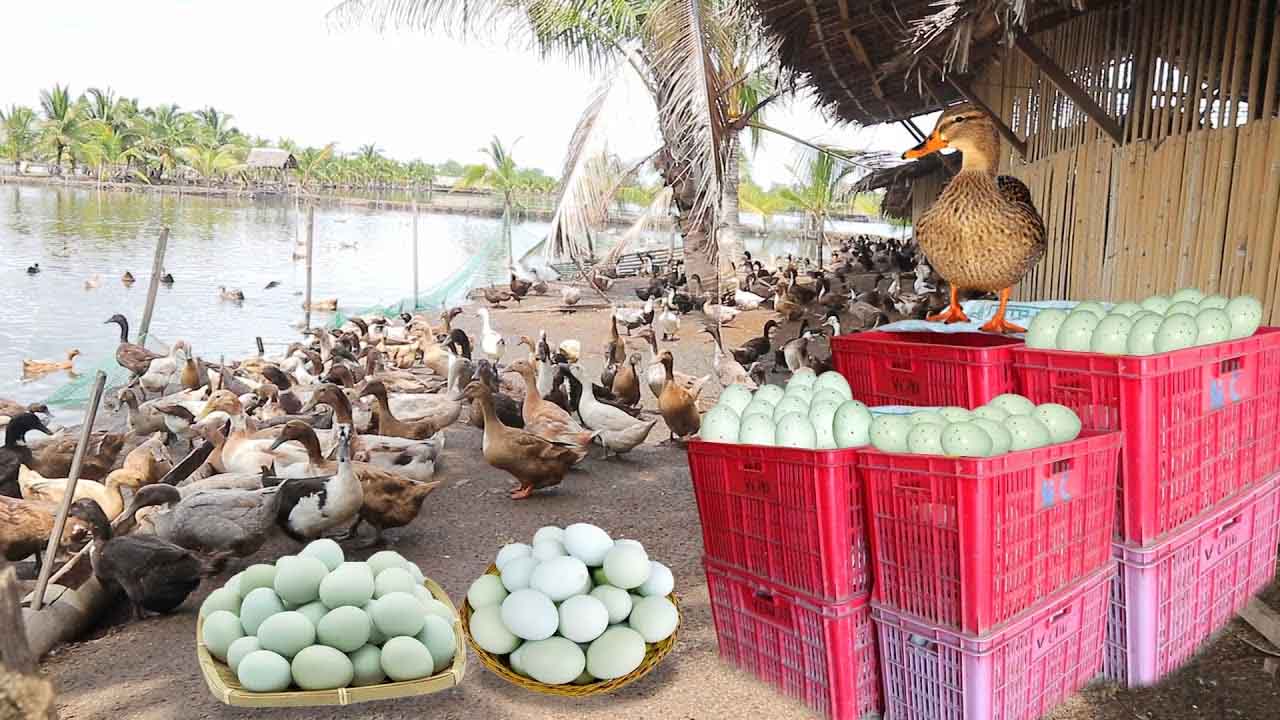

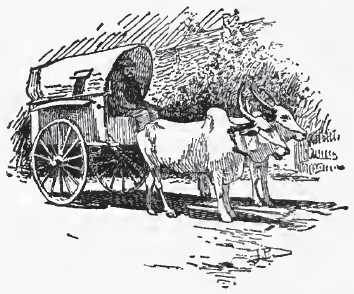


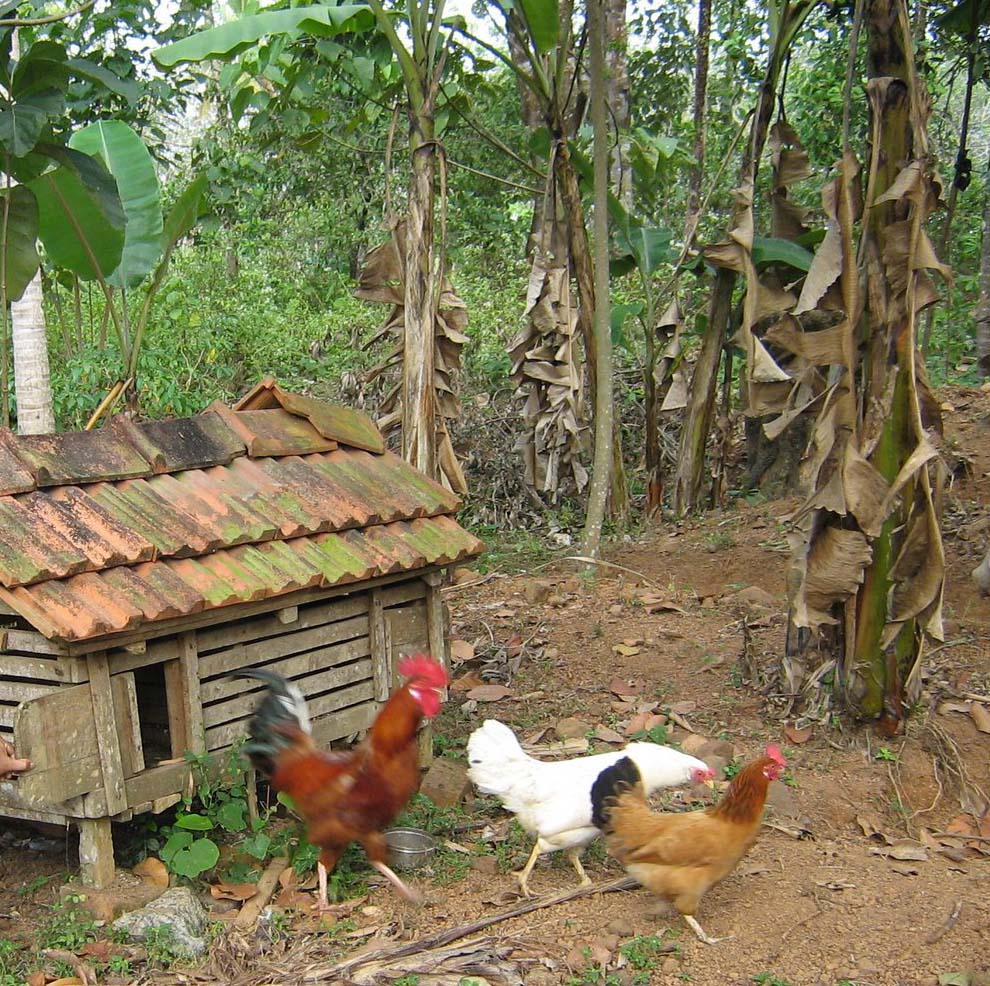

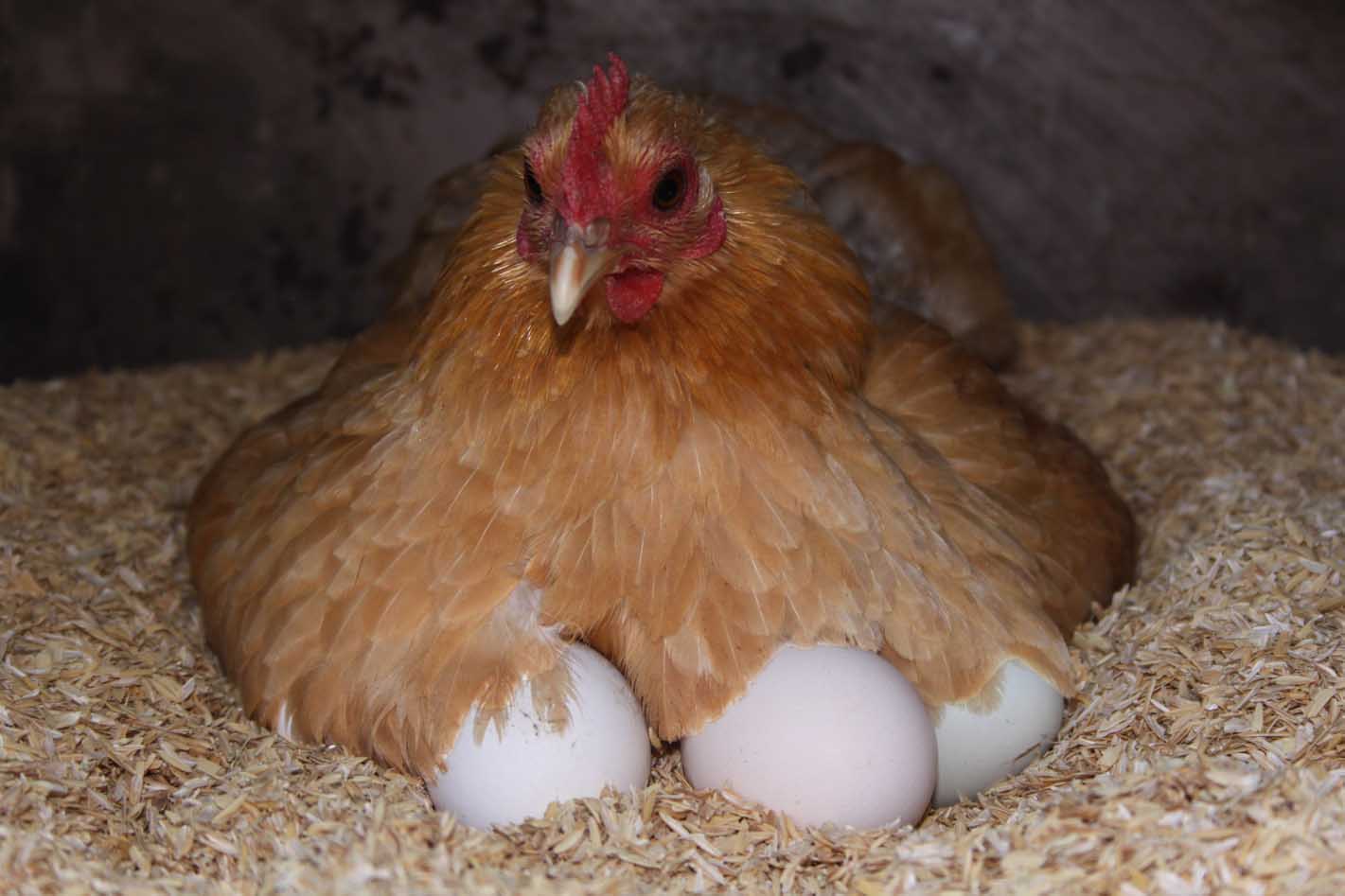



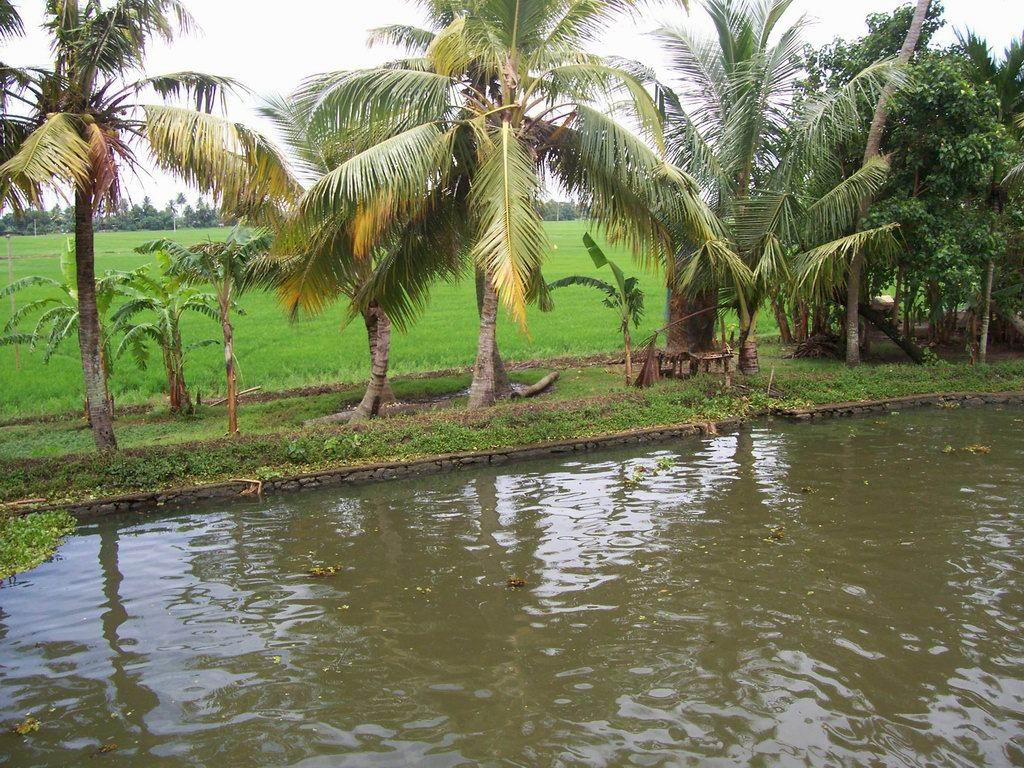
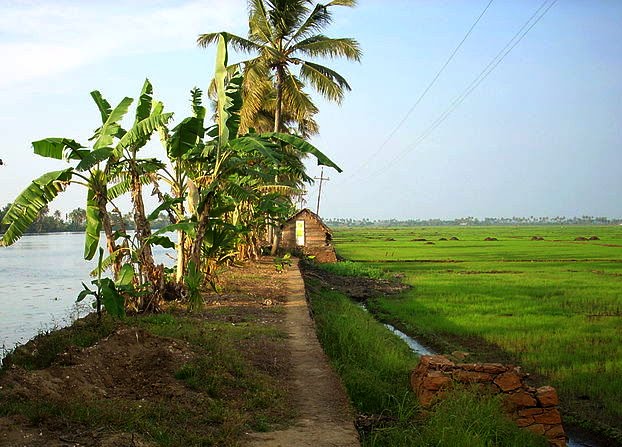

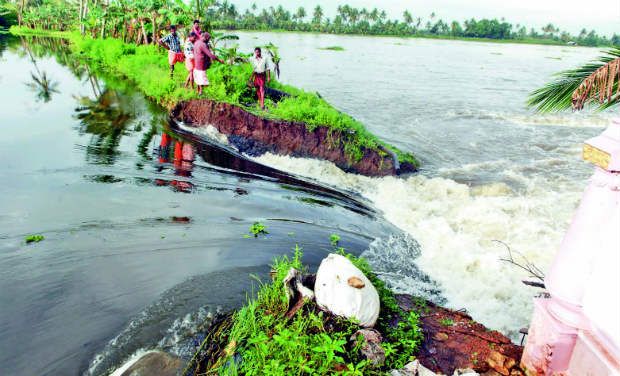
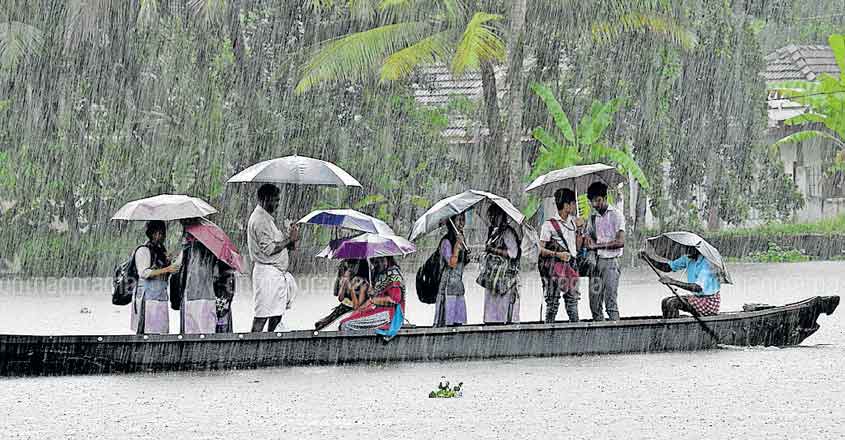


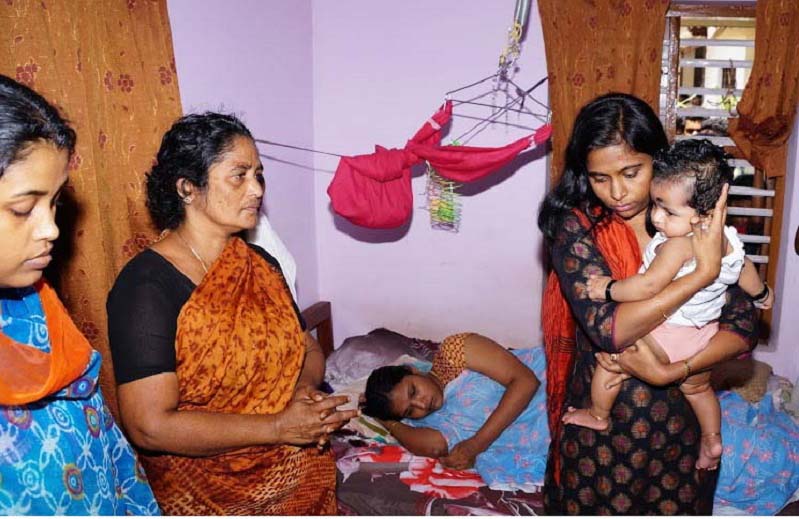
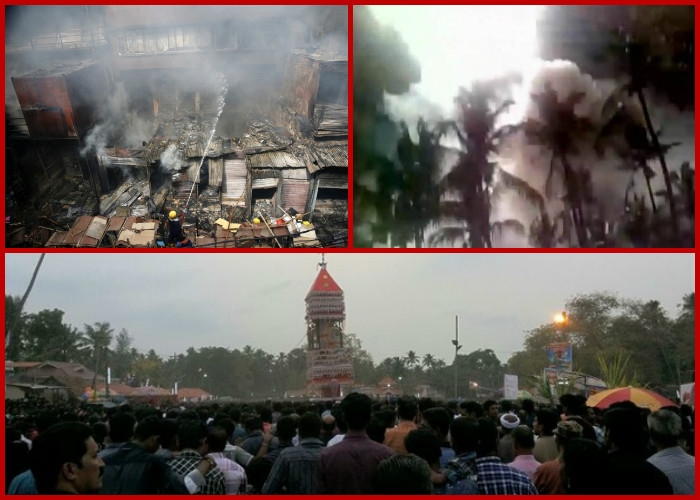


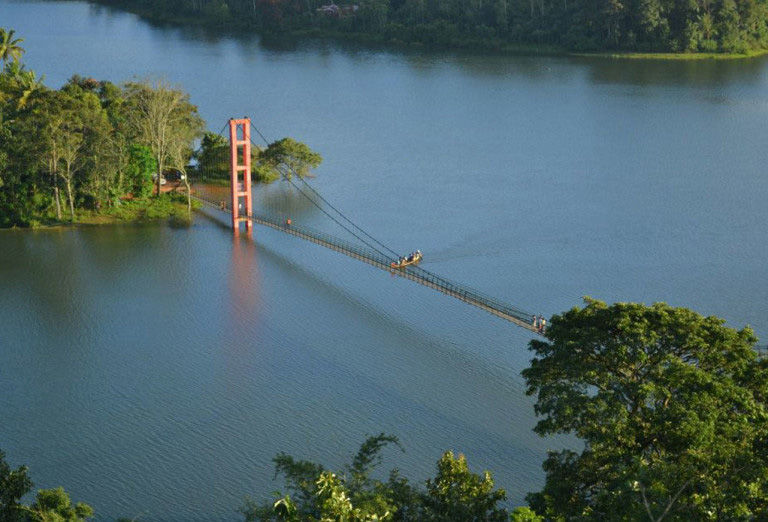


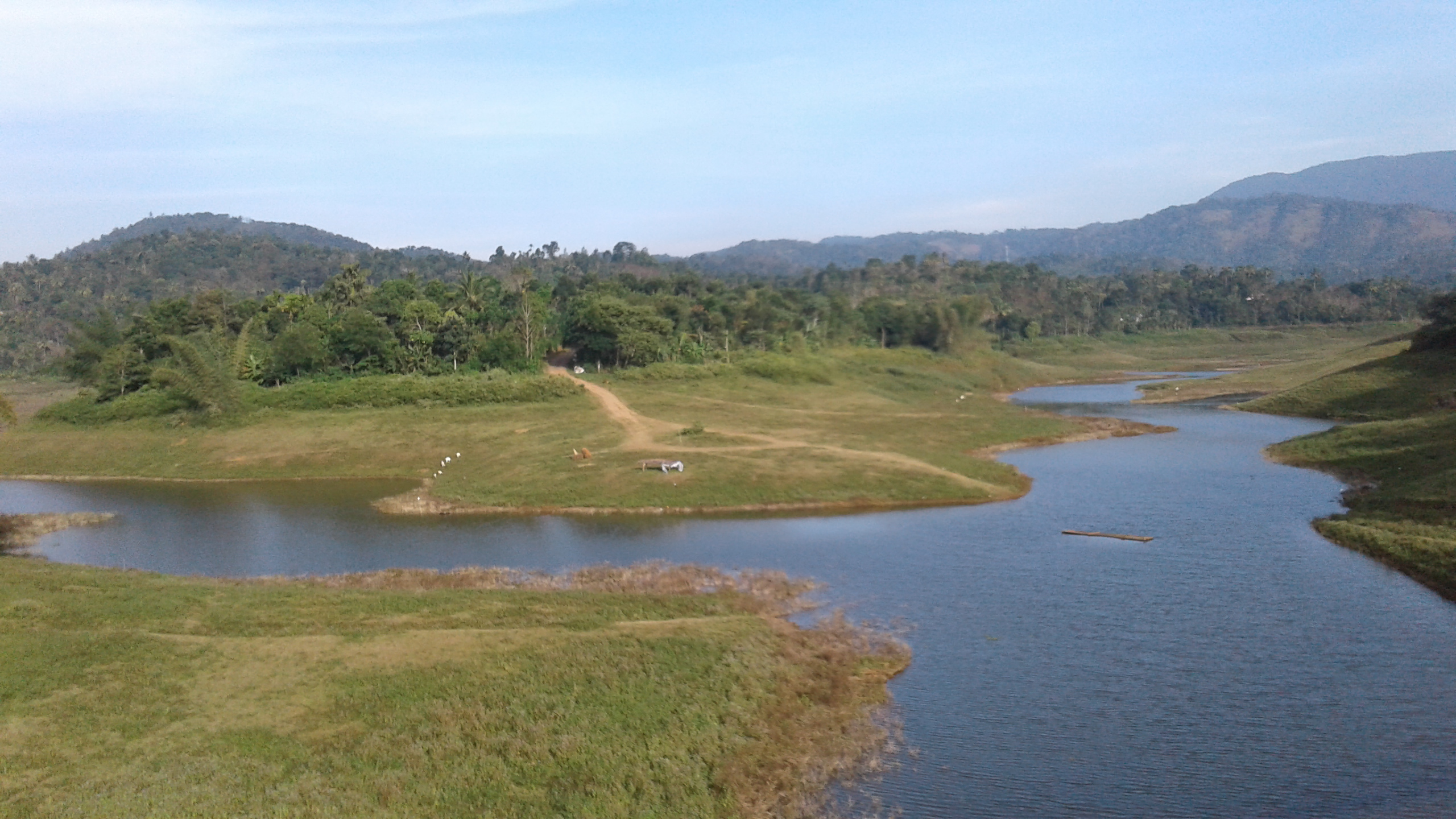
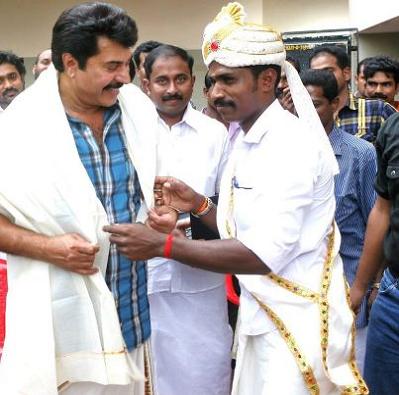
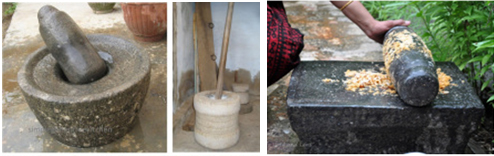
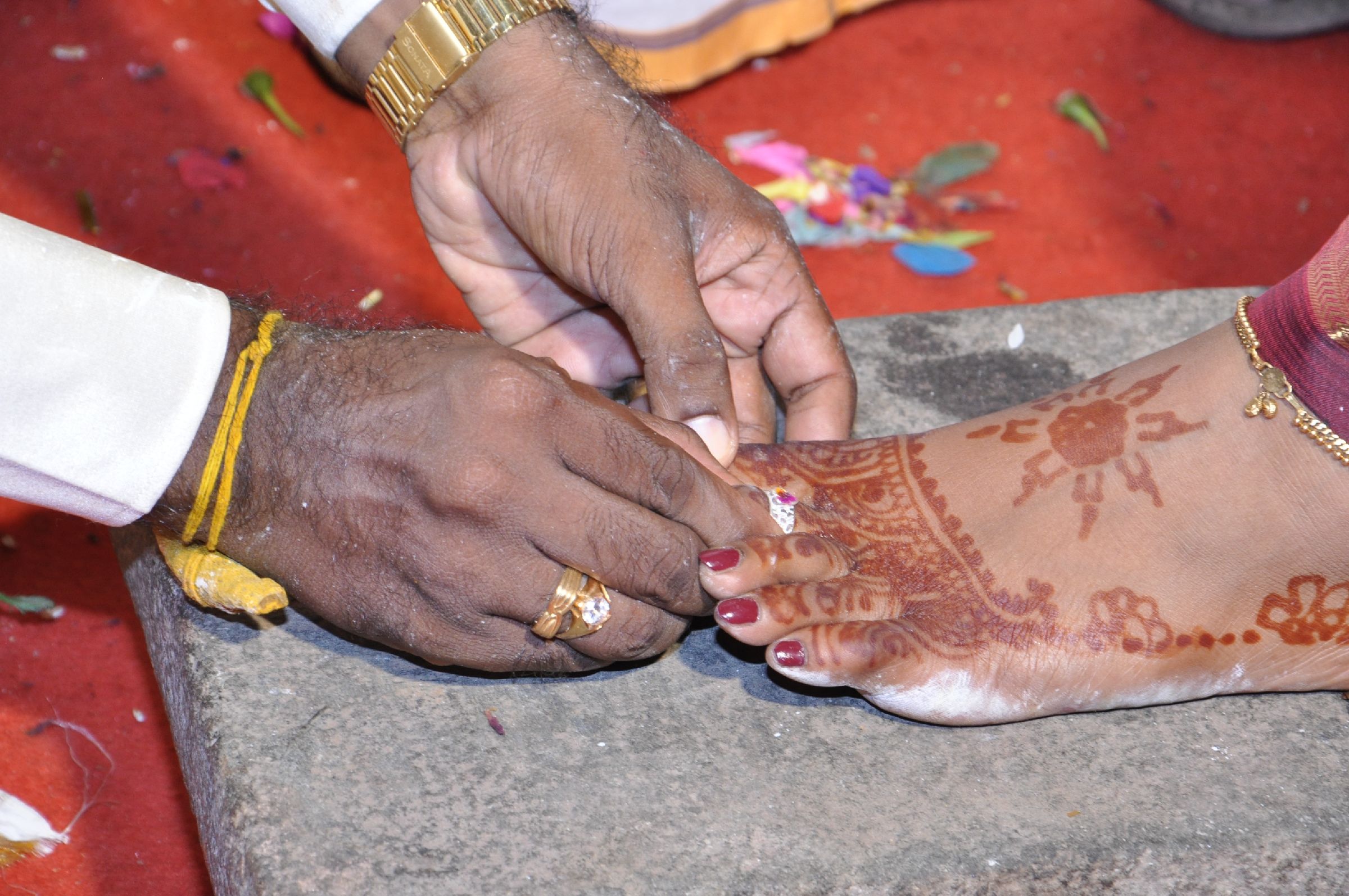
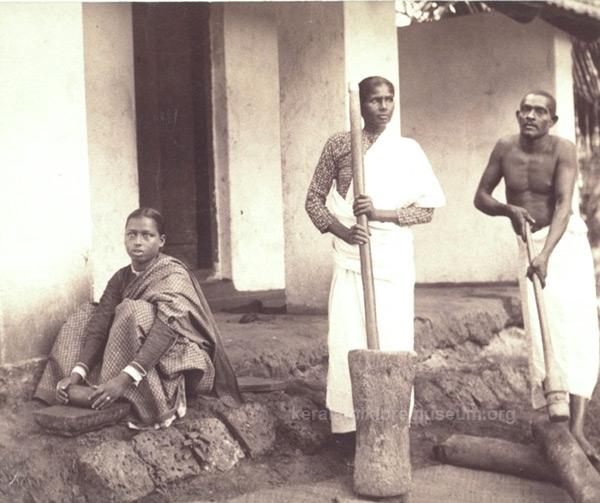

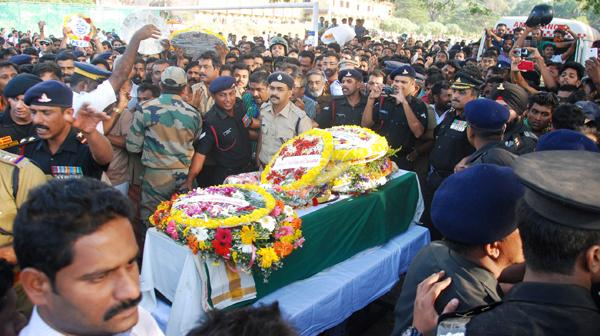


 REJINCES