
A Grandson’s Demand
Our daughter Nidhi and son-in-law Jay were away on a week’s vacation, and four-year-old James, our beloved grandson, came to stay with us. For three days, all went smoothly. Then came the demand.
“I want my Daddy!” James announced with unmistakable conviction.
“Don’t you want your Mummy?” I suggested hopefully.
An emphatic “No. I want my Daddy!” was his only answer.
I managed the situation with a video call that brought both parents onto the screen simultaneously. But the episode left me pondering: What creates such a powerful bond between father and son?
A Canadian Birth
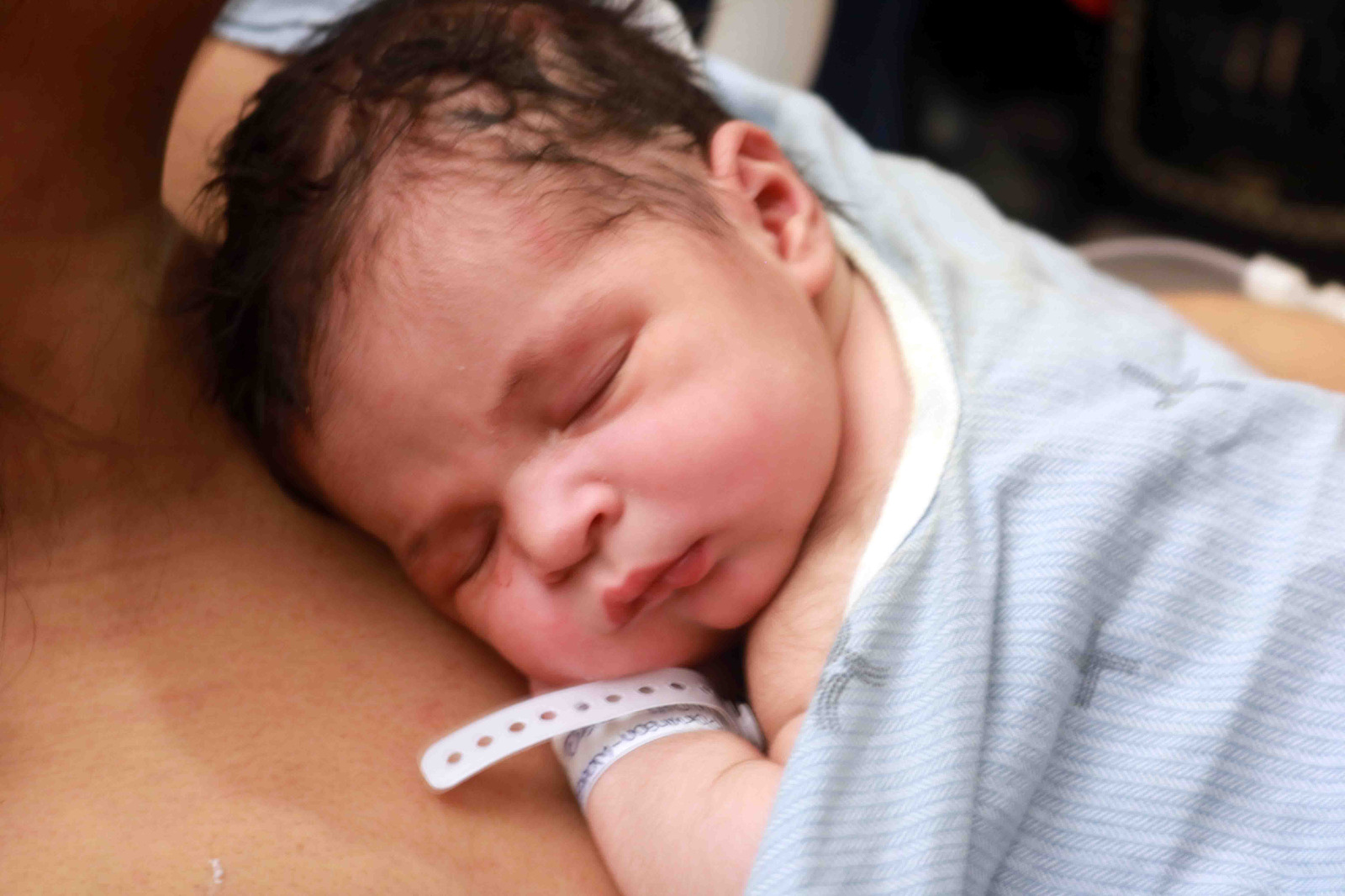
James was born in Canada, where hospitals strongly recommend natural birth whenever possible. Nidhi and Jay attempted this, but the baby’s position necessitated a C-section. Throughout the process, Jay remained by his Nidhi’s side – as is customary in Canadian hospitals, where husbands stay with their wives during childbirth.
Immediately after the C-section, something significant happened. James was placed on Jay’s chest for skin-to-skin contact. That moment, I believe, forged a bond that continues to this day.
It is Jay who bathes him, feeds him, plays with him, and helps with school assignments. The attachment is palpable and profound.
The Science of Support
Having a spouse accompany a mother during delivery is not merely a cultural preference – it is strongly recommended by experts and supported by evidence-based studies. A supportive, trained partner acts as a crucial advocate, providing emotional comfort and physical aid that measurably improve both the birth experience and health outcomes.
Emotional Support and Reduced Anxiety
The presence of a trained husband significantly decreases a mother’s anxiety during labour. Through reassurance, encouragement, and a familiar loving presence in a high-stress environment, he provides comfort that no medical professional can replicate. This support empowers the mother, helping her feel safe and more in control – leading to a more positive birthing experience.
Training for expectant couples in Canada is readily accessible through the public health system, which offers comprehensive prenatal and postnatal education through both in-person and online formats. These programmes cover essential topics ranging from pregnancy health and the stages of labour and delivery to newborn care and breastfeeding techniques. By equipping parents with knowledge and practical skills, these courses help build confidence and reduce anxiety, ensuring that families are better prepared for the transformative experience of welcoming a new child.
Physical and Practical Support
A spouse’s role extends beyond emotional comfort. He can assist with pain management through counter-pressure on the back, gentle rubbing, or breathing techniques. He handles practical tasks – wiping a brow, providing water, helping the mother move or change positions to aid labour. Research indicates that continuous partner support can lead to shorter labour times and reduced need for medical interventions, including pain relief medications.
Advocacy and Safety
Perhaps most crucially, a spouse acts as an advocate – communicating the mother’s needs and preferences to medical staff when she is unable to speak during intense labour. In busy hospital settings, he ensures she receives timely care and that her concerns are addressed. He helps her understand procedures and ensures her birth plan is respected, facilitating truly informed consent.
Bonding and Shared Experience
Being present allows the father to witness his child’s birth directly, creating an immediate, powerful bond with both mother and baby. Sharing this intense, life-changing experience deepens the emotional connection between partners in ways nothing else can. In the immediate postpartum period, the partner can assist with skin-to-skin contact, help with the first feeding, and support the mother as she begins her recovery.
The Proof in a Four-Year-Old
All this science explains what I witnessed in a simple four-year-old’s demand: “I want my Daddy!” James’ preference was not a rejection of his mother, but a testament to the bond forged in those first moments of life—when father and son met skin-to-skin, and a lifetime of connection began.
In demanding his daddy, James was simply expressing what the research confirms: that fathers matter from the very beginning, and that presence at birth is not a luxury but a foundation.

