
A Bold Step Forward
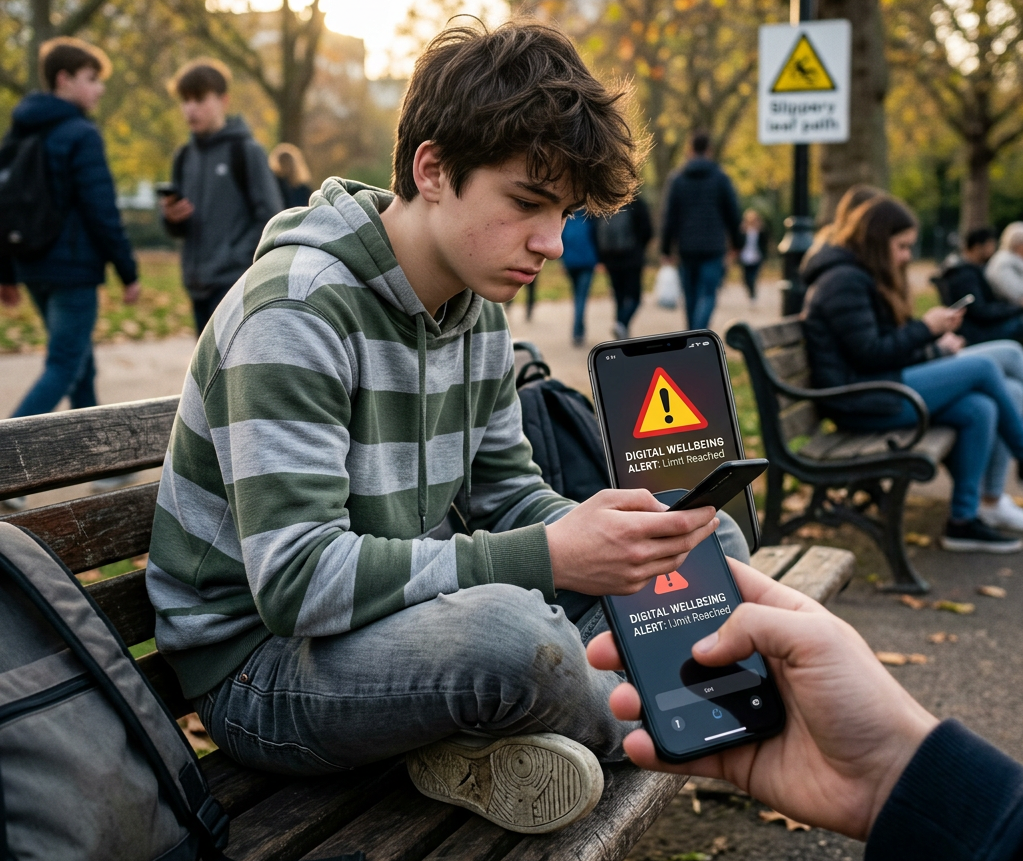
The Canadian government has proposed the long-awaited Safe Social Media Act aimed at online safety, including a ban on social media platforms for children under 16. The measure would create a new Digital Safety Commission of Canada and target different types of harmful online content. This proposed ban follows similar action taken in Australia, where the measure took effect last December.
Other countries are also considering youth social media bans, including the United Kingdom, Spain, and South Korea. Malaysia has enacted a ban on social media accounts for users under 16, while Brazil now requires youth accounts to be linked to those of a legal guardian to ensure supervision. French legislation limiting social media age to 15 was approved by the National Assembly in January, is approaching a final vote, and is likely to be in place for the start of the school year in September.
Proponents argue that such a ban is necessary to rein in social media companies that have resisted regulation, and that it could help combat growing evidence of health impacts from screen use and social media among children.
Unlike Australia’s blanket ban, Canada’s bill features an incentive loop: tech companies can sidestep the ban if they can prove their platforms have built-in safeguards that minimize harm to minors.
How Would a Social Media Ban Work?
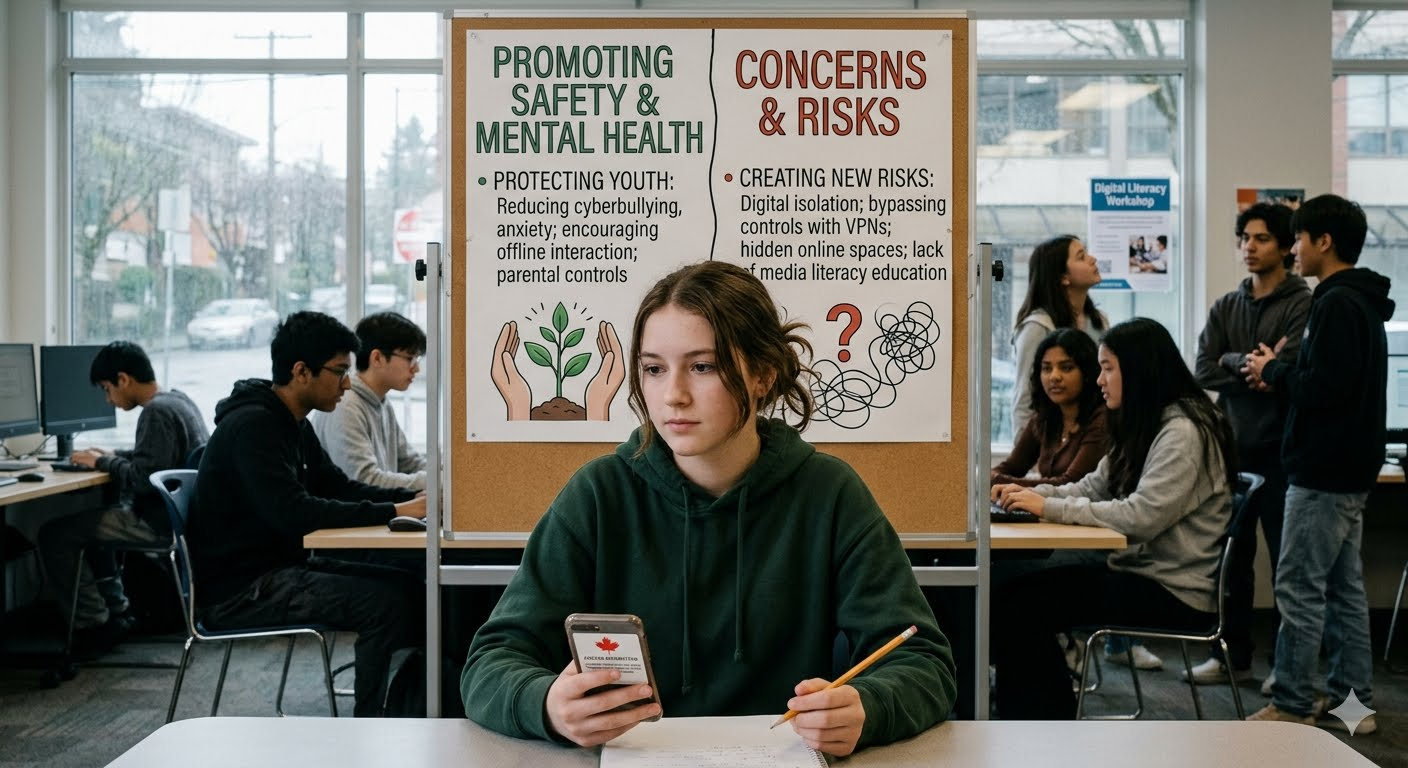
Combating online harms for youth is more complicated than simply keeping them off platforms. Regulations must be watertight, and penalties stringent. Social media companies must be held accountable for the harms that exist on their platforms. At the same time, new regulations should not come at the expense of strong privacy protections.
Privacy Risks
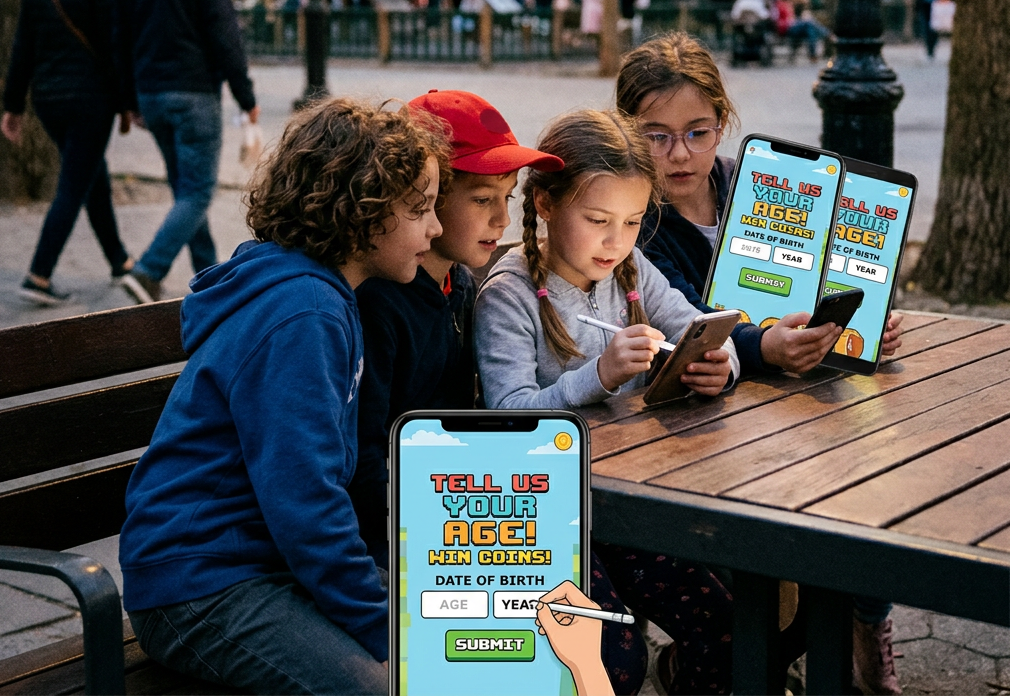
Enforcing a ban presents significant privacy risks. Under Australian law, platforms looking to verify a user’s age can either request copies of identification documents, use a third party to apply age estimation technology to an account holder’s face, or make inferences from data already available—such as how long an account has been held.
The potential data collection alone is concerning. To be effective, such measures would need to apply to all social media users regardless of age. It is difficult to discern between a 15-year-old and a 17-year-old by appearance alone—whether in person or online through biometric systems. Platforms would have to increase surveillance to identify user age, resulting in even more privacy concerns.
Evading the Ban
Research suggests many Australian teens are evading that country’s ban, while Australia’s online safety watchdog said in March that social media companies were not fully complying. A Molly Rose Foundation study found that 61 percent of 12-to-15-year-olds in Australia continue to hold social media accounts despite being banned, while 70 percent said it was easy to beat the ban.
Children’s Mental Health: The Case for Intervention
Advocates of the ban argue that restricting access would improve children’s mental and physical health while curbing growing online addiction. They contend that platforms must be required to make their products safer and less addictive for young people—not simply to target children.
The impact of social media on children under 16 involves unique vulnerabilities, as adolescent brains are undergoing a critical period of rapid development. Medical professionals warn that frequent social media use during these formative years can alter parts of the brain responsible for emotional regulation, impulse control, and sensitivity to social rewards.
The Negative Effects
The issues faced by children and youth are also faced by adult social media users. The negative effects generally fall into several categories:
Mental Health and Brain Development
- Depression and anxiety due to long screen time.
- Infinite scrolling triggers dopaminergic pathways, reinforcing addiction-like habits and shortening attention spans.
- The constant chase for likes makes users hyper-sensitive to peer feedback and social punishment.
- Problematic social media use is likely linked to lower life satisfaction.
Body Image and Self-Esteem
- Exposure to digitally altered or AI-generated images fosters distorted perception of body shape and lifestyle.
- Posts that normalise dangerous dieting habits, restrictive eating, or purging put children at risk.
- Cyberbullying leads to depression and body disorders.
Social Skills and Communication
- Inability to read body language leads to frequent misunderstandings in real life.
- Facing a person directly becomes intimidating when messaging has become the default.
- It becomes easier for youth to participate in cyberbullying or exclusion without seeing the immediate damage.
Physical Health and Lifestyle Disruptions
- Late-night scrolling causes severe sleep deprivation, eroding daytime cognitive performance and memory.
- Screen time frequently replaces essential physical exercise, academic focus, and real-world family interactions.
Exposure to Exploitation and Dangerous Content
- Platforms can inadvertently route children toward self-harm tutorials, illegal acts, or dangerous viral challenges.
- Privacy risks result from sharing highly personal or explicit photographs.
- Lack of robust verification on apps leaves children vulnerable to extortion, blackmail, or sexual grooming.
Education: The Missing Piece
Platforms must be legislated to implement steps for youth education on online dangers before they begin using these platforms. This is akin to mandatory youth driver’s education before putting someone behind the wheel of a car. Education to prepare youth for social media use is already part of Australia’s online safety regime.
A Cautionary Note
There are significant concerns that such a ban could become a band-aid fix for the larger problem of social media regulation—by putting the onus—and the privacy risks—onto ordinary Canadians. A ban, however well-intentioned, is only as good as its enforcement. And enforcement, in the digital age, comes at a cost we may not yet fully understand. The question is not whether we should protect our children. The question is whether we are willing to protect them without sacrificing their privacy—and our own.


Dear sir, Nice to go through your analysis of a complex issue. It made me reflect deeply on my own journey with digital distraction.
Recently, while looking for a simple feature phone for my elderly father, I actually ended up buying one for myself too. I wanted to regain my focus. I put a bare-minimum recharge on it for talk time and shared the number only with my immediate family. Before this, I tried all the classic smartphone interventions like leaving the phone in another room at home, keeping it zipped in my bag at the office, using ‘Do Not Disturb’ modes that only allowed starred contacts to ring through and experimenting with apps that turn smart phones similar to a feature phone.
But navigating life with a basic button phone made me realize something specific. The only two things I genuinely missed from my smartphone were Maps/Navigation and a Music Player. Everything else was just noise and distraction.
This got me thinking about a gap in the market. What if manufacturers built a modern ‘purpose-driven’ feature phone? It would have:
Offline Music: A local player that reads media directly from the device storage or an SD card—zero internet connection required.
Minimalist Navigation: A dedicated GPS maps app for essential routing without the algorithmic feed.
A Hard Cap on Contacts: A strict limit of, say, 25 contacts total (e.g., broken down into 5 family members, 5 friends, 5 relatives, 5 classmates, and 5 colleagues).
As you noted in your blog, a blanket ban on social media for youth is incredibly hard to enforce. But what if we changed the hardware available to them? A phone like this would be the perfect alternative for students. It gives them the vital tools to communicate with parents and navigate their day safely, without handing them an open portal to dopamine-driven algorithms. It’s also exactly the kind of device many of us would love to gift our aging parents.
If there are any students or senior citizens reading this: Would you appreciate a device like this? If so, what is the one utility app you think is absolutely essential, but wouldn’t risk turning the phone into a distraction?
LikeLiked by 1 person