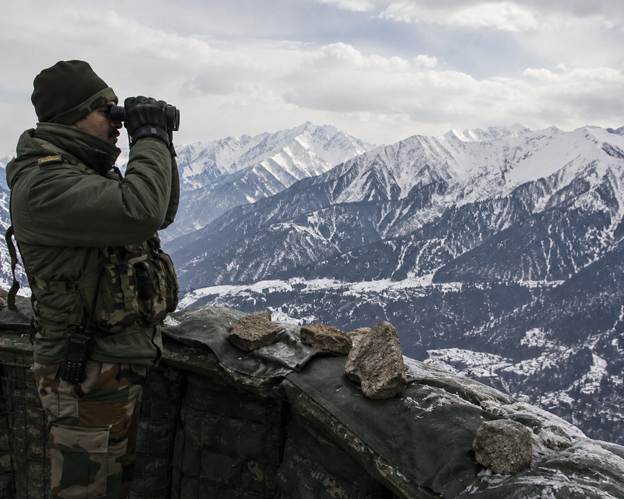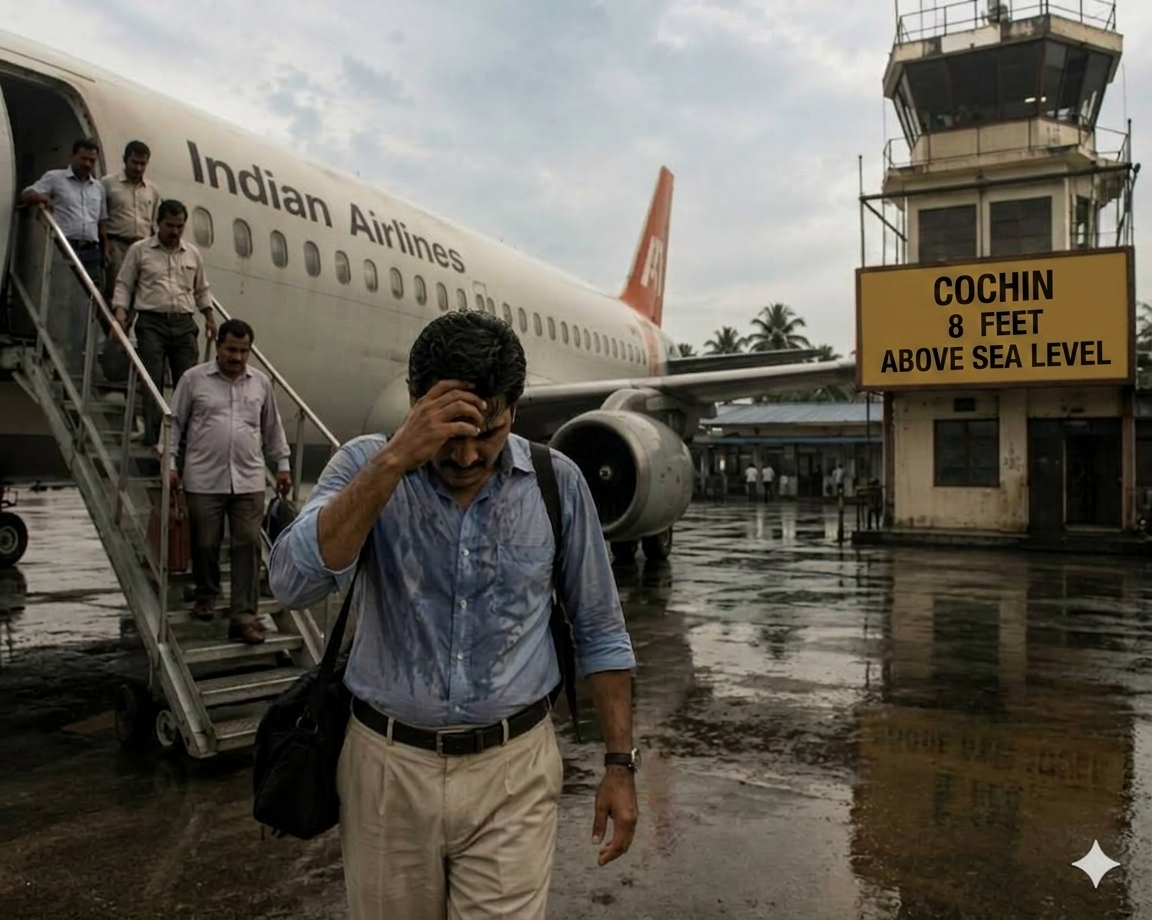
To the uninitiated, civilian life and peacetime military service represent a welcome sanctuary from the horrors of the frontlines. Yet, for those who wear the uniform, a quiet garrison or cantonment can often prove more exhausting than active deployment. While war demands a singular, life-or-death focus, peace forces soldiers to wage a different kind of war—one fought against administrative friction, psychological stagnation, and bureaucratic attrition.
The Price of Readiness
“The more you sweat in peace, the less you bleed in war,” observed U.S. General Norman Schwarzkopf. This philosophy echoes across military history. General George S. Patton Jr. similarly proclaimed, “He who sweats more in training bleeds less in battle,” while Field Marshal Erwin Rommel took it further: “Sweat saves blood, blood saves lives, but the brain saves both.”

These timeless maxims underscore a universal truth: rigorous preparation, discipline, and relentless effort during stable periods prevent catastrophic failure during a crisis. This principle extends far beyond the military. It governs elite sports training, intense academic pursuit, meticulous financial planning, and corporate risk management.
The Hidden Toll of the Garrison
While peacetime military life appears safe to outsiders, it is often mentally and logistically more grueling than wartime. Combat brings a singular, unifying purpose. In contrast, peace introduces a grinding routine of bureaucracy, paperwork, administrative tasks, and relentless compliance.
The two environments differ fundamentally across three pillars:
- Focus: War demands survival and victory. Peacetime often shifts leadership focus to micro-management, such as haircut standards, endless inspections, VIP visits, and ceremonial drills.
- Bonding: The adrenaline and shared hardship of combat forge an unbreakable bond among soldiers. The predictable, repetitive routine of the barracks rarely replicates this deep camaraderie.
- Strain: To maintain basic combat readiness, regiments spend weeks away from home on exhausting field exercises. Compounding this stress are chronic manpower shortages, equipment deficits, and constantly shifting orders that take a heavy psychological toll on officers and soldiers alike.
The Invisible War: Carrying PTSD Into the Garrison
The friction of peacetime becomes even more acute for those transitioning back from the frontline. According to clinical standards like the Diagnostic and Statistical Manual of Mental Disorders, combat-related Post-Traumatic Stress Disorder (PTSD) stems from exposure to life-threatening danger, the loss of comrades, and moments of intense fear, horror, and helplessness.
Bringing these psychological wounds back to the garrison presents a severe, invisible challenge:
- Survival Instincts Misplaced: Frontiersman survival mechanisms – like hypervigilance, emotional numbing, and heightened startle reflexes – are highly disruptive in a structured garrison environment, frequently leading to behavioral issues or self-isolation.
- Maladaptive Coping: To suppress traumatic memories and stave off persistent nightmares, some soldiers quietly turn to alcohol, masking their struggles behind the barracks walls.
Remarkably, most soldiers return from frontline service resilient and free of PTSD. This mental armour is typically forged by a combination of elite training standards, strong peer and officer support networks, faith in the Almighty, and an underlying institutional trust that the nation will look after their families in their absence.
Death by PowerPoint
Nothing epitomises the administrative stagnation of peace quite like the modern military briefing. For many, military training classes have devolved into an excruciating, mind-numbing exercise of enduring endless presentations. Gaudy slide backgrounds and flashy transitions often obscure real substance, presenting a highly unprofessional veneer. In my own service, I resisted this trend by mandating simple, black-and-white slides—and utilising them only when absolutely necessary.
This is a systemic issue. In the U.S. military, staff officers are often jokingly dubbed PowerPoint Rangers. These commanders spend the majority of their operational hours crafting storyboards and briefing decks rather than engaging in hands-on leadership. Recognising this threat to operational agility, military leaders across the globe have actively banned over-bulleted, hyper-complex PowerPoint slide decks in favor of direct communication.
Conclusion
The ultimate test of a soldier is multidimensional. It is not just a matter of enduring the immediate, visceral chaos of the frontline, but surviving the slow, mind-numbing administrative attrition of peace.