
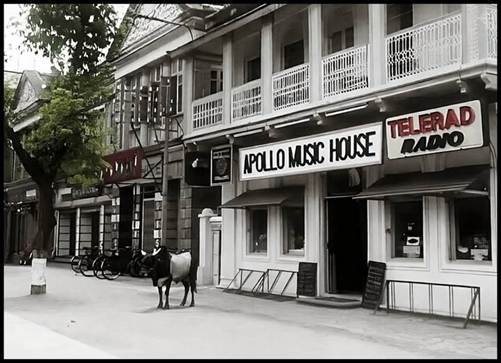
For every music enthusiast at the National Defence Academy (NDA), Apollo Music House on the Main Street in Poona was a pilgrimage site. It was there that we purchased records for the turntable in our Squadron Ante-Room – a privilege reserved exclusively for the VI Termers, the seniormost among cadets, who alone held the right to select the music. The shop does not exist today; vinyl records, which were once its staple, have also become obsolete.
According to dictionary definition, an anteroom is a small, transitional space – a vestibule or lobby that serves as an entryway or waiting area preceding a larger, more principal room. Historically, such spaces provided privacy or a formal pause before entering the main chamber. The word traces its origins to the 18th century, combining the Latin ante (before) with room, likely adapted from the French antichambre.
The Anteroom: A Communal Heart Bound by Hierarchy
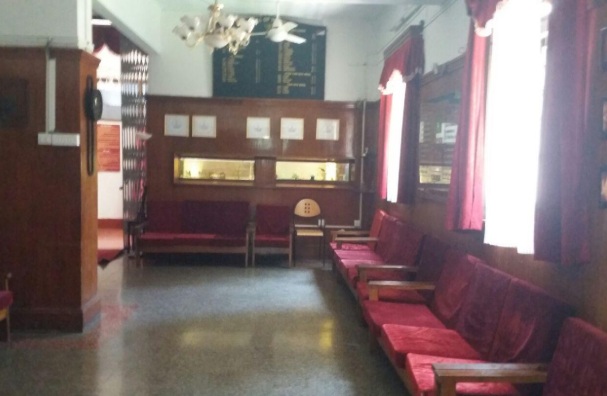
At the NDA, however, the anteroom takes on an altogether different significance. All eighteen Squadrons possess a dedicated, three-part anteroom located on the ground floor of the C-shaped building. These spaces are far more than mere waiting rooms – they are sanctums of squadron identity, decorated with trophies and memorabilia that chronicle years of achievement and rivalry.
The anteroom served as the squadron’s communal heart—a space where the collective life of the unit pulsed through daily rituals and shared moments. Its three sections—a main hall, a music room, and a pool room—provided spaces for cadets to gather, socialise, and forge bonds that would last lifetimes. Each evening, the squadron assembled here for the Orders Fall-in procedure, a solemn ritual where cadets received briefings, words of praise, and, when necessary, the sting of punishment. In this modest space, the squadron’s story unfolded day after day.
The designers of the anteroom, it appears, adhered faithfully to the word’s original meaning: a transient place, a mere vestibule meant for passing through rather than lingering. The size of the three rooms stands as testimony to this conception. Yet over the years, all 120 cadets of the squadron somehow crammed themselves into these confined quarters, transforming a space meant for transition into one of congregation.
The seating arrangements reflected the unspoken but iron laws of hierarchy. The VI Termers – the seniormost – occupied the coveted sofas with an air of entitlement earned through years of service. Junior cadets perched on chairs and benches, while the juniormost often found themselves seated on the floor, their position in the physical space mirroring their place in the squadron’s order. Thus, even in the cramped quarters of the anteroom, the structure of military life asserted itself – a reminder that in this world, one’s place was never forgotten, even in moments of leisure.
Music and Privilege
In our era, before television became ubiquitous, the turntable in the anteroom was our primary source of entertainment. The VI Termers exercised their privilege with discernment, selecting records that would define the sonic atmosphere of squadron life. Lesser mortals – the junior cadets – could only listen when permitted, usually on days of celebration following victories on the sports field or in various inter-squadron competitions.
Those moments were cherished. The music that filled the anteroom on such evenings carried more than melody; it carried the weight of shared triumph, the sweetness of earned celebration. For a few hours, the strict hierarchy softened, and all cadets – senior and junior alike – found common ground in the notes emanating from the turntable and danced to the music.
The anteroom, then, was more than a physical space. It was a repository of memory, a stage for ritual, and occasionally, a sanctuary where music united us across the boundaries of rank and term. Even now, decades later, the echo of those records lingers – a reminder that some privileges, when shared, become something far greater than the sum of their notes.

