
The Unwritten Truce
My first assignment to the Kashmir Valley – along the Line of Control (LOC) – came in 1987. I was a young Captain, serving as the Artillery Observation Post Officer with a Punjab Battalion. Fifty metres across the LOC lay the Pakistani post. By an odd coincidence, it was manned by a Punjab Battalion of the Pakistani Army. Between us lay a few hundred meters. Zero No man’s land. Classic eyeball to eyeball. Despite the 24/7/365 vigil, an unwritten truce prevailed. There was hardly any exchange of fire.
The area we defended was shaped like a tongue jutting into Pakistan, surrounded on three sides by Pakistani territory. Behind us loomed a massive mountain range with a single pass – Sadhana Pass. Local lore had it that when the Indian Army chased out Pakistani intruders in 1948, various mountain tops were captured as our forces rolled forward. The posts were named after the wives of the Company Commander who had captured them. Thus, the posts bore names: Sadhana, Ragini, Bimla, Thaya, and others.
The Companion
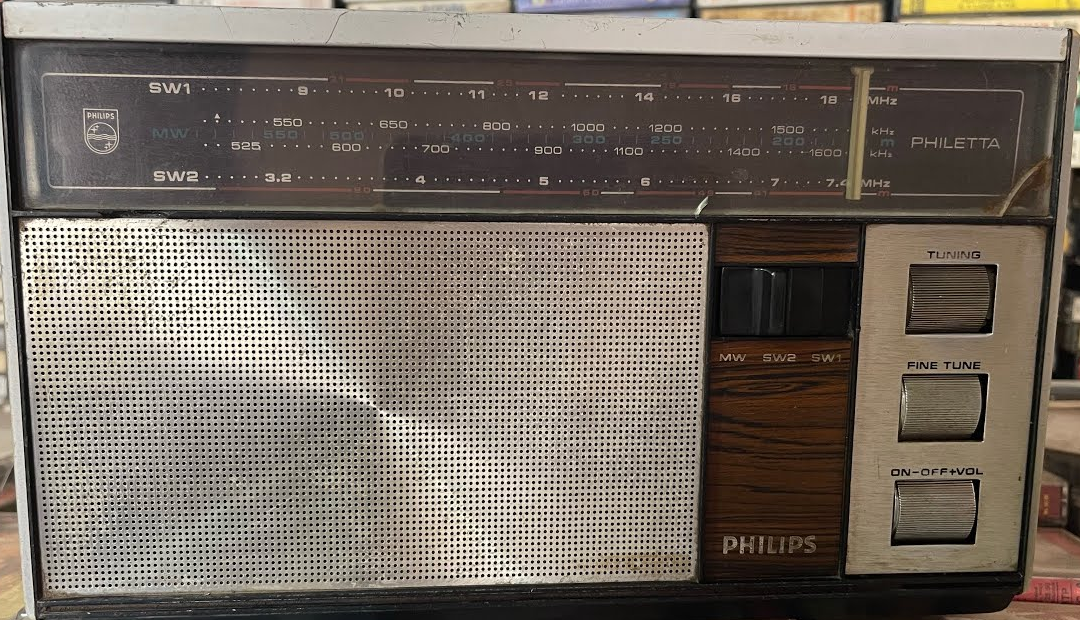
Our only source of entertainment was the transistor radio. At times, by positioning the antenna at a precise spot and angle, we could catch Sri Lankan Broadcasts. Otherwise, it was mostly Radio Pakistan. That little transistor was my life line; my window to the world, my music teacher, and, as I later discovered, my secret weapon.
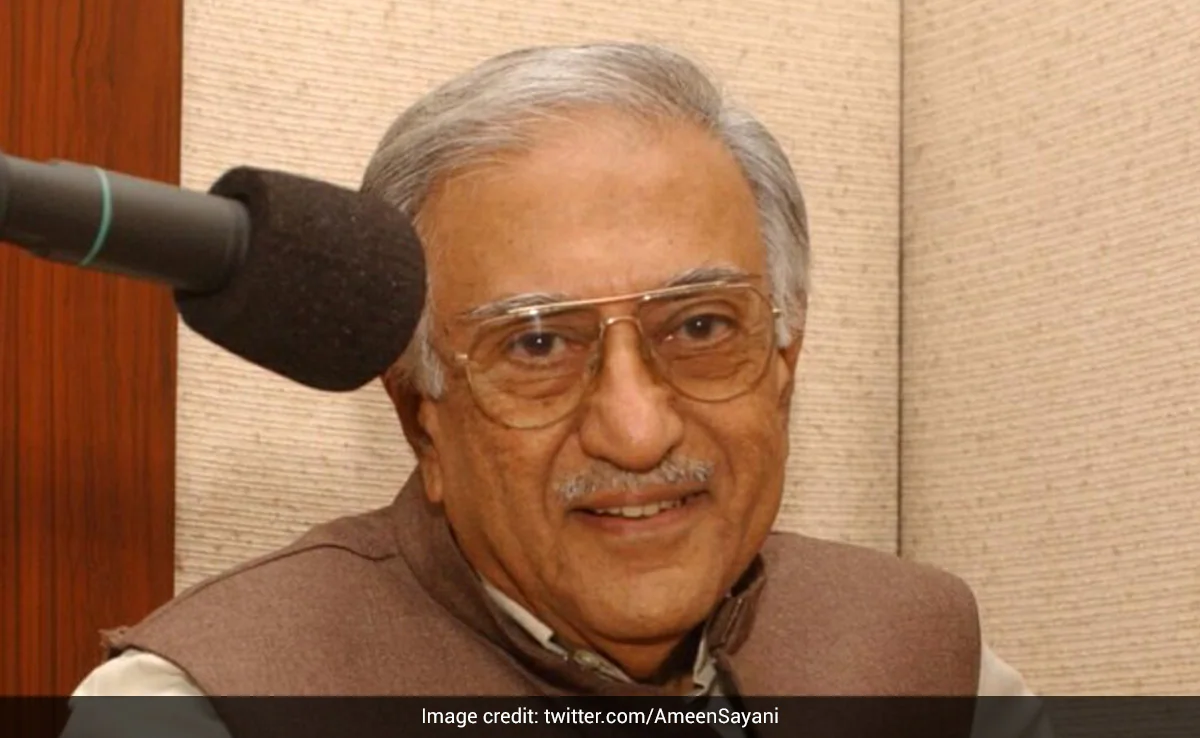
But we listened to one programme religiously: Binaca Geetmala – the weekly Hindi film music countdown hosted by the iconic Ameen Sayani from 1952 to 1994. It ranked popular Bollywood songs based on record sales and listener requests. To me as with most Indians, Bollywood music was a passion. He provided details about the film from which the song came, including the producer, director, and lead actors. Sayani also shared behind-the-scenes stories about popular composers, lyricists, and playback singers.
The most popular Hindi film song programme on Akashvani (All India Radio) dedicated to the armed forces during the 1980s was Jaimala, which was broadcast on the Vividh Bharati service daily at 7:00 PM. It featured Hindi film songs requested by soldiers stationed in far-flung, remote border areas. Popular film stars and celebrities of the 1970s and 80s were often invited to present their favourite songs. While Jaimala was a top favourite, other shows that soldiers listened to were Aap ki Pasand and Bhoole Bisre Geet,
Romance of a Nation
Back then (and perhaps even now) social decorum often restricted the outward expression of intimacy. So, Bollywood music functioned as the primary language through which the Indian psyche conceptualised and experienced romance. These melodies provided a vital emotional outlet, using poetic metaphors of nature and longing to articulate feelings that remained unsaid in the pragmatic reality of everyday life. The music transformed the modest dreams of the salaried class into something cinematic and grand. Ultimately, these songs not only provided a backdrop for love, they also defined the very aesthetic of courtship, teaching an entire generation how to pine, how to woo, and how to find beauty within the boundaries of their social fabric.
A Daughter’s Question
In 2010, our daughter Nidhi was pursuing a B Sc at York University, Toronto. She had chosen an optional subject that intrigued me: The Music of Bollywood Films. The course explored the cultural evolution, history, instrumentation, styles, and societal impacts of Indian cinema’s soundtracks—from the days of Alam Ara through the films of Guru Dutt, Raj Kapoor, and Dev Anand, covering roughly 1940 to 1970.
Nidhi began quizzing me:
“Inhi logon ne, inhi logon ne…”
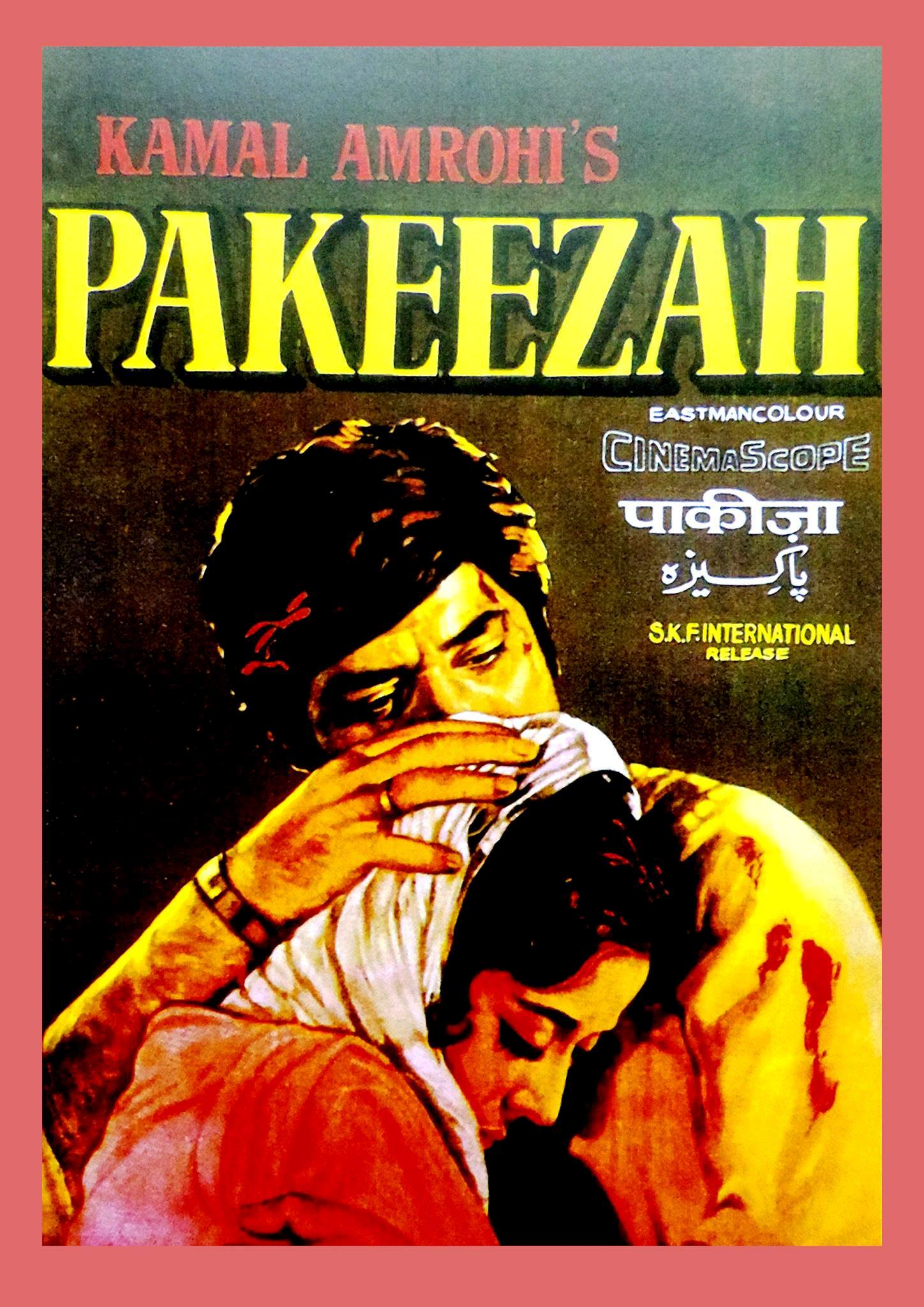
I answered without hesitation: “Pakeezah. Lata Mangeshkar. Filmed on Meena Kumari. Music Director: Ghulam Mohammed. Lyricist: Majrooh Sultanpuri.”
“Pyar Kiya To Darna Kya?”
“Mughal-e-Azam. Lata Mangeshkar. Filmed on Madhubala. Music Director: Naushad. Lyricist: Shakeel Badayuni.”
“Matwala jiya dole piya?”
“Mother India. Lata Mangeshkar and Mohammed Rafi. Filmed on Nargis and Sunil Dutt. Music Director: Naushad. Lyricist: Shakeel Badayuni.”
“Jane Kya Tune Kahi?”
“Pyaasa. Geeta Dutt. Filmed on Waheeda Rahman and Guru Dutt. Music Director: S.D. Burman. Lyricist: Sahir Ludhianvi.”
The quizzing continued for two weeks. I managed to answer about sixty percent – a feat that surprised even me.
The Secret Revealed
Nidhi wanted to know how I knew so much about Bollywood music. I smiled and revealed my secret: the transistor radio during my first Kashmir deployment.
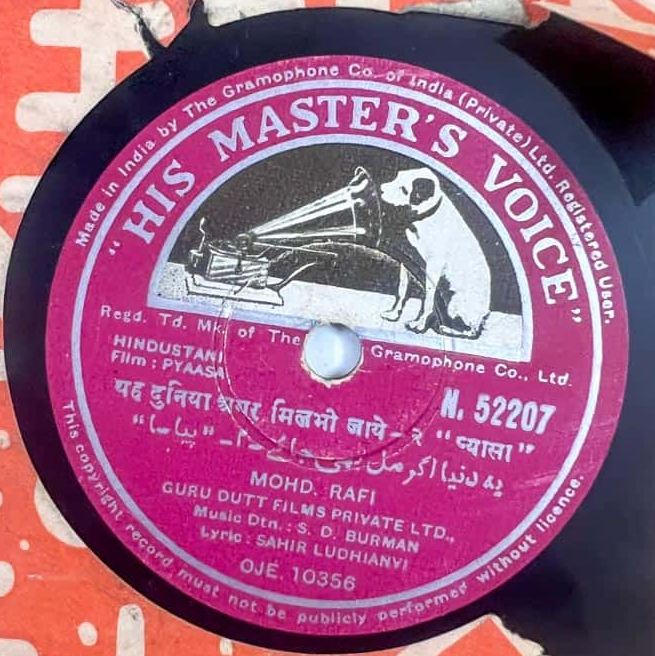
Then I asked a question with genuine authority: “Why are songs from that era only about three minutes long?”
She did not know. I showed off my knowledge, courtesy of Binaca Geetmala and Ameen Sayani.
In those days, music was recorded on His Master’s Voice (HMV) records. Each record could hold about three to four minutes of audio. Placing the grooves too close together significantly reduced sound quality. For optimal sound quality, three minutes was the recommended duration. The constraint of technology shaped the art – and the art, in turn, shaped a generation.
Luckily for me, this very question came in the final exam and Nidhi got it right!!!!
Epilogue
Decades later, sitting in Canada, answering our daughter’s university questions about Bollywood’s golden era, I realised something: the lonely months at the LOC, the crackling transistor, the voice of Ameen Sayani – they had given me more than entertainment. They had given me a cultural education that would one day bridge continents and generations.
And somewhere in Kashmir, on the windswept posts named after forgotten wives, I imagine the ghosts of those songs still linger, three minutes at a time.
 REJINCES
Lovely article Sir. Beautifully written. I suppose I was one of the last OP officers with a transistor radio. It disappeared sometime after my Lieutenancy.
LikeLiked by 1 person