

During our trip to the Rocky Mountains in Alberta and British Columbia in August 2016, we undertook a 30-minute helicopter ride over the mountain ranges and the Boreal Forests of Revelstoke, British Columbia. The town is located 641 km East of Vancouver, on the banks of the Columbia River.
A Nation of Trees

Canada is home to 10 percent of the world’s forest cover and 30 percent of the world’s Boreal Forests. About 38 percent of Canada’s land area—roughly 3.4 million of the country’s 9.1 million square kilometres—is forested. Of this, 92 percent is owned by government, highly regulated and carefully monitored. Slightly more than half is classified as commercial forest, capable of producing merchantable timber.
The 200-Year Plan
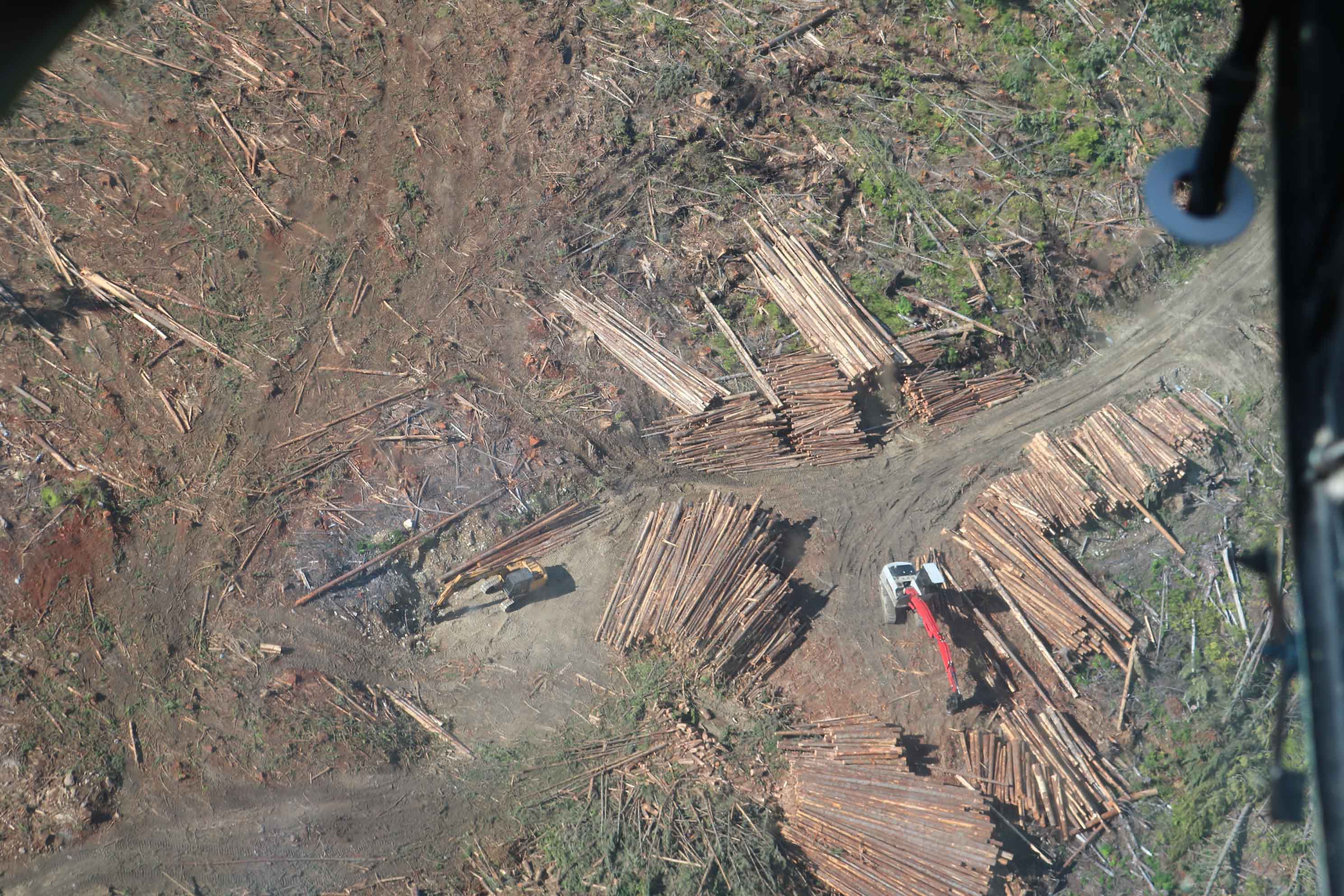
Various government agencies identify intended methods of cutting, reforesting, and managing timber resources within defined areas of responsibility. The forest management planning horizon is an astonishing 200 years—representing two full life cycles, or ‘rotations’, of the forest.
Despite being the world’s leading exporter of softwood lumber, newsprint, and wood pulp, Canada harvests less than 0.2 percent of its forest annually. On average, a tree must be 80 to 100 years old before it is ready for harvesting. If 1 percent of trees were harvested each year, the forest would have a full century to grow back before being re-harvested. In reality, the actual figure is always much less than 1 percent, though it varies annually depending on factors such as wildfire and mountain pine beetle activity.
Planting by Hand, Counting by Tree
While trees can now be felled with the help of machines, replanting must be done by hand, one sapling at a time. Certain species, such as aspen, regenerate naturally after harvesting. The number of trees in Canada works out to sixteen trees for every person. But perhaps more impressively, Canada plants an average of more than two trees for every one the industry harvests.
Silviculture: Art and Science
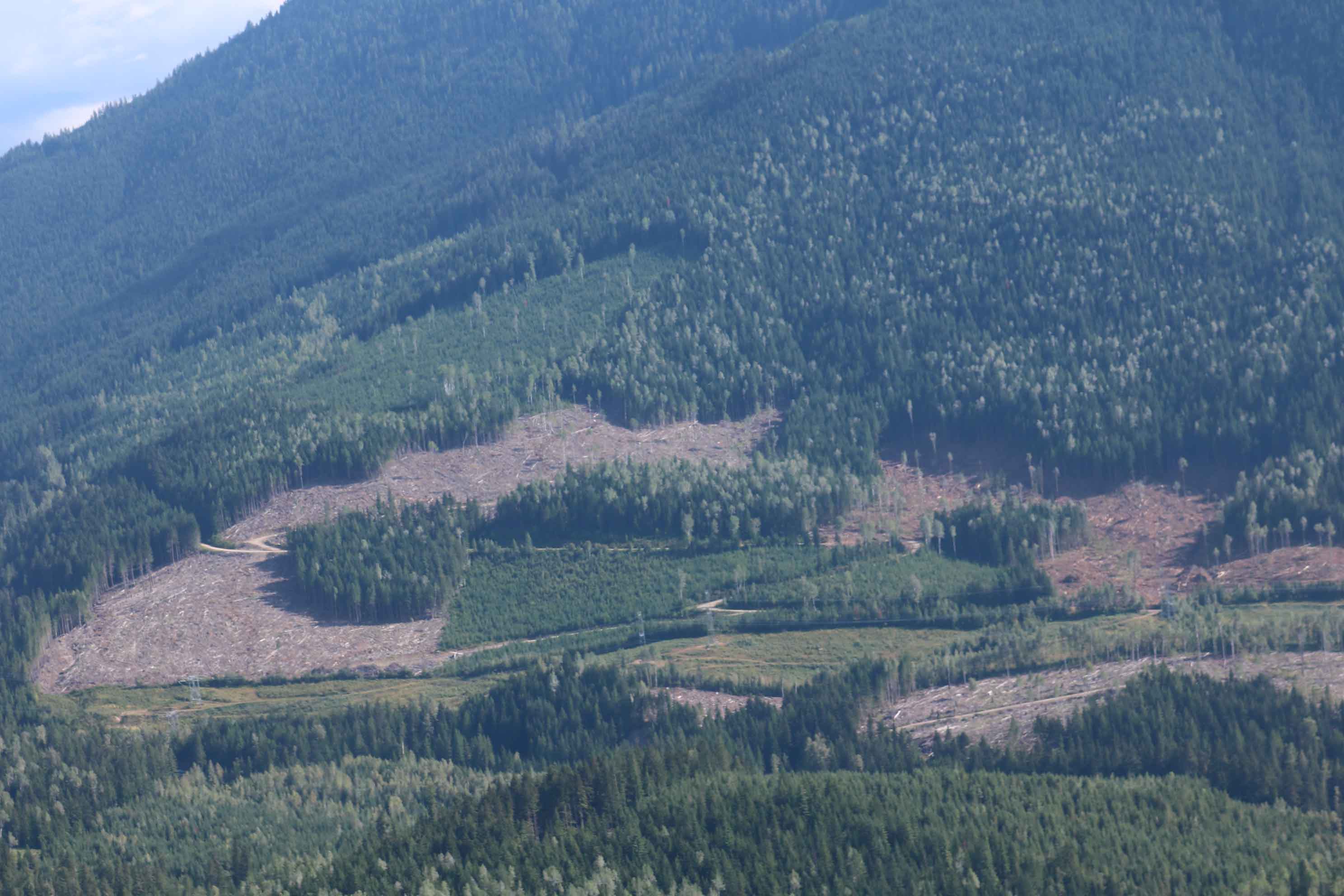
A silviculture system covers all management activities related to growing forests—from early planning through harvesting, replanting, and tending the new forest. Silviculture is the art and science of controlling the establishment, growth, composition, and quality of forest vegetation to achieve a full range of forest resource objectives. Canada’s policy guideline is clear: sustain environmental and economic values for the future. By global standards, Canada’s forest management policies and practices rank among the most stringent.
The Challenge of Clearcutting

A common method of logging in Canada is clearcutting—harvesting and removal of an entire stand of trees. Although efficient, clearcutting presents environmental challenges. It can increase the harmful impact of wind and rain on local ecosystems, destroy valuable wildlife habitat for species such as pine martens and caribou, and cause soil to become dry and overheated. This, in turn, may increase the risk of fire or interfere with seedling growth. Logging operations can also alter the chemical and physical makeup of nearby water bodies, affecting the health of fish and other aquatic species.
Legal Mandates for Reforestation
Since 1949, forest companies in Canada have been legally required to reforest harvested areas. Reforestation must occur within two years of harvesting, and planting operations must promote tree survival through the winter months. Companies monitor trees for up to fourteen years after planting. In most cases, logging companies must regrow at least two trees for every one harvested. Sometimes, companies plant five or six trees per harvested tree, ensuring that enough will survive to replace those removed.
Harvesting as Renewal
Harvesting too many trees can indeed harm a forest. But with careful planning, harvesting can actually make forests healthier. Clearing out old trees makes space for new growth, continuing the life cycle. Many animals—deer, moose, and elk—prefer younger forests with fresh vegetative growth. Younger trees are also less prone to diseases and invasive insects such as the mountain pine beetle.
The Patchwork Forest
If a forest consisted only of trees of the same age, it would be neither healthy nor diverse. Above, you can see patches of forest at very different stages of growth. Older trees provide habitat for wildlife; younger trees promise renewal.
Forest harvesting involves cutting trees and delivering them to sawmills, pulp mills, and other wood-processing plants. Operations include road construction, logging, and log transportation. Years of planning go into deciding when and which parts of the forest will be harvested—and how—all to ensure protection of social and environmental values. Specific methods vary by region and forest type.
Roads Through the Woods
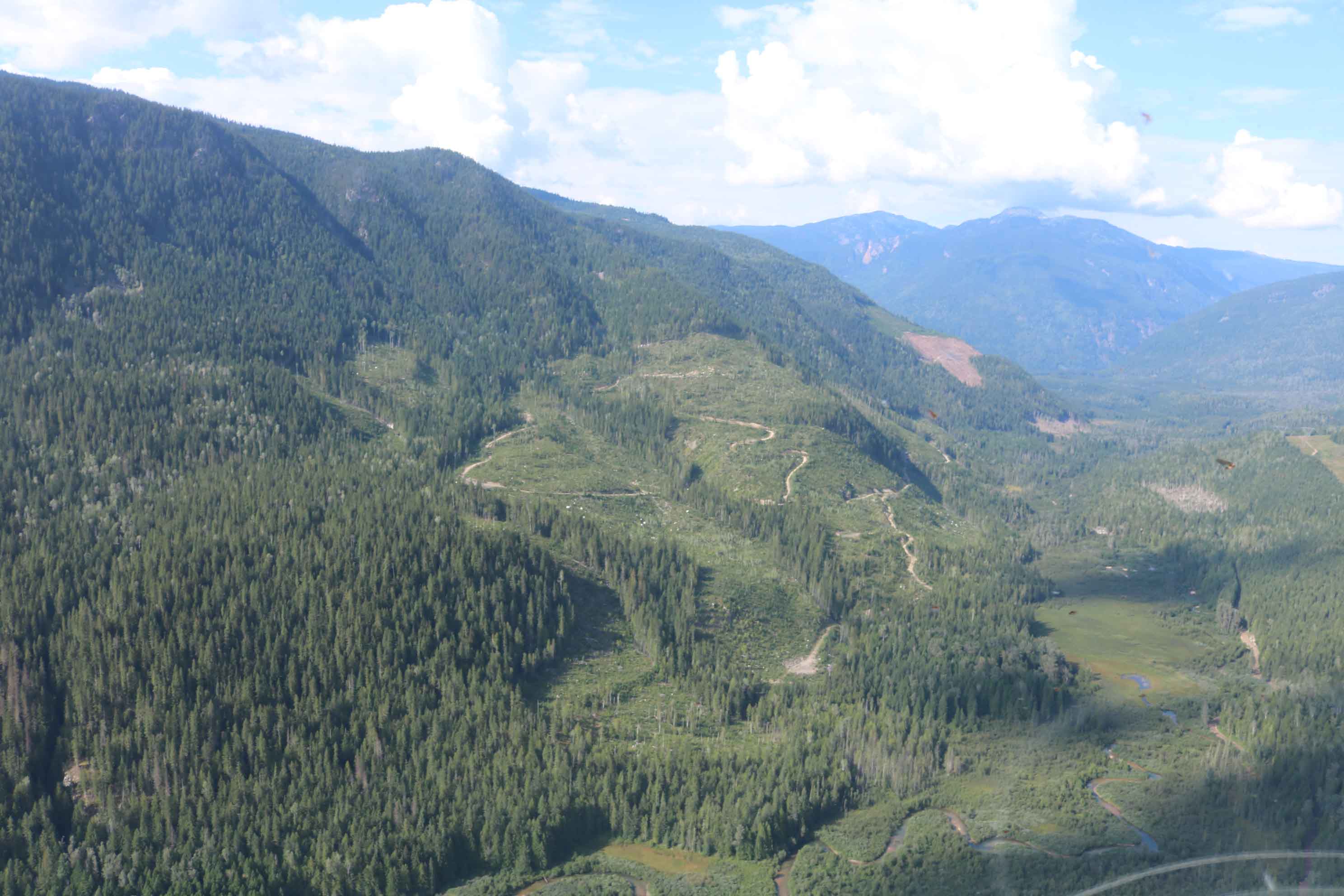
The forest industry builds thousands of kilometres of logging roads each year. These roads require extensive planning and surveying. They must be constructed to minimise soil erosion, protect water quality, and cause the least possible impact on the forest growing site.
Transporting Timber

Lumber and timber products are transported mostly by rail or road. Waterways are also used, with logs floated downstream in raft formations or moved by powered barges. The trans-Canadian railway line connecting the Atlantic coast to the Pacific coast runs through this region.
Fire as Renewal

Forest fire is nature’s way of deforestation—but also nature’s way of renewal. These fires return valuable nutrients to the soil, enabling natural rebirth. Some pine cones need high temperatures to burst open and release their seeds. Fires also allow undergrowth exposure to sunlight, helping it grow more vigorously. Such fires naturally occur in these forests every 150 to 250 years.
A Legacy for Future Generations
Only through regulated and dedicated efforts by government agencies and the timber industry can Canada sustain its forest wealth. The efforts appear to be moving in the right direction—ensuring ecological balance while allowing forests to thrive for generations to come.
From the helicopter above Revelstoke, looking down at the patchwork green of old growth and new planting, one could see the promise of those policies playing out in real time. Not just timber, but trust. Not just trees, but tomorrow.


really worth reading post… as usual lots of info 🙂 i think this is the one post i have read in last few weeks in the midst of hectic work and network failure days.. Good one 🙂
LikeLiked by 1 person
Learnt something new today……Good one
LikeLiked by 1 person
Quite interesting article. From the photos, I couldn’t make out any fire lanes in forest as we have in India.
LikeLiked by 1 person