
The 1978 Lecturette: A Case for Co-Education
In 1978, during my Services Selection Board (SSB) interview, we were given a slip containing three subjects for a five-minute lecturette. The subject I chose was co-education.
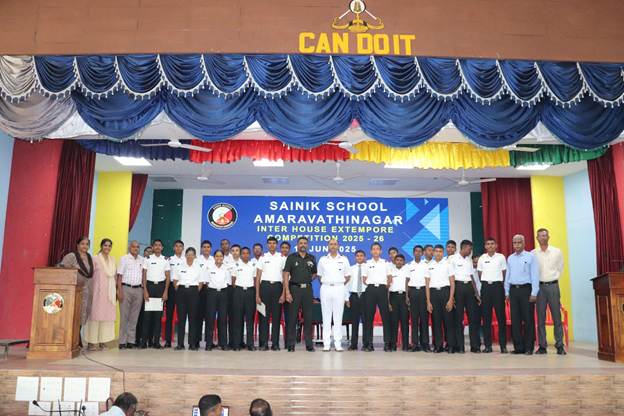
At the time, Sainik School admitted only boys—though today, girls are also cadets. My central argument was simple: imagine the transformation if girls were present in our classrooms.
My central argument was simple: imagine the transformation if girls were present in our classrooms. Our turnout would become impeccable. Haircuts would be crisp, uniforms sharply ironed, brass polished to a mirror shine, and shoes gleaming. Furthermore, our performance on the sports field and in academics would soar to new heights.
Studying and playing together would help cadets interact with the opposite sex naturally and confidently—a quality I personally lacked. It would provide a platform to shatter traditional gender roles, especially within the defence forces, encouraging cadets to pursue their ambitions without limitations.
Classroom discussions would bring out a wider range of opinions, broadening horizons and enhancing critical thinking. Ultimately, co-education would foster a motivating environment where students strive harder.
Every cadet, without exception, would conduct himself like a true gentleman.
The motive? To impress the girls.
A Theory Untested
I cannot say with certainty whether this theory would have worked back then. In my day at Sainik School Amaravathinagar, Tamil Nadu, we had no female cadets to test it.
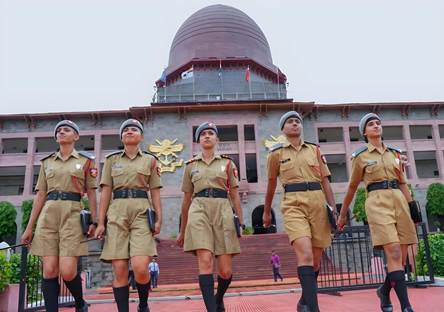
However, with girls now thriving in Sainik Schools across the country, I believe the boys are performing far better than we ever did. As women join various Indian defence academies, the positive ripple effect continues.
I like to think that somewhere, my 1978 lecturette was ahead of its time.


This is a topic of yesterday years in India and still a serious topic to be considered in the areas where certain religious belief force the separation of children on gender . A nice read with everyone having individual opinion .
LikeLiked by 1 person
But since you cleared the SSB sir your assessors also saw the wisdom of your words 🙂
LikeLiked by 1 person