
By Brig Azad Sameer (Retd)
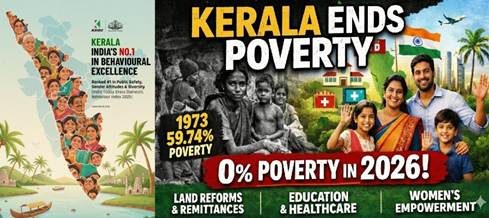
The Kerala Model of development has long been a subject of fascination for global economists like Amartya Sen. It presents a profound paradox: a region achieving human development indices – high life expectancy, low infant mortality, and near-universal literacy – comparable to advanced Western nations, despite a relatively low per-capita income. At the heart of this success is the systematic dismantling of structural violence. By addressing the invisible, systemic barriers that historically suppressed its people, Kerala transformed from what Swami Vivekananda once called a lunatic asylum of caste into a global beacon of social justice and Positive Peace. Essentially it is only when social and economic inequities are minimised do we get Positive Peace.
1. The Concept of Structural Violence: The Galtungian Framework
The term Structural Violence was pioneered by the Norwegian sociologist and Father of Peace Studies, Johan Galtung, in 1969. To understand Kerala’s journey, one must first grasp Galtung’s expansion of what violence means. He argued that violence is not merely a physical act of hitting or killing (which he termed Direct Violence); rather, it is any social arrangement or institution that prevents a human being from achieving their full potential.

Galtung defined it as the avoidable gap between the potential and the actual. If a person dies from a curable disease because they cannot afford medicine, or if a child remains illiterate because of their social status, violence has been committed – even if no one pulled a trigger. This form of violence is silent, actor less, and often invisible because it is built into the very laws, economic systems, and social norms of a country. Furthermore, Galtung introduced two supporting concepts:
- Cultural Violence: This refers to aspects of culture – religion, ideology, or language – that are used to justify or sanitise structural or direct violence. In India, the doctrine of Karma was sometimes historically misused to suggest that a person’s low social status was a divine consequence, making the structural inequality seem natural, preordained and unchangeable.
- Positive Peace: Galtung argued that the absence of direct violence is merely Negative Peace. For a society to thrive, it requires Positive Peace, which is the active presence of social justice, equity, and the removal of the structures that cause harm. Kerala’s history is a deliberate march toward this Positive Peace.
2. Two Millennia of Caste Endogamy
The Roots of Inequity: In the Indian context, the most potent engine of structural violence has been the caste system, a hierarchy sustained for nearly 2,000 years through the rigid practice of endogamy (marrying strictly within one’s own caste). As analysed by Dr. BR Ambedkar, endogamy was the mechanical method used to create enclosed units that prevented the fusion of blood and culture across society. This centuries-old practice resulted in several deep-rooted facets of structural violence:
The Monopolisation of Resources: Endogamy ensured that Social Capital – land ownership, literacy, and ritual status – remained locked within the upper tiers of the hierarchy. Wealth and knowledge were not allowed to trickle down; they were inherited only by those born into the right circle.
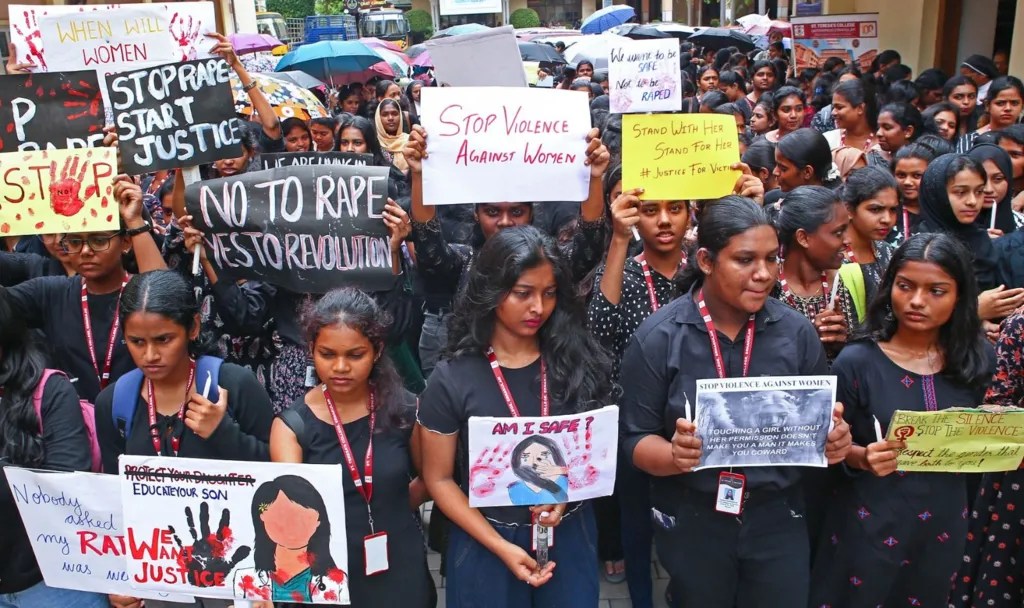
Systemic Deprivation: For the underprivileged sections (the Dalits and Adivasis), this meant a hereditary sentence to manual labour and landlessness. In Kerala, this was particularly brutal. The state practiced unapproachability and even unsuitability, where a lower-caste person was legally and socially barred from using public roads or entering schools.
Internalised Oppression: By maintaining these rigid silos for two millennia, the system created a psychological barrier. The marginalised were often persuaded to perceive their own deprivation as an inescapable law of the cosmos rather than a result of human-made policy, practice or norm. Breaking this 2,000-year-old structural deadlock required more than just charity; it required a total revolution of the state’s socio-economic architecture.
3. Constitutional Deconstruction: The Union’s Post-Independence Mandate: To dismantle this multi-layered structural violence and to rectify for the errors of history the newly independent Indian state, under the chairmanship of Dr. BR Ambedkar, institutionalised a radical legal framework. The Constitution of India (1950) served as the primary tool for Positive Peace by criminalising the most overt forms of caste-based discrimination. Article 17 abolished Untouchability, transitioning it from a social norm to a punishable offense, while Article 15 prohibited discrimination on grounds of religion, race, caste, sex, or place of birth. Recognising that mere legal equality was insufficient to bridge the avoidable gap, the Union government introduced Articles 16(4) and 330, establishing the world’s most comprehensive system of Affirmative Action (Reservations) in public employment and legislative bodies. Furthermore, the Scheduled Castes (SC) and Scheduled Tribes (ST) Prevention of Atrocities Act was eventually conceptualised to provide a legal shield against direct violence. These national measures provided the essential legal scaffolding upon which Kerala would later build its unique, localised socio-economic interventions, turning constitutional promises into lived realities for the marginalised.
4. Empirical Evidence: Kerala’s Lead in the Fight against Structural Violence
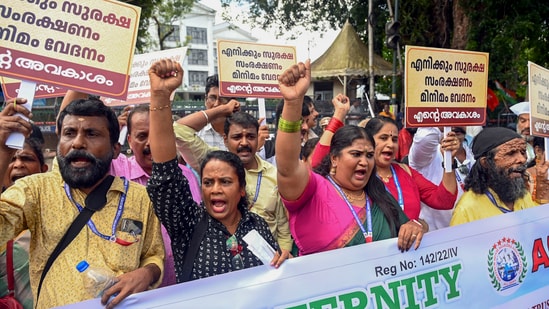
The most conclusive proof of Kerala’s success in dismantling structural violence lies in its consistent performance in the Sustainable Development Goals India Index (SDGI), developed by NITI Aayog. The SDGI is a comprehensive framework that evaluates Indian states and Union Territories on their progress toward the United Nations’ 17 Sustainable Development Goals, effectively measuring a state’s ability to provide equitable health, education, and economic security. Since its inception, Kerala has remained the national benchmark, securing the top rank in all four editions: it shared the lead with Himachal Pradesh in 2018, held the solo top position in both 2019-20 and 2020-21, and most recently shared the first-place ranking with Uttarakhand in the 2023-24 assessment.
This sustained excellence translates directly into the lives of Kerala’s most vulnerable populations. Recent findings from the NITI Aayog National Multidimensional Poverty Index (2023) and the National Family Health Survey 6 (NFHS-6) reveal a dramatic reduction in structural violence compared to the All-India average:
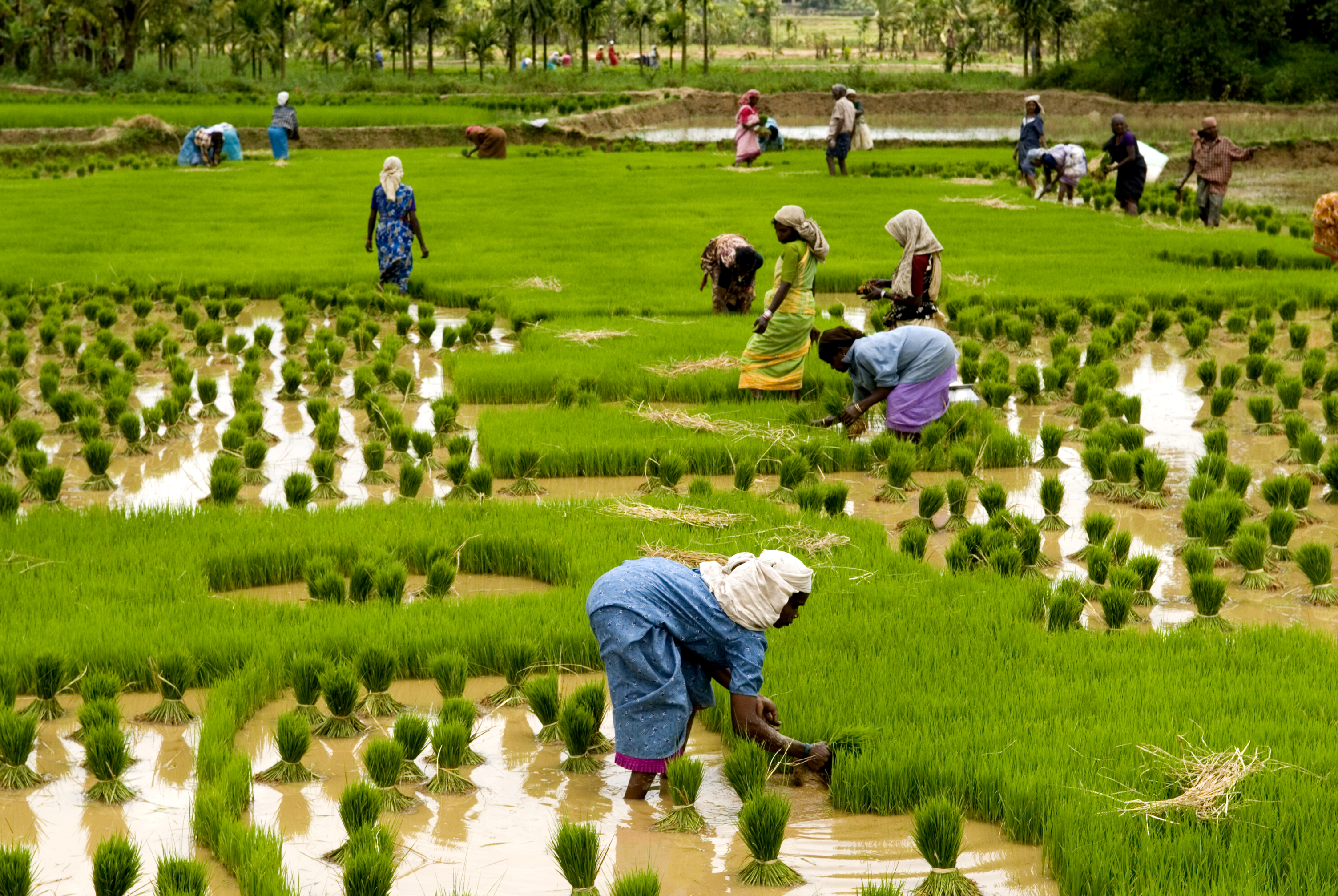
- Multidimensional Poverty (MPI): Kerala’s headcount poverty ratio is a staggering 0.55%, the lowest in India, compared to the national average of 14.96%. While poverty among SCs and STs remains over 30% in many states, the gap in Kerala is statistically marginal, proving that birth is no longer a predictor of destitution.
- Health and Survival: A primary marker of avoidable death is the Infant Mortality Rate (IMR). Kerala’s IMR is roughly 6 per 1,000 live births, matching developed nations like the USA, while the All-India average stands at 28. Furthermore, while the national Maternal Mortality Ratio (MMR) is around 97 per lakh, Kerala has achieved an MMR of 19, demonstrating a systemic protection of life that transcends class.
- Literacy and Education: Kerala’s literacy rate is nearly universal at 94-96%, compared to the Indian average of 77%. Critically, the SC/ST literacy rate in Kerala (over 90%) is higher than the general literacy rate of most other Indian states. The gender gap in literacy is also the lowest in India (under 2%), proving that structural barriers against women have been effectively dismantled.
- Life Expectancy: A person born into an underprivileged section in Kerala can expect to live nearly 75 years, roughly 10-12 years longer than the national average for the same demographic. In Kerala, the system no longer steals years of life based on the circumstances of one’s birth.
5. Current Prosperity and Socio-Economic Status: A Story of Upward Mobility

The contemporary prosperity of Kerala is defined by a radical shift from agrarian feudalism to a robust, service-oriented middle-class economy. Central to this upward mobility was the Land Reforms Act of 1963, which dismantled the Janmi (landlord) system and redistributed land to the tiller, effectively decapitating the primary engine of structural violence: landlessness. This foundational change allowed subsequent generations to pivot toward education rather than subsistence labour. Today, this transition is visible in the significant presence of underprivileged communities in elite professional spheres. In the medical and engineering sectors, the avoidable gap has been narrowed through sustained state support; for instance, nearly 14-15% of undergraduate engineering enrolments in the state now come from SC and ST communities. Specialised programs like the Sree Chitra Tirunal Institute for Medical Sciences and Technology (SCTIMST) Empowerment Program provide targeted scholarships and research opportunities in biomedical sciences for ST students, ensuring they reach the highest tiers of medical specialisation.
Furthermore, the state’s bureaucracy has seen a democratic overhaul. Recent data from the e-Caste database indicates that SC and ST members now hold over 62,000 permanent government positions. This upward movement extends into Group A and gazetted services, where once-marginalised groups now exercise administrative agency. In the realm of private business, the Kerala Startup Mission (KSUM) has launched initiatives like Startup Dreams and the Backward Classes Development Department (BCDD) Grant, providing up to ₹10 lakh in early-stage funding specifically for entrepreneurs from backward classes and SC/ST backgrounds. These schemes, combined with a Migration Miracle that has democratised access to global labour markets, ensure that prosperity in Kerala is increasingly decoupled from the historical accidents of birth. The state’s rurban landscape now reflects a spatially distributed wealth where high-quality housing and modern amenities are a shared reality rather than a caste privilege.
6. Current Status of Caste-Based Occupations
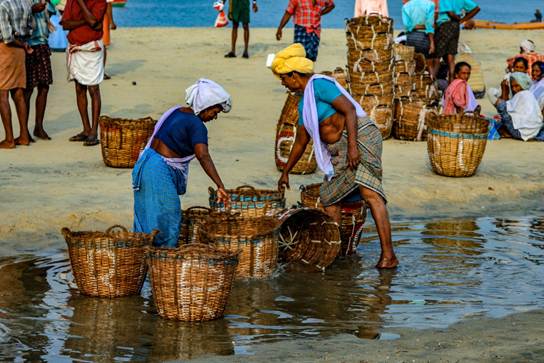
One of the most profound markers of dismantling structural violence in Kerala is the near-total decoupling of caste from occupation. For centuries, the varna system acted as a rigid professional prison; today, that prison has been razed. The state has successfully moved away from hereditary labour through a combination of aggressive trade unionism, minimum wage legislation, and universal education. In Kerala, manual scavenging – a brutal hallmark of caste-based violence elsewhere – is virtually non-existent, replaced by technological interventions.
Furthermore, the democratisation of the sacred has struck at the heart of Cultural Violence. In a historic move, the Kerala Devaswom Board (which manages temples) began appointing non-Brahmins and Dalits as priests, challenging the 2,000-year-old monopoly over ritual labour. In the secular sphere, the high density of white-collar professionals among SCs and STs – enabled by the state’s robust reservation policies and a 90%+ literacy rate—means that a person’s surname no longer dictates their tools of trade. While subtle prejudices may linger in private social circles, the economic necessity of caste-based labour has been replaced by a Dignity of Labor culture, where the minimum wage for an unskilled worker in Kerala is often three to four times higher than the national average. A plumber in the US may arrive for work in a swank car. But here in Kerala at least he arrives in a swank bike. Much of the caste-based occupations have simply vanished. In a few generations caste-based occupations may entirely be a relic of the past.
7. Evaluation: Current Levels of Structural Violence
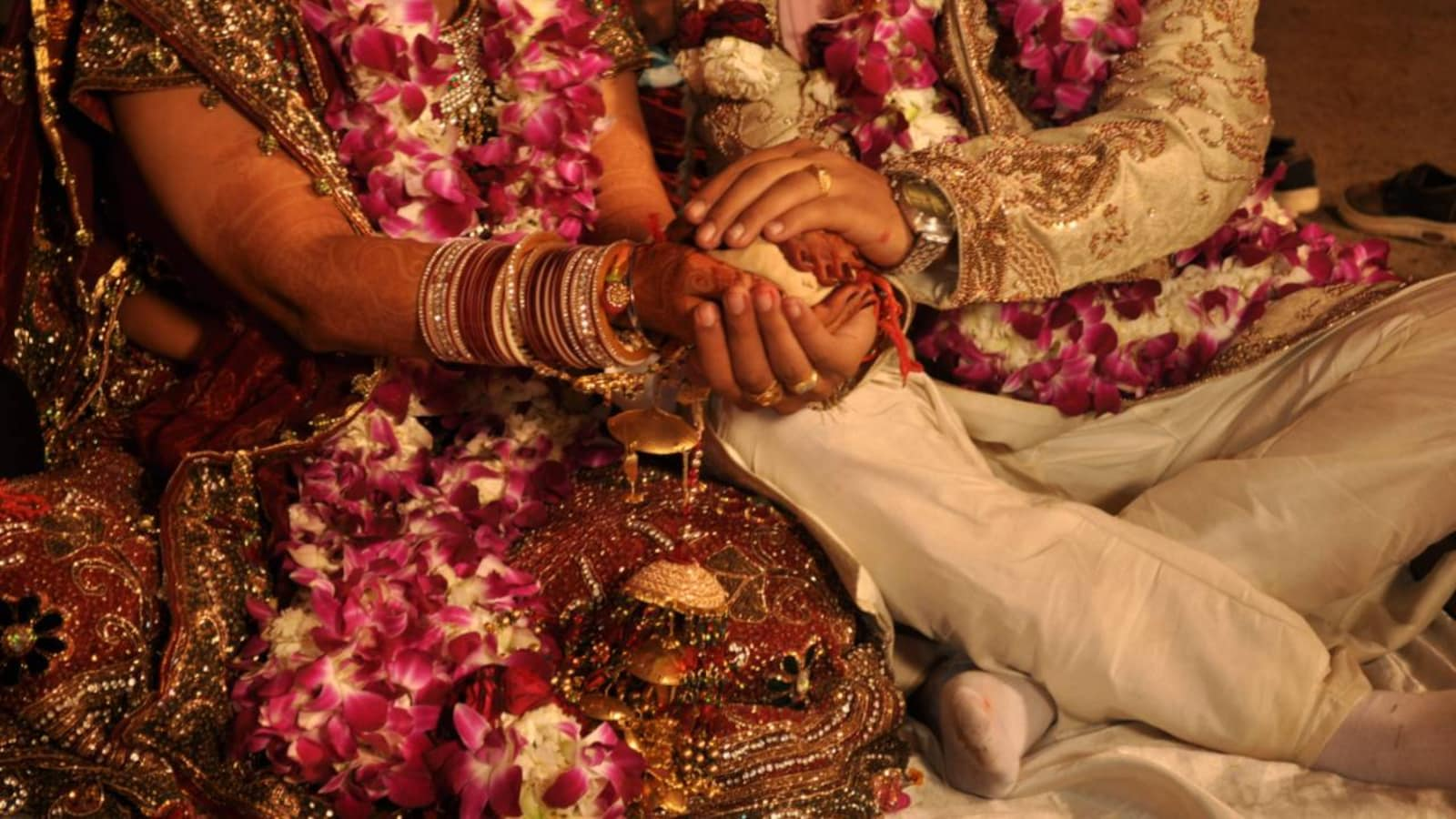
Is caste-based endogamy still prevalent in Kerala? Yes, of course it does. Only 12-15% of all marriages are inter-caste. In the case of marriages below the age of 24 this is nearly 25% inter-caste. These figures are however more than double the national average. Does structural violence exist in Kerala today? The answer would have to be yes, but very little in scale. While Kerala has made historic strides toward Positive Peace, an honest evaluation reveals that structural violence has not been entirely eradicated; rather, it has evolved and shrunk into specific pockets of exclusion. The Galtungian avoidable gap persists for two specific groups: the Adivasi (tribal) communities in regions like Attappady and the coastal Fisherfolk. Despite the state’s low Multi-Dimensional Poverty Index MPI, these groups still face higher rates of malnutrition and land alienation compared to the Kerala average, representing a last mile challenge for the Kerala Model.
Additionally, new forms of structural barriers have emerged in the form of Gendered Violence. While Kerala leads in female literacy and health, its female labour force participation rate (LFPR) has historically lagged its educational achievements, suggesting that patriarchal social norms still act as a structural brake on women’s economic potential. However, when measured against the Direct Violence and Extreme Poverty prevalent in the rest of South Asia, Kerala’s levels of structural violence are remarkably low. The state has moved from a caste lunatic asylum to a deliberative democracy where the marginalised have the political agency to protest and demand their rights. Kerala’s journey proves that structural violence is not a permanent condition of the Global South, but a policy choice that can be unmade through persistent social engineering and the pursuit of equity.
8. The Mechanics of Transformation
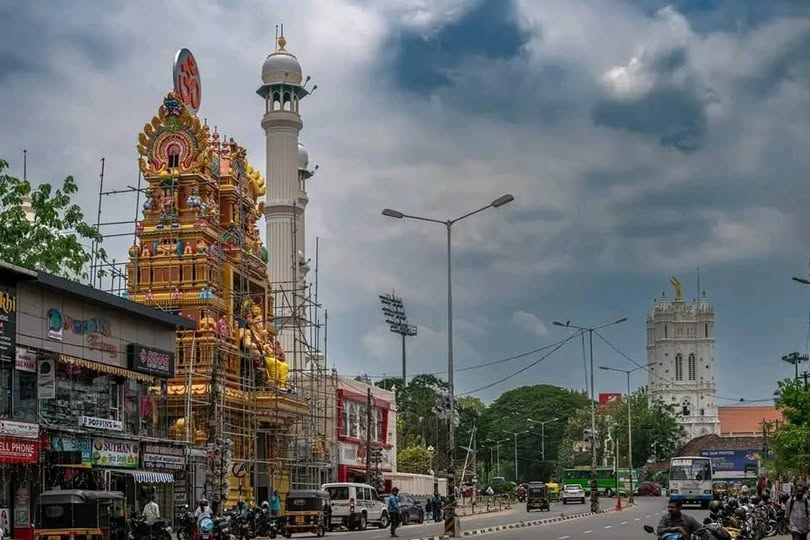
A Tripartite Synergy: The transition from a lunatic asylum to a model of human development was not accidental; it was the result of a deliberate, century-long synergy between social movements, visionary governance, and institutional reform. This transformation can be broken down into several key catalysts:
The Kerala Renaissance: Cultivating the Grassroots: Long before the state intervened, a powerful social reform movement—the Kerala Renaissance – began eroding the foundations of cultural violence. Figures like Sree Narayana Guru, who championed the slogan One Caste, One Religion, One God for Man, and Ayyankali, who led the struggle for the right of Dalit children to attend school, challenged the internal logic of the caste system. These movements did more than protest; they built alternative institutions – schools, temples, and community centres – that empowered the marginalised to reclaim their human agency. By the early 20th century, these grassroots agitations had successfully shifted the public consciousness, making social equity a non-negotiable political demand.
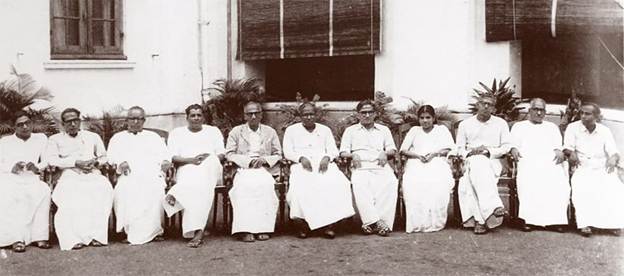
1957: The First Communist Ministry and Legislative Boldness: A pivotal moment in the dismantling of structural violence occurred in 1957 with the election of the first Communist ministry in the world through a democratic process, led by EMS Namboodiripad – well known as EMS. This government moved beyond rhetoric to enact systemic change. The Education Bill of 1957 sought to regulate private schools and ensure better conditions for teachers, effectively democratising access to knowledge. Simultaneously, the introduction of the Kerala Agrarian Relations Bill (the precursor to the 1963 Land Reforms) struck at the heart of feudalism. By promising land to the tiller, the state began the physical process of redistributing social capital, ensuring that the underprivileged were no longer mere appendages to the soil but stakeholders in the economy.
9. Understanding the Kerala Model
The Kerala Model is a unique developmental trajectory where high human development outcomes – comparable to those in the Global North – coexist with a relatively modest per-capita income. This model was not the product of a single era but the result of a sustained ideological commitment to equity. A defining moment in this journey occurred in 1957, when Kerala elected the first Communist government in a major democratic state in the world. Under the leadership of EMS, this ministry introduced radical reforms that fundamentally sowed the seeds of the state’s future progress. By prioritising land redistribution and the democratisation of education, they struck a decisive blow against the inherited structures of feudalism and caste. It sowed the seeds of the welfare state where health and literacy developed into human rights. This focus on Human Capabilities (as Amartya Sen describes it) ensured that even those with low private incomes had access to world-class health outcomes and 100% literacy.
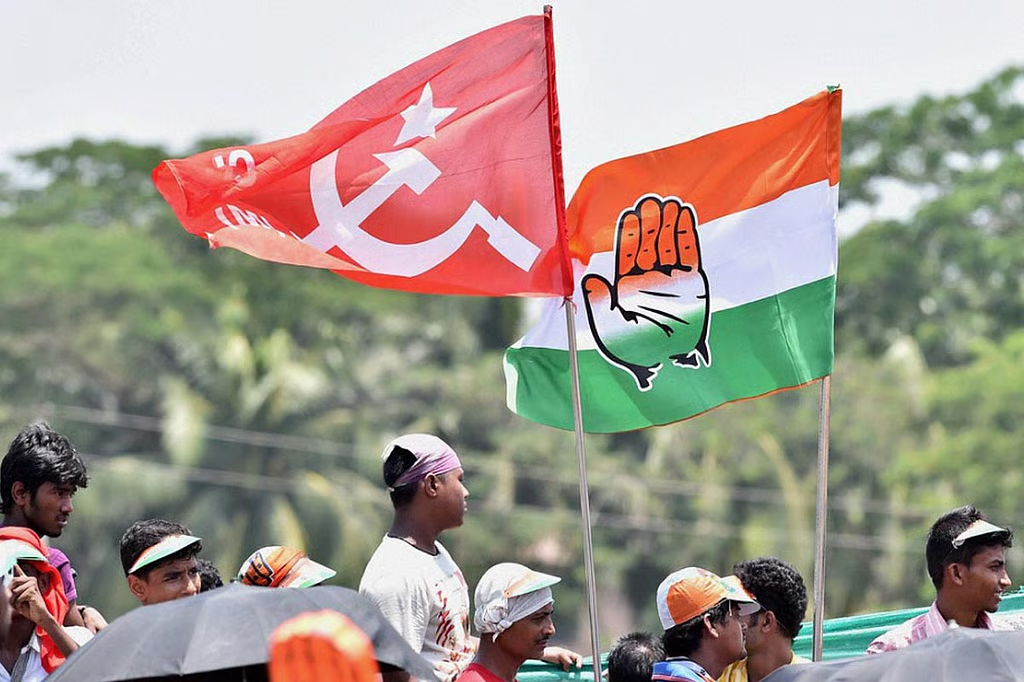
Political Continuity. What makes the Kerala Model truly remarkable is its political continuity. The radical seeds sown by the 1957 ministry created a powerful social demand for welfare that no subsequent administration could ignore. Over the following decades, whether the state was led by the Left (LDF), or Centrist coalitions (UDF), the core pillars of the model – universal healthcare, food security through the public distribution system, and accessible education – were nurtured to fruition. This cross-party consensus ensured that the dismantling of structural violence became a permanent feature of the state’s governance. As a result, the Kerala Model stands today as a testament to how visionary early legislation, when consistently upheld by successive governments irrespective of their political labels, can transform a society from the bottom up.
Education, Migration, and the Global Dividend: This heavy investment in human capital directly enabled the Migration Miracle. Because the state had produced a highly literate and healthy workforce, Keralites were uniquely positioned to take advantage of the 1970s oil boom in the Gulf. This migration served as a massive economic bypass of the traditional caste-based wealth structures. Remittances flowed directly into rural households, funding the construction of modern homes and the higher education of the next generation. In this way, the state’s focus on health and education provided the wings for upward mobility, allowing the underprivileged to leapfrog centuries of domestic economic stagnation.
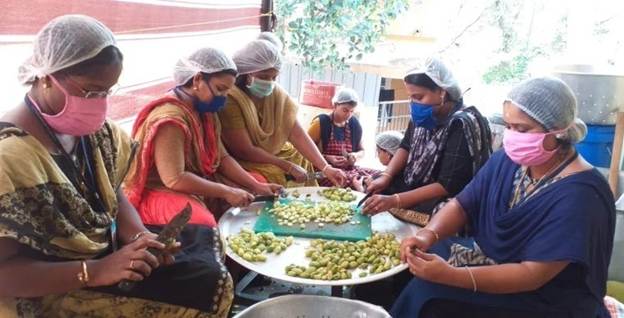
Kudumbashree: Economic Agency as a Tool for Liberation: A cornerstone in the fight against gender-oriented structural violence is Kudumbashree, the State Poverty Eradication Mission launched in 1998. By organising women into a massive three-tier network of Neighbourhood Groups (NHGs), Kerala shifted the focus from traditional charity to economic agency. For women from underprivileged and below-poverty-line (BPL) backgrounds, Kudumbashree dismantled the structural barrier of financial dependence. Through micro-credit, collective farming, and small-scale entrepreneurship, millions of women gained access to independent capital for the first time. This economic empowerment directly challenged the silent violence of domestic confinement, allowing women – particularly those from marginalised castes – to bypass traditional money lenders and patriarchal control over household resources. By turning the homemaker into a breadwinner, the mission effectively narrowed the avoidable gap between a woman’s economic potential and her actual social standing.
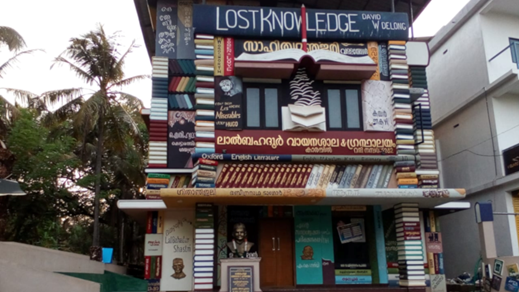
The Intellectual Scaffolding: Missionaries, Libraries, and Civil Society: The structural transformation of Kerala was significantly bolstered by an intellectual and social infrastructure that preceded and complemented state action. In the 19th and early 20th centuries, Christian missionaries played a foundational role by establishing Western-style schools and dispensaries that were often the first to open their doors to the unapproachables and untouchables. This early institutional presence was later amplified by a unique grassroots intellectualism – the Library Movement (Granthasala Sangham). By establishing thousands of village libraries, the movement ensured that literacy was not just a functional skill but a tool for political consciousness. This was further strengthened by civil society organisations like the Kerala Sastra Sahitya Parishad (KSSP), which popularised science and rationalism. These non-state actors created a critically literate citizenry capable of identifying structural violence and holding the state accountable, ensuring that the push for equity was a persistent demand from below rather than a mere gift from above.
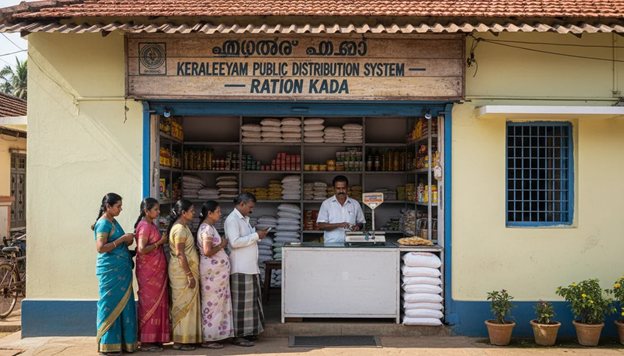
Institutionalising Equity: Food Security and the Decentralisation Revolution: A critical, often overlooked mechanism in dismantling the structural violence of hunger and administrative exclusion was the universalisation of the Public Distribution System (PDS) and the subsequent Big Bang decentralisation of the 1990s. While most of India struggled with chronic under nutrition among the marginalised, Kerala’s robust PDS network ensured that food was treated as a fundamental right, effectively decoupling caloric intake from caste-based land ownership. This was further solidified by the People’s Planning Campaign of 1996, which remains one of the world’s most ambitious experiments in local democracy. By devolving nearly 40% of the state’s development budget to local Panchayats, the state shifted the power of the purse and the plan to the neighbourhood level. This allowed marginalised communities, including Dalits and Adivasis, to directly prioritise their own needs – be it a local clinic, a paved road to an isolated colony, or a specialised school – thereby dismantling the bureaucratic barriers that historically silenced their voices. This institutionalised Positive Peace by giving the people at the bottom of the pyramid the political agency to dismantle any remaining local vestiges of structural violence.
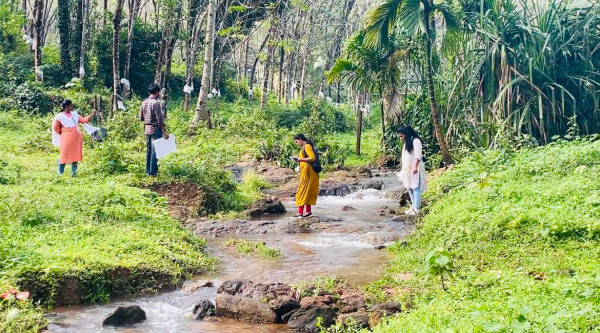
Ecological Justice and the Protection of the Vulnerable: The Kerala Model also recognised that structural violence often manifests as environmental degradation, which disproportionately affects the most vulnerable. The landmark Silent Valley Movement of the 1970s and 80s was not merely an environmental crusade but a social justice struggle that prevented the displacement of indigenous communities and the destruction of their natural capital. By successfully protesting large-scale industrial projects that threatened the ecological security of the marginalised, Kerala’s civil society demonstrated that Positive Peace also requires a sustainable relationship with the environment. This legacy of grassroots environmentalism continues to protect the commons – the forests and water bodies that the underprivileged depend on – ensuring that the march toward prosperity does not come at the cost of the ecological foundations of the poor.
10. Conclusion: Towards a Resilient and Inclusive Positive Peace

Kerala’s journey from a fractured lunatic asylum to a global benchmark for human development is a definitive testament to the power of dismantling structural violence. By systematically erasing the avoidable gap between human potential and lived reality, the state has proven that high-quality life outcomes are not the exclusive property of wealthy nations, but the result of a deliberate, multi-layered pursuit of Positive Peace. However, to sustain this legacy, the way forward must involve addressing the second-generation challenges born of its own success. This requires bridging the last mile of exclusion for Adivasi and coastal communities, transitioning from a remittance-dependent economy to a high-value knowledge society, and dismantling the remaining patriarchal barriers that limit women’s labour force participation despite their educational achievements. By evolving the Kerala Model to meet these modern complexities, the state can ensure that the foundations of structural violence are not merely dismantled for the present, but are permanently replaced by a resilient, inclusive, and equitable future for every citizen. Sooner or later the playing field will be level from where true meritocracy should evolve.









 REJINCES