
A Lesson from The Iron Lady
Voice modulation is essential for making any presentation or speech truly impressive. The best way to achieve it is through voice training, and the easiest path is to attend a few vocal music lessons – whether Western, Hindustani, or Carnatic. Our daughter Nidhi trained in all three. Our son Nikhil, however, was reluctant. His clichéd excuse: vocal music was not manly enough.
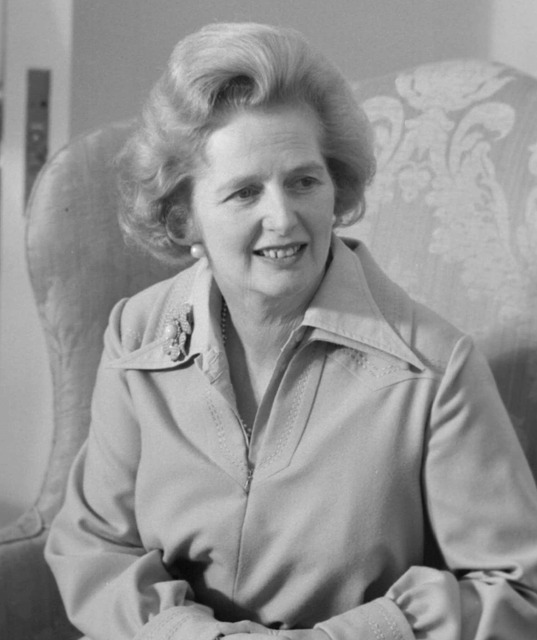
His opinion changed after we watched The Iron Lady – the biographical film about former British Prime Minister Margaret Thatcher.
When Thatcher first ran for Parliament, her voice was deemed problematic – a bit screechy, as women’s voices in parliament are often accused of being too shrill. The film shows her undergoing vocal training to reduce that shrillness, find her optimum pitch, and improve voice projection. These changes made her voice more impactful and far less grating.
Bingo!!! After the movie, Nikhil enrolled in vocal music lessons and completed about a dozen classes. His voice modulation improved tremendously. A few months later, he asked me how I knew vocal music training would help.
“Fools learn from their mistakes,” I said. “The wise learn from others’ mistakes. Idiots never learn. Your dad was a fool – you need to be wiser.”
The Science Behind the Voice
Decades of research have established that musical training has a profound impact on brain development. Many language skills—from reading to speech perception and production – rely upon phonological awareness: the explicit knowledge of speech components and how they combine. Phonological awareness, in turn, depends on the ability to categorise speech sounds distinguished by subtle differences in timing and frequency.
Audiovisual processing is significantly enhanced in musicians’ brains compared to non-musicians. Musicians are more sensitive to subtle changes in both speech and music.
The Critical Window
When children begin learning music before age seven, they develop larger vocabularies, better grammar, and higher verbal IQ. These benefits apply to both mother tongue development and foreign language acquisition. During these crucial years, the brain is in its sensitive development phase, with 95 percent of brain growth occurring then.
Music training started during this period also boosts the brain’s ability to process subtle sound differences and assist in language pronunciation – a gift that lasts a lifetime. Adults who had musical training in childhood retain the ability to learn foreign languages more quickly and efficiently than those who did not.
From Music to Oratory
Here are excerpts of the Valedictory Address by Nikhil in Grade 8 (before vocal training) and Graduation Breakfast Address in Grade 12 (after vocal training.)
How does music training develop good speaking skills?
To convey ideas effectively, captivate an audience, command attention, or persuade a team to achieve a goal, you must modulate your voice to suit the occasion. In all these situations, your voice plays a crucial role in making a meaningful impact.
We all enjoy listening to a confident, inspiring voice. A good voice is easy to listen to, commands attention, influences, and inspires. It is a powerful tool for communicating messages clearly—anytime, anywhere.
Accepting Your Voice
Most speakers, however accomplished, shy away from listening to their own recorded voices. One must accept one’s voice – but also recognise that there is always room for training. The goal of such training is to develop simple vocal skills that help you sound more confident and engaging.
Controlling Speed
Speaking too fast strains listeners and causes them to lose focus. Speed is often dictated by nervousness: the more nervous you are, the faster you speak. This leads to losing track of your thoughts, mumbling words, and delivering a monotonous, uninspiring speech.
To control speed, pause for a second or two after your first sentence. This allows the audience time to adjust to your voice and absorb what you have just said. A good practice method is to read aloud from a newspaper or book. At each full stop, pause two or three seconds before moving to the next sentence.
Energy and Emphasis
Most audiences are put off by dull, uninspiring speakers with monotonous voices that are too quiet or lack emphasis. You need to speak with energy and enthusiasm if you want your audience to listen.
If the audience cannot hear you, they will switch off quickly. You do not need to shout, but you must project your voice by emphasising key words in your sentences. This projects energy and passion, making your voice stronger and more confident. Emphasising words also lifts your pitch, making your voice more varied and interesting.
Practice by selecting any text, underlining the key words, and reading it aloud while emphasising them.
The Bottom Line
An expert voice coach can help you discover your true voice, develop your vocal strengths, and communicate with greater influence in any situation. This is where the basics of classical music come in—to help you modulate your voice.
It is never too late to take a few vocal music lessons. At the very least, we can ensure that future generations are given that opportunity.
The voice is not merely a tool. It is an instrument. And like any instrument, it must be trained. The question is not whether you can afford the time—but whether you can afford not to.

