
By Brig Azad Sameer(Retd)
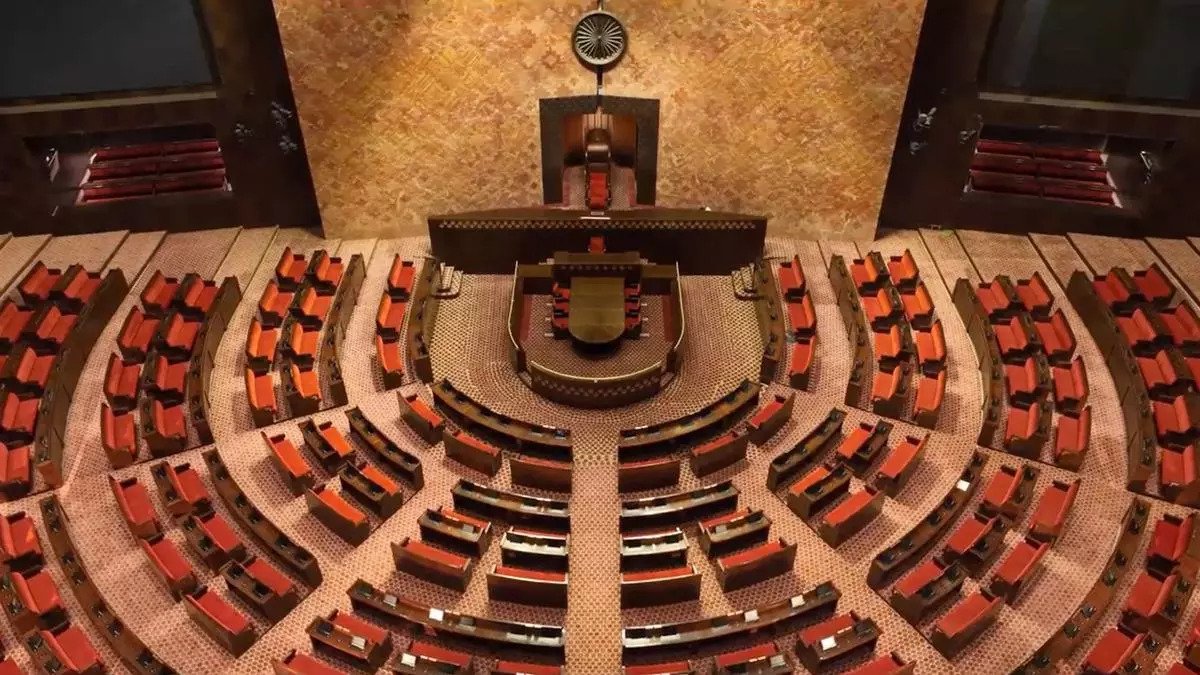
In the grand theater of democracy, we often measure progress by the laws we pass. We celebrate “Yes” votes as milestones of evolution. But in a vibrant, breathing democracy, the “No” vote is not just a sign of friction—it is a vital sign of health. When a parliament rejects a bill, it isn’t a failure of the system; it is the system working exactly as intended.
The Logic of the Negative
A “No” vote is as much an expression of the will of the people as a “Yes.” In a representative system, members of parliament are not mere rubber stamps for the executive; they are the filters through which the collective concerns, anxieties, and wisdom of the citizenry pass. If a bill fails, it signifies that the proposed law did not meet the threshold of consensus required to govern a diverse nation. It reflects a protective mechanism: the refusal to be governed by a law that representatives deem flawed, premature, or unjust.
The Judiciary’s Stance: Assent is Not Optional, the Will is Sovereign
Recent legal battles in India have brought the role of the Governor into sharp focus. The Supreme Court of India has clarified that a Governor cannot “sit on a bill” indefinitely as it is the “will of the people” expressed through its representatives. By extension, this logic reinforces the sanctity of the legislative process itself. If the passage of a bill is the “will of the people” that a Governor must respect, then the rejection of a bill by the House is equally a definitive “will of the people” that the executive must bow to. The House’s right to say “No” is the ultimate check against executive overreach.
Turning Points: When Dissent Changed History
History shows that when the Indian Parliament said “No,” it didn’t just stop a bill; it forced a better future into existence.
- The Privy Purses Rejection (1970): A Lesson in Constitutional Integrity
In 1970, the bill to abolish the privy purses of former royals failed in the Rajya Sabha very narrowly.- The Follow-up: When the government tried to bypass this “No” by issuing an executive order, the Supreme Court struck it down, ruling that the executive cannot override the legislature.
- The Change: This forced a national debate on the “basic structure” of the Constitution and led to the 26th Amendment in 1971. The original “No” ensured that such a massive social shift happened through proper constitutional pathways rather than executive whim, preserving the honor of the democratic process.
- The Panchayati Raj & Nagar Palika Bills (1989): From Rejection to Revolution
The 64th and 65th were defeated in the Rajya Sabha because they were seen as a central “power grab” that bypassed state governments.- The Follow-up: The defeat forced the government to abandon its top-down approach and engage in genuine federal consultation.
- The Change: This refined the legislation into the landmark 73rd and 74th Amendments of 1992. Today, these are the bedrock of local self-governance, providing constitutional status to over 250,000 local bodies. The 1989 “No” prevented a flawed, centralized version of local rule from becoming law, leading to a far more robust and inclusive system.
- The POTA Rejection (2002): Safeguarding Civil Liberties
When the Rajya Sabha rejected the Prevention of Terrorism Bill (POTA), it marked a rare moment where a joint session of Parliament had to be called.- The Follow-up: The rejection cast a spotlight on the bill’s potential for abuse, specifically regarding the admissibility of confession to the police as evidence.
- The Change: While the bill eventually passed in a joint session, the initial rejection created a national record of dissent that laid the groundwork for its repeal in 2004. The parliamentary “No” ensured that the trade-off between security and liberty remained at the center of the national consciousness, preventing the normalization of draconian powers.
- The Vajpayee Confidence Vote (1999): The Weight of a Single Vote
In one of the most dramatic moments in Indian parliamentary history, the Atal Bihari Vajpayee government fell on April 17, 1999, by a margin of just one vote after the AIADMK withdrew support.- The Follow-up: The razor-thin defeat forced a mid-term election, but it also solidified Vajpayee’s image as a dignified statesman who respected the democratic mandate without resorting to “horse-trading.”
- The Change: This “No” ultimately led to a stronger mandate in the 1999 General Elections enabling Vajpayee to become the first non-Congress Prime Minister to complete a full five-year term. It proved that even a single vote of dissent can reset a nation’s political course toward long-term stability.
The 131st Amendment Bill: Rejection as a Prelude to Refinement
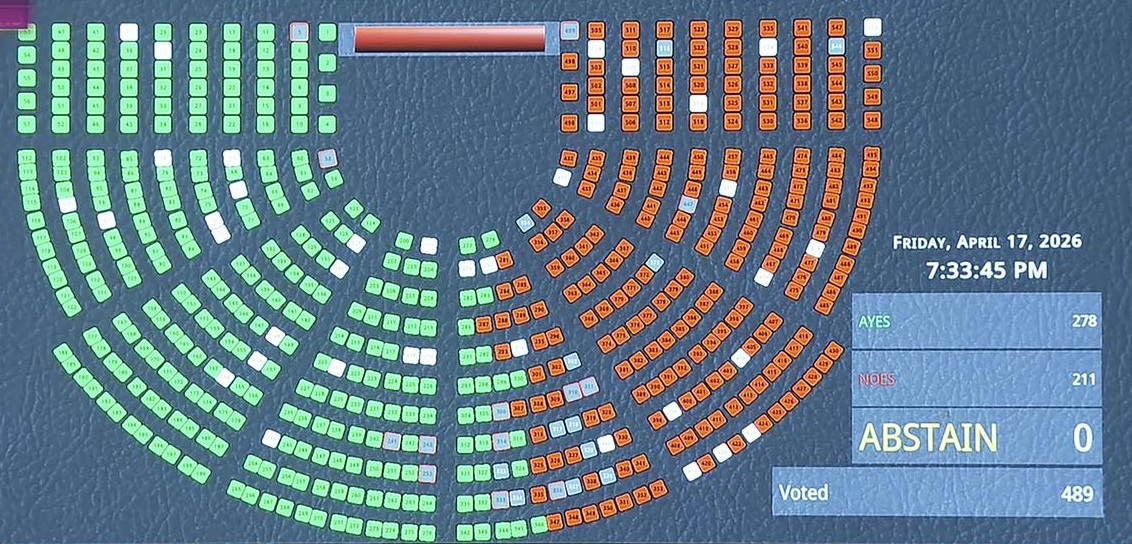
The recent defeat of the 131st Amendment Bill serves as a contemporary master class in the nuances of parliamentary dissent. This “No” vote was not necessarily a rejection of the bill’s core intent, but rather a strategic push-back against its structural presentation. By linking the amendment to two other bills, the legislative package became an “all-or-nothing” proposition that the opposition found impossible to digest. This entanglement masked the individual merits of the 131st Amendment, proving that the process of lawmaking is just as critical as the purpose.
However, this rejection should be viewed with a sense of optimism. History has shown us that when landmark bills are defeated due to technical or procedural linkages, they often return in a more evolved and transparent form. This “No” acts as a constructive pause, signaling that for such a significant change to take root, it must stand on its own merit. We can certainly look forward to a positive prognosis, ultimately leading to a more robust and consensus-driven law.
Conclusion: Diversity in Dissent
A democracy where every bill passes unanimously is not a democracy; it is a monologue. A “No” vote forces a government to negotiate, to refine, and – most importantly – to listen. It ensures that the minority is heard and that the majority remains accountable. The next time you see a “No” vote on the news, don’t see it as a deadlock. See it as a heartbeat—the sound of democracy that refuses to remain silent

