
Tears and Triumph on Screen

We all love watching surprise homecoming videos on YouTube, especially those featuring American and Canadian soldiers. Our eyes fill with tears as we watch service members being embraced by their loved ones after long deployments. A picture of a father in uniform holding his baby for the very first time – how can you not be emotional? These moments are undeniably powerful, stirring feelings of patriotism and deep respect for those who sacrifice so much.
Yet only those of us who have actually been on the other side of the camera know that while homecomings are fabulous in their own right, they also present unique and often surprising challenges.
Have you ever tried to fathom the stress that soldiers and their families endure – not just during deployment, but during the homecoming itself?
The Decompression Chamber
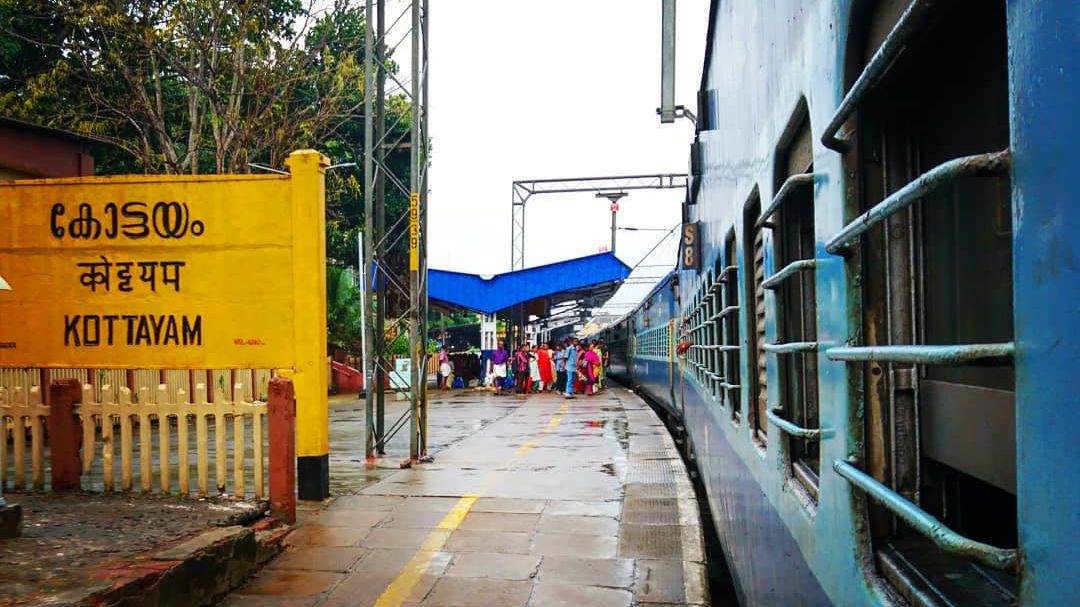
For me, coming home was like emerging from a deep-sea diver’s decompression chamber. The journey typically began seventy-two hours earlier in a bunker at twelve thousand feet above sea level in Kashmir or Sikkim, ending finally at my family home in Kottayam, a mere ten feet above sea level. The transition was jarring. It took time to accept that I was safely home, surrounded by loved ones, breathing the air of my childhood.
It took even longer to accept the new reality: I was no longer in an intense, life-threatening combat zone, but in the protective nest of my mother’s care. That adjustment brought its own share of stress, anxiety, and fear—for my family members and for me.
The depth of my stress was directly related to the dangers I faced while deployed, the length of time I was away, and was significantly worsened if I had lost any soldiers or if any had been injured—whether by enemy action or the vagaries of extreme weather. There was also the nagging fear of being unaware of changes in family dynamics, neighbourhood developments, shifting relationships with relatives, and even the comings and goings of animals and poultry at home. Nothing was too small to add to the anxiety.
A Mother’s Sigh of Relief
For my mother, my arrival was always a moment of profound relief. She would heave a long sigh, rush to thank God for bringing her son home safely, and then say, “Why did you write that you would be home next week? I always knew you would come earlier.”
Throughout this emotional welcome, our father maintained a stoic silence—until finally breaking it with a simple, “Welcome home.”
The Statue of Homecoming

The statue pictured above commemorates the homecoming of a sailor. It was unveiled on 4 May 2010 in Victoria, the capital of British Columbia, to mark the hundredth anniversary of the founding of the Canadian Navy. The image captures the essence of reunion – the joy, the relief, the unspoken understanding between those who leave and those who wait.
A Lesson Learned Early
My journey of homecomings began when I joined Sainik School, Amaravathi Nagar, in Tamil Nadu. Traveling home on vacation was a day-long ordeal in the 1970s, owing to India’s poor rail and road connectivity. I would write a letter home a fortnight before my planned departure, then travel in a group with friends.
While I was in grade eight, my eldest brother offered me advice that I have followed faithfully ever since. “Never write the correct date of your arrival,” he said. “Always give a date a few days or a week later. Amma gets very stressed thinking about you on the train – whether you might miss a connection, whether you’ll get good food. Spare her that anxiety.”
I followed that advice through decades of military service, right up to my last homecoming from Canada. I never gave the exact date of my arrival. Often, I told no one at all about my travel plans.
The Taxi Ride That Gave Me Away
In 2015, I flew into Kochi Airport and took a taxi home. While still in the taxi, I called my eldest brother.
“How far away are you?” he asked.
“About forty-five minutes,” I replied.
My brother immediately announced to the household, “Reji will be home in forty-five minutes. Get lunch ready for him.”
My mother was utterly surprised and thrilled. “Which Reji?” she exclaimed. “Our Reji? I spoke to him in Canada yesterday. How can he be home in forty-five minutes?”
After lunch, I asked my brother how he had known I had landed in Kochi and was on my way home – before I could even say anything.
“The traffic horns,” he explained. “Blaring, chaotic. I know that in Canada you never hear that sound. So I guessed you were in a taxi, coming home.”
A Nephew’s Realisation
Our nephew serves as a Captain in the Corps of Engineers. After completing a gruelling six-month Young Officers’ Course in Pune, he and his friends vacationed in Goa for a week. Only then did he return home.
He called me shortly after arriving. “Now I realise why you never disclosed your travel plans,” he said. “My mother called constantly, demanding that I come home immediately.”
My eldest brother, now head of the family, offered him the same advice he had given me decades earlier: “Never write the correct date of your arrival. Always give a date a few days or a week later.”
The Unseen Side of Reunion
Homecoming videos capture only the embrace, the tears, the joy. They do not capture the decompression, the anxiety, the careful management of a mother’s worry, or the strategic withholding of arrival dates. They do not show the soldier learning to breathe again at sea level, or the family learning to accommodate a person who has been living in a different world.
Homecomings are wonderful. But they are also complicated. And for those of us who have lived through both sides of the camera, the real story is always richer – and more challenging – than the two-minute clip suggests.

