
Ten years after retiring from the Indian Army and migrating to Canada, I received an unexpected phone call. On the other end was Veteran Havildar Deepak Pathak.
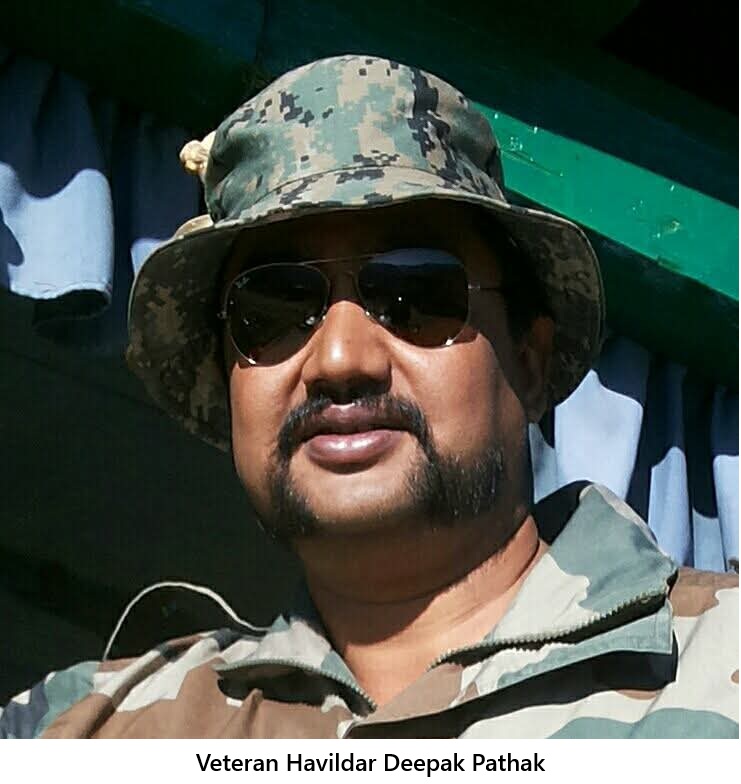
“Do you remember me, Sir?” he asked. “I was your stick-orderly for a week when you were the Commanding Officer. Today, I am a senior executive with a leading industrial house in India. I wanted to call and tell you that you made a massive difference in my life.”
I remembered Deepak as a young, sharp, and intelligent soldier from our Regiment, but I racked my brain trying to recall what exactly I had done to change his life.
Deepak continued, “One day, while you were working in the computer cell automating regimental functions, you were suddenly summoned by the General. You turned to me and ordered me to remove my belt. I was terrified. Then, you ordered me to sit in your chair and continue entering the data of our soldiers.
I told you that I didn’t know anything about computers. To that, you simply replied, ‘Just start, and you will learn.’ I was caught in a complete dilemma—the Commanding Officer was ordering a regular soldier to sit in his very own chair. But that single moment changed my life. Driven by your directive that every soldier in our regiment must be computer-savvy, I threw myself into learning both software and hardware. There was no looking back. I eventually retired as a Havildar, earned my Bachelor’s degree in Management, and today, I have hired four veterans from our own regiment as security officers in my company.”
Hearing this, I smiled and explained my side of the story. “A summons from the General usually meant over two hours of discussion. I saw you standing behind me and simply wanted to utilize your time effectively. That is why I ordered you to feed the data.”
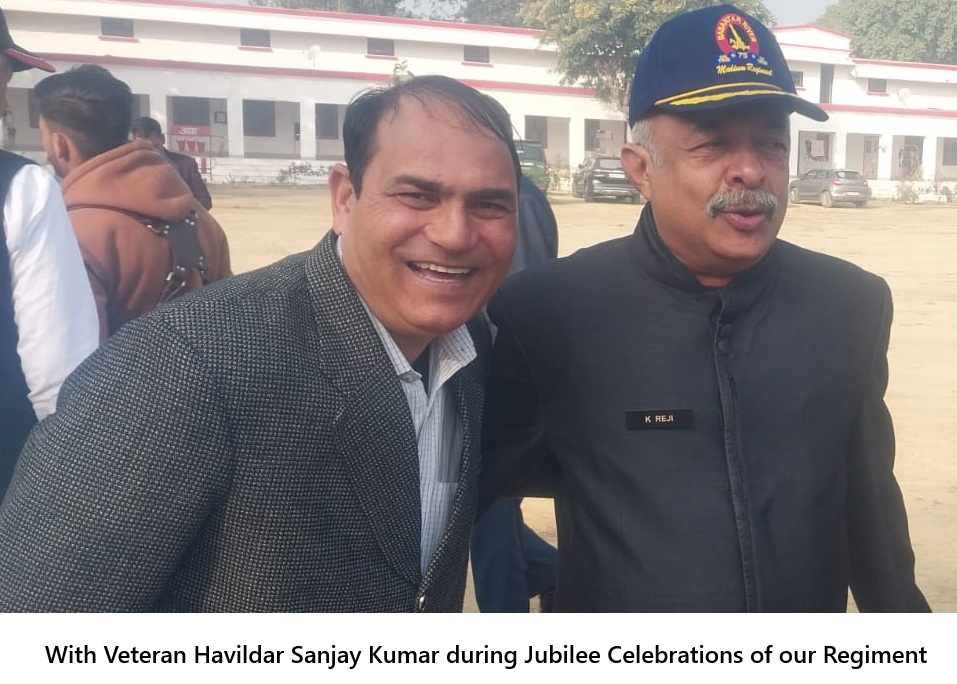
Two months later, my wife, Marina, received a call from another veteran, Havildar Sanjay, who had been my Buddy during my tenure at Army Headquarters from 1997 to 2002. He poured his heart out, explaining that his three children were now in high school. After paying the EMI for his newly acquired house, he was struggling to afford a good school for them. His current job as a security guard paid a meager salary, and even that was rarely disbursed on time.
Our daughter, Nidhi, overheard the conversation. Moved by his plight, she stepped in and said, “Sanjay Bhaiyya, you took care of my brother and me when we were little. I will fund the entirety of your children’s education.” Sanjay wept with gratitude upon hearing her promise.
When I returned home, Marina and Nidhi narrated Sanjay’s hardships to me. “You must do something to help him,” they urged.
Deepak Pathak’s name immediately flashed in my mind. I messaged him with all of Sanjay’s details. Bingo! Within two weeks, Sanjay was appointed as the security officer for a major industrial plant under Deepak’s company with a salary of over a lakh per month.

A few months later, Sanjay called me from a company-wide security officers’ conference. He told me that there were six veterans at the event—all Havildars who had served with me—alongside many ex-Short Service Commissioned officers. The corporate officers were surprised to see so many former Havildars holding senior security officer positions and asked them how they had achieved such career growth.
They all gave the same answer: “We had a Commanding Officer who insisted that every soldier in the regiment must be computer educated. He believed that the future of the soldiers of a Surveillance and Target Acquisition (SATA) Regiment depended solely on computer literacy— post retirement not just to transition to civilian life, but to command a good salary.”

