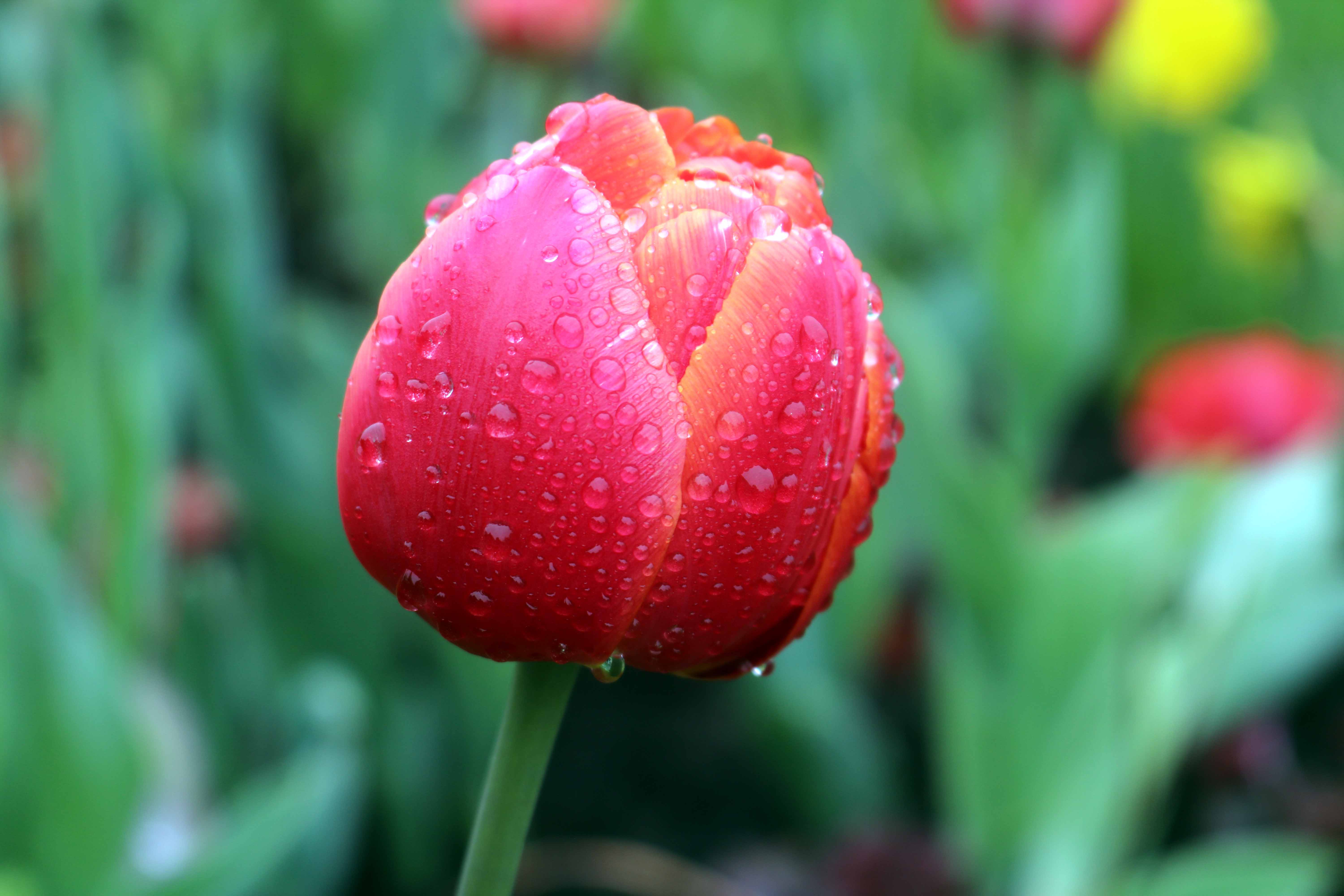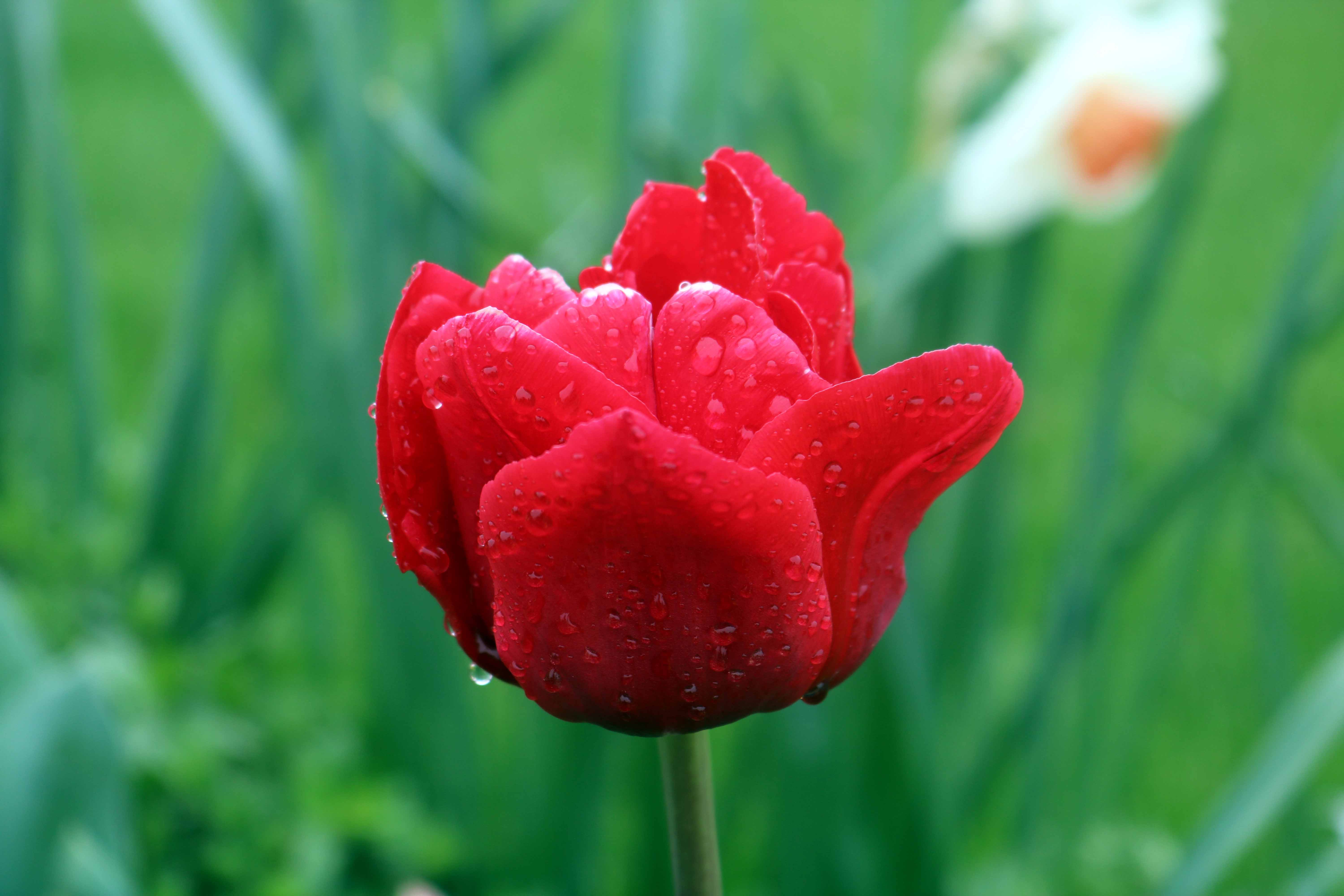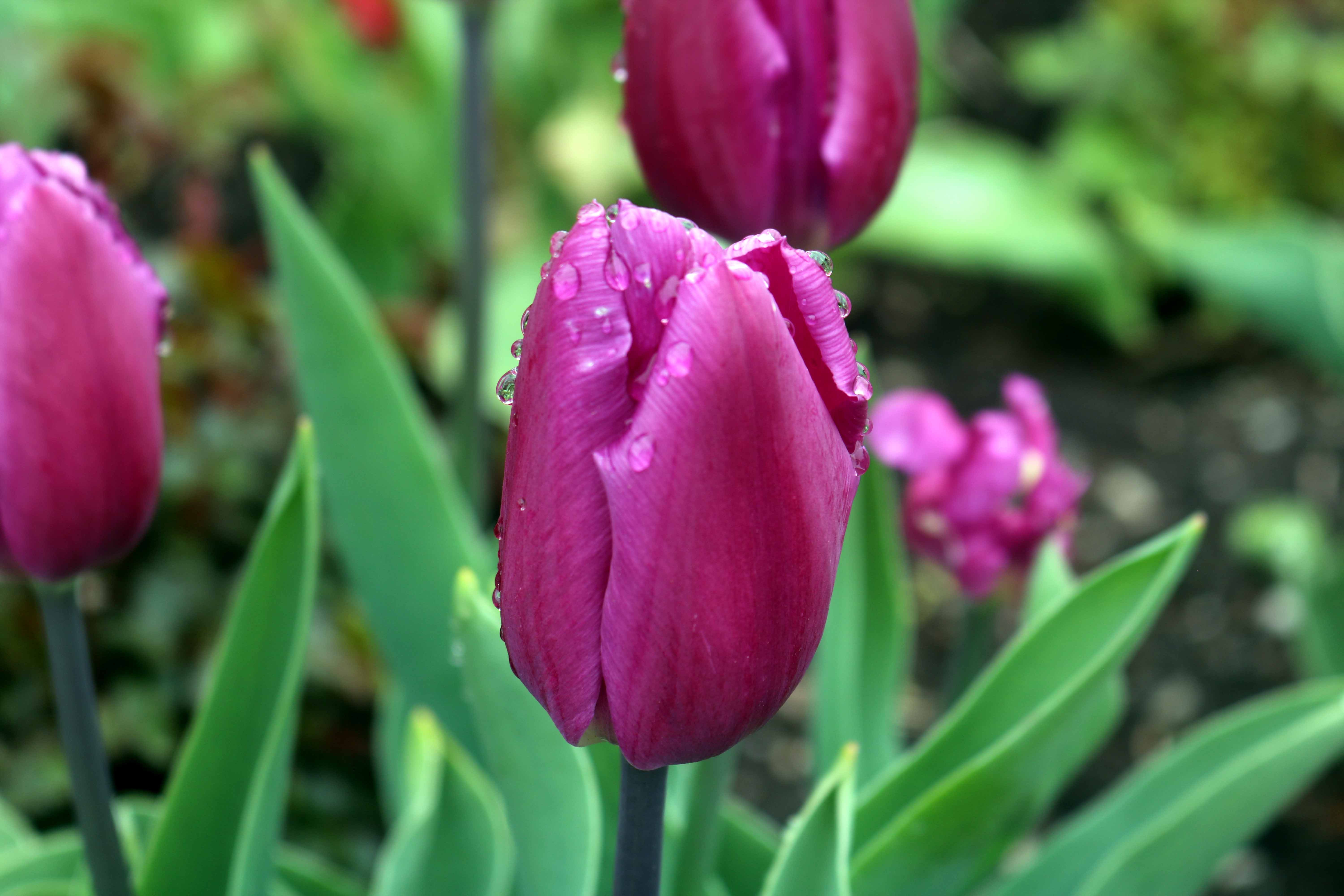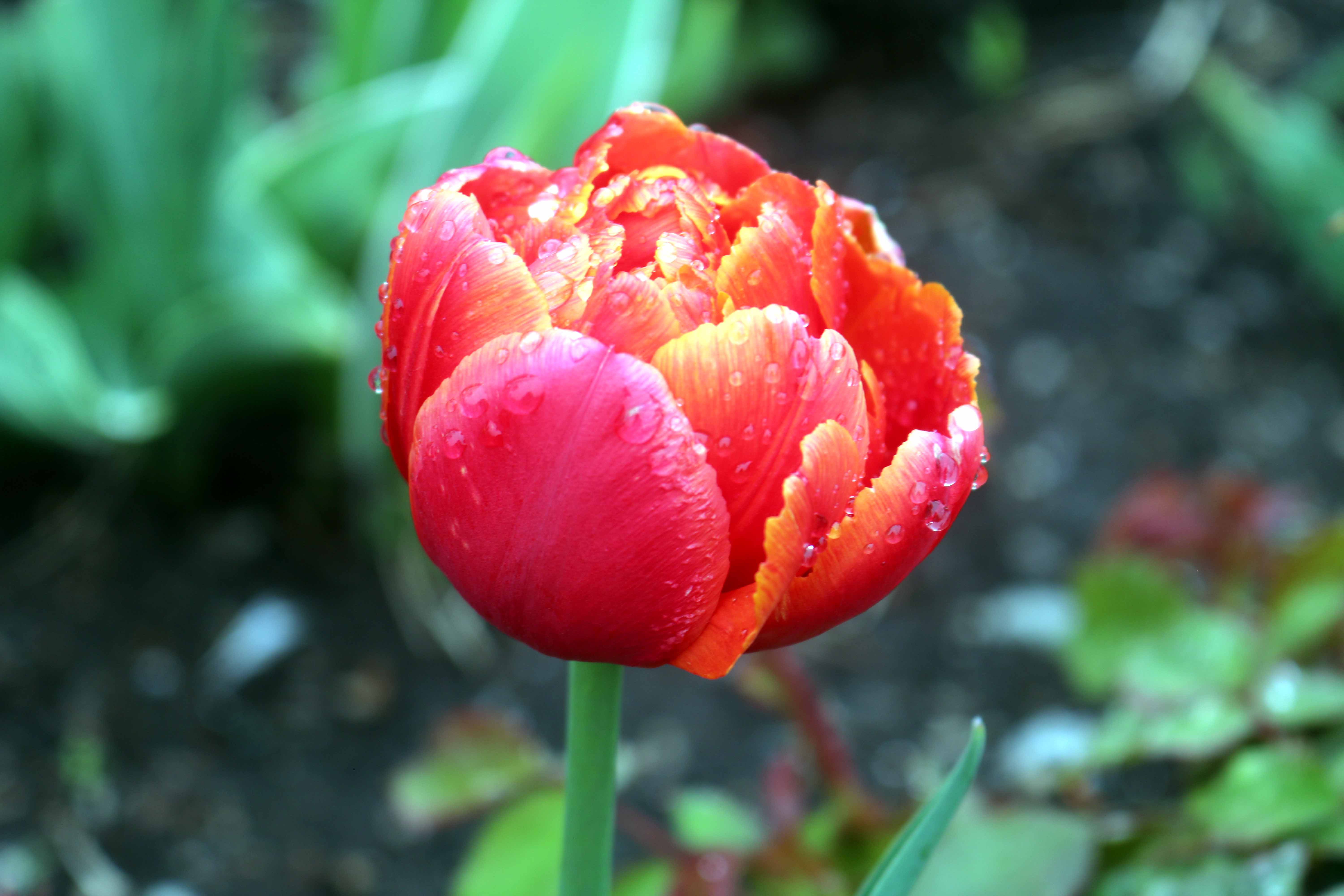
My Tryst with the Curry Leaf Tree

For any Malayali or South Indian, cooking without curry leaves is unthinkable. Whether it’s the sizzle of leaves in hot oil at the start or their fragrant finish, these citrusy, herbaceous gems elevate every dish.
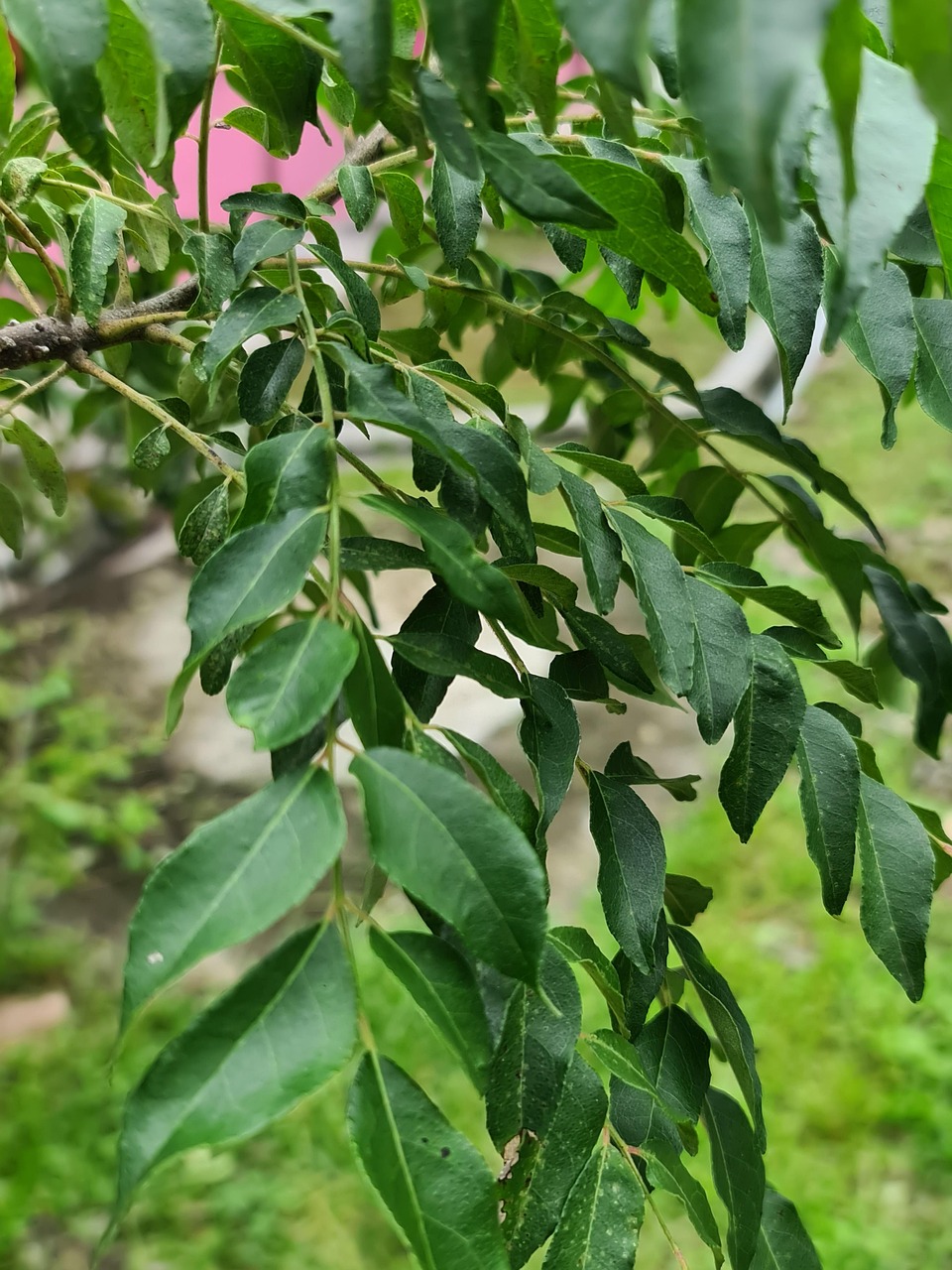
Curry Tree (Murraya koenigii) (Bergera Koenigii,) കറിവേപ്പില (Kariveppila -Malayalam,) கறிவேப்பிலை (Kariveppilai – Tamizh,) कड़ी पत्ता (Kaddi Patta Hindi),is a tree that produces aromatic oval shaped leaves. The aromatic and flavorful leaves can change the taste of a dish quite dramatically by adding a pungent lemony flavor.

The Canadian Curry Leaf Struggle

When we arrived in Canada two decades ago, fresh curry leaves were a luxury. Sold at exorbitant prices in Indian grocery stores, these imported leaves often arrived wilted, their magic fading within days. Determined to grow our own, we embarked on a quest—one that proved far harder than we’d imagined.

In tropical Kerala, curry leaf trees grow like weeds. But in Canada? Indoors, they demanded the patience of a saint. Our first sapling, bought in 2006 for $20, withered within months. Five more gifted by friends—two smuggled from the US—met the same fate. Back then, the internet offered little guidance. We tried every hack: diluted lime juice, yogurt water, fermented rice water. Nothing worked.

The Culprit: Mealybugs and Scale Insects

Not to Give up Soldier (likely refers to the story of Hiroo Onoda, a Japanese soldier who continued fighting on a Philippine island for 29 years after World War II ended, refusing to believe the war was over. He eventually surrendered in 1974, after his former commanding officer personally rescinded his original orders). I researched on the internet, spoke to specialists at various nurseries, but to no avail.

In 2022, we were gifted a curry leaf sapling by our family friend who had managed to smuggle it from the US. We shall not fail this time – we entered a covenant. The internet offered much more advice by now and we zeroed on to the culprit – Mealybugs or Scale Insects. These pests are known to infest curry leaf plants, often found under the leaves or on stems.
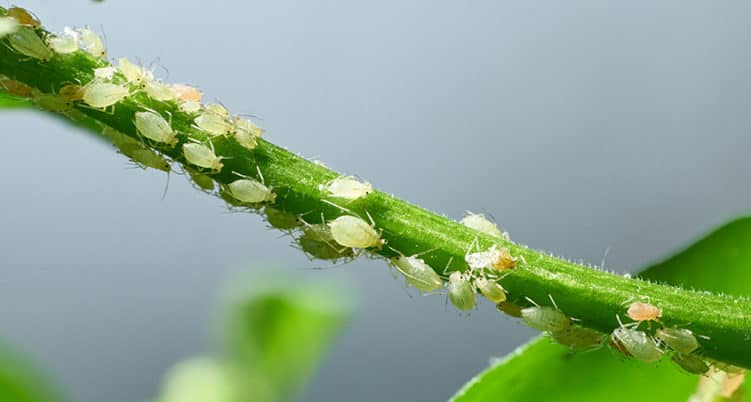
Mealybugs are white or pinkish-white insects with a waxy coating. They lay eggs in cottony masses, and their larvae feed on plant sap, causing leaves to curl and turn yellow.

Scale insects are small, immobile insects that attach themselves to stems and leaves. They feed on plant sap, leading to similar symptoms as mealybugs.

These pests can enter your home from infested plants brought indoors, open doors and windows, and new soil. They can also spread from fresh produce or cut flowers and from gardening tools. The larvae of these pests can burrow into the roots of the curry leaf plant, causing further damage and potentially leading to root rot. 

We fought back with neem oil, insecticidal soap, and repotting—but the infestation persisted. Just as despair set in, we discovered Doktor Doom Indoor Plant Spray (0.25% pyrethrin, derived from chrysanthemums.)

Eureka! Fortnightly applications saved our sapling. By 2025, it had flourished into a mother tree, sprouting 36 saplings from its roots.

A Curry Leaf Revolution

We re-potted the saplings—two per pot—and shared them with 18 friends across Canada. No more smuggling needed! While growing from seeds is possible, it’s slow and finicky indoors. Our hard-won wisdom? Pyrethrin is the hero, and vigilance is key.

Today, our home smells of Kerala -thanks to a family that refused to surrender, and a battle fought one leaf at a time.

Brain Flower

Open the bloom of your heart and become a gift of beauty to the world. – Bryant McGill, author.

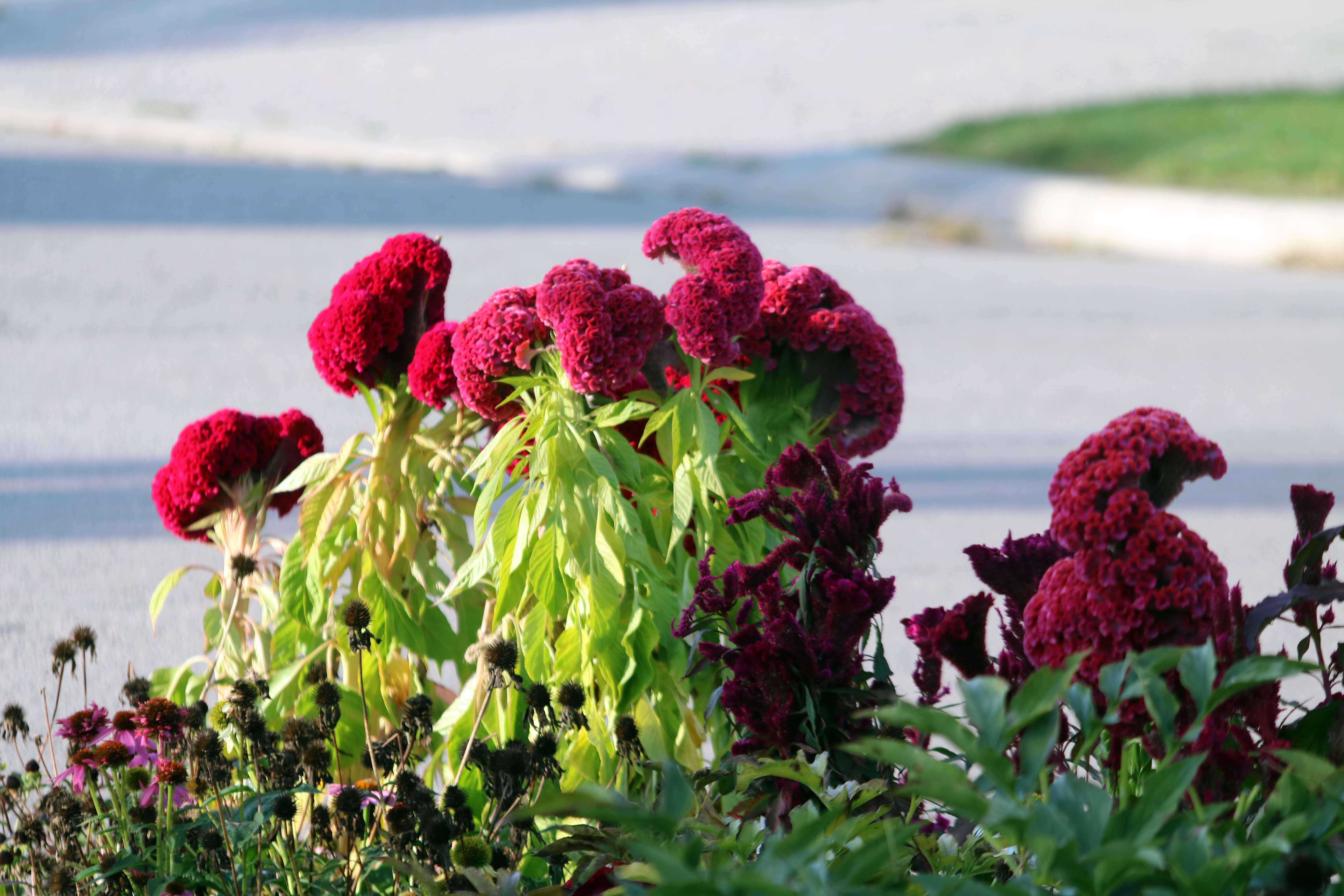
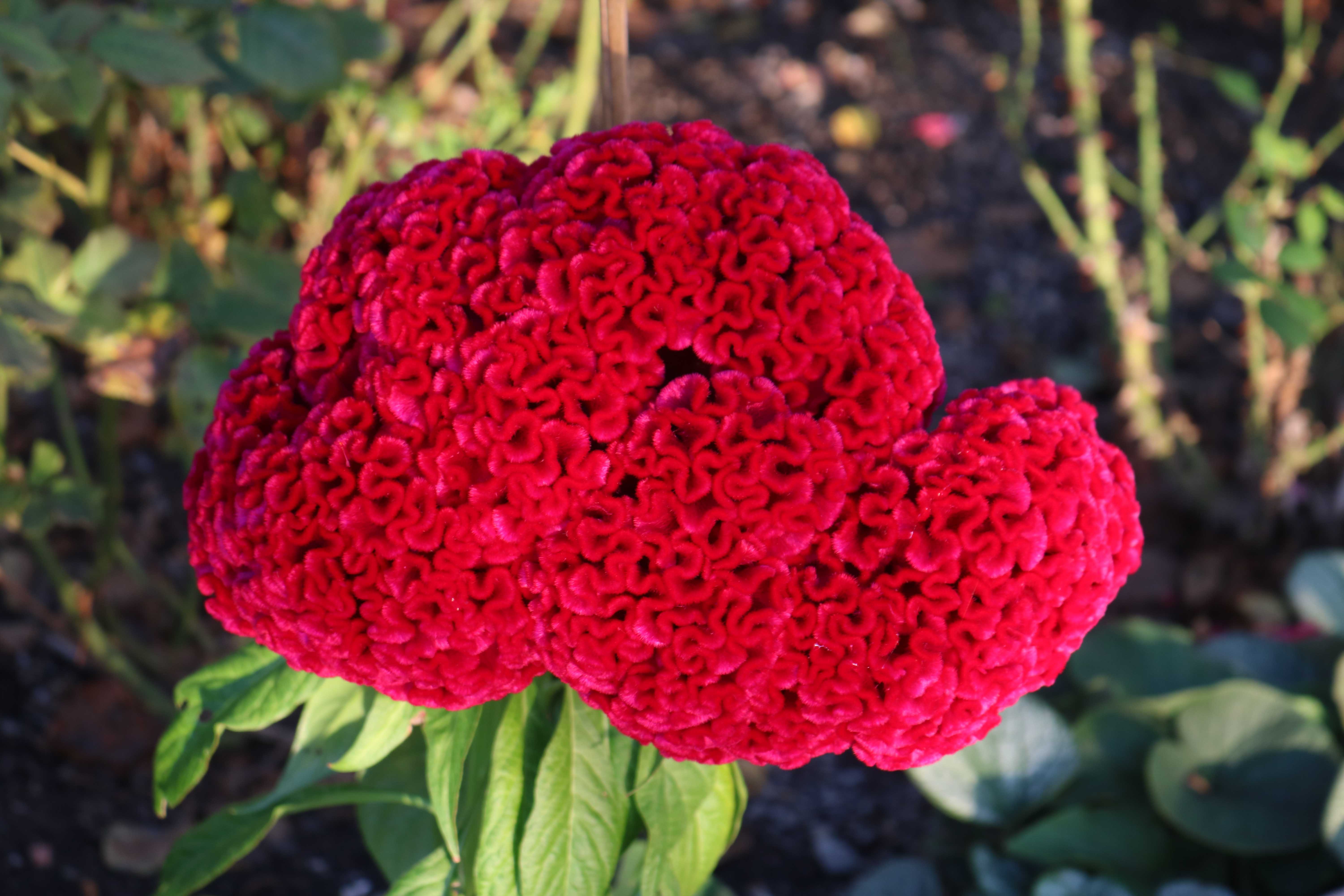
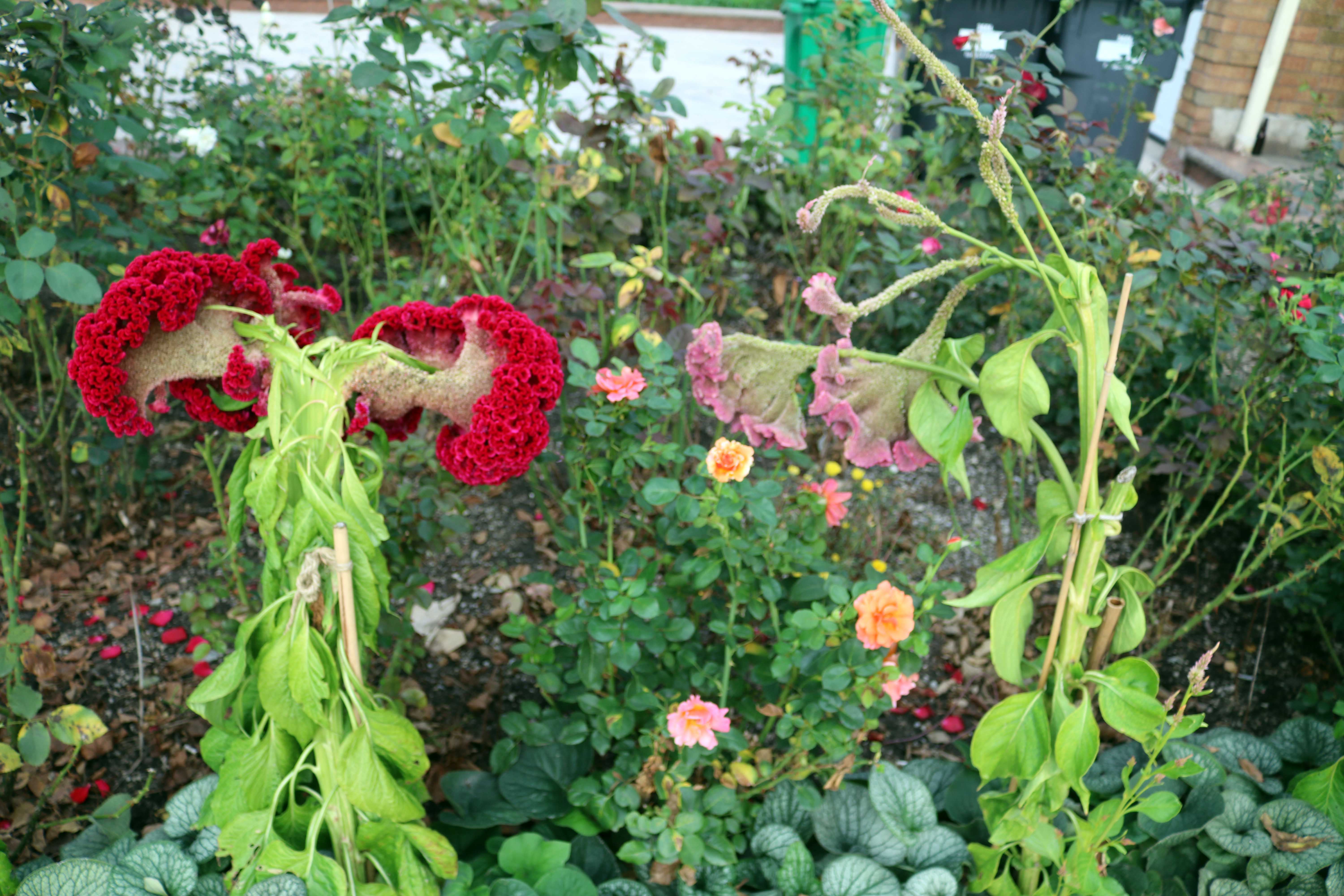
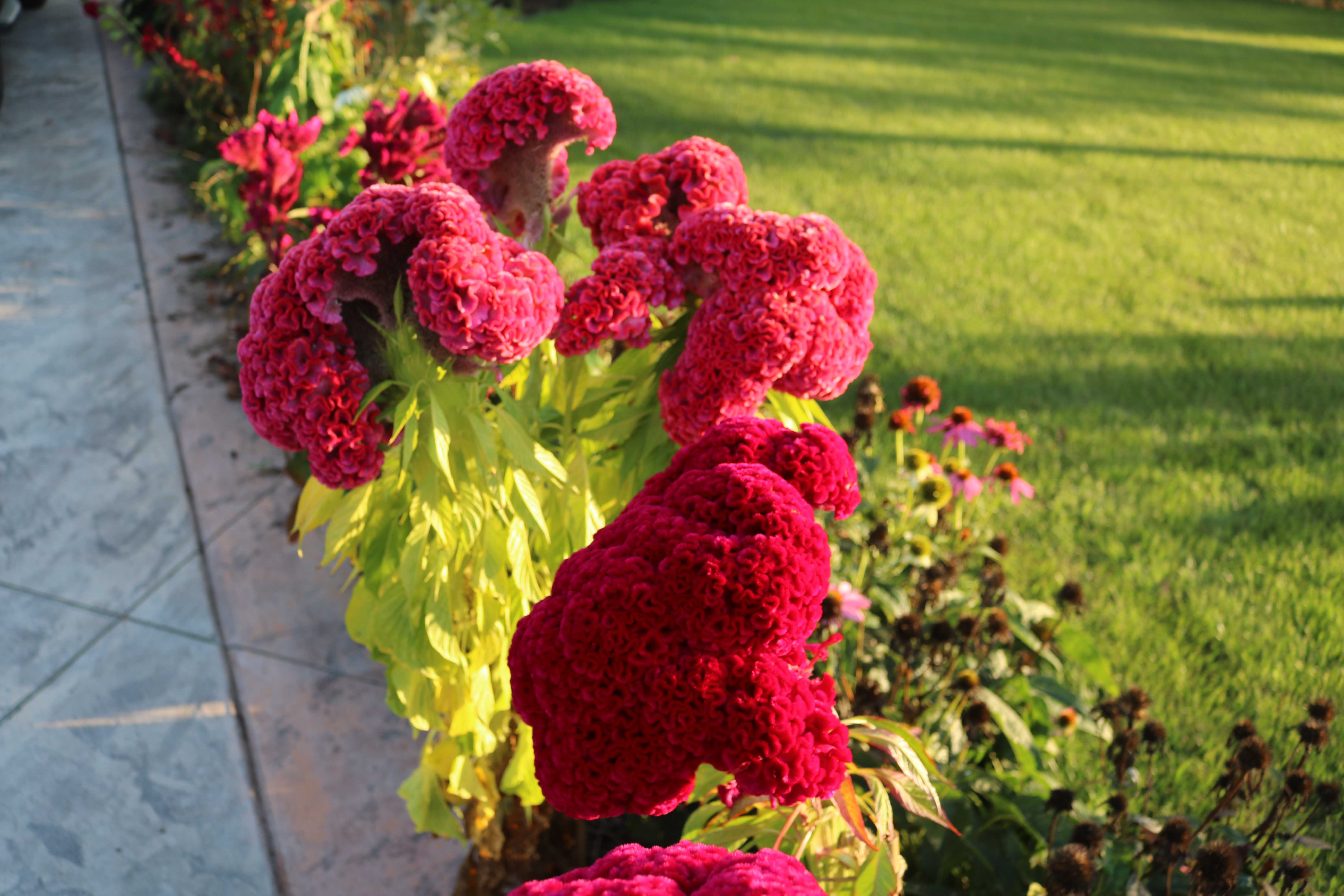
The cockscomb plant is an addition to our garden this year.  The unusual inflorescence and large size of the flowers attract many visitors to our garden.

Ccockscomb (Celosia Cristata) of the Amaranth family (Amaranthaceae) and it comes from India. Amaranth family of plants include beets and quinoa.

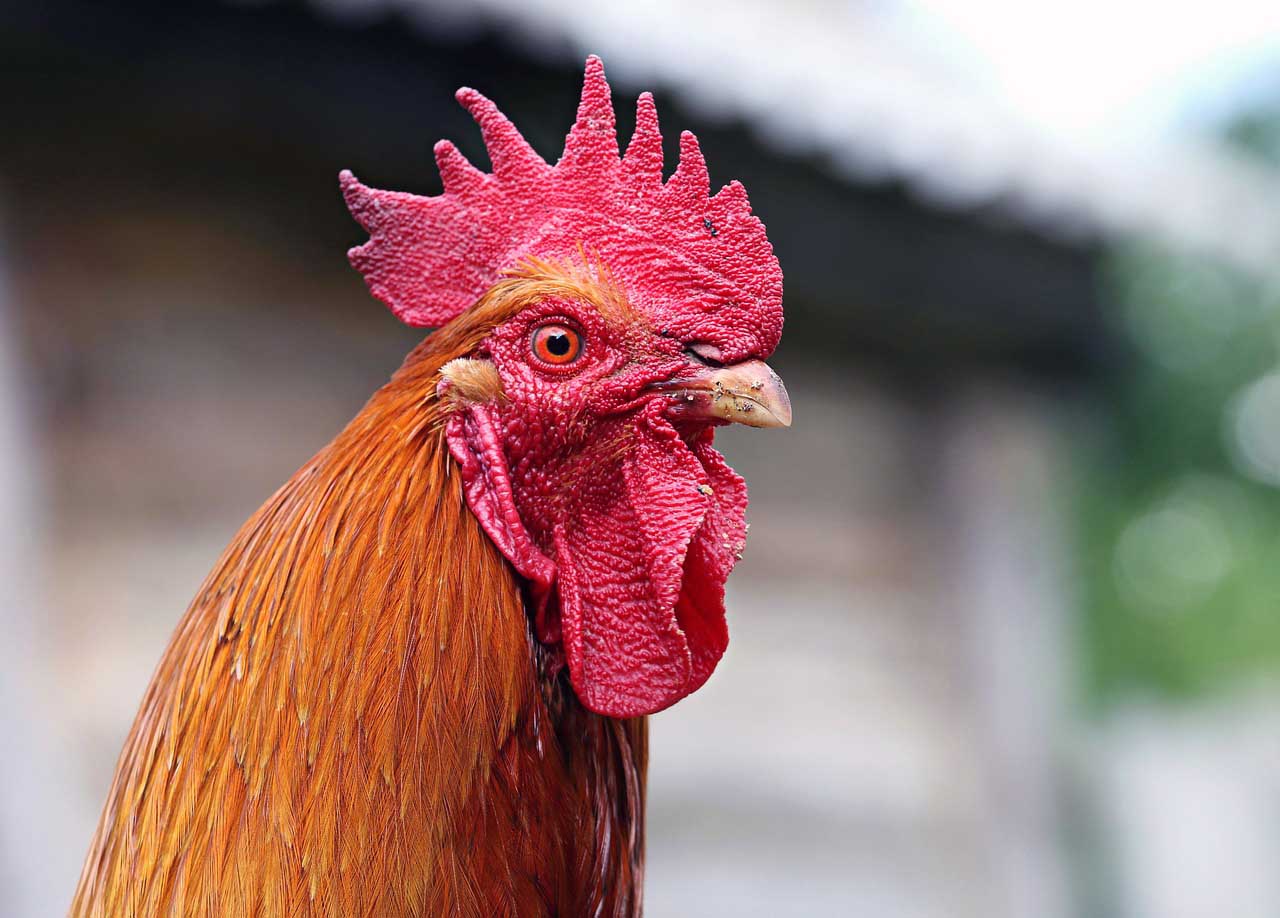
The flower gets its name from its similarity to the cock’s comb on a rooster’s head.

Our friend of Portuguese origin gifted the cockscomb seeds last year and said, “These plants originated in India first introduced to Europe in the mid sixteenth century.”

It could well be that Vasco-da-Gama took it from Kerala on his second return voyage in 1502!” I replied.

Cockscomb is also known as Dracula or Novelty Celosia. Flower head and plant reaching 12-16″ in height.

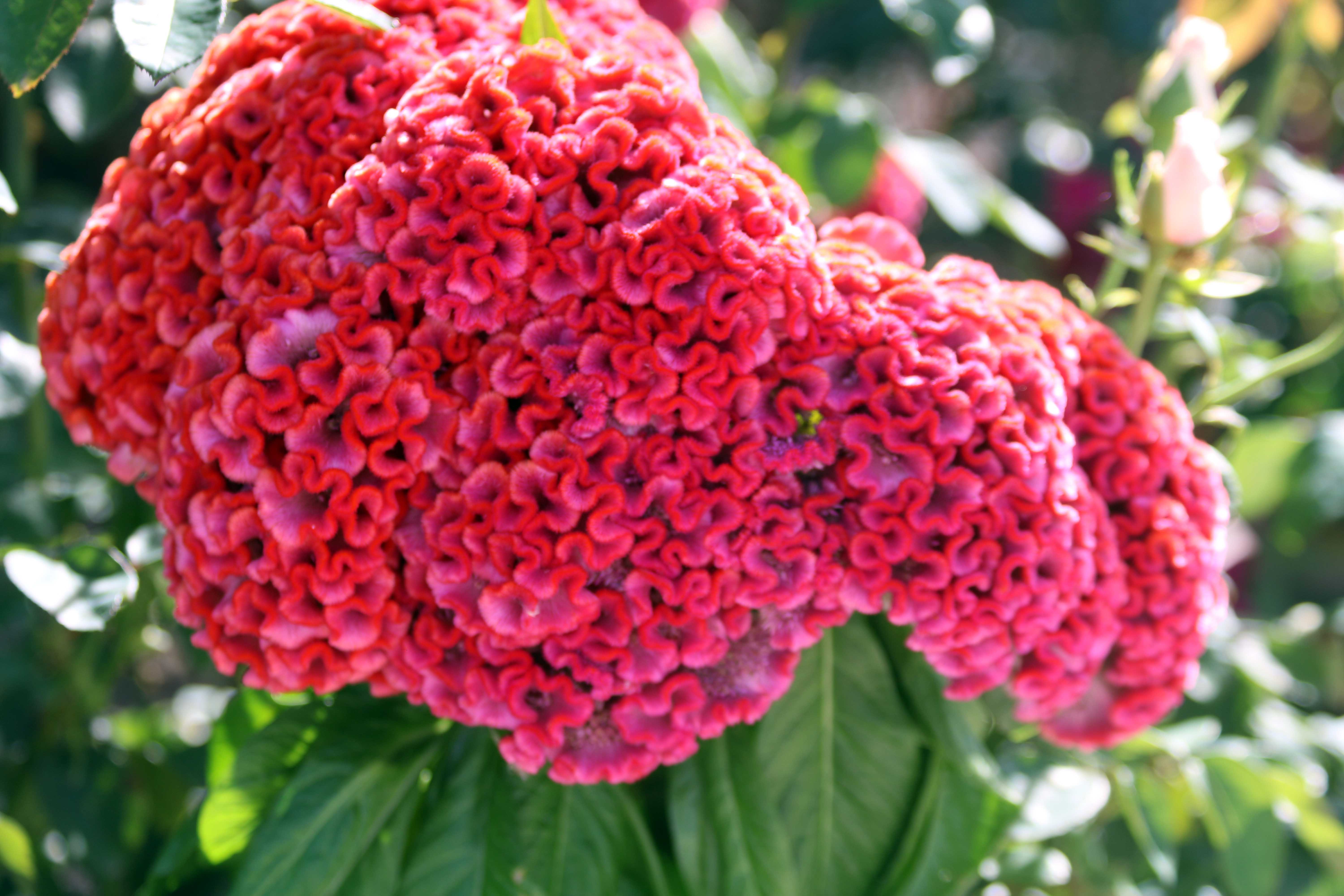
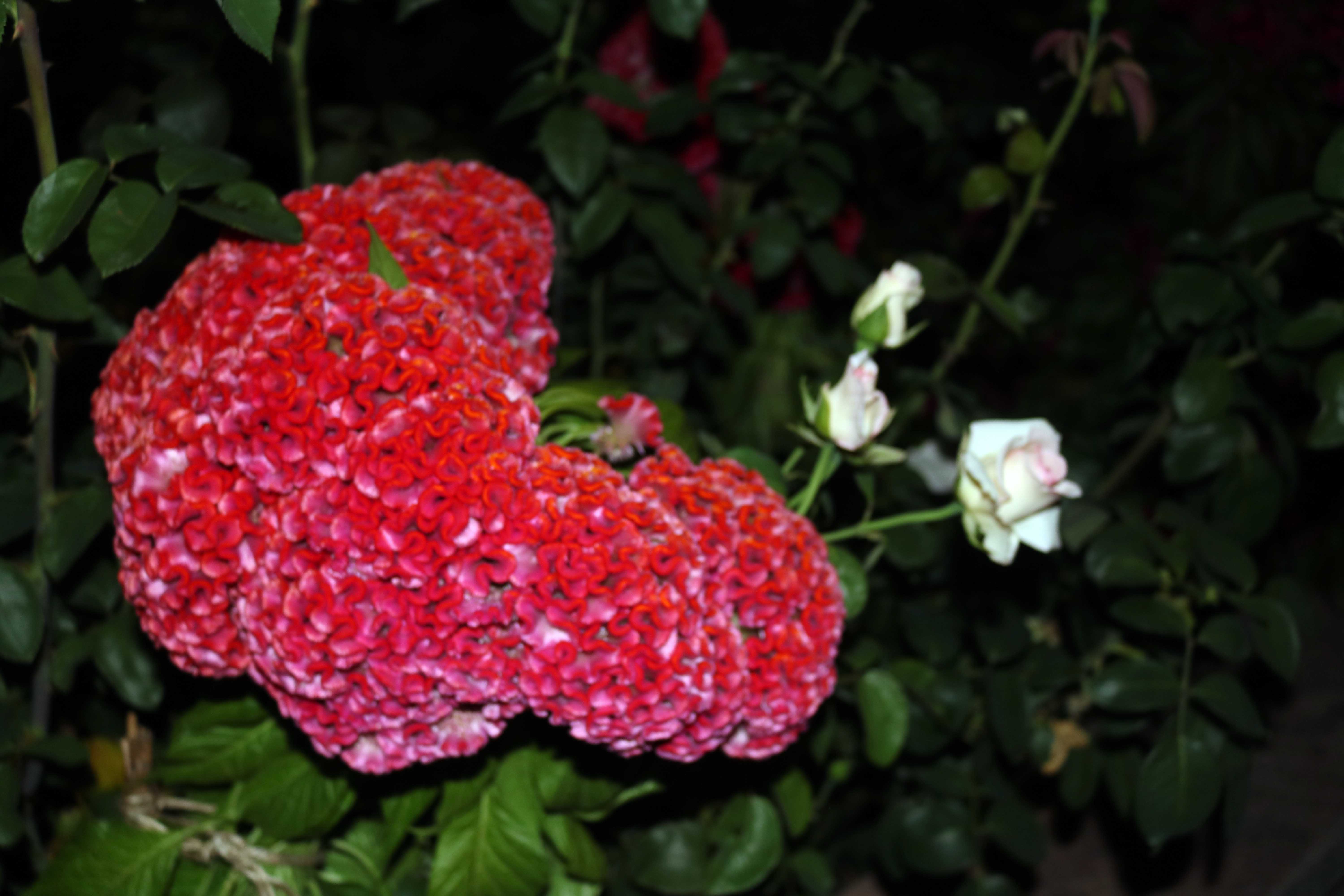
This bushy plant has dense, brain-like flowers with a woolen texture.  Thus, nicknamed wool flowers or brain celosia.

The flowers are used in traditional medicine to treat everything from headaches to menstrual cramps. 

The colours range from white and yellow to shades of orange, red, and purple. The flowers can be dried and used in floral arrangements.

Cockscomb plants produce simple oval leaves that are arranged alternately along the stem and often are borne on a reddish petiole (leafstalk).

The small flowers have colourful bracts and are densely arranged in showy inflorescences.

The flowers are tiny and hermaphrodite (Hermaphroditic plants have male and female reproductive organs within the same flower), and are packed in narrow, pyramidal, plume-like heads 10–25 cm long with vivid colors including shades of orange, red, purple, yellow and cream.

The garden reconciles human art and wild nature, hard work and deep pleasure, spiritual practice and the material world. It is a magical place because it is not divided. —Thomas Moore, writer, poet, and lyricist

Pinks 2024

During my Indian Army days, colour pink raised curiosity as it referred to the instructors’ notes during various courses and assessors’ notes during various military exercises.  These notes were printed on pink sheets and was a prized possession for the students and assesses.

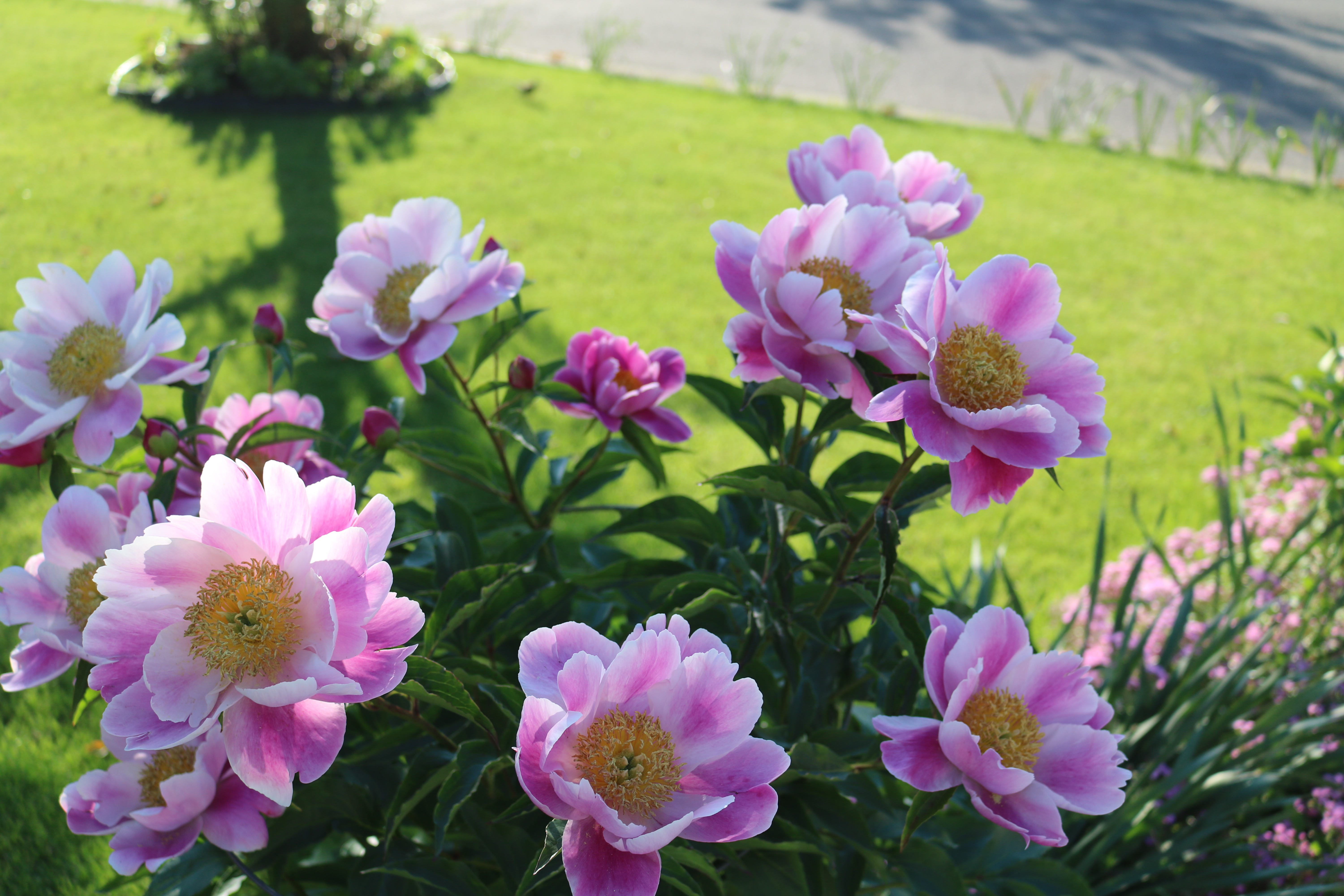
June marks the end of the Tulip season in our garden and is the month of Pinks. The pink colour stands out on the lush green background of the lawn.

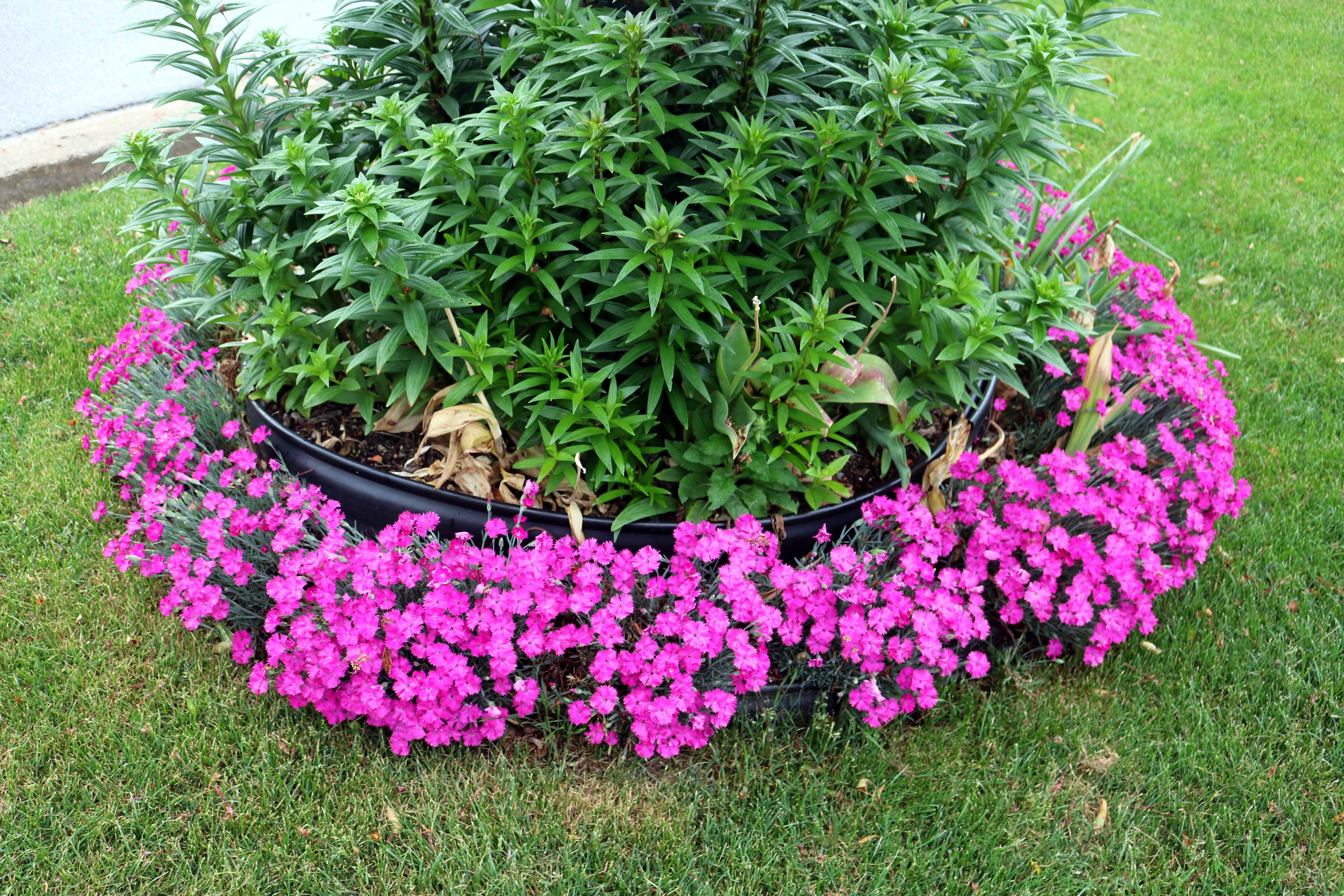
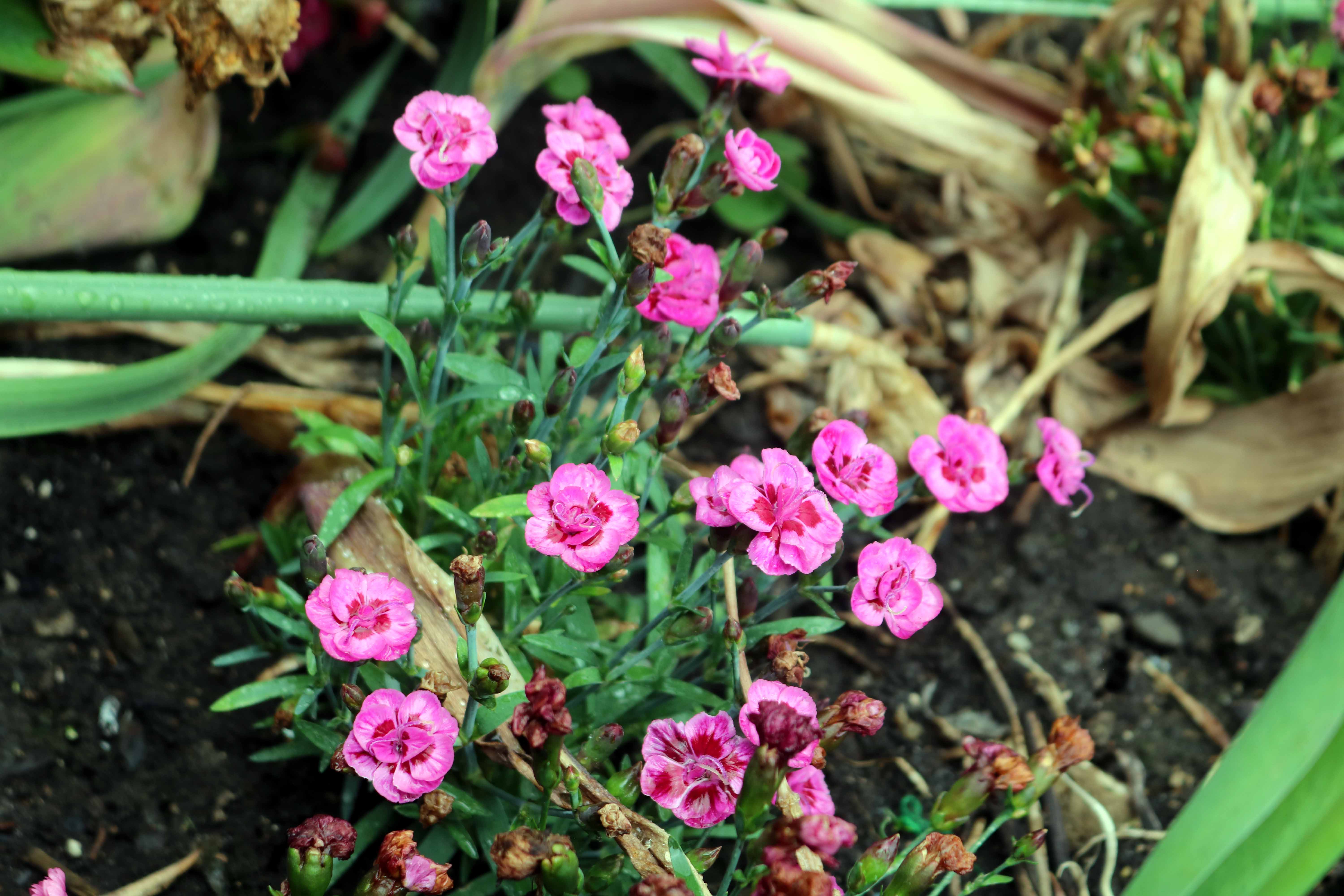
Neon Star- characterised by their fragrant fluorescent pink blooms, used as edging plants in our garden. The vibrant pink flowers cover the evergreen, blue-grey foliage.

Pink was first used as a color name in the late 17th century by a Greek botanist for the ruffled edges of carnations. and is the color most often associated with charm, politeness, sensitivity, tenderness, sweetness, childhood, femininity, and romance. In the 21st century, pink is seen as a symbol of femininity, though in the 1920s, pink was seen as a color that reflected masculinity.

Rock Soapwort is a vigorous, low creeping plant. Plants form a low mound of bright-green leaves, smothered by starry bright-pink flowers.

Former first lady Mamie Eisenhower loved pink and had pink decor throughout the White House. Elvis Presley had a pink 1955 Cadillac.

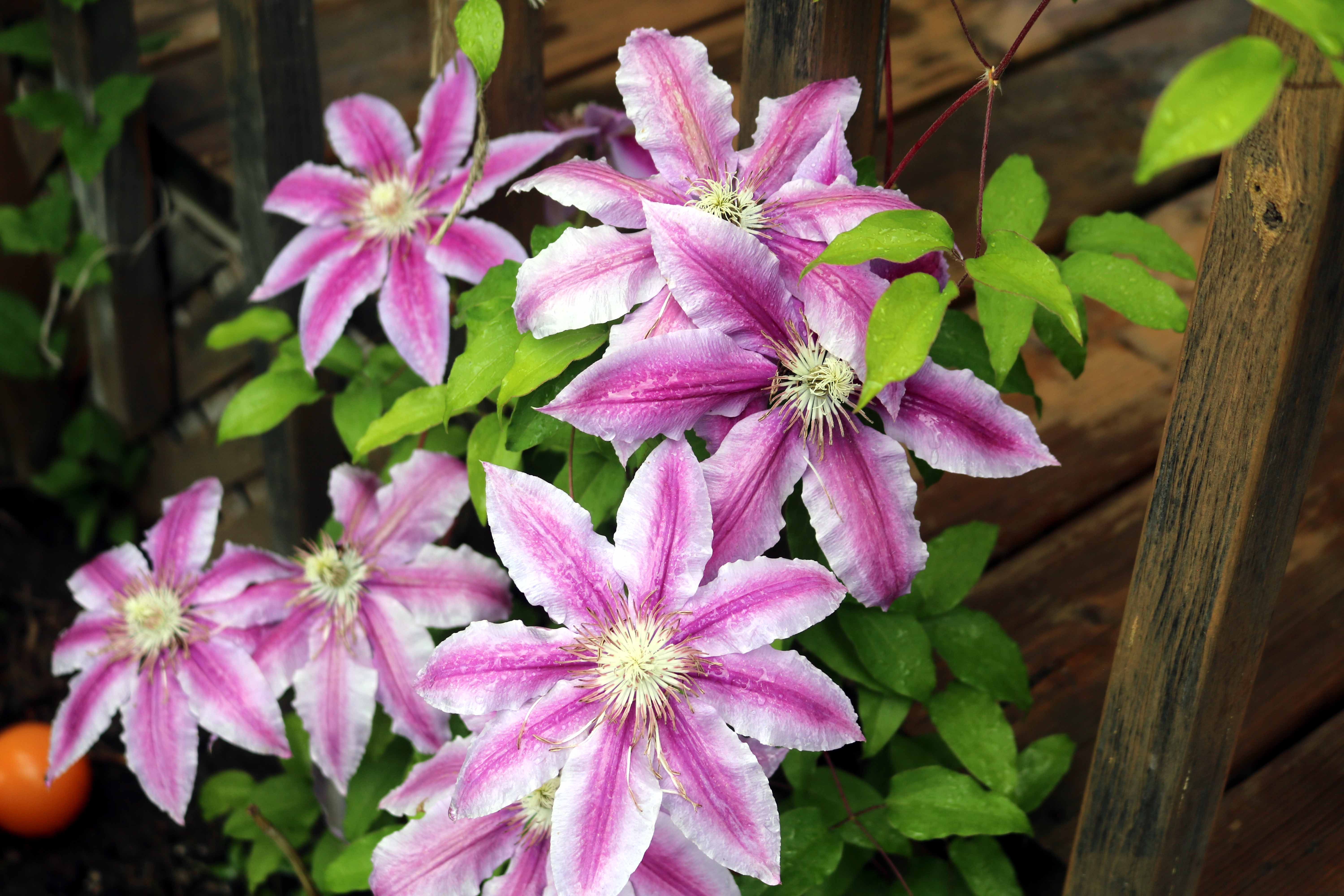
Clematis is one of the showiest vines you can grow. With many types of shapes and colours, these plants dress up any kind of structure they climb.

Thyme flowers are typically lavender-colored and edible. They grow at the top of the stems in a sphere-shape with elongated vertical spikes.

Pink makes us crave sugar, so it is often used by shops selling ice-cream or other sweets.

Peony is named after Paeon (also spelled Paean), a student of Asclepius, the Greek god of medicine and healing.   Marco Polo described Peonies, when he first saw them as Roses as big as Cabbages.

Jaipur City is called The Pink City, because of its giant forts, palaces and its distinguished pink colour.

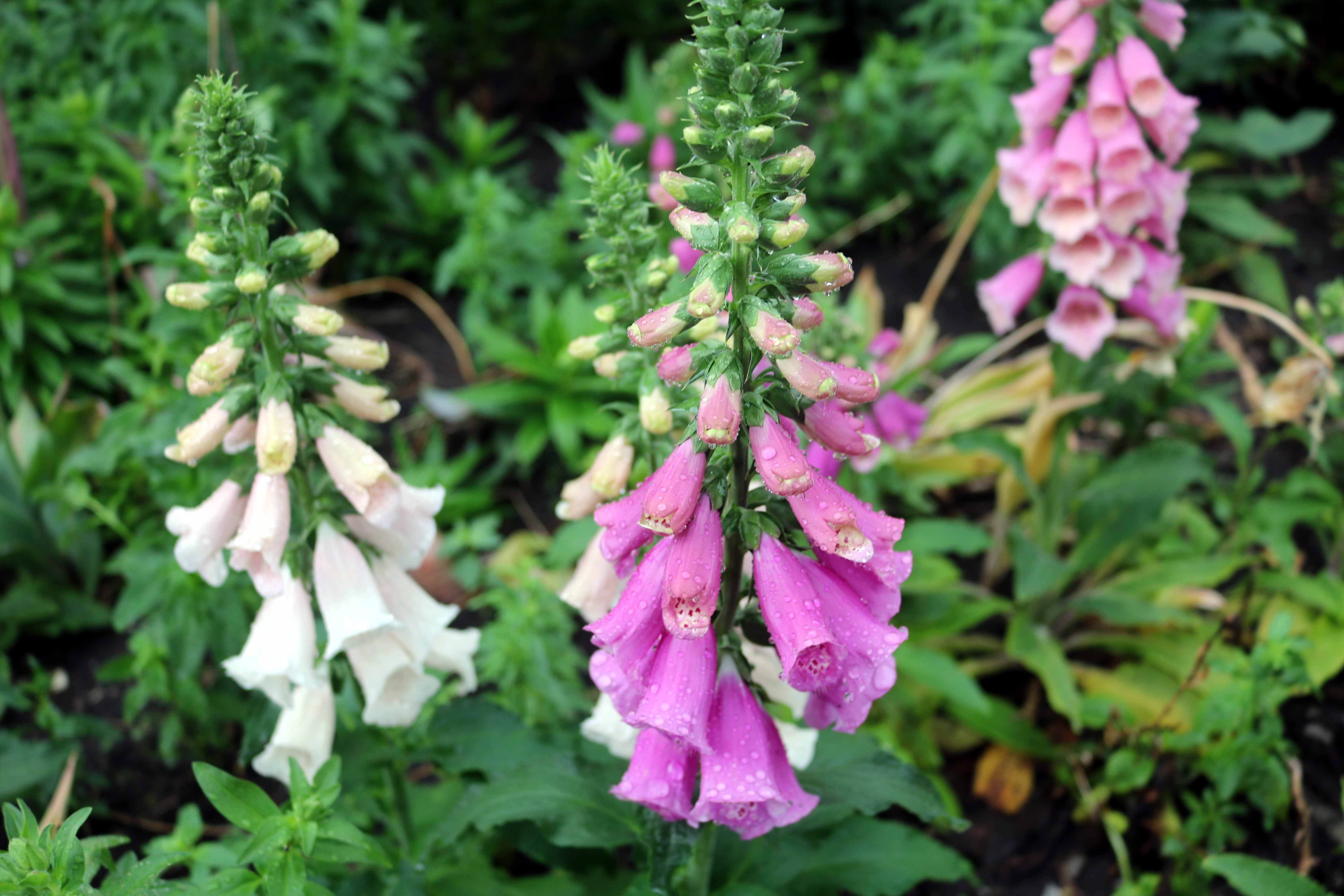
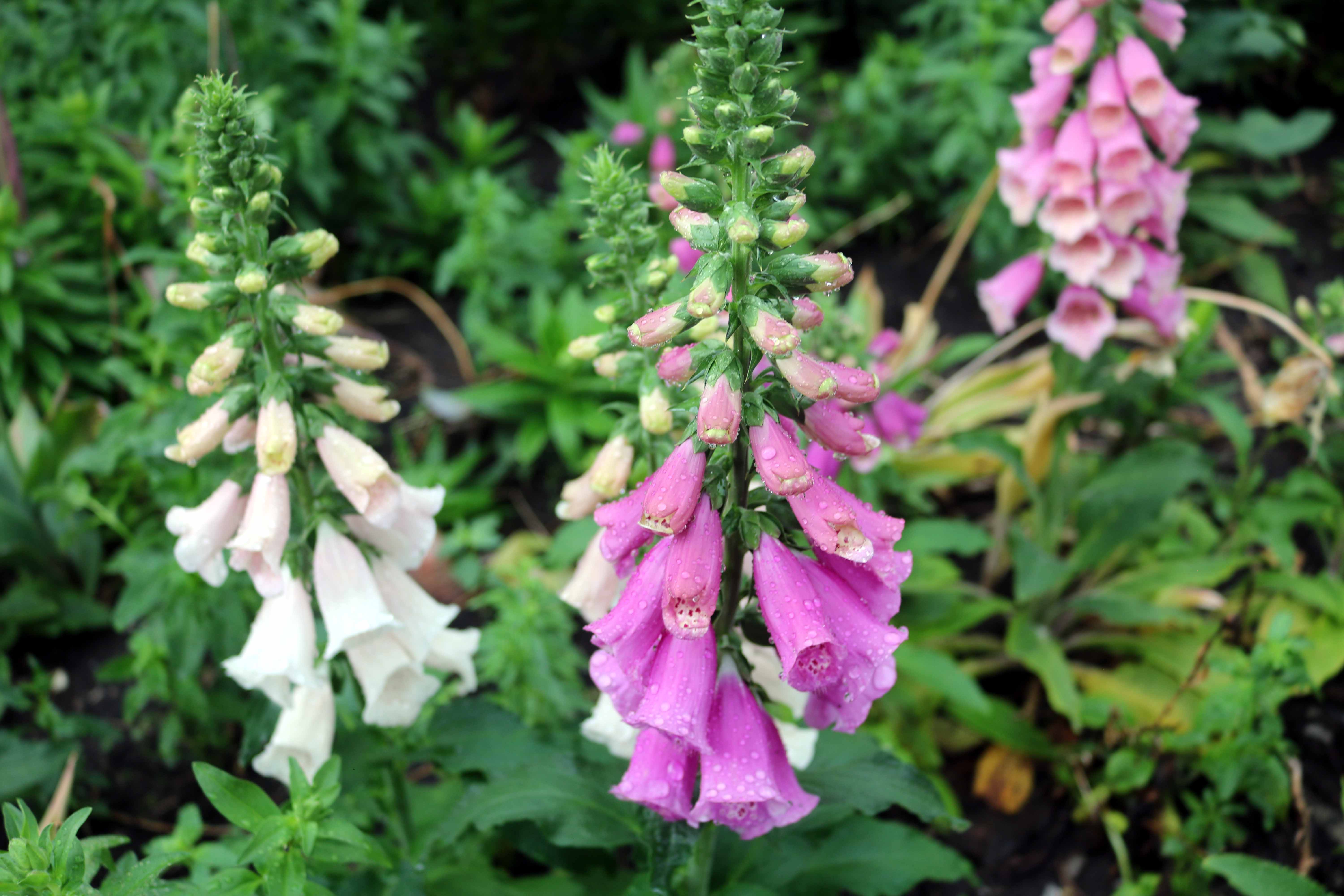
Foxgloves are eye-catching tall, slender flowering plants with flowers in clusters of tubular shaped blooms in colors of white, lavender, yellow, pink, red, and purple.

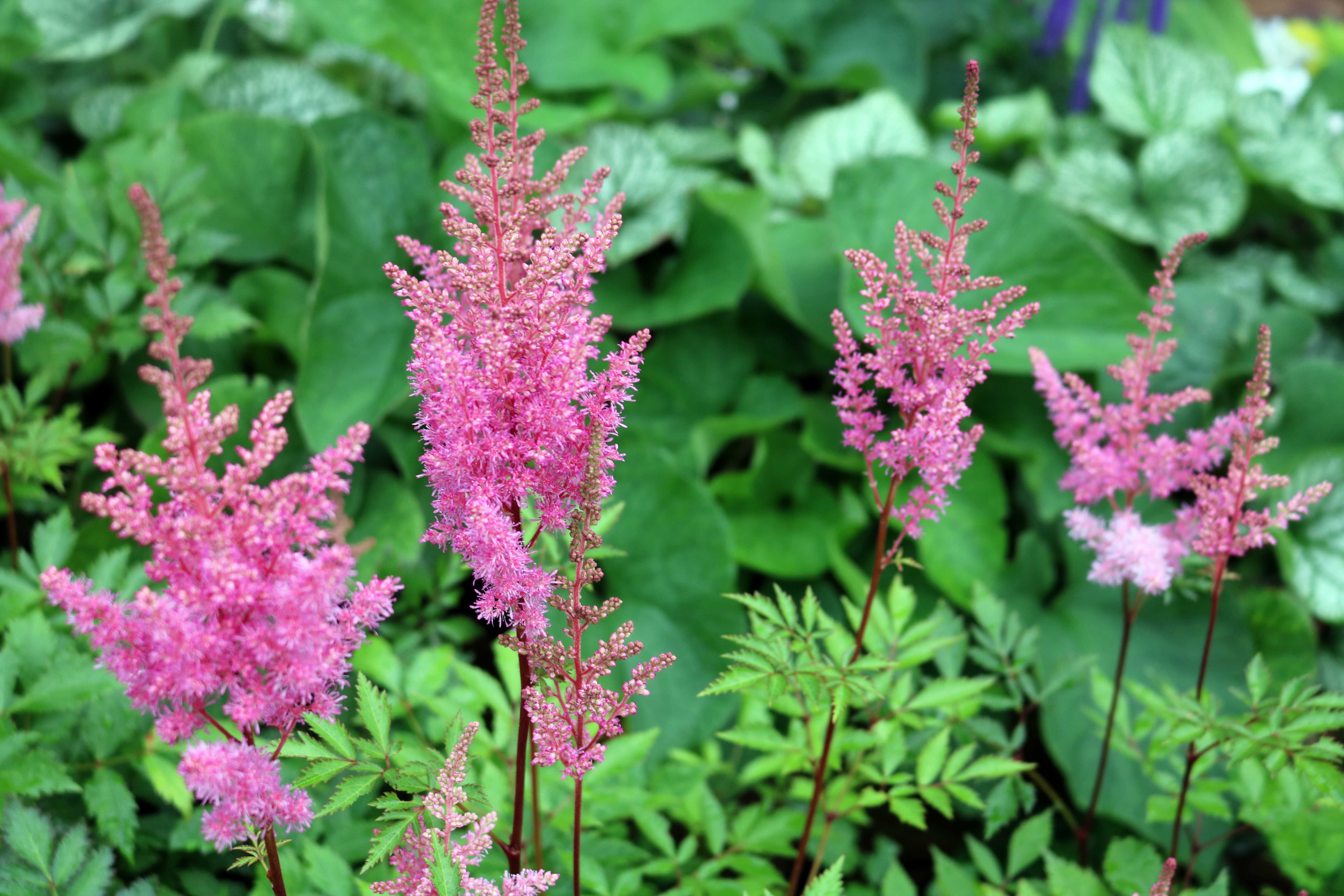
Astilbe, a shade loving plants and it symbolises patience and dedication. In Greek, the name Astilbe means “without brilliance” or “without sheen” and alludes to the fact that the individual flowers of this species are small and inconspicuous.

Petunias are from the tomato, potato and tobacco plant family. And they drive their name from the South American word Petun, which is another name for Tobacco.

Lily has been a symbol of life, creativity and good luck they are also known as are known as the Flower of Good Fortune.  More than a beautiful flower; it expresses emotions – love and appreciation to offering sympathy and support.

With the advent of ultrasound came Gender Reveal Parties or Baby Showers with Pink for Girls and Blue for Boys.  Assigning colours to babies enforces a belief that they are supposed to grow and fit into. If you’re a girl, you must like pink, and that also means you’re girly. If you’re a boy, you must have blue, and no pink, or else you aren’t manly enough. If you’re a girl and you like blue, you’re a tomboy.

Gendered colors are totally outdated, and we should stop pushing colours on children if we want a world with less stereotypes, less sexism, and less prejudice.

Roses 2024

What’s in a name? That which we call a rose by any other name would smell as sweet.  William Shakespeare

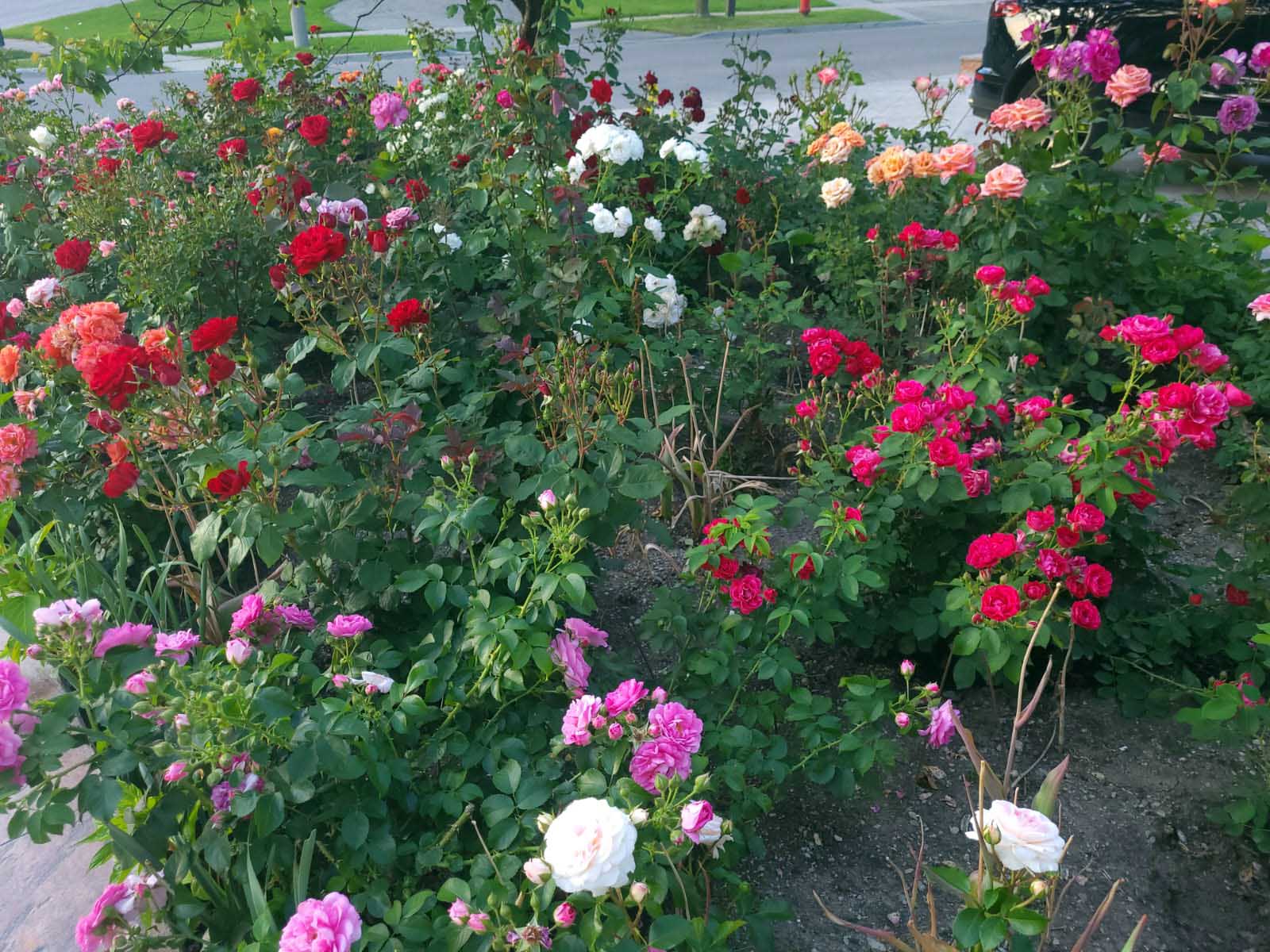
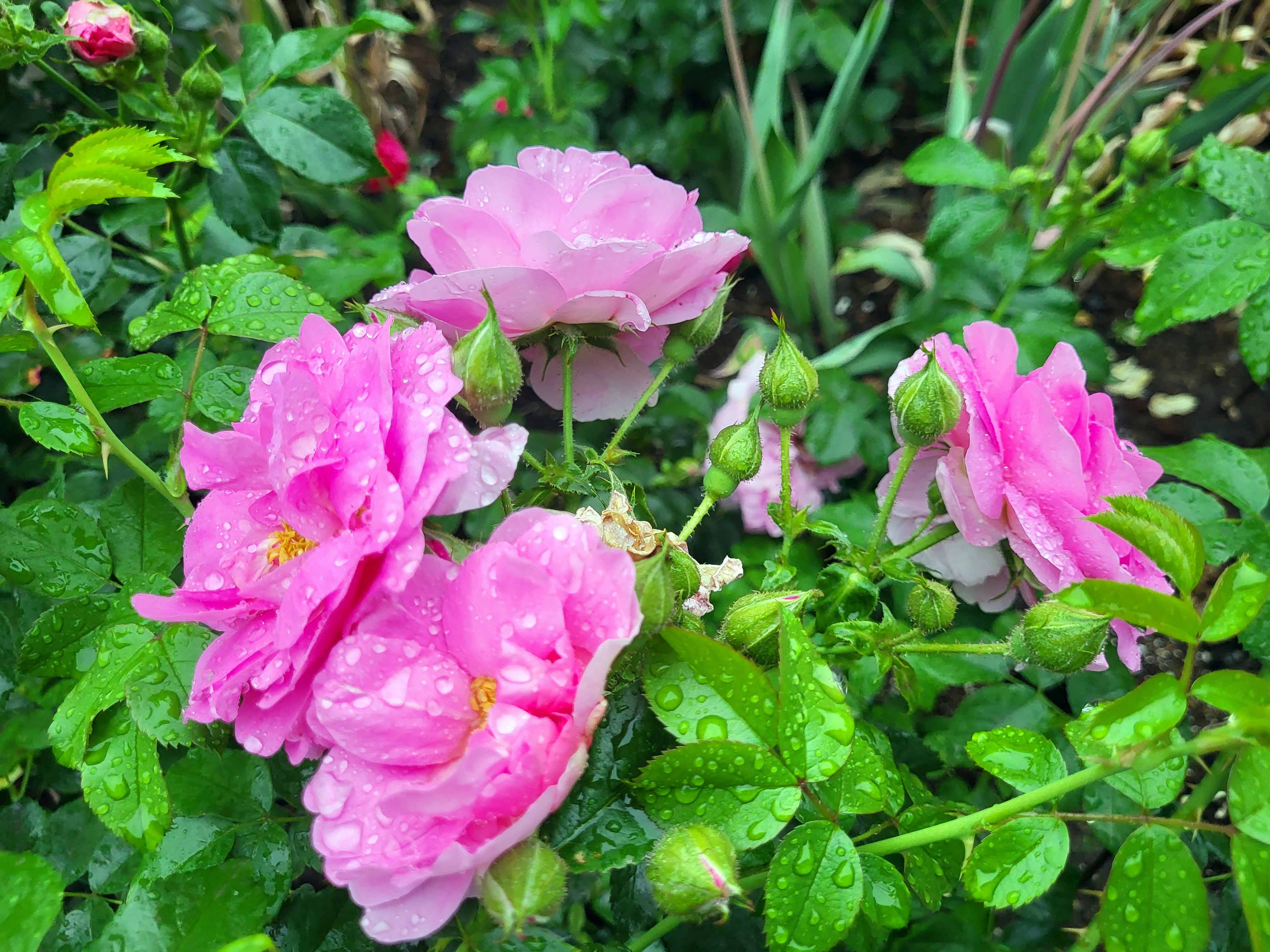
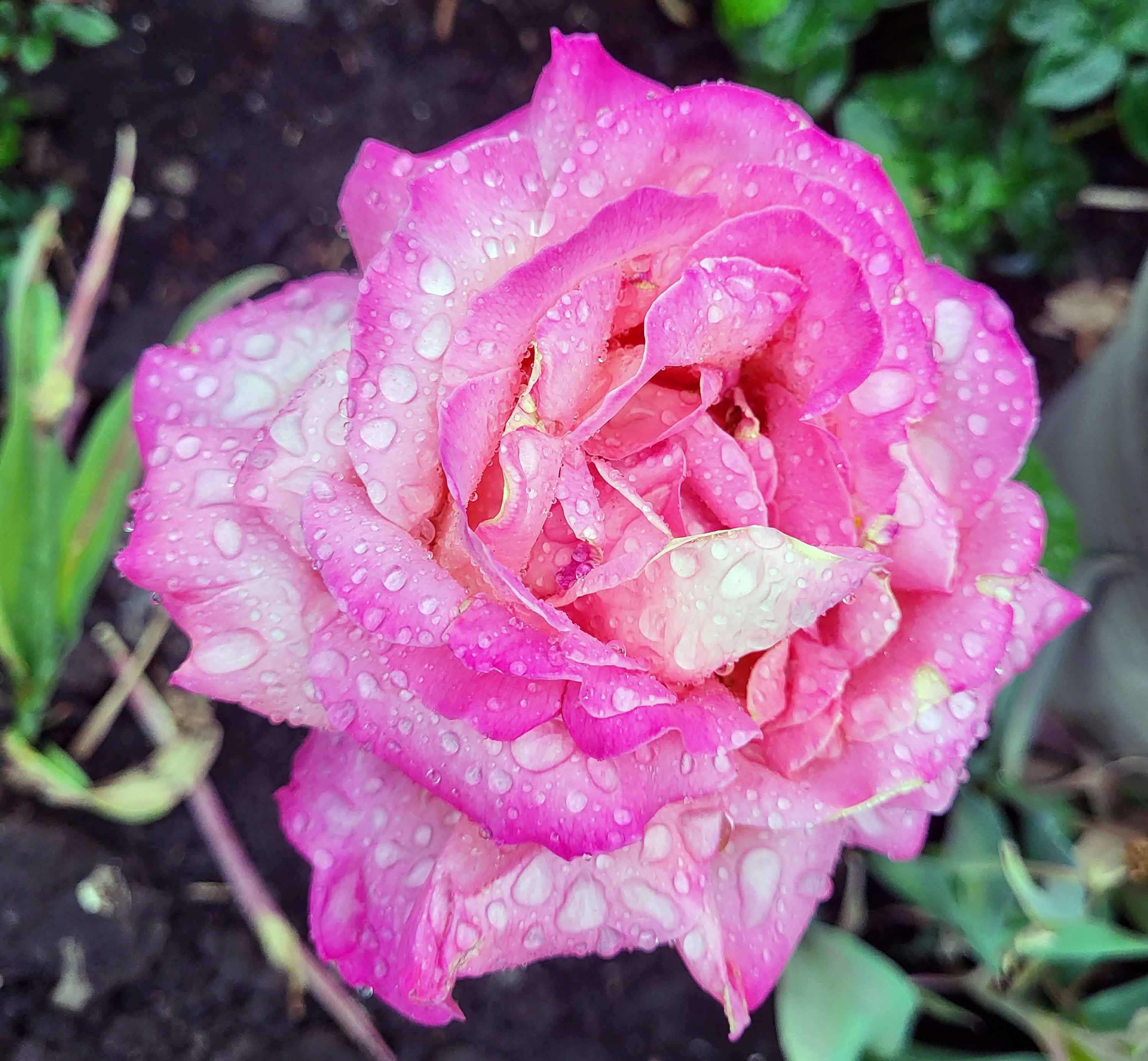
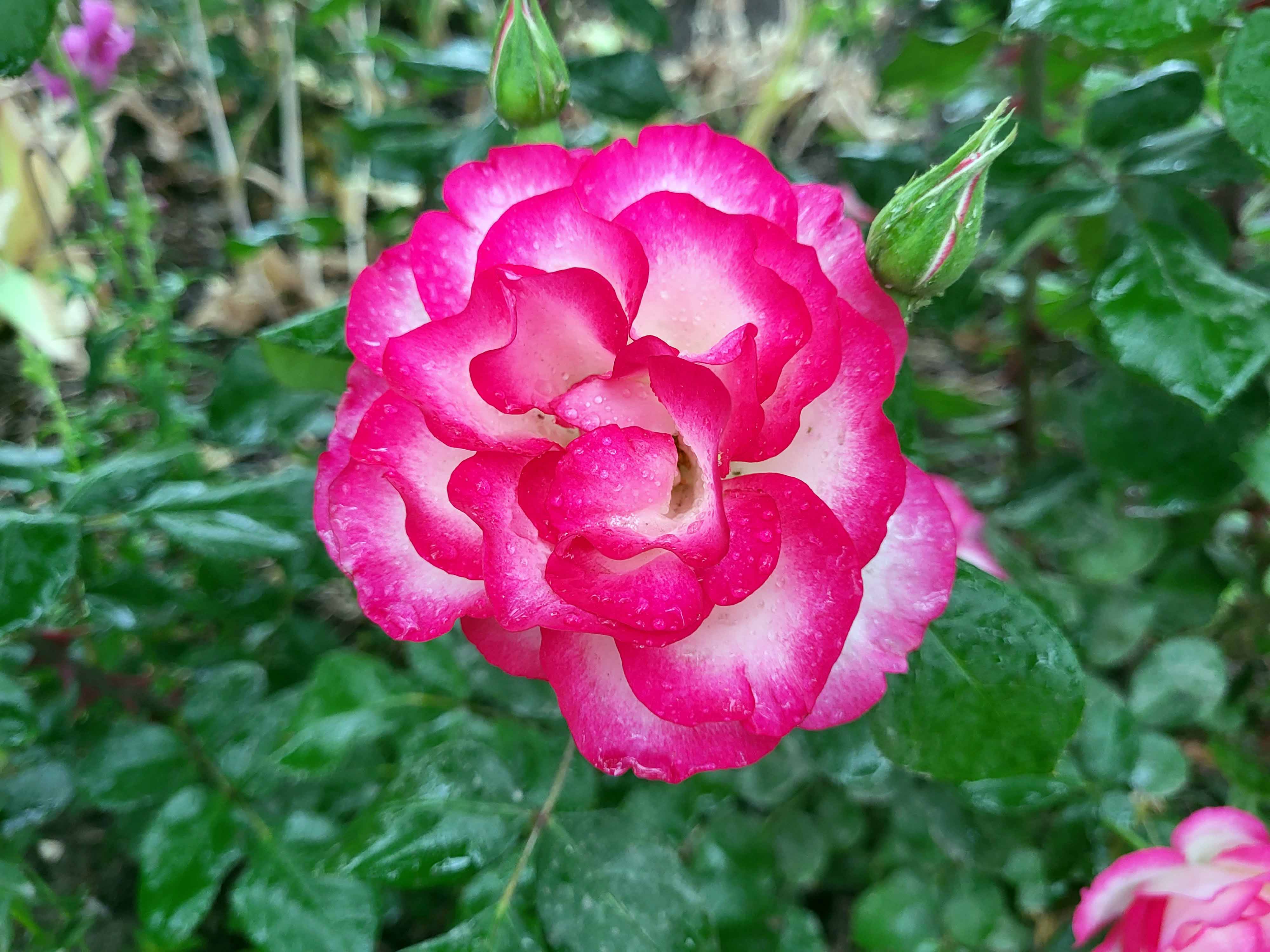
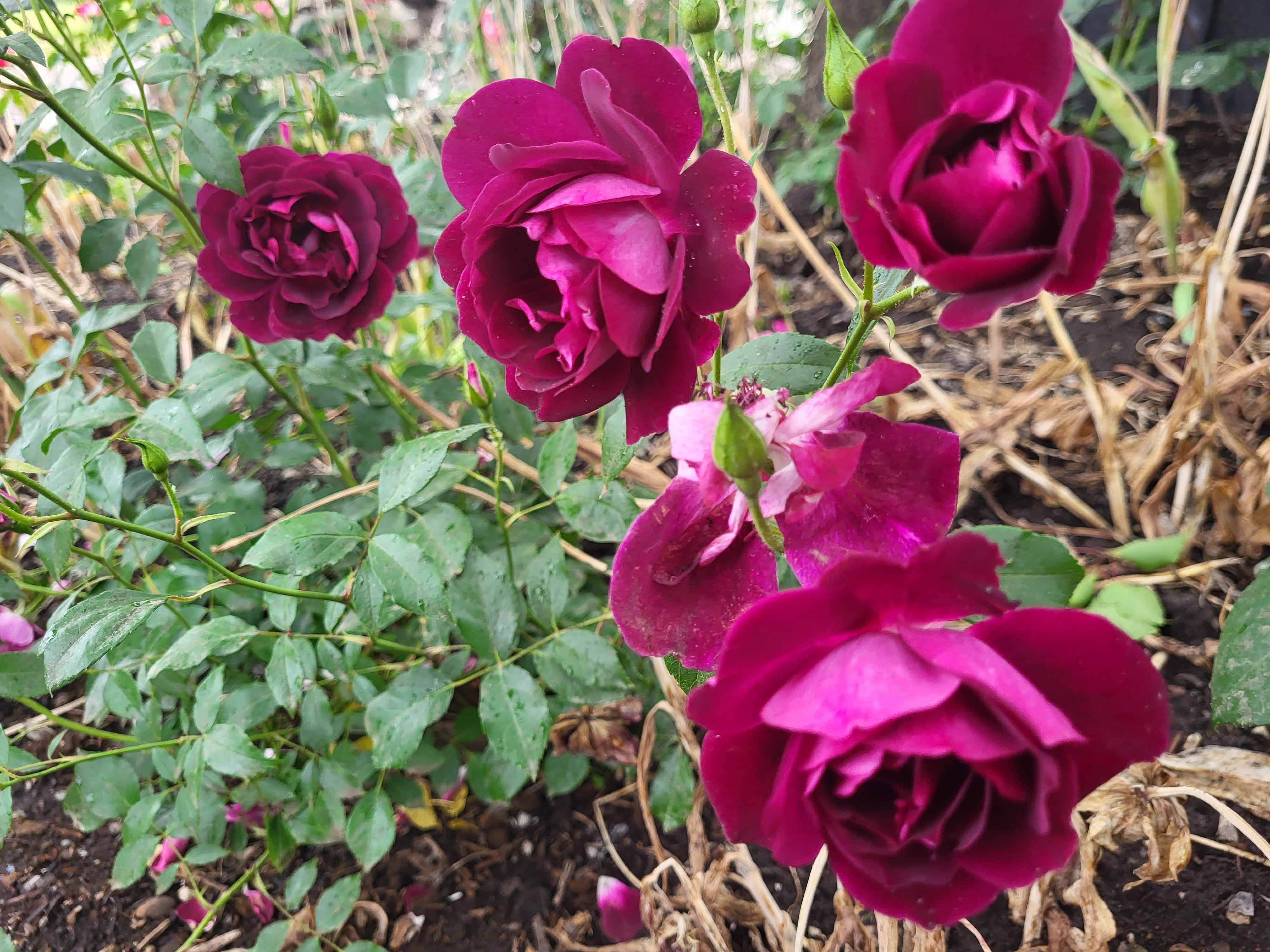
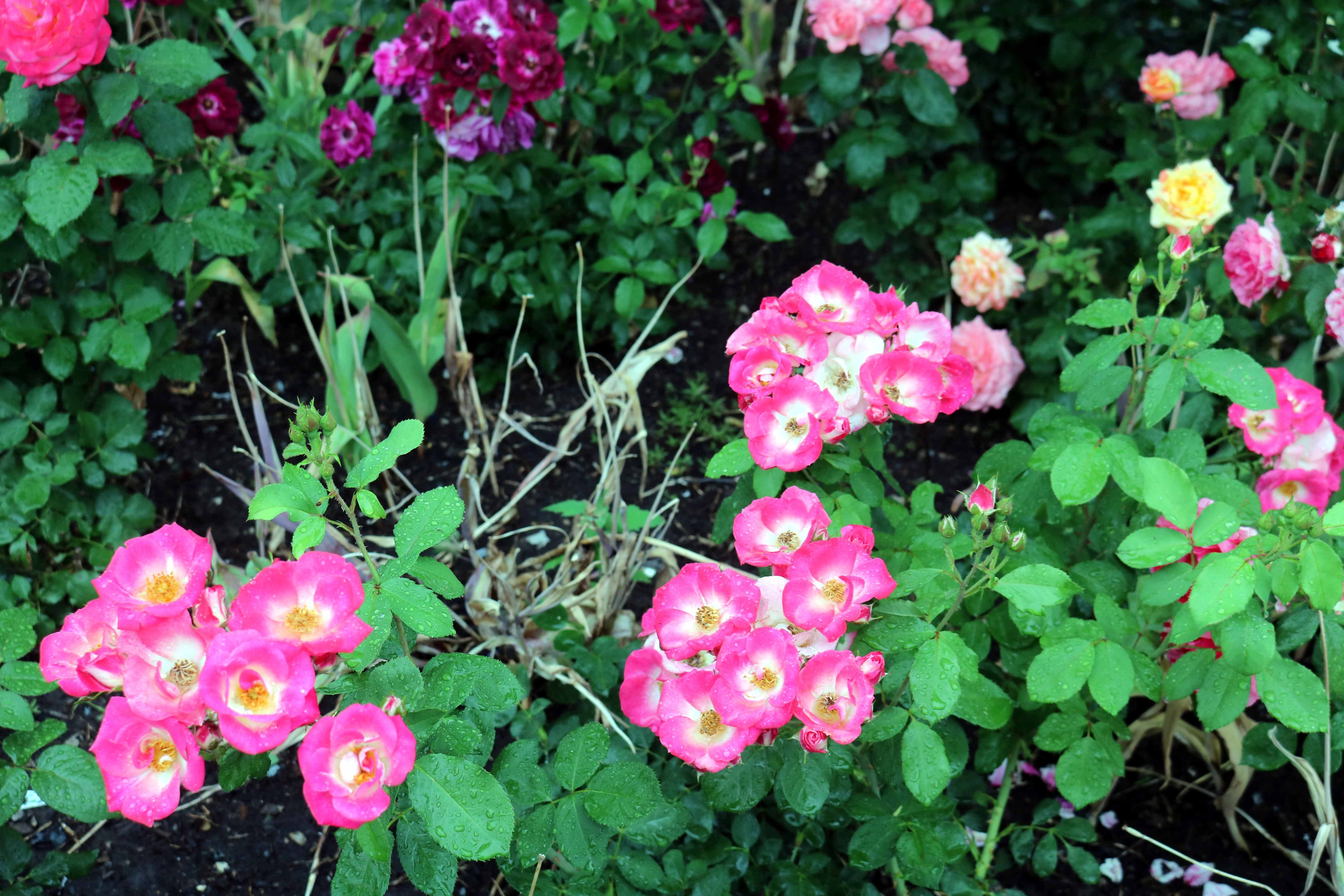
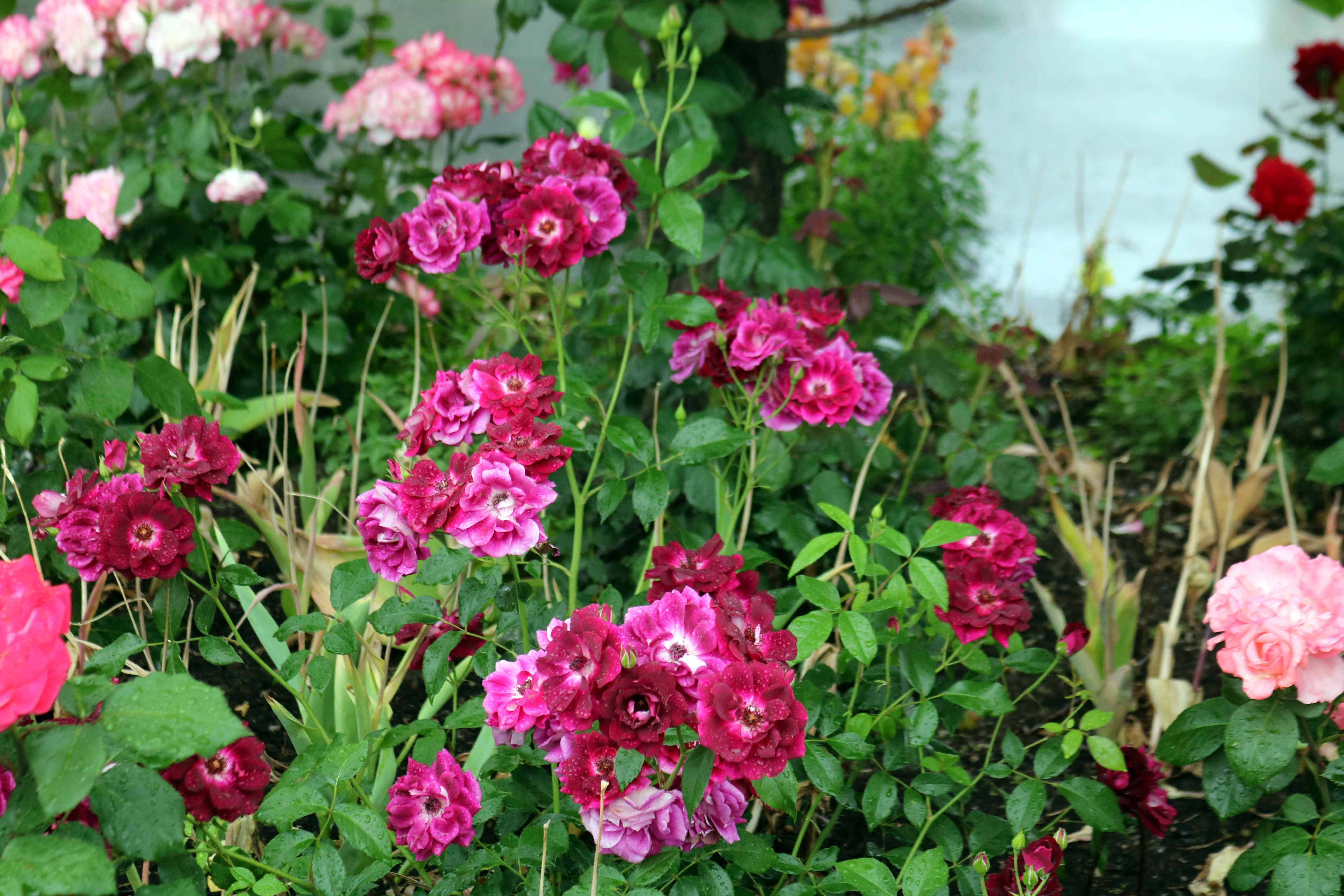
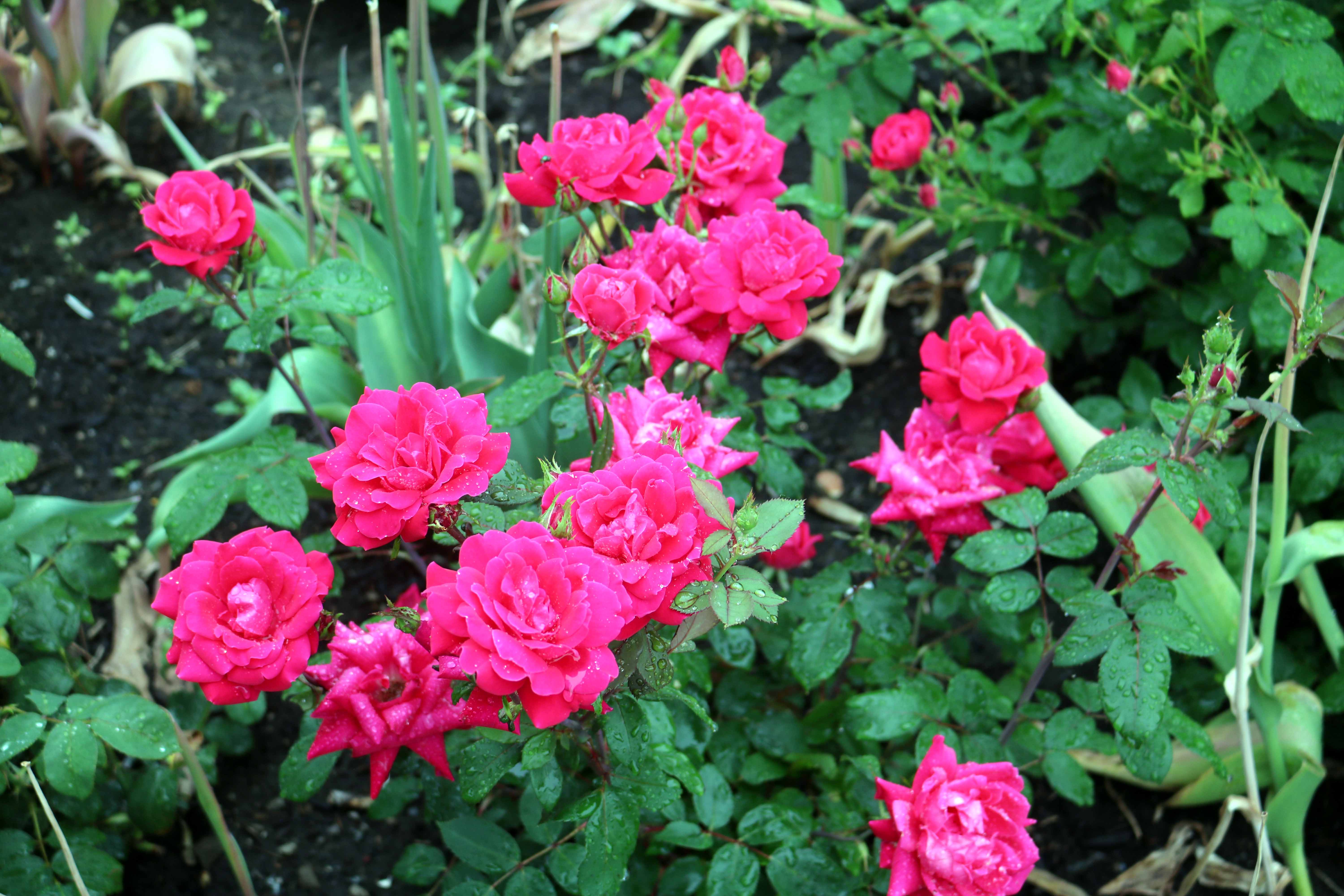
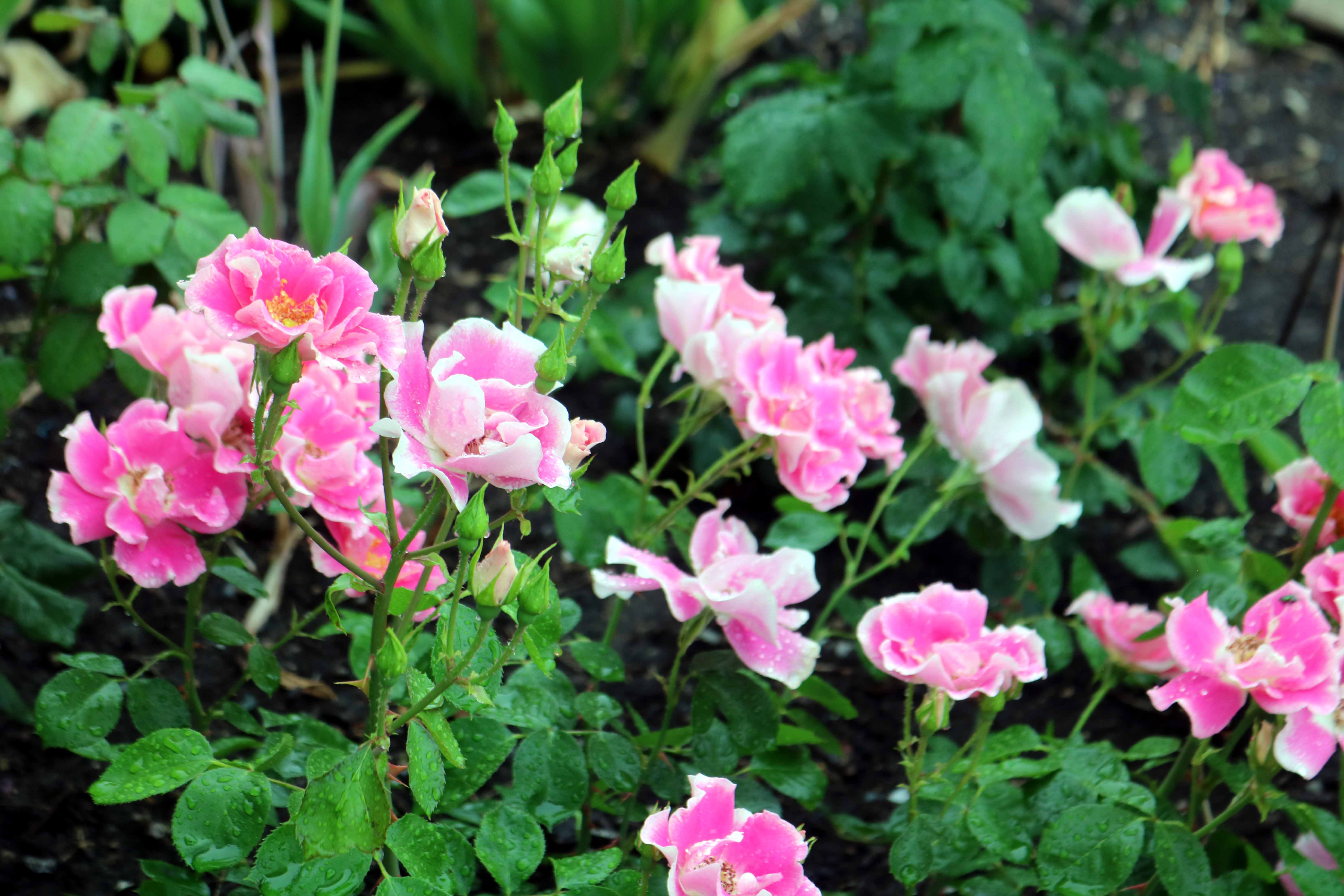
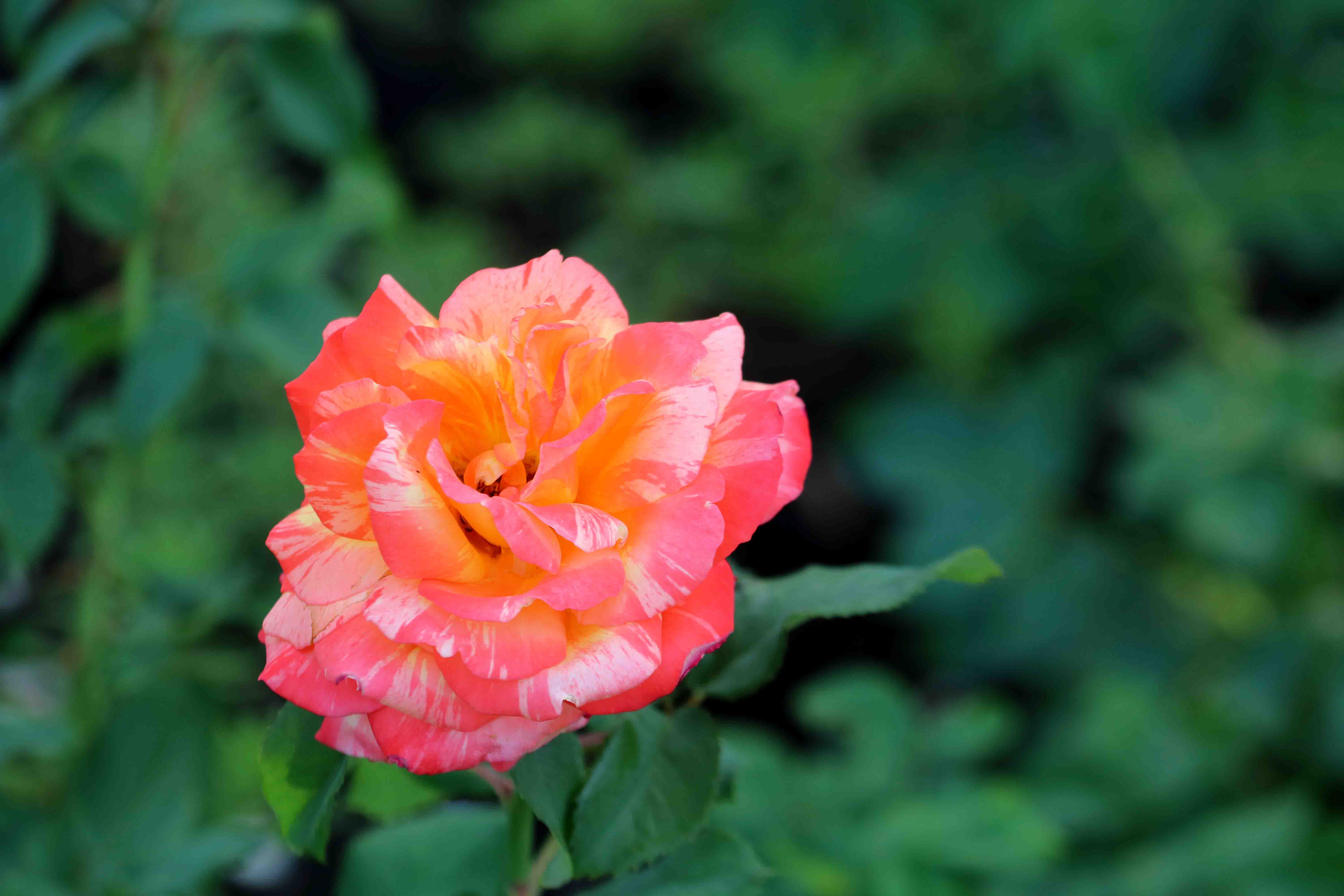
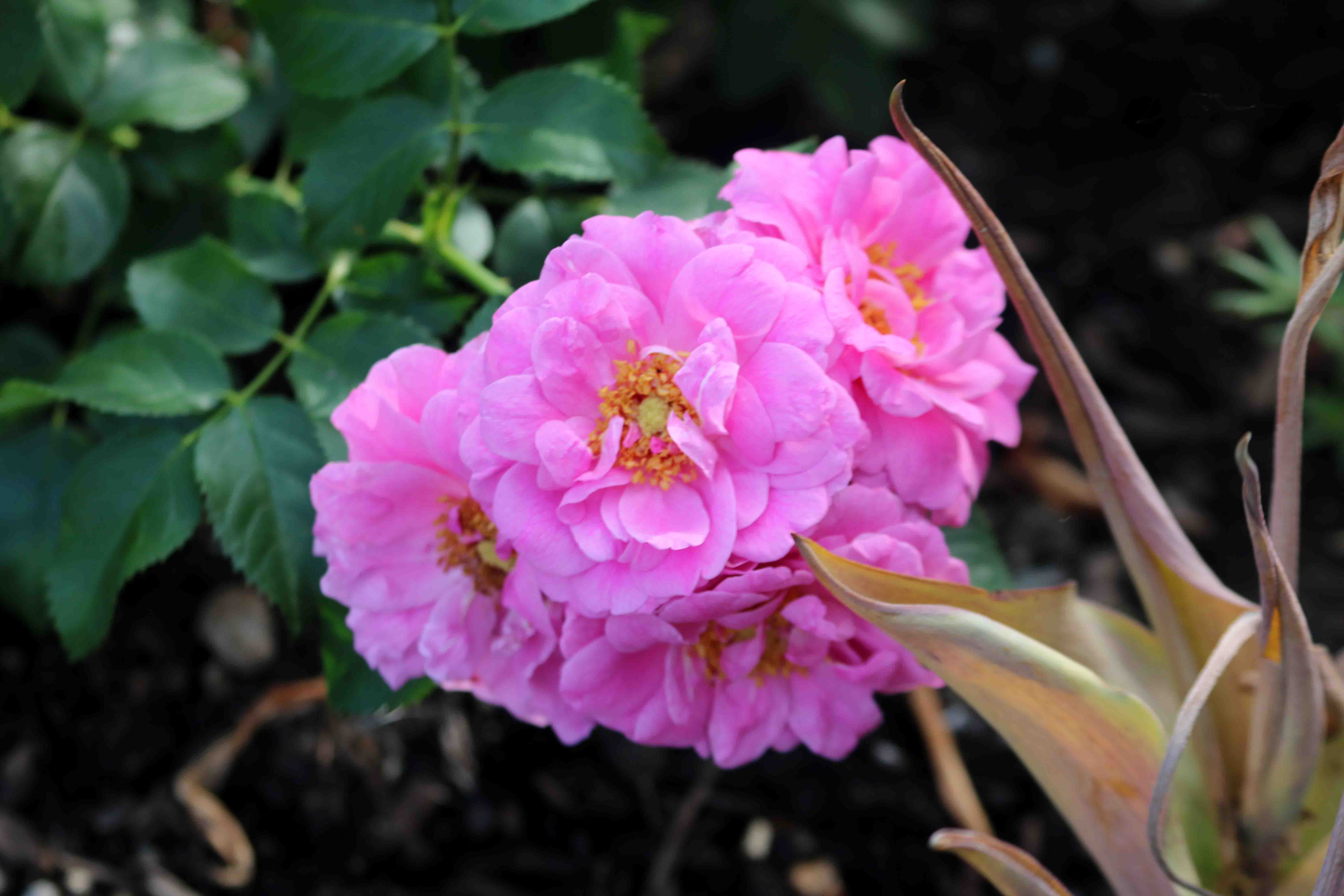
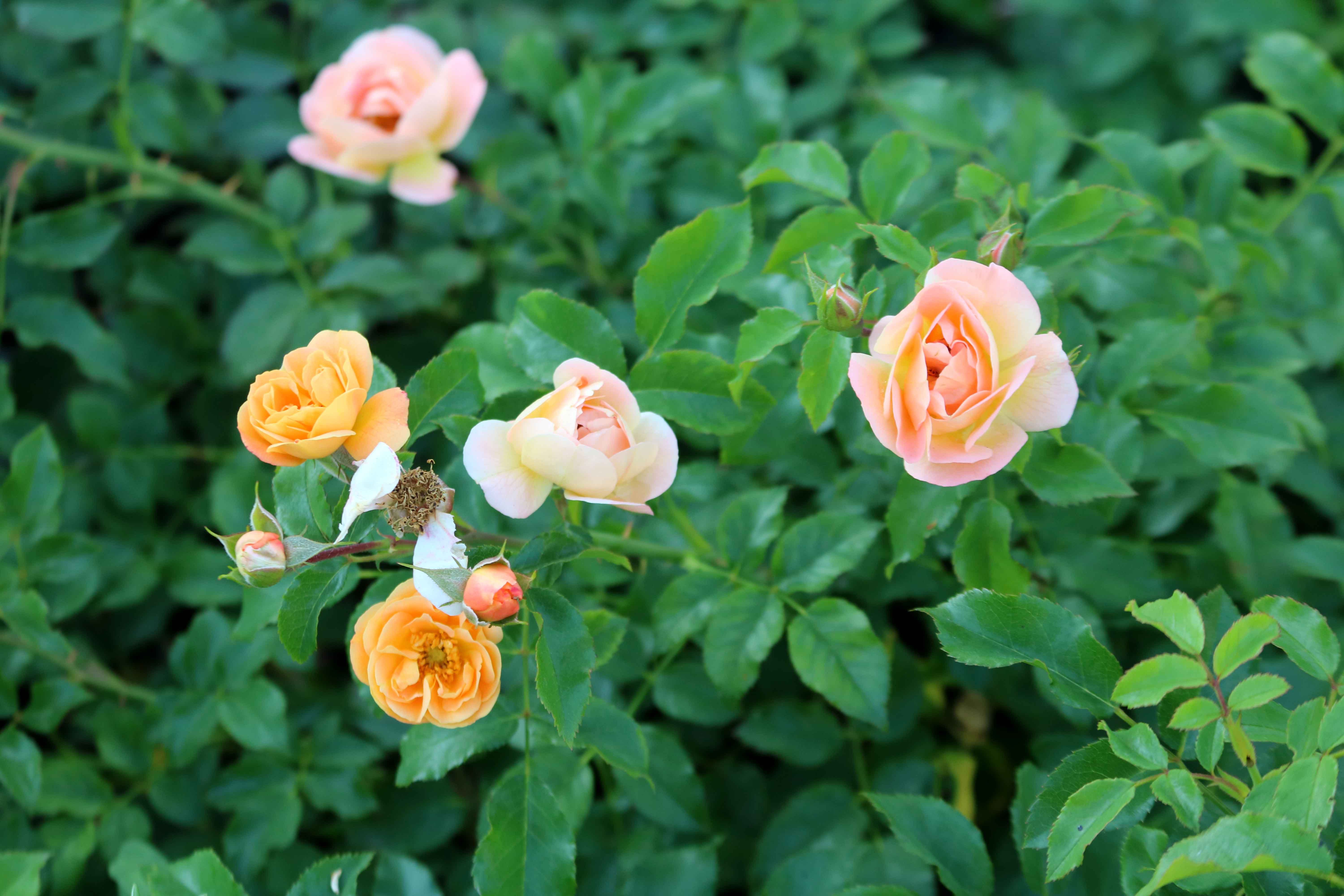
For centuries, roses inspired love and brought beauty to those who received them. The rose’s rich heritage dates back thousands of years. We have over fifty bushes in our garden.

Jawaharlal Nehru, the first Prime Minister of India, was fond of red rose that he wore a red rose on his jacket until his last breath.

It is said that the floors of Cleopatra’s palace were carpeted with delicate rose petals.  Shakespeare refers to roses more than 50 times throughout his writings. It is also New York’s state flower.

Age the world’s oldest living rose is believed to be 1,000 years old. Today it continues to flourish on the wall of the Hildesheim Cathedral of Germany. Roses are truly ageless. Recently, archaeologists discovered the fossilised remains of wild roses over 40 million years old.

Black and blue Roses don’t exist. Black Roses are very dark red, and blue pigments don’t occur naturally – the blue colour can only be achieved through genetic modification in a lab.

The largest rose bloom ever bred was a pink rose measuring approximately 33 inches in diameter, bred by Nikita K. Rulhoksoffski from San Onofre, California.

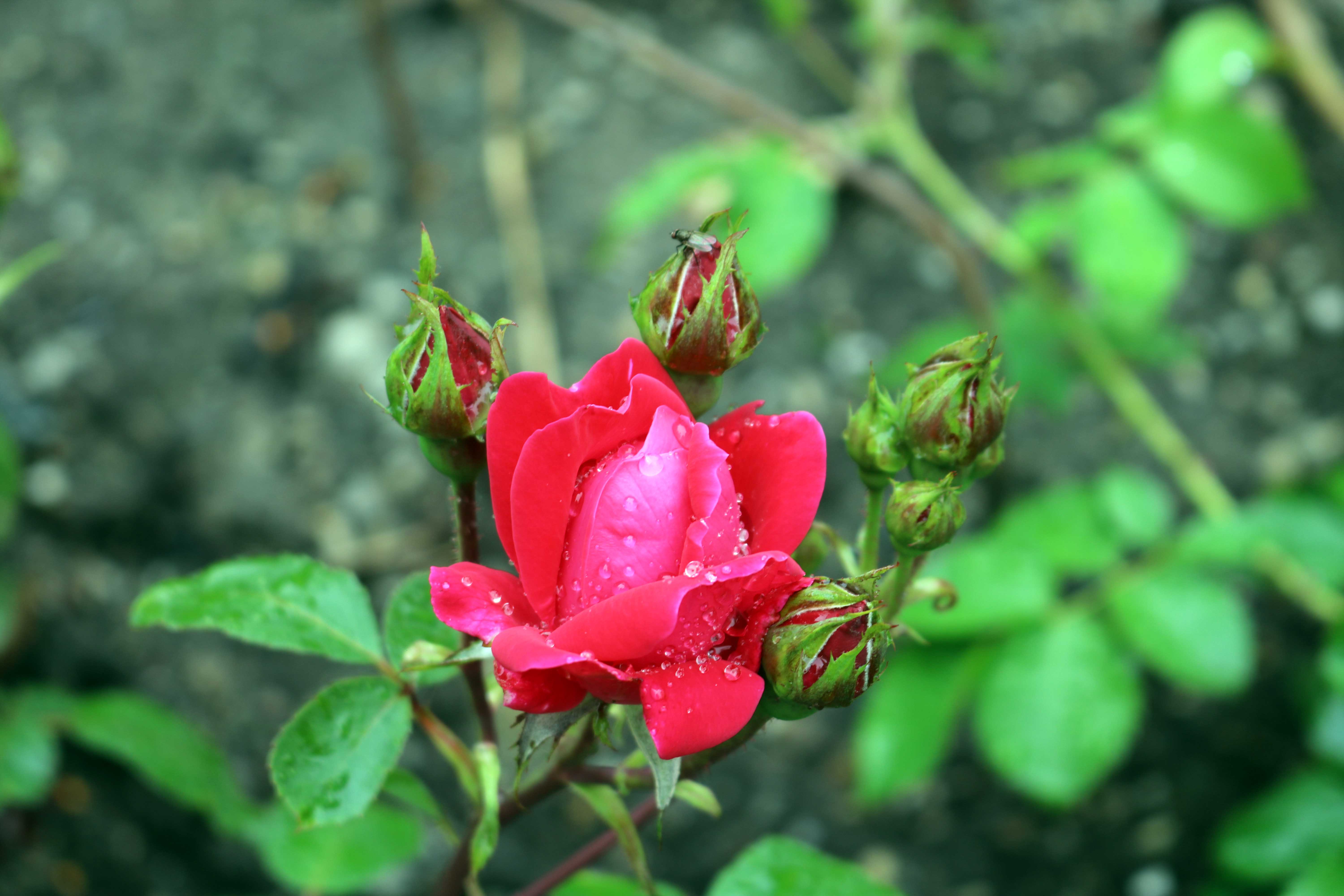
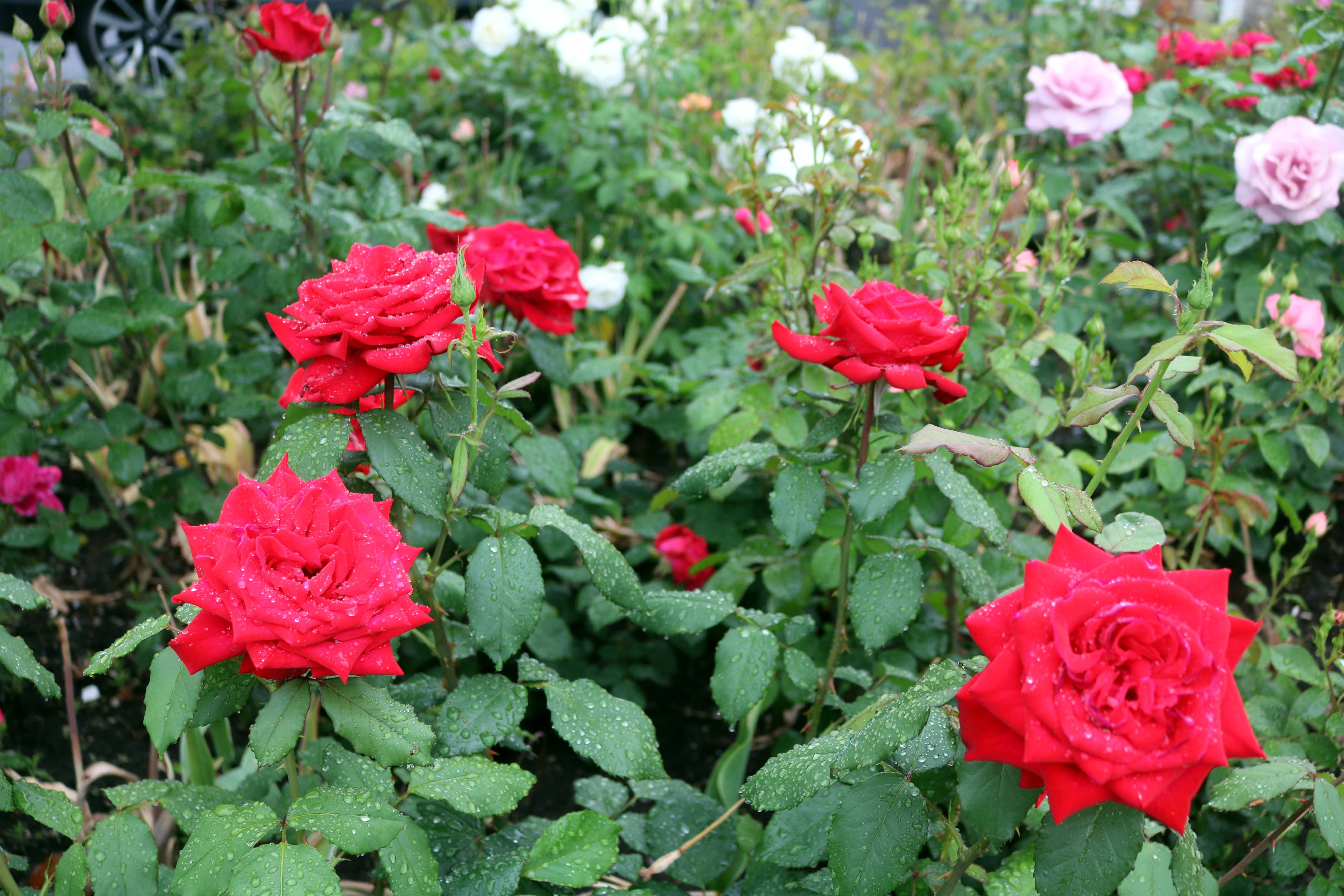
A red rose is an expression of love. Red roses can also be used to show respect, admiration, or devotion. A deep red rose can be used to show regret and sorrow. The number of red roses given has a special meaning as well. 12 red roses are the most popular number to give; it means Be mine and I love you.

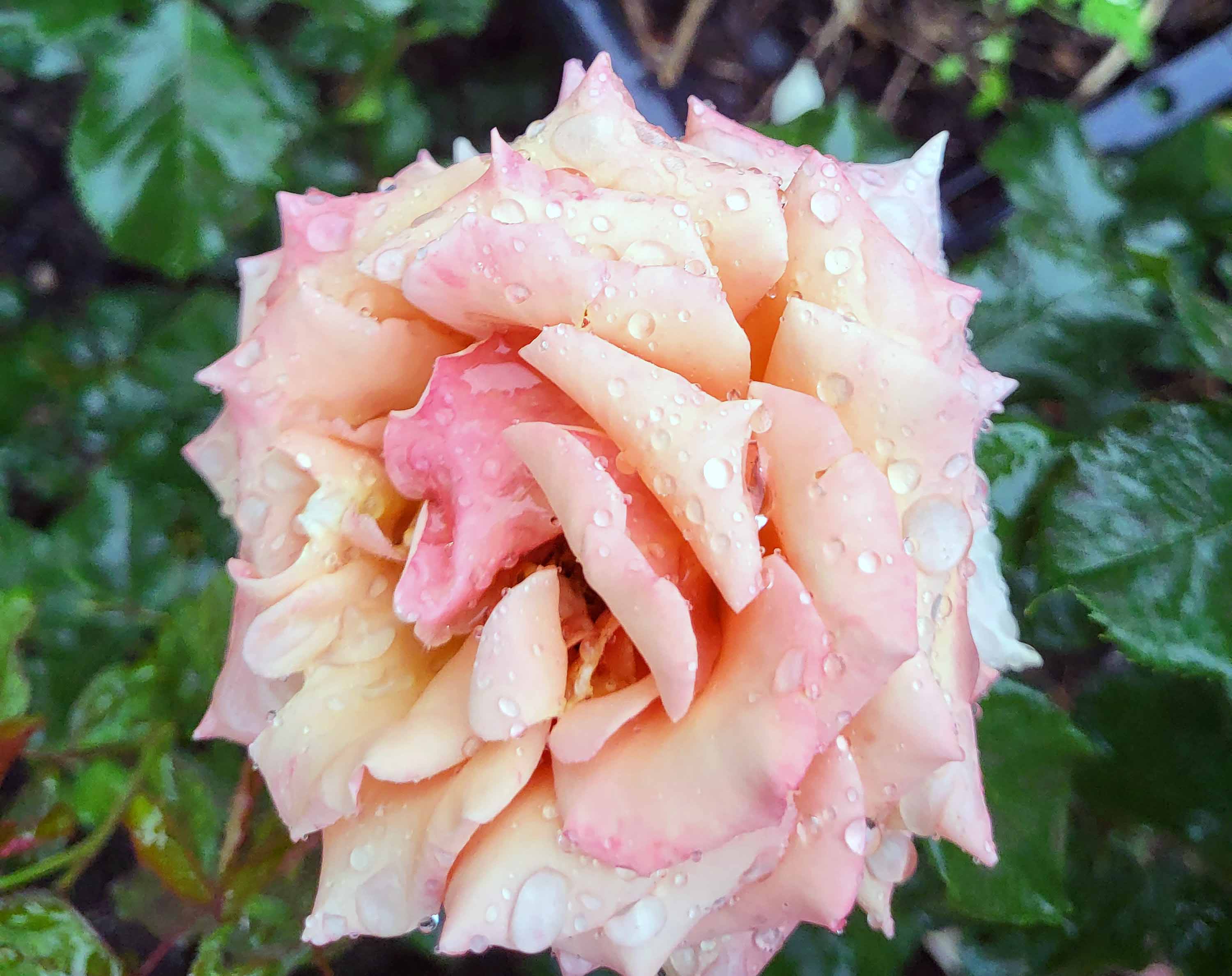
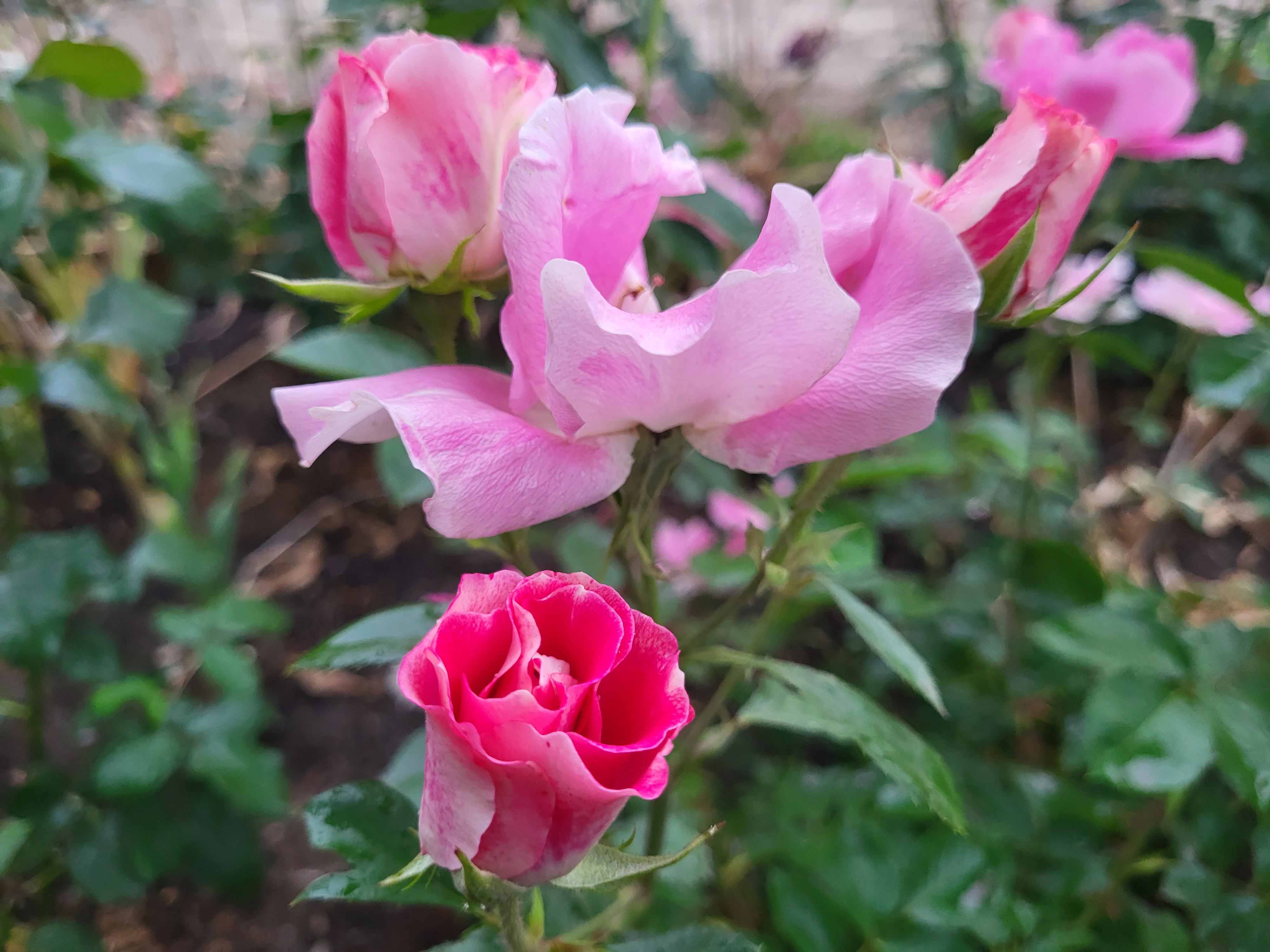
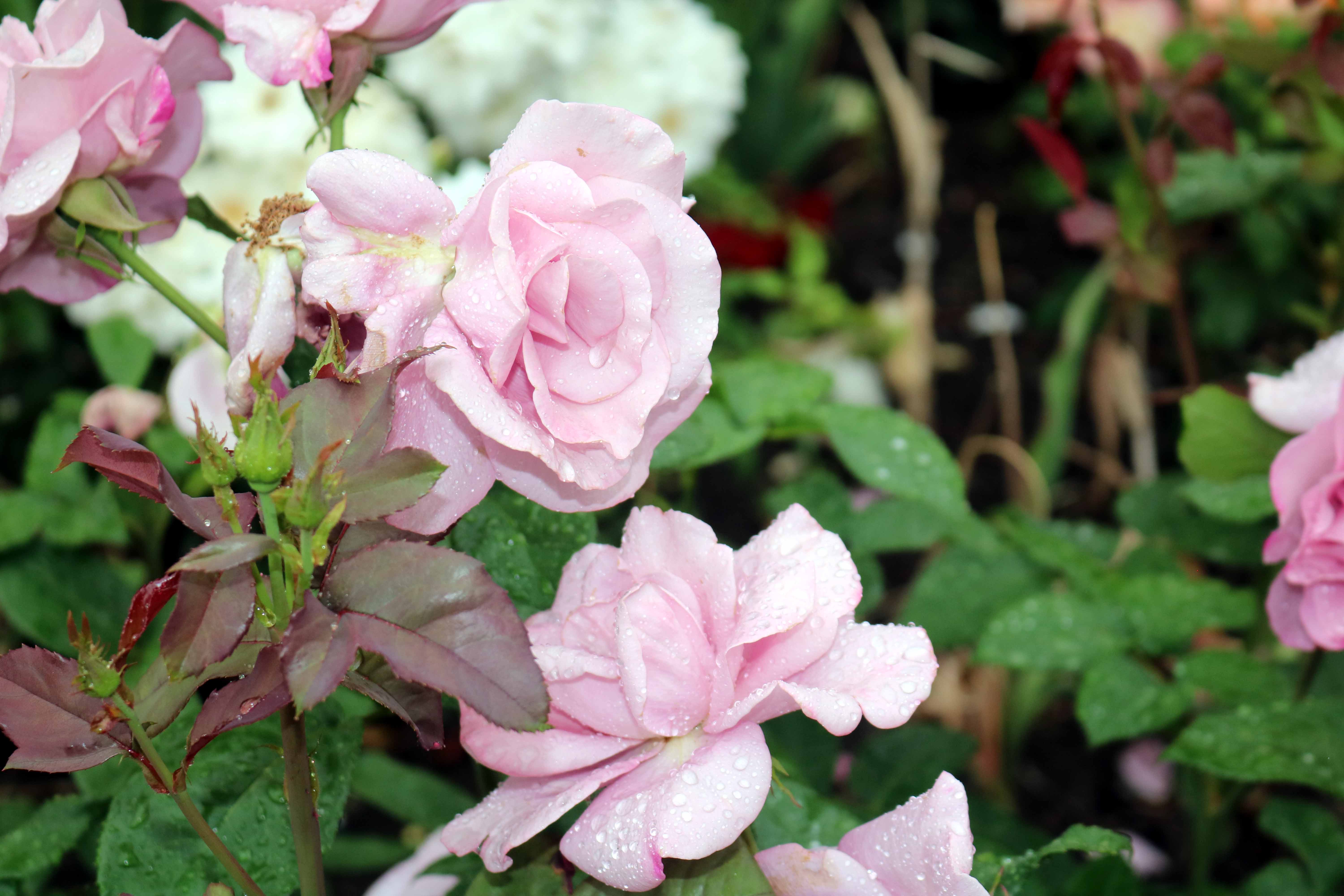
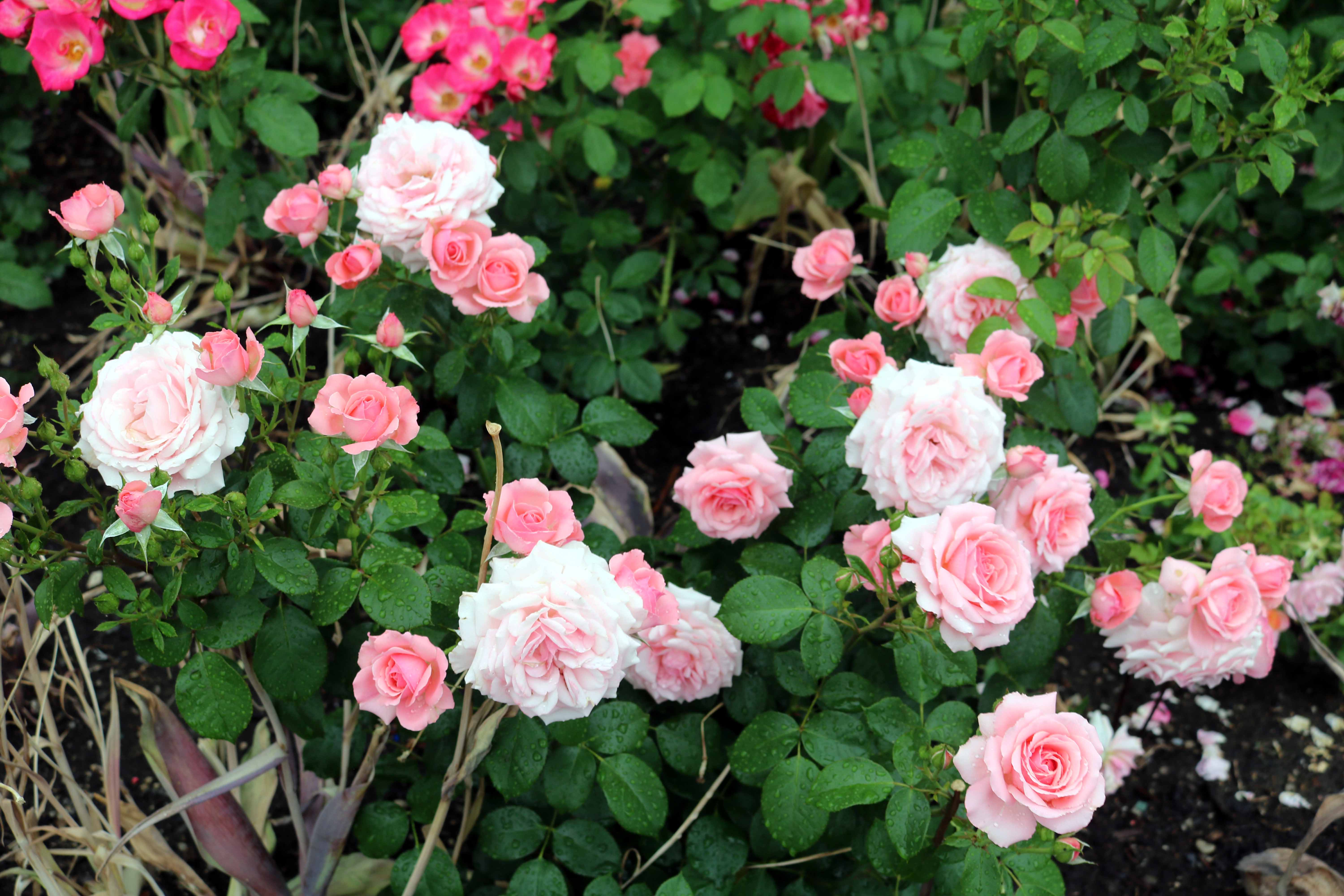
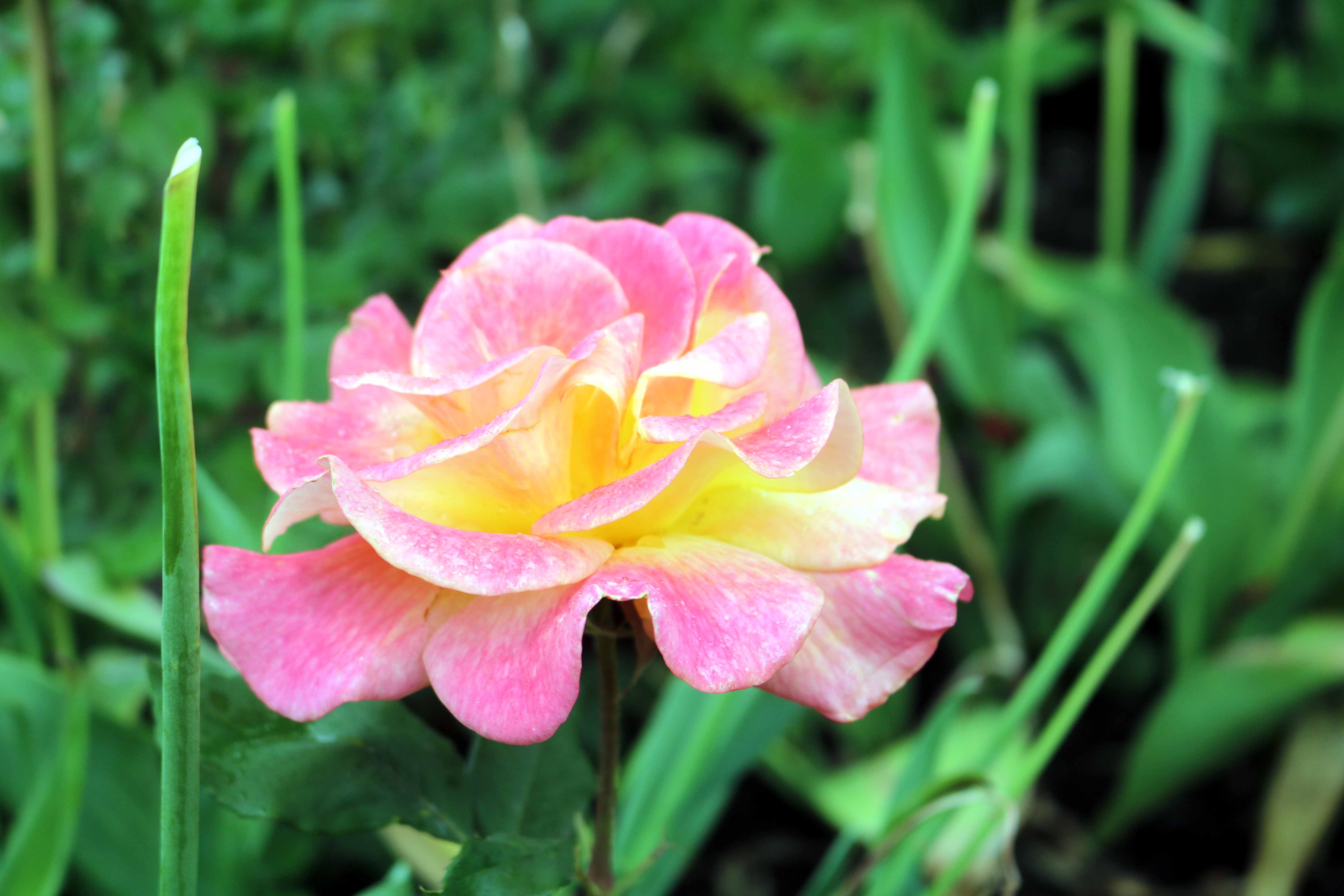
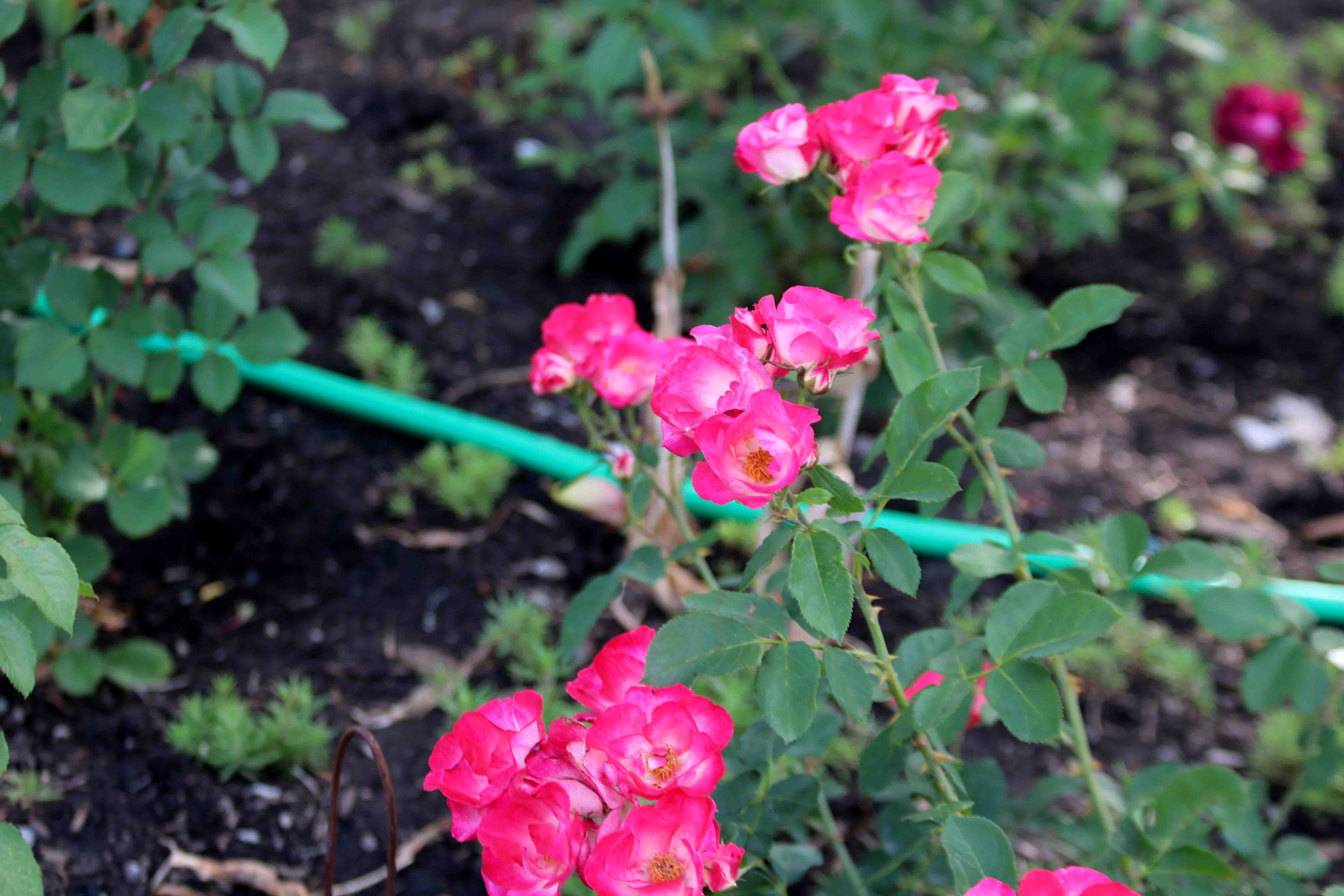
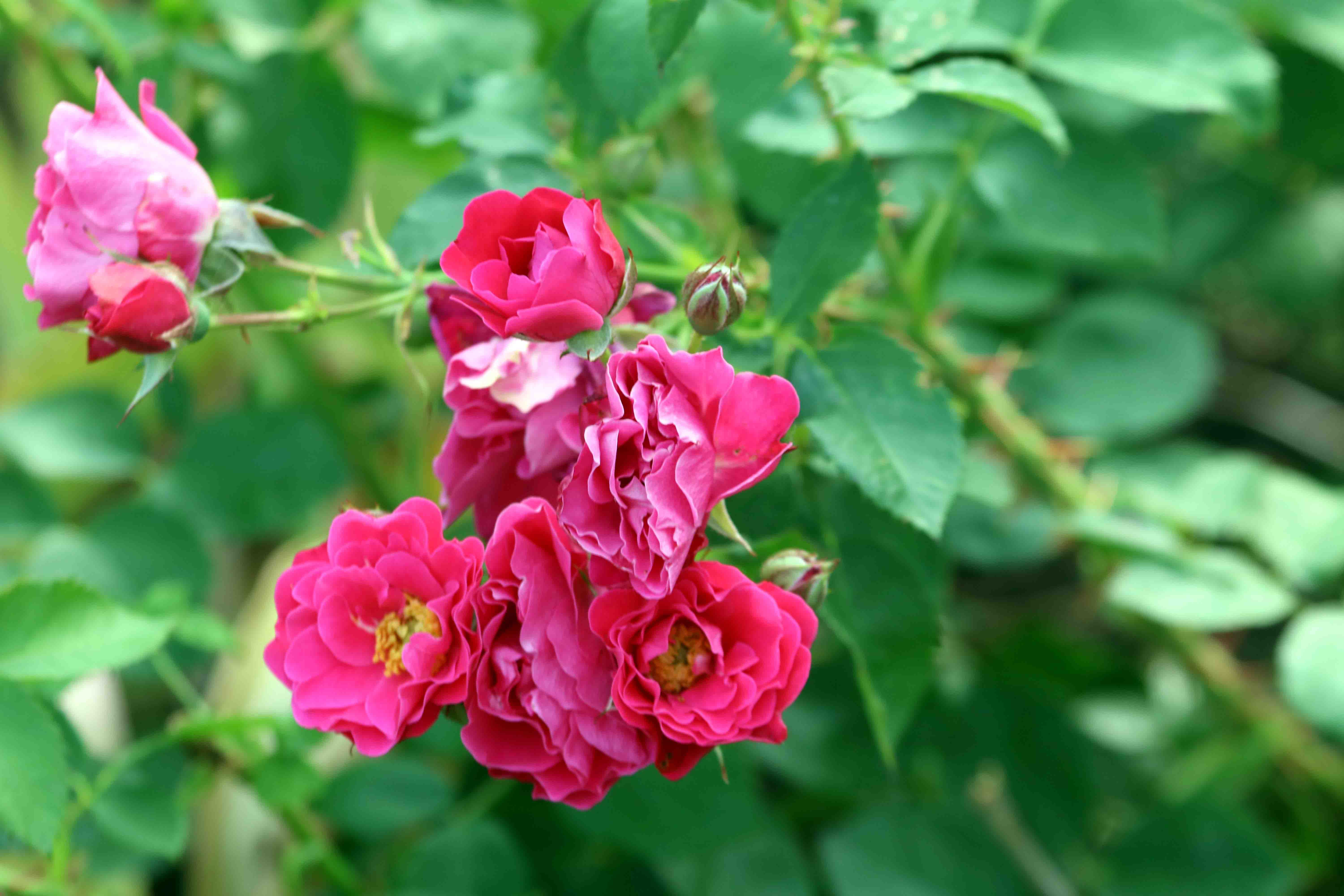
There are a lot of variations of the pink rose. Usually, pink roses are used to express gentle emotions such as admiration, joy, gratitude and deep or endless love.

Dark pink rose blooms may mean deep gratitude and appreciation. They also express elegance and grace.

Light pink rose blooms are symbols of pleasantness and innocence.

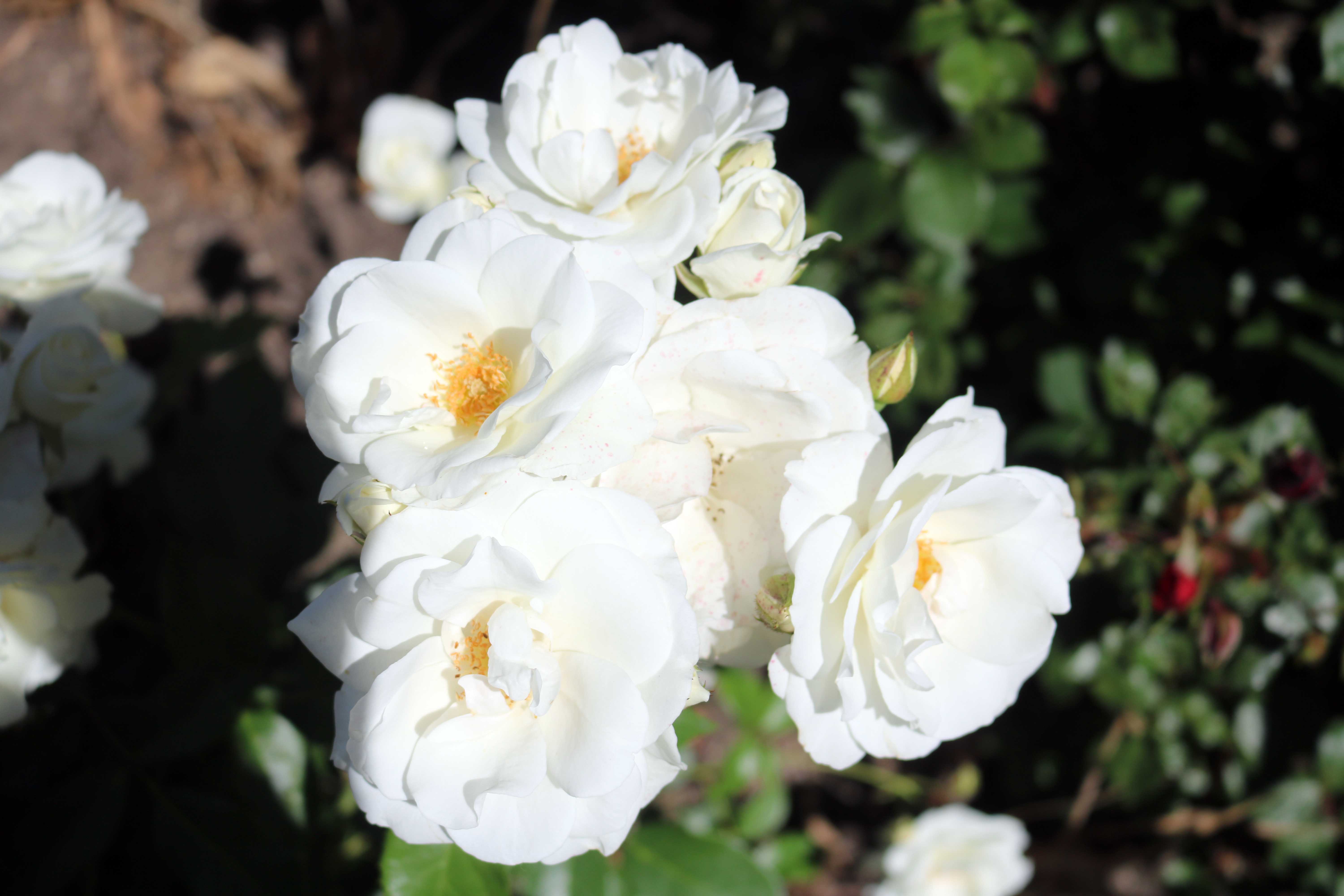
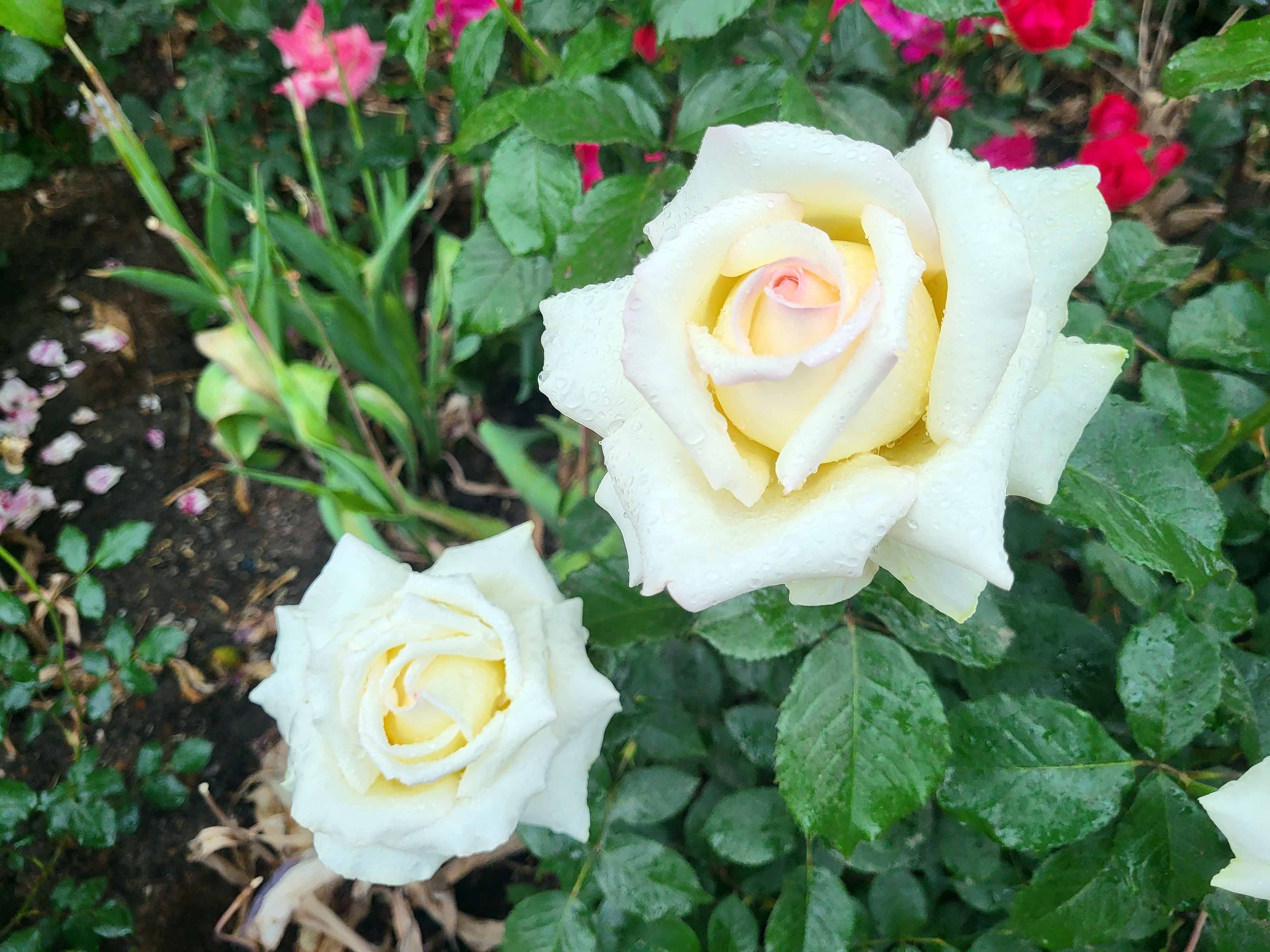
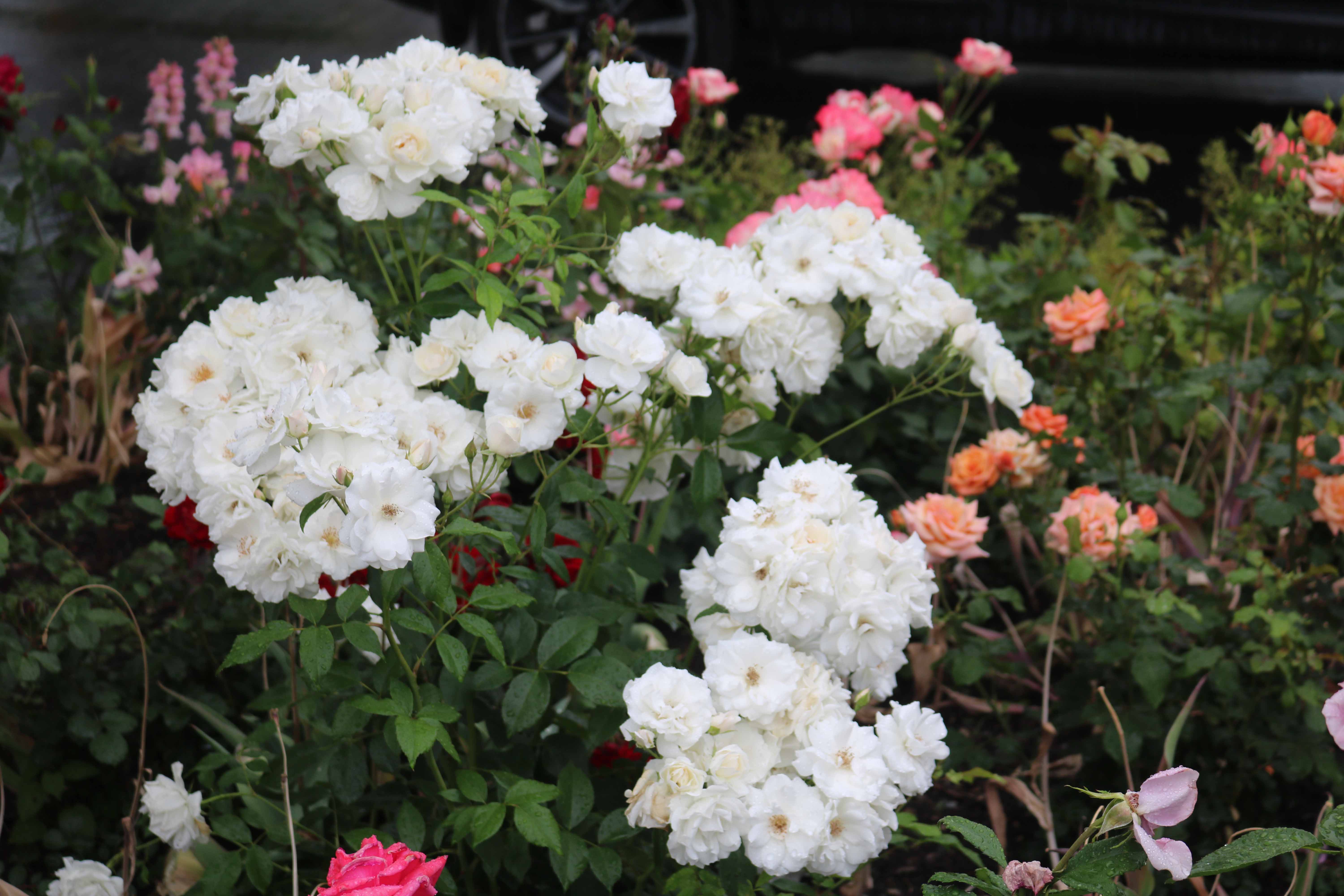
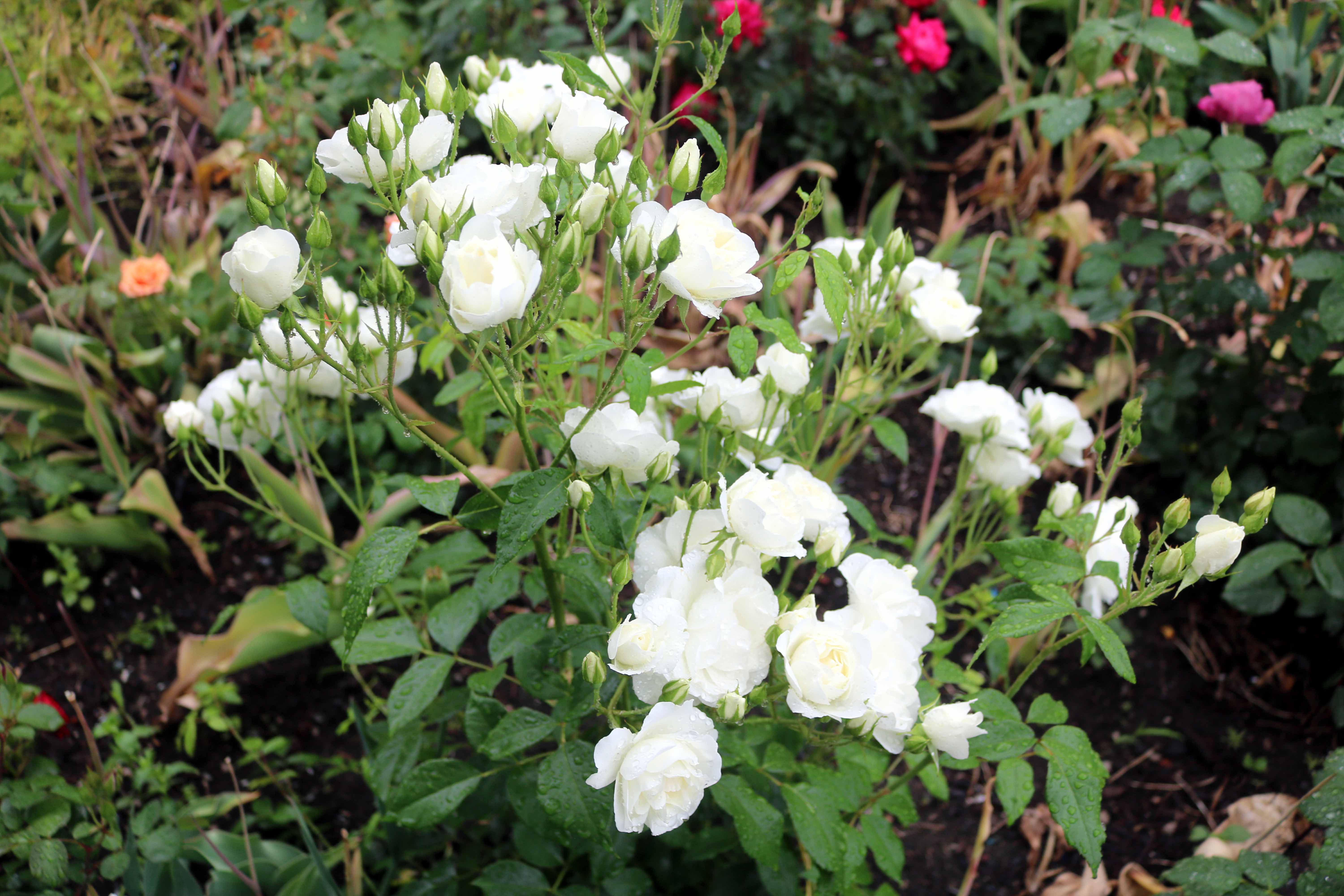
White is the color of purity, innocence and sacred love. It represents love that is eternal and endures beyond death. White roses usually may symbolise a new start, and it is a custom for brides to hold them when she walks down the aisle at her wedding. In certain faiths, the white rose can represent the sanctity of a marriage. White roses can be used to show sympathy or humility. They also may be about spiritual things.

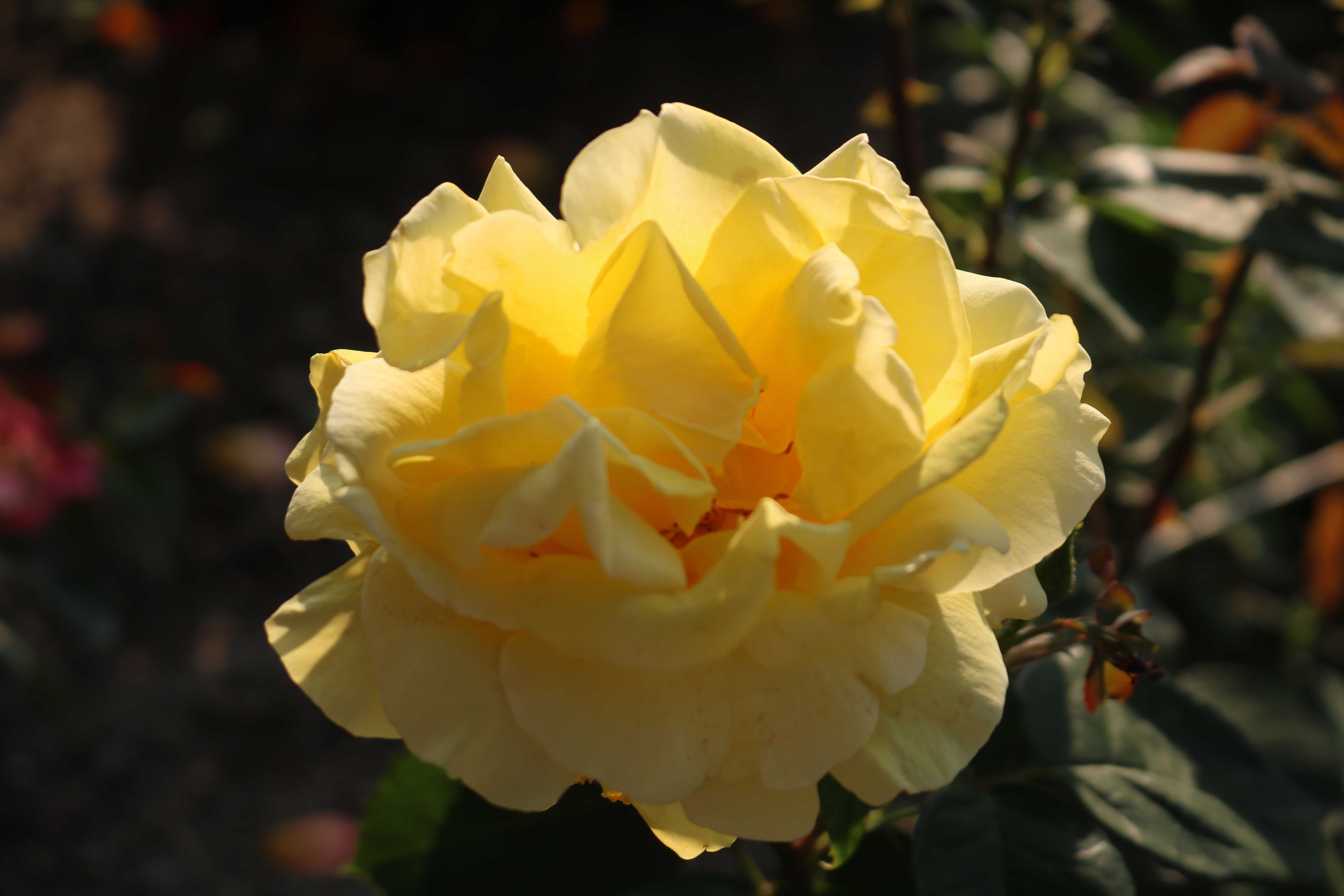
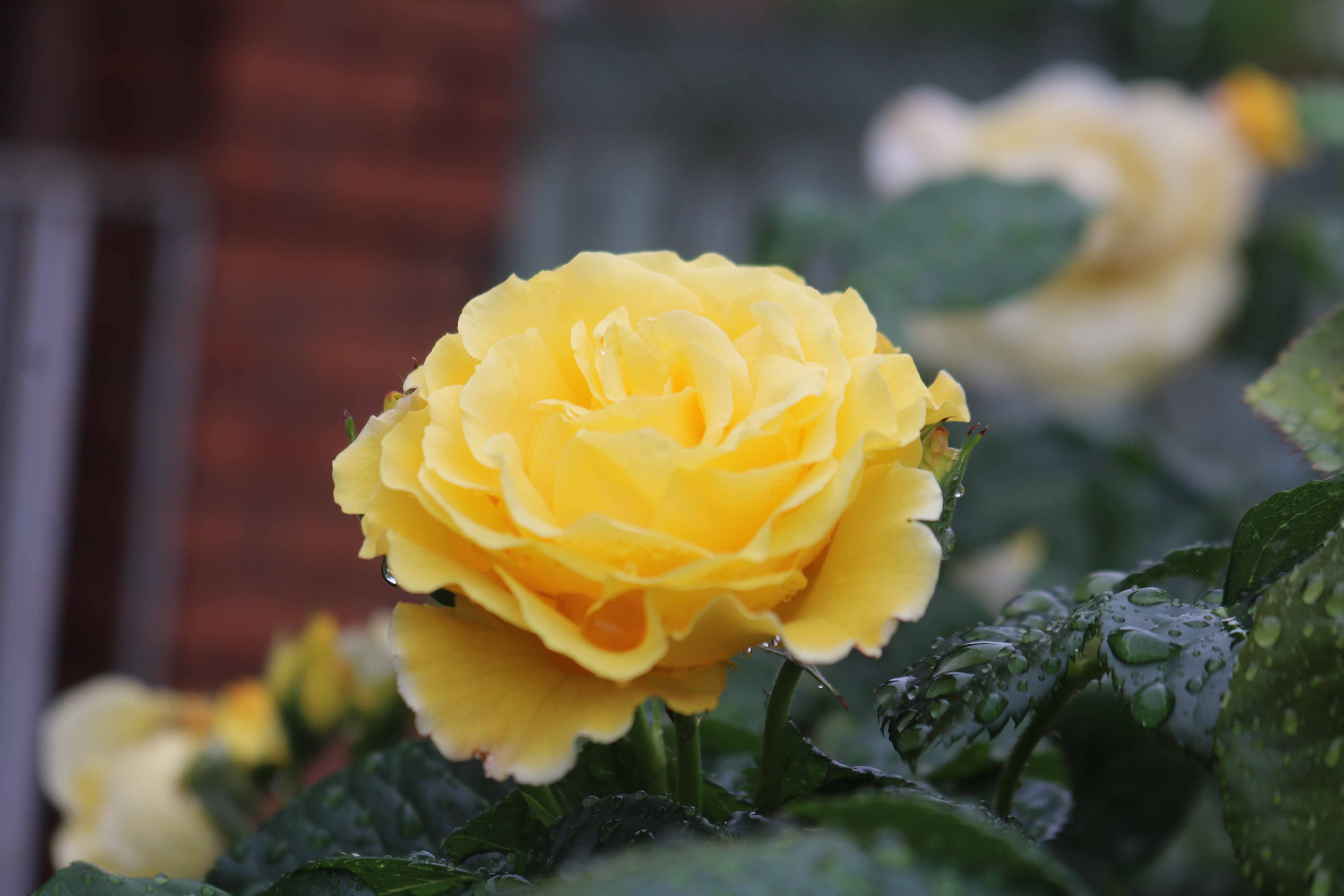
Yellow roses are usually used as an expression of exuberance. Yellow roses show feelings of joy, warmth, and sometimes welcome. They are symbols of friendship and caring. The yellow rose, unlike some of the other roses, does not mean or express any romance.

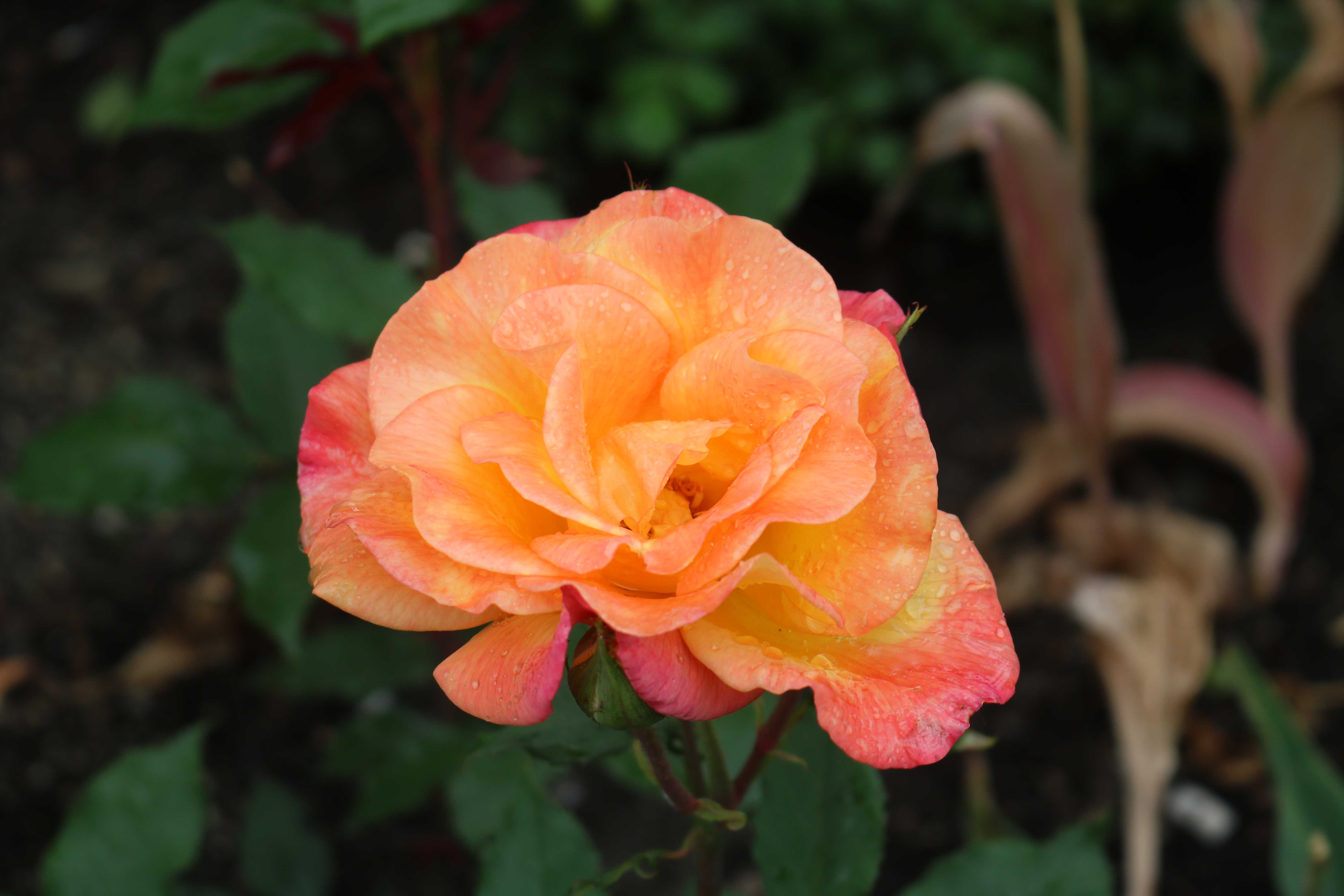
Orange roses remind most people of a fiery blaze. These fiery blooms are symbols of passion and energy. Orange roses can be used to show desire and pride.

The color of burgundy is a symbol of beauty.

Green roses (these are sometimes white roses with shades of green) can symbolise best wishes, luck, and blessings for a good life or recovery of good health.

A violet or purple rose may show protection, and also a sense of majesty, royalty, and splendor. These roses are used to show adoration.

A lavender rose, like its color, shows enchantment. It also expresses love at first sight.

Peach-colored rose is gifted when you are grateful for someone or just want to show your appreciation.  It shows appreciation and gratitude or a different way to say, Thank You!   They symbolise innocence and purity.

Cream roses are indicative of charm and thoughtfulness.  Gifting a bunch of cream roses is an ideal way to show someone that you care – but without any romantic intentions.

The rose is one among the only three flowers mentioned in the Bible. The others are lilies and camphire – akin to henna.

The rose also grows into some fruit. The fruit is called a Rose Hip. It is shaped like a berry, and most are red in colour, but you can find black and dark purple versions.

In 2002 a miniature rose, named Overnight Scentsation, was taken to space to assist in studies that aimed to show effects of low gravity on the smell of roses. The study also aimed at learning how to improve the fragrances of several consumer products.

Due to the heavy blooms, staking the stem is essential, as the flower is top heavy and will bend, break or fall over

After a heavy downpour, the petals of old flowers carpets the ground beneath.

How did it happen that their lips came together? How does it happen that birds sing, that snow melts, that the rose unfolds, that the dawn whitens behind the stark shapes of trees on the quivering summit of the hill? A kiss, and all was said.  Victor Hugo

Peonies – Roses as Big as Cabbages

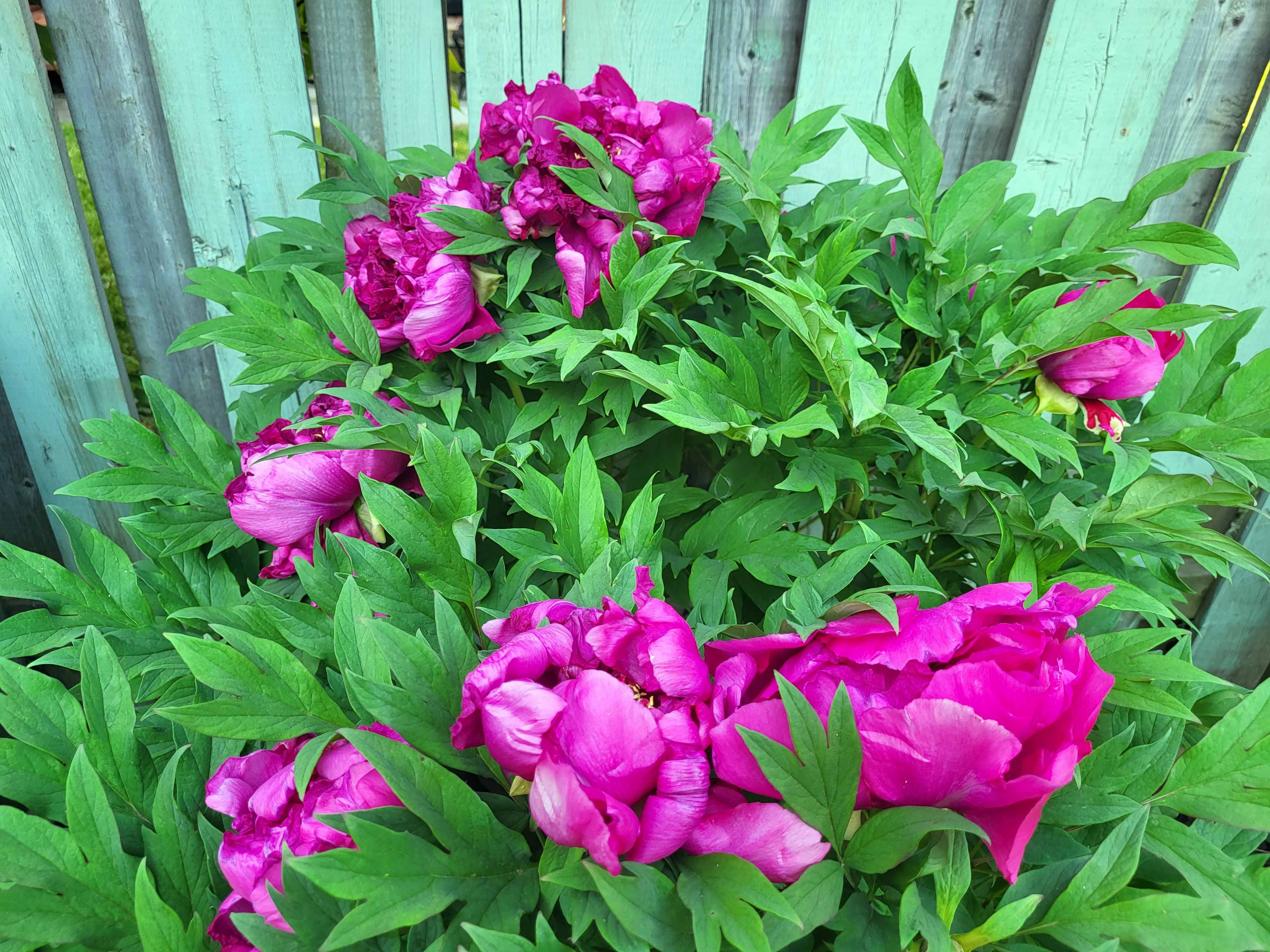
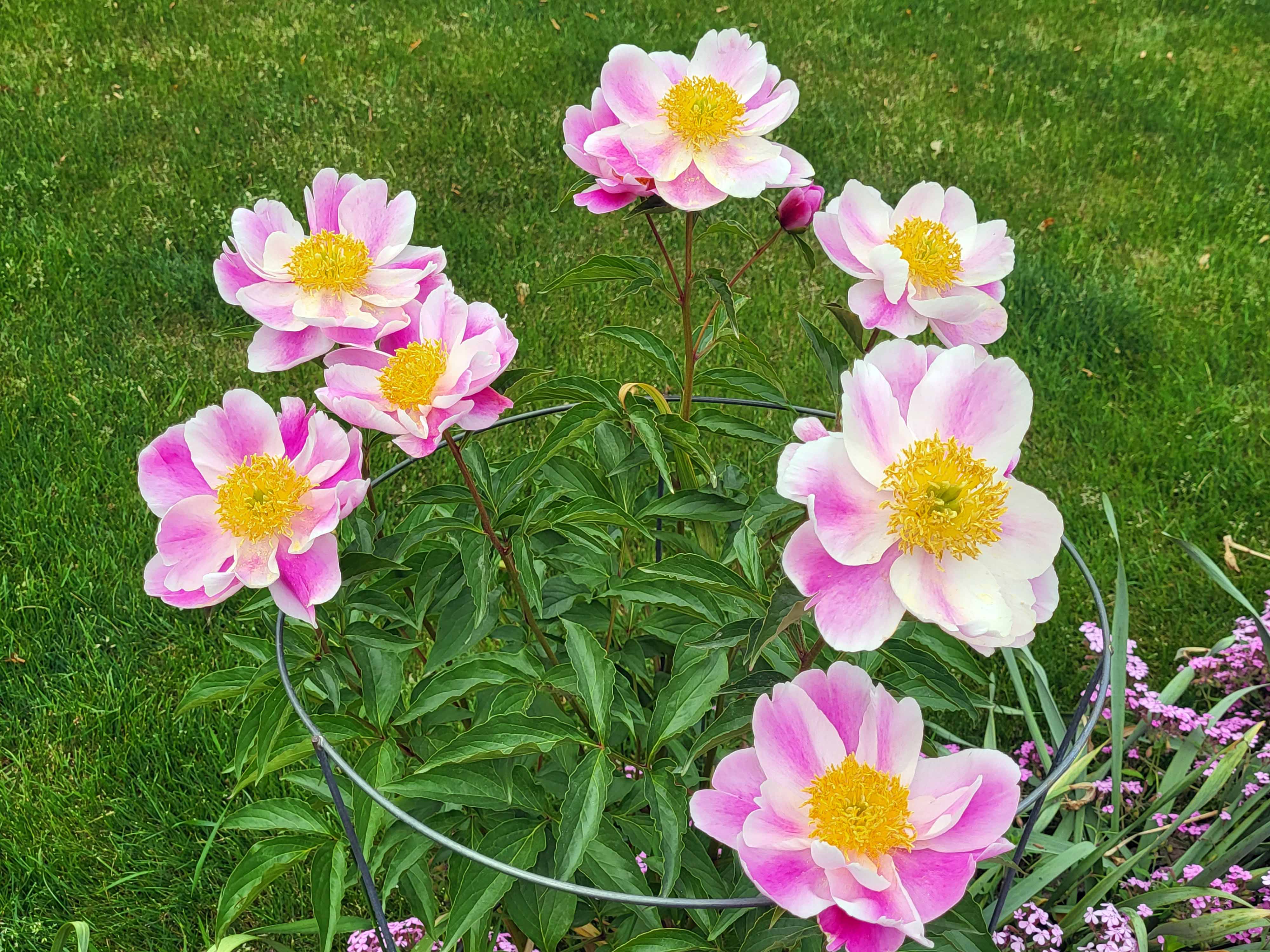
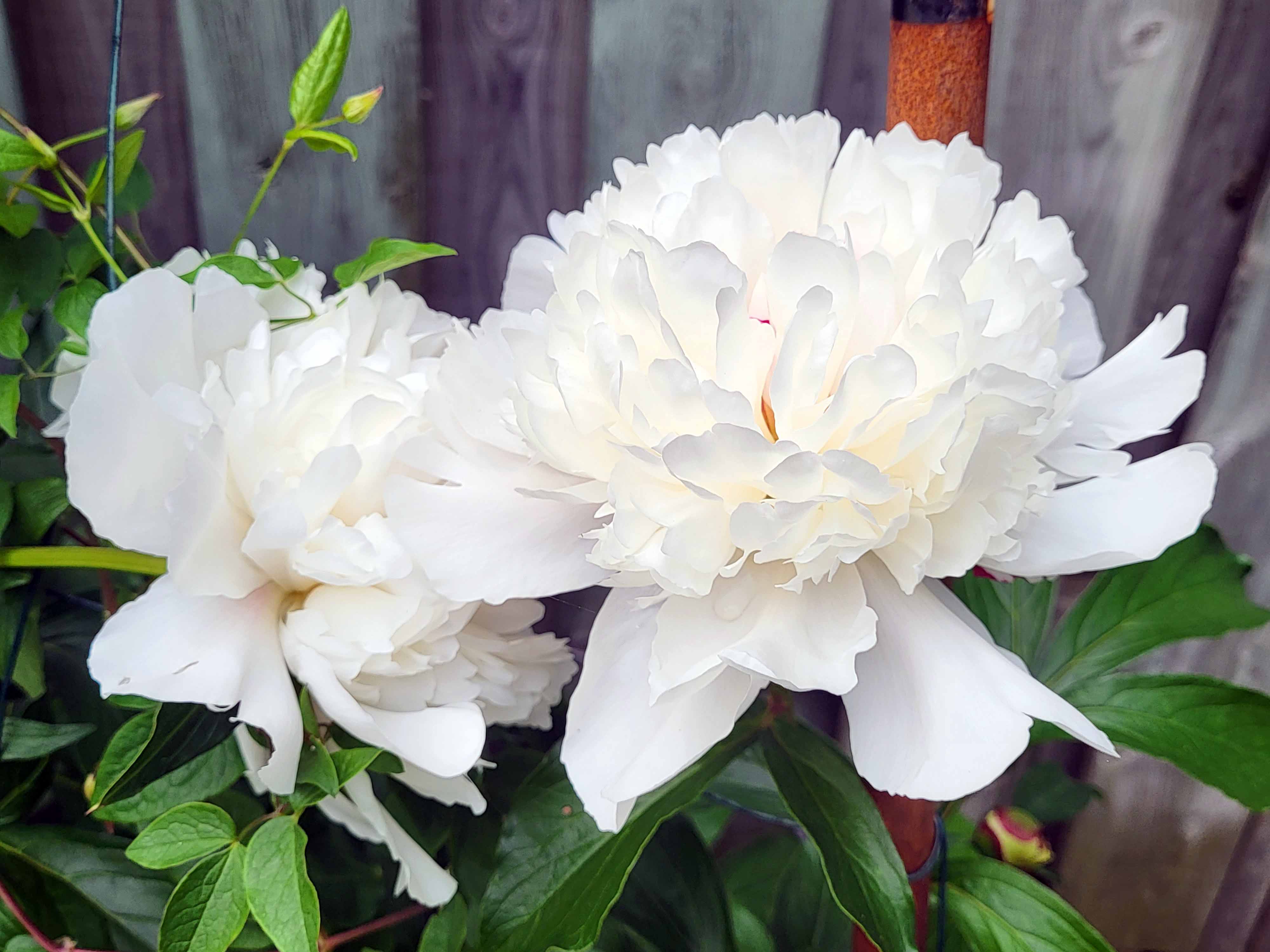
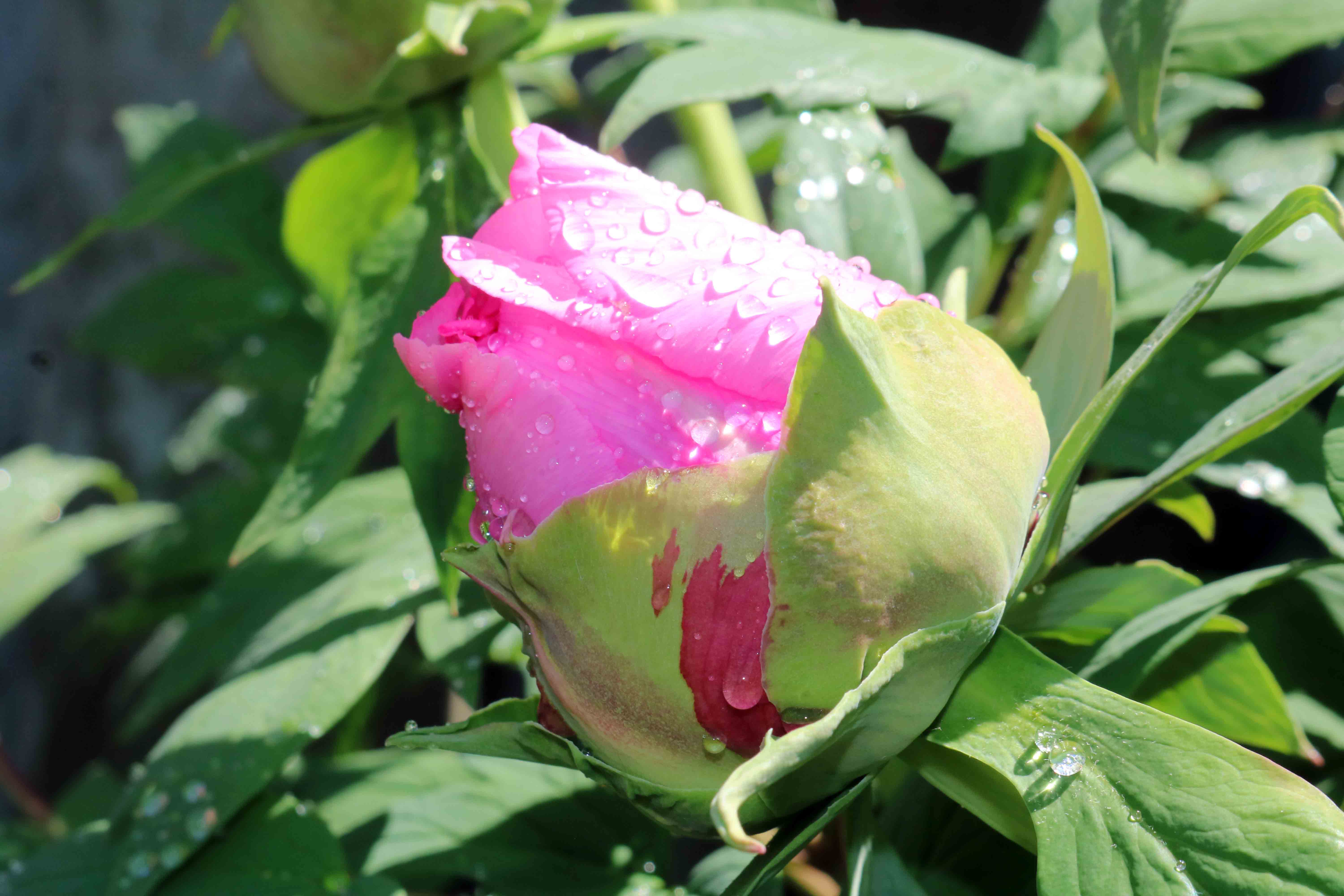
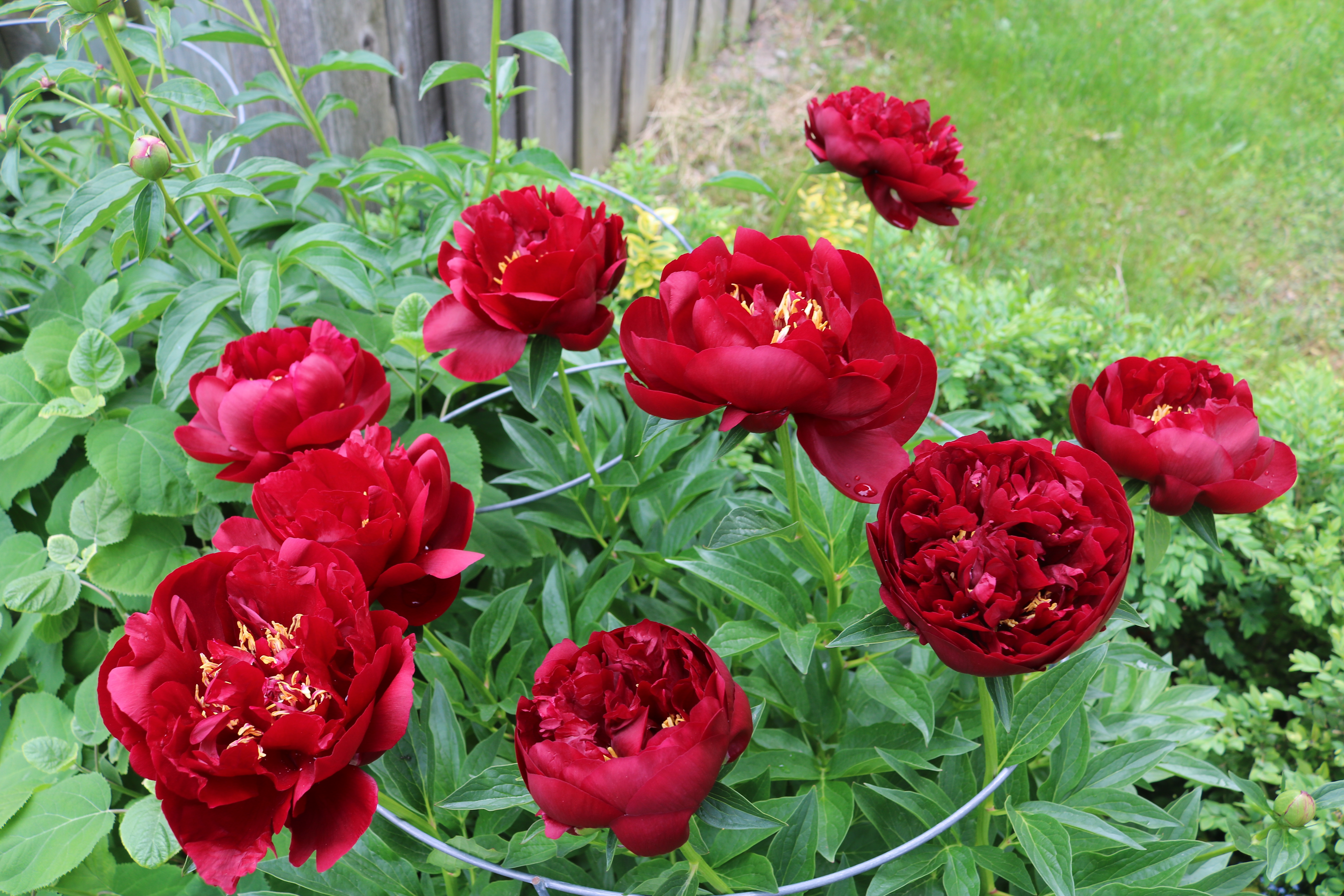
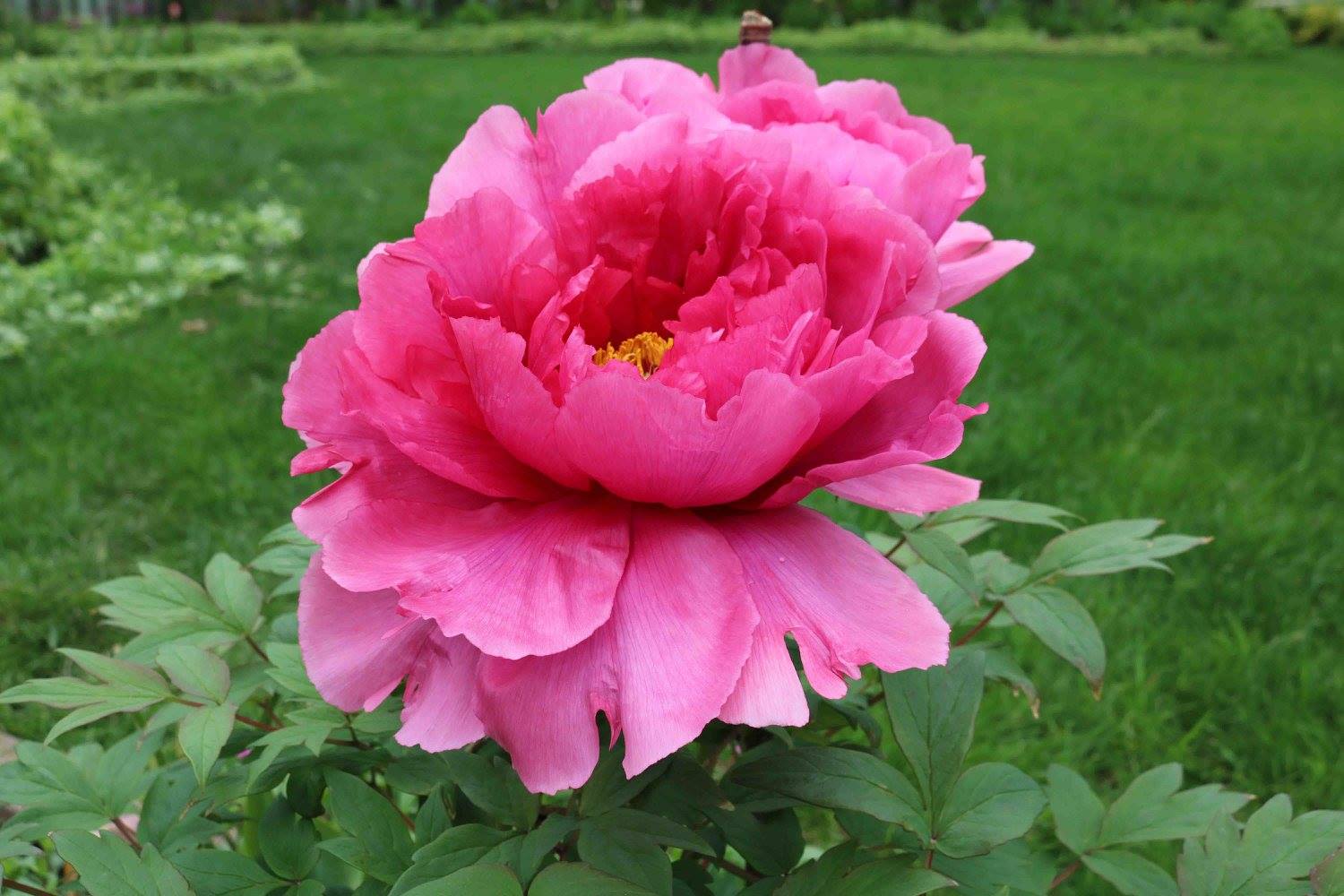
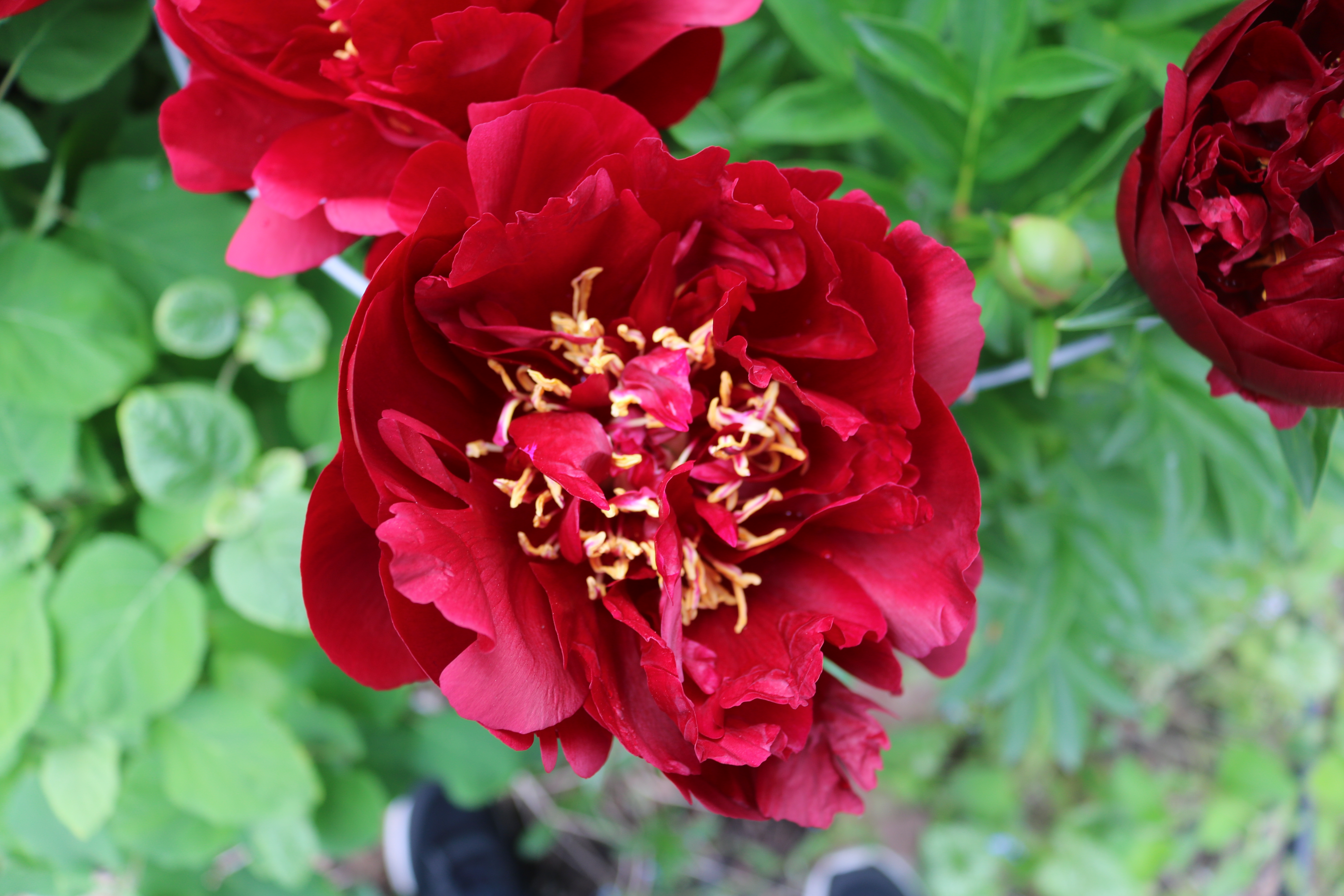
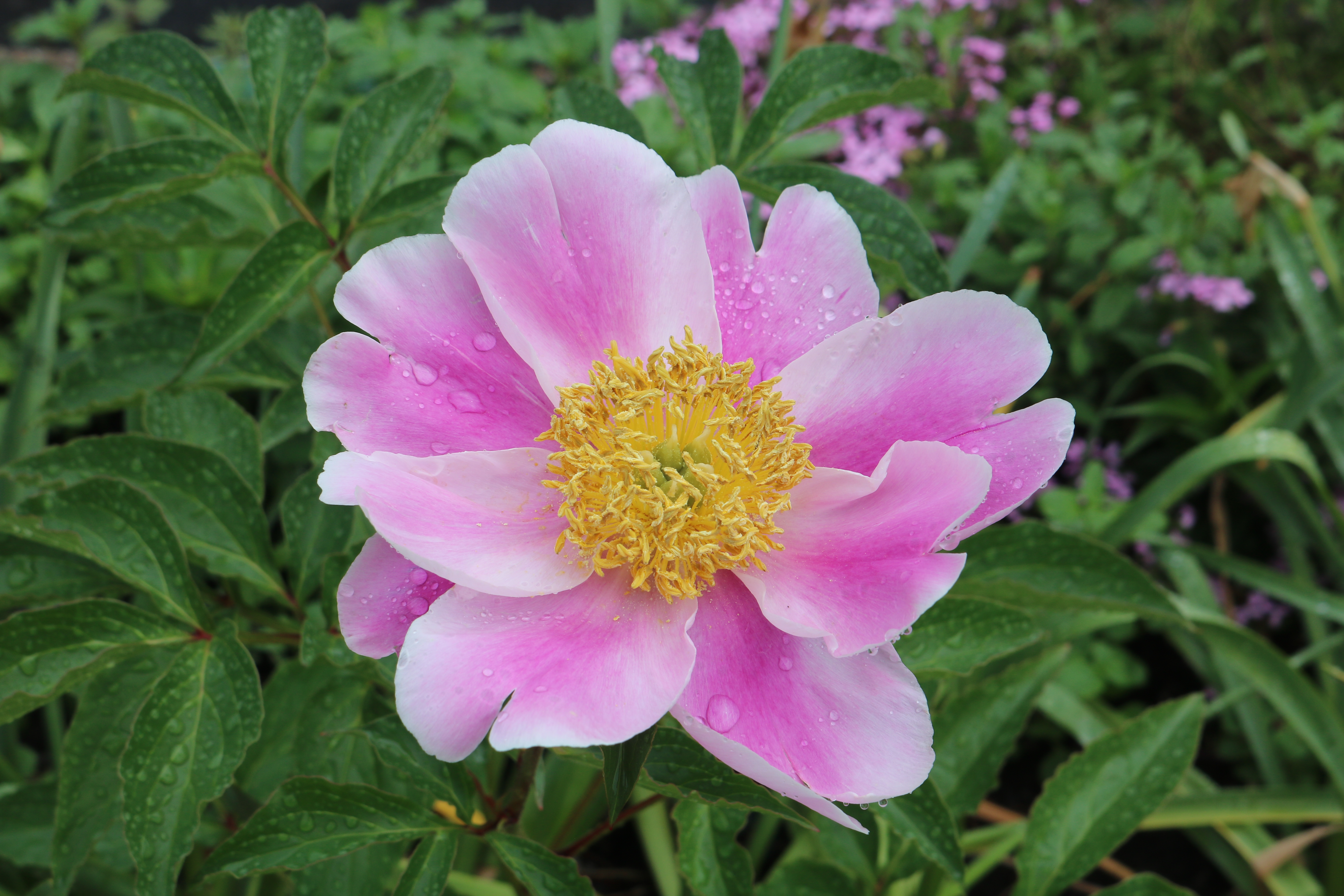
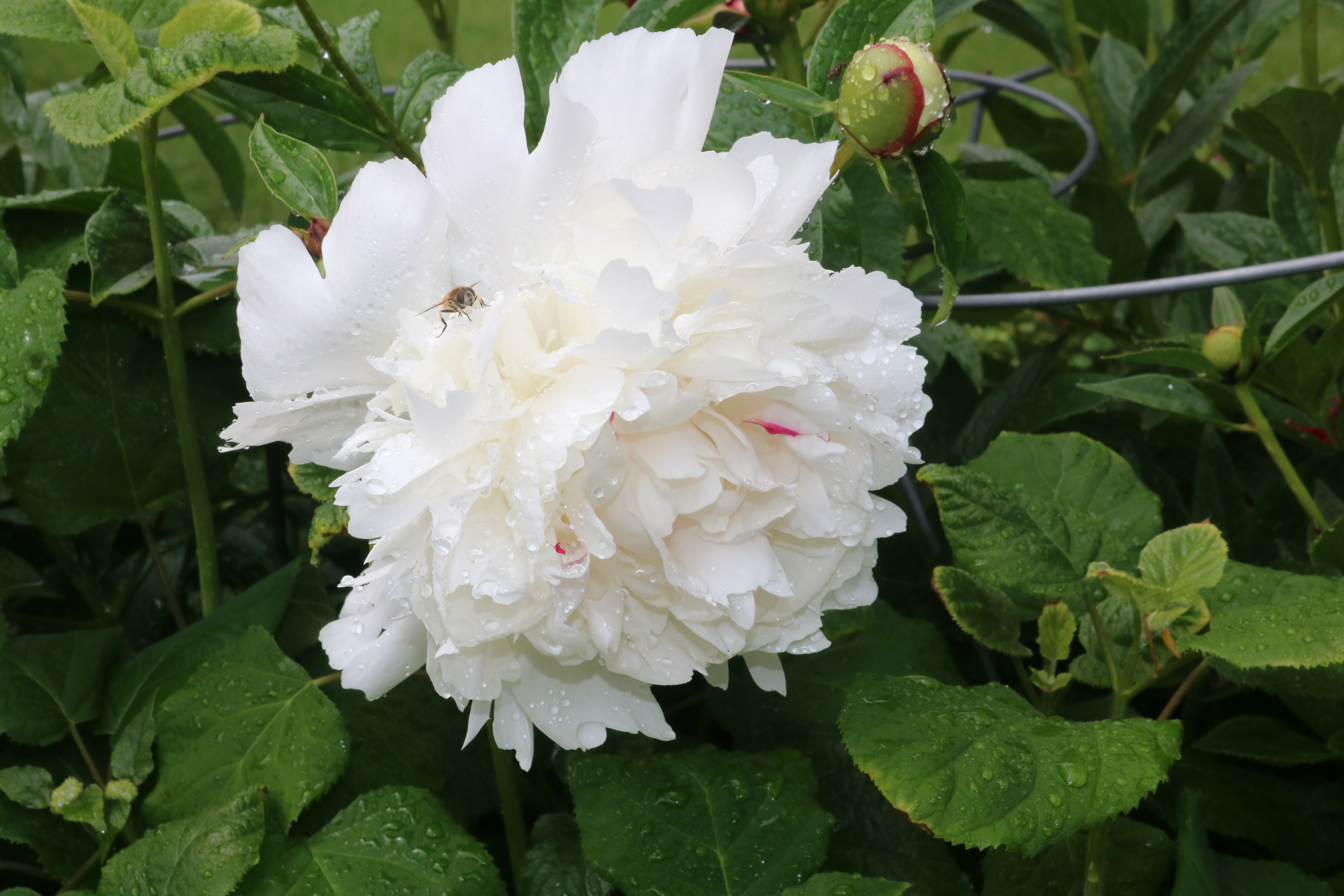
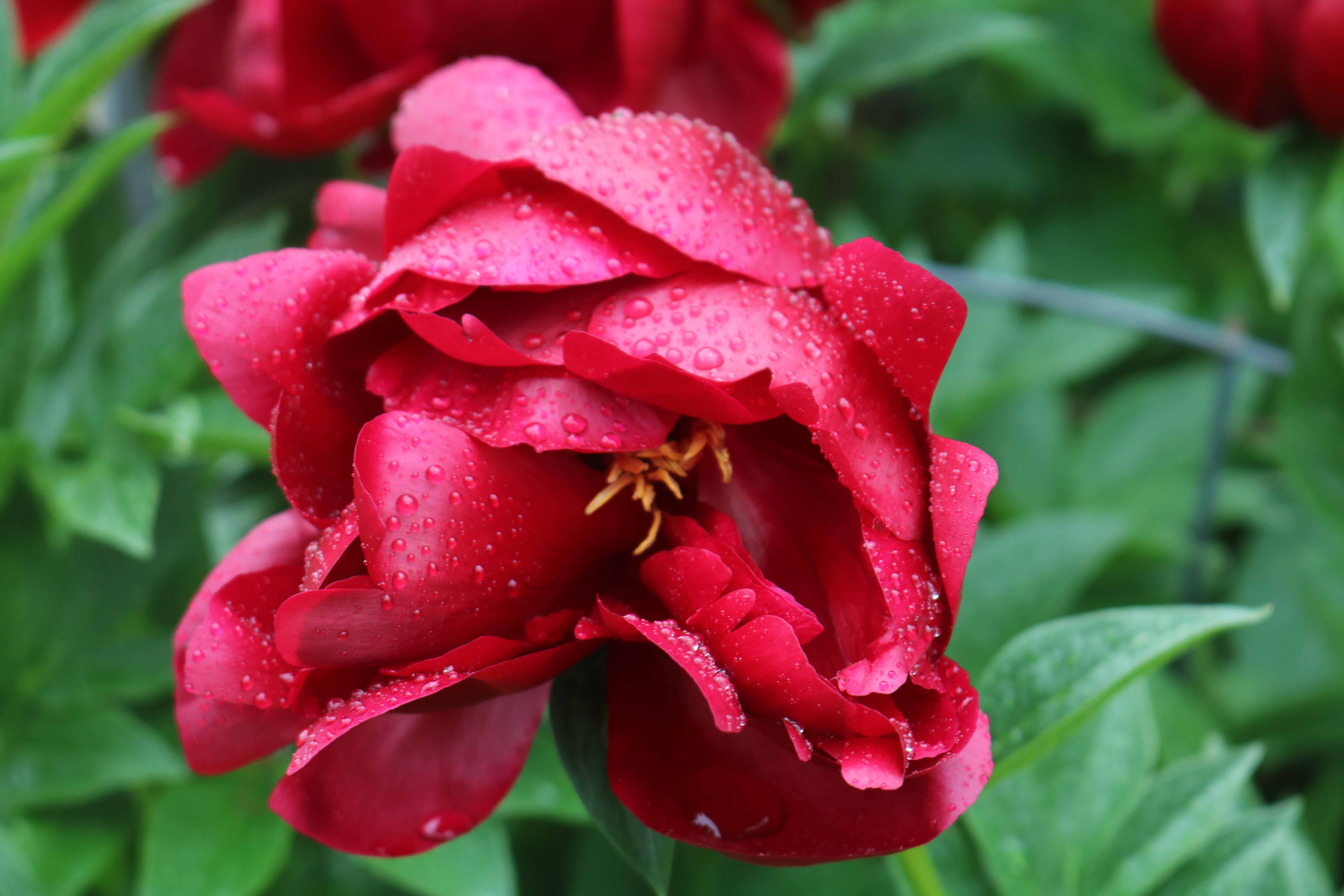
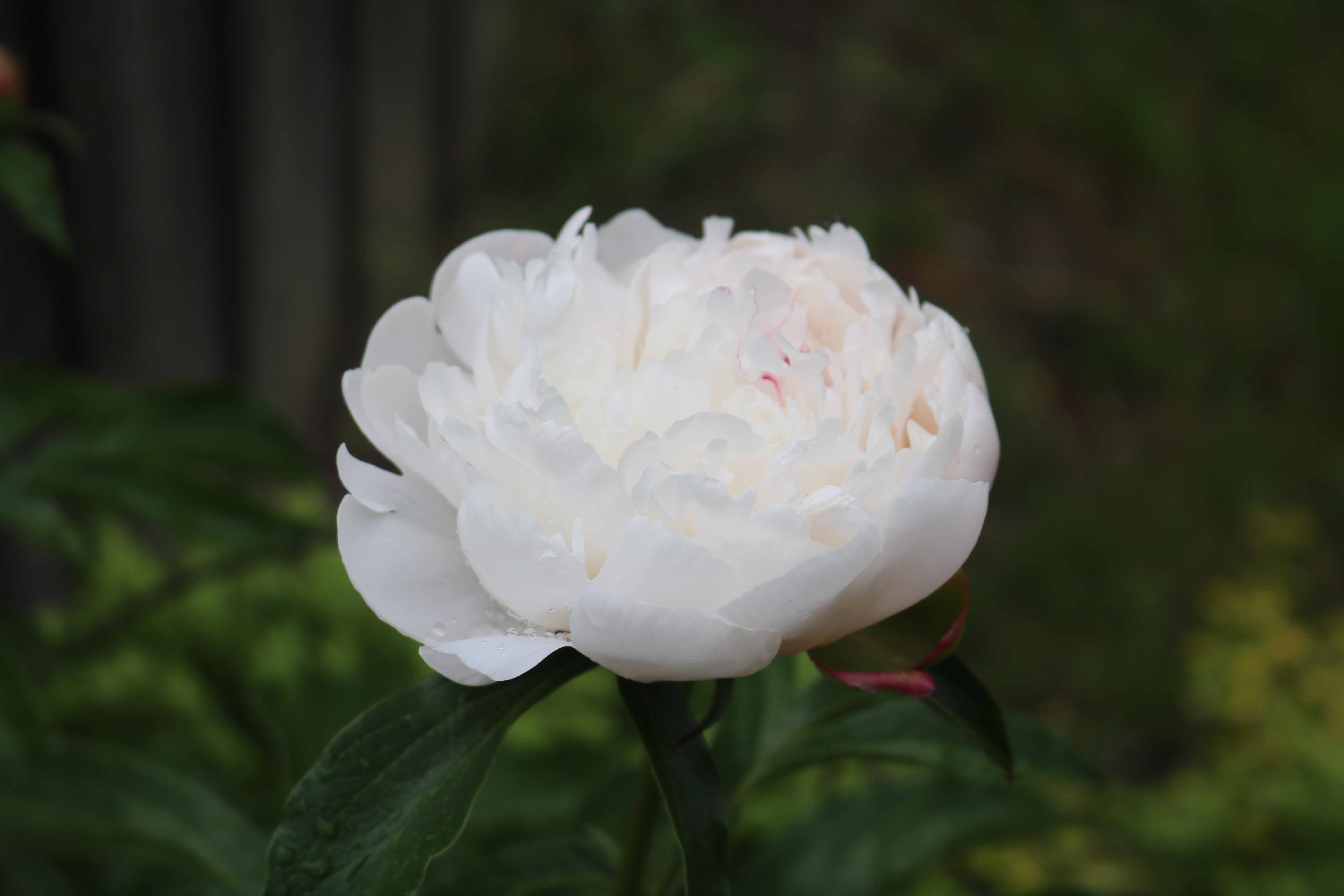
Peonies are outrageously beautiful in bloom, with lush foliage. They bloom from late May through June in Toronto.

Peony is named after Paeon, a student of Asclepius, the Greek god of medicine and healing. They are also the 12th anniversary flower. The peony symbolises honour, fortune, and a happy relationship. It is the state flower of Indiana.

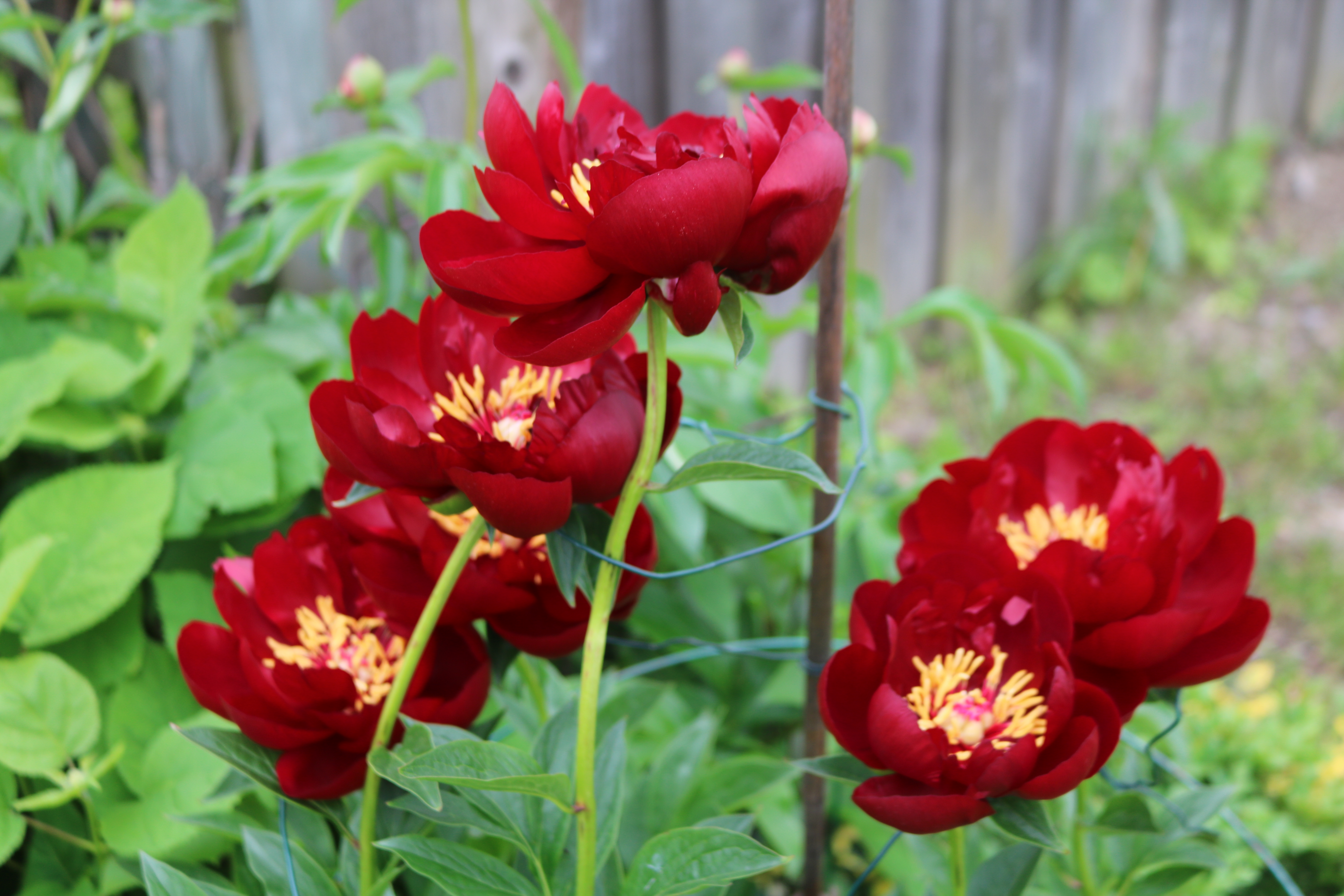
No wonder Marco Polo described Peonies, when he first saw them, as: Roses as big as Cabbages. Their stems are not strong enough to support the heavy blossoms, hence they need support. Peony cages are placed in spring around the plant as they grow.

Peonies – native to China – Chinese name for the peony is Sho Yu meaning Most Beautiful.

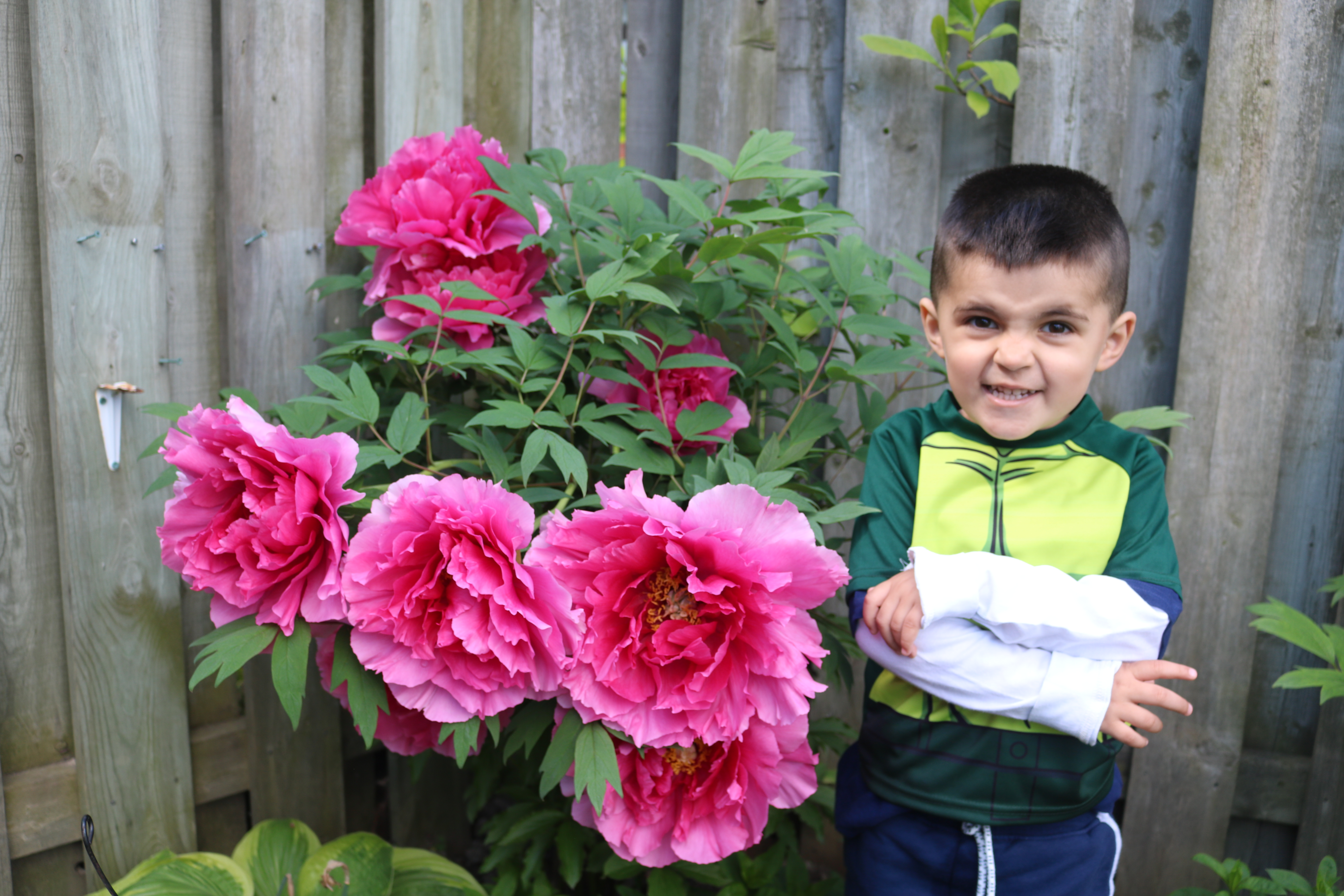
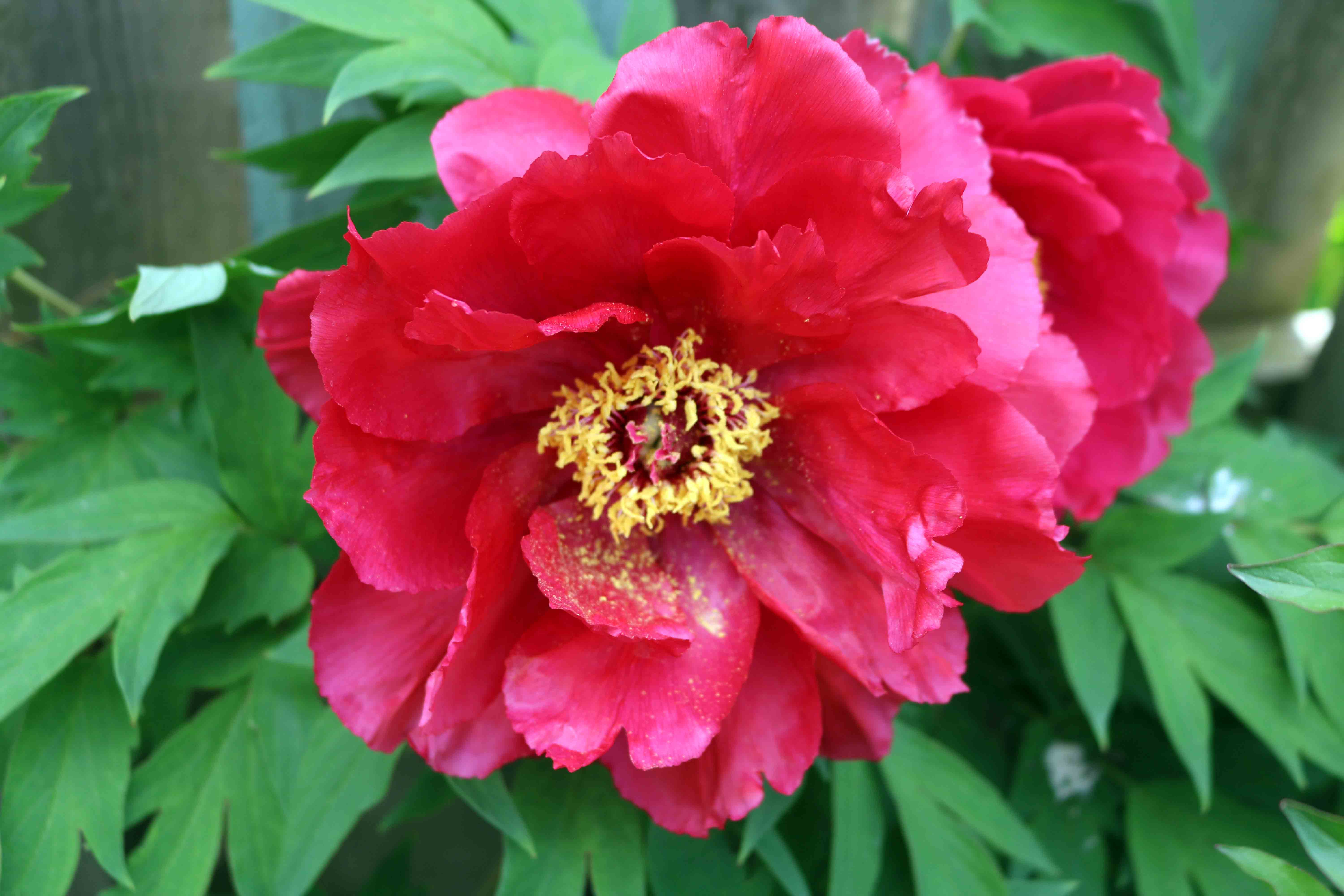
Peonies of three types grow in our garden- Tree Peonies, Herbaceous Peonies and Itoh peonies.

Herbaceous peonies (also known as bush peonies) die to the ground in Winter. They re-emerge in March, or when the snow melts. Many find that they are deer resistant, but not always. Peonies are long lived, minimal care plants.

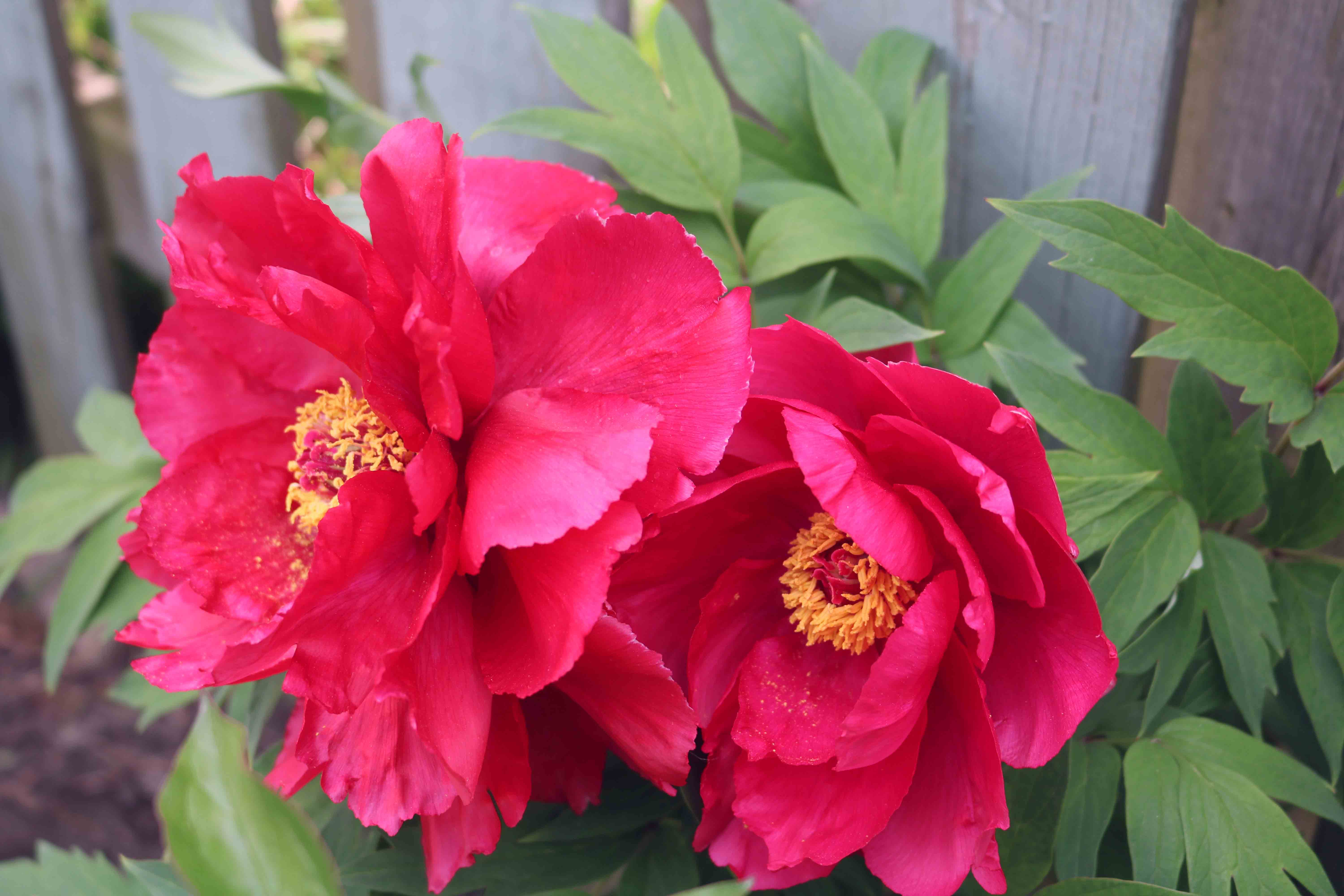
Tree peonies with their woody stems that t defoliate in the fall, but the woody stems stay intact, above the ground. They tend to bloom earlier and with larger flowers than the bush peony.

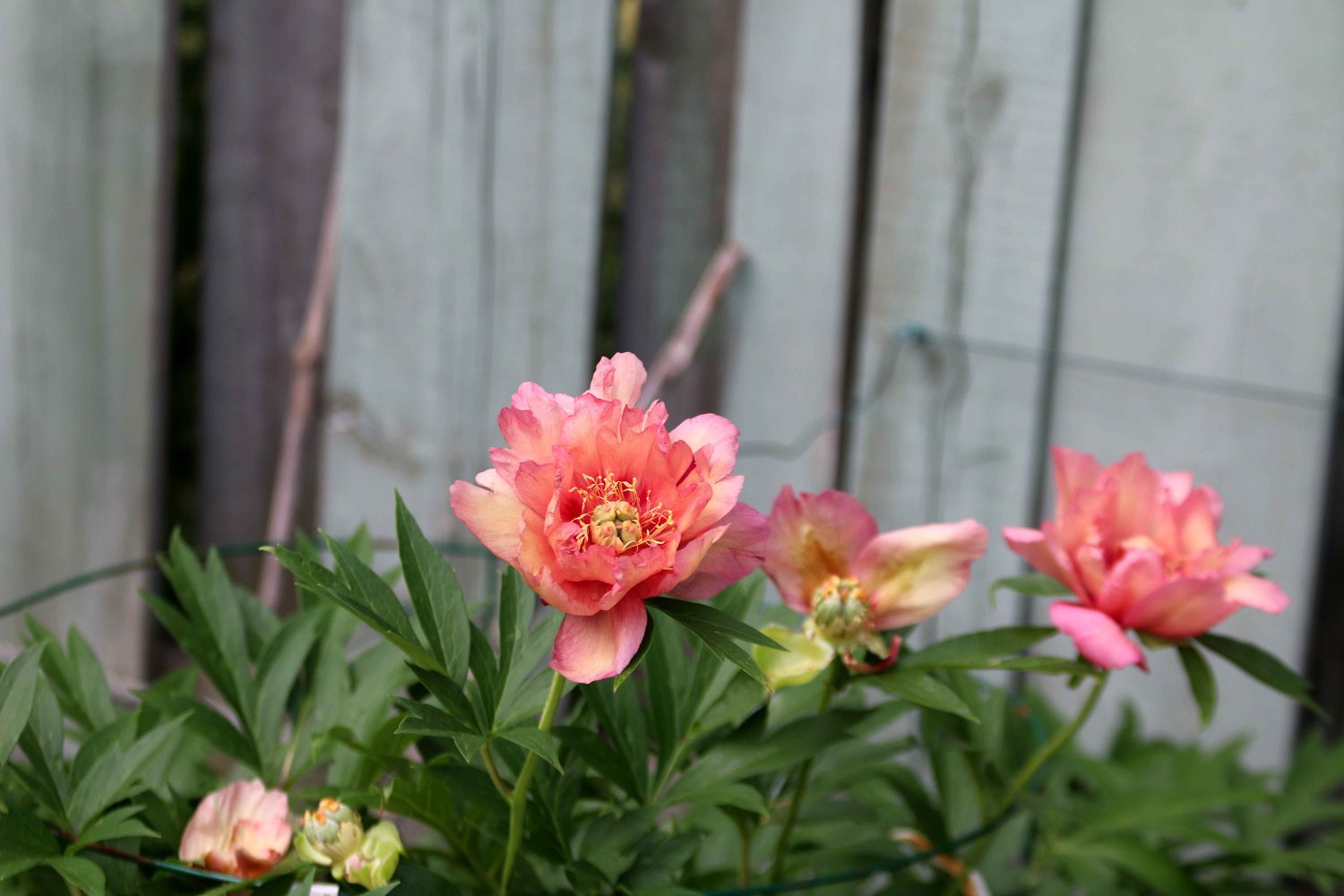
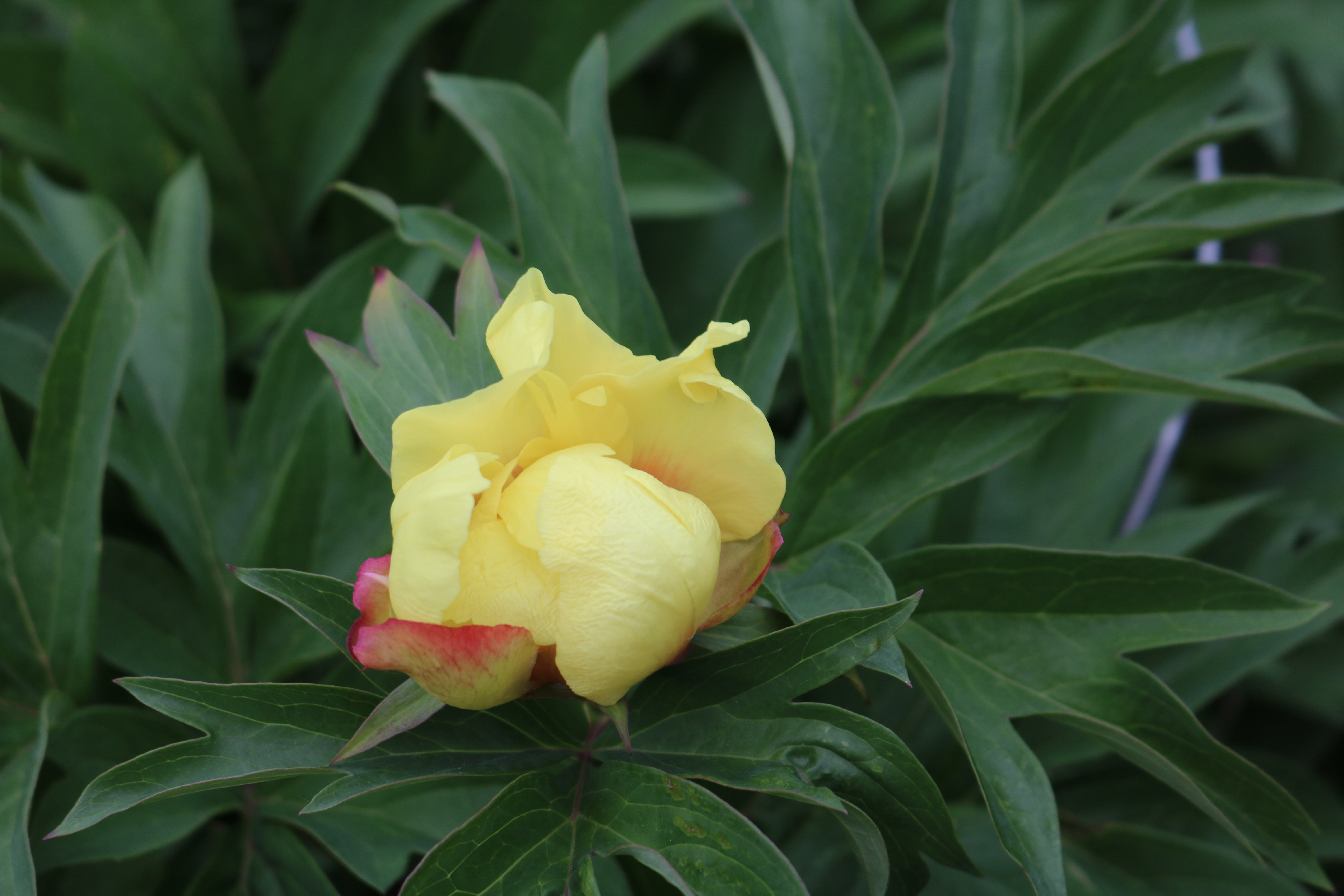
Itoh or Intersectional peonies are a cross between the herbaceous (or bush) peony and the tree peony. These crosses have produced new, exciting colors. The plants have the lovely leaf form of the tree peonies, but die to the ground in the Winter.

Itoh Peonies derive its name from Japanese horticulturist, Dr. Toichi Itoh, who successfully created seven peony hybrids from a tree peony bred with an herbaceous peony. Dr. Itoh passed away before ever seeing his creations bloom. Years later, American horticulturist, Louis Smirnow bought some of these original Itoh peonies from Dr. Itoh’s widow and continued Itoh’s work.

Peonies come in yellow, red, pink, and white colours and there are neither blue nor black peonies. Peonies can live up to a hundred years.

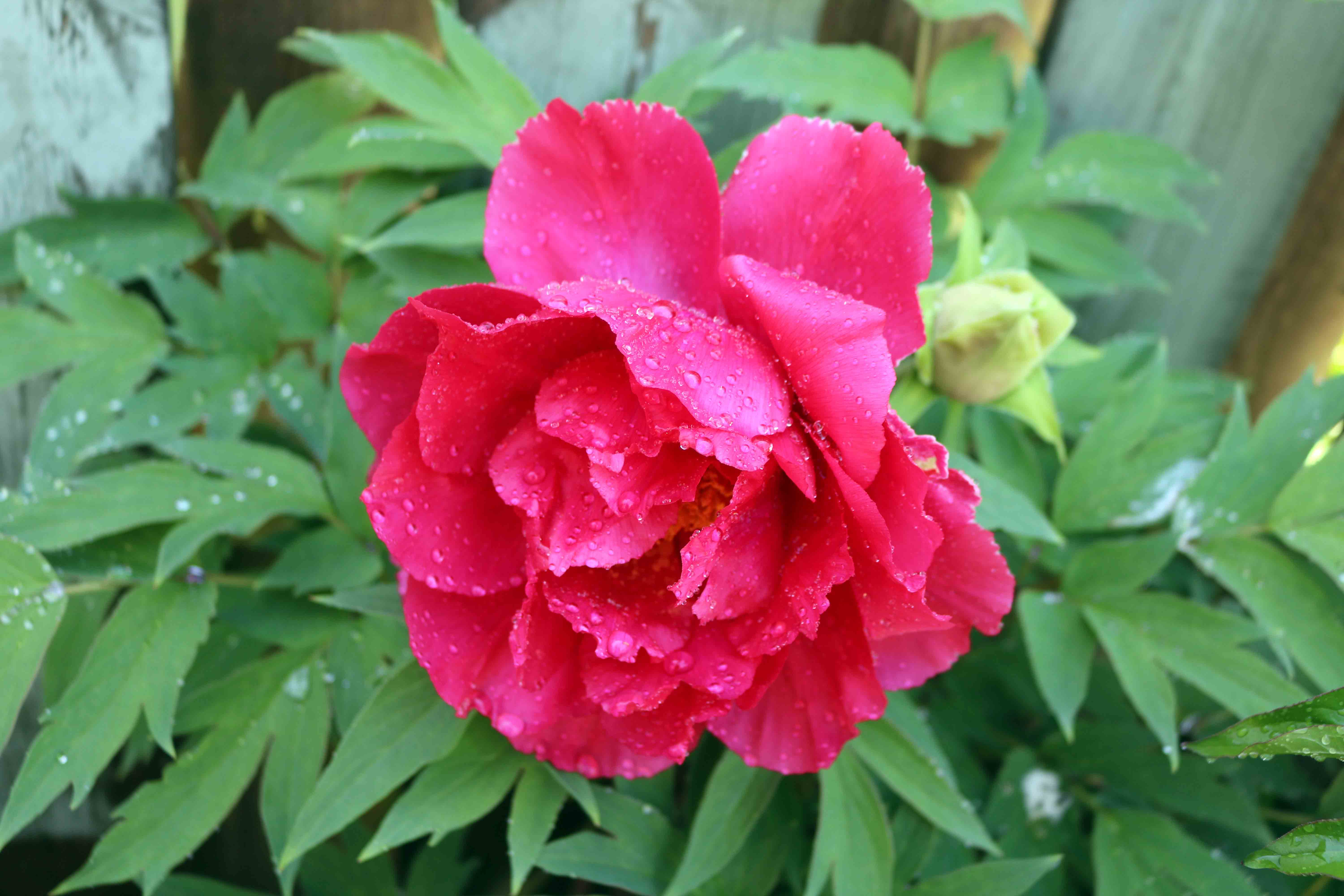
The irony with peony flowers is that the flowers last only two weeks and if there is a shower, even lesser.

Spring Blues 2024

Any type of plant with blue flowers is always worth a closer look because the color blue is not always easy to find in any garden. Blue is a relatively rare colour in nature. This post is about the blue flowers in our garden that bloomed this spring.

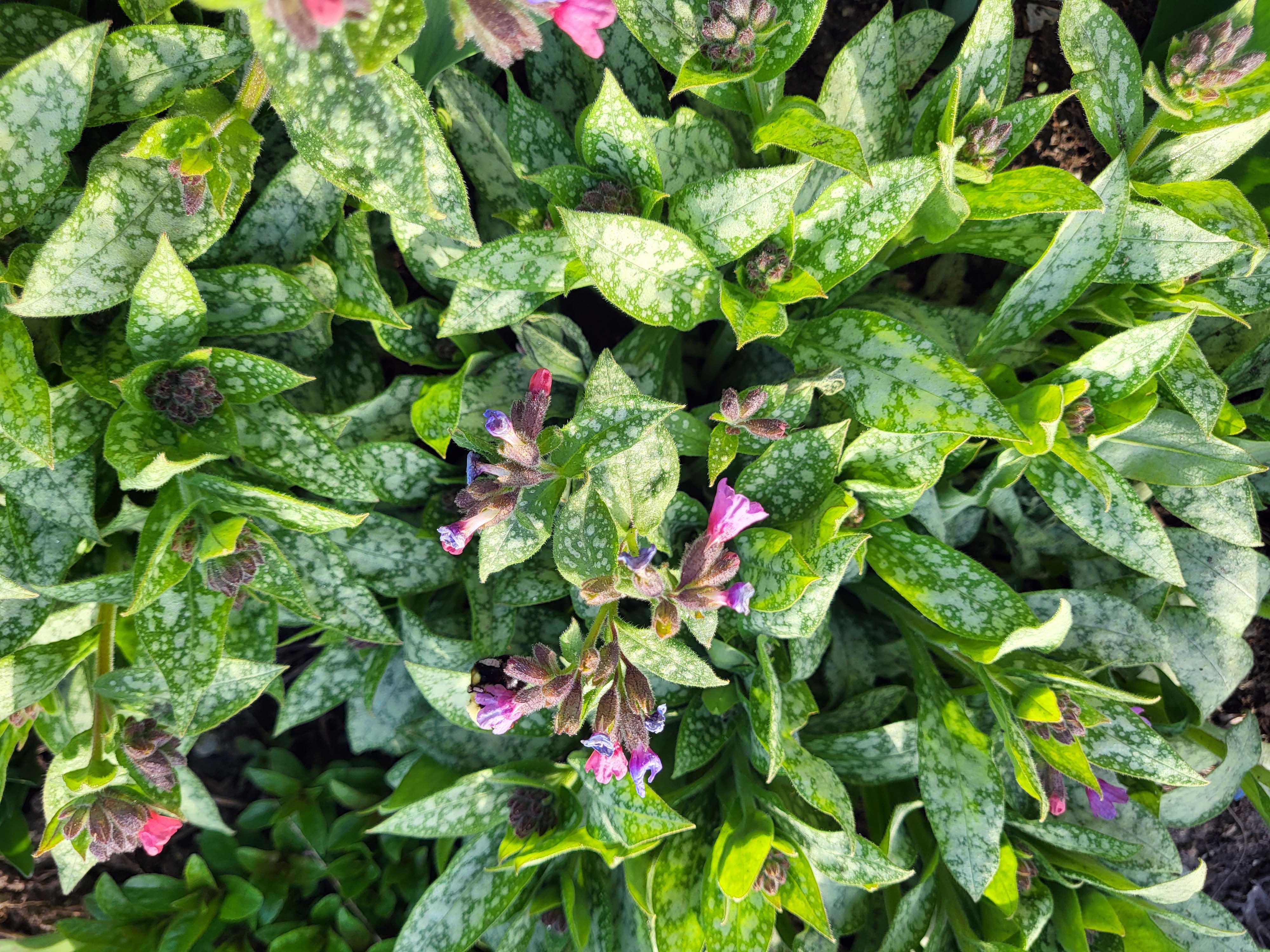
Lungwort with its lung-like leaves, a kind of heart-shaped leaves are slightly hairy on the upper side and marked by several white or pale spots. Any plant whose name refers to a body part, it mostly resembles a human organ and was believed that the plant can be used to treat diseases on that organ. This is the case with the common lungwort, which modern science proved to be a mere myth.

In spring, the little blue flowers appear on elongated stems . Each inflorescence has 5 to 15 flowers with five petals. The flowers start red and as they age, they change color to purple and finally blue. This change in colour occurs because the pigments are affected by pH, being red in acidic environments and blue in alkaline ones.

Brunnera macrophylla ‘Jack Frost’ has hairy heart-shaped frosty silver leaves and sprays of blue flowers in spring.  

Bugloss comes from Greek meaning Ox Tongue with reference to the roughness and shape of the leaves.

The leaves are intricately detailed with narrow green veins.

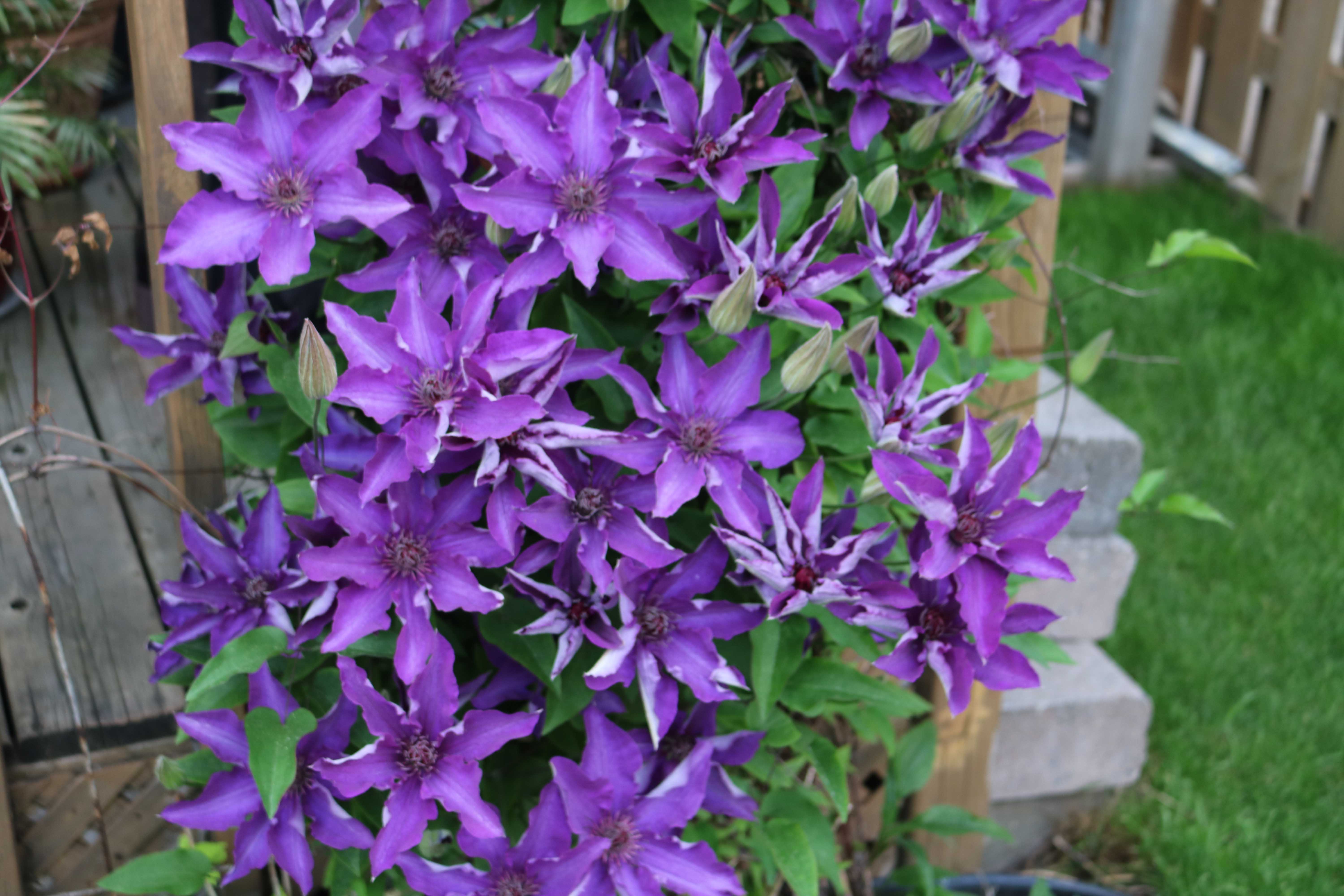
Clematis native to China and Japan, the name Clematis comes from the Greek word klematis, meaning vine, is known as the queen of climbers.

Large double purple-blue flowers adorn our garden in late spring. With the summer setting in, white, pink, red, and purple clematis bloom. The silver center of the petals expands as the flowers open.

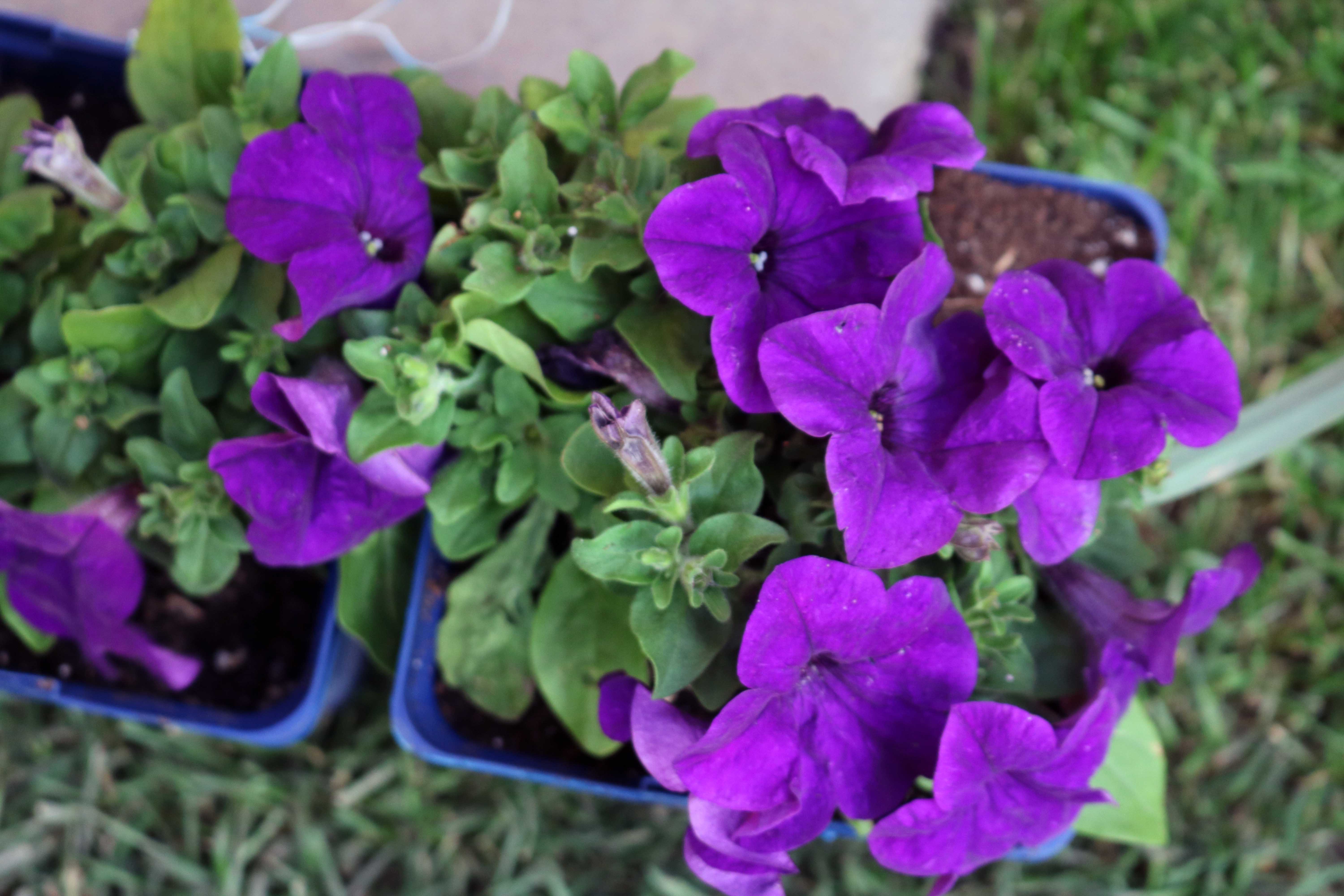
Petunias are from the tomato, potato and tobacco plant family. The name comes from South American word Petun, which is another name for Tobacco. Back in the old days it was a huge insult to gift Petunia’s as it was believed that they carried the message – I don’t like you.

Blue is my faourite colour.

Tulips 2024

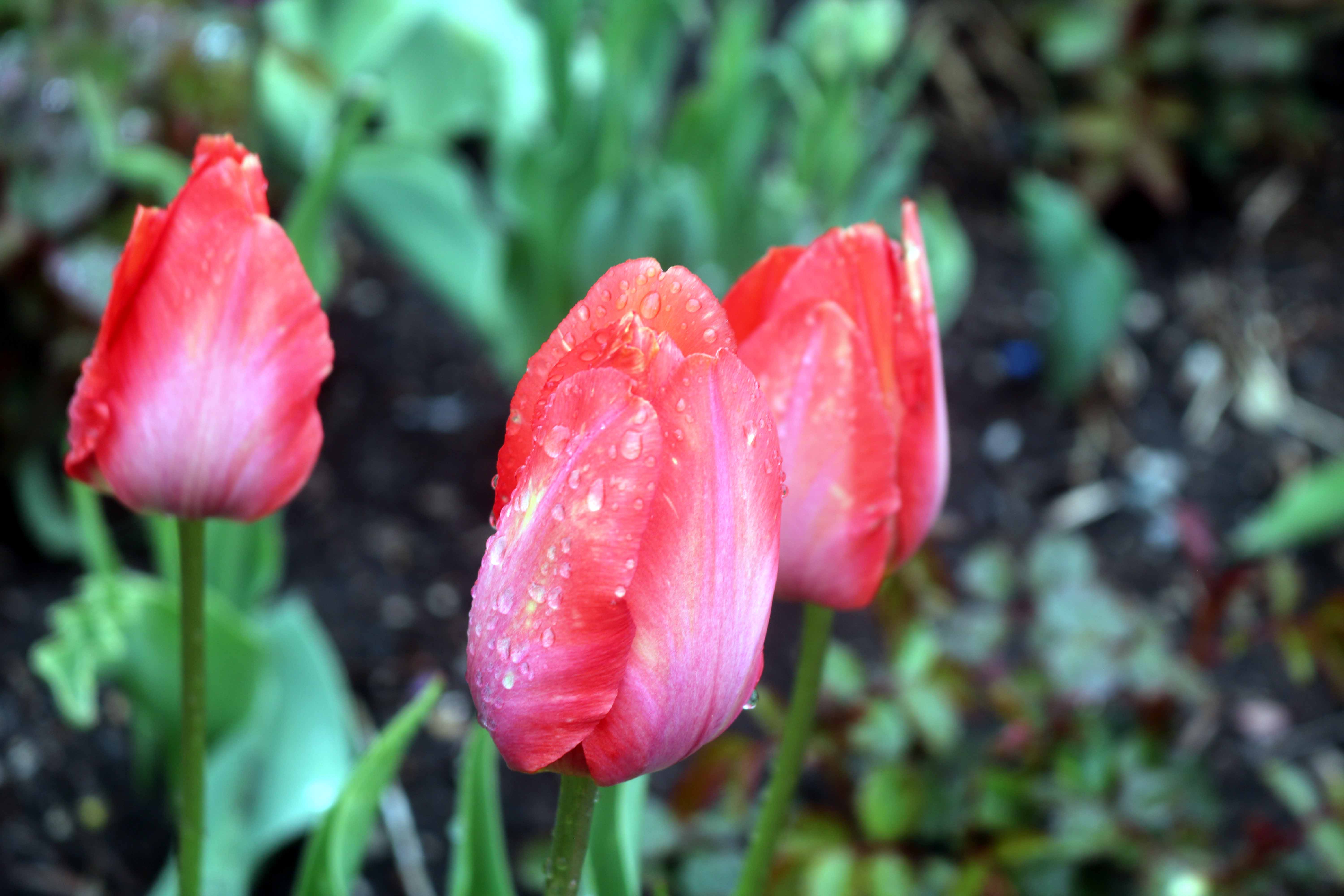
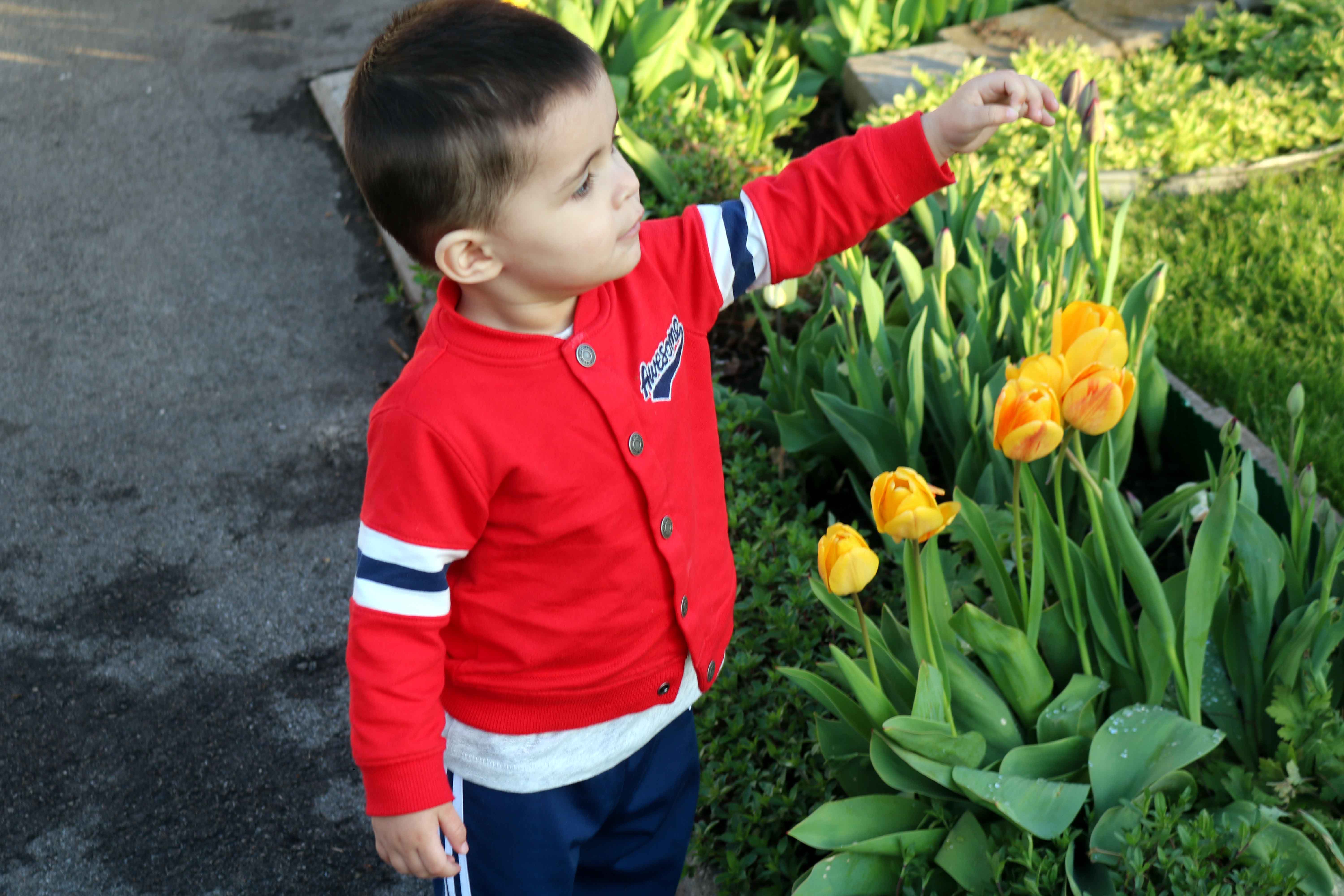
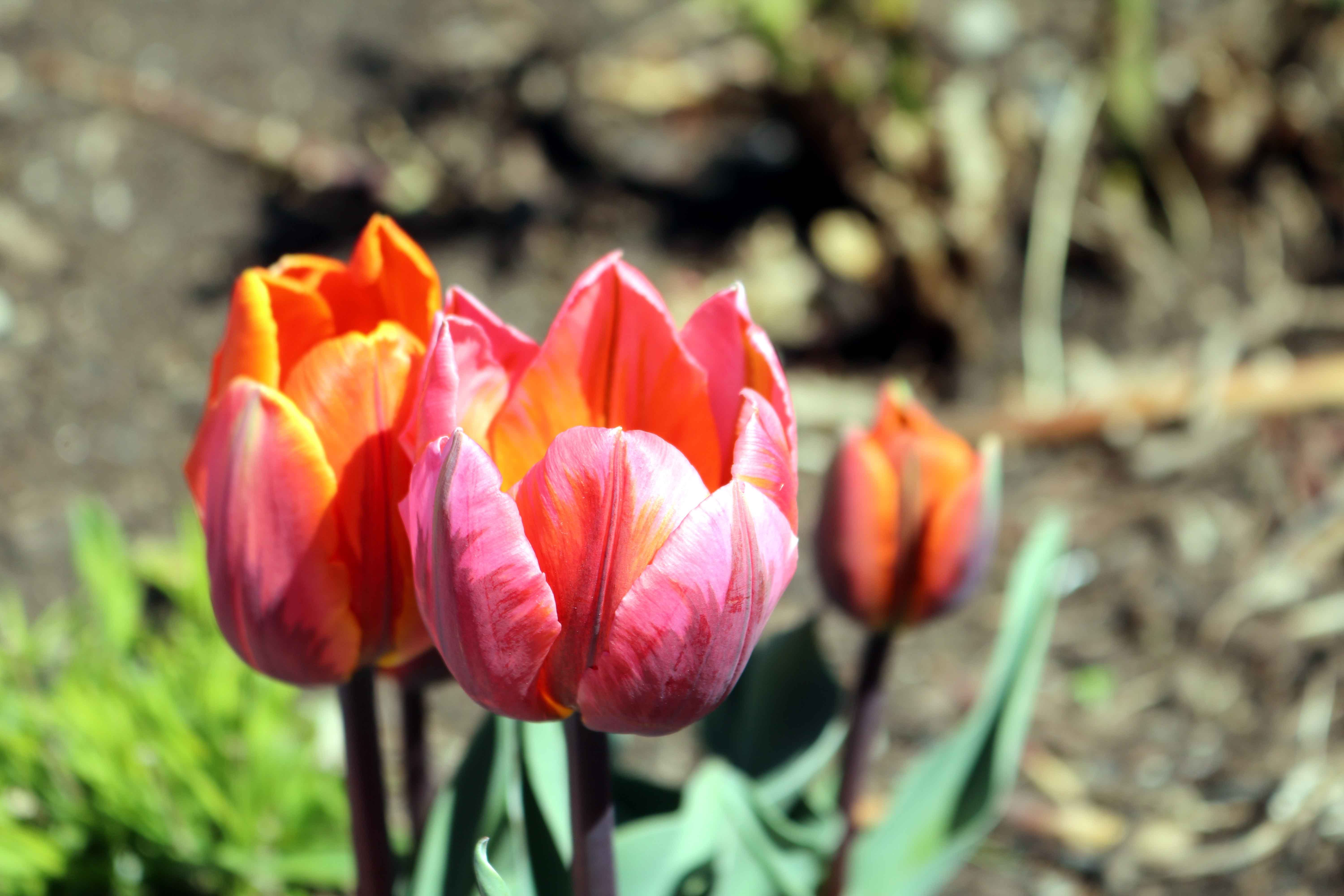
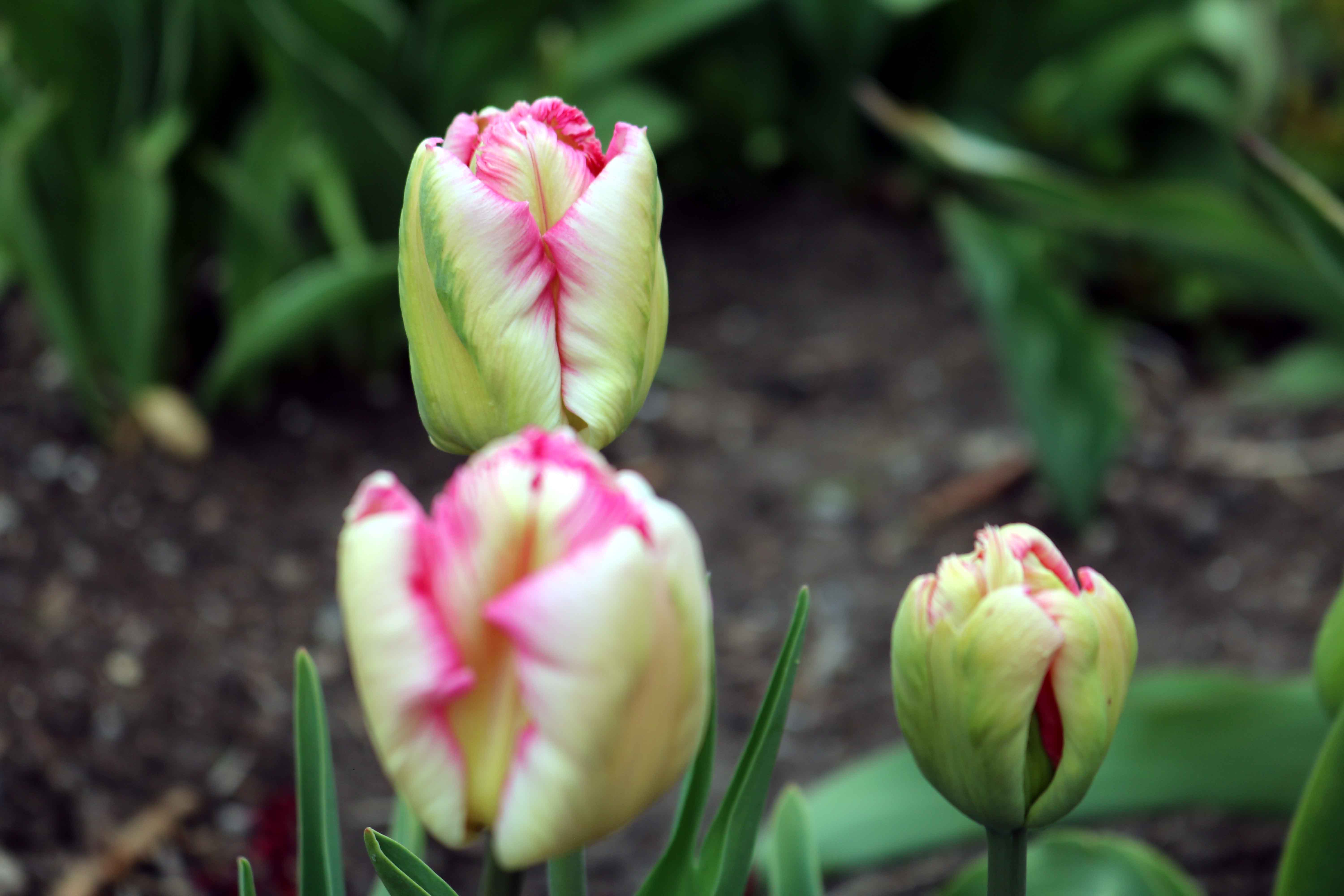
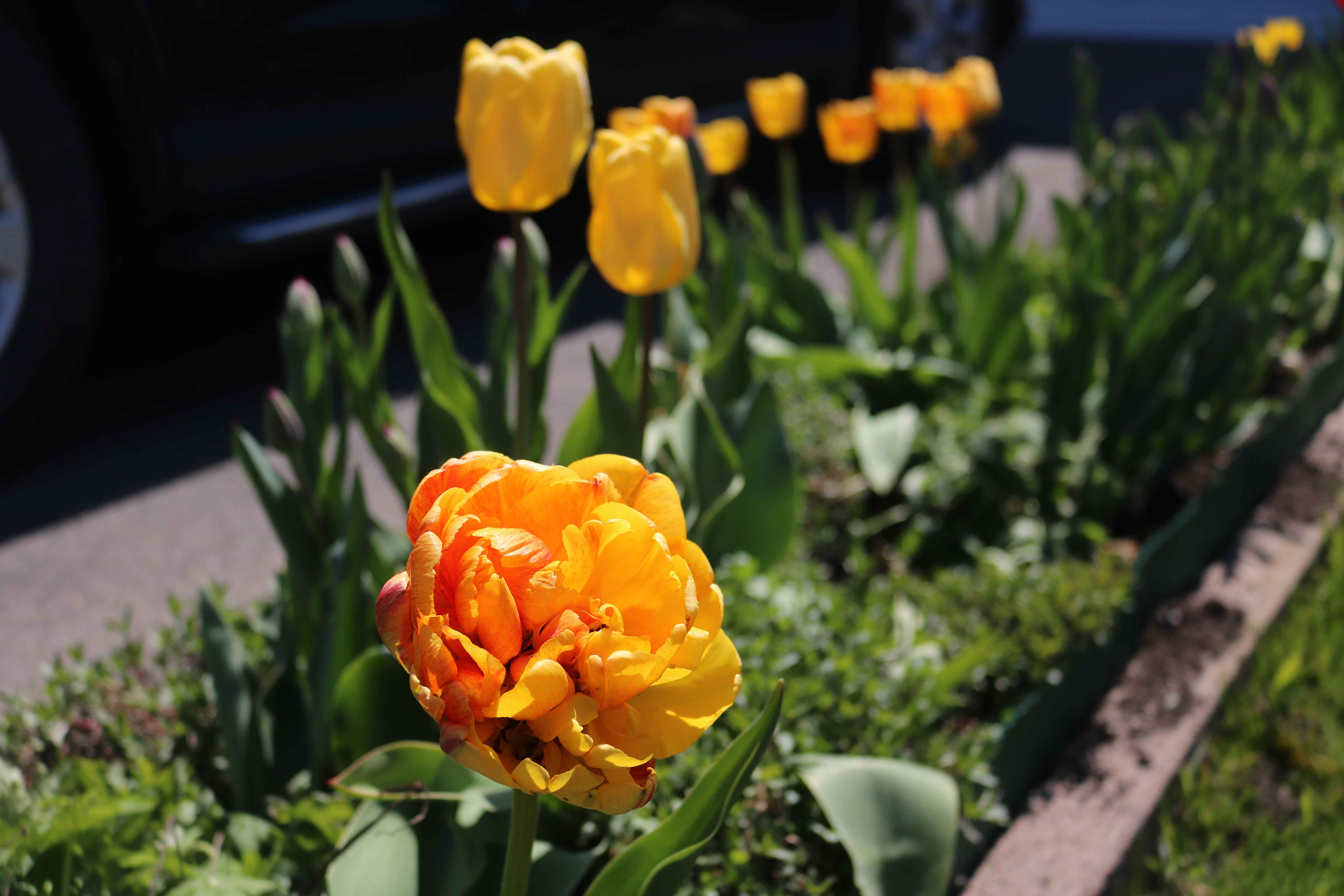
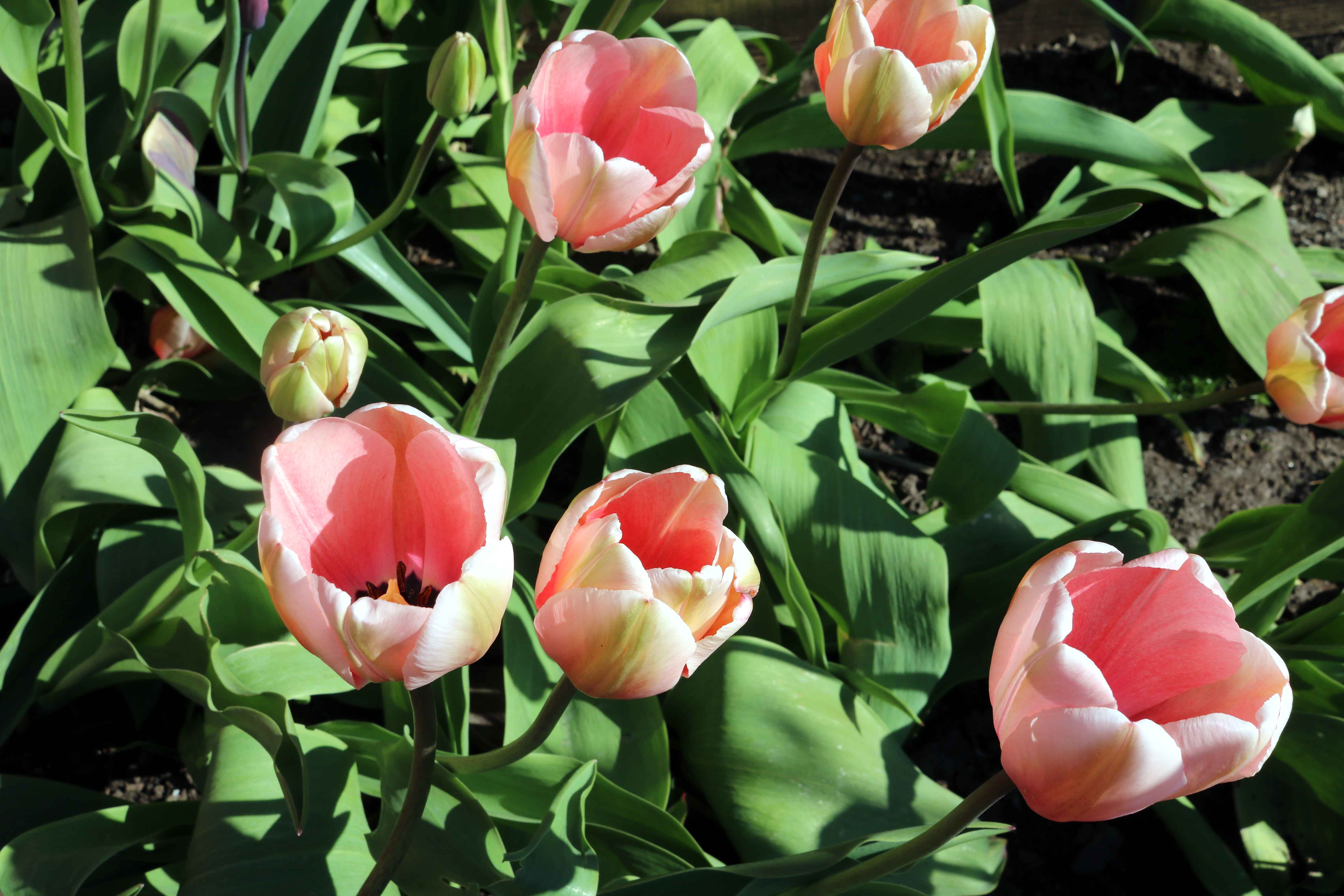
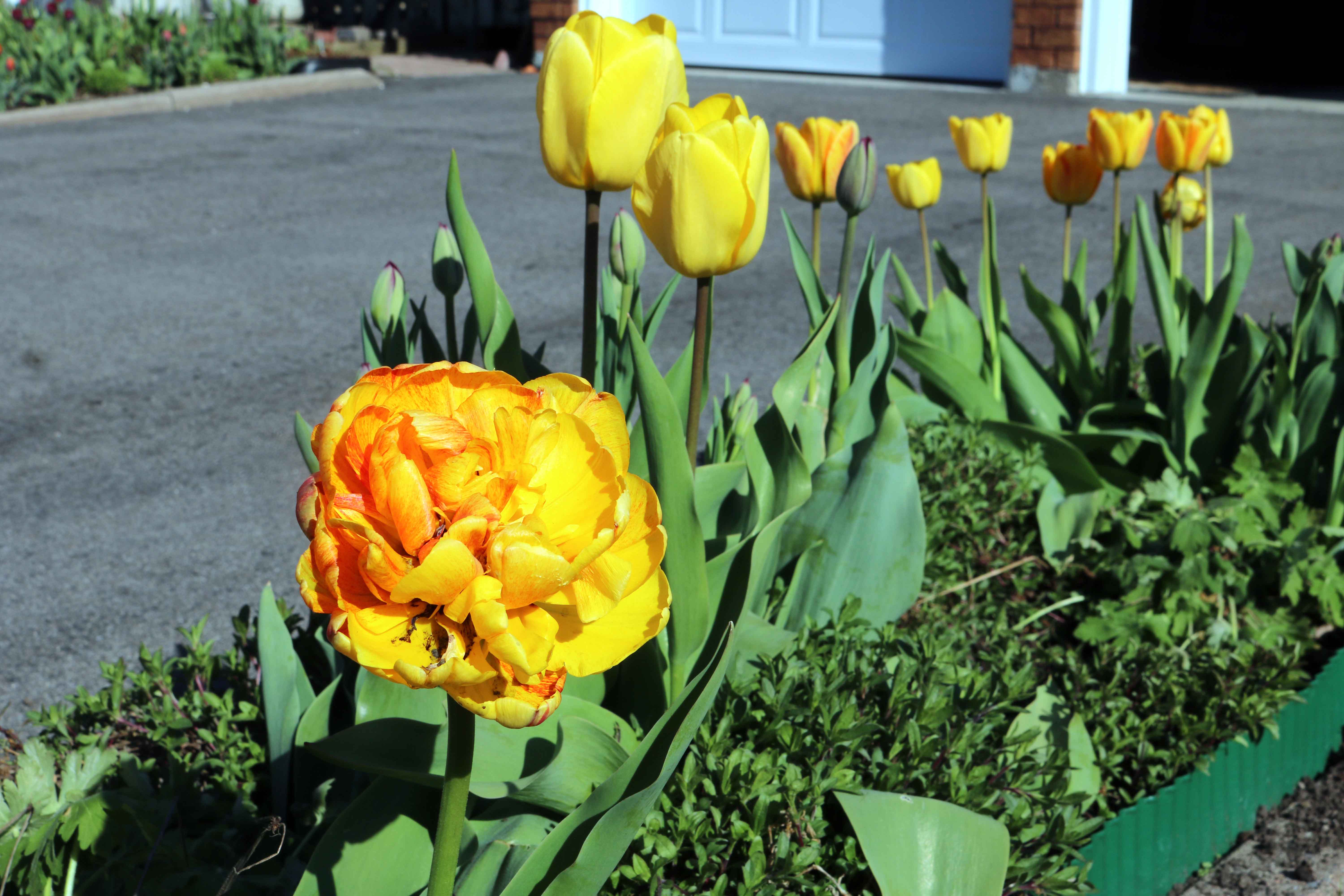
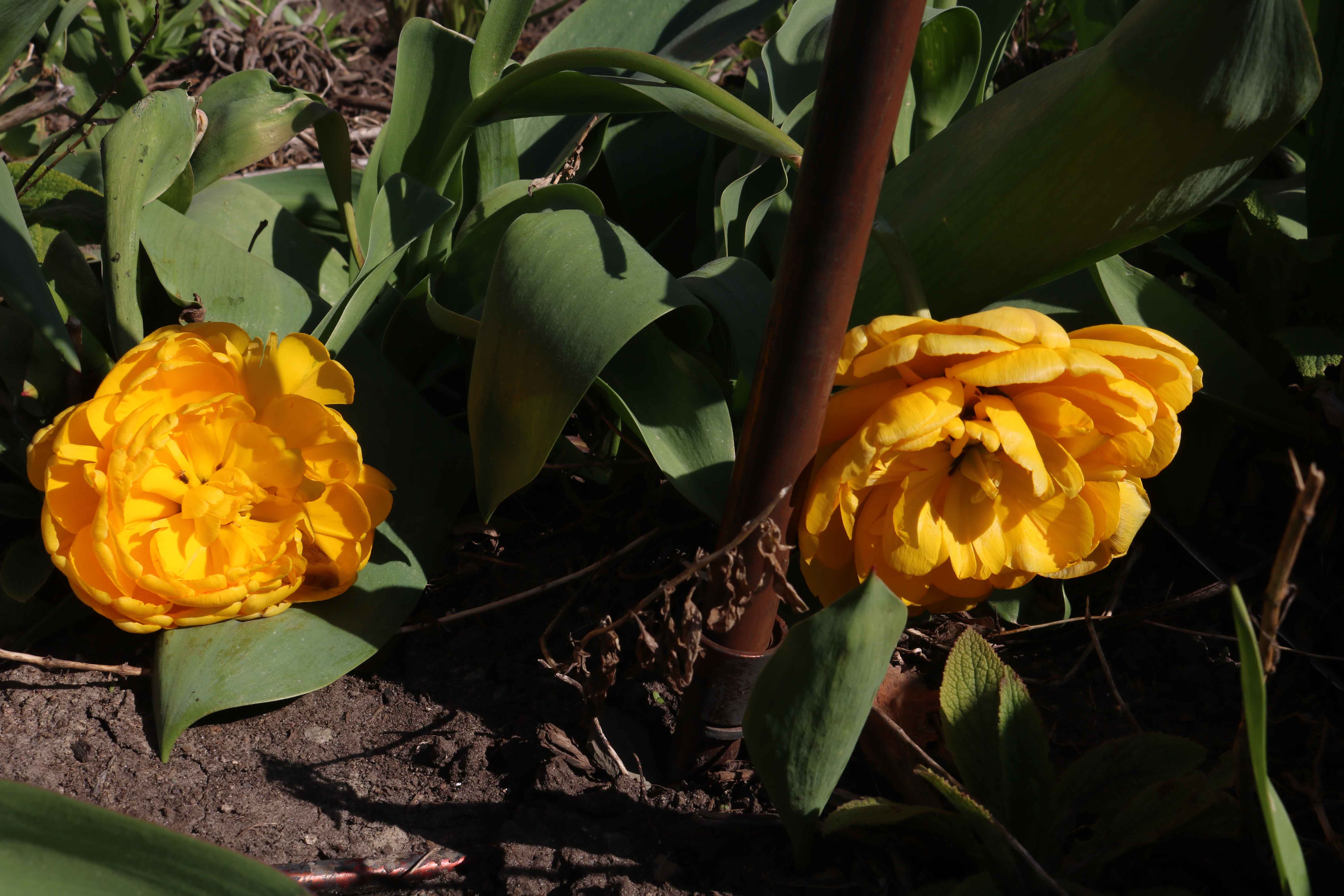
April rains bring in May flowers is a famous Canadian saying. In May, Tulips announce the arrival of Spring at our garden.

Tulips are wildflowers native to central Asia in the Tien Shan Mountains near the Russian-Chinese border but didn’t really become popular until reaching the Netherlands.

They spread west and were cultivated in the Ottoman Empire (modern-day Turkey) by 1000 AD, when the sultans introduced huge beds of tulips to parks and palace gardens.

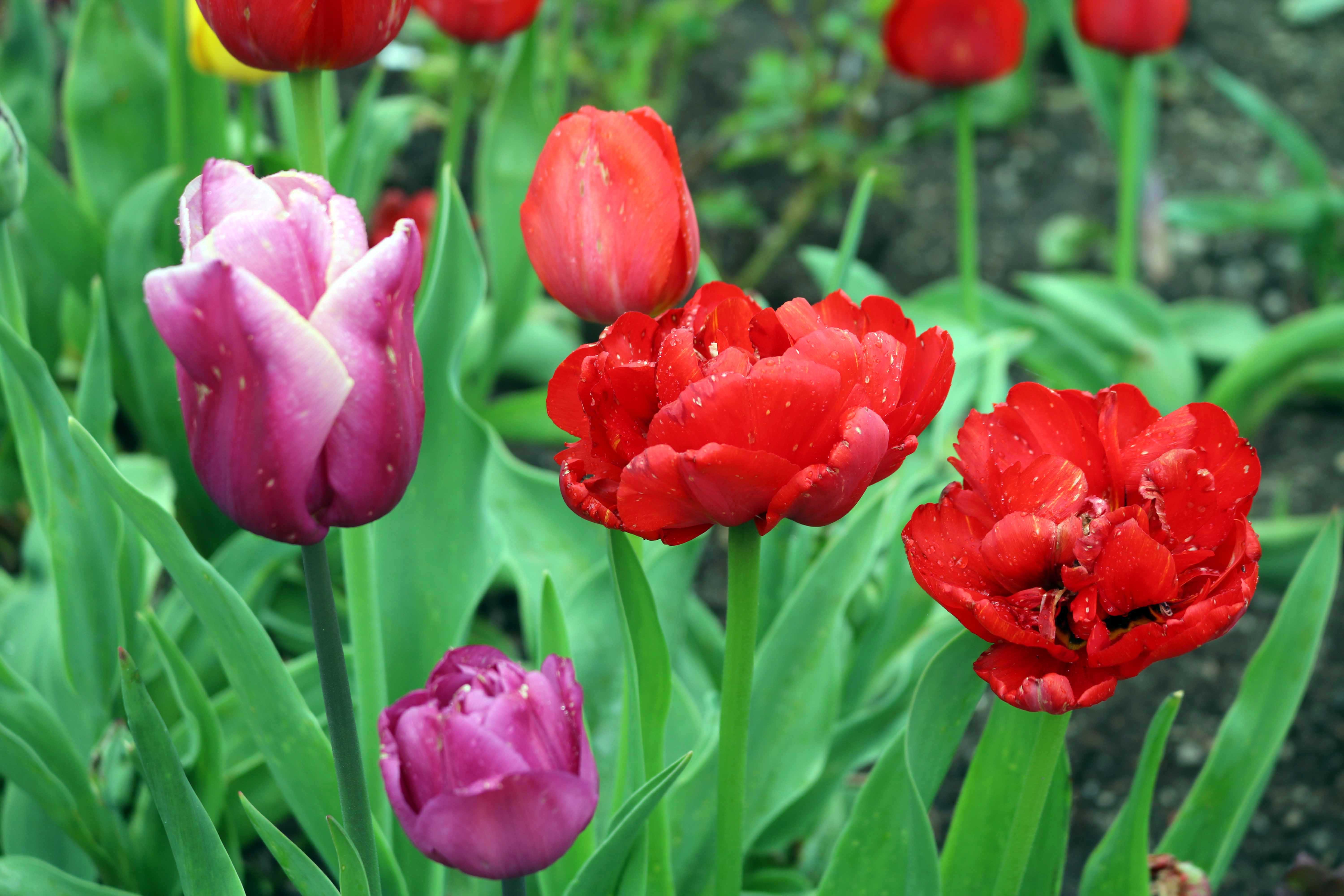
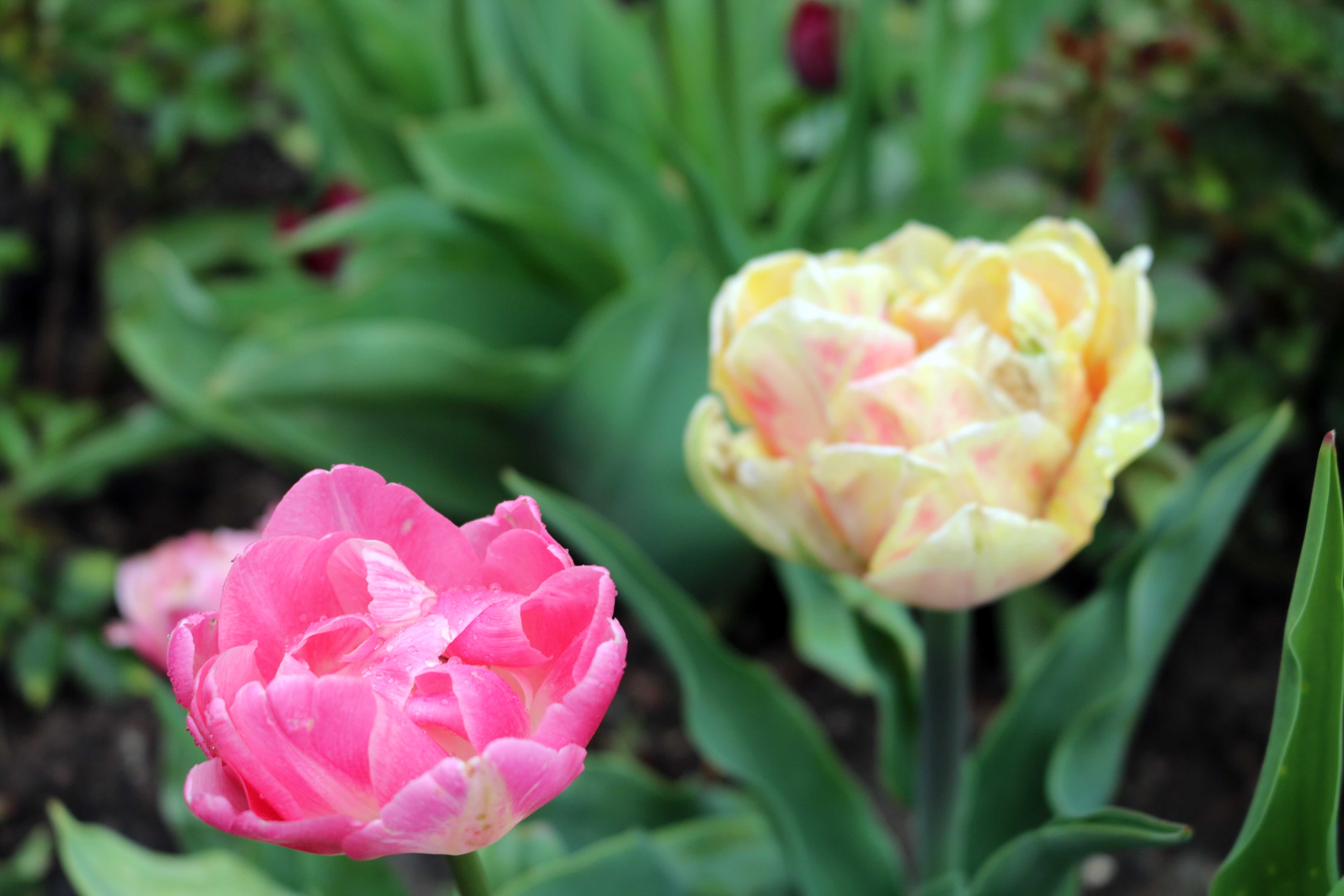
Tulips are known for their bold colors and beautiful shape, and most varieties are indeed almost perfectly symmetrical.

The word ‘tulip’ comes from ‘tülbend,’ a Turkish pronunciation of the Persian word ‘dulband,’ which means turban.

Tulips are known for their bold colors and beautiful shape, and most varieties are indeed almost perfectly symmetrical.

The blooms have three petals and three sepals, but since the sepals are almost the same size and shape as the petals, tulips appear to have six petals to a bulb.

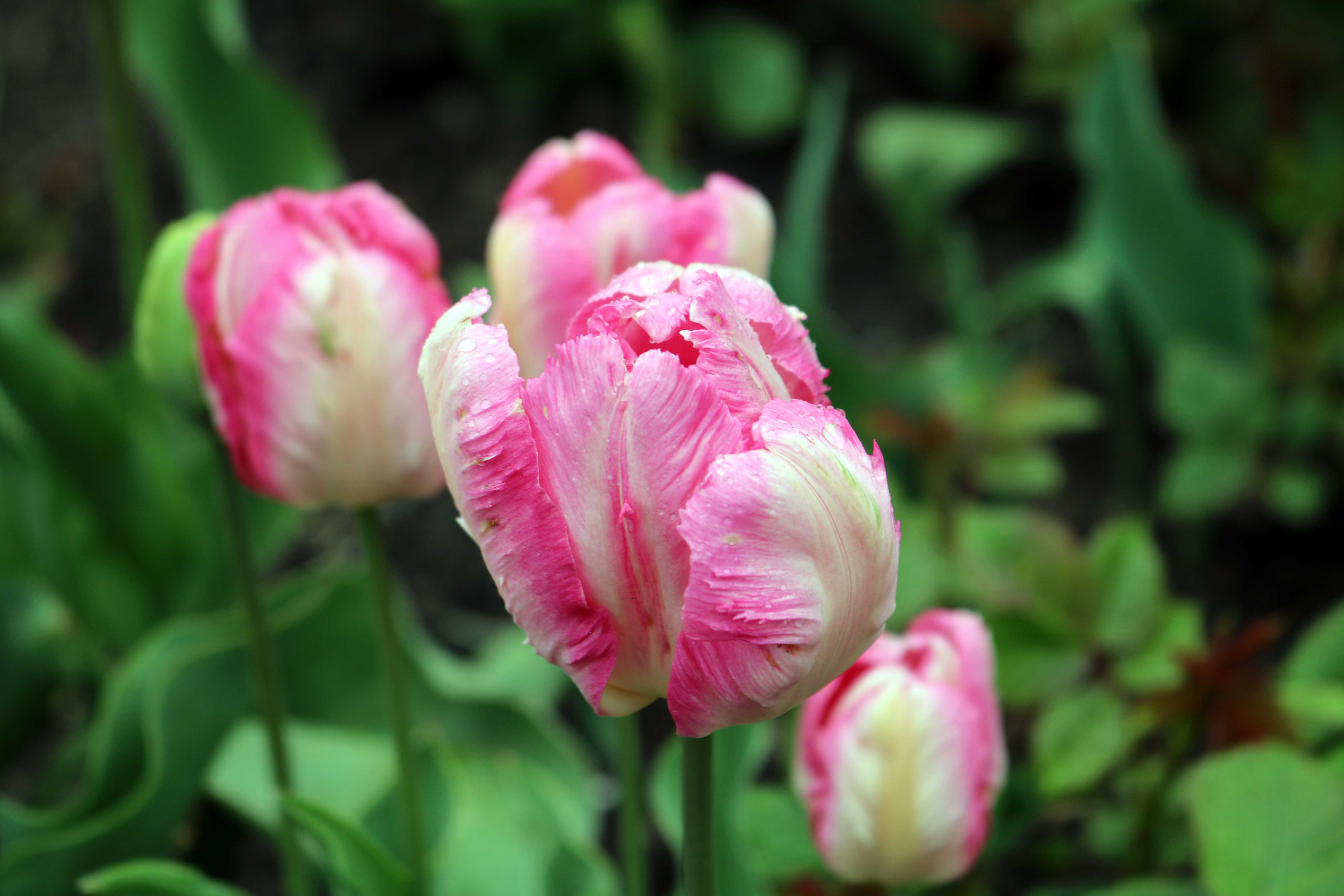
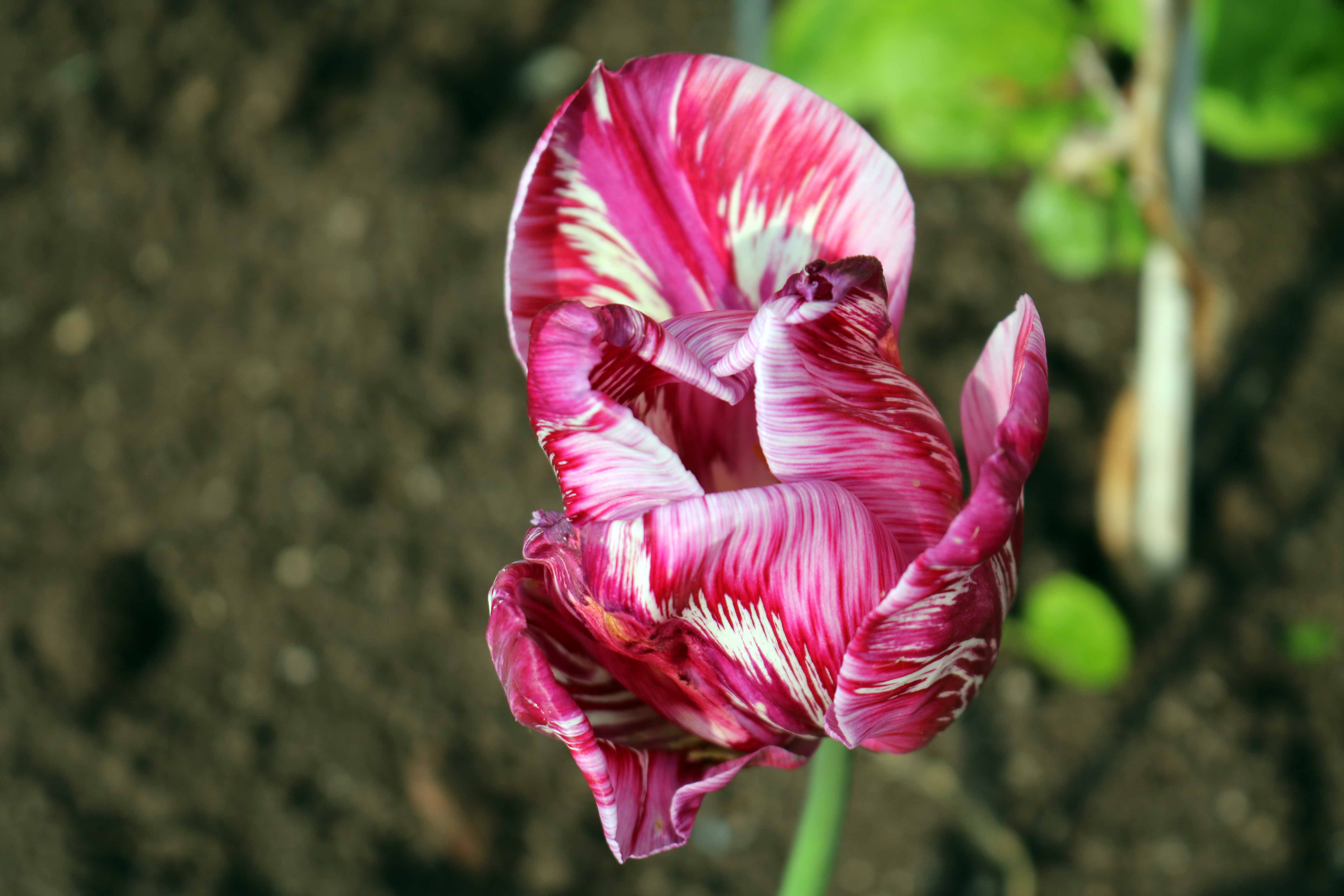
Striped tulips were originally created from a virus. In 1931, scientists discovered that the coloring was caused by a virus spread by aphids (sap-sucking insects). The virus is still used to alter the DNA, but it’s done without aphids.

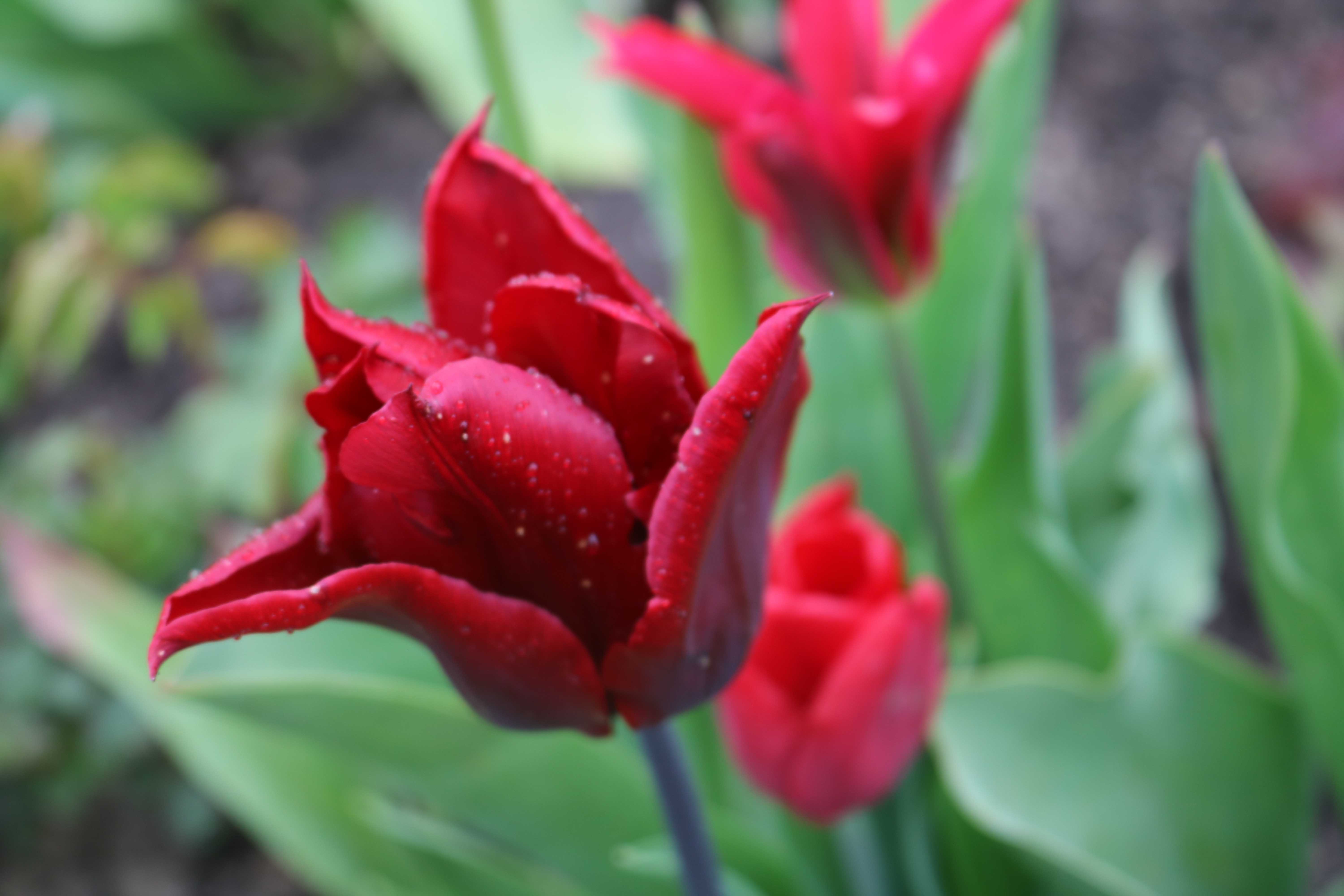
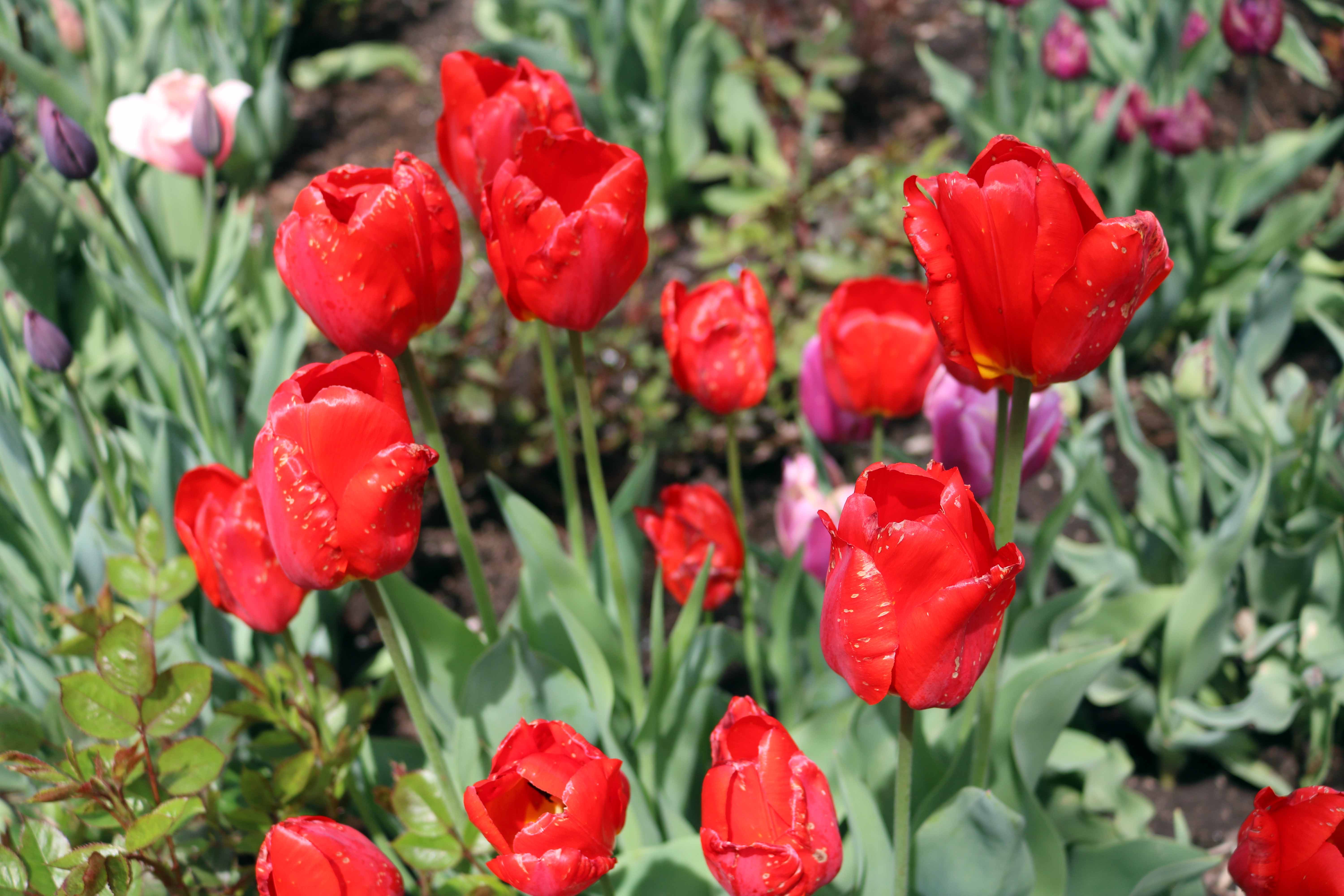
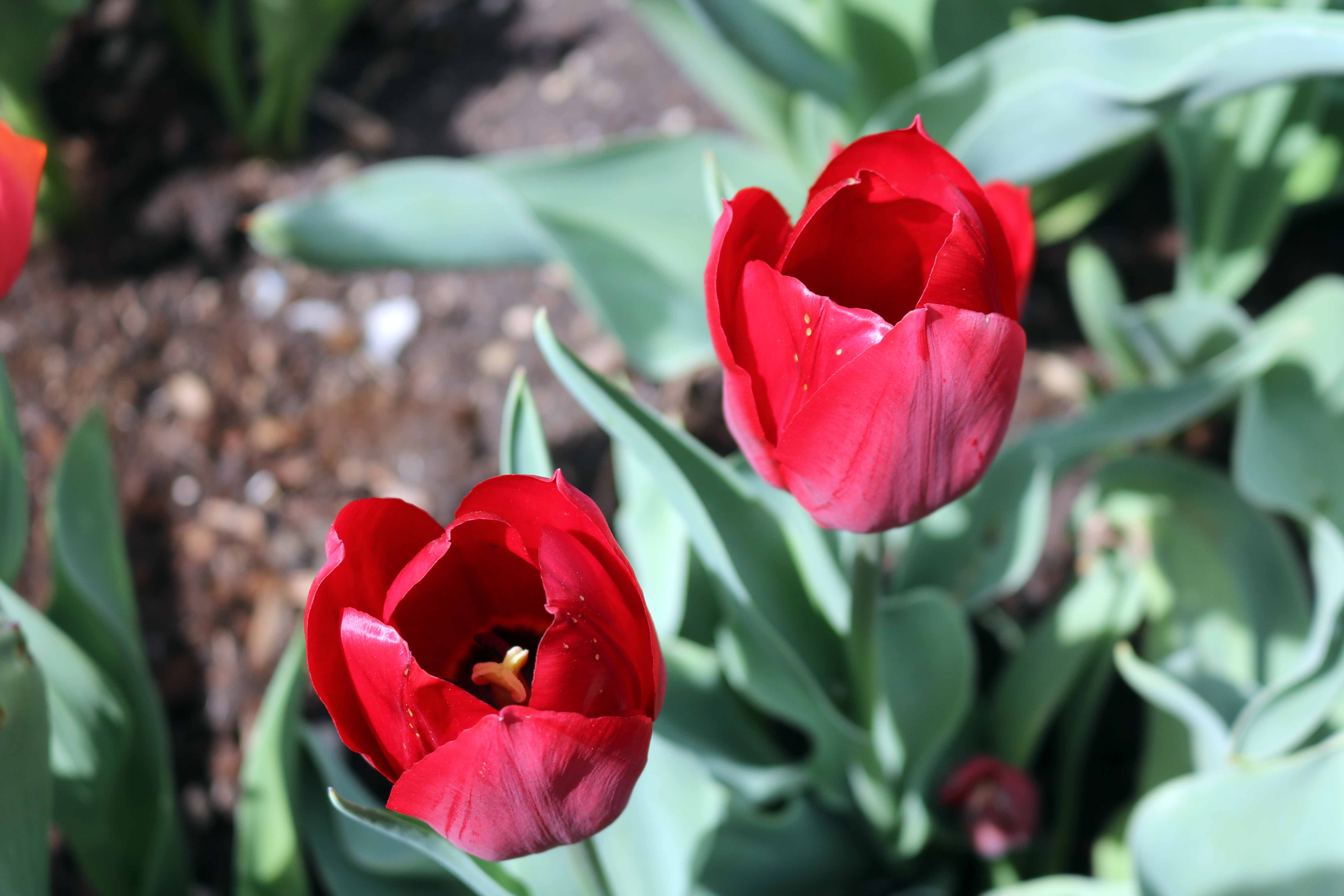
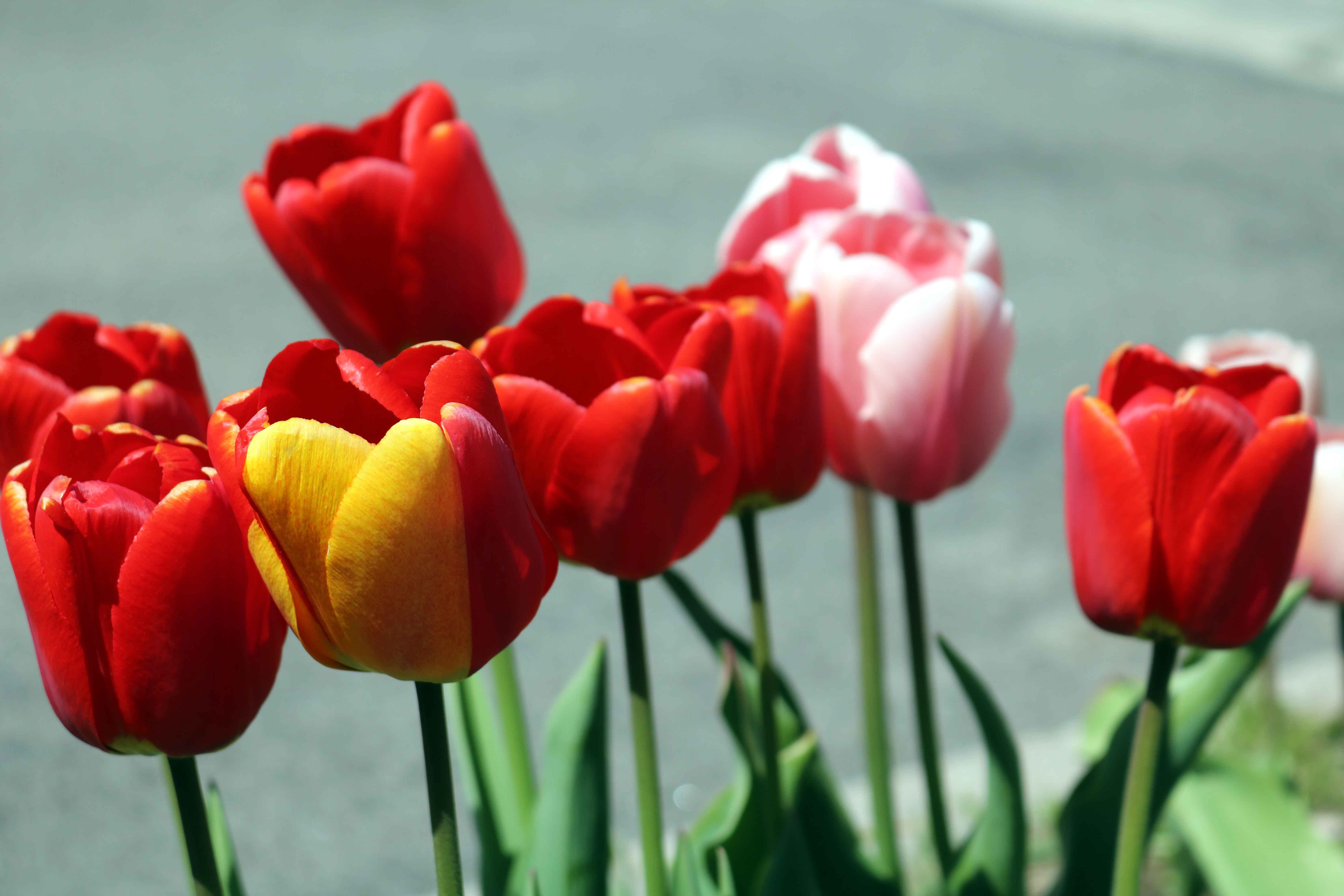
Tulips symbolise love but there is a different meaning based on the color tulip. For love and romance, red tulips are the way to go.

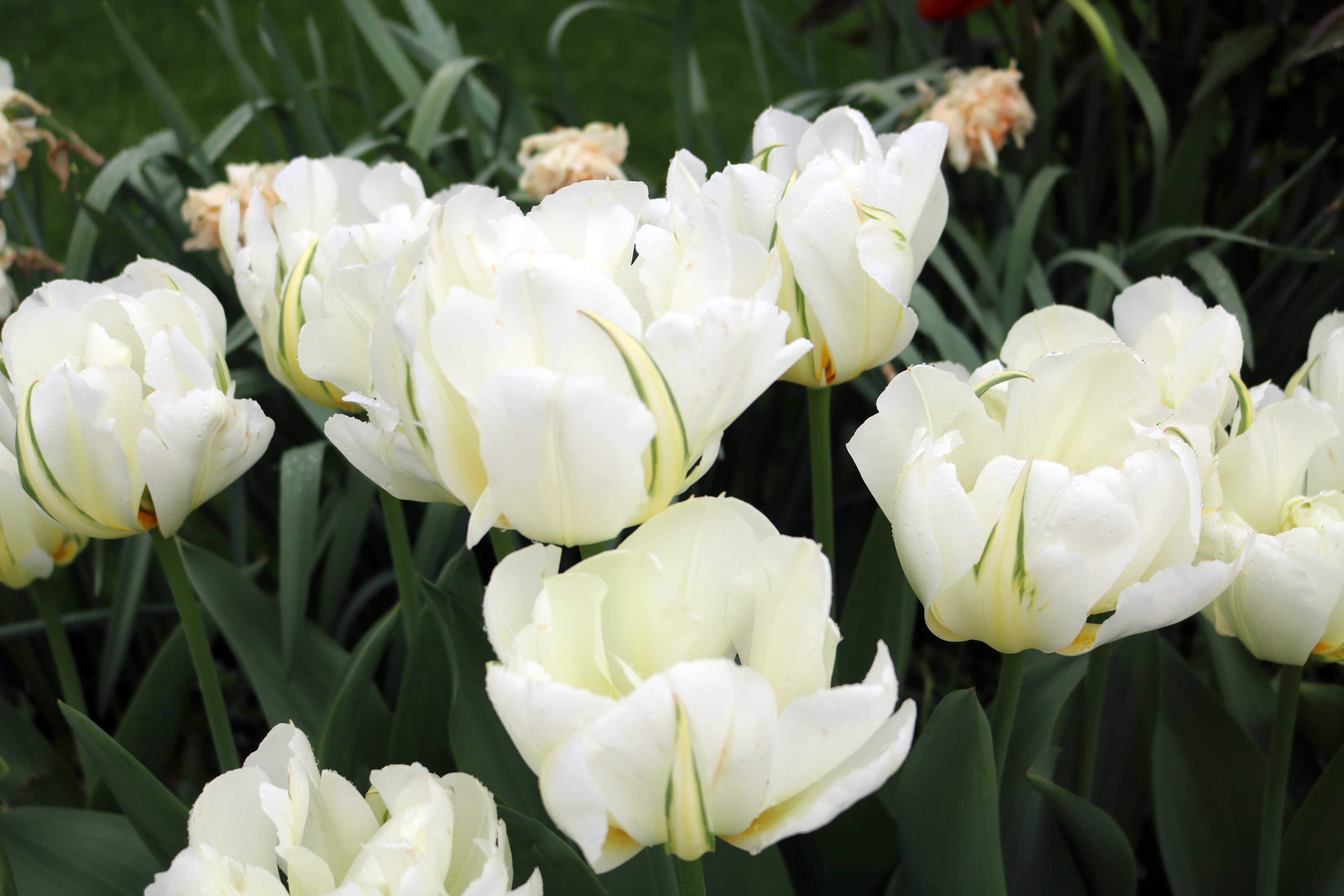
If you want to convey an apology, white tulips are the flowers that you seek.

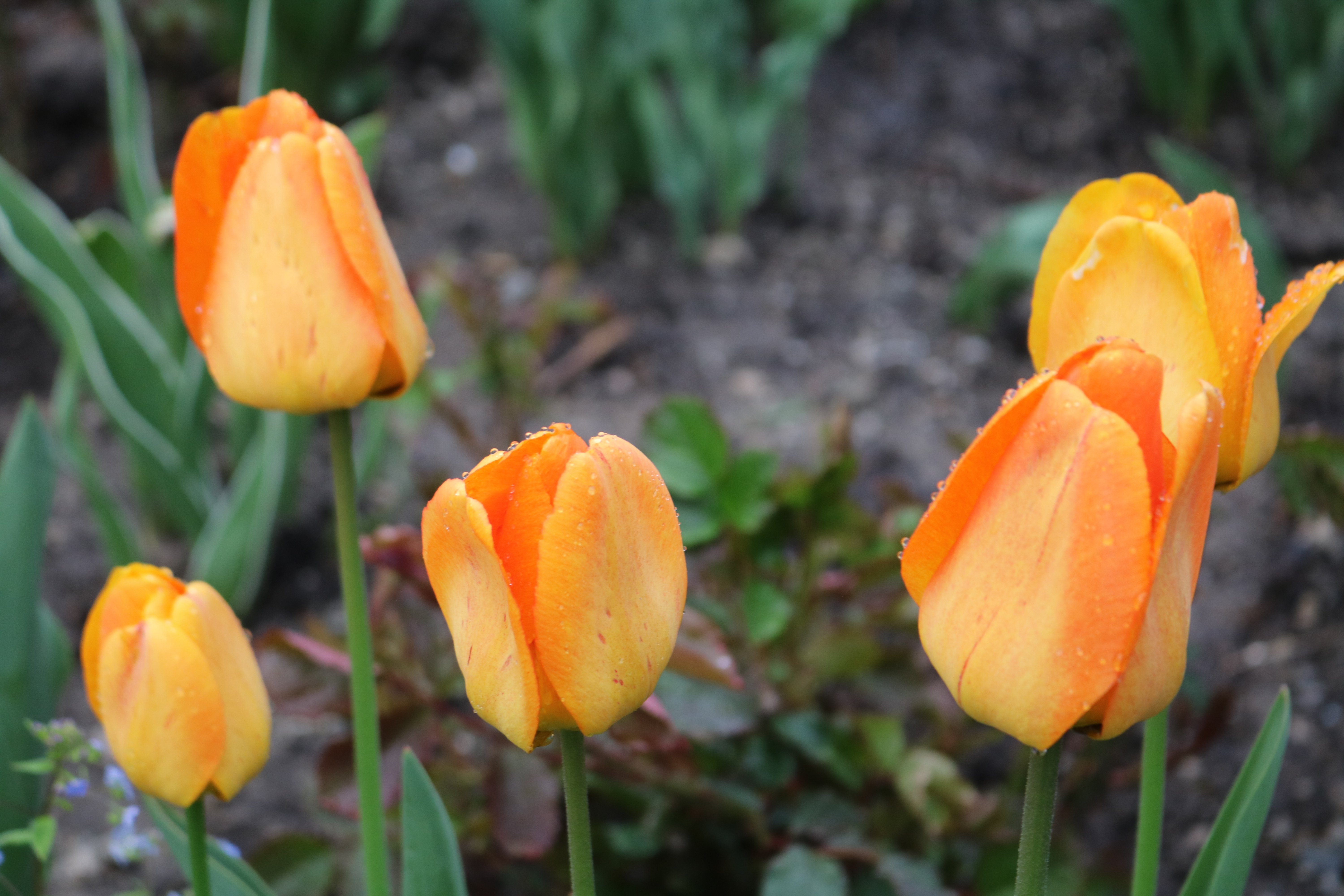
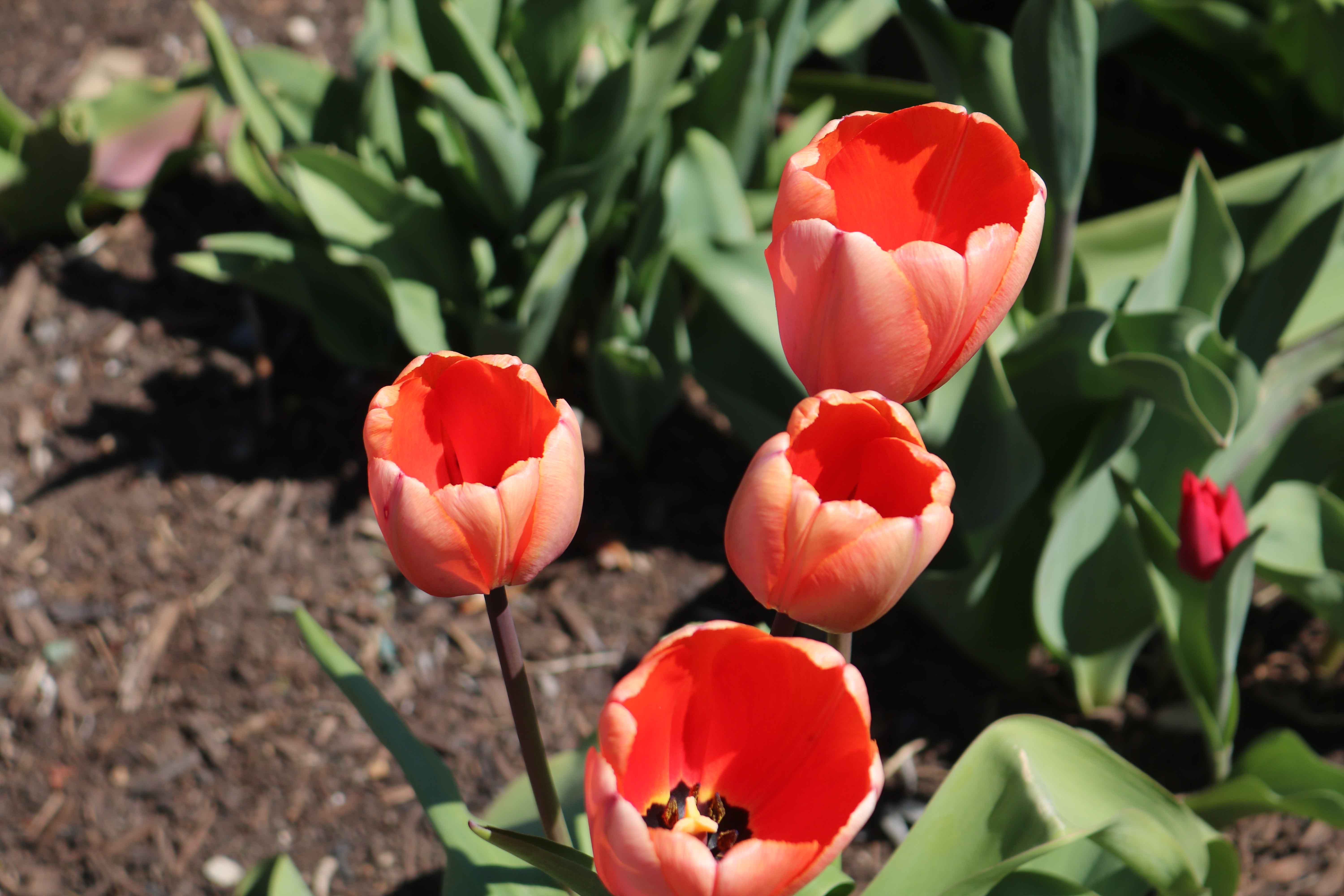
Orange Tulips represent sense of compassion, understanding, and sympathy.

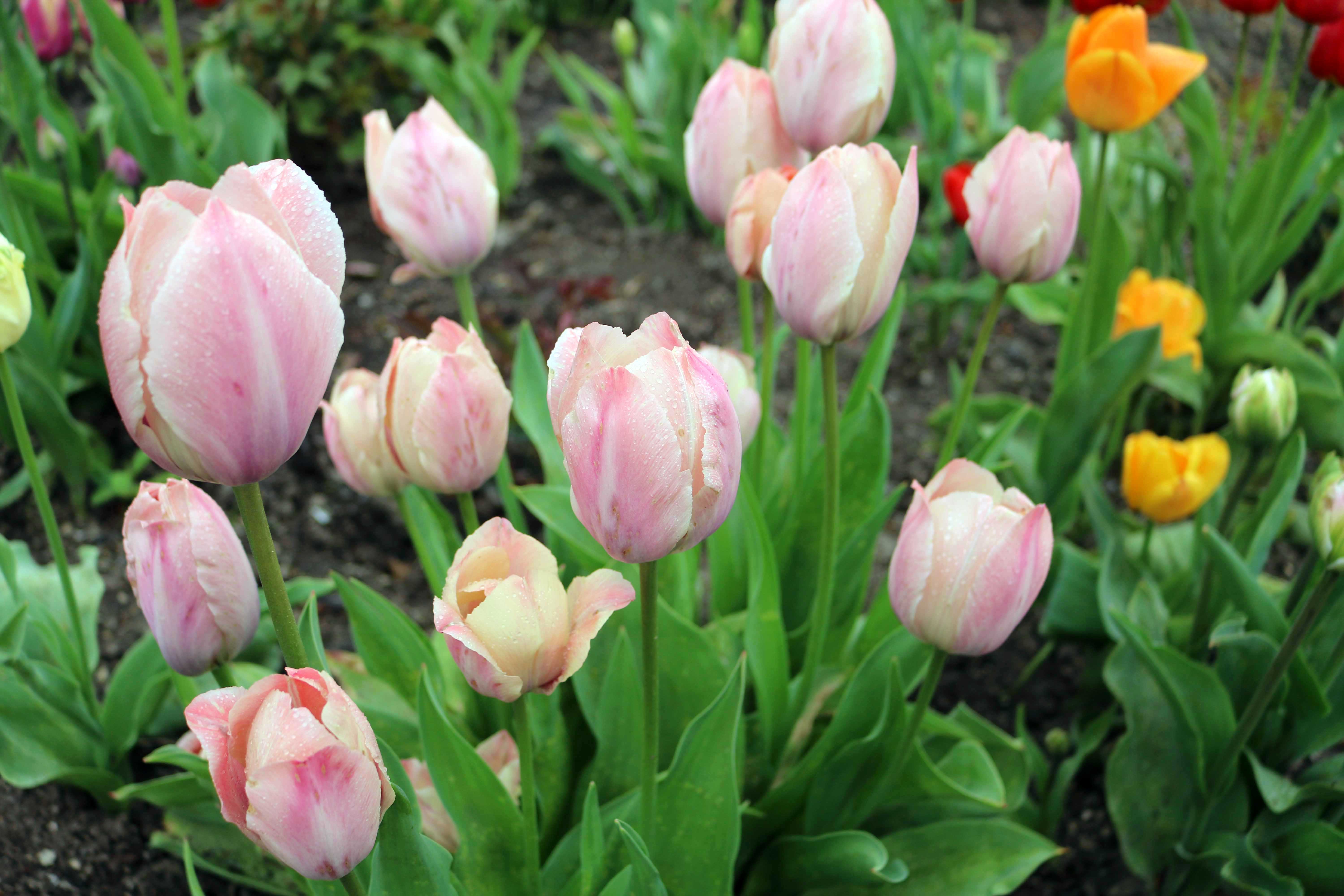
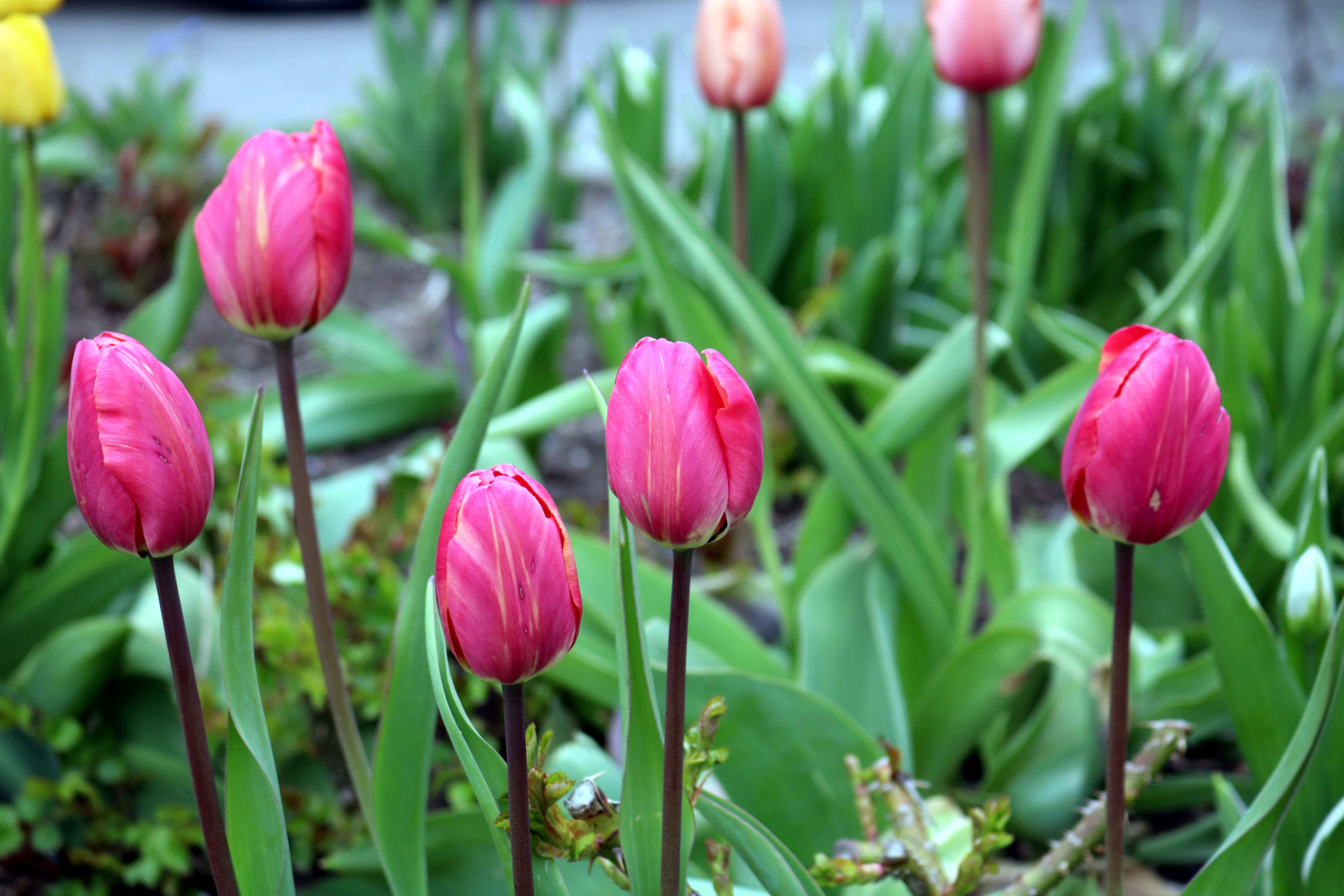
Pink tulips symbolise happiness and confidence.

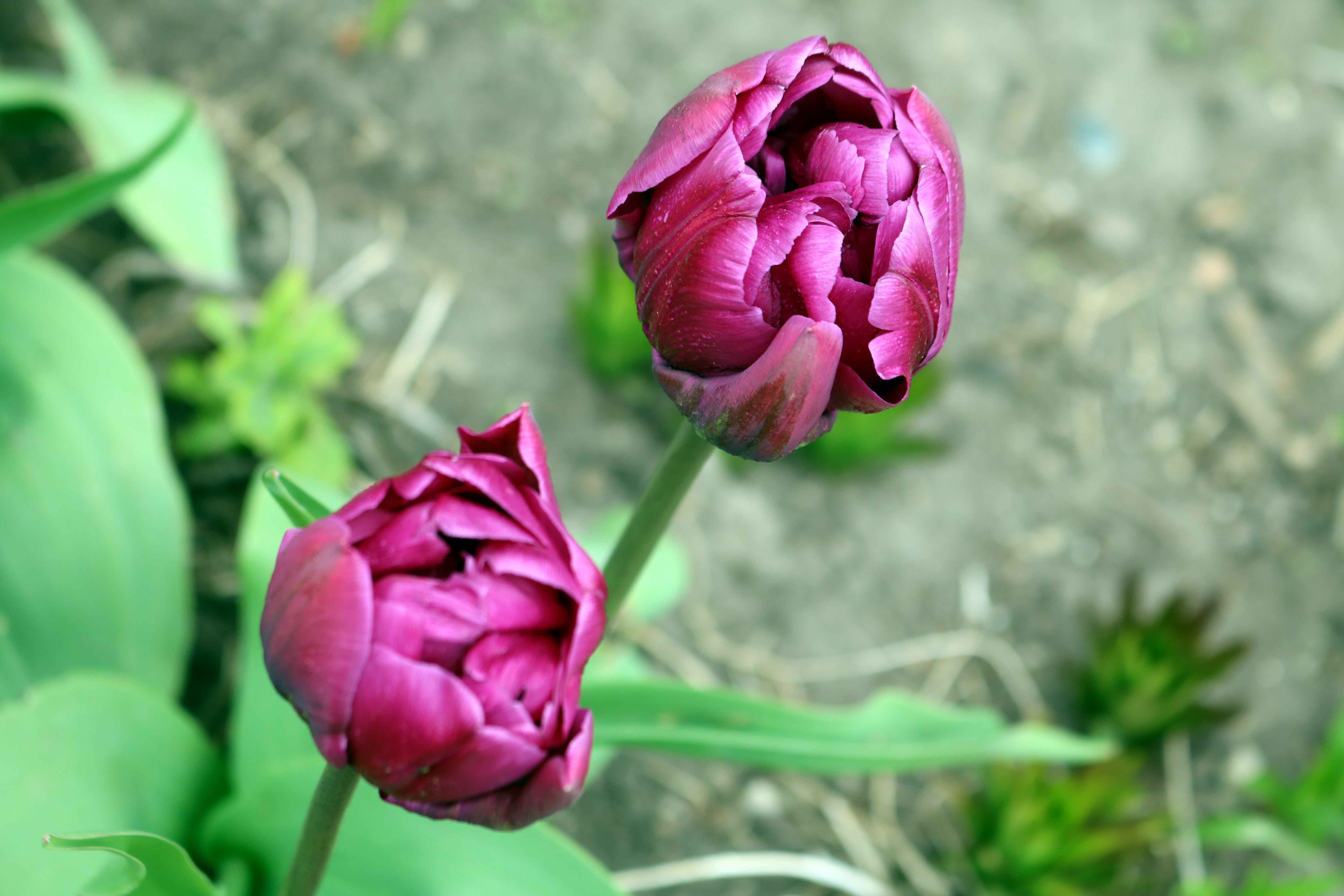
Purple tulips are associated with royalty.

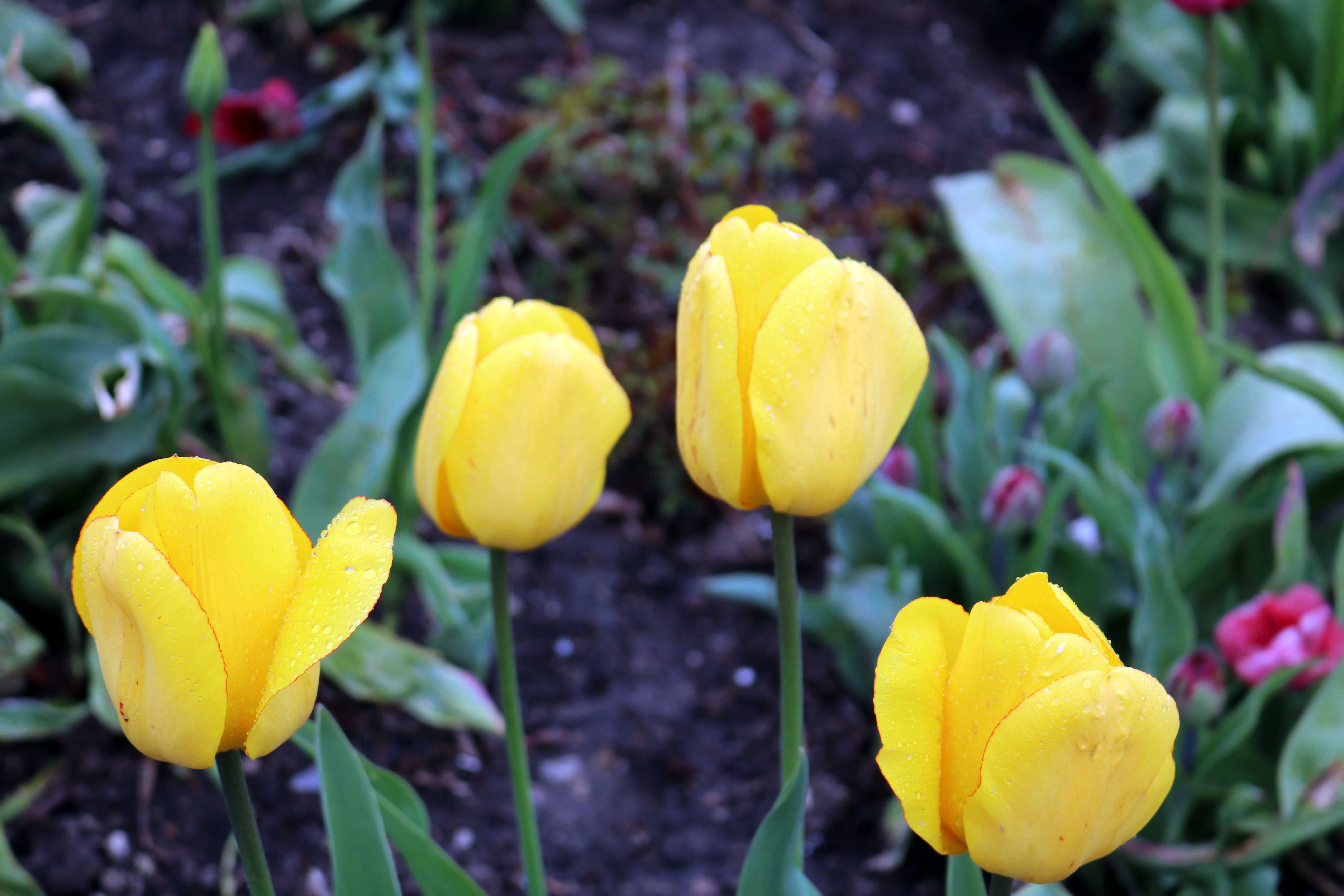
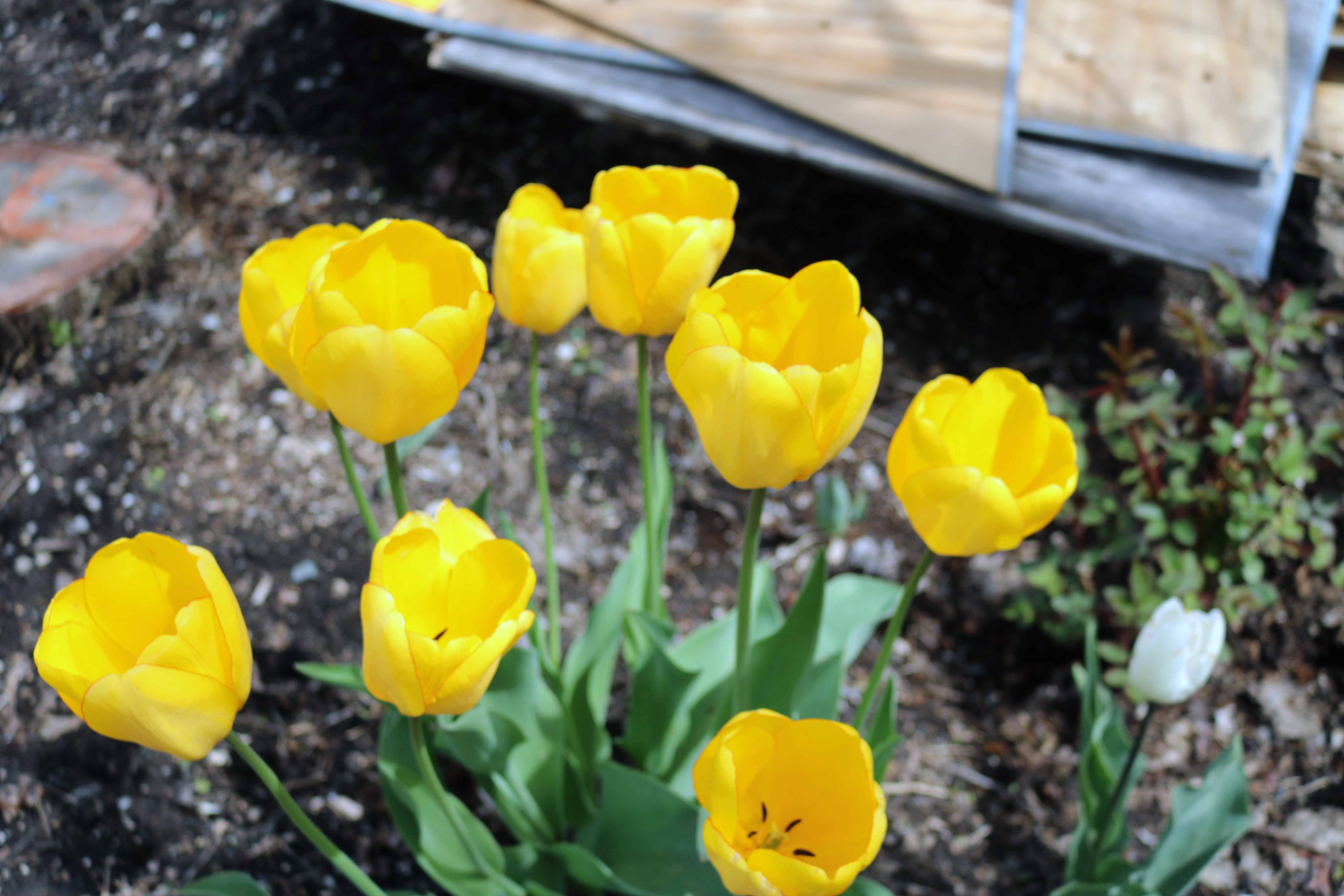
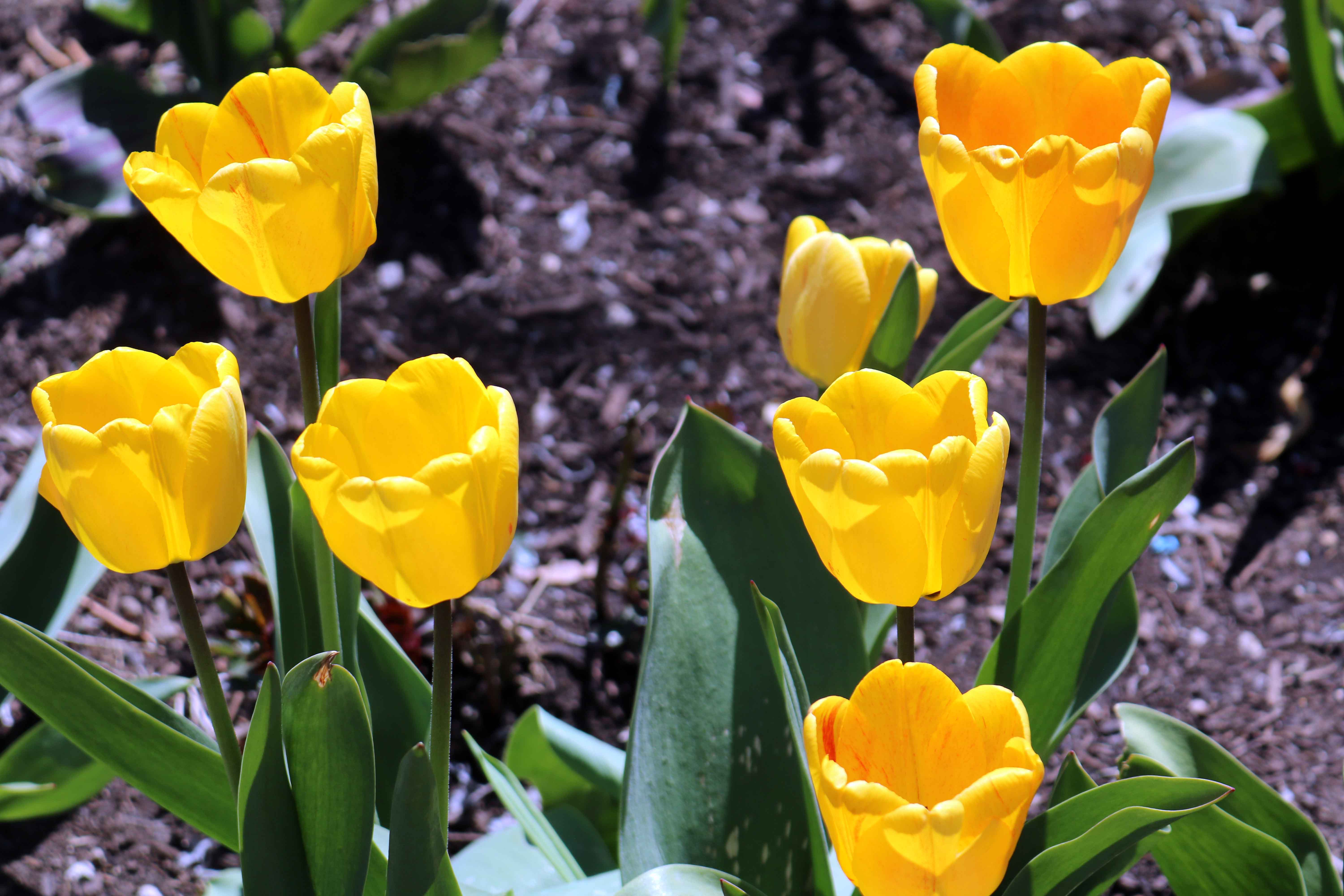
Yellow tulips are great for cheer and happiness.

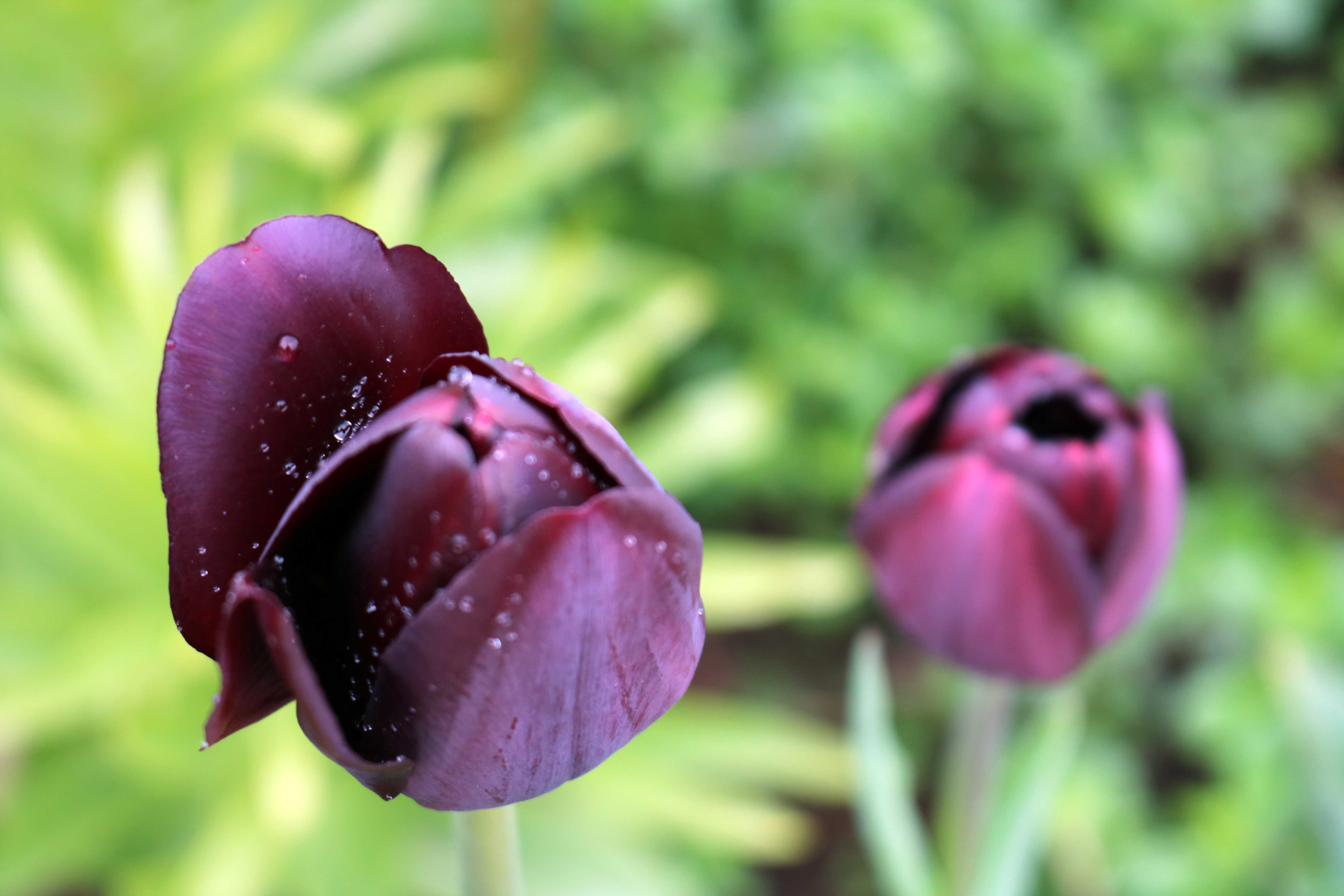
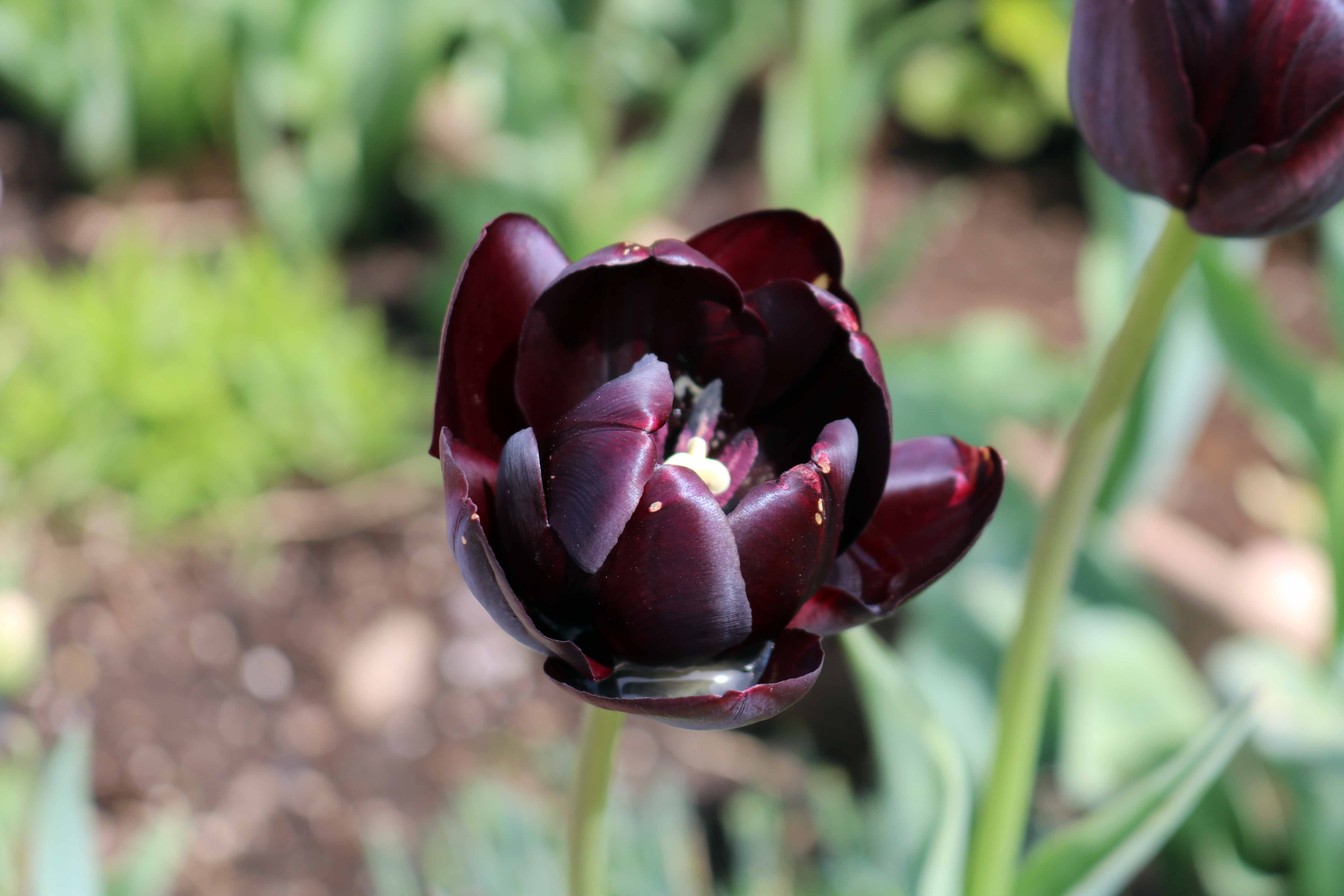
Although there are no true black flowers that occur in nature, because of their deep purple petals that almost look black. ‘Queen of the Night’ tulips are one of the most popular varieties because of their deep purple petals that almost look black.

True Blue is one of the few colours with Black that has remained absent from tulip’s impressive colour palette.

The flower is the symbol of the Parkinson’s Disease Foundation. A variety of tulip was named after Dr James Parkinson, the doctor for which the degenerative disease is named.

Currently tulips are the third most popular flower in the world, with roses coming in first and chrysanthemums coming in second.

On Valentine’s Day the tulip is the second most gifted flower (after the rose) – obviously only Red.

Tulip blooms only last a week or two, and we await the tulips to bloom next year.

Daffodils and Hyacinths : 2024

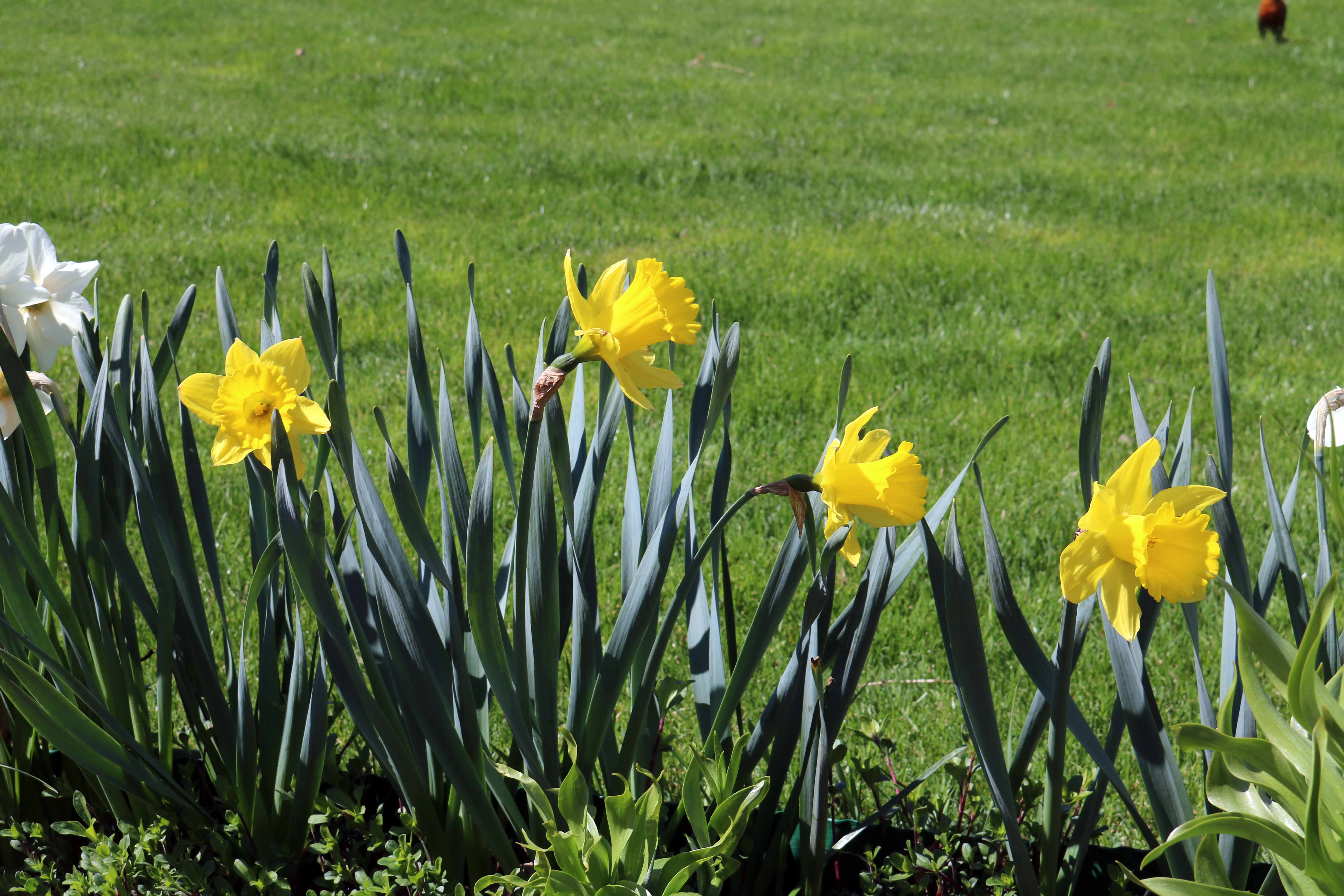
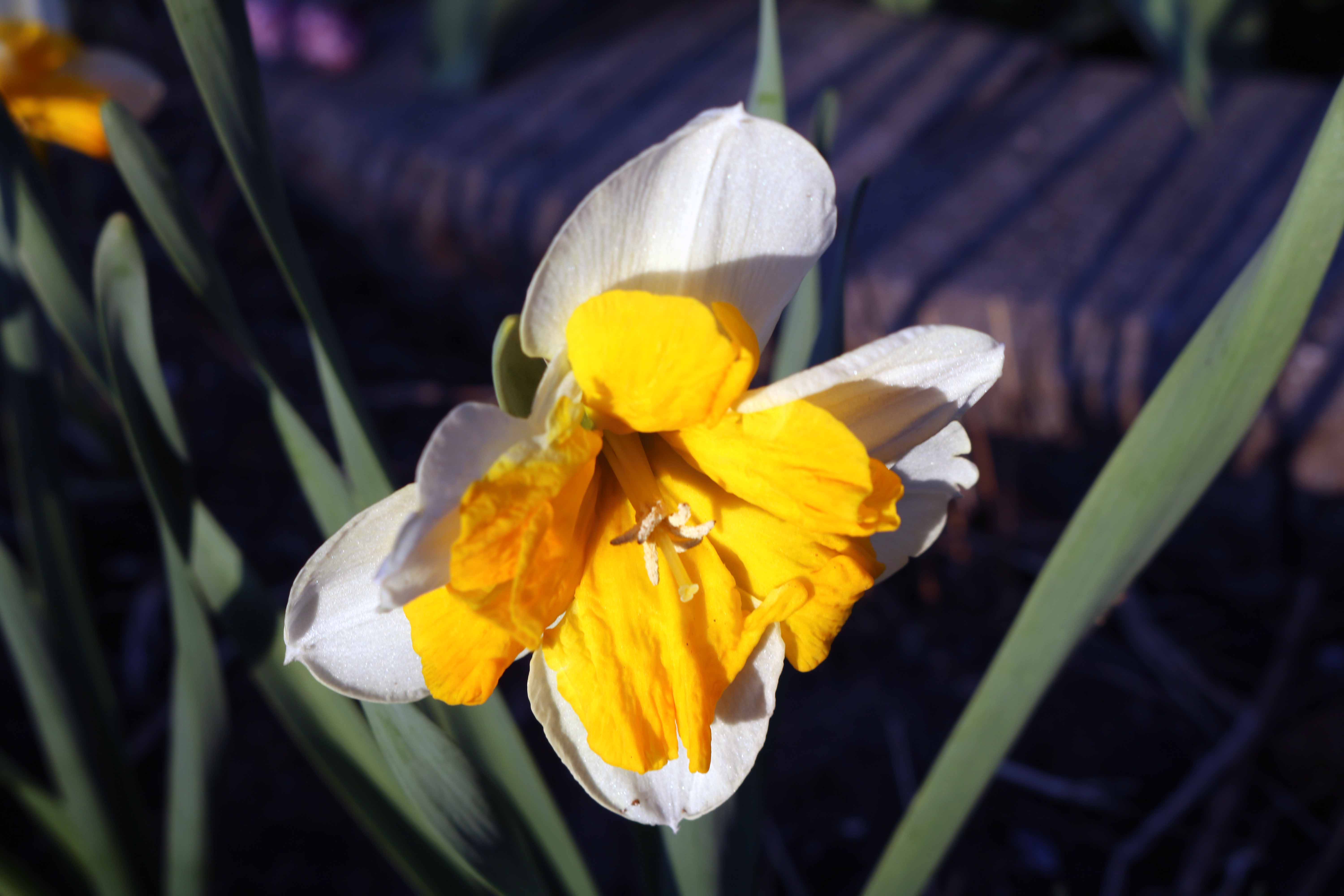
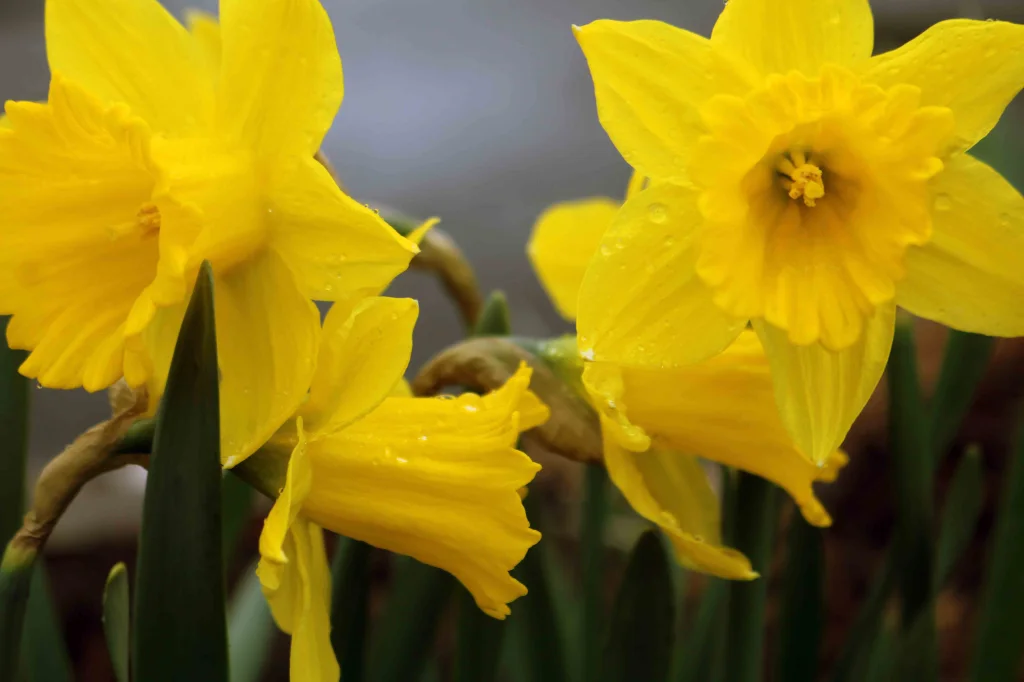
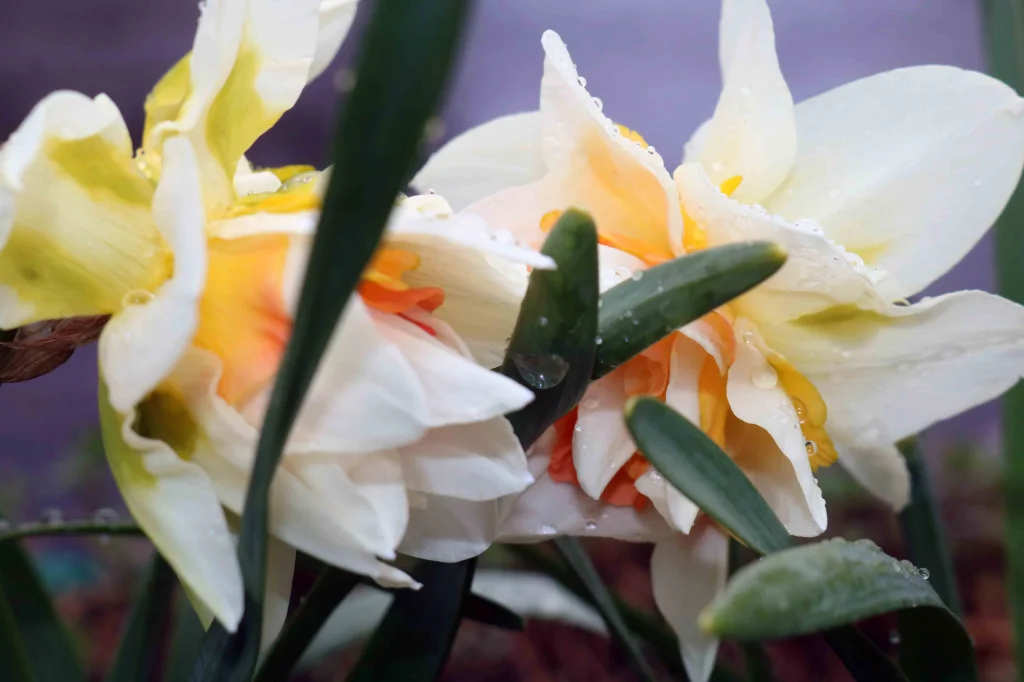
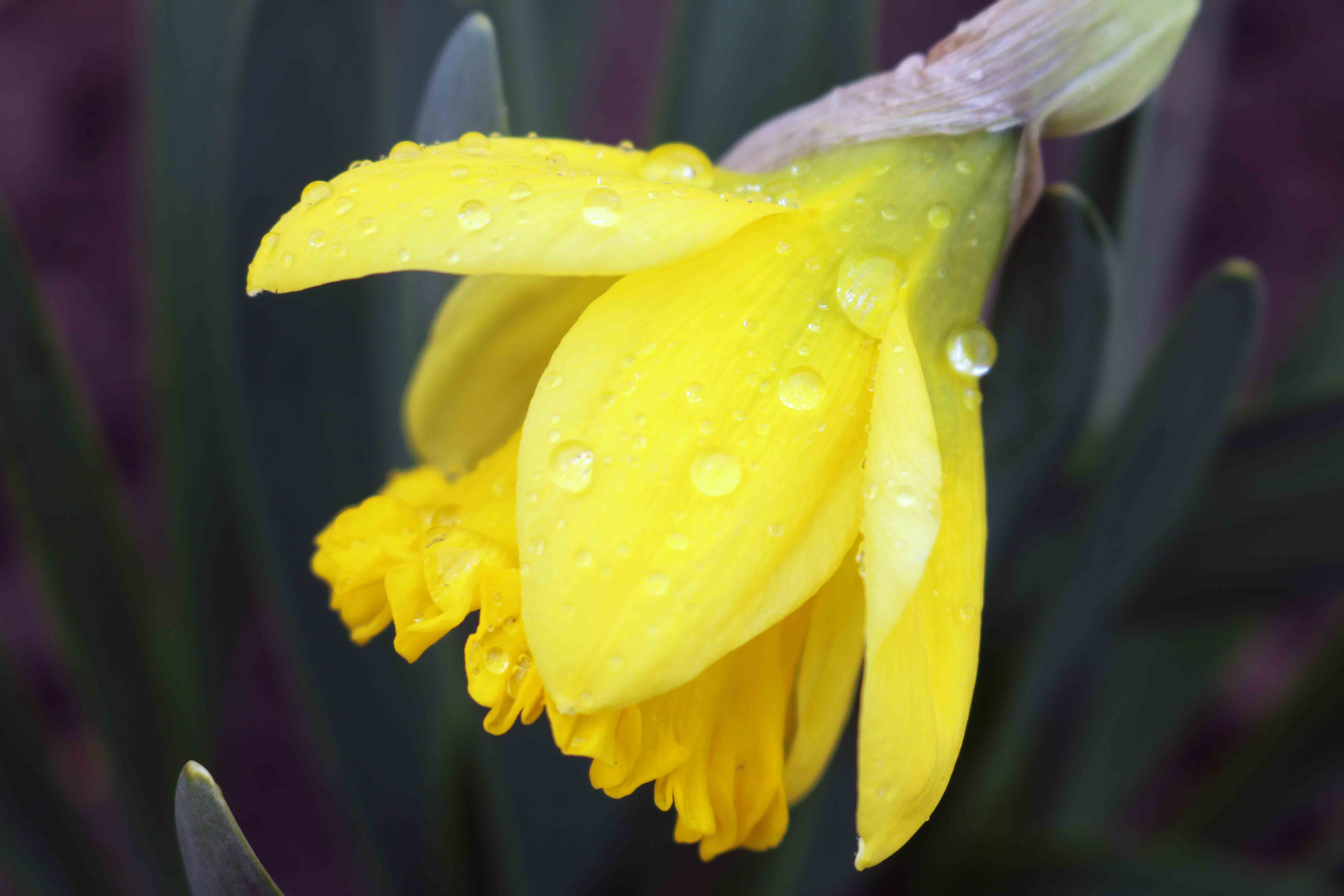
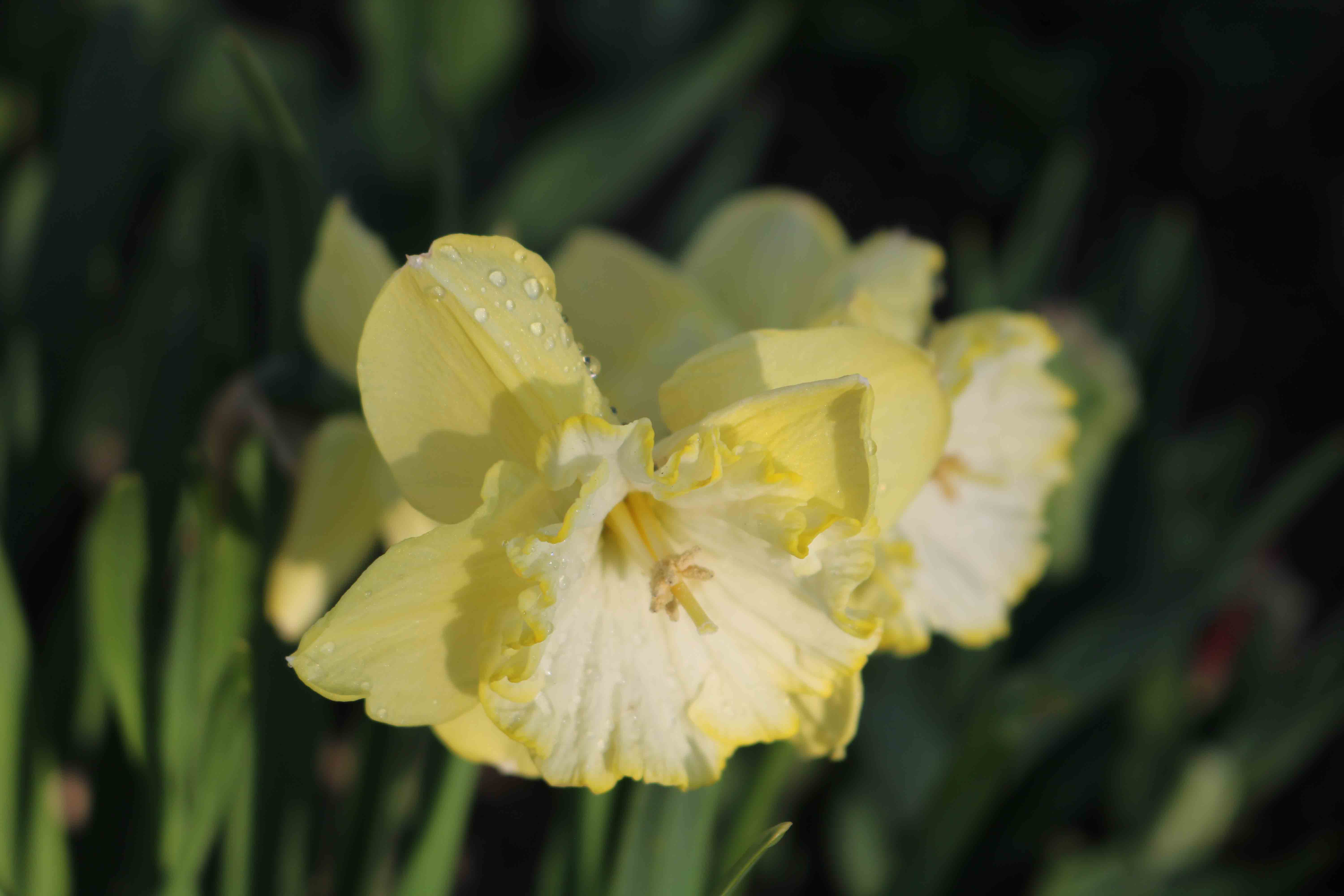
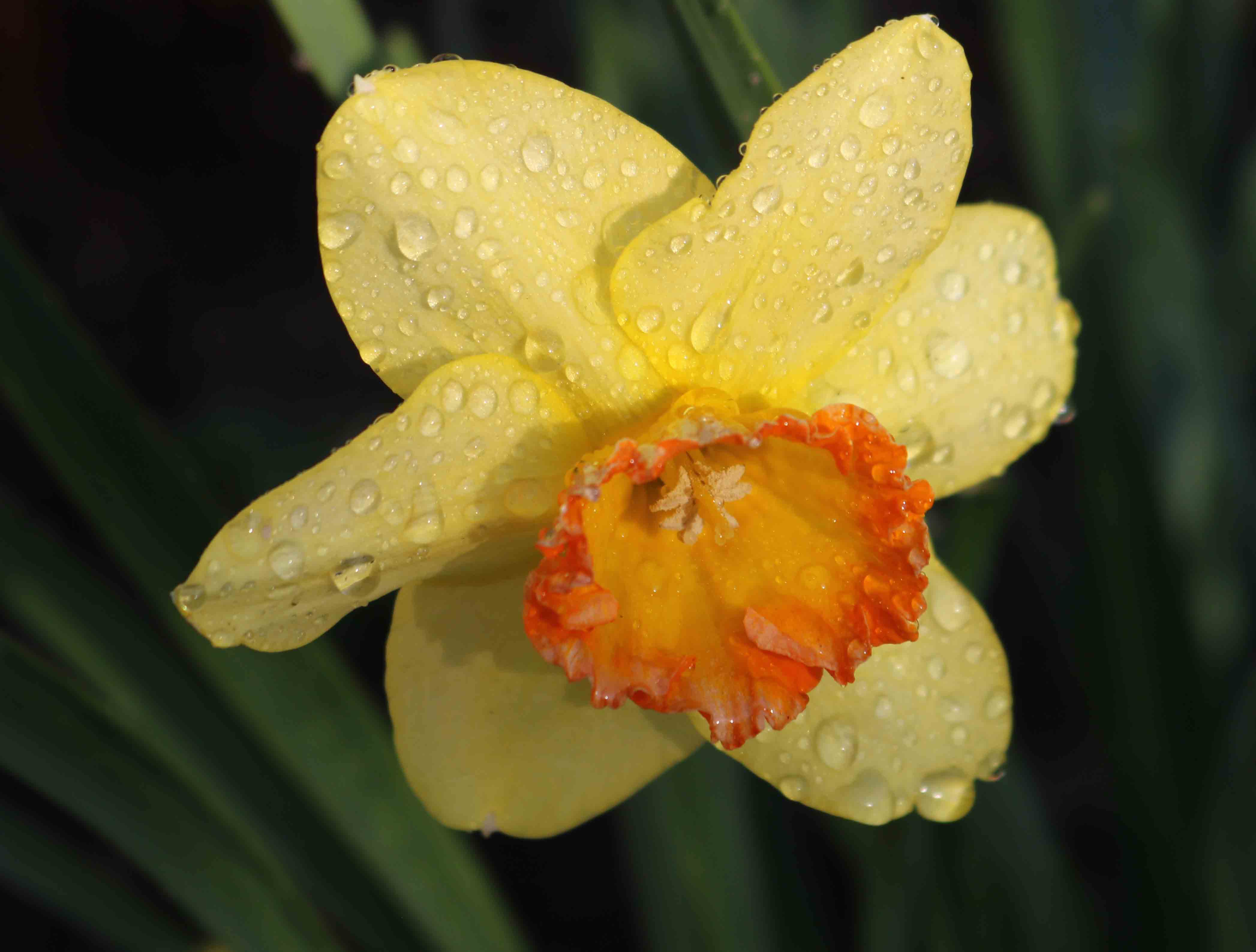
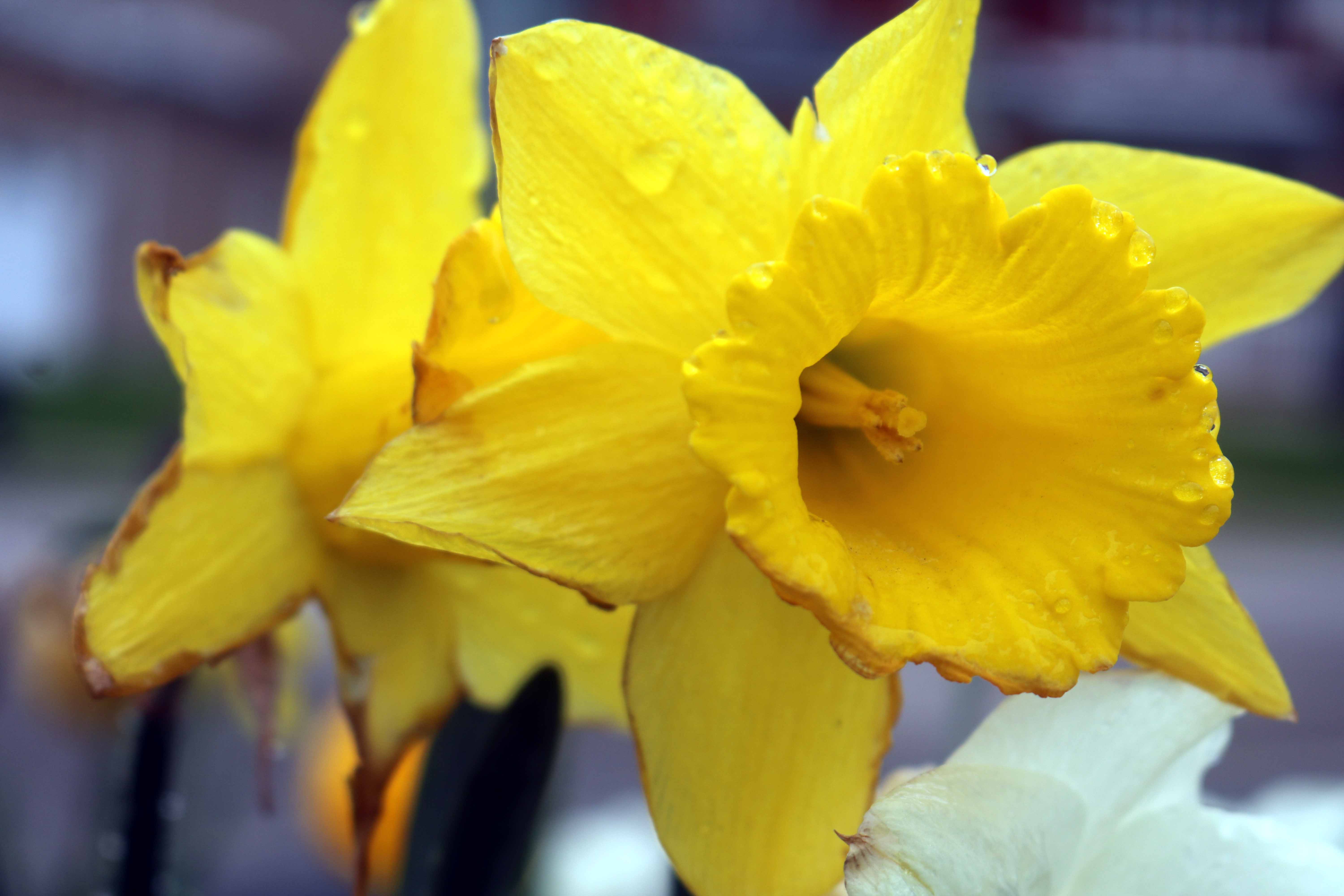
Daffodils, also known by their botanical name Narcissus, are the first flowers to bloom in our garden. The name originates from the Latin word affodill which comes from the Greek word asphodelus, which refers to a genus of flowers that emerge from fleshy rhizomes. It is believed that the Dutch put de, meaning the, in front of the word affodill, which eventually led to the name Daffodil.

Daffodils symbolise rebirth, new beginnings, hope, joy, and good luck. This symbolism could be because daffodils emerge first every spring to light up barren landscapes with their cheerful yellow, orange, and white flowers.

The centre of a Daffodil is a crown-like structure called a trumpet and is also known a Corona! 

Daffodils are the official tenth wedding anniversary flower. Chinese believe that if the Daffodils bloom for the Chinese New Year, it will bring luck to the whole household.

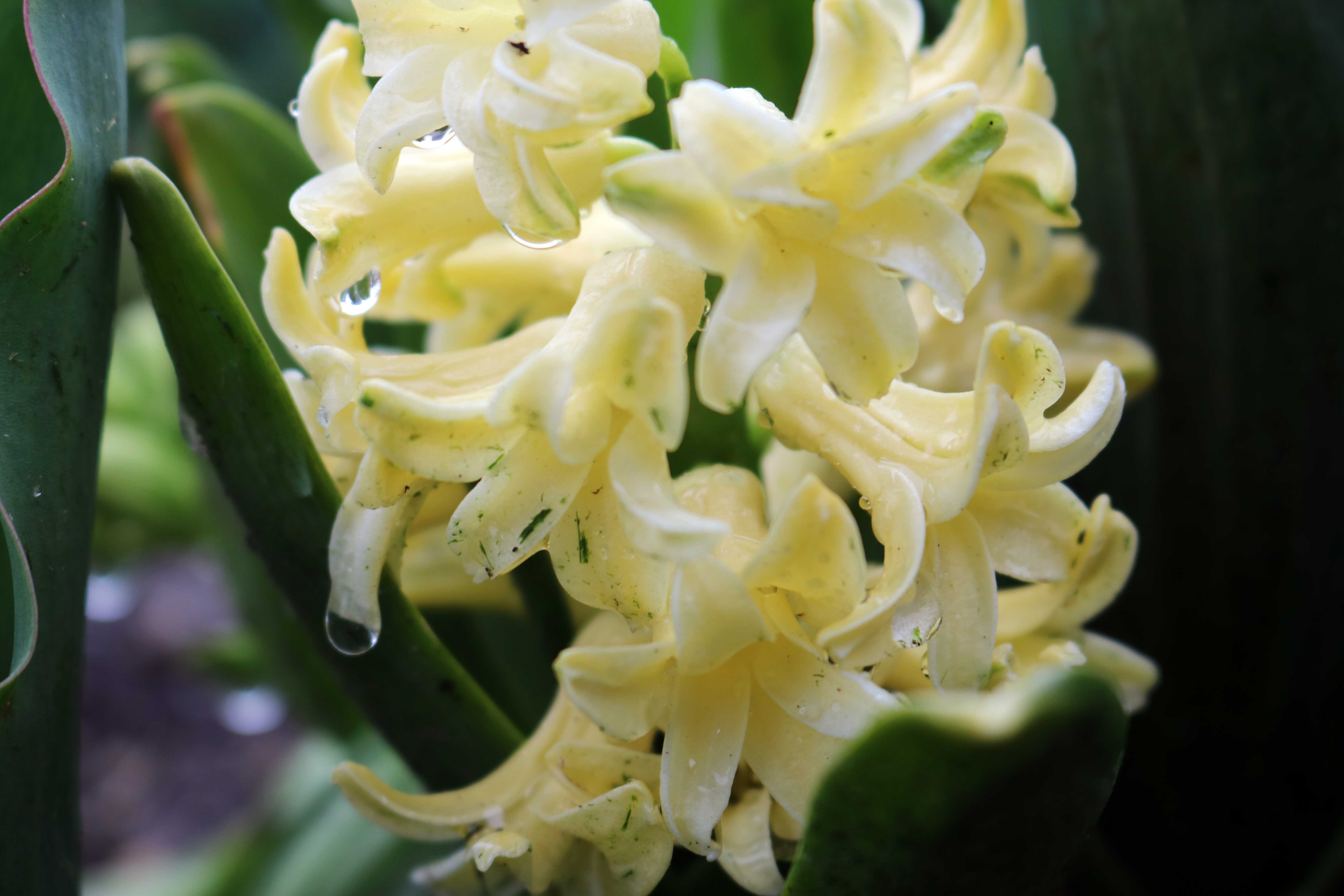
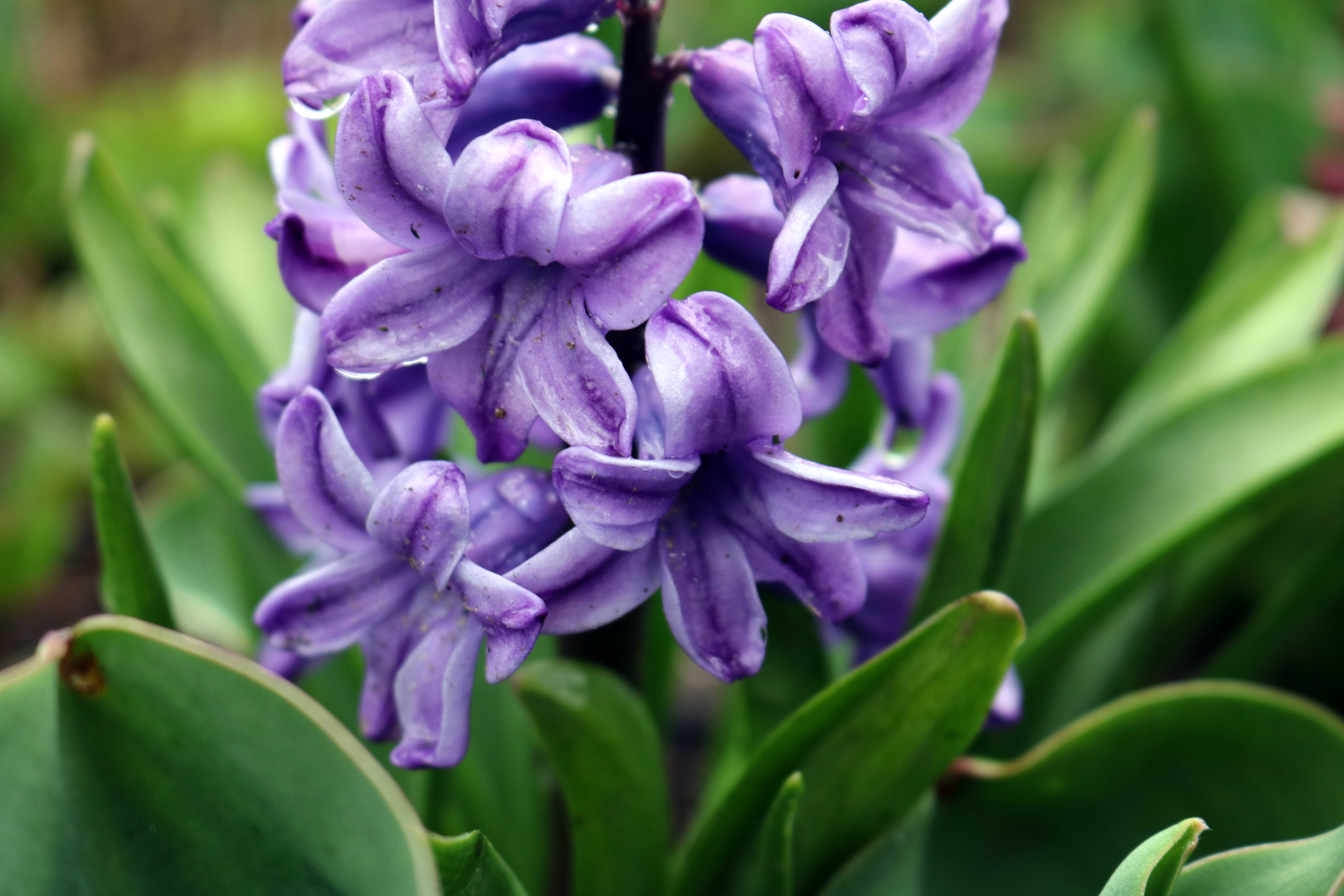
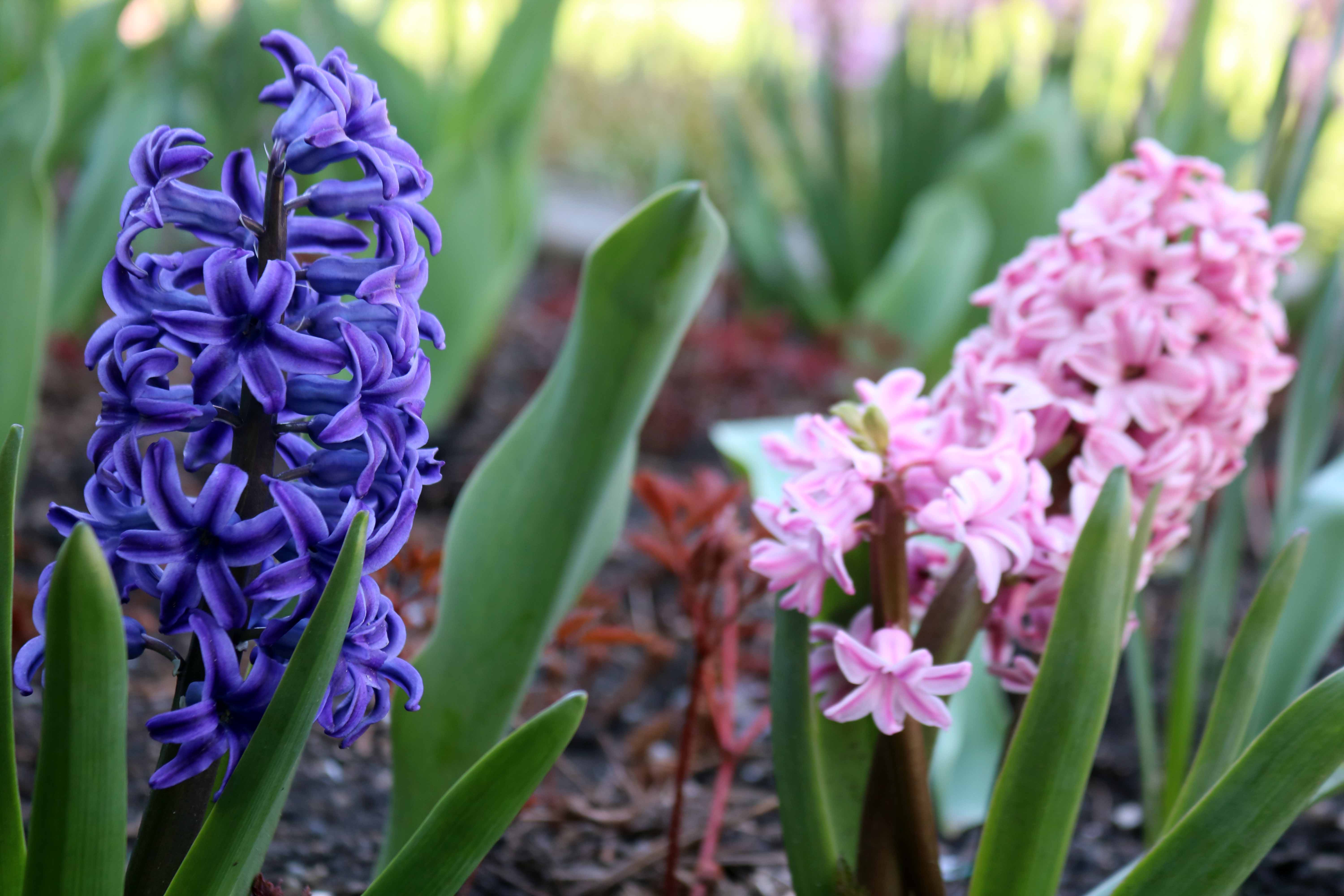
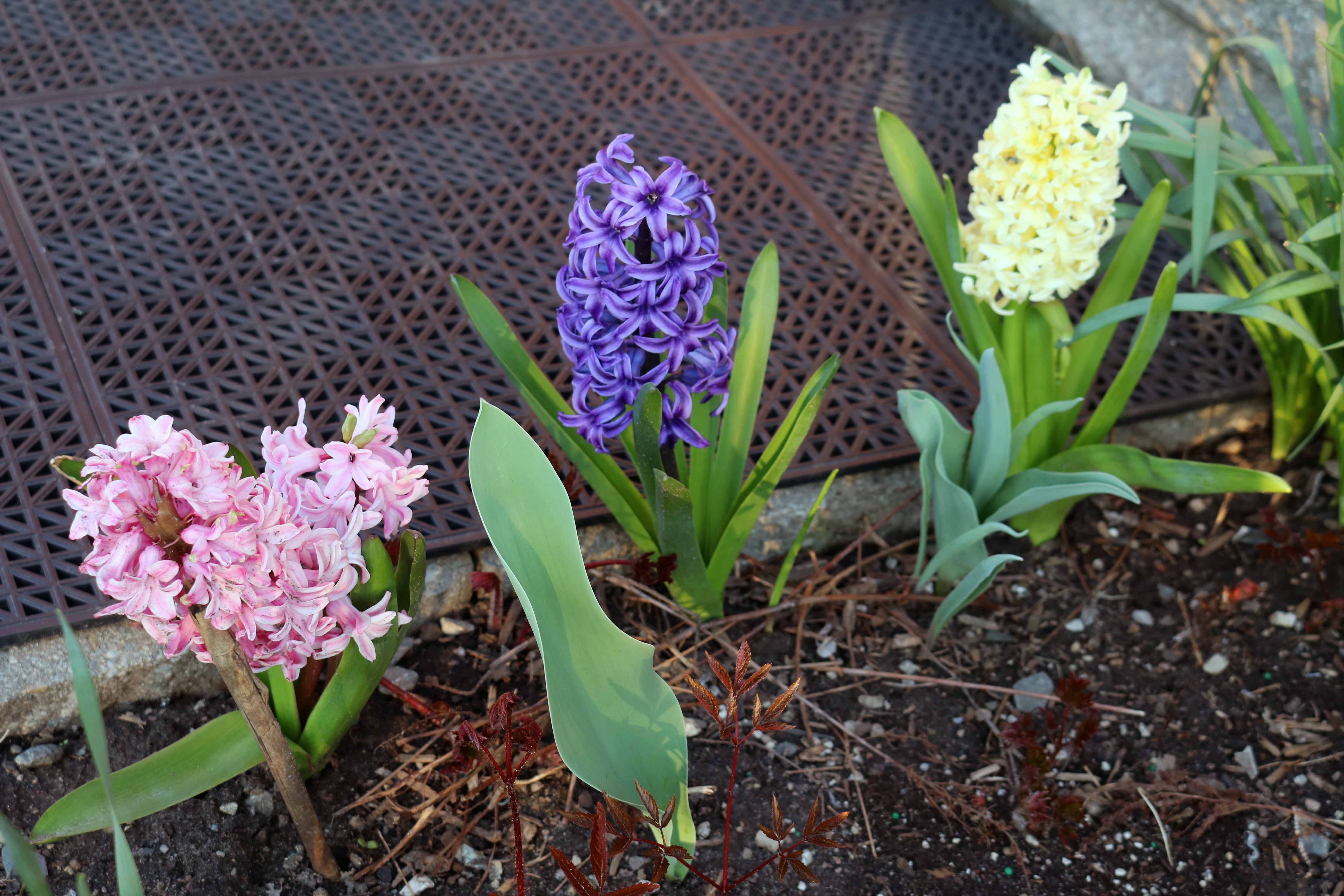
The Hyacinth bloom early spring accompanying the Daffodils and is a member of the asparagus family.

According Greek mythology legend, a young Hyacinth was killed when Apollo and Zephyrus were fighting over his affections. It is said hyacinths sprung up from his spilled blood.

The Hyacinth flower symbolises sport or play. Different coloured hyacinths carry different meanings. The blue Hyacinth signifies sincerity.

Pink hyacinths mean ‘playful joy’ while the purple flowers symbolise deep regret and white represents love and prayer.

Welcome Spring 2024

When proud-pied April, dressed in all his trim, April hath put a spirit of youth in everything, – Sonnet 98: From you have I been absent in the spring by William Shakespeare.

That is what the spirit of spring brings to each one of us. In Spring, the earth laughs in flowers.  It brings in cheer and happiness.  It is a reminder to us about the warmer days ahead.  If we did not have the freezing winter, the spring will never be so pleasant. 

We enjoy everyday of Spring more because it is the weather of birds chirping; bees flying from flower to flower collecting nectar; butterflies fluttering showing off their colourful wings.

The first blooms of spring always make my heart sing as the flowers never worry about how they are going to bloom. They bloom and turn toward the light and that makes them beautiful.

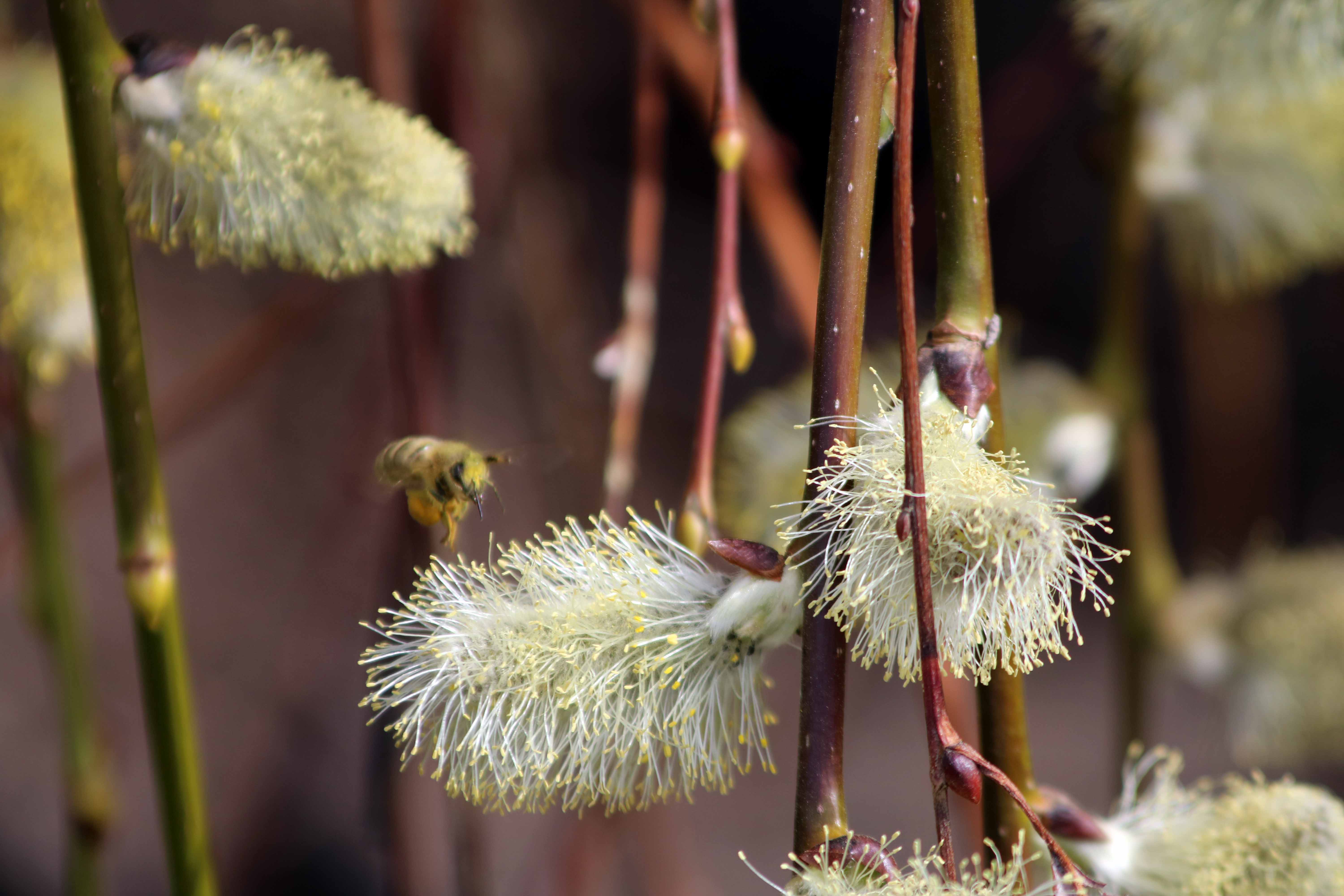
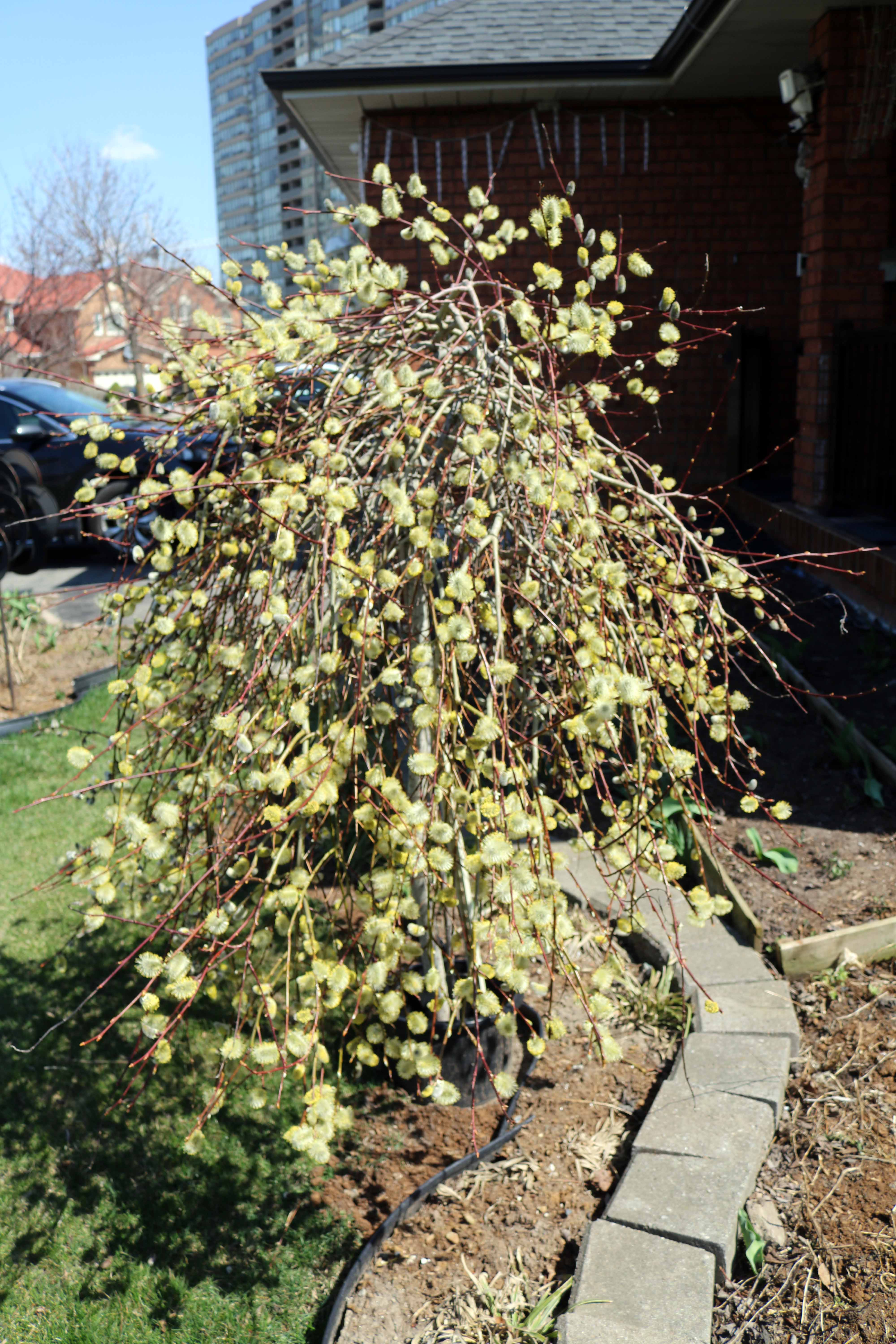
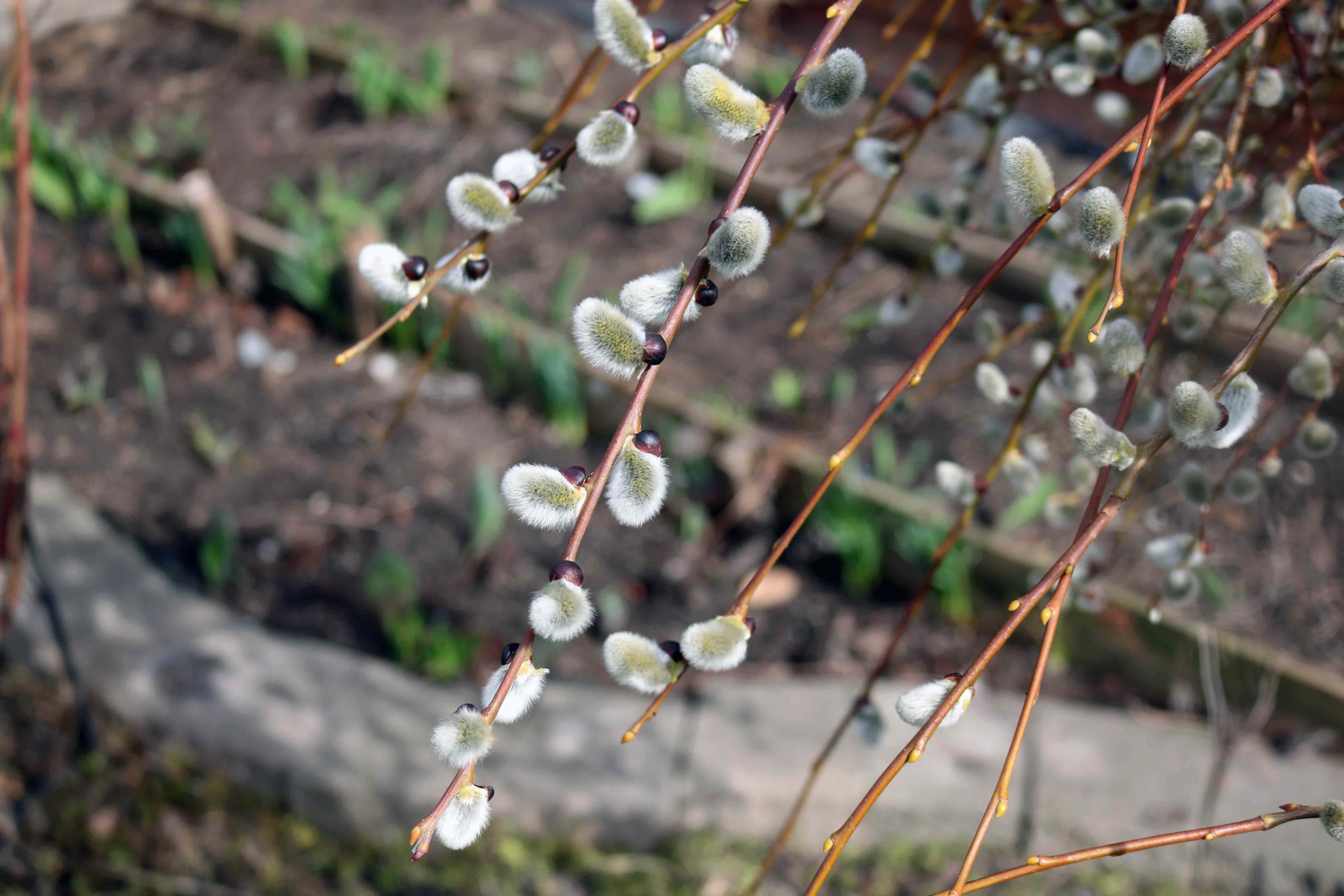
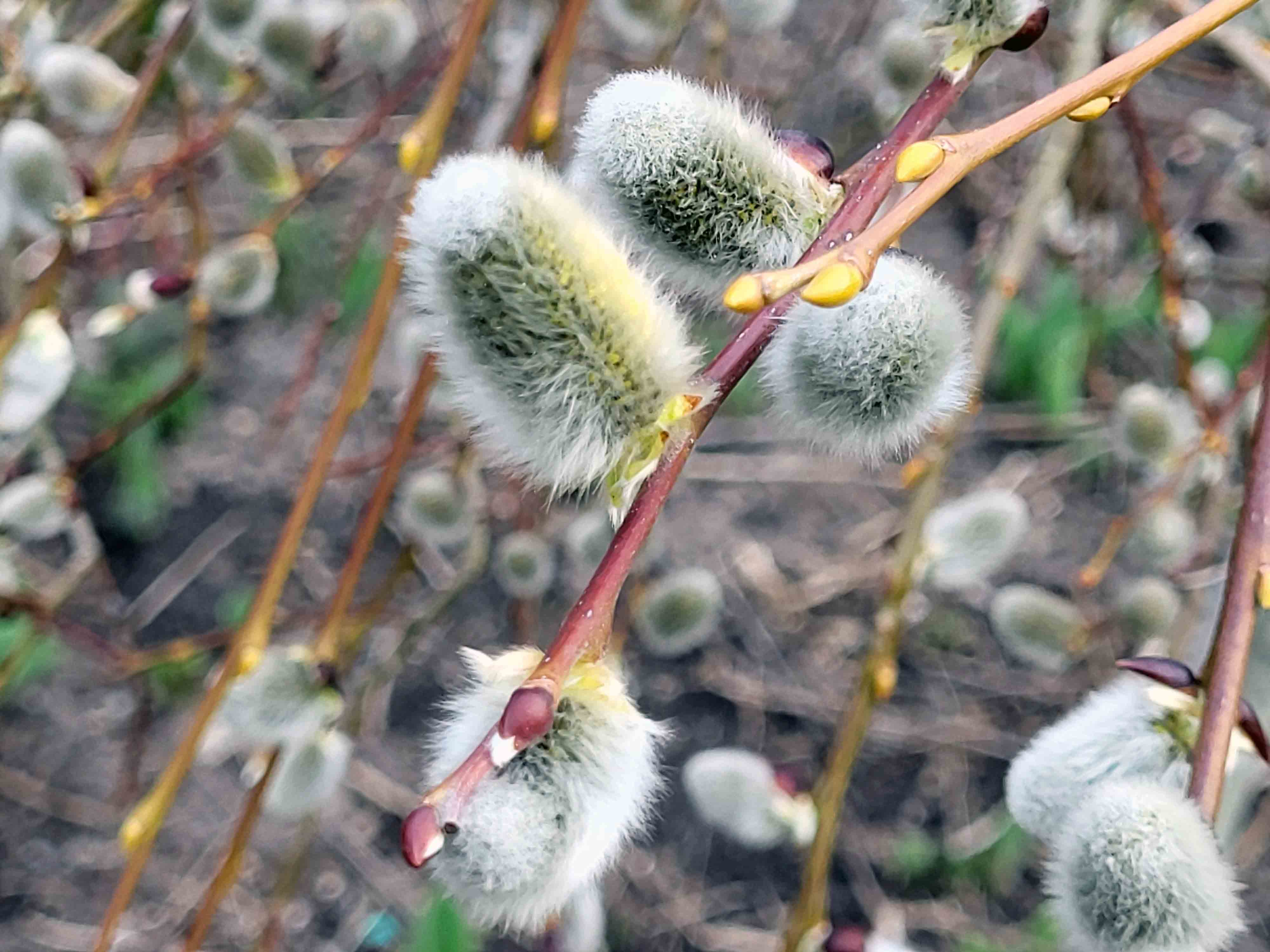
To plant a garden is to believe in tomorrow and at the end of the day in the Spring, I smell like dirt. The very first flowers that appear in our garden at the onset of Spring are on the Weeping Pussy Willow. The Salix Caprea ‘Pendula’ is commonly known as the Goat Willow or Weeping Pussy Willow, which belongs to the Caprea genus of flowering trees.

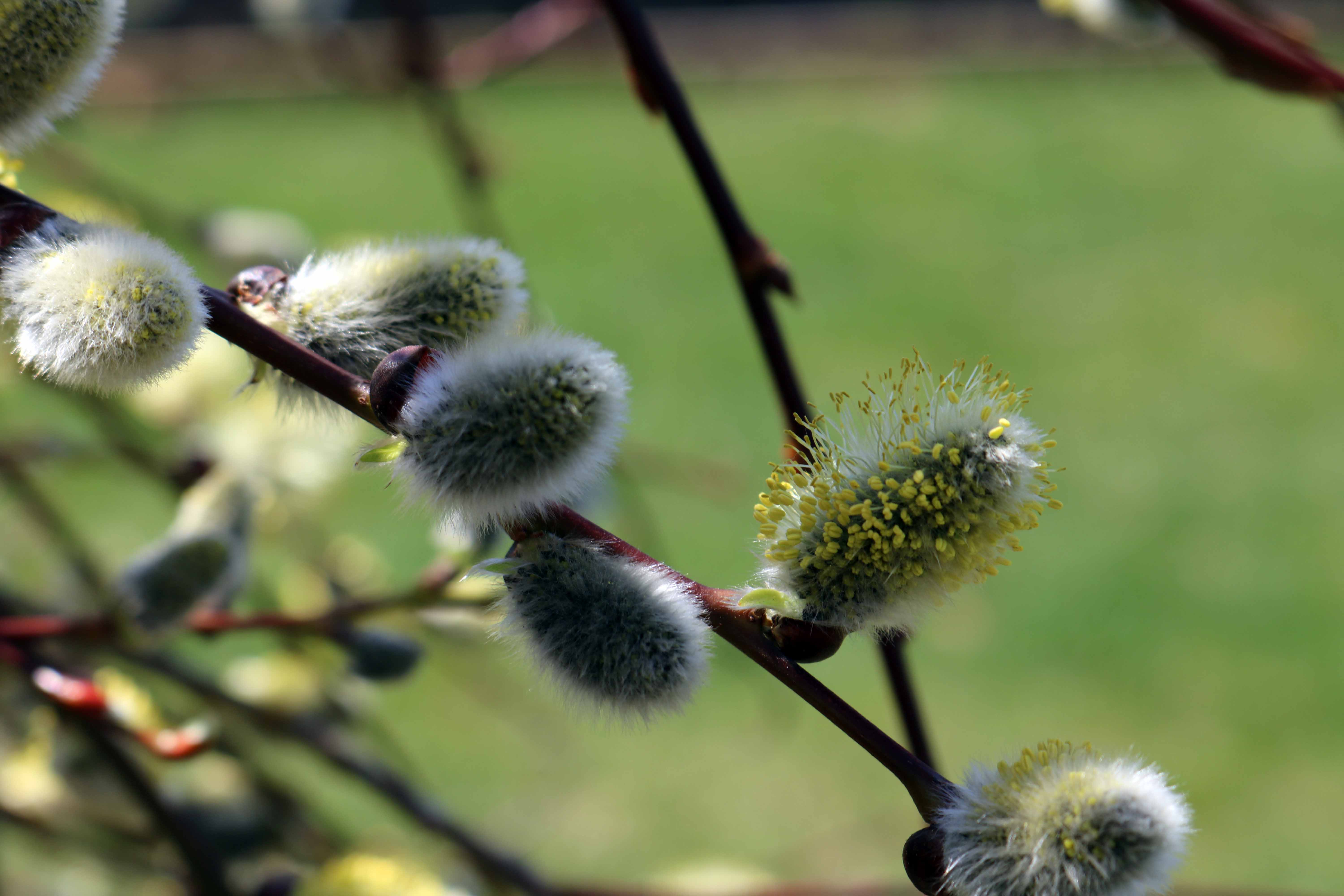
The soft coating of hairs acts as insulation to protect these early bloomers from cold temperatures. Most other willows make similar flowers, and since they’re among the very first to bloom, they’re especially delightful—they signal the onset of spring. The tree derives its name from these soft silver tufts that resemble tiny cats’ paws, feeling so much like fur.

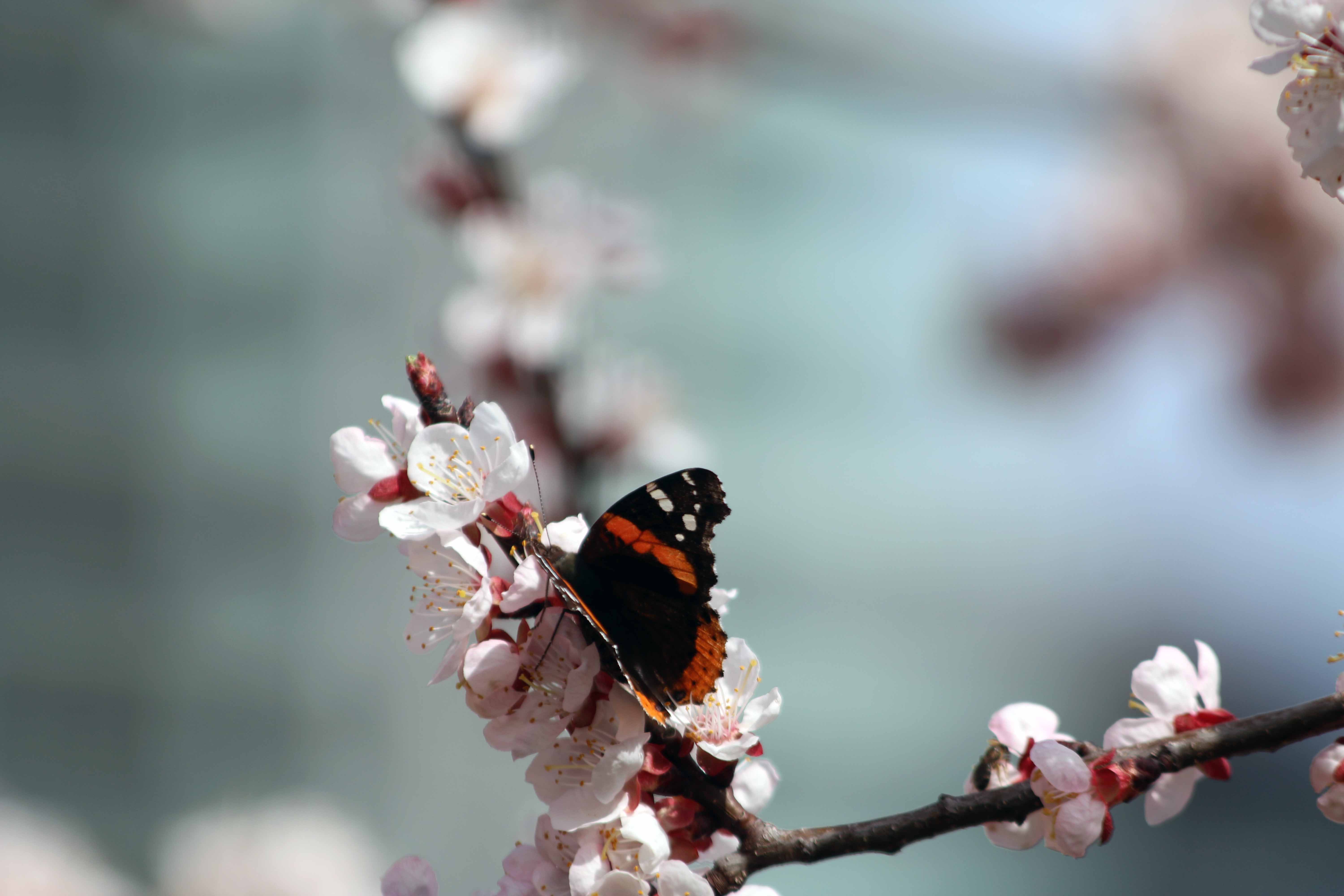
Among the fruit trees in our garden, the first to bloom are the apricots.

The pale pink and fragrant flowers are 5-petaled and appear singularly or in pairs.  Cultivation of apricot trees in China dates back 3000 years. From there apricot trees spread west throughout central Asia into Armenia. The Romans introduced apricots to Europe in 70-60 BC through Greece and Italy. Apricot trees probably moved to the US through English settlers on the East Coast,

Rose Garden – 2023

For centuries, roses have inspired love and brought beauty to those who have received them. In fact, the rose’s rich heritage dates back thousands of years. People have been passionate about roses since the beginning of time. We have over fifty bushes in our garden.
Jawaharlal Nehru, the first Prime Minister of India, was fond of Red rose. He always wore a Red rose on his jacket until his last breath.

Red is the most popular color of roses sold at Valentine’s Day, making up 60% of sales worldwide.

It is said that the floors of Cleopatra’s palace were carpeted with delicate rose petals. Shakespeare refers to roses more than 50 times throughout his writings. It is also New York’s state flower.

1,000 years old. That’s the age the world’s oldest living rose is thought to be. Today it continues to flourish on the wall of the Hildesheim Cathedral of Germany.

It was in seventeenth century that French explorer Samuel deChamplain brought the first cultivated roses to North America. Roses are truly ageless. Recently, archaeologists discovered the fossilized remains of wild roses over 40 million years old.

The people of ancient Greece used roses on festive occasions to adorn themselves with garlands of roses and splash themselves with rose-scented oil. Napoleon’s wife Josephine so adored roses, she grew more than 250 varieties.

The largest rose bloom ever bred was a pink rose measuring approximately 33 inches in diameter, bred by Nikita K. Rulhoksoffski from San Onofre, California.

Red roses are the traditional symbol for love, romance. It reflects beauty and perfection. Myth has it that Venus’ son Cupid accidentally shot arrows into the rose garden when a bee stung him, and it was the ‘sting’ of the arrows that caused the roses to grow thorns. When Venus walked through the garden and pricked her foot on a thorn, it was the droplets of her blood which turned the roses red.

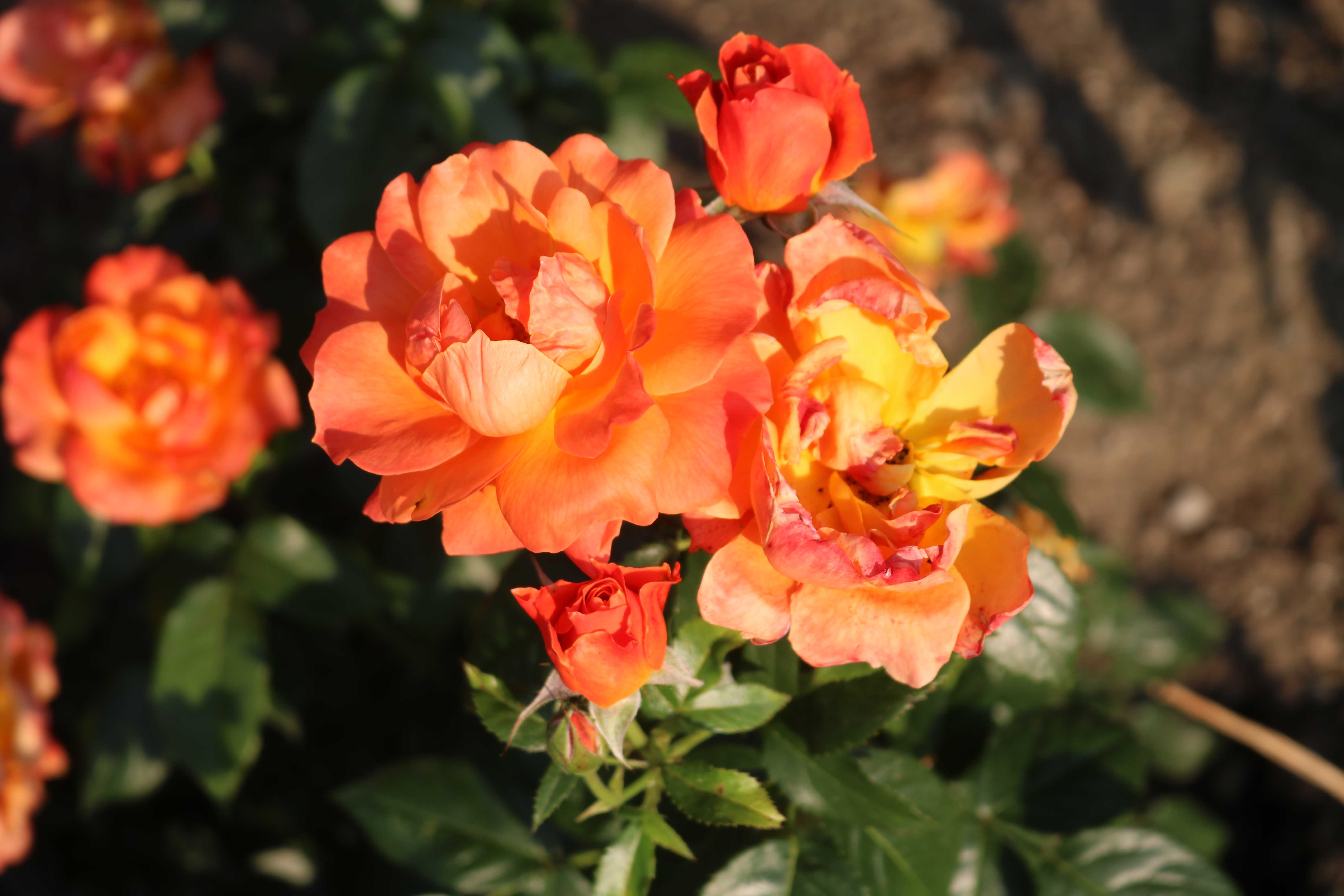
Pink Rose depicts gentleness, grace, gladness, joy and sweetness. It also conveys happiness, gracefulness, and admiration. It’s an elegant choice, perfect for a daughter, mother, or sister.

Bright, cheerful, and joyful are what come to mind when thinking of a yellow rose. Giving yellow roses can tell someone the joy they bring you and the friendship you share.

White roses, the purist of colors, represent innocence, purity, and charm. White roses are traditionally used in weddings and can represent new beginnings. Why white roses are so special is no mystery – it’s a myth. Perhaps it started with the Romans who believed white roses grew where the tears of Venus fell as she mourned the loss of her beloved Adonis.

The fun, fiery orange color conveys a message of happiness and joy. Give them to friends or family—really anyone who could use a mood-lifter! Orange roses symbolise passionate romance.

Purple roses range from lavender to darker hues, is a colour of royalty. It symbolises love at first sight and sincerity.

Love at first sight or just an enchanting way to say, I love you! Lavender roses can offer a daily reminder of your love and eagerness to grow your relationship.

Peach coloured roses are a sweet choice as a gift to your sister, teacher, or friend. It depicts appreciation and gratitude or a different way to say Thank You! They symbolise innocence and purity.

Cream roses are indicative of charm and thoughtfulness and goes well with pink thank you roses. Gifting a bunch of cream roses is an ideal way to show someone that you care – but without any romantic intentions.

How did it happen that their lips came together? How does it happen that birds sing, that snow melts, that the rose unfolds, that the dawn whitens behind the stark shapes of trees on the quivering summit of the hill? A kiss, and all was said.” Victor Hugo

What’s in a name? That which we call a rose by any other name would smell as sweet.” William Shakespeare

Peonies 2023

Peonies are outrageously beautiful in bloom, with lush foliage. They bloom from late May through June in Toronto. The flowers last only two weeks.

Their stems are not strong enough to support the heavy blossoms, hence they need support. Peony cages are placed in spring around the plant as they grow.

Peony is named after Paeon (also spelled Paean), a student of Asclepius, the Greek god of medicine and healing. They are also the 12th anniversary flower – because the peony symbolises honour, fortune, and a happy relationship.. It is the state flower of Indiana.

Peonies are native to China. They are highly valued there, and are often referred to as the King of Flowers. They were the national flower prior to 1929, when they were replaced by the plum tree. Chinese name for the peony is Sho Yu meaning Most Beautiful.

Peonies of three types grow in our garden- Tree Peonies, Herbaceous Peonies and Itoh peonies.

Herbaceous peonies (also known as bush peonies) die to the ground in Winter. They re-emerge in March, or when the snow melts. Many find that they are deer resistant, but not always. Peonies are long lived, minimal care plants.

Tree peonies are called tree peonies for the woody stems that they have. Tree peonies have woody stems that defoliate in the fall, but the woody stems stay intact, above the ground. They tend to bloom earlier and with larger flowers than the bush peony.

Itoh or Intersectional peonies are a cross between the herbaceous (or bush) peony and the tree peony. These crosses have produced new, exciting colors. The plants have the lovely leaf form of the tree peonies, but die to the ground in the Winter. Since they are recent introductions and are still in short supply they command a high price.

Itoh Peonies derive its name from Japanese horticulturist, Dr. Toichi Itoh, who successfully created seven peony hybrids from a tree peony bred with an herbaceous peony. Dr. Itoh passed away before ever seeing his creations bloom. Years later, American horticulturist, Louis Smirnow bought some of these original Itoh peonies from Dr. Itoh’s widow and continued Itoh’s work.

Peonies like full sun, and though they can manage with half a day, they bloom best in a sunny spot. They come in every color except for blue. Pink, and white, are the most popular colours. Peonies can live upto a hundred years. In ancient times peonies were believed to relieve headaches and help with asthma.

The Netherlands is the largest cut peony producer (over 40 % of the estimated world production.)surprisingly, Alaska comes next.

In two weeks the flowers wither and the pods are exposed. Like most hybrid plants, the seeds of the peony plant will not breed true when planted and are unlikely to produce a flower like the original parent plant.

Spring Tulips 2023

April rains bring in May flowers’ is a common saying in Canada. This year, tulips sprouted as the days warmed up in March to above 25o C, but the weather played truant like typical Canadian weather that come April – it was a winter blast – it was freezing. 

The trees bear flowers even before the leaves sprout. It is all because of a short summer available for them to grow fruits.

Tulips are spring flowers and it signals arrival of the coming of a new season. Most tulips have six petals, but some can have many more.

Tulips Originated in Persia and Turkey and were brought to Europe in the 16th century.

Cultivated varieties, referred to as ‘Dutch tulips,’ originated in the Netherlands.

They got their common name from the Turkish word for gauze (with which turbans were wrapped) – reflecting the turban-like appearance of a tulip in full bloom.

Yellow tulips symbolise cheerful thoughts.

The brightly colored, upright flowers may be single or double, and vary in shape from simple cups, bowls, and goblets to more complex forms.

Tulips typically bear cup-shaped flowers in almost every shade but true blue. They can be double or single, fringed or twisted, perfumed or non-scented.

Purple symbolises royalty.

Orange is a color that’s symbolic of friendship and appreciation.

The eleventh wedding anniversary flower is also tulip. It conveys forgiveness.

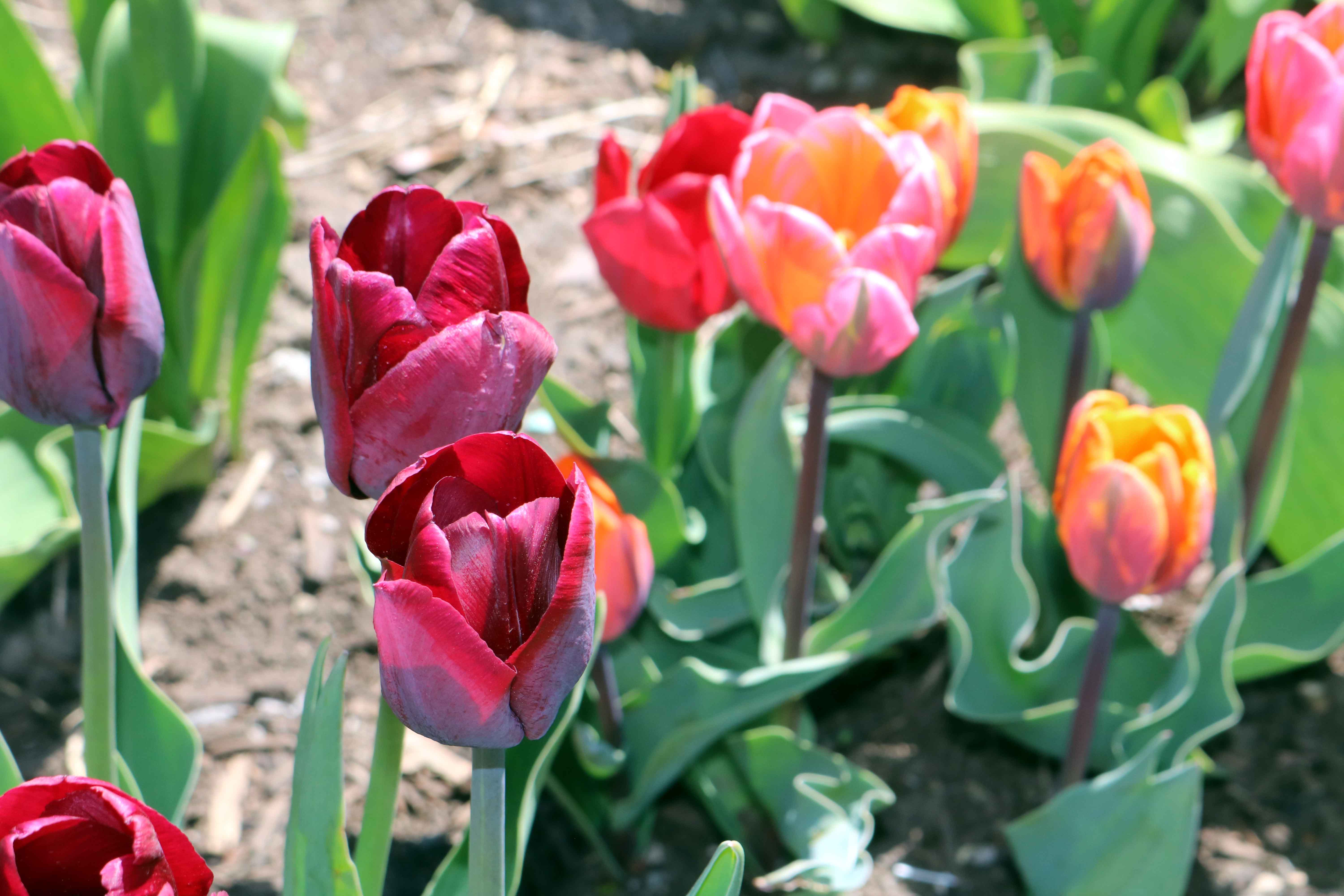
These are different shades of Red Tulips in our garden. Red tulips are most strongly associated with true love.

Red tulips are the hue of choice to express that you are deeply in love. The red colour tulips evoke passion and romance.

There are no Black Tulips.   It is very dark Red.  This is the blackest we got.

Pink tulips symbolise congratulations and the wish for good luck.

White tulips are a symbol of saying you’re sorry about something,

Some of the Tulips are still blooming – may be due to the strong variation in temperature this spring.

They are gone in two weeks – and that’s the saddest part.

Hyacinths & Daffodils – 2023

Hyacinths and Daffodils are the flowers that bloom in our garden after the Weeping Pussy Willow. 

Different coloured hyacinths carry different meanings. Pink hyacinths mean Playful Joy while the purple flowers symbolise Deep Regret and White represents Love & Prayer. Each colour flower has a unique fragrance and are commonly used in perfume making.

The Hyacinth is a member of the same family as the asparagus.  They bloom from March to April  

According to Ancient Greek mythology legend, a young Hyacinth was killed when Apollo and Zephyrus were fighting over his affections. It is believed that Hyacinths sprung up from his spilled blood.

Hyacinths originated from Turkey and the Middle East, along the eastern shores of the Mediterranean.  It was first grown in Constantinople in the 16th century. They were later introduced to Europe where hyacinth-lovers bred many new varieties and developed different colours of the fragrant flower. Today, these flowers are mainly grown in Holland.

 Hyacinths are believed to be great for a range of skin disorders such as eczema and nausea. They are also meant to help soothe sore throats and snake bites. 

Hyacinths and Daffodils, like Tulips are planted in early Autumn so that they have enough time to grow solid roots before the winter frost sets in. 

Daffodils were brought to Britain by the Romans.  The Romans believed that the daffodil sap healed wounds. It is only a myth as Daffodil sap contains sharp crystals to deter animals from eating the flower. This irritates the skin rather than healing it.

As per the Greek myth, Echo, a nymph, fell in love with a Greek named Narcissus, who told her to leave him alone. She lived alone, heartbroken. Nemesis, the God of Revenge, heard the sad story and lured Narcissus to a pool. He was so distracted by his handsome reflection that he fell in the pool and drowned. Afterwards he turned into the flower.  That is why Daffodils are also called Narcissus.

Daffodils are the birth flower for March as they are one of the first signs that spring has arrived, it makes sense that these beautiful flowers represent the first month of the season.

Legend says Daffodils are associated with cheerfulness. When they are presented to someone as a bunch, it is meant to provide happiness. However, if they are only given as a single flower, it is meant to mean misfortune.

Daffodils are the official Chinese New Year symbol. In Japan, the daffodil means joy and in France they are a sign of hope.

Daffodils are the 10th Anniversary flowers.  Daffodils, along with tin (now replaced with diamond,) are known as the traditional gifts to celebrate a decade of marriage. It is now, however, a more modern choice to celebrate with diamond jewelry instead of tin.

Daffodils are the National Flower of Wales and are  traditionally worn on St David’s Day coinciding with the time of year daffodils begin to appear.

Canadian Spring & Weeping Pussy Willow

Flowering of the Weeping Pussy Willow signals the onset of spring in our garden.

The Salix Caprea ‘Pendula,’ commonly known as the Goat Willow or Weeping Pussy Willow, which belongs to the Caprea genus of flowering trees. It is also known as Kilmarnock, as the tree was first commercially sold in 1853 by Thomas Lang of Kilmarnock, Scotland.

This tree is grafted – a Weeping Pussy Willow grafted on top of a regular Pussy Willow trunk. The tree grows pendulous branches or weeping branches and can reach up to 8 feet, while the spread of the tree can also be around 6 feet.

The weeping pussy willow is referred to by poets and philosophers as the tree of enchantment. It relates to all that is feminine – dreaming, intuition, emotion, enchantment, healing and revitalisation. The willow’s flexibility symbolises resilience and inspires us to move on with life.

Fuzzy nubs start to appear along the branches, even before the leaves sprout. It is to increase the chances of pollination by wind and the leaves do not get in the way of the pollen riding the wind.

These nubs are flowers that sprout just before they fully bloom. The soft coating of hairs acts as insulation to protect these early bloomers from cold temperatures. Most other willows make similar flowers. The tree derives its name from these soft silver tufts that resemble tiny cats’ paws, feeling so much like cat fur.

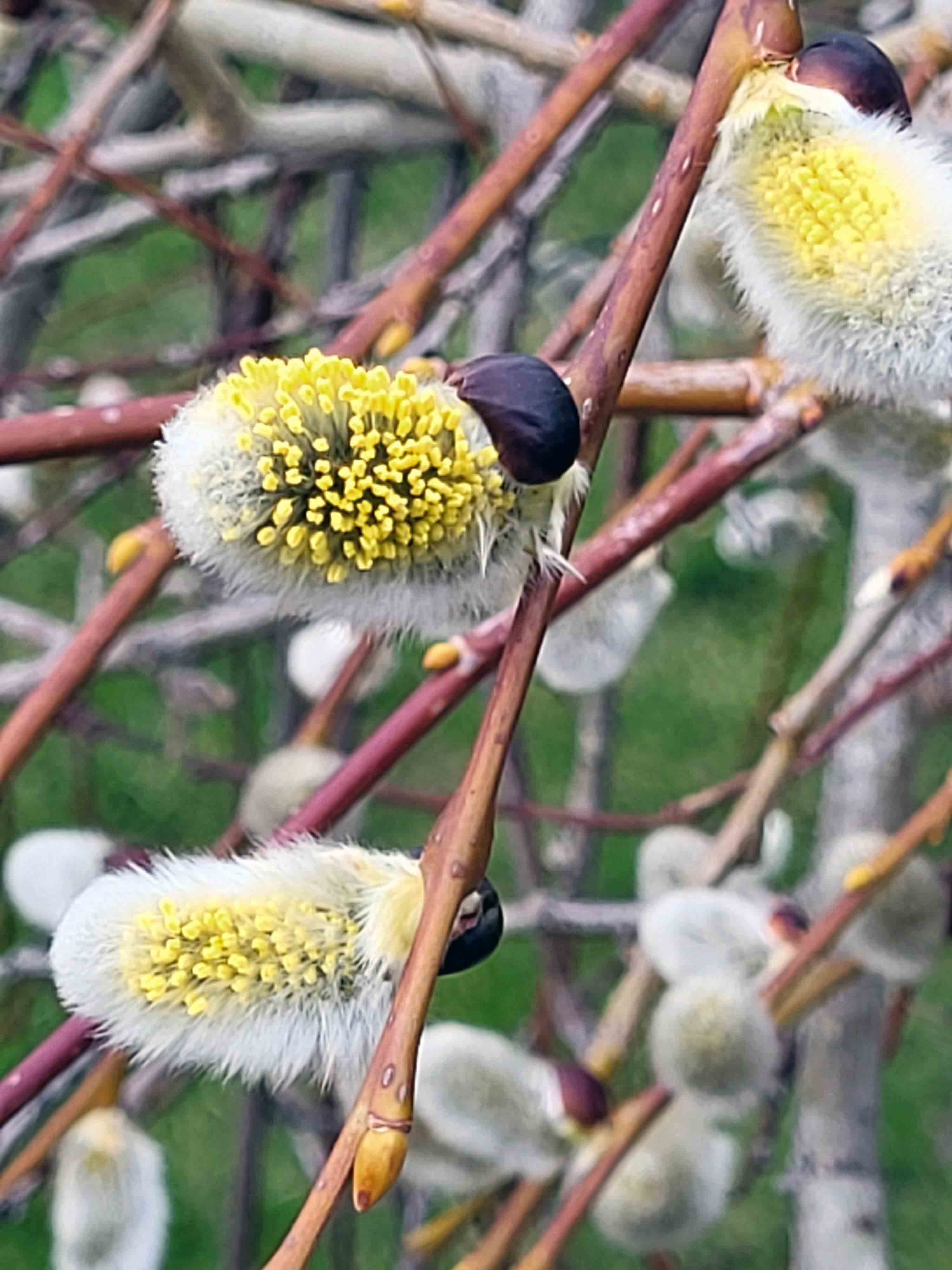
Even in full bloom, willow flowers hardly look like flowers at all. They have neither any petals nor any fragrance. Such flowers are called Catkins, derived from the old Dutch word Katteken meaning a kitten. Alder, Birch, Beech, Hazel also produce catkins.

Pussy willows are Dioecious, meaning there are male and female plants. Only male plants produce the fuzzy flowers. The flowers on female plants look more like greenish hairy caterpillars. The male catkins begin to look yellow when the pollen develop on the tips of the anthers.

Catkins usually don’t rely on pollinators to spread their pollen. Instead, they release it into the wind, where it may or may not land on the female flower parts. To hit their targets, the catkins produce a large volume of pollen. Such a massive quantity of pollen released in the atmosphere results in many humans developing allergies and breathing difficulties during this period.

These trees thrive both in sunny sites and sites with partial shade. This willow will need some sun in the afternoons. These trees are tough and are easy to maintain. The tree needs a stake until the roots are well anchored.

Earthworm Swarming

April rains bring in May flowers is a Canadian saying. After a heavy downpour last evening, I had to fling a bunch of worms off our driveway and put them back in the flowerbed. Earthworms lying on sidewalks or streets after a heavy rain is a common sight in Canada on the onset of spring. They move out of their burrows and swarm the roads, sidewalks, and driveways.

Why do they do this?

Scientific name for earthworms is Lumbricus Terrestris Lumbricus in Latin means a worm and Terrestris means of the earth.They belong to Oligochaeata class meaning few bristles. The bristles help the worms to stay anchored in the soil as they move. Oligochaetes are distinguished from other worms by their lack of legs. Instead, Oligochaetes move by contracting and relaxing their longitudinal muscles, which run along the length of their body.

Researchers hypothesise several reasons why heavy rain bring these worms out of their soil homes.  Many scientists opine that they come out to the soil surface after a good rain to prevent drowning in their water-filled burrows.

Earthworms do not have lungs.  They breath through their skins. They need moisture-enriched soil with a certain oxygen content to survive. They are least likely to drown and can survive several days fully submerged in water if oxygen levels are right.

Some experts believe that the earthworms surface during rains for migration purposes as it gives them an opportunity to slither through greater distances across the wet soil surface or grass surface than they could through soil.

Image Courtsey http://www.naturewatch.ca

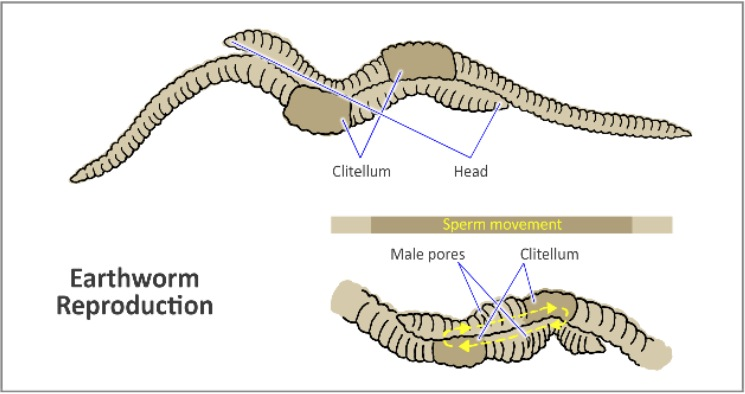
Certain species of earthworms surface to mate, but only a few of the 4,400 existing species, making it unlikely that mating is a primary reason for this surfacing. Earthworms are hermaphrodites, meaning an individual worm has both male and female reproductive organs. Earthworm mating typically occurs after it has rained and the ground is wet.

Being hermaphrodites, they can fertilise themselves (parthenogenesis,) but is rare. They emerge from the soil and jut out their anterior end. They wait for another earthworm to point in the opposite direction. The two worms join together and a mucus is secreted so that each worm is enclosed in a tube of slime. The eggs of both mates become fertilised with the sperms of the other.

Another explanation involves rain drop vibrations on the soil surface sounding like predator vibrations, like that of moles or birds. Earthworms often come to the surface to avoid falling prey. According to Professor Josef Gorres of the University of Vermont’s Department of Plant and Soil Science, “Rain can set up vibrations on top of the soil like mole vibrations. Similar to how earthworms move upwards and out of the way when predator vibrations are felt, they could move in a similar way for rain vibrations.”

What happens when drought conditions prevail?

During the peak of summer or during draught conditions, earthworms burrow deeper. They may either die or revert to a hibernation called diapause. In a diapause state, they coil up in knots in a little hole with a slimy substance to avoid moisture loss. Eggs in cocoons survive prolonged drought, allowing earthworm populations to survive drought periods.

According to Mary Ann Bruns, Associate Professor of Agronomy/Soil Microbiology in the Department of Crop and Soil Sciences at Penn University, “Earthworms dig deeper into the soil where it is moister when conditions are dry. They will do all they can to avoid extreme temperature fluctuations.

Anglers looking for earthworms as baits create vibrations to coax worms from their burrows.  They run a piece of steel or a hand saw across the top of a stake, which causes a rubbing sound to occur as the stake vibrates. These vibrations cause the earthworms to move to the surface. 

Earthworms are the true friend of a gardener or a farmer. Presence of earthworms is a sign of healthy soil. The burrowing and feeding activity of earthworms has a positive effect on soil quality. The burrows help in water infiltration, soil aeration and improve soil porosity. Earthworm are known to easily consume two ton of dry matter per acre per year, partly digesting and mixing it with soil.  Earthworm casts improve soil fertility as they have higher nitrogen, phosphorus, potassium, and calcium contents. 

In the Netherlands, some soils reclaimed from the sea at first did not have any earthworms. In these soils the formation of topsoil with reasonable organic matter content did not take place, resulting in poor crop growth. Once the cause was established, the government of the Netherlands started a campaign to introduce earthworms. After the introduction of the earthworms, a dark topsoil layer was formed, and crop growth increased substantially.

In the spring mornings, armed with a dustpan and a brush, I collect all the earthworms on our driveway and deposit them in the garden soil.

Tips to encourage or sustain a healthy population of worms in your garden are:-

  • Reduce tilling your soil.
  • Leave organic matter on the surface.
  • Add organic manure and compost.
  • Avoid chemicals – fertilisers, insecticides, pesticides, weedicides, etc.
  • Use an organic mulch to keep soil moist and cool.

Natural science has not come out with any conclusive reasons as to why earthworms surface after a heavy rain in spring, but they continue to surface every spring.

Peony 2022

Peony ows its name to Paeon, the Greek mythological physician to the gods, who extracted a milky liquid from the root of a plant to cure Pluto. Asclepius, the Greek god of medicine wanted to kill Paeon out of jealousy. Zeus, the Greek god of the sky saved him by turning him into a Peony.

Another myth links the name Peony to a nymph named Paeonia whose beauty attracted the attention of Apollo, the Greek Olympian deity. Out of spite, Aphrodite, Greek goddess of love and beauty, turned her into a Peony. This legend is likely what led to the flower’s meaning of poor luck in the Victorian age.

Chinese often refer to Peony as the ‘King of flowers.’ They were the national flower prior to 1929, when they were replaced by the plum tree. The Chinese name for the peony is ‘Sho Yu’ meaning ‘most beautiful.’

In the Eastern world, peonies were mainly used for their medicinal properties to relieve pain associated with childbirth.
Marco Polo described Peonies, when he first saw them, as: ‘Roses as big as cabbages,’ as the bowl-shaped Peony flowers can reach up to 10 inches in diameter.
Their stems are not strong enough to support the heavy blossoms, hence they need support.  Peony cages are placed in spring around the plant as they grow.
They are also the 12th anniversary flower – because the peony symbolises honour, fortune, and a happy relationship. It is the state flower of Indiana.

Peonies come in every color except for blue. The Peony features five or more large outer petals called guard petals. At the centre of the Peony are the yellow stamens or modified stamens.
Peonies are regarded as a symbol of good fortune and a happy marriage. That is why you find them in all the marriage bouquets in North America. Pink: is the most romantic form of Peony.
Pink, and white, are the most popular colours.
Deep Red is most prized in China and Japan and has the strongest ties to honour and respect and also wealth and prosperity.
White or Very Pale Pink symbolise bashfulness, ideal gift for those times when you’ve said or done something wrong and want to apologise.
Yellow Peony symbolises a of new beginning or a fresh start. An ideal gift as a housewarming gift, or to wish someone luck as they begin a new job.

Peonies of three types grow in our garden- Tree Peonies, Herbaceous Peonies and Itoh peonies.
Herbaceous peonies (also known as bush peonies) with long narrow thick green leaves, they die to the ground in Winter. They re-emerge in Spring when the snow melts.

Tree peonies are characterised by their woody stems. They defoliate in Fall, but the woody stems stay intact above the ground. They tend to bloom earlier and with larger flowers than the bush peony. Thus, they are in competition with the Tulips which are on their way out.
Itoh or Intersectional peonies are a cross between the herbaceous peony and the tree peony.  These crosses have produced new, exciting colours.  The plants have the lovely leaf form of the tree peonies but die to the ground in the Winter.  Since they are recent introductions and are still in short supply, they command a high price.
Itoh or Intersectional peonies are a cross between the herbaceous (or bush) peony and the tree peony. These crosses have produced new, exciting colours. The plants have the lovely leaf form of the tree peonies but die to the ground in the Winter. Since they are recent introductions and are still in short supply, they command a high price.

Itoh Peonies derive its name from Japanese horticulturist, Dr Toichi Itoh, who successfully created seven peony hybrids from a tree peony bred with a herbaceous peony. Dr Itoh passed away before seeing his creations bloom. Years later, American horticulturist Louis Smirnow bought some of these original Itoh peonies from Dr Itoh’s widow and continued Itoh’s work.

Irony is that these large beautiful flowers last only a week or ten days.

Daffodils 2022

This year the weather played truant with temperatures reaching over 200 Celsius in March, followed by sub-zero temperatures and snow mid April. The plants did well to survive through the roller-coaster weather to bloom well.

We welcome Spring with the Daffodils blooming. They are the first flower to bloom in our garden with Hyacinths.

Hyacinths are spring-blooming bulbs with richly colored flowers and an incredible fragrance.

Daffodil – genus Narcissus, refer to the trumpet-shaped springtime blooms. Daffodil is the national flower of Wales.
Golden yellow daffodils are an iconic spring flower.  They also come in various combinations of white, pink and orange, with or without yellow, in intense and pastel shades

The Romans believed that the daffodil sap healed wounds, but daffodil sap contains sharp crystals to deter animals from eating the flower. This irritates the skin rather than healing.
Greek myth has it that nymph Echo fell in love with a Greek named Narcissus, who told her to leave him alone. She was heartbroken. Nemesis, the God of Revenge, heard the sad story and lured Narcissus to a pool. He was so distracted by his handsome reflection that he fell in the pool and drowned. Afterwards he turned into the flower.
Daffodils symbolise friendship and new beginnings. They are one of the first signs of Spring and are also strongly associated with Easter because of this reason. 

In England they are also known as Lent Lilies.

In China, the daffodil symbolises good fortune and they are the official Chinese New Year symbol.
In Japan, the daffodil means joy and in France they are a sign of hope.

Spring Snowfall

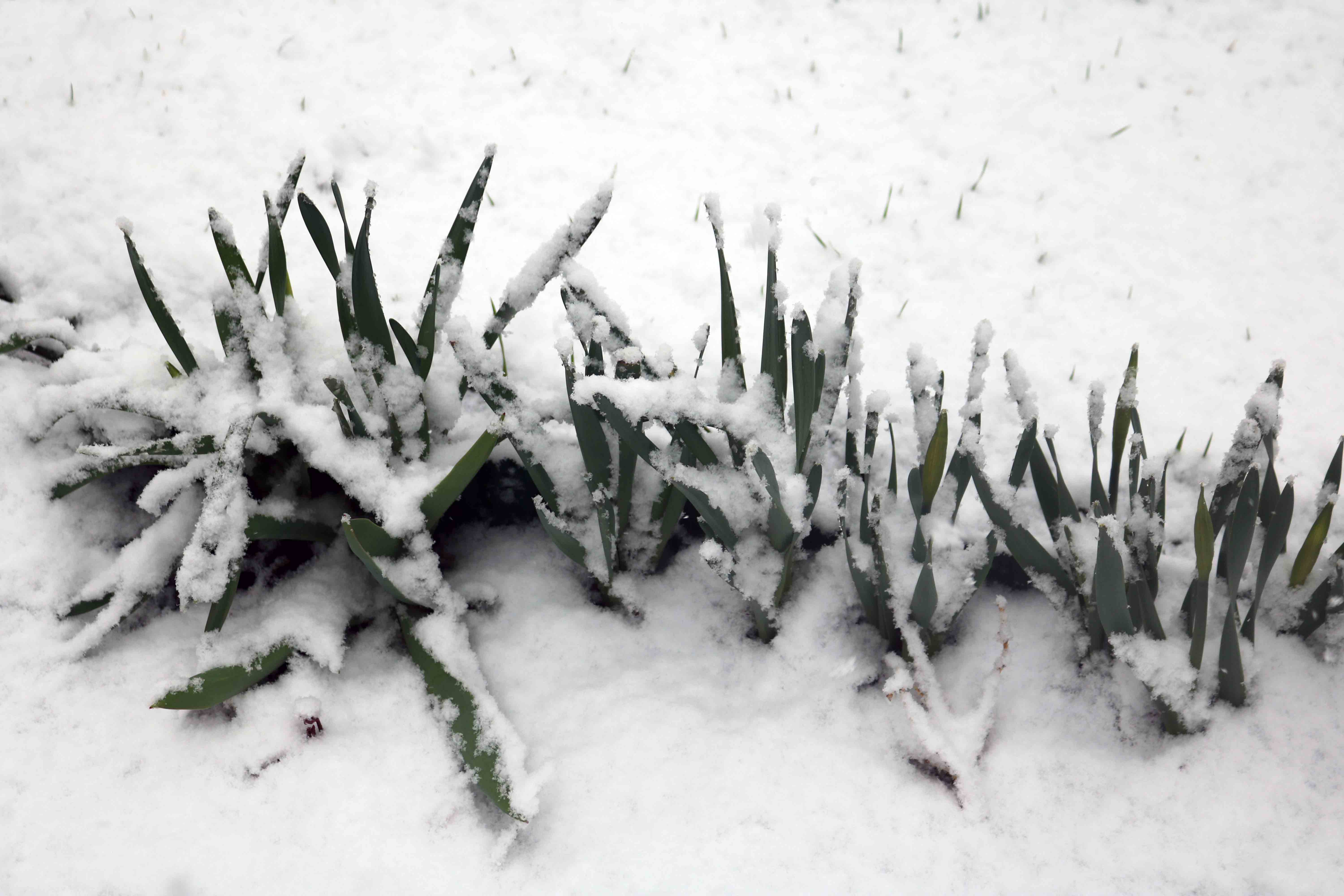
Easter Monday, April18, 2022, 4 PM – we were in for a surprise – Snowfall after the onset of Spring with the Spring Equinox on 20 Mar 2022.  This date marks the astronomical first day of spring around the Northern Hemisphere. In the Northern Hemisphere, March equinox (Spring Equinox or Vernal Equinox) is when the Sun crosses the Equator, heading North. This is Utttarayana as per Hindu Astronomy. After this date, the Northern Hemisphere is tilted more toward the Sun, resulting in increasing daylight hours and warming temperatures. 
Environment and Climate Change Canada (ECCC) dutifully announced the arrival of Spring on March 20 and I obediently put away the snow-blower and the snow shovels in the shed.  The weather is expected to be warmer during the final days of April, but a cooler pattern is expected for early May.
The snowfall predicted was for about eight inches, what came down may be a bit more.  Blame it on Climate Change or Global Warming!
It appears that Mother Nature too was tricked by the weather.  Daffodils have already sprouted and grown over eight inches tall. They will all thrive through this Spring-Snow-Storm and will flower in a fortnight.
It is a Canadian saying that ‘April rains bring in May flowers.’ Tulips in our garden are also getting buried under the snow.  What will April snow bring this May?
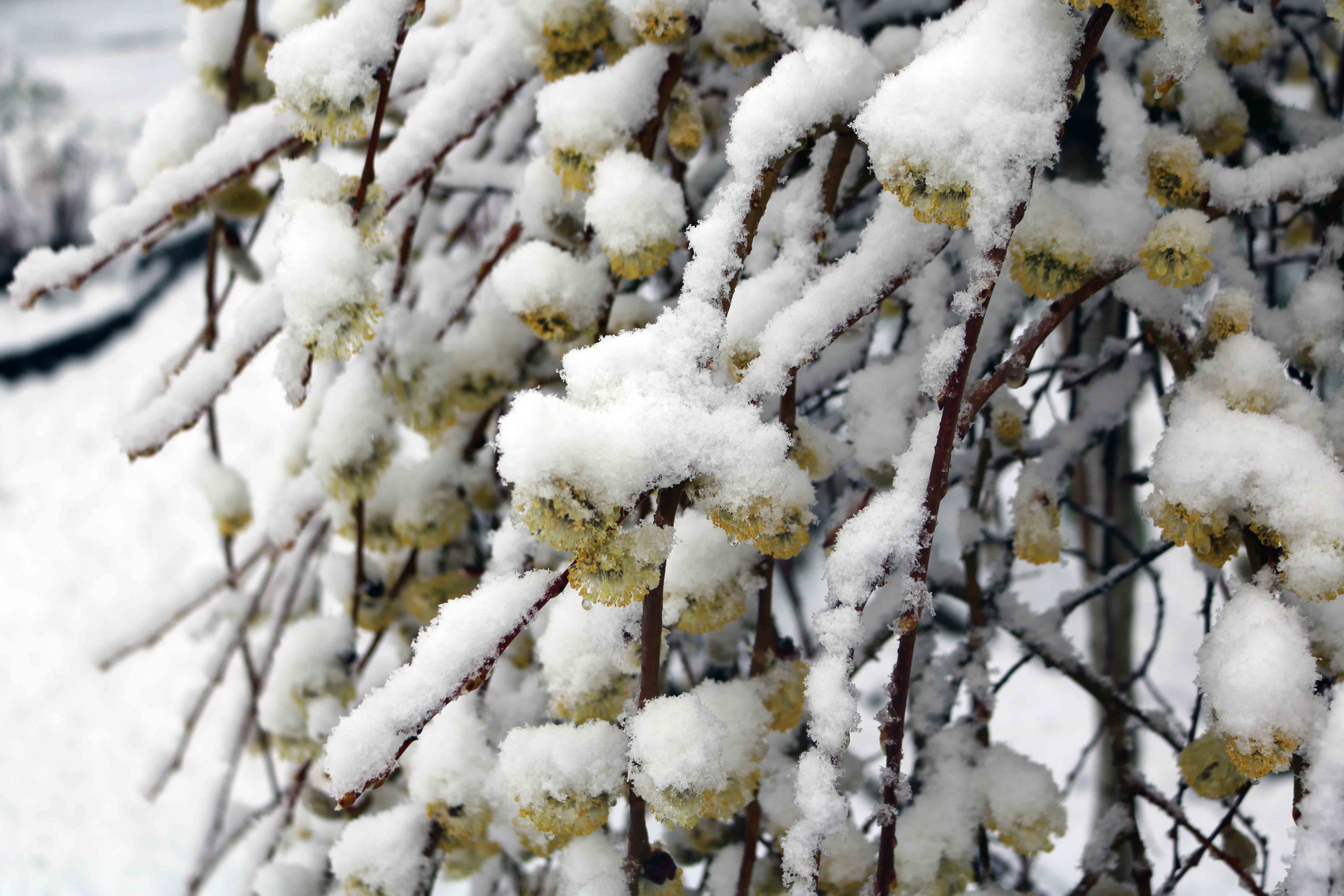
The Weeping Pussy Willow catkins flowered, and they will lose their pollens with the snow piling on them. Some of the flowers in the inside will survive this onslaught of snow. 
A tricky storm track and a delicate temperature gradient hovering around 2oC resulted in this unprecedented spring snowfall.  During this time of the year, the difference between a snowfall and a chilling rain is only a few degrees Celsius. 

Weeping Pussy Willow

The very first flowers that appear in our garden on the onset of Spring is on the Weeping Pussy Willow.  The Salix Caprea ‘Pendula’ is commonly known as the Goat Willow or Weeping Pussy Willow, which belongs to the Caprea genus of flowering trees.
The tree grows pendulous branches and can reach up to 8 feet, while the spread of the tree can also be around 6 feet.
Fuzzy nubs start to appear along the branches, even before the leaves sprout. The reason for this is so that the leaves don’t get in the way of the pollen travelling on the wind, so the chances of pollination are increased.
These nubs are flowers that sprout just before they fully bloom. The soft coating of hairs acts as insulation to protect these early bloomers from cold temperatures. Most other willows make similar flowers, and since they’re among the very first to bloom, they’re especially delightful—they signal the onset of spring. The tree derives its name from these soft silver tufts that resemble a tiny cats’ paws, feeling so much like fur.
Even in full bloom, willow flowers hardly look like flowers at all. They have neither any petals nor any fragrance. Such flowers are called Catkins, derived from old Dutch word Katteken meaning a kitten. Alder, Birch, Beech, Hazel also produce catkins.
Pussy willows are Dioecious, meaning there are both male plants and female plants. Only male plants produce the fuzzy flowers. The flowers on female plants look more like greenish hairy caterpillars.
The male catkins begin to look yellow when the pollens develop on the tips of the anthers.
Catkins usually don’t rely on pollinators to spread their pollen. Instead, they release it into the wind, where it may or may not land on the female flower parts. To hit their targets, the catkins produce a a large volume of pollen. Such massive quantity of pollens released in the atmosphere results in many humans developing allergies and breathing difficulties during this period.

Early Summer Flowers : 2021

We all love to see colourful blossoms in our garden. These blooms are meant to attract pollinators. This completes the Mother Nature’s cycle of sex and reproduction. Insects, the major pollinators, their activity in our garden picks up in late June, July and early August and as a result she has planned things nicely: this is the most intense flowering period in the garden. Perennials that flower for the longest period of time and attract the greatest number of insects.
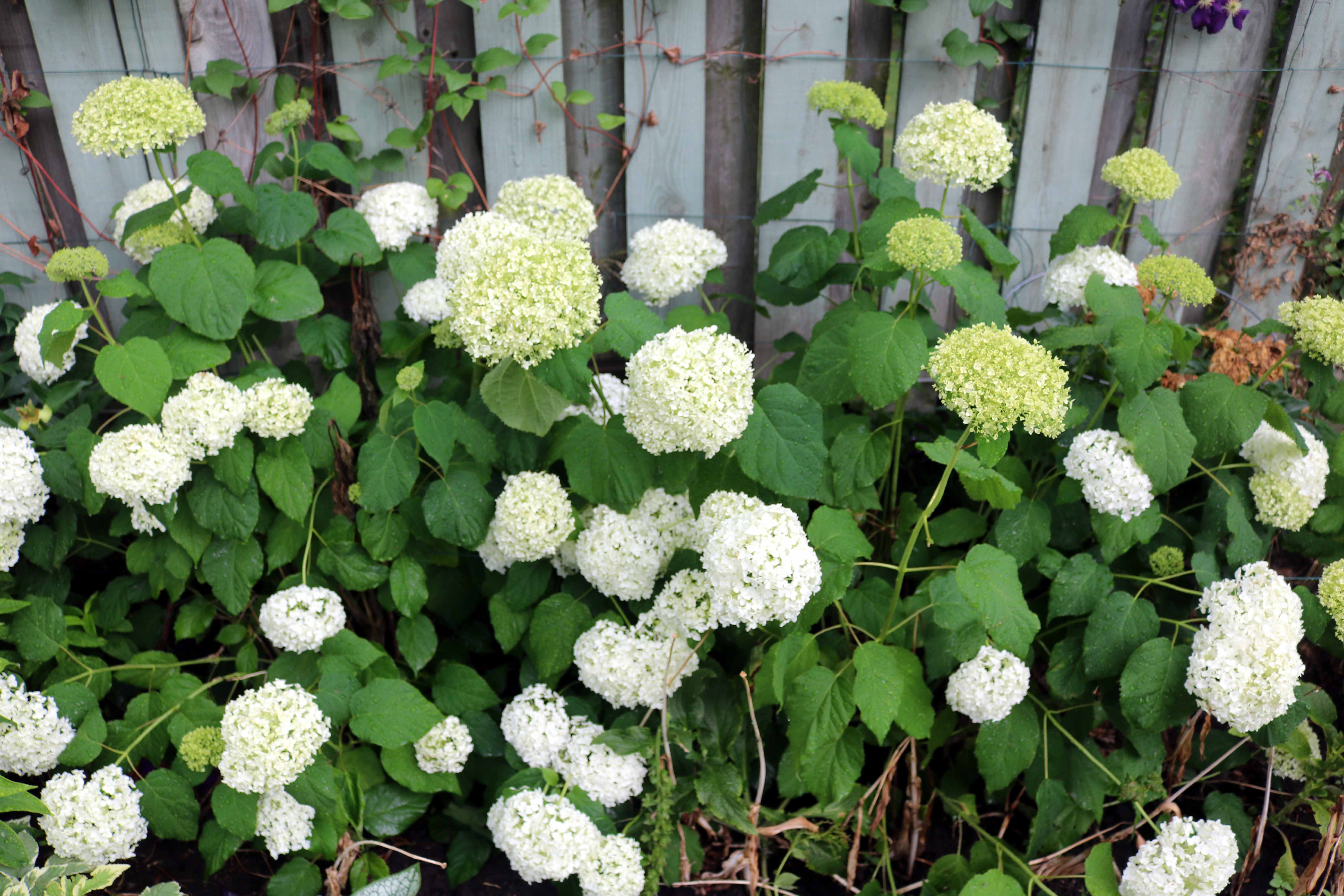
Hydrangeas come in various shades of blues, vibrant pinks, frosty whites, lavender, and rose—sometimes all blooming on the same plant! The colour of the blooms depend largely on the pH value of the soil – Acidic soils with a pH of less than 5.5 produce blue flowers; soils with a pH greater than 5.5 produce pink flowers. White flowers are not affected by pH.
Smooth hydrangeas are among the most popular hydrangeas that are white such as ‘Annabelle,’ ‘Incredi-ball,’ and ‘Invincibelle Wee White.’
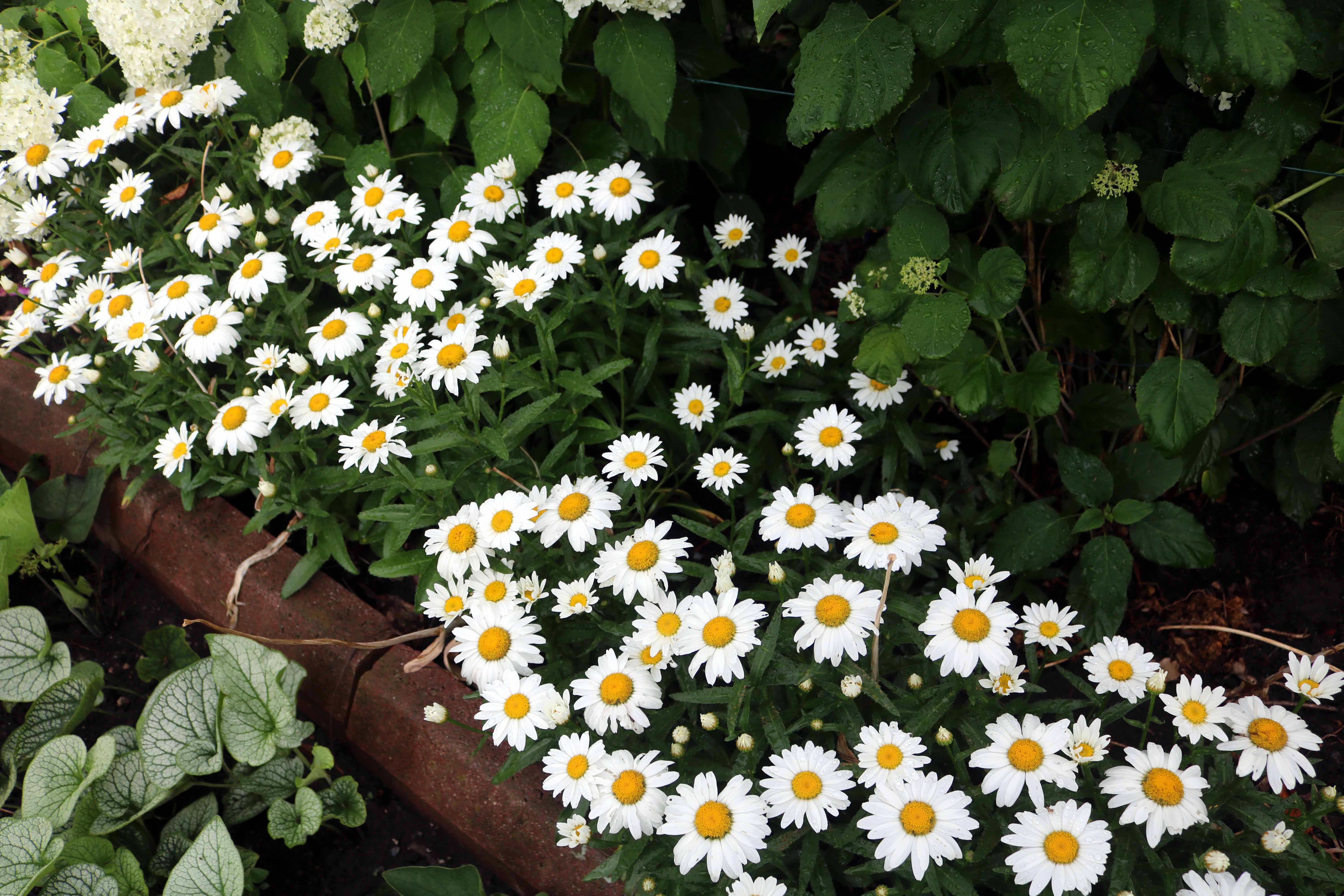
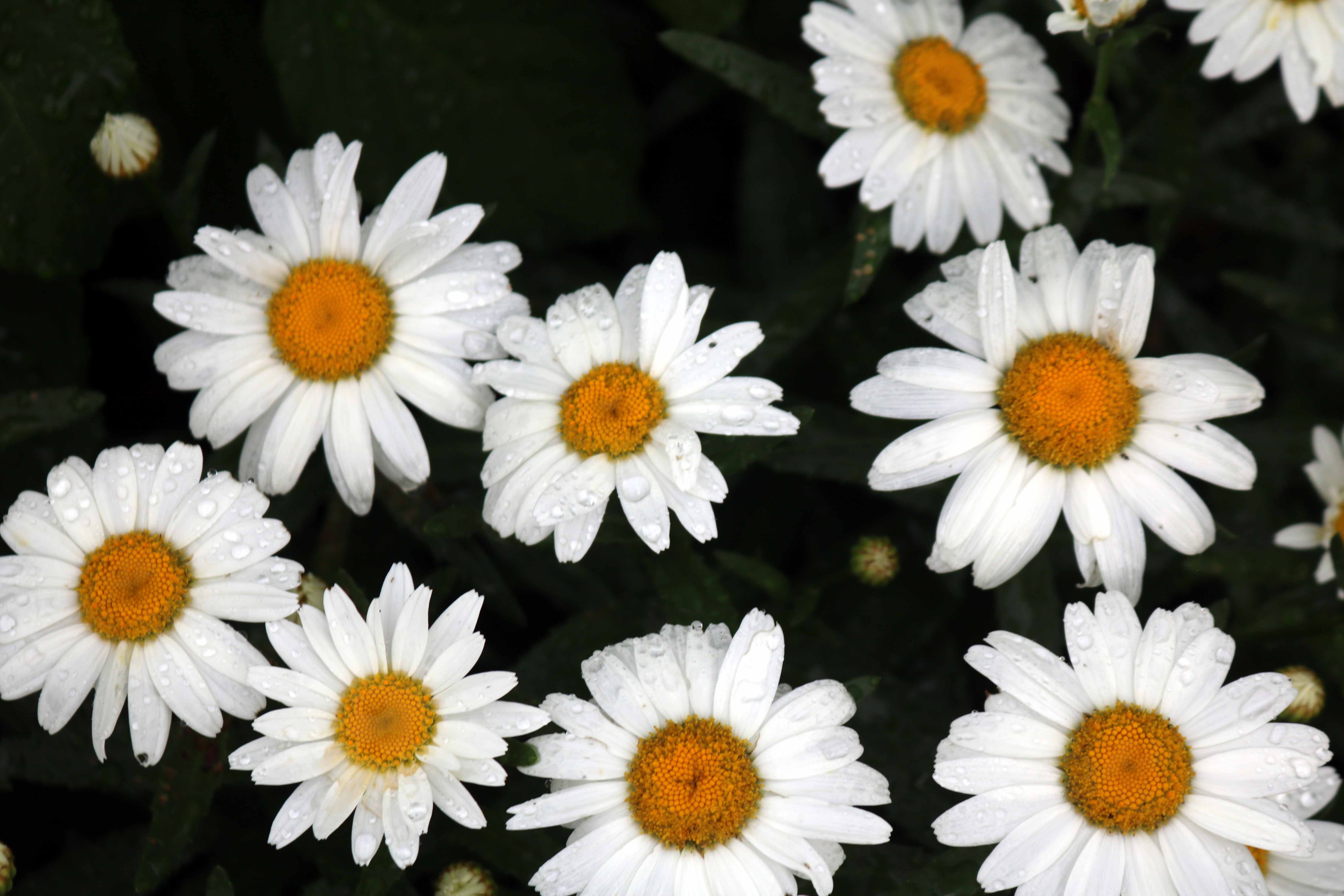
The Daisy gets its name from the Sun. Daisy is a feminine given name that comes from the day’s eye. They are known for blooms that are flat and disc-shaped, with petals that form rays projecting outward from a central hub.
Daisies are composite flowers composed of 15 to 30 white ray petals surrounding a centre consisting of bright yellow disk, though other colour combinations are common.
Shasta Daisies bear all-white daisy petals, yellow disk florets, and contrasting glossy, dark green leaves. It was bred by American horticulturist Luther Burbank and named it after the snow-capped Mount Shasta, in California.

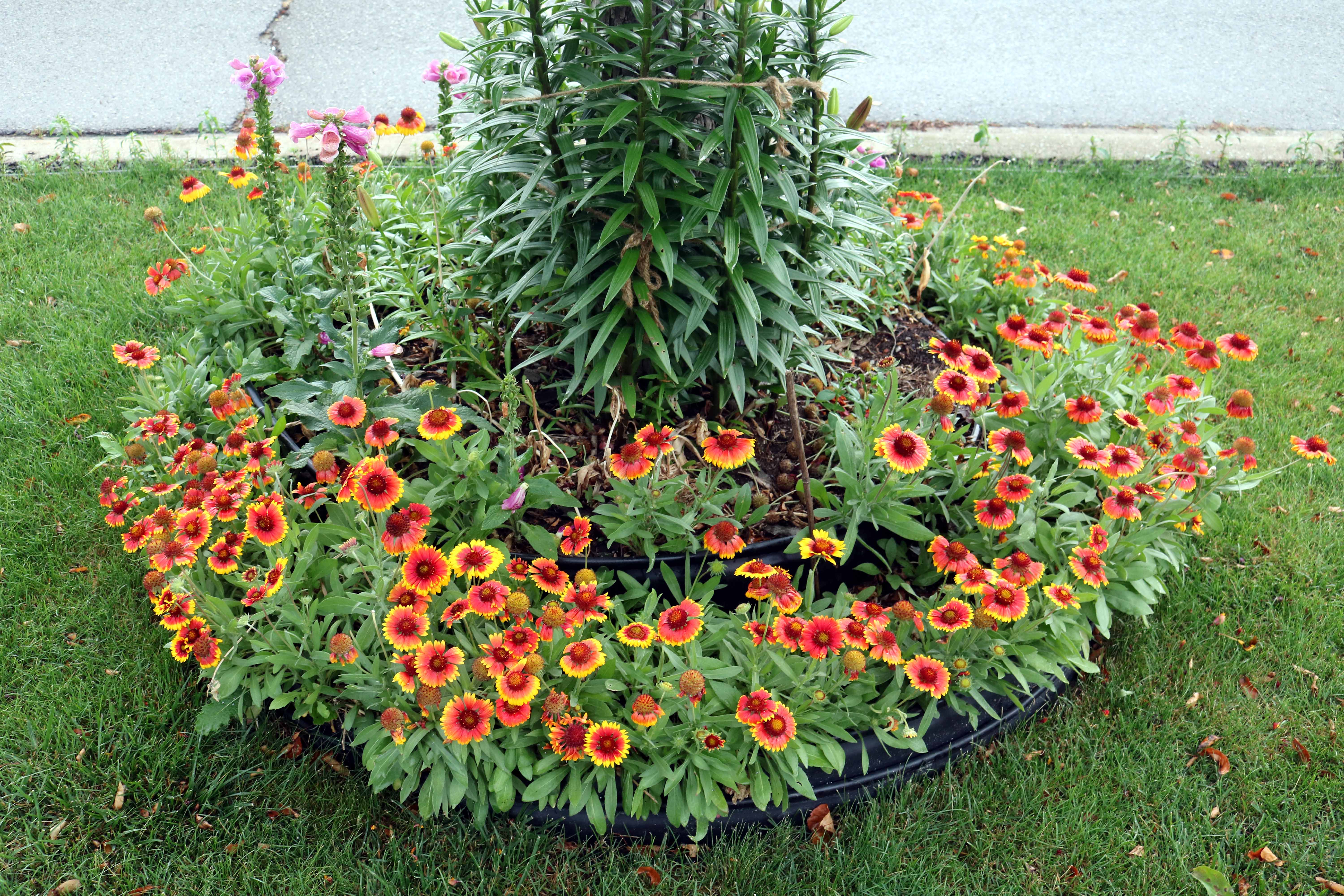
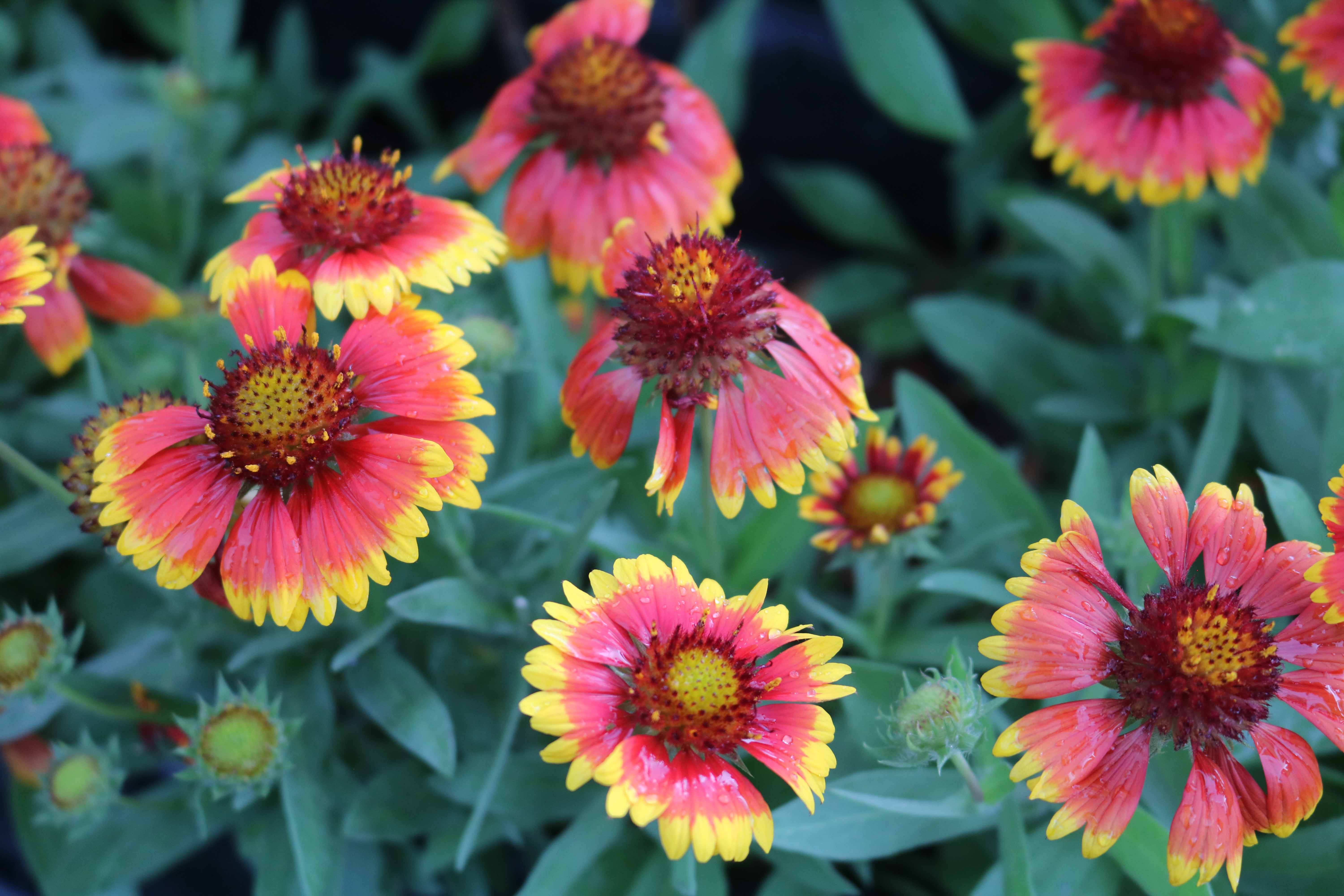
Blanket-Flower, the daisy-like flowers of rich reds and yellows in circular concentration, blooms throughout the summer.
Named after the Native Indian’s blankets – the colour the flowers resemble, attracts humming birds and butterflies.
Cone-flowers are popular perennials, come in glorious shades of pink, orange, yellow, and red.
Purple cone-flower (Echinacea Purpurea), is most common, there are other varieties too.
It’s from herbaceous flowering plants in the daisy family. and are found only in eastern and central North America.
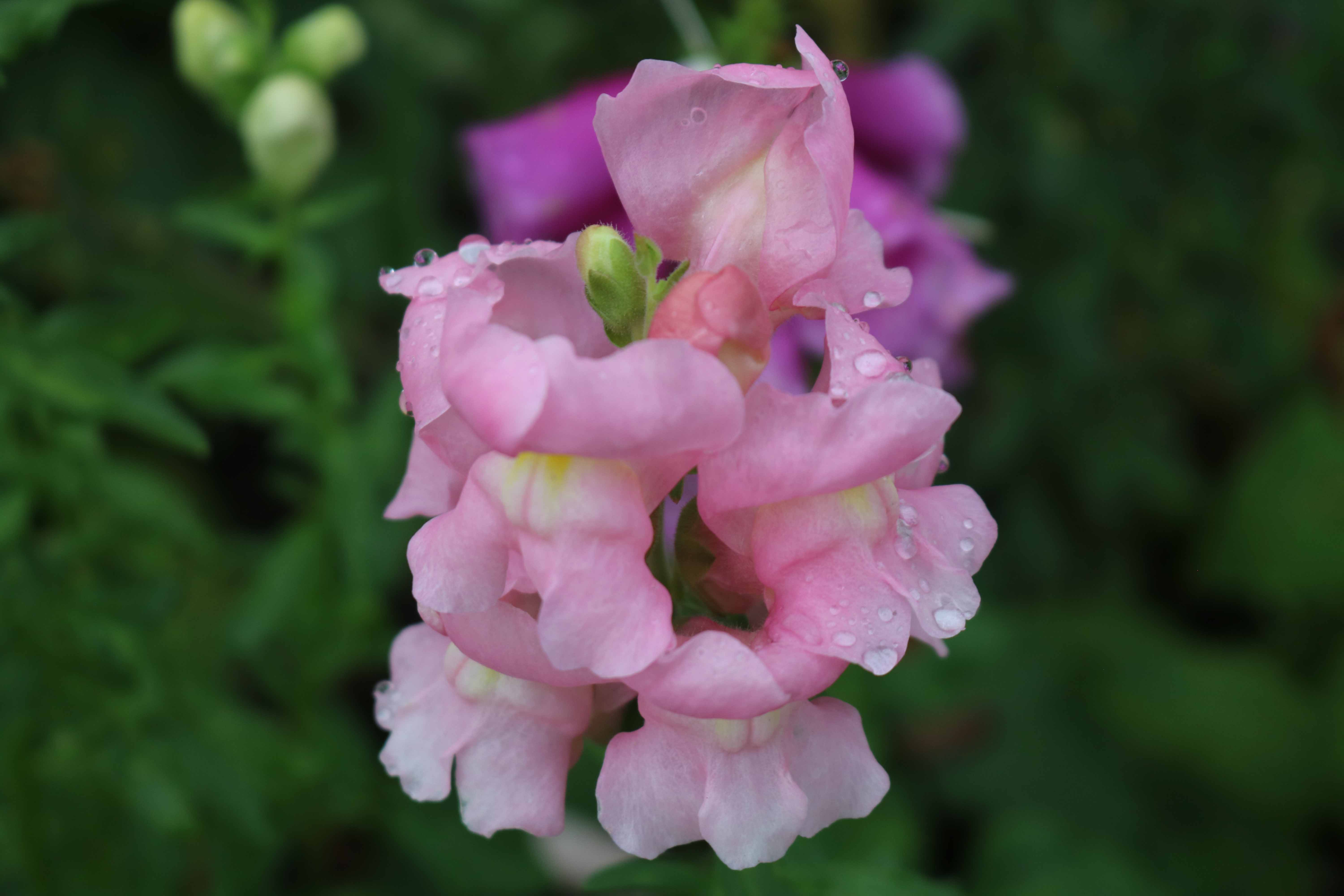
Snapdragons have tall spikes of brightly coloured flowers that bloom profusely in cooler weather. Most are intensely coloured and real standouts in our garden. Snapdragon flowers start blooming at the bottom of the stalk and work their way up, making for a long period of bloom.
Numerous varieties of snapdragon exist with dwarf, intermediate and tall flowering stems that provide a range of colors to work with in the garden.
Snapdragons are available in most colours except blue. There are approximately 40 different species of snapdragons, and they are from the family Plantaginaceae, the family of plantains.
The origin of snapdragons is uncertain but it is believed to have been from countries such as Spain and Italy. Snapdragon may reach up to 3 feet or as short as 6 inches. They are also known as ‘dragon flowers’, and the Latin name ‘Antirrhinum’ means ‘counterfeiting nose’ or ‘like a snout’.
The common name derives from the shape of the individual flower heads, which resemble the snout of a dragon, and which even open and close in a snapping motion, as often happens when pollinators open the jaws to reach the pollen.
Snapdragons come in different variations of pink, purple, lavender, white, yellow, orange or burgundy. They are the perfect flowers for the spring and summer seasons since they are usually available at around this time of year!
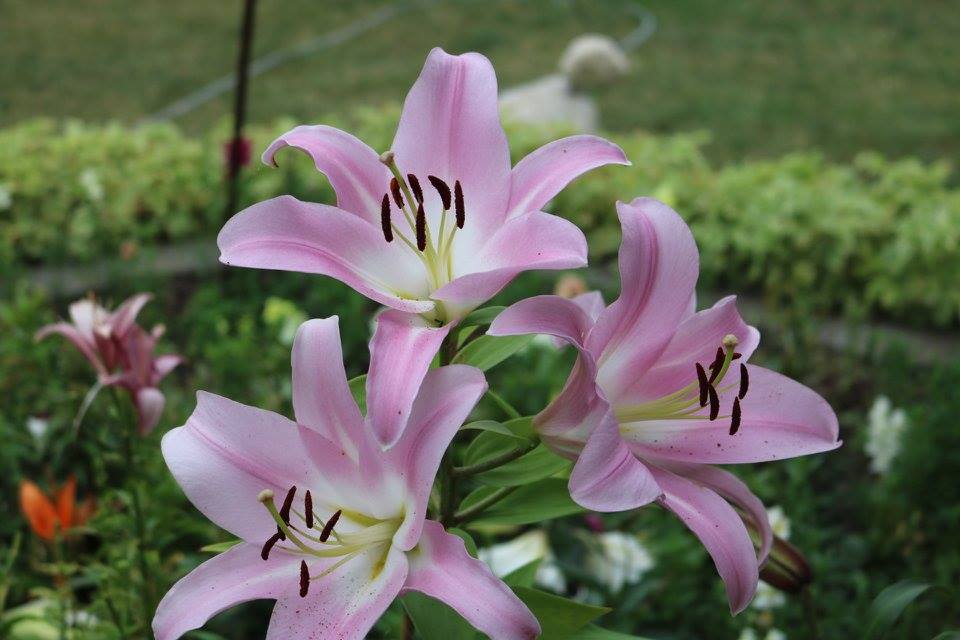
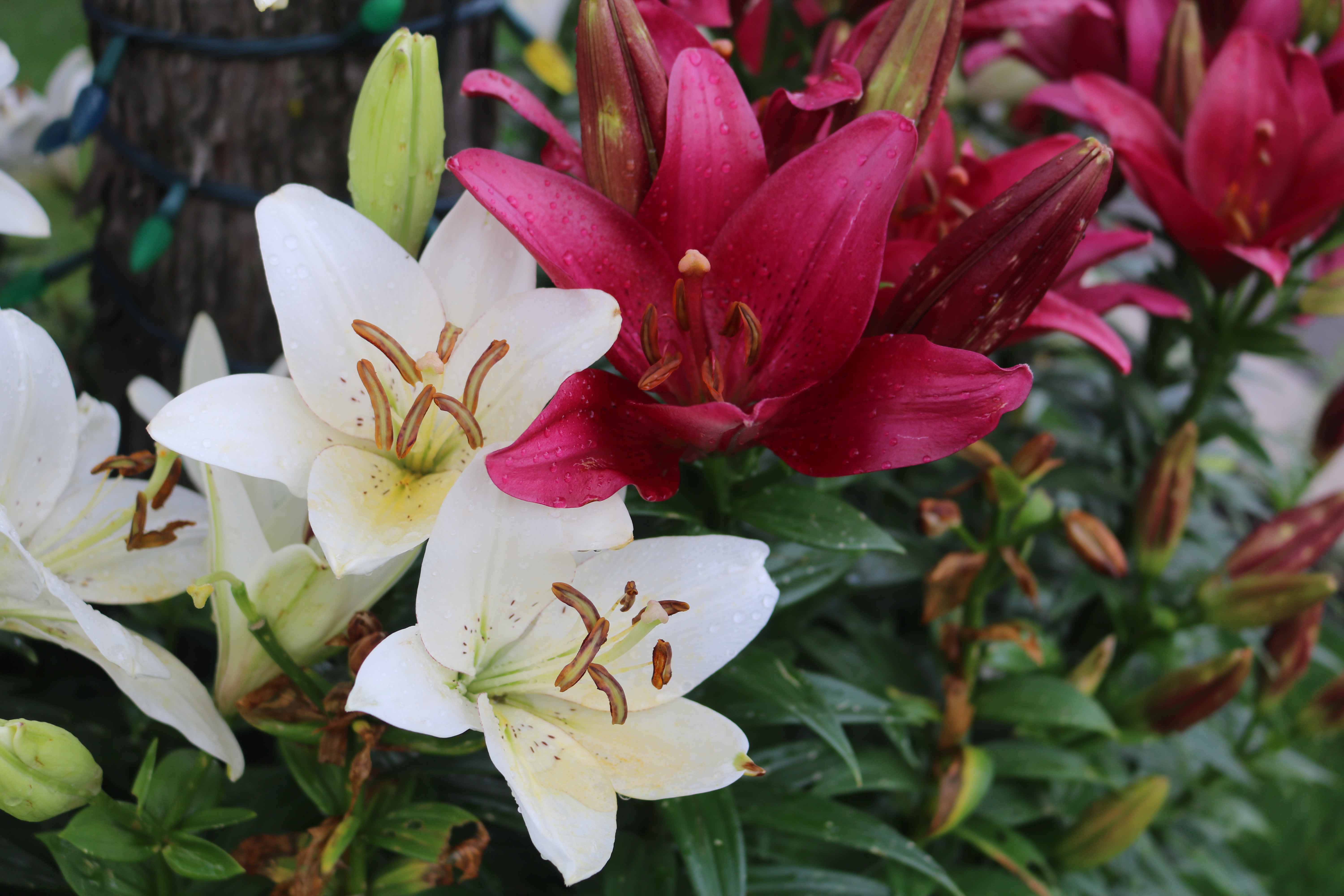
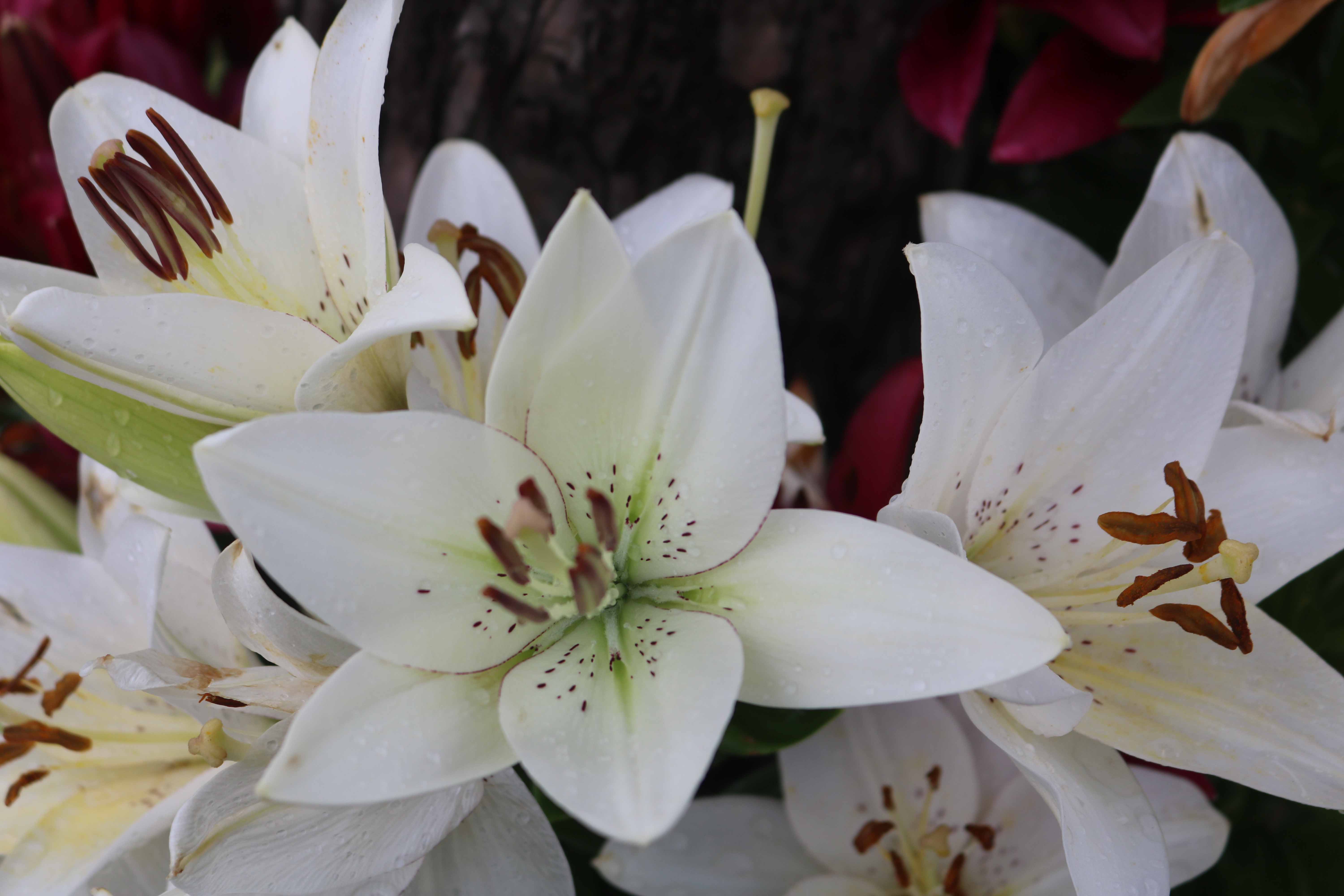
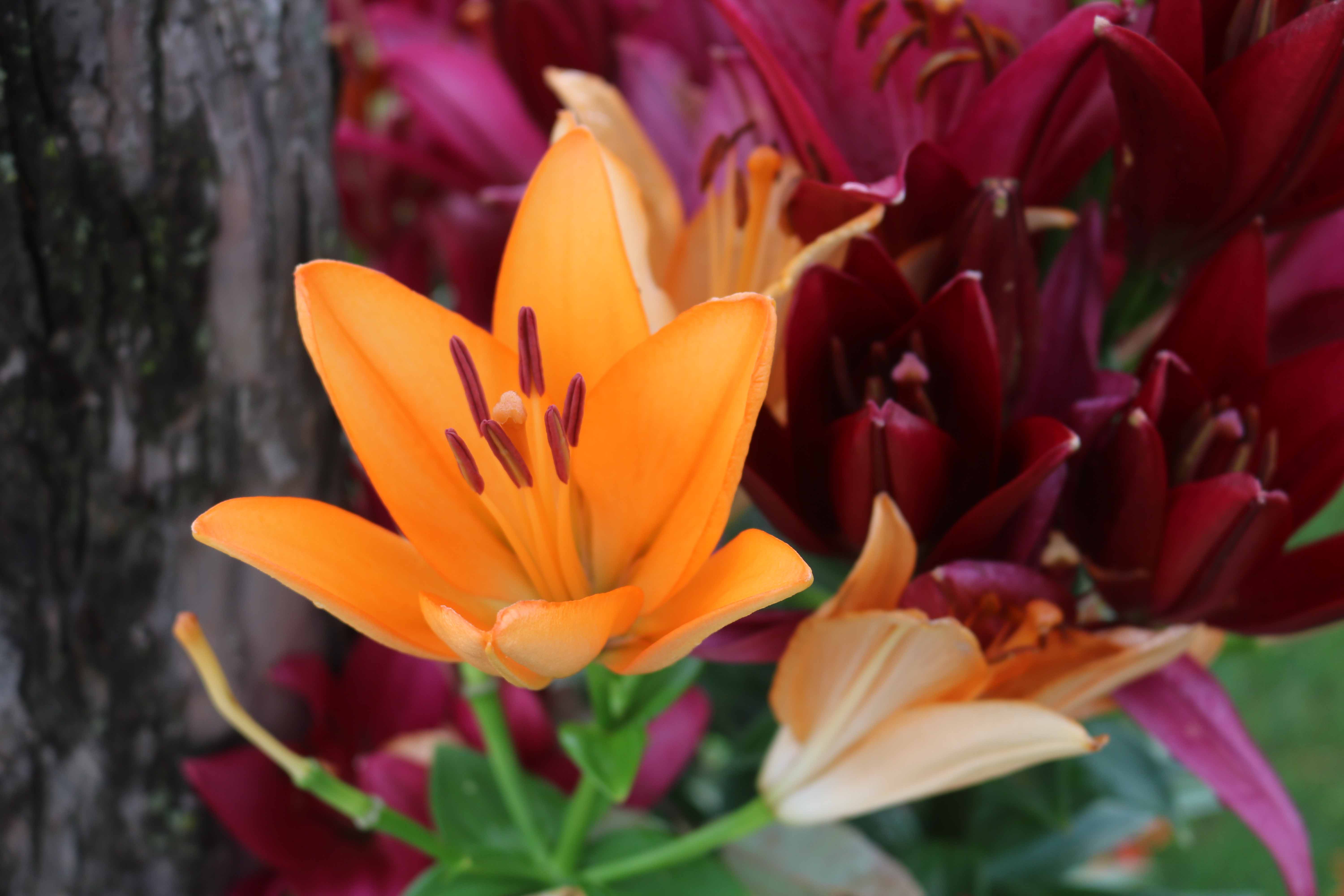
Lilies (lilium,) come in many colours and types, from exotic-looking stargazer lilies with painted petals speckled in both light and dark dots, to elegant white lilies that sparkle with pure white petals and red stamens.
All lilies comprises large, brilliantly coloured triangular petals that open wide and curl back to reveal delicate stamen in the center of the bloom. They produce intoxicating fragrance.
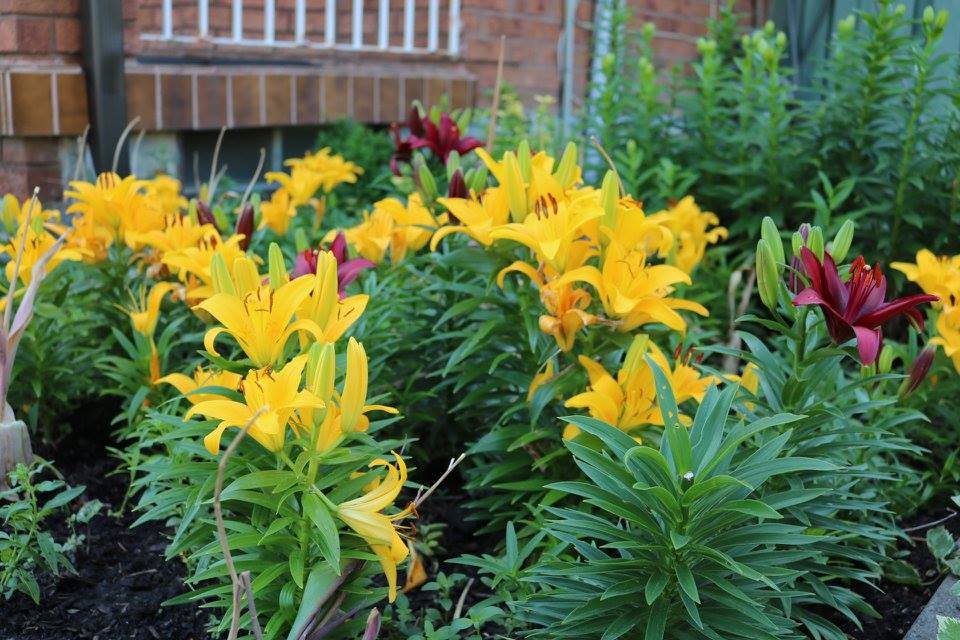
The lily is ranked as the fourth most popular flower across the world. The blooms open at various times, most lilies live one to two weeks. They come in various colours – white, yellow, pink, red and orange.
White lily signifies, modesty and virginity while Red lilies symbolise passion.
Orange lily stands for passion
Yellow lilies symbolise thankfulness and desire for enjoyment.
Tiger lily, named for its orange with brown spots, in Buddhism represents mercy and compassion
Pink lilies symbolise prosperity and abundance.
Lilies are social plants, growing best in groups of three to five.
Lilies have one of the longest in-vase life spans of any cut bloom, to keep them longer is to clear out the pollen from their centers. This will also prevent staining on the petals.
Let life be beautiful like summer flowers and death like autumn leaves. Rabindranath Tagore

Roses 2021

Roses bloomed in our garden with the onset of summer.
With the summer setting in Canada with the Summer Solstice on 20 June, 2021, the roses in our garden came to full bloom.
For hundreds of years the rose has been widely recognised as a symbol of love, sympathy or sorrow.
The world’s oldest living rose is believed to be 1,000 years old. It grows on the wall of the Cathedral of Hildesheim in Germany and its presence is documented since A.D. 815.
Jawaharlal Nehru, the first Prime Minister of India, is associated with his attire of pinning a fresh red rose to his coat every day. He made it a point to wear a rose as a remainder of his life with his wife Kamala, who passed away in 1938 after a prolonged illness.
Roses are said to be the favourite flower of Venus, the Roman goddess of love.
The rose is one among the only three flowers mentioned in the Bible. The others are lilies and camphire – akin to henna.
Rose is England’s National Flower and the United States’ national flower since 1986.
George Washington, the first president of USA, was also the first US rose breeder.
Roses have been a beautiful symbol of celebration in all cultures. Nothing expresses personal sentiments better than roses, and they’re always in style.
Ancient Romans cultivated the flowers to decorate buildings and furniture, and even laid rose petal carpets.
According to the Guinness Book of World Records, roses are the oldest species of plant to be grown as decoration.
Roses are edible. Their petals can be used to make jams, syrups, and rosewater.
About 100 million roses – mainly red – are grown for Valentine’s Day each year.
The other popular rose holidays in Canada are Mother’s Day and Christmas.
Colour of the rose depends on the species. Roses can be found in different shades of white, yellow, pink, orange and red colors.
Red roses are a symbol for love and affection.
Pink roses convey poetic romance and gentleness.
White rose symbolised innocence and purity, which is how it became associated with weddings and bridal bouquets.
Peach coloured roses signal modesty.
Orange coloured Roses imply fascination.
The colour yellow conveys happy thoughts and a positive feelings of warmth. Though yellow roses signifies friendship, the color once signified the negative traits of jealousy and greed.
There are neither any black roses nor blue roses.
What might sometimes be referred to as a black rose is actually a dark red rose.
Roses do not bloom hurriedly; for beauty, like any masterpiece, takes time to blossom. – Matshona Dhliwayo (Canadian Philosopher, Entrepreneur, and Author)

Pinks and Peonies 2021

June marks the end of the Tulip season in our garden. June is the month of Pinks and Peonies. The pink colour stands out on the lush green background of the lawn.
Neon Star- characterised by their fragrant fluorescent pink blooms, used as edging plants in our garden. The vibrant pink flowers cover the evergreen, blue-grey foliage.
Rock Soapwort is a vigorous, low creeping plant. Plants form a low mound of bright-green leaves, smothered by starry bright-pink flowers.
Clematis is one of the showiest vines you can grow. With many types of shapes and colours, these plants dress up any kind of structure they climb.
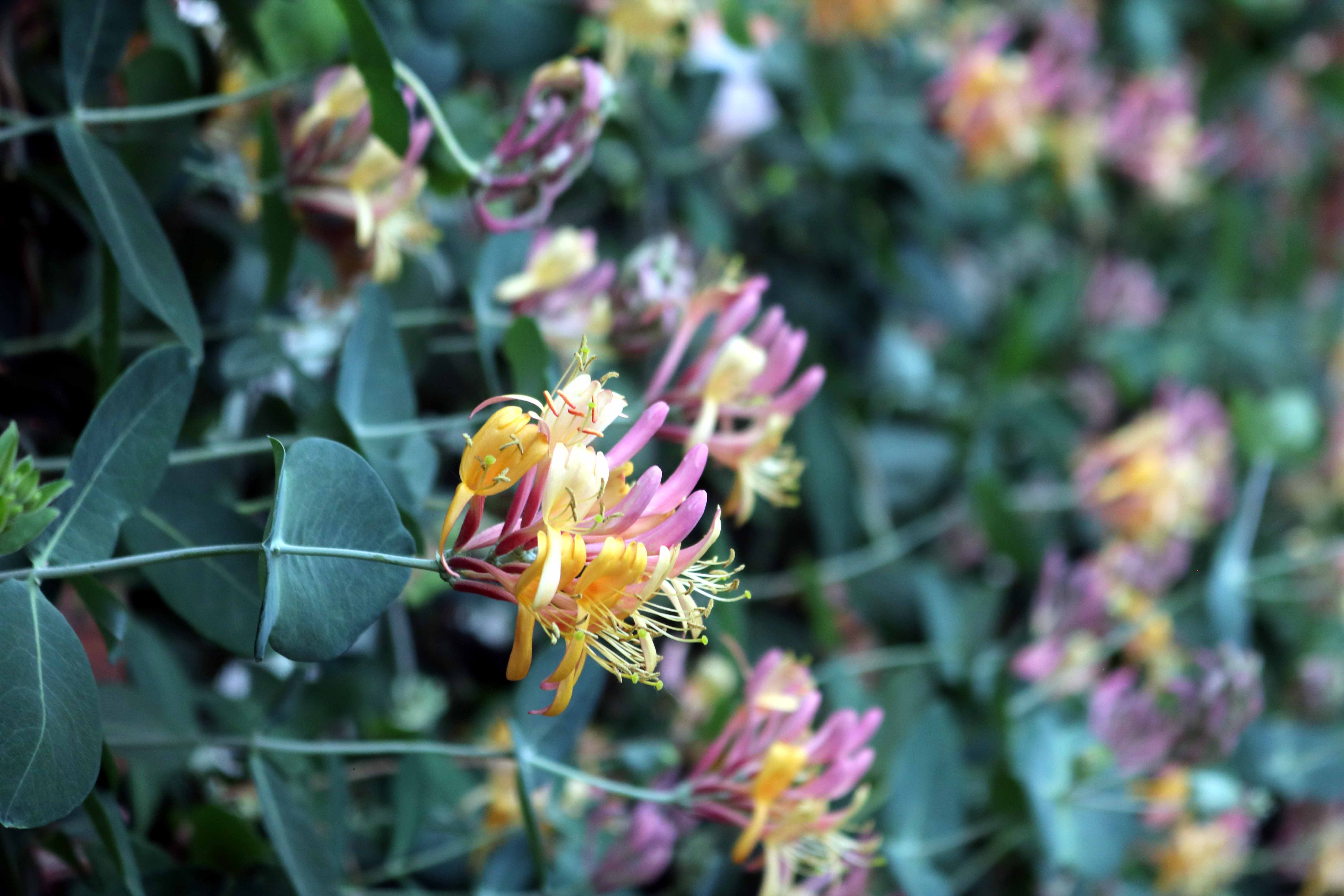
Lonicera Keckrottii, named after German botanist Adam Lonicer (1528 – 1586)- commonly called gold-flame honeysuckle, this creeper features extremely fragrant rose pink flowers with yellow interiors. Here it forms a screen for our front sit-out.
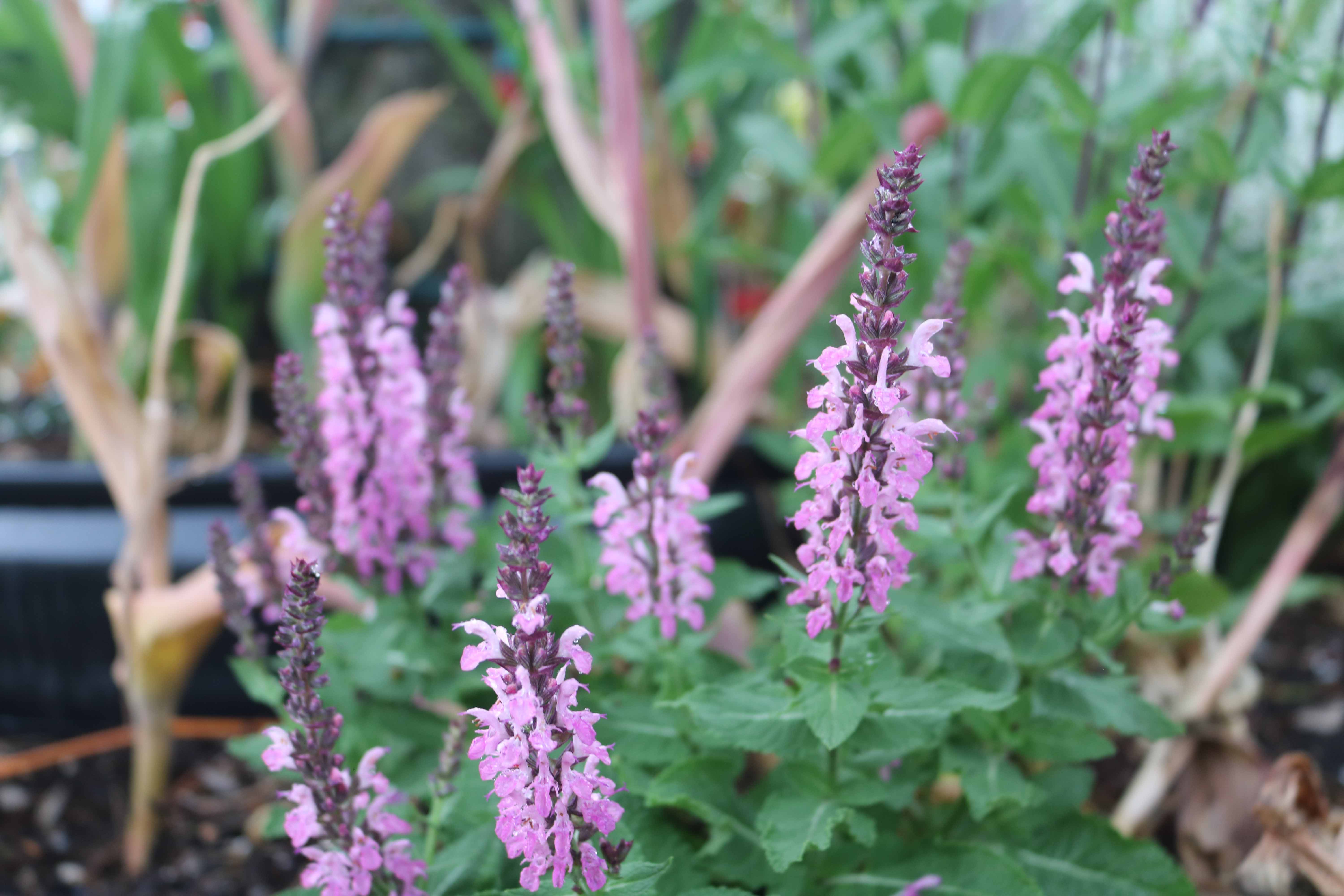
Thyme flowers are typically lavender-colored and edible. They grow at the top of the stems in a sphere-shape with elongated vertical spikes.
Foxgloves are eye-catching tall, slender flowering plants with flowers in clusters of tubular shaped blooms in colors of white, lavender, yellow, pink, red, and purple.
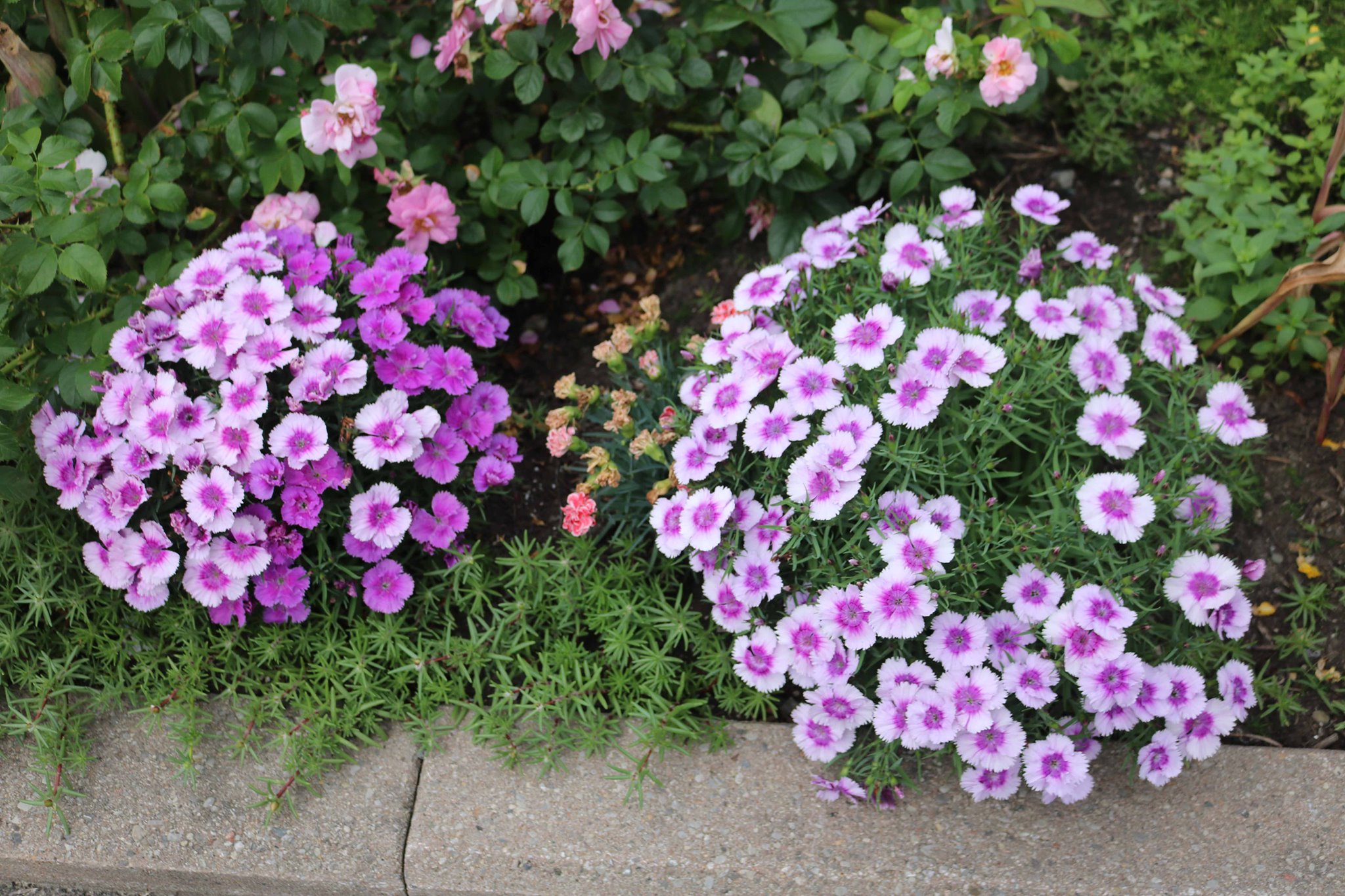
Dianthus, also called pinks, is treasured for its grass-like, blue-green foliage and abundant starry flowers. They attract butterflies and hummingbirds, as well as pollinating insects.
Peony is named after Paeon (also spelled Paean), a student of Asclepius, the Greek god of medicine and healing.
Marco Polo described Peonies, when he first saw them as ‘Roses as big as cabbages.’
They are also the 12th anniversary flower – because the peony symbolises honour, fortune, and a happy relationship.. It is the state flower of Indiana.
Peonies are native to China. They are highly valued there, and are often referred to as the “king of flowers”. They were the national flower prior to 1929, when they were replaced by the plum tree. Chinese name for the peony is ‘Sho Yu’ meaning ‘most beautiful.’ Chinese have an annual celebration to honor the Peony – the Luoyang Peony Festival.
They are regarded as a symbol of good fortune and a happy marriage. Which are important things for your future life! That is why you find them in all the marriage bouquets in North America. Pink: is most romantic form of Peony, making it the ideal color for wedding bouquets and table arrangements.
Peonies come in every color except for blue. Pink, and white, are the most popular colours. The Peony features five or more large outer petals called guard petals. At the center of the Peony are the yellow stamens or modified stamens.
Deep Red: is most prized in China and Japan, and has the strongest ties to honour and respect. It’s also the most symbolic of wealth and prosperity in those cultures.
White or Very Pale Pink: symbolise bashfulness, making it a good choice for communicating your regret over embarrassing yourself or someone else. Ideal for those times when you’ve said or done something wrong and want to apologise. Who can hold a grudge when a beautiful bouquet of white peonies shows up at their door??
June 20, 2021 – Summer Solstice – marks the beginning of Canadian Summer. It is the time when the roses come to full bloom.

Daffodils & Tulips 2021

Our Garden – All set for the Spring.
I wandered lonely as a cloud That floats on high o’er vales and hills,
When all at once I saw a crowd, A host, of golden daffodils;
Beside the lake, beneath the trees, Fluttering and dancing in the breeze
For oft, when on my couch I lie In vacant or in pensive mood,
They flash upon that inward eye Which is the bliss of solitude;
And then my heart with pleasure fills, And dances with the daffodils.
(I Wandered Lonely as a Cloud  By William Wordsworth)
As I walked through the tulips this May morning;
I was welcomed by the nature with its colourful awning;
It struck a gleaming chord in my mind;
My camera recorded it with a wind;
I watched every morning in quiet admiration;
The dew drops on soft petals my appreciation;
The tulip flowers in the cool breeze swayed,
It brought a cheer and my mind braid.
I love my tulips, they grace us and wilt away;
If only people too grace this world and fade away.


Welcome Spring 2020 with Tulips


Every year, the cold winter snow melts away and we welcome spring, a new beginning.  This new beginning is marked in our garden by tulips.


April rains bring in May flowers‘ is a common saying in Canada. Tulips and daffodils do not wait for the rain and by end of April they sprout out marking the beginning of spring.


Tulip flowers last only a fortnight.


We have Early-Spring, Mid-Spring and Late-Spring varieties.  Thus we extent the Tulip flower season in our garden.


This year around we did not receive many showers in April and it did have a telling effect on the quality and size of tulip plants and flowers. It is said that the tulip’s velvety black center represents a lover’s heart, darkened by the heat of passion.


At least we were lucky to have the best flowers in the city as claimed by many visitors.


Tulips Originated in Persia and Turkey and were brought to Europe in the 16th century. They got their common name from the Turkish word for gauze (with which turbans were wrapped) – reflecting the turban-like appearance of a tulip in full bloom.


Canadian Tulips have a great history.  In 1945, the Dutch royal family sent 100,000 tulip bulbs to Ottawa in gratitude for Canadians having sheltered the future Queen Juliana and her family for the preceding three years during the Nazi occupation of the Netherlands in the Second World War. 


The eleventh wedding anniversary flower is also tulip, it conveys forgiveness too.   

Yellow tulips symbolises cheerful thoughts.


The Red Tulip became associated with love based on a Turkish legend.


Purple symbolizes royalty.


We have multi-colored varieties too.

With all of the history, sentiments and meanings of tulips, it’s not surprising that their popularity continues to endure. The wide range of colours and varieties available allows them to be used for many occasions.

Rose Garden 2018

For centuries, roses have inspired love and brought beauty to those who have received them. In fact, the rose’s rich heritage dates back thousands of years.  People have been passionate about roses since the beginning of time.  We have over fifty bushes in our garden.


Jawaharlal Nehru, the first Prime Minister of India,  was fond of Red rose. He always wore a Red rose on his jacket until his last breath.
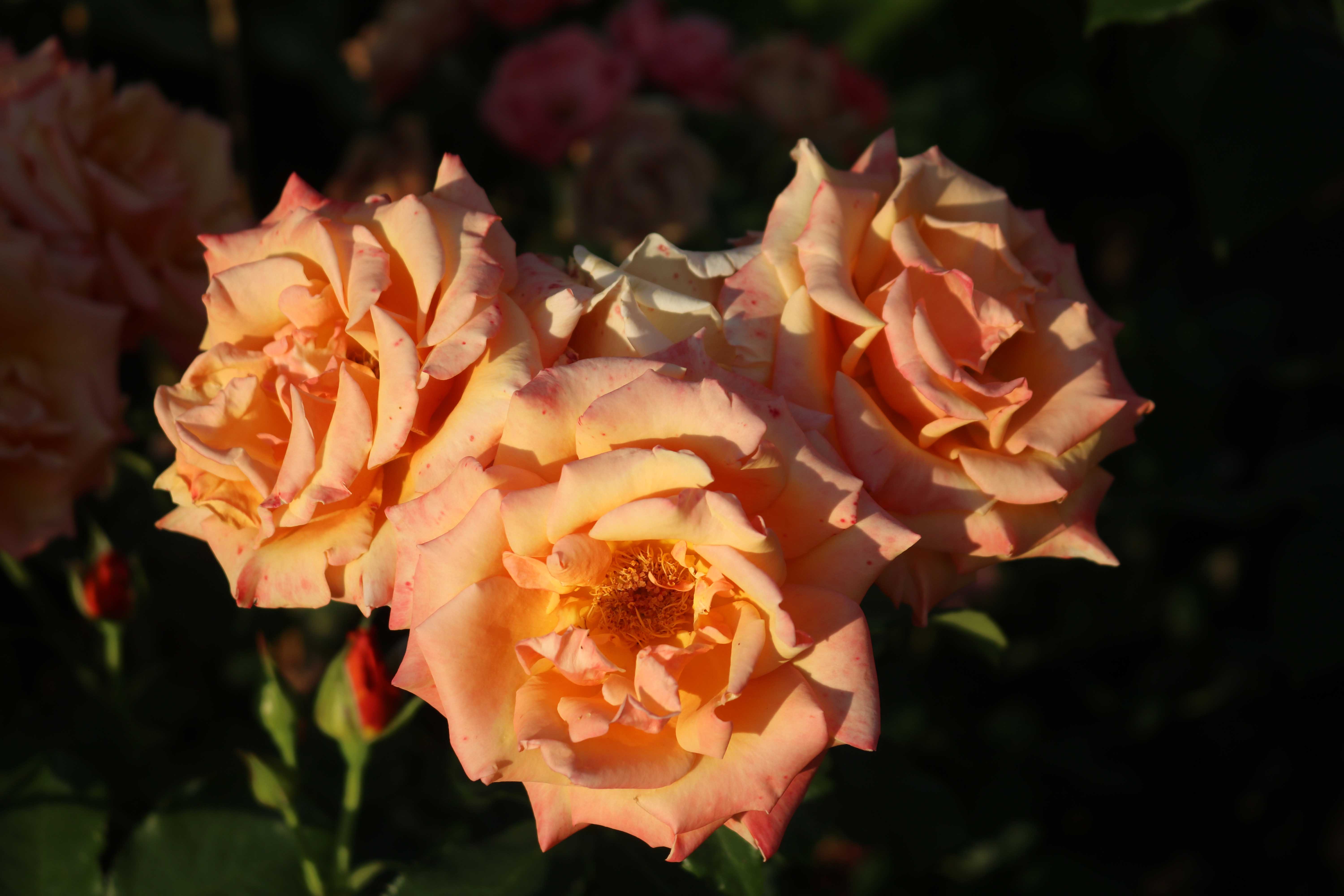

It is said that the floors of Cleopatra’s palace were carpeted with delicate rose petals.  Shakespeare refers to roses more than 50 times throughout his writings. It is also New York’s state flower.


1,000 years old. That’s the age the world’s oldest living rose is thought to be. Today it continues to flourish on the wall of the Hildesheim Cathedral of Germany.
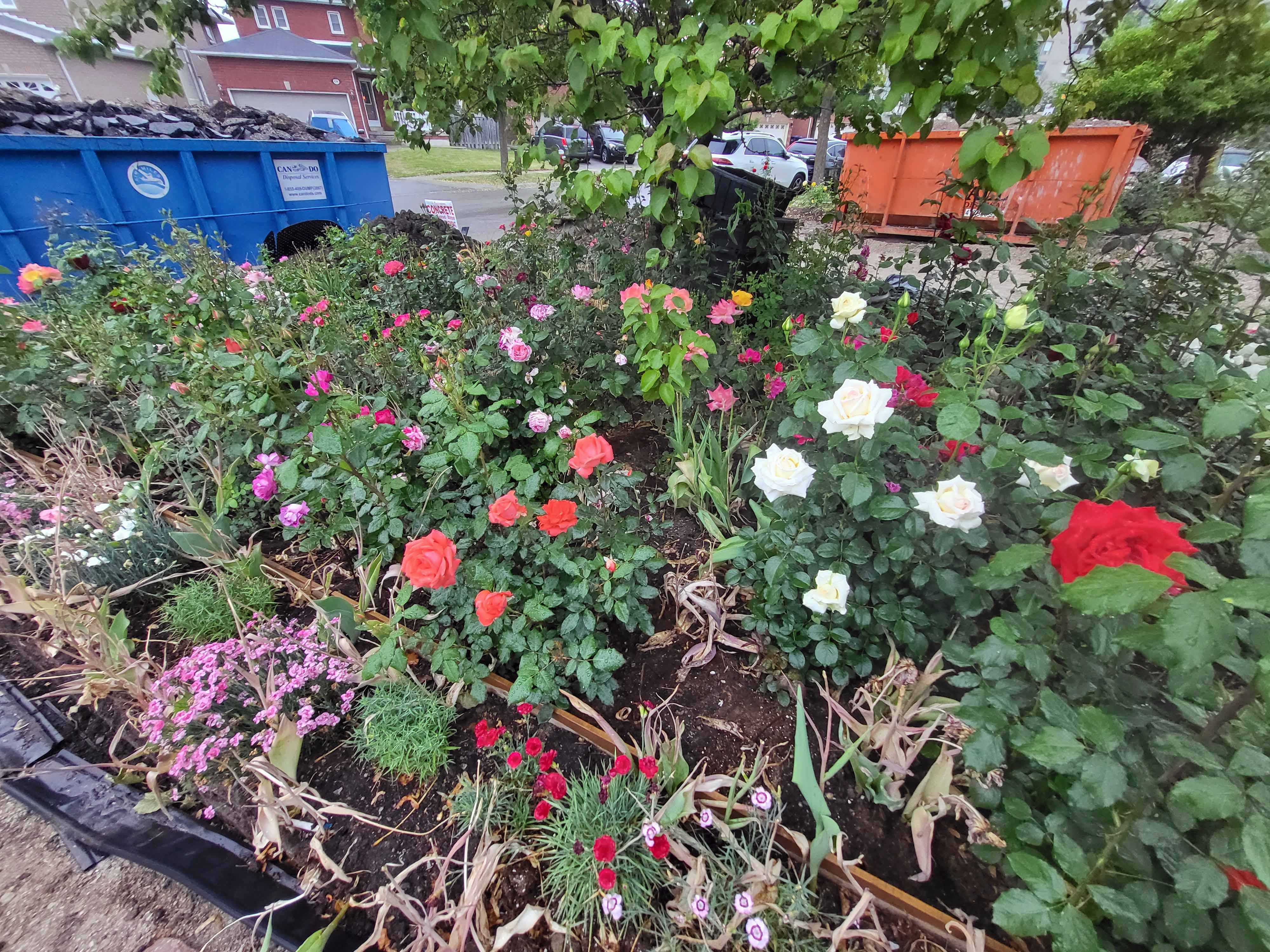

It was in seventeenth century that French explorer Samuel deChamplain brought the first cultivated roses to North America.  Roses are truly ageless. Recently, archaeologists discovered the fossilized remains of wild roses over 40 million years old.


The people of ancient Greece used roses on festive occasions to adorn themselves with garlands of roses, and splash themselves with rose-scented oil.  Napoleon’s wife Josephine so adored roses, she grew more than 250 varieties


The largest rose bloom ever bred was a pink rose measuring approximately 33 inches in diameter, bred by Nikita K. Rulhoksoffski from San Onofre, California.


Red roses are the traditional symbol for love, romance.  It reflects beauty and perfection.  Myth has it that Venus’ son Cupid accidentally shot arrows into the rose garden when a bee stung him, and it was the ‘sting’ of the arrows that caused the roses to grow thorns.  When Venus walked through the garden and pricked her foot on a thorn, it was the droplets of her blood which turned the roses red.


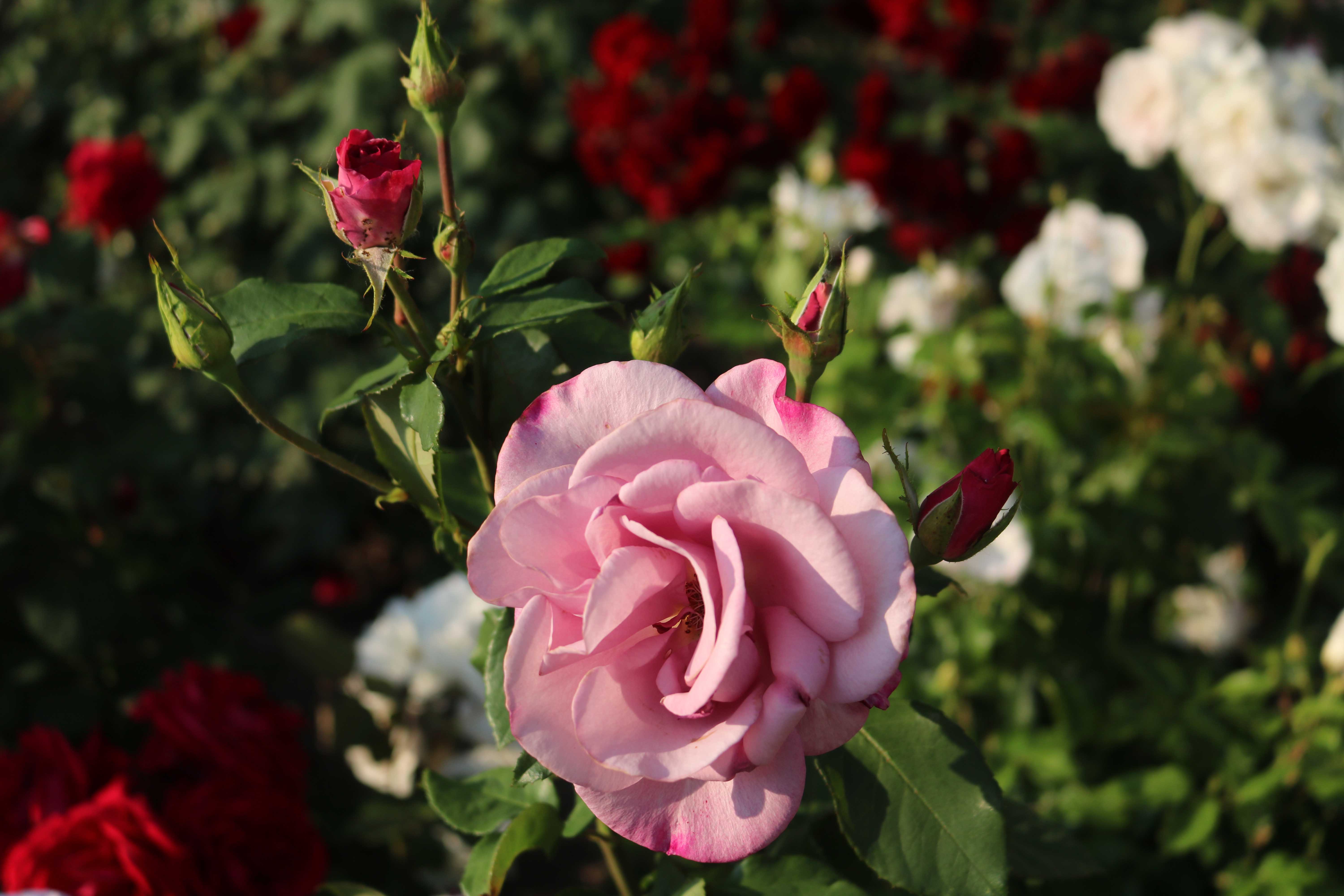
Pink Rose depict gentleness, grace, gladness, joy and sweetness.  It  can also convey happiness, gracefulness and admiration.


Bright, cheerful and joyful are what come to mind when thinking of a yellow rose. Giving yellow roses can tell someone the joy they bring you and the friendship you share.


White roses, the purist of colors, represent innocence, purity and charm. White roses are traditionally used in weddings and can represent new beginnings. We believe that white roses can also express remembrance and innocence.   Why white roses are so special is no mystery – it’s a myth. Perhaps it started with the Romans who believed white roses grew where the tears of Venus fell as she mourned the loss of her beloved Adonis.


Orange roses evoke energy, and enthusiasm, desire and excitement. Giving orange roses can symbolise your passionate romance and share your excitement of the relationship with your loved one.


Love at first sight or just an enchanting way to say, “I love you!” Lavender roses can offer a daily reminder of your love and eagerness to grow your relationship.


Peach-colored rose is gifted when are you grateful for someone or just want to show your appreciation.  It shows appreciation and gratitude or a different way to say “Thank You!”   They symbolise innocence and purity.


Cream roses are indicative of charm and thoughtfulness and goes well with pink ‘thank you’ roses.  Gifting a bunch of cream roses is an ideal way to show someone that you care – but without any romantic intentions.

” How did it happen that their lips came together? How does it happen that birds sing, that snow melts, that the rose unfolds, that the dawn whitens behind the stark shapes of trees on the quivering summit of the hill? A kiss, and all was said.”   Victor Hugo

” What’s in a name? That which we call a rose by any other name would smell as sweet.”  William Shakespeare