
When our Regiment was stationed in the rugged, oxygen-thin heights of Sikkim, I was a Major serving as the Battery Commander for our Brahmin Battery. It was a typical high-altitude deployment—demanding, unpredictable, and entirely dependent on the razor-sharp reflexes of the men on the ground.
One afternoon, I was rattling back to our position in my jeep following a dense operational briefing at the Brigade Headquarters. Suddenly, a group of frantic civilians flagged down my vehicle. Their faces were pale. They pointed down a massive, precipitous drop-off: an army ambulance had veered off the treacherous mountain road and plunged a thousand feet down into the valley.
My driver, Havildar Rajinder Kaushik, slammed on the brakes. We didn’t exchange a word. We threw open the jeep doors and threw ourselves down the steep, rocky slope.
About ten local civilians scrambled down with us. The sight at the bottom was harrowing. The ambulance driver and the nursing assistant were seated in the front cabin; by some miracle of split-second instinct, they had managed to throw open their doors and jump clear of the vehicle as it began its initial tumble. But three other soldiers were trapped inside the rear body cabin. They had zero reaction time. They had ridden the vehicle all the way down the thousand-foot abyss.
They were alive, but barely. In that thin, unforgiving air where even breathing is a conscious chore, a strange surge of adrenaline took over. To this day, I do not know where we found the raw physical strength, but together with the locals, we hoisted the three severely injured, blood-soaked soldiers up that near-vertical, punishing incline back to the road.
Gasping for air on the tarmac, I desperately tried to establish radio contact with our Regimental Headquarters for immediate medical support. Meanwhile, Rajinder gently wiped the matted blood from the faces of the unconscious men. He froze, looked up at me, and whispered:
“Sir, they are from our own Regiment. It’s Havildar Raghu Lal, Naik Pavithran, and Gunner Bala.”
The stakes instantly skyrocketed. We carefully loaded all three into my jeep and sped off toward the Military Hospital in Gangtok.
The 1 PM Weather Wall
The emergency room at Gangtok was a scene of controlled chaos. The doctors examined the men, their expressions growing grimmer by the second. Severe head trauma, massive internal bleeding, and a complex matrix of multiple fractures.
The Colonel Surgeon pulled me aside. “Major, to be completely frank, none of them are likely to survive. Their only microscopic chance at life is an immediate evacuation to the advanced Military Hospital down in Siliguri. But they will never survive the journey by road through these bumpy, winding Sikkim mountains. Air evacuation is their only shot.”
I glanced at the clock. It was past 1:00 PM.
“Then call the choppers,” I urged.
The doctor shook his head. “It’s past one o’clock, Major. The Army Aviation rules are absolute. No sorties are flown in this sector at this hour. The afternoon weather in these mountains is too volatile, the cloud cover is too thick, and the terrain is far too dangerous. No pilot will risk the aircraft or their crew.”
Faced with a medical dead-end, I refused to let my men slide away. I grabbed the phone, bypassed the standard bureaucratic channels, and prayed to every deity I knew as I dialed the Aviation Flight Commander down at Siliguri.
The phone rang. The voice on the other end belonged to Major Thar Singh Chauhan (E/59 NDA)—a fierce Rajput pilot, my senior from the National Defence Academy (NDA), and a brother-in-arms I had crossed paths with many times during our service.
I rapidly explained the situation: three of our boys were dying, and the clock was ticking.
Without a moment of hesitation, Thar Singh’s voice cut through the static, calm and commanding:
“We are coming. Get the patients and a doctor ready on the helipad.”
A Five-Minute Document
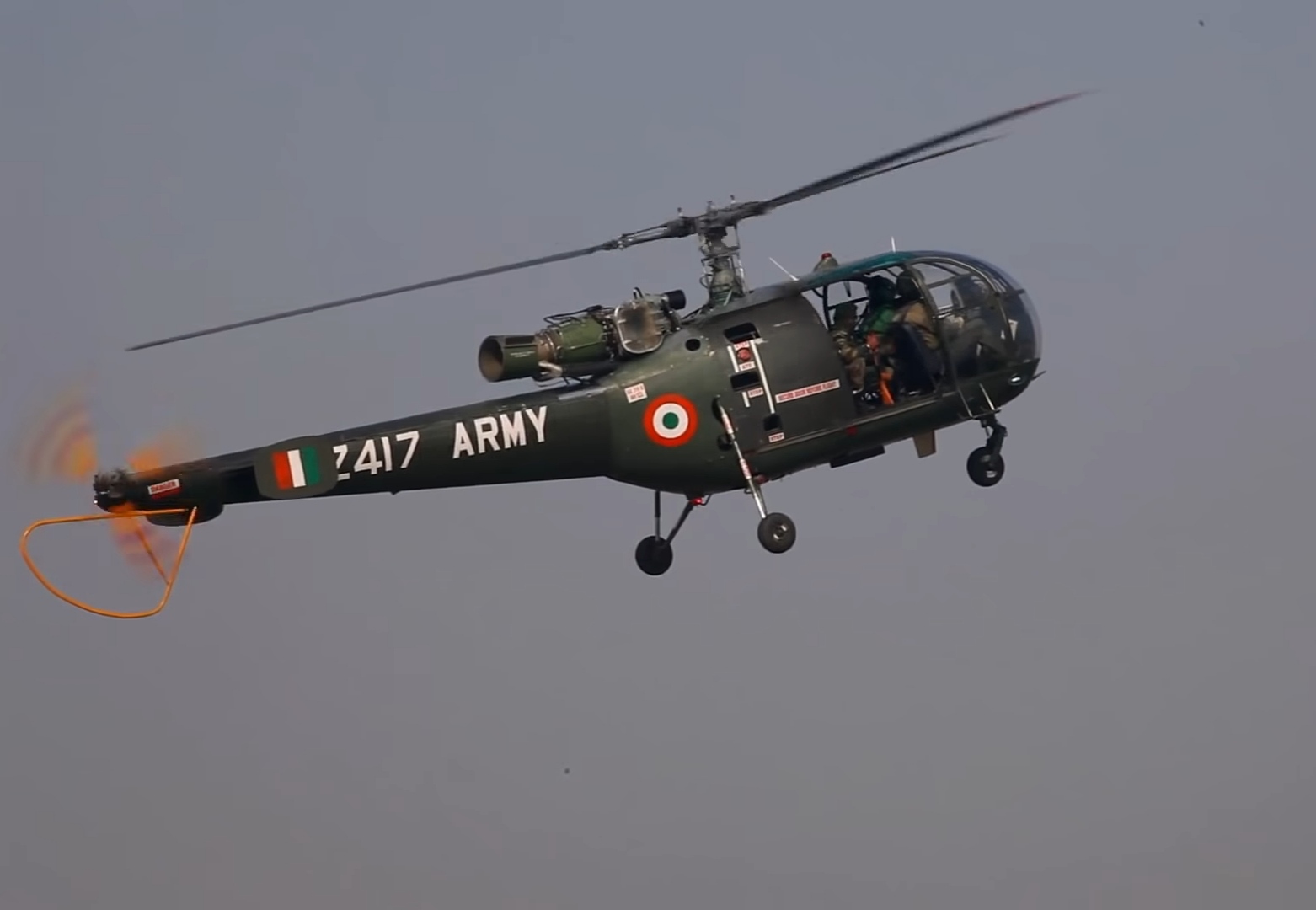
True to his word, Major Chauhan tore through the volatile afternoon skies, defying the mountain elements, and touched down on the pad with two roaring helicopters. The medical team moved with frantic efficiency, loading the casualties and the accompanying doctor into the cabins.
As the rotors whipped the mountain air into a frenzy, I approached Thar Singh. The risk he had just taken was immense; a court-martial or a fatal crash were both real possibilities.
“Sir,” I shouted over the deafening roar of the engines. “Why did you take such a massive risk to fly up here at this hour? The weather is turning.”
Thar Singh smiled beneath his helmet, looked at me, and replied:
“In 1983, you were the Brigade Major. I walked into your office with a task that everyone told me was completely impossible. You listened, took the file, walked straight into the Brigade Commander’s office, and emerged five minutes later with his signature. In the normal course of the army bureaucracy, the Commander would have never signed it—and even if he did, it would have taken a week at the very least. I told myself then I would repay you. Today, I’m just clearing my ledger.”
Before I could even formulate a reply, he gave a crisp salute, throttled up, and the two choppers lifted off into the cloud-heavy Sikkim sky, racing back toward Siliguri.
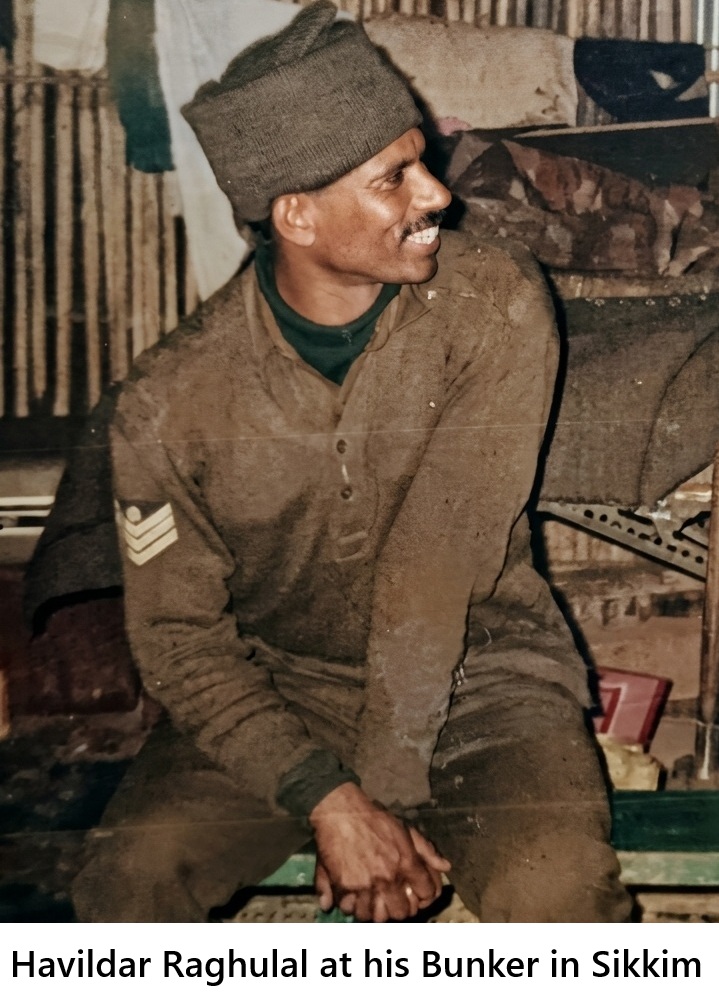
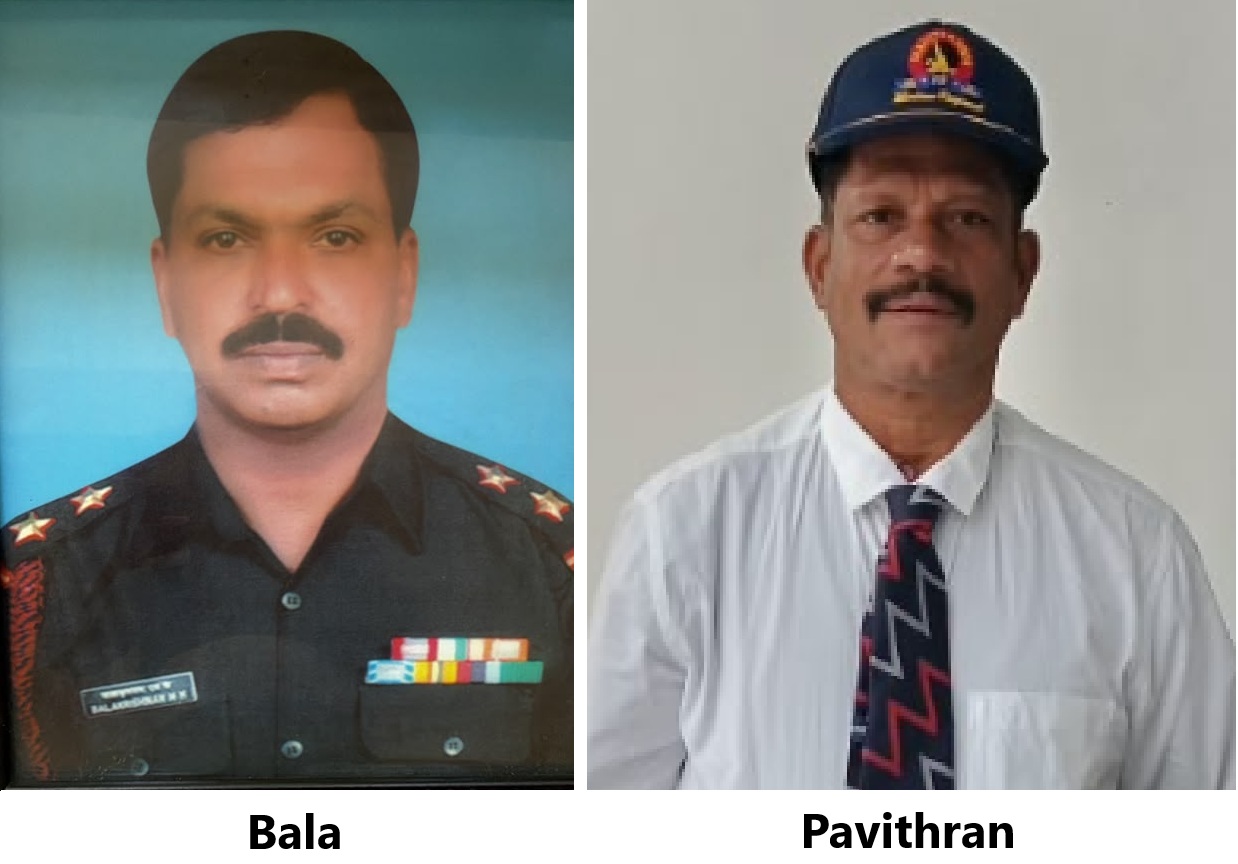
A week later, despite the best efforts of the medical world, Havildar Raghu Lal tragically succumbed to his severe injuries. But Naik Pavithran and Gunner Bala were snatched right out of the jaws of death. They survived.
Long after the dust settled, a legendary saying echoed through the ranks of our Regiment: “In the mountains of Sikkim, even if the General Officer Commanding (GOC) himself desired a flight past 1 PM, the choppers would never materialise. But if Major Reji needs to save his men, it will be done.”
After retiring from the Indian Army, Colonel Thar Singh Chauhan did not survive a fatal crash in March 2005. Rest in Peace Soldier!!!

