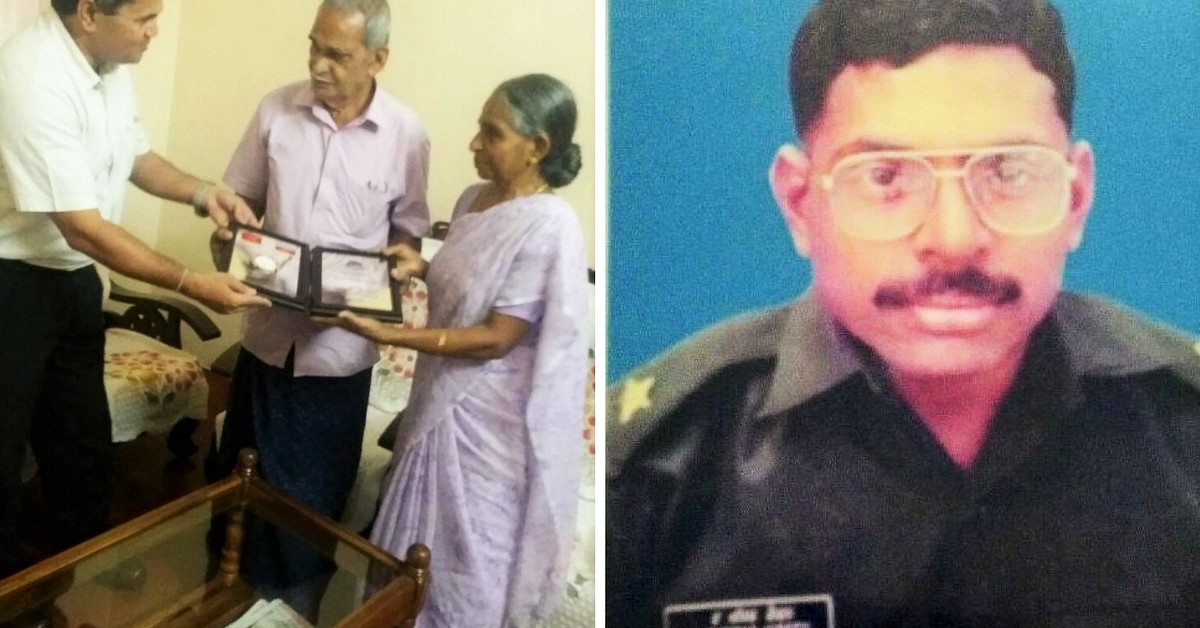
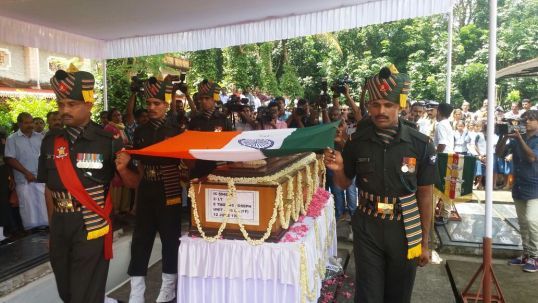
During this tough Covid time, I was in for a shock this evening – news of the demise of Colonel PV Ramakrishna, known amongst us – his friends – as Ramki. He was from the technical graduate entry and was commissioned to the Corps of Engineers with us on 24 December 1982. He is survived by his daughters – Ms Neharika and Major Vimala. May the God Almighty give them the strength to bear the loss.
He was widowed soon after he hung his boots. He then took to travelling across the globe and he landed at Toronto in August 2015 and stayed with us for ten days. We explored the Niagara escarpment, the flower-pot islands, Toronto city, Montreal, Blue Mountains, African Lion Safari and so on.
With Nikhil at the Niagara Falls
As I write this eulogy, I’m still reeling from the tragic death of Ramki, we are shocked, scared and angered at the unfairness and senselessness of the Virus that took him from us. Well meaning people will tell us that it is all part of God’s plan, or that this was just Ramki’s time to go, that he is in a better place. While God certainly knows his plan, we do not. Unfortunately, there are no easy answers, and as difficult and painful as it is, we must accept that Ramki is with his Creator.
Ramki was a traveler and an adventurer. He was a person who loved to learn about and experience new places and other cultures. He carefully researched each of his journeys, , taking new and unexpected.
Flower-Pot Island – Tobermory
Ramki was an outstanding father who was very proud of his daughters and their achievements. Whenever we spoke, he always had something to mention about both Neharika and Vimala. He said in his last conversation with me last year to me “My greatest assets and treasures are my daughters and I have allowed them freedom to grow up to be worthwhile ladies and they have come out in flying colours always. You have given much more freedom to your children and they will surely achieve greater heights.”
Rest in Peace Ramki – You can continue with your travel in the other world.
When I opened my Whatsapp this morning, I was in for a shock; a most unexpected one. It was the untimely demise of Colonel Sandeep Dhawan due to Covid. May God give the family courage and fortitude to bear this irreplaceable loss.
Colonel Sandeep Dhawan was commissioned into 17 GRENADIERS on 24 Dec 1982, and commanded battalion in the same regiment from 2002 to 2005. He also served a brief stint with 9n. He had served as a Staff Officer with the Military Operations Directorate, Army Headquarters. He was also an Instructor at Infantry School, Mhow and a United Nations Military Observer in Rwanda (UNAMIR) from 1995-96. He was Team leader of Indian Army Training Teams, Lesotho (Africa). He married Anshu in May 1990 and has two daughters, Akarshita and Nikita.
“13651, Koduvath Reji, this is Sandeep, H/61,” was the salutary call I received three months back. I wasn’t surprised by Sandeep’s ability to recall all our National Defence Academy (NDA) identity numbers, even after 33 years. He was a proud father calling me about his daughter Nikita’s application to University of Toronto for a PhD in machine learning.
I assured Sandeep all support from our end and answered many a query about Nikita’s stay in Toronto, including the financial aspects. We discussed all options threadbare. Sandeep had done his homework well and was a man who went into every little aspect. I promised him a ‘firm base’ at our home for Nikita, where she can walk in freely, and also my availability 24/7 as I am often at home. This was the usual and expected support I always ensure to extend to all our coursemates, military friends and their children.
We had three more tele-conversations, all about Nikita and her stay here in Canada. I researched her professor and told Sandeep he was a tough nut to crack, though I was unimpressed by his student evaluations.
In one such conversation, Sandeep recommended the book ‘Angela’s Ashes.’ I promptly ordered it and was delivered to me last evening by Amazon. I never realised what was in store for me!!!!!
We had planned to meet up at Toronto this fall when he came to drop off Nikita. All this time, I had no idea he would be saying goodbye to us so soon. Rest In Peace Buddy.
Our Garden – All set for the Spring.I wandered lonely as a cloud That floats on high o’er vales and hills, When all at once I saw a crowd, A host, of golden daffodils; Beside the lake, beneath the trees, Fluttering and dancing in the breezeFor oft, when on my couch I lie In vacant or in pensive mood, They flash upon that inward eye Which is the bliss of solitude; And then my heart with pleasure fills, And dances with the daffodils. (I Wandered Lonely as a Cloud By William Wordsworth) As I walked through the tulips this May morning;I was welcomed by the nature with its colourful awning;It struck a gleaming chord in my mind;My camera recorded it with a wind;I watched every morning in quiet admiration;The dew drops on soft petals my appreciation; The tulip flowers in the cool breeze swayed,It brought a cheer and my mind braid.I love my tulips, they grace us and wilt away;If only people too grace this world and fade away.
Prime Minister Justin Trudeau called it the “greatest mobilisation effort Canada has seen since the Second World War.”
Thousands of Canadians, with a wide variety of experiences and expertise, have volunteered their time to help track COVID-19 cases across the country. The voluntary task force members were assembled by the federal government in late May and early June of last year. The task force then began to evaluate the scientific, technical and logistical merits of potential vaccine suppliers. Volunteers were called on to help with three key areas: case tracking and contact tracing, assessing health system surge capacity, and case data collection and reporting.
The next task for the volunteer force was vaccination. St John Ambulance was the leading organisation delivering training to those who signed up as volunteers . The only criteria is that the volunteer be between the age of 18 and 69, have at least two or more A-levels or equivalent, be at low risk of Covid-19 and be prepared to undergo a reference check. In October, the Joint Committee on Vaccination and Immunisation recommended the Government introduce a new national protocol to allow non-medics to administer the Covid vaccine. Then, thousands of volunteers with no medical background were also trained to administer the vaccine. The law facilitated more healthcare workers – such as paramedics, physiotherapists or student doctors and nurses, to vaccinate.
The volunteers were assigned the task of:
Supporting patients before or after their vaccination.
Providing reassurance.
Dealing with any medical emergencies.
React to any immediate adverse reactions.
Major General Dany Fortin, with nearly 30 years of military experience is responsible to oversee the herculean logistical effort to ensure vaccines reach across the country and into the arms of millions of Canadians. General Dany is one of the best operationally-experienced leaders. Canadians could not have asked for somebody better; somebody who understands the leadership challenges, the planning challenges and the logistics challenges. The effort has been underway for some months now, where they have been working out what they predict will be the supply line bottlenecks and difficulties. Previous US President Donald Trump appointed four-star Army General Gustave F Perna to be the chief operations officer for that country’s ‘Operation Warp Speed’ in May.
On 20 April, I was scheduled for my vaccination at University of Toronto Mississauga (UTM) campus at 11:15. I was advised to reach there only ten minutes before the scheduled time. UTM joined forces with Trillium Health (our public health agency,) to open a mass vaccination clinic in the campus’s Recreation, Athletics & Wellness Centre on March 1. It’s expected that the clinic could ultimately vaccinate up to half a million people. UTM offered space and equipment, such as ultra-cold storage freezers, to support these critically important initiatives.
As I parked my car, there were volunteers – mostly university students, to guide us to the vaccination centre. We were then requested to answer a questionnaire on the Trillium Health website using our cellphone. Those not in possession of a cellphone were helped by the volunteers using their PDAs.
As we entered the centre, our temperature was recorded and there were about ten counters manned by volunteers who carried out necessary documentation in less than five minutes. After that we were ushered into the gymnasium where I was administered the vaccine by a sexagenarian lady volunteer.
After the vaccine was administered, I thanked her and said “I did not realise that you did it so fast and that too with no pain.”
“Over forty years of experience as a nurse, young man! Our children and grandchildren are proud that I volunteered for this,” she replied with a smile.
We were then ushered into a waiting area with chairs placed maintaining social-distancing norm. We had to wait for 30 minutes and at the end of it we were issued with our vaccination certificate bearing the Trillium logo of Ontario Ministry of Health
On social-media, a friend, an Indian, now settled in UK commented “For Indians the mode of transport is a status symbol. When my uncle became a Sub-Lieutenant from a Naval rating, the first thing he did was replace push bike for a scooter. In U.K. I have seen Lord Chancellor Hailsham and Prime Minister David Cameron riding bike to the Parliament.”
Indians carry the very same attitude it to the North American shores too – all riding BMW/ Mercedes/ Audi. You will hardly find Indians driving any other brand – even if their salaries are meager.
One Sunday, at the Malayalam Syrian Orthodox Church in Canada, a man told me “Why are you driving on a Honda? You can easily afford a BMW!“
With Veteran General Hariz at Niagara
“I’m comfortable driving a Honda, Why invest so much in a BMW? The gasoline needed is the higher grade which is costlier and the cost of maintenance too is high,” I replied.
I was taken aback by his reply “If you want people to respect you in this church, then you must drive a BMW.“
Remember – Jesus went to the church riding a poor donkey!!! No one should have valued him then!!!!
I said “My ‘VETERAN’ license plate is much more valuable than your BMW. There is many BMWs in the parking lot. Show me another car with a Veteran plate???”
The Veteran Licence plate is available to those who have honourably served in in the Canadian Armed Forces, including Reserve Forces, the forces of the Commonwealth, or its wartime allies. Indian Army Veterans too fall in this category. Indian Army fought the two World Wars alongside the Canadians as part of the Commonwealth and they respect that association.
Canada values Veterans’ contribution, dedication and commitment to serving and protecting our country. The licence plate features a Red Poppy with the word ‘VETERAN.’ The poppy has been a symbol of those who died while fighting for peace since it was first distributed in Canada in 1921. The plate can only be used by the veteran and is non-transferable. In demise of the Veteran, the plate can be held by the family as a souvenir.
Veteran licence plate holders can park for free at on-street metered parking spaces and in municipal paid parking lots in many municipalities. Some parking lots have parking spaces earmarked for Veterans.
With Veteran Air Marshal TD Joseph at Niagara Vinery
In Ontario province of Canada, a regular car licence plate consists of four alphabets and three digits with a crown in between. One can choose to include graphics such as the loon, a trillium, or the logo of your favourite professional sports team, community organisation or university on your personalised licence plate. A personalised licence plate or a Vanity Plate may contain 2 to 8 characters (letters and/or numbers) without a graphic and with a graphic, the maximum is six characters. Thus a personalised licence plate for a veteran can have only six characters as the Red Poppy graphic is to be placed. Offensive meanings or derogatory, profane, racist, sexual, religious, as well as references to a variety of subjects, drugs and alcohol, political opinions, criminal activity, etc are considered objectionable.
With Veteran Brigadier Ram Chillar at Toronto Lake shore
Regarding employment of women in the Indian Defence Forces, there have been many views expressed. I have tried to analyse it based on the reasons why Canadian women leave the Defence Forces.
Restrictions on the employment of women in Canadian Armed Forces (CAF) have been lifted since 1989 to include combat related military occupations (Combat arms, Naval operations and Pilots.) Restrictions on employment of women in submarines were lifted in 2001.
By the end of 2017, there were 12 women at the general and flag officer ranks in the CAF, a record high with four in each service. The number of women in senior Non-Commissioned Member (NCM) ranks also rose to 57 Chief Warrant Officers and Chief Petty Officers, as did the number of women in Special Forces roles.
A summary of women’s representation rates for officers and NCMs in the Regular Force and Primary Reserve is as follows:
Army
Officer 16.50%
NCM 12.80%
Total 13.50%
Navy
Officer 22.40%
NCM 19.80%
Total 20.60%
Air Force
Officer 21.00%
NCM 19.2%
Total 19.80%
Canadian women have fought alongside men in Afghanistan. Hundreds of women served as combat soldiers between 2000 and 2011, mostly in Afghanistan, with a total of more than 600 deployments of 60 days or more.
The Department of National Defence (DND) has not collected information specifically about Canadian women’s combat experience in Afghanistan, and has no definite plans to do so. DND stated that “Participation on operations is based on the physical and mental ability of soldiers. Those who can successfully complete the requisite work-up training can deploy on operations and this process does not include gender considerations.”
In the Canadian forces, every job is open to people who meet the standard of the job. The job standards that infantry soldiers meet are based on training followed by testing. Women earned the right to fight in Afghanistan alongside other Canadian soldiers by passing a series of tests, including some specific to the challenges they faced in that theatre.
Here is the case of US Marine Corps Captain Katie Petronio, an athlete in college, and a high scorer in Marines training which she graduated in 2007. Five years later, she wrote in the Marine Corps Gazette, “I am physically not the woman I once was and my views have greatly changed on the possibility of women having successful long careers while serving in the infantry. I can say from firsthand experience in Iraq and Afghanistan, and not just emotion, that we haven’t even begun to analyse and comprehend the gender-specific medical issues and overall physical toll continuous combat operations will have on females.”
After over two years in Iraq and Afghanistan she felt that the injuries due to carrying a full combat load, left her with muscle atrophy in her thighs that was causing her to constantly trip and her legs to buckle with the slightest grade change. Her agility during firefights and mobility on and off vehicles and perimeter walls was seriously hindering her response time and overall capability.
She compared that while everyone experienced stress and muscular deterioration, her rate was noticeably faster than that of male Marines and further compounded by gender-specific medical conditions. She categorically states in the article that women can hold their own in combat, but she is concerned about longevity.
Top Five Reasons Why CF Women Leave the Force
Family Separation 27.4 %
Return to School 25.4 %
Stay at Home and Raise Family 19.9%
More Challenging Work 18.4%
Conflict with Spouse Career 18.4%
Three of the top five reasons above is linked to their family responsibilities. Almost 20% of women declared that they had left the CAF to stay home and raise a family, a reason that did not even make the top ten reasons offered by men who left CAF.
US military’s attrition data shows the following top three reasons for American women service members to leave the military:
lack of clear roles and careers paths
differential treatment they received
difficulty in combining career and family.
The same may apply to all women soldiers across the globe as family responsibilities will take precedence.
JOJI – Malayalam Movie set in Covid time – inspired by Macbeth, is a simple story set in a Syrian Orthodox Christian family of Kottayam, told without any frills. Dileesh the director has done an excellent work, so are all the characters. Technically also the movie is brilliant. Justin Varghese’s music is apt for each occasion and every time a new symphony plays, it is a reminder about the Shakespearean tragedy lurking around.
The family background and the name of the protagonist are same as my novel ‘Son of a Gunner,’ and there end the commonalities. The movie tells the story of a hardworking father who made a fortune through his dedication and business acumen in rubber plantation and harnessed his riches. His adamant nature and his treatment of his three sons are typical of such people. The natures of his three sons follow a typical Syrian Christian lineage of the day.
The eldest son is the one most attached to his father, who toiled hard with his father for the well being of the family. He is the least educated – could be that the father could not afford to send him to college during his time. He is a ‘ruffian’ with coarse language, speaks his mind out and the least greedy while dividing the family riches. He is physically tough – the result of his hard work in his youth and dresses in simple mundu and shirt. These qualities must have resulted in a broken marriage and he is depicted as a divorcee, living with his son in the ancestral home.
The second son is better educated, and runs the rubber procurement business. He is less attached to his father and is also greedy. His scheming wife proves an ideal companion. His dress sense is better than his elder brother’s, so is his language, but physically he is no match. He is very diplomatic and flows well with the requirement of the society.
In a Syrian Orthodox family, the youngest son inherits the ancestral house, based on the premise that he is most likely to outlive his parents. He is responsible to take care of the parents in their old-age and also organise family events and get-togethers.
The youngest son grew up when the family’s fortunes were good. He neither witnessed any hardships nor he worked towards enhancing the family’s riches. He had the best of times and the best education his father could afford. Richness of the family ensured that he developed many vices and turned lazy. He is depicted as an engineering degree dropout. He does not even pick up a bottle from the fridge to drink, he wants his sister-in-law to serve him. He is up-to-date with technology and also his dress sense.
Though physically the weakest, he is the most intelligent among the three sons and is also the most scheming. His attitude is that the ancestral house belongs to him and the rest are parasites. He also wants to inherit all the riches the earliest and wants his father dead. He aptly called the ‘useless’ by his father and the oppressive nature of the father turns him into a beast.
The eldest son is the least greedy, the second is greedier and the youngest greediest. The level of greediness is inversely proportional to their efforts towards the family riches. This is a reality and is very evident with many court cases – both civil and criminal – in Indian courts – all for wealth inherited from the parents.
It is all about ‘Dad’s Money‘ ‘തന്തേടെ കാശ്’ ‘बाप का पैसा’ – one of the root cause of most evils in Indian society.
The movie is worth a watch and is available on Amazon Prime.
Kudos to Vikram, the author, for bringing out a wonderful book based on life lessons. The book is replete with life experiences and ‘interesting’ anecdotes- many where someone has gone an extra mile. The aspects covered deals with the hospitality industry, but is applicable to all professions and also in everyday life. The hotel industry, like any other profession, renders many an opportunity to go that extra mile and a good leader/ employee must seek it out. The leaders and employers have to grant that ‘extra’ to an employee who goes that extra mile to encourage others to follow. Empowering the employees will go a long way. In most organisations, red tape is the biggest hindrance to achieving the extra mile. It is all about maturing relationships and enjoying the trust of the customers and subordinates.
The history of hotel industry enunciated in the book is educative and informative. Consumers evolve and the industry got to be in sync, but the need for a good service culture will remain forever. Emotions and gastronomy will add value to the guests’ experience. There is never a second-chance in hospitality as there are no runners-up in a war.
It is all about kindness, compassion and empathy. Get out of your comfort zone, explore the world and recoup your energy. A guest is never a room number; so are your employees and subordinates. You need a thick skin dealing with complaints and worries and learn to say ‘No’ with a ‘Yes.’ One who manages crisis better will always succeed as you are sure to face many. Feedbacks are more important than compliments.
The author brings out many life lessons. Happiness is being positive. Plan your day well. Have a dream, set your aims and achieve your goals. Create a bucket list the earliest and keep ticking them off – Do these consistently – in small measures. Smile is the best weapon in your life.
Success and failures are integral to life. Failures provide you opportunities to become smarter. Branding is very important today and I have tested and tasted all the elements charted in the book. Life cycle of a hotel from inception applies well to all businesses. Why? Even true for a soldier.
The reader will appreciate and also identify easily with some well brought out instance like giving out perfumes to the hotel staff – a novel and a much required need in the Indian context. Changing the lobby mat with ‘Good Morning’ and ‘Good Evening’ – I never thought of. Wall panels to make selfies look great – need of the day.
Learning is a lifelong process. I ran away from studies to join the Army – neither did I stop running nor studying thereafter.
‘Leaders of the future will need to balance technology quotient and emotional quotient. This will be the Extra Quotient of the future.‘
The story of the Triumphal Entry is so pivotal that it appears in all four Gospel accounts (Matthew 21, Mark 11, Luke 19, and John 12). It depicts Jesus riding into Jerusalem on the back of a donkey’s colt—an animal that had never been ridden before.
Today, Christians worldwide celebrate this event as Palm Sunday, the beginning of Holy Week. It sets the stage for the Passion: the journey toward Good Friday’s crucifixion and the eventual victory of Easter Sunday. Jesus entered Jerusalem fully aware that this path would end in a sacrificial death for the sins of humanity.
The date of the first observance of Palm Sunday is uncertain. A detailed description of a palm processional celebration was recorded as early as the 4th century in Jerusalem. The ceremony was not introduced into the West until much later in the 9th century.
Many churches, distribute palm leaves to the congregation on Palm Sunday to commemorate the Triumphal Entry. The worshipers take home the venerated palm leaf and display it near a cross or crucifix or place it in their Bible until the next year’s season of Lent. Some churches collect baskets to gather the old palm leaves to be burned for Ash Wednesday or Christmas.
Why did he ride on a donkey?
Mathew 21 says ‘Jesus sent two disciples, saying to them, “Go into the village in front of you, and immediately you will find a donkey tied, and a colt with her. Untie them and bring them to me. If anyone says anything to you, you shall say, ‘The Lord needs them,’ and he will send them at once.”
In those days in that land, horses were owed by the nobility and donkeys by the lower society – often animals of burden used by the potters, washermen, load or water carriers, etc. No one owning a donkey would have had the courage to refuse or fight against the noble looking disciples. Irony of the narration in all the Gospels is that none speaks about returning the donkey to its owner.
All the prophets before Jesus were military Generals and they all must have rode on a horse, dressed in complete nobility, carrying a sword. Here came Jesus, on lowly donkey, with neither any military ceremonial uniform nor a sword. He came with a smile on his face and heart pouring out with his Godly love. Now compare Jesus triumphant entry with that of our Bishops – riding on a luxury sedan with a flag flying on their cars, dressed in all gold and finery!!!!!As He rode, the crowds cut palm branches – symbols of goodness and victory – waving them in the air and laying them on the path. They shouted, “Hosanna to the Son of David! Blessed is he who comes in the name of the Lord!” (Matthew 21:9).
Riding a donkey or a horse that has never been rode upon is a very difficult task. The animal did not have a saddle, hence the disciples removed their cloaks and spread it on the animal’s back to act as a saddle. Still, it is a very difficult ride – Ask anyone who ever rode a bare-back horse!! When we were cadets at the National Defence Academy, during horse-riding classes, bare-back riding (without a saddle, but with a blanket,) was the most dreaded one.
Jesus’ purpose in riding into Jerusalem was to make public His claim to be their Messiah and King of Israel in fulfillment of Old Testament prophecy. Matthew says that the King coming on the foal of a donkey was an exact fulfillment of Zechariah 9:9, “Rejoice greatly, O Daughter of Zion! Shout, Daughter of Jerusalem! See, your king comes to you, righteous and having salvation, gentle and riding on a donkey, on a colt, the foal of a donkey.”
It is the story of the King who came as a lowly servant on a donkey, not a stallion, not in royal robes, but on the clothes of the poor and humble. Jesus Christ came not to conquer by force as earthly kings but by love, grace, mercy, and His own sacrifice for His people.
A Modern Reflection When we compare the Triumphal Entry to the entries of modern religious leaders, the contrast is stark. While Jesus rode a borrowed beast of burden, many of today’s bishops traverse their cities in luxury sedans with flags flying, dressed in gold and finery.
Palm Sunday reminds us that the true King did not demand a throne; He borrowed a donkey. He did not carry a sword; He carried a heart full of Godly love.
During our trip to Alaska, we flew from Toronto to Vancouver. We boarded the early morning Air Canada flight from Toronto. The flight duration was of about five hours, but the clock only moved by two hours because the clock had to be set back by three hours as the time zone of Vancouver is three hours behind Toronto.
The five hours flight was made more comfortable than the regular one as the aircraft, an Airbus 319 variant deployed was the special charter plane used to fly various teams of the National Hockey League (NHL).
The aircraft had only 58 seats, that too all First Class, with all the accessories like comforters, extra legroom, LCD screens, and a private jet-like experience. Thank you Air Canada. They neither charged us any premium nor extra for the additional comfort and services rendered on our Economy Class ticket.
Former India cricket captain Kapil Dev has suggested the Board of Control for Cricket in India (BCCI) to buy an airplane for the Indian cricket team in order to reduce travel time and resulting fatigue in an already busy schedule. He had made a similar suggestion to the BCCI a few years ago too. With the T20 Indian Premier League (IPL) also going great guns, BCCI is making good money. By owning a plane, could be in partnership with any of the leading carriers, it will save a lot of time and make life easier for Team India and also for various IPL teams.
In the middle of the aircraft were four seats on either side with a large table. It must be for the team management, the captain, the coach, the physio to hold any meetings in flight to work out strategy for the next game or to evaluate the team’s performance in their previous game.
With a busy schedule ahead, both at home and at international locations, Team India is in for spending a lot of time in air. The effect of jet-lag travelling across the globe takes a fair share of energy that too sitting in a cramped position, especially after playing a physically and mentally tiring match. Why, even the practice sessions of today takes the toll.
It could also be feasible for various IPL teams to own their own aircrafts in collaboration with various domestic carriers. The aircraft could be used on the domestic circuit when the IPL is not in session. It will be a great draw with the cricket crazy Indian public, to be sitting on a seat usually occupied by their cricketing hero. Obviously, such seats will go at a premium. The aircraft can also be chartered for corporate events, tourism packages, pilgrimage and also for weddings.
It would not only generate extra moolah for the airline, but would also help in with their publicity.
Kapil Dev’s suggestion must be taken up by BCCI and all the IPL franchisees, at least to make the players enjoy a better and comfortable flight in future. This becomes all too important in the current pandemic days.
After reading my blogpost on Mr KP Damodaran, our Compounder at Sainik School, Amaravathi Nagar, Veteran Commander NK Parrat, reminisced about the medical treatment of Cadets by Mr KP Damodaran.
Commander Parrat was in 11th Grade, senior most in school, when we joined in 5th Grade in 1971. He then Joined the National Defence Academy (48 Course) and was commissioned into the Indian Navy (IN.) His claim to fame, both at the School and at the Academy, was his swimming and basketball skills. He later became a Clearance Diver in the Navy. He came out with flying colours and was cleared for 100 meter deepsea diving in a Diving and Salvage Course at the Naval Diving and Salvage Training Center (NDSTC), Panama City, Florida, USA.
Commander NK Parrat’s father, Late Lieutenant AK Parrat served the Royal Indian Navy (RIN) and was transferred to IN on India’s independence. Lieutenant AK Parrat specialised in air-radio and was posted at INS Hansa, which was then located at Coimbatore. Thus Commander NK Parrat joined Sainik School Amaravathinagar.
With the liberation of Goa in December 1961 from the Portuguese, INS Hansa moved to Dabolim, Goa and Lieutenant AK Parrat was posted to Kochi, Kerala. He now offered his son Commander NK Parrat, then in grade 6, that he could move to Sainik School, Kazhakkoottam, Kerala. Commander NK Parrat refused on the plea “I do not want to be new boy again!“
AK Parrat knew Mr Damodaran from their RIN days and instantly a special relationship was established. Mr Damodaran was well known as he had actively participated in the Bombay Mutiny, a revolt by Indian sailors of the Royal Indian Navy on board ship and shore establishments at Bombay harbour on 18 February 1946.
Lieutenant Percy S Gourgey, RIN, in his book, ‘The Indian Naval Report of 1946,′ has chronicled the events of the revolt. The sailors were infuriated by the statements of Commander F M King, RIN, of HMIS Talwar, when he addressed the Indian sailors as ‘sons of coolies and bitches.’ Later, around 20,000 sailors stationed at Karachi, Madras, Calcutta, Mandapam, Visakhapatnam, and the Andaman Islands joined the revolt.
The revolt began with a demand for better food and working conditions, but turned into demand for independence from British rule. They also demanded the release of Netaji Subhas Chandra Bose’s Indian National Army (INA), action against the commander for ill-treatment and using insulting language, revision of pay and allowances to be at par with the sailors in the Royal Navy, etc.
That was a bit on the history of the Bombay Mutiny.
How did Mr Damodaran earn a place in the heart of all the cadets at Sainik School, Amaravathi Nagar?
It was all due to his dedication and love for the cadets. He had many a magic potions which could cure all diseases and injuries the cadets suffered.
On returning from the sports field after a hard day’s play and leaving behind the epidermal layer on the ground, all Cadets straight went to the MI Room for an appointment with Mr Damodaran.
He cleaned the wound with savlon solution, applied a gauze over the wound and painted it with a layer of ‘Tincture Benzoin.’ It burned as the tincture was applied, but was a sure cure for all superficial skin wounds. After the superficial wound was cleaned with savlon, a gauze was placed on the wound and Tincture Benzoin was painted over it. It burned as it was applied, but the adhesive nature of the medication ensured that it stuck to the wound and did not need bandaging. On healing, the gauze fell off by itself.
Many cadets suffered from fungal infections of the skin, ringworm, athlete’s foot, scabies, etc – all because we played in the dirt, many a times bare-footed. Gentian Violet, an antiseptic dye was used to treat these cases. The cadet who suffered from the infection stood out as the dye remained on the skin for over a week. It was a sure way to mark out those ‘Unhygienic Cadets.’
There were two magic potions compounded by Mr Damodaran – Soda-Sal (Sodium Salicylate) and Sodium-bicarbonate. Soda-Sal is a non-steroidal anti-inflammatory agent for relieving pain and reducing fever. Sodium-bicarbonate was the antacid. Mr Damodaran had them in two labeled bell-shaped jars and was dispensed lavishly to cadets for any ailments.
We had the awful smelling IG Paint (Ichthammol Glycerin), also called black ointment or black drawing salve, a remedy for many skin disorders and inflammation. It is made from sulfonated shale oil and combined with other ingredients, like lanolin or petroleum. For any sprains, this ‘stinking’ paint was lavishly applied.
The most uncomfortable potion was the Mandl’s Paint, used as throat paint for the treatment of pharyngitis, laryngitis, tonsillitis and sore throat. Due to high viscous nature, it retains the drug for longer time on affected part of the throat. The agony was that he inserted into the mouth a cotton swab attached to a foot-long stick to paint the patient’s throat. It left a severe after-taste, but it cured all those medical conditions in a few days – without any antibiotics.
Most of the medicines listed above have been discontinued today due to their harmful side-effects. It was with Mr Damodaran’s loving care that we cadets of the days trained and graduated from the school without any serious medical conditions.
At Sainik School Amaravathi Nagar, Thamizh Nadu, we had an MI Room (Medical Inspection Room) – the refuge for the tired souls – both physical and mental. The boss out there was Mr KP Damodaran who can well be described as a Nursing Assistant by profession, whom everyone called a Compounder, but always acted as a Doctor.
Forever for any medical condition, worth it or not, he prescribed a combination of APC with sodium-bicarbonate, a pink coloured magic potion, an awful tasting mixture, compounded by our Compounder Mr Damodaran, a Veteran from the Royal Indian Navy who saw action during World War II.
I was admitted for mumps in the isolation ward for 21 days while in grade 7. During one of his daily rounds, Mr Damodaran saw me reading the history book. As he turned the pages, it was about the Viceroys and Governor Generals of British India – Lord Wavell and Mountbatten. Mr Damodaran said “I’ve met both Lord Wavell and Lord Mountbatten during World War II. Lord Wavell’s sketch in this book least resembles his personality.”
What was the magic tablet APC? It was a combination tablet containing aspirin, phenacetin and caffeine. In those days (early 70’s), it was perceived to be a magic drug – a solution for most diseases and medical conditions. It disappeared in 1983 because of harmful side effects of phenacetin.
Sodium-bicarbonate is a mixture of Sodium-bicarbonate with sugar and salt. It was used as an antacid to treat heartburn, indigestion and upset stomach as Sodium-bicarbonate is a very quick-acting antacid.
When we were in grade 11 in 1978, we were the senior-most in school. During a movie show on a Saturday night, a bench we were seated broke and a piece cut through the thigh of Palanivel, our classmate. Everyone else were engrossed in watching the movie, but I saw Palani bleeding and writhing in pain. I helped him walk to the MI Room and there was Mr Damodaran.
Palani was immediately administered a dose of Tetanus Toxoid (TT) and the next step was to suture his six inch long gash. Mr Damodaran switched on the steriliser and after five minutes asked me “put on the gloves and take out the suturing thread and a needle with a tong.” I did as ordered.
Then came a surprise ordeal for me. Mr Damodaran had a failing eyesight and he asked me “Please thread the needle.” Unfortunately for us, Mr Damodaran’s spectacles broke a few days before and to get a new one he had to travel to Udumalpet, the closest town, about 24 km away. That could be feasible only the next day being a Sunday.
His next command was a bigger surprise – “now start stitching.” He instructed each step and I put six sutures through Palani’s skin. Palani must still be carrying the scar on his thigh today.
How could I execute such a mission?
When we were in Grade 2 & 3, we had stitching classes by Annamma Teacher, who also taught us Malayalam. On a piece of cloth we began with hemming, then running stitch, cross stitch and then stitch English Alphabets, a flower and a leaf. It came in handy that day.
Annamma Teacher remains etched in my memory as she was very compassionate to the young kids and was an epitome of dedication. She was always dressed in her spotlessly white ‘Chatta, Mundu and Kavani,‘ the traditional Syrian Christian women’s attire. Chatta is more like a jacket, while the mundu (dhoti), unlike the one worn by a man, is elegance personified, especially at the back, where it is neatly pleated and folded into a fan-like ‘njori‘. Both Chatta and Mundu are pure cotton, Kavani, generally off-white with hand sewn embroidery is made of a thinner material and is draped across the body.
During our younger days, Chatta, Mundu and Kavani was the most common wear for the ladies, especially while attending the Sunday Mass and also during social and religious occasions. Chatta consists of two pieces of cloth cut into T shape and hand stitched prior to the arrival of sewing machines. My grandmother said that they used to cut the cloth into two Ts with a kitchen knife as the scissors were not in vogue then and hand sew them.
Muslim women of Kerala in those days wore a white Mundu called ‘Kachimundu’ with blue and purple borders. The Muslim women’s Mundu do not have the fan-like Njori at the back. The head covering ‘Thattam‘ is better known as ‘Patturumala.’ The torso is covered by a long blouse with full sleeves. This type of dress is known as Kachi and Thattam.
Difficulty in maintaining the white outfit spotlessly white and availability of cheaper, easy to wear and maintain sarees resulted in the saree becoming the common wear for the Syrian Christian ladies. Modern day wedding planners have revived the Chatta, Mundu and Kavani by showcasing it by asking a few relatives of their client to dress up so.
Annamma Teacher’s son, Veteran Colonel OM Kuriakose and her grandson Lieutenant Colonel Anish Kuriakose – both father and son are from The Parachute Regiment of the Indian Army.
My post ‘Where’s the Creativity?’ was prompted by a remark from a Veteran Regimental officer that I am a good pen pusher. During my regimental service, I often heard Staff College and/ or Long Gunnery (LGSC) qualified officers being referred to as pen pushers or at times as paper tigers – mostly by the other senior officers who had neither qualification to their credit. A grapes are sour syndrome. This in no way means that those unqualified officers were not good officers, some were even better than many ‘qualified’ ones.
When I was a Battery Commander (BC), our young officers asked me “You keep saying that we must do LGSC and Staff College. You tell us to read five pages daily and write one. When we travel with you, you keep posing questions on gunnery and administration for which we hardly have an answer. In fact, we are a bit scared of travelling with you.”
To answer their question, I painted a scenario “Our Regiment is equipped with 155mm Bofors Gun and we need to conduct a lecture-demonstration on the gun. We have one Staff College qualified BC, one LGSC qualified BC and one BC without any.“
My question now was “Who will conduct the lecture? Who will conduct the demonstration? Who will do the tea and administrative arrangements?“
The answer was obvious! They said “The Staff College qualified BC will conduct the lecture, the LGSC qualified BC will conduct the demonstration and the third BC will be responsible for the tea.”
I concluded “You can select what you want to do. So, you better qualify the entrance exam for both. It could well be that the third BC is better than the other two. Remember all three BC s were afforded adequate opportunities to study and clear the entrance exams.“
When we were young officers, our mentor was Captain Desh Raj (now a Veteran Colonel.) He is an excellent sportsman and led all the Regimental sports teams. A true soldier that he was, with excellent sense of humour – obviously all Subalterns homed on to him.
Captain Desh Raj and I moved with the advance party of the Regiment in 1987 and that was when his transfer to Intelligence Corps came through. The evening before he left, he called me aside and said “Reji, you must qualify for both LGSC and Staff College. Look at me! I failed to make the grade in both – mainly because I was more interested in sports and did not care to read at all during my young days.”
His parting advice was “I applied for transfer to Intelligence Corps not because I did not want to serve with this great Regiment, but an officer without any qualification would not be heard or taken seriously. I made two attempts at both LGSC and Staff College, but failed. I want you to qualify for both LGSC and Staff College.”
For the next one year, I read all the books prescribed for the LGSC Entrance Examination – gunnery, survey, tactics, mathematics, physics and so on. Three months before the examination, our Commanding Officer (CO) Colonel Mahaveer Singh asked me “Reji, do you need any leave to prepare for the examination?“
“Sir, please grant me two months leave the day I finish the examination” I replied. With his usual smile our CO said “Granted.”
LGSC Entrance Examination consisted of two papers held on two successive days. Arrogance or stupidity – I booked my tickets for the Srinagar-Delhi flight scheduled for the afternoon of the day of the second test.
On the second day of the examination, I had to leave one hour before the scheduled finish time of the exam to make it to Srinagar Airport to catch my flight. I spoke to Major VN Singh, Second-in-Command who was also an invigilator for the exam. He said “Knowing you very well, you are not going to reschedule your flight. I am sure you will answer all the questions well before time and will qualify. Let me speak to the Presiding Officer.”
Whatever it was, I managed to sneak out of the examination hall as per my plans. Though the Presiding Officer objected, Major VN Singh managed to convince him to let me go.
As I was about to board the vehicle to Srinagar, Major GR Kaushik, our Adjutant, came running and said “Sir, CO would like to speak to you before you leave.”
I dashed to the CO’s office. Colonel Mahaveer Singh said “I need not ask you how the examination went – you will surely qualify. All the best. Do well in life.”
He got out of his chair, walked to me and hugged me and saw me off.
While travelling to the Airport, I thought “Why did he call me to his office at the nick of the time? Why did he wish me well in life? Above all, why did he hug me? Why did he have to see me off?“
Two months after my vacation, I returned to the Regiment and all my questions were answered. (No cellphones those days.) Colonel Mahaveer Singh was posted out after five years of commanding our Regiment and Lieutenant Colonel VN Singh had taken over command.
About my Technical Staff Course Entrance Examination – reserved for another post.
Let me begin this post dedicating it to Naik Gulab Singh, Vir Chakra of 13 Kumaon Regiment. He fought valiantly and charged at the Chinese machine gun position in the Battle of RezangLa at Ladakh in Nov 1962.
This water bottle with many bullet holes stands testimony to the valour and dedication to duty of Naik Gulab Singh.
Water is one of the most important elements of a soldier’s life – it is vital for all human beings, animals and plants. Our body is made up of almost two-thirds water. Blood contains 92 percent water; the brain is 75 percent water; muscles are 75 percent water; and bones 22 percent.
Hydration, or consuming enough water is crucial for humans: to regulate body temperature, keep joints lubricated, prevent infections, deliver nutrients to cells, and keep organs functioning properly. Being well-hydrated improves sleep quality, cognition, and mood.
Soldiers used to carry water for personal consumption in a water-bottle, attached to the belt. Today’s soldier needs a hydration system that is effective, allows freedom of action, and is easier to carry and use than the current water-bottles. An ideal hydration system will encourage the soldier to drink more water, resulting in better performance in battle and facilitate in delivering personal combat power- surely not an obstruction.
My tryst with the water-bottle began on joining the National Defence Academy (NDA) in 1979. We were issued with the Field Service Marching Order (FSMO) with the all important water-bottle. In the Scale A version of FSMO with the bigger backpack, the smaller haversack was attached to the belt on the left and the water-bottle on the right. Most soldiers were right-handers and for easy access the water-bottle was placed on the right. In the Scale B version where the small haversack became the backpack, the water-bottle was attached to the back of the belt.
Scale B was used for most training as a cadet – for endurance runs, weapon and tactical training, etc – and the water-bottle hanging by the belt at the back kept pounding one’s butt as we cadets ran. It was more of an encouraging tap on the butt that kept many of us going and the wet felt outer casing did cool our butts in the warm Indian afternoons.
This water-bottle, officially known in the Indian Army as Bottle Water Mark 7, owed its origin to the British Army’s 1937 Web Equipment. Made of blue colored sheet metal welded at the shoulder and at the bottom with outer side convex and the inner side concave to fit with the contours of the human body. The spout was closed with a cork stopper and the stopper was attached to an eye on the top of the bottle with a string. The outer felt cover protected the metallic bottle and when kept soaked, evaporative cooling kept the water inside cool. These enamelled water-bottles were manufactured in India mostly by the Bengal Enamel Works of Kolkata and also by the Madras Enamel Works of Chennai.
The British Army originally called the water-bottle a Canteen. A canteen is a place outside a military camp where refreshments are provided for members of the armed forces. This very ‘place of refreshment’ became the water-bottle that the soldier carried on a march. This canteen’s design and use have remained the same since 1937. It appears that the technological revolution marched right past one of the Indian soldier’s most vital personal equipment – the water-bottle.
After we were commissioned in 1982, the Indian Army introduced the plastic cousin of the age old enamelled water-bottle, officially known as Bottle Water Complete M83. This water-bottle continued with us as late as 2002. While in command of the Regiment in operational area in Rajasthan when the Indian army was deployed along the Indo-Pak border in the aftermath of a terrorist attack on the Indian Parliament, we ordered for the water-bottles, but the Ordnance Depot did not supply us with any.
The new plastic water-bottle consisted of a green, plastic, square shaped bottle with a screw-on cap. It had a plastic cover on top with handles made of aluminum, and could be used as a cup when detached. The whole set was inserted into a canvas carrier lined with a thin layer of foam. This helped to keep the contents of the bottle warm in winter and cold in summer . Though the water-bottle had straps to be attached to the belt, most soldiers carried it in their backpacks,
These plastic water-bottles were manufactured by some unheard-of private plastic manufacturers, located in and around Delhi. Though it was supposed to be made of food-grade High Density Poly Ethylene (HDPE), the water stored inside these water-bottles had unpleasant odour and left an after-taste. Cracks developed as a result of any accidental drop or extra-pressure exerted by the soldier on the water-bottle, especially while resting after a tiring long march. That was why our soldiers carried their water-bottles in their backpacks. By 2003, the Indian Army withdrew this plastic water-bottle.
The soldier of the future will have a heads-up display on his helmet, a sophisticated weapon and a computer wired to his pack frame. The soldiers operating in such an environment will have little time for a nap or to get a drink of water. A quickly accessible hydration system close to the soldier’s mouth will help the soldier take small sips on a regular basis.
The CamelBak hydration system is a plastic water bladder connected to a length of hose that fits into an insulated bag that can be strapped on the soldier’s back or attached to a backpack. The mouth of the hose is positioned close to the carrier’s mouth for easy access. The ‘bite’ valve at the end of the hose makes the water readily available to sip or drink.
The Indian Army could develop its own hydration system that will be less expensive than a CamelBak system. A change to the current water storage and delivery system is long overdue. A potable, palatable, easily available hydration system that allow soldiers to move easily and quickly on the battlefield and encourage water consumption will be an important force multiplier. Importantly, soldiers under fire on the battlefield should be able to get a sip of water without taking their hands off their weapons.
The author has succeeded in painting his childhood with a brush of childlike innocence which every reader can easily connect with. I developed an instant connection with the author as I too grew up at home with my three brothers with I too being the third and our pranks were as good.
The anecdotes of children’s innocence of marriage at the beginning of the holidays, tickling and kissing followed by baby crawling from beneath the bed, divorce at the end of the holidays with the baby disappearing beneath the bed; Franco-English battle; chocolate deprivation; census enumerator risking his life; holy-dip in the pond; the (un)parliamentary debate – all stand testimony to the author’s ability to recall the incidents in his growing up years with such finesse and humour. I felt it was as realistic as it could be
(Author seated second from left with his Mom, Caesar, Dad. Bonny at the back with Nar Bahadur)
Incidents of a soldier’s diplomacy at its best is displayed with a peg of Sacramental Wine that made two warring sides – the Catholics and the Protestants – come to truce – especially if they are Mallus , that too preaching amongst Nagas. Postponing the cow slaughter in Sri Lankan Army camp to respect the sentiments of his soldiers establishes it further. Ensuring that the French Brigadier’s wife netted a good bargain with the Delhi jeweller is another.
.
(Author in Nagaland with his soldiers)
The author has displayed his humaneness and love for fellow human beings through his description of the mental state of people of a conflict ridden zone, first Rakhi, dealing with the rudeness of the American Army officer; the parting advise by his helper at the Indian Military Academy to be like Netaji, empathy towards the Pakistani Prisoners of War; ensuring that the girls did not get hurt during a hockey match.
The most important lesson for a child (and also for an adult) what the book brings out are:
‘When you grow up, I don’t care if you don’t earn a lot of money, but you must be scrupulously honest.”
“The most important quality a boy must possess is character.”
In June 2002, I took over command of our Regiment in its operational location on the India-Pakistan border in Rajasthan. The Regiment was mobilised from its peace location in Devlali (Maharashtra, near Mumbai) on that year’s New Year Eve. In November 2002, we returned to Devlali.
After the unit got re-established at Devlali, I said to our officers “I owe you a party from my side as you all have performed extremely well during our operational deployment. Above, all, you carried me along as your Commanding Officer. This Saturday, there will be cocktails at the Officers’ Mess to be followed by a dinner at the Dhaba.” (Dhaba is a roadside restaurant mostly frequented by the passing truck drivers.)
“Why at the Dhaba Sir” queried our Second-in-Command (2IC), Late Colonel Suresh Babu. “Our mess staff have toiled hard for the past eleven months and taken good care of us. I do not want to stress them anymore,” I justified.
That Saturday evening, officers with their wives and children, all assembled at our Officers’ Mess and the party commenced. After the cocktails, I got on to the driving seat of the Jeep with all children in tow and ordered others to follow.
I drove to the Taj Hotel, Nashik and after we got off the vehicle, Captain Subhash asked “Sir, so this is your Dhaba?”
As we sat down for dinner, the waiter enquired “Buffet or A-la-carte?” “ A-la-carte” I affirmed. Suresh was not at all amused with my choice and he said “It is going to cost you a fortune – at least one month’s take-home-pay!” “That’s fine. You guys deserve it,” I replied.
A few days after the dinner, Captain Mitra asked me “Sir, you need not have treated us to a dinner at the Taj. We could have had it at our Officers’ Mess. It would have saved a lot of expenditure for you.”
“What I paid at the Taj is much less than the efforts you all have put in till now. Above all, you guys cared for me for the past six months with a smiling face. I am really indebted to you all,” I said.
Mitra was not convinced. He asked “But why the Taj Sir?It is obviously the costliest place one can think of in a hundred kilometer radius of this place.” I declared “I do not want any of our officers to be sold for a dinner at a Five-Star Hotel like that Brigadier of the Tehelka incident of last year (Operation West End – 2001). Henceforth, all our celebrations will be at the Taj.”
Whatever it was, it resulted Mitra coining the term ‘Dinner at the Dhaba’.
In December 2002, Southern Army Commander visited our unit and it was an overwhelmingly successful event. It surely called for a celebration, especially as Christmas and New Year was approaching. So we decided on a dinner at the Dhaba.
It all commenced with cocktails at the Officers’ Mess and as we reached the Taj, Mitra went to the bar and returned to report “Sir, they have an excellent bar out here.” “Let us all have a drink then,” I said. Surely, it did not stop at one drink.
As we were all parading out of the bar for dinner, Suresh, like a good 2IC said “Sir, we have run up a bar bill that is at least five times that of the cost of the cocktails at the Officers’ Mess.” I replied “Do not worry. We will take care of it later. Let them all have fun and enjoy.”
The next day in office, I had a file waiting, showing the expenditure for the dinner with a noting sheet. Captain Subahsh, our Mess Secretary, had opined “Every Officer to pay Rs 1000. Rest to be paid from the entertainment fund of the Officers’ Mess.”
Below that was the noting of Suresh. He wasn’t that ‘magnanimous.’ Like any good 2IC he wrote “Each officer to payRs2000. Rest to be paid from the entertainment fund.”
I scored through the entire noting with a red ink pen and wrote “Each Officer to pay Rs 100.Rest to be charged off from the entertainment fund.”
As soon as the file reached Suresh, he came charging in to my office and said “Why are you putting your head under a Gillette? Haven’t you read my noting.” I calmly replied “Yes. I have overruled it and written my decision with my hand. Don’t worry about my head; it has been under a Gillette many a times before.”
While commanding our Regiment at Devlali, I was a single parent taking care of our daughter Nidhi, then aged 12 and our six-year-old son Nikhil as Marina had emigrated to Canada. It would not have been possible for me to take of our children alone and the soldiers at home did a marvelous job. I remain ever thankful to them.
(With Suresh, Ranjith, Santosh and Thapa during my farewell party at the Regiment)
The staff at home was headed by Havildar Chef Thapa, two Radio Operators – Santhosh and Ranjith and Havildar Driver Suresh. They took care of the children and the home like theirs and like a fortress. It was as secure as it could be for the children, and they did not want anyone else intruding into their fort.
Thapa hailed from Nepal and was the only married man among them. It was said in the Regiment that when he went on leave to his native Nepal, he returned only when he ran out of cash. He went on his two-month annual leave and the staff at home took over the kitchen for they did not want any ‘intruder.’
After two months, on a Friday evening Santosh said “Thapa is back from leave.”
“He was to report on Sunday to commence his duties on Monday. Why is he here so early?” I asked and summoned Thapa to enquire about his unusual early arrival.
Looking into my eyes he said, “Who will take care of the children and you if I am away for long?”
I kept looking at him for half a minute as I had no words and said, “Thank you Thapa.” Did my eyes well up?
Suresh drove his Commanding Officer’s Jeep with pride and devotion that he never allowed anyone to touch the Jeep. He was responsible for taking care of my itinerary for the day and instructed Santosh and Ranjith about various uniforms or dresses I had to wear that day and timing for leaving home for an event. He always carried three ties, a coat and some toiletries in the Jeep so that I could convert my informal attire into a formal one while he drove, especially when we were short of time. When Suresh went on his two-month annual leave, I mostly walked to office as it was 400 meter away, else I drove.
Keeping four-year-old Nikhil engaged through the day was the most difficult task they had. They played cricket with him, ensuring that he always made a lot of runs. I had passed strict orders that Nidhi will not be helped in polishing her shoes, preparing her dress for the school next day, cleaning her cycle and similar chores as I wanted to prepare her for the life ahead in Canada – to live without help. Santosh and Ranjith flouted my orders on a daily basis when I was away on my evening walks.
Santosh and Ranjith took turns to proceed on leave. For that they had to approach their Radio-Operator Section Commander. I had laid down strict channel of reporting for all ranks of the Regiment and my personal staff were no exception. I came to know of their leave plan only when Subedar Major Thangaswamy said about it during our morning meeting. He always had a replacement ready for the staff proceeding on leave, but I always declined it as I knew that they disliked intruders in their fort.
We had a large area around the house and along with the staff we decided to turn it into a beautiful garden and we succeeded to a great extent. One Sunday afternoon I was at the Mumbai airport while returning from a weeklong training event when I received a call from Nidhi. “Dad, our garden was adjudged the best home garden in Devlali Station. This afternoon I received the prize from General Jambusarwalla, the Commandant.” I said, “Great job! You received the prize, so you now arrange a party in the evening, and we will celebrate it on my return.”
Recently Nikhil asked, “When we were at Devlali, I never heard you saying anything to your staff. How did you manage it?”
“They knew their Commanding Officer, his needs, likes and dislikes well and did not need any orders or instructions.” I replied. In fact they enjoyed their freedom of action. When I invited guests home, I had to only give the number of guests and their food preferences. All the guests were astonished by the sumptuous menu our staff laid out. One vegetarian guest asked me twice to confirm, “Are you sure all these are vegetarian?” Thapa with his culinary skills had laid out a vegetarian feast with all dishes looking like non-vegetarian ones.
This is a comment on my recent blogpost on Regimental Fund from one of our soldiers: ‘Walking down the memory lane truly nostalgic sir. We have learned a lot in those golden days. Nice to see old photographs of NCOs and JCOs of SAWA Lakh. The order of roll calls in T-shirt and Shorts was the most popular decision between us youngsters on those days. I was fortunate to work as your stick orderly and learnt basic of computers at the IT cell you had created for data collection. Now after retirement I am heading security automation department of one of the India’s biggest conglomerates.’
Look at the friends/ followers on your social media accounts. How many are your soldiers?
During most military training and courses, the underlying philosophy was simple yet profound: train every soldier and officer two levels up. Every individual was expected to function at a level higher than their own and remain aware of the functioning two levels above them. A Section Commander was expected to operate as a Platoon Commander and understand the responsibilities of a Company Commander. This principle ensured that the chain of command remained robust, resilient, and ready for any eventuality.
Testing the Philosophy
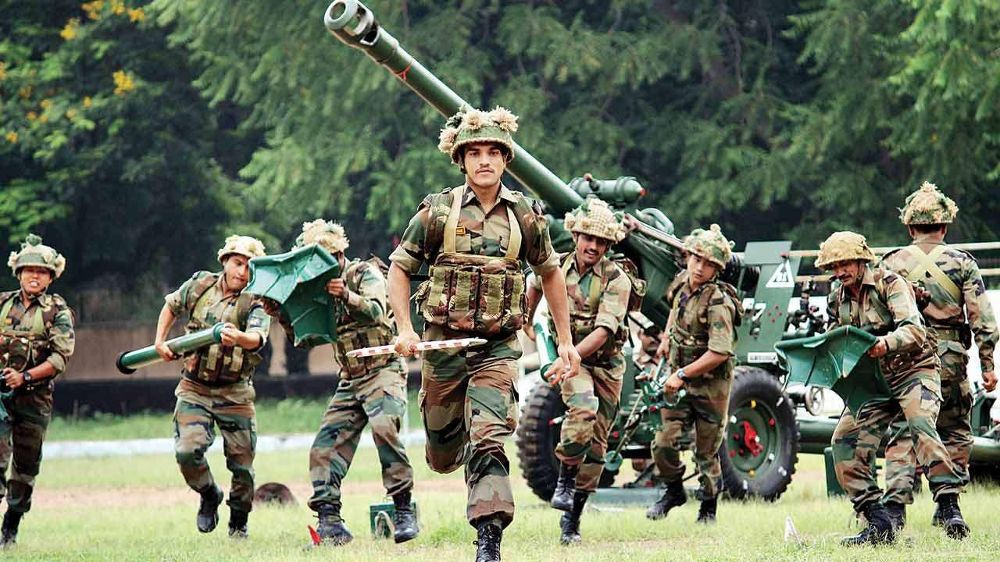
As a young Lieutenant, I served as the Gun Position Officer (GPO), responsible for deploying the six guns of the battery, calculating technical parameters for engaging targets at approximately 25 kilometres, managing ammunition, administering soldiers, and maintaining weapons, vehicles, and radio equipment. During an annual training exercise with live firing, our Brigade Commander declared me a casualty. Our Technical Subedar stepped in, took over my duties, and performed commendably – impressing the Brigade Commander and validating the training philosophy.
Four years later, as a Forward Observation Officer (Captain) during a similar exercise, our Brigade Commander declared our Battery Commander a casualty. I took over fire planning and target engagement in support of an Infantry Battalion attack. Again, the system worked. We were trained, tested, and proven capable of functioning a level up.
The Curious Drill: Officers as Gun Detachment
During the annual inspection after I joined our Regiment as a Second Lieutenant in 1983, our Brigade Commander – Brigadier S Padmanabhan – Later Chief of Army Staff (Please click to read more about the General) – issued an unusual order: all officers were to form a gun detachment. The senior-most Battery Commander acted as Detachment Commander, while the remaining eight officers – Captains and Lieutenants – served as the detachment. Together, we brought a medium gun into action and executed target engagement drills.
For a week, we trained under Subedar Amarjit (Please Click Here), a Punjabi Brahmin who spoke chaste Punjabi interspersed with taunting commentary and colourful punchlines. His instructions were sharp, his humour sharper. It was exhausting, enlightening, and unexpectedly enjoyable.
Curious about the Brigade Commander’s intent, I asked our Battery Commander why we were being put through this drill. “To build camaraderie among officers and make us well versed with the handling and functioning of the gun,” he replied. I was not entirely convinced – but I accepted the answer and continued training.
The Answer Arrives Decades Later
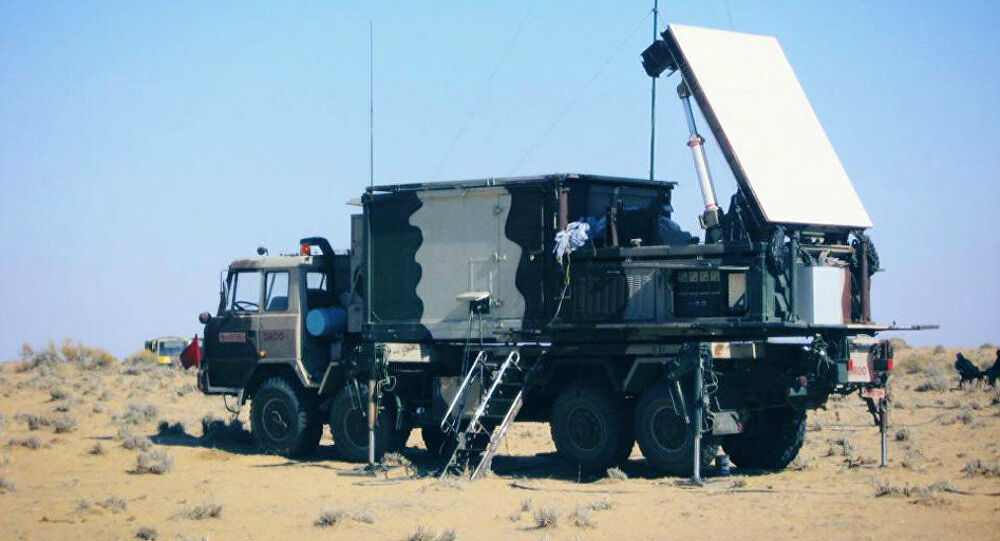
Fast forward to June 2002. I took over command of a Surveillance and Target Acquisition (SATA) Regiment. The unit was in the process of being equipped with modern radars, surveillance systems, and survey equipment. Military technology had advanced by leaps and bounds. Much of what I knew was outdated.
I began training earnestly alongside our soldiers, with our Subedars serving as instructors. It was learning of a different kind. The soldiers were visibly enthused to see their Commanding Officer training as a detachment member and radar commander – carrying the theodolite, setting it up, taking observations, operating the long-range optical surveillance system, and handling the Global Positioning System (GPS).
I enjoyed the training as much as I had as a Second Lieutenant. I learned a great deal, especially the shortcuts our soldiers had developed through hands-on experience. Those three morning hours spent training became the highlight of my day. It helped me know our soldiers better, and my confidence in them increased manifold. I suspect they felt the same about me.
My computer knowledge – both hardware and software – helped me assimilate the training quickly. Our soldiers were amazed at my speed of learning and impressed by my finesse in handling the equipment.
The Epiphany
It was then that the answer to my decades-old question finally surfaced. Why had General Paddy made us train as a gun detachment? Not merely for camaraderie. Not merely for familiarity with the gun. It was to prepare us – years in advance – to train two levels down.
If a Commander can step into the boots of those two levels below, they gain an understanding that no manual can provide. They learn the shortcuts, the struggles, the silent innovations of their soldiers. They earn respect not through rank, but through demonstrated competence.
A Suggestion for the Future
I propose that all commanders – from Brigade Commander downward – should train two levels down for at least one or two days each year. In an era of rapidly evolving military technology, this practice would be invaluable.
When I joined our Regiment in 1983, the soldier’s personal weapon was the 7.62mm Self-Loading Rifle. Over the years, we were equipped with 5.56mm rifles and the AK-47. In 1989, our Regiment received the Bofors Gun – a quantum leap in the use of computing power in gunnery. Until then, we had relied on cumbersome manual procedures involving logarithmic tables, range tables, graphical instruments, and calculators. The Infantry and Armoured Regiments underwent similar transformations.
Training two levels down – undertaken with a positive intent to learn – will go a long way in building camaraderie and helping soldiers know their commanders better. More importantly, it will help commanders never forget what it feels like to be on the ground, doing the work, serving the nation one hands-on task at a time.
Training two levels down – if done with a positive intent to learn – will go a long way in camaraderie and the soldiers knowing their Commanders better.
‘When he has brought out all his own, he goes on ahead of them, and his sheep follow him because they know his voice. But they will never follow a stranger; in fact, they will run away from him because they do not recognise a stranger’s voice.‘ (Gospel According to St John, Chapter 10, Verses 4 & 5)
This was my guiding light as I trained myself along with our soldiers on assuming command of a Surveillance and Target Acquisition (SATA) Battery. Being new to the outfit, it was imperative that I ‘recognise their voices’ and for the soldiers to know the ‘voice’ of their Commanding Officer (CO.)
My mornings were well spent on training with our officers and soldiers on the equipment, as my first priority was to achieve a good level of proficiency in handling and operational functioning of the radars, surveillance and survey equipment.
The deficiency in our posted strength of personnel was made up by the influx of about 20 recruits, whose training had been truncated in view of the mobilisation. They had to be trained further to become effective soldiers. Drill and Weapon Training Instructors were requested from the neighbouring Infantry Battalion. All young soldiers with less than five years of service were trained separately, commencing with 45 minutes of Physical Training, followed by a breakfast break of 45 minutes. This was followed by 45 minutes of Drill after which there was a 15 minute ‘hydration break’ with liberal amounts of lemonade and water being served. This was followed by a 45-minute Weapon Training class under the trees. The technical and tactical training sessions were conducted thereafter.
For the next four weeks, all Officers and Soldiers trained sincerely and hard. At the end of our training schedule, we had well turned out soldiers moving about with a smart military bearing. They all proved to be an asset to the Battery as they were ready to execute any task. A strong feeling of ‘espirit de corps’ and Regimental Pride developed due to which, we had zero disciplinary violations. .
Training of JCOs and NCOs to become effective junior leaders was a bit difficult on account of systemic inertia caused due to decades of centralised functioning. Though their duties and responsibilities were explained in detail and all JCOs were granted the financial power to purchase anything up to Rs 100 without prior approval, they were rather hesitant to assert themselves.
On the third day of my training with the Radar teams, I tasked a JCO to drive in a vehicle along the road, for a distance of about 15 km from our location, with a radio-set and a GPS. He was required to stop after every km and report his location while those of us at the radar-end tried and locate him and compare the map coordinates worked out by us with his GPS coordinates reported. After about five reports, the JCO stopped reporting his coordinates because the batteries powering his GPS had drained off. “Why couldn’t he use his initiative and purchase the standard AA batteries from any local shop?” I asked. Though the cost of the batteries was well within his financial powers, the thought of procuring them himself, did not occur to him. “March him up to me tomorrow!” I ordered. In the evening Major Suresh, our Second-in-Command, came to my office and said “At this rate you will end up marching up half the Battery. Please give them time to get used to your style of functioning.”
There were many myths prevailing which had to be broken. This needed persistent efforts as it is rather difficult to introduce new ideas and practices without uprooting deeply entrenched beliefs and practices that drive the functioning of any military unit.
As the Battery was all set to move into battle, all soldiers wore their Identity Discs with the oval disc on their left wrists and the round one around their necks. The myth prevalent was that this was to ensure that identification of the body parts would be easier if blown apart due to an explosion. The correct method of wearing the two discs was explained to all soldiers. The oval disc, through one hole of which, a cord 24 inches long is passed through, is worn around the neck like a chain. The round disc is required to be attached to the bottom hole of the oval disc using a smaller cord, about four inches in length. Both the discs, attached to each other, were required to be worn around the neck of each soldier! In case of death during war, the round disc is required to be removed by the soldier’s comrades or at the field hospital and deposited with his unit as proof of his death in action. The oval disc is left on the body for identifying it and conducting the last rites. The round disc, along with the soldier’s personal belongings are despatched to the Depot Regiment/ Company of the Regimental Centre of the soldier and the oval disc is removed at the time of cremation/ burial or despatch of the dead body to the soldier’s home and kept for records.
An aspect that hindered the effective functioning of JCOs was the non-availability of transport, especially when they had to travel outside the Regimental area. Three 100 cc light motorcycles with six helmets were handed over to our Subedar Major, for use by the JCOs. The Subedar Major was directed to issue military driving licences to all JCOs and to those Havildars who had qualified for promotion to be a JCO. One JCO was brought to me with the excuse that he could not drive a motorcycle and hence, did not want any driving license to be issued to him. I cleared his doubts by making him aware that, “All JCOs were required to clear Mechanical Transport Level 3 Test (MT3) prior to attending the promotion cadre. Anyone with MT3 is qualified to drive a motorcycle and other vehicles. In case any JCO is unwilling to drive, he would be marched up to the General Officer for dismissal from service on grounds of inefficiency.” There were no complaints after that.
During our Young Officer days, one has been hearing about training JCOs to be effective junior leaders, capable of taking over duties of Young Officers and executing them. It mostly remained on paper, confined to theoretical realms. Barring a few JCOs, most were not trained or empowered to be junior leaders at regimental level. It could well be attributed to the selection and training of JCOs. One often heard “A good Havildar will often prove to be a bad JCO.”
JCOs are Gazetted Officers meaning that their appointment is published in the Gazette of Government of India. By definition, a Gazetted Officer is a person who is an officer in the Indian Government service, the signature and official seal of which is necessary for verifying and attesting important documents certified copies and/or photographs of the person for the central and state government. He needs to be evaluated as a reasonably high-level public employee. The gazetted officer’s acts are considered as an authorised witness for document verification.
To verify and to attest any document, the first need was a seal. To put this into practice, I ordered that all JCOs be given a seal with their Personal Number, Rank, Name and Appointment. They were to carry the seal with them and had to affix it wherever they signed. All attestation/ verification tasks were given to them.
The next task was to educate our JCOs about being a Gazetted Officer and the responsibilities accompanying this status. This is a little-known facet. I am not surprised that even today, many COs will be unaware of this fact that our JCOs as gazetted officers receive this power and authority to use their seal directly from the President of India.
The JCOs were appointed in-charge of various stores, equipment and Regimental institutions. All Havildars were accordingly relieved of such charges. The JCOs now had to carry out all documentations, prepare work orders, pay & allowances documentation, leave planning of soldiers under command, leave certificates, railway warrants, etc and sign them with their seal. In many ways they were doing the task of both officers and NCOs and with a quiet efficiency.
The Battle Physical Efficiency Test (BPET) and Small Arms Annual Classification Firing results of the Battery did not follow a bell curve. That meant that either the standards set by the Army Physical Training Corps or the Infantry School were too easy (which, obviously was not the case) or the soldiers of our Battery were exceptional in their marksmanship and physical fitness!! I impressed upon all the need to be truthful in reporting test results and it must follow the bell curve. The case of Havildar Shivnath Singh who represented India twice in the Asian games and twice at the Summer Olympics and who wilted due to unscientific over training was discussed. I summed it saying, “Failing in any test is not a sin and the soldier has to be trained systematically to achieve the desired results.“
Another retrograde convention among all ranks concerned the use of the telephone or intercom to communicate with the CO. This was considered by most as sacrilege. Our officers felt that calling the CO over the intercom or telephone appeared discourteous and they were not comfortable with it. They felt that they must physically appear in front of the CO to pass on any information. I explained to them, “The exchequer has spent a considerable sum to provide the Battery with a telephone network and an intercom system. Please use them. Calling the CO over the phone is not being discourteous.” It still took them over a month to shed this inhibition.
Did it continue like that for ever in the Battery? I did what I could, and I cannot ensure its continuity, but I succeeded to a great extent in dispelling many myths and retrograde conventions.
On taking over command of our Regiment in June 2002, we were deployed in our operational area in Rajasthan, ready to be launched into battle any time. The mercury tipped many days over 40°C and the Regiment had been there since the dawn of the New Year.
The entire Regiment was living in tents with the Commanding Officer (CO) provided with a much more spacious and larger tent. The other luxury the CO enjoyed was a desert cooler in the tent and the Second-in-Command (2IC) too had this luxury. A 5kW generator meant for the workshop powered the lights, fans and desert coolers from 9 AM to 2 PM and then from 7 PM to 10 PM.
My first day in command was spent on familiarisation of the Regiment and the area around. It ended with my first command order. Please click here to read https://rejinces.net/2016/04/01/first-comd-order/.
That was when I realised that the dreams and plans I had in mind to be executed on taking over command had to be kept in abeyance as there weren’t adequate funds. The only money at my disposal was Rs 200000 from a fixed deposit that had matured. That wasn’t my money and if I used it, I had to make it up.
After working out the power requirement, it was decided to procure three 15kW generators and fifty desert coolers to equip every tent in the Regiment. Two Young Officers with a team of soldiers were deputed to purchase the same from Jodhpur, the nearest town. From that evening we had a well lit and well cooled township. My only worry was that I had spent most of the Regimental Fund.
That evening at the Officers’ Mess, I gave out my command policy. Anythingthat does not have a utility value to the Regiment in our operational area or for the families of our officers and soldiers at our permanent location must be disposed off. All funds, Regimental and others must be utilised towards the war efforts.
All Officers and soldiers were asked to propose anything they needed and I found they were too contented with what I gave them the very first day and wanted no more.
We procured two desktop computers to support my automation endeavours. Now I had to conserve all that was left with our Regimental Fund. The first step was to reduce stationary usage by automation and we succeeded to a great extent.
In November we were ordered to return to our permanent location at Devlali. I ordered that only one of the three generators to be carried along and the rest two and all fifty coolers to be sold off at 60% of their cost with the first priority for our soldiers. The coolers and generators were of no use to the Regiment at Devlali and would have turned into junk later. Our soldiers from Rajasthan picked up the entire lot and I recouped half the Regimental Fund I had spent.
The first project we executed was a washroom cleaning device based on the mobile cleaning unit employed by the Indian Railways to clean the toilets of the trains on the platform. Our soldiers designed and built it. Now every soldier could carry out janitorial duties and the Safaiwalas (Janitors) were available to accompany radar detachments, survey teams and also operate radio sets. They turned up smartly in their combat uniforms every morning walking with a swag with the radio set on their back and the operators pad in their hand.
Most of my time in the Regiment was spent at the Computer Cell. Whenever needed, I relieved at the soldiers’ washroom rather than using the washroom at my office. This ensured that all soldiers kept their washrooms spic and span.
Two weeks after landing at Devlali, Major General RS Jambusarwalla, our Divisional Commander visited us. I received him at the Regiment and he walked to the rear end of his car and ordered his driver to open the boot. There it was – a computer, a printer and a multimedia projector. That was the only time in my military career a visit by a senior officer began with a gift to the Regiment.
Two weeks later was the inspection by Lieutenant General GS Sihota, PVSM, AVSM, VrC, VM, the Army Commander, Southern Command and his proposal for other units to procure the software we had developed for Rs 10000 was a great boon. Now I had all the money at my disposal to implement all my ‘wild ideas.’
We were a SATA Battery being converted to a SATA Regiment. We did not have a JCOs’ Club, an important Regimental institution. Fighting many a battle with the Station Headquarters, we managed to get a near dilapidated building allotted as our JCOs’ Club. I summoned our SM and tasked him to get the building done up, procure furniture, crockery, cutlery, etc. I gave him a month’s time for executing the task with my final advice “It’s got to be better than our Officers’ Mess.” After a month our SM invited all officers for a cocktail at the JCOs’ Club for inauguration. The above image is the testimony to that day.
Our soldiers came up with a request for a multi-gym. SM Thangaswamy was tasked to execute the project with the assistance of other JCOs. They suggested procuring the equipment from Ambala as it would a cheaper option. I advised them to procure it locally from Nashik to ensure installation and warranty services.
Two weeks later SM Thnagswamy asked me about my availability to inaugurate the gym. I asked him to inaugurate immediately and make it available to our soldiers.
We automated our kitchen with flour kneader, freezers and coolers for storage of milk, meat and vegetables. We were allotted a ‘Steam Jacketed Cooking System’ for the soldiers’ kitchen procured from special funds under the Army Commander’s Special Financial Power. I did not want it to turn into an elephant’s teeth for show alone. How we extracted its full value, please read https://rejinces.net/2019/03/31/elephantteeth/.
I was lucky that I had a great lot of officers and soldiers who accepted me, supported my ideas and worked wholeheartedly to ensure fulfilment of all my dreams. I must sincerely thank all Officers, JCOs, NCOs and soldiers and a special high-five for our Subedar Major (SM) Thangaswamy who kept me in high spirits with his sense of humour.
Did I realise all the dreams I came with to command? It’s an emphaticYesand much more; all because of a great Regiment that I was lucky to command.
Listening to an interview of Brigadier General Ross Coffman of the US Army on military leadership, I was fascinated by his revelation that it was his father who too served the US Army who instilled in him a duty to serve the nation, and to love the men and women who fought alongside. General Coffman narrated an incident with his father.
A close relative was skimming through the pages of his father’s album and came across some photographs of his father as the Platoon Commander with Sergeant Elvis Presley. He said, “If you sell these photographs, you will earn huge money.”
When Elvis Presley turned 18 on January 8, 1953, he fulfilled his patriotic duty and legal obligation by registering for the US Army draft. At that time, he was a rock and roll music sensation. Though the US Army offered Presley an option to enlist in Special Services to entertain the troops, he decided to serve as a regular soldier. This earned him the respect of his fellow soldiers and countrymen. Thus, Presley became US Army Serial Number 53310761 and after his basic training was assigned to D Company of the Third Armored Division’s 1st Medium Tank Battalion. This took him to Germany on October 1, 1958, and he served with the Regiment until March 2, 1960. On January 20, 1960, Presley was promoted to the rank of Sergeant.
What impressed young Ross the most was his dad’s reply. “I love all the soldiers who served with me. My love for them will never be on sale.“
On assuming command of a Surveillance and Target Acquisition (SATA) Battery at our operational area in Rajasthan during June 2002, where we were deployed to go into battle at any moment, I walked into our office and asked for the ‘Last Will and Testament’ of all soldiers. I realised that most were incomplete or inaccurate with respect to the name of the next of kin, spouse and children. When I inspected the documents of the clerks who were responsible for their preparation, I found the same glaring errors and omissions. Realising the gravity of the situation at the juncture when war clouds were looming, I decided to automate the personal documentation of our personnel, starting with the generation of the Last Will.
Having served throughout with a Medium Artillery Regiment, and on staff assignments, I had a very basic, broad based knowledge and exposure to the equipment and operational functioning of my new unit which was all about radars, surveillance equipment and survey. Achieving thorough proficiency in these subjects became my foremost priority. Therefore, my mornings were well spent on training with our soldiers on the equipment. By noon it was too warm for any worthwhile learning, and I used the rest of the day to familiarise with the soldiers by interviewing them at my office. Please read https://rejinces.net/2015/12/28/firstmlname/
When I moved in to command, I had four boxes – two for my personal belongings and two housing my desktop computer, printer, scanner and various other accessories. My personal computer was the only functional computer in our Regiment then.
I began my automation project by creating a basic database comprised of the soldiers’ personal number, rank, name, next of kin, spouse and children. With each interview, the database expanded to include other relevant aspects. By the time I completed the first round of interviews, I had to conduct another round as I had more data to collect.
With the assistance of three soldiers, we captured most of the required data and I programmed it to ease various documentation aspects – Part II Orders, pay & allowances, promotions, qualifications, training schedules, nominations for Insurance & Provident Fund, leave availed and printing of relevant forms and certificates concerning every aspect of documentation pertaining to soldiers.
The interviews went on to the third round and our soldiers appeared to enjoy the experience. During one of the breaks while on a reconnaissance mission, my radio operator, Naik Ranjith, a good mimic, enacted a soldier’s expression on being summoned to the Commanding Officer’s (CO) tent for an interview. It commenced with the discomfiture of the soldier seated on a chair in front of the CO. Until then, soldiers always stood at attention in the CO’s office unless ordered to stand ‘at ease’. On being seated, he was served a cup of tea and to complicate the matter further, he was offered a biscuit! The soldier’s dilemma was, how he could drink the tea and eat the biscuit while answering the volley of questions fired at him by his CO. The seat in front of the CO’s table came to be named as the ‘hot seat’.
The ‘hot seat’ helped me to learn a lot about our soldiers and also to break the ice with them. Rather, it melted the ice altogether. At the end of this process, we had a robust database which could execute most documentation tasks at the click of a mouse. Our biggest achievement was that we could print all documents that were required to process the grant of pension to soldiers who were due to retire, running into over sixty pages, accurately, without errors, with the click of a mouse. It made the clerks redundant.
By the end of November 2002, we returned to our permanent location at Devlali as a cooperating unit of the School of Artillery. The news about automated functioning and other welfare measures instituted in our Regiment reached the ears of Commandant, School of Artillery. Two weeks later, the Commandant directed me to be prepared to conduct Lieutenant General GS Sihota, PVSM, AVSM, VrC, VM, the Army Commander, Southern Command, during the administrative inspection of the School of Artillery. I was tasked to conduct the General in our Regiment for thirty minutes after the briefing by the Commandant at his office.
General Sihota accompanied by the Commandant reached our Regiment and I straight away demonstrated the software and the automated office functioning. We also discussed various welfare measures that we had initiated in our Regiment. At the end of the discussion, the General asked me “If other Units of the Army would like to procure this software from you, how much would you expect?”
“Ten thousand rupees,” I replied.
“Why ten thousand?”
“This software has been designed for our Regiment. I need to work to customise it for others. I can provide it free of cost, but then, no CO would value it. Only those COs who sincerely value the importance of documentation of their personnel will spend money to procure the software.”
The Army Commander was convinced with my reply, and he gave me the go ahead. We all left from our Regiment for lunch and the Commandant was happy that the administrative inspection of School of Artillery was concluded with the GOC-in-C’s visit to our Regiment. About a hundred units, mostly Artillery Regiments and a few Infantry Battalions procured the software from us.
The money from the software accumulated in our Regimental Fund Account. Our Second-in-Command, Maj Suresh approached me to say that it was my money as it was the fruit of my hard work. I refused to accept a penny though Suresh was adamant that I take at least 25%. I said: –
“I developed this software for our soldiers. I love our soldiers from the bottom of my heart. I cannot sell my love for our soldiers. All the money we earn from this software must go to them.”
The evening I handed over command at Devlali, I flew to Toronto from Mumbai. Having joined our Regiment with four boxes, I left the Regiment after a very fulfilling command tenure with two boxes, leaving behind my desktop computer which had dutifully served me for seven years.
Congratulations to the author for a well written book with the aim of motivating our youth – an aspect that very few military leaders have attempted. The journey of life of a young lad from Charangpat (Lake of the Dragonflies)- a remote hamlet in Manipur – ‘the Switzerland of India’, to becoming a General in the Indian Army and on hanging his uniform. His choice to return to his roots to serve the society instead of enjoying a well-earned retirement at any place of his choosing, is well etched. He was, in his own words, was a child who was physically weak, shy, scared of heights and the darkness.
Manipur has the highest per-capita number of officers in India’s armed forces. Now, being the Chairman of the Manipur State Public Service Commission, I have a suggestion. While appearing for Canadian citizenship, we were required to clear an examination which had 20% questions from Canada’s military history, mostly covering Canada’s contribution during the two World Wars. India has a very eventful military history, especially post independence. Through my various blogposts I have been suggesting that the Union Public Service Commission and State Public Service Commissions must have least five percent questions from Independent India’s military history. This will enthuse the coming generation and will make them aware of the role and sacrifices of India’s Armed Forces. It is sure to make them feel proud.
All through the book, the author’s love for nature has been vividly painted, taking the reader through a visual fete. The description of the author’s grandfather ‘Even the horses kept silent when he coughed,’ kept me thinking for a while. The author’s initiative to recover plastic junk accumulated over the years of army deployment in the Siachen glacier is another example.
The impact of seeing a ten year old handle a weapon by; the need to have a dream in life – to dream big and how to pursue it; participating in family activities and chores; care for his mother by buying her salt with all his pocket money; overcoming stage fear; moral fibre, by choosing to throw away that ‘chit’ carried by him to the examination hall; listening to the English news to enlarge his vocabulary; the importance of reading (even if not comprehended at that age;) the need to remain focused; the power of pardon and courage to be truthful; his adventurous train journey; the importance of education in the development of any society; the need for hobby – great life lessons that any child will value and benefit from during his growing years.
It was a revelation to me that the game of polo originated in Manipur. His requesting for half a mark to make it to 60 – brought back memories of many of my class mates and also, officers during various courses, begging for a mark or two to make a better grade.
Team spirit and camaraderie instilled in cadets at the National Defence Academy, the lack of facilities and time to enhance individual skills; modification of curricula to incorporate leadership skill development; have been well brought out.
The initial grooming and training of a Young Officer in his Regiment; the need and role of a mentor; the impact of his carrying the additional load of a soldier during a gruelling professional competition; the importance of participating in adventure activities – provide an interesting peek into the development and growth of a military leader.
The need for re-orienting training and educating the soldiers in dealing with the local population – through the eyes of the author – recipient of the adverse effects of lack of empathy by soldiers; the adverse effect of Armed Forces Special Powers Act; effect of movies to turn the youth to violence – have been well explained.
The author has given a first-hand information about the plight of the Bangladeshi Chakma refugees; peace-loving Mizos; the clashes between Meiteis, Naga, Kuki tribes, Manipuri Muslims; religio-communal divide and its present day implications; present cultural and socio-economic situation – the voice of a true son of the soil.
Submitting Kanchejunga rolls out like a movie as one reads, especially the fall of the author into a crevasse, coming out of the jaws of death and the felicitation by the Prime Minister of India that followed.
The conviction of the author to stand up against an unsavoury remark against Manipuris by a General at the Defence Services Staff College and the methodology adopted to make the General retract his words shows the maturity of the author and his adeptness in dealing with ‘difficult ‘situations.
A tinge of well appreciated subtle humour – panic is fear at highest level of military; the golden epaulettes; gifting of a telephone by a Pakistani soldier.
The first hand details of the attack on Point 5770, mostly unsung, gives the reader goose bumps with each activity explained with brevity. It showcases the leadership traits of the author. My salute to you Sir for the respect you showed to the fallen enemy soldiers in keeping with the highest military values. Not being awarded the Battle Honour – I hope the Indian Army will make amends for the oversight even at this stage. It needed an American author, Marcus P Acosta to bestow the honour the author’s Battalion 27 RAJPUT deserved.
The Siachen Glacier experience, the after effects on both the body and mind of the author is well expressed. The dogs Pista and Pisti and the author pinning his commendation on Pisti, concern against euthanasia of aged mules shows the author’s love for all God’s creations. His wish to command a brigade in the glacier – that too for a rupee – proves his military leadership traits.
The causes that led to the Ind-Chinese recent stand-off as viewed through the author’s eyes is worth a read.
As suggested by the author, the need for a test to assess the psychological and emotional condition of the officers prior to assuming command of units is of utmost importance. If implemented, it will prove to be extremely beneficial to the Army. Also, the case of boots for soldiers – why every piece of the soldier’s uniform – were privately bought. There is no worthwhile water-bottle for a soldier since 2000. The author’s concern for the soldiers’ needs and his moral fibre to convey it to none other than the Defence Minister in the presence of the Chief of the Army Staff shows the author’s convictions.
The author has fulfilled his childhood dream – he did not stop there – but went on to become a Lieutenant General of the Indian Army. He has rightfully credited his achievements to his family, his teachers, his superior and subordinate officers of the Indian Army; above all to the soldiers who served under him.
After writing this review, I felt that I missed a great deal in never getting an opportunity to meet or serve under our first General from the North-East – a true soldier and a gentleman. I sign off with a quote from this book:-
Meeting and interacting with thousands of officers and men under my command gave me more faith in the inner strength and capability of our officers to win any situation. Only the Generals have to live up to it.
Statutory Warning : Do not blame the author for gelastic syncope.
Compliments to Captain Anil Gonsalves for an excellent biographical book. The book begins with a well composed poem, which I wasn’t expecting in such a book, that too about our alma-mater, the National Defence Academy (NDA.) Many pages have been written about NDA over and over and the ‘snake killed many times, still being beaten harder.‘ Is the tail still moving??
This was a welcome change; something different. The narration, all humorously radiant with an infectious enthusiasm. It is a collection of hilarious, stimulating, and thoughtful set of events as they unfold.
When I read the anecdotes about life at the NDA, I relived it with a smile at the corner of my mouth though the real life experience was far too terrible. The readers who have been through this type of training will enjoy reading it with a smile, both in their hearts and on their face. The author has captured all the important and landmark events in a Cadet’s life at the NDA.
The habits acquired at the NDA continue with us like the ‘never used, starched handkerchief.’ Measurements of distance and time during the reunion, I thought it was only my mind’s creation during our reunion. Now I realise that I have company. Returning to NDA, I too felt that I must not have grown up so quickly.
The author has effectively brought out nostalgic moments of his Naval life with a tinge of humour, beginning with the last sailing of the beautiful INS Mysore, the cadets’ training ship. Various life lessons the author has hilariously unwrapped are :-
Taking care of the sailors or soldiers or airmen, acceding to their request for leave even if it was fake, is sure to make any young officer feel like the Captain of the Titanic.
Life as a young officer was always about setting up a classic rattrap and ringing the bell, but every time the rattrap by itself and the tone of the bell had to be different.
The weatherman is always right on a wrong day and is the only one to keep his job or not get kicked even if he is wrong 75% of the time.
It’s the Commanding Officer who is responsible for every action of his ship and he is the ship.
‘Triskaidekaphobia‘ the fear of number 13 (from Greek tris (‘three’), kai (‘and’), and deka (‘ten’). Hence look intelligent, talk with technical terms, but always check one’ facts before blurting out.
English may not be you mother tongue – ‘working hardly’ on your language skills may not be beneficial always.
Beware of un-mastered Indian languages – they will land you in a soup.
Bathing nude at the NDA did has its advantages.
Bull-shit is Indian Army’s prerogative, never knew that it was Buffalo-shit in the Navy.
Gunners – the Naval and Army versions – are well known for their stiffness and pranks.
You can’t be thrice lucky – especially with a DRDO scientist – that too with a hammer.
You must salute the Armed Forces chopper pilots twice.
The hard service lesson to follow the Chetwode credo will remain etched in all Armed Forces officers’ minds even after retirement :-“The safety, honour and welfare of your country come first, always and every time. The honour, welfare and comfort of the men you command come next. Your own ease, comfort and safety come last, always and every time.”
Travel the world – you will realise how much you missed of the God’s beautiful creations and how much is left for you to see. The travelogues are excellent – I can vouch for the Canadian part of it – and provide excellent tips and a peek into places of interests.
The 16 hour flight from India to Toronto is as comfortable as the Taliban therapy.
Canadian side offers the best view of the Niagara Falls.
Canadians take courtesies to the extremes. They will say ‘sorry’ even if you stamp on their feet. The magical words like ‘hi,’ ‘please,’ ‘thank you’ – you have to punctuate every phrase you utter with least one of it. Racism or any racial comment or gesture is not liked – especially with young school going children around. (I have had it many a times from our children.)
A Glossary of NDA and Naval terms at the beginning or explanation of the terms would have benefited the reader. If the reader finds difficulty in getting the meaning of those terms, always remember –It means the same as the first that came to your mind – else Google it up.
If you believe that ‘Laughter is the best Medicine,’ then this book is for you.
My book ‘Son of a Gunner’ is partly inspired by this hero –Late Lieutenant ET Joseph.
June 1992 in Nagaland, Lieutenant E Thomas Joseph had finished packing for his trip home for a two-month-long leave to his hometown – Kanjiramattom near Kottayam, Kerala. Commissioned in June 1991 in the Corps of Military Intelligence, this young officer had finished his year-long attachment with the First Battalion of the Fifth Gorkhas (1/5 GR.)
Suddenly reports of some movement from insurgents in the area began to come in. The Commanding Officer got his Quick Reaction Team together. No one suggested that Joseph go along because the young officer had already got his posting orders and had been dined out from the Unit the previous day. Since he knew the terrain well, he volunteered to go with the team for the operation at night. The other officers tried to dissuade him, but he insisted on going- never to return.
By the next day, his father, Subedar Major A T Joseph, received the news of his son’s death. He immediately left for Nagaland where he laid the mortal remains of his only son to rest.
Col Sajan Moideen, one of Joseph’s coursemates from IMA days, wrote about this tragedy in his blog years later: ‘Deep down, both Joseph and his wife Thressiamma tried their best to overcome their grief. But a sadness that had no closure couldn’t be overcome. The mother in Thressiamma longed to visit the burial place. But they were unable to afford the long journey. Where would they gather that kind of money? How would they travel thousands of miles? Who would know the place? Who would help them? With old age catching up, the hope just faded away. They hoped to meet their son at God’s abode one day.’
June 2016, Lieutenant Joseph’s IMA coursemates from the 88th Regular and 71st Technical Course celebrated their 25th year of service to the nation. They remembered their fallen comrades. Eight spouses, brothers and sisters of the Martyrs travelled from far and wide including Australia to participate in the three day celebrations where over 140 officers, 100 ladies and 100 children attended. To remember and honour the fallen amongst them and to make their families proud, they were presented an apt memento.
But Joseph’s parents were not there. AT Joseph and Thressiamma could not be contacted as they had settled down in Kottayam, Kerala.
With great difficulty, an officer posted in Kerala traced out Joseph’s parents and the mother, Thressiamma expressed her wish to visit her son’s grave as she was not present for the funeral. She also requested that her son’s grave be shifted from the remote region of the North East to his home town at Kanjiramattom.
Determined to fulfil a mother’s only wish, Joseph’s coursemates swung into action. There were many hurdles on the way to get Thressiamma Joseph to her son’s grave – the old age of the parents, the finances, the long travel, and most of all to locate the grave.
The search for the tomb of the fallen soldier led them to the grave in Chakabama, 30 km from Kohima. Though the grave was inside a military garrison, no one knew about it.
Thanks to the efforts of the coursemates of Joseph to find the finances and the magnanimity of Indigo Airlines, his parents and sisters were flown from Kochi to Bangalore to Kolkata to Dimapur.
08 October 2016, Indigo Airlines with Joseph’s parents took off from Kochi airport.
11 October 2016, the parents reached the grave of their son. Then commenced the religious rites for exhuming the body. The tombstone was removed and all the mortal remains gathered and placed in an ornate coffin. Full military honours were observed, the Tricolor draped and the casket was transported to Dimapur.
13 October 2016, Courtesy Indigo Airlines, an airline that always honoured the defence forces – the coffin in the company of the parents and many of his coursemates – landed at Kochi. A Guard of Honour was presented as the mortal remains touched Kerala. A decked up cortege led by police escorts transported the remains to Kanjarimattom. The Ex- CM of Kerala, Mr Oomen Chandy and Late Mr KM Mani paid a visit to the parents and conveyed their condolences. After all their boy had come home, after 8890 days of Martyrdom.
14 October 2016, Lieutenant ET Joseph was finally laid to rest close to his house at Holy Cross Church, Kanjiramattom with full Military and State honours.
Now the mother can visit her son whenever she wishes and place flowers on the day of his martyrdom. Some of the tears in her weary eyes have been wiped. Her dream, fulfilled by her son’s coursemates.
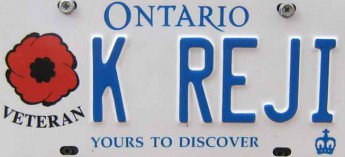
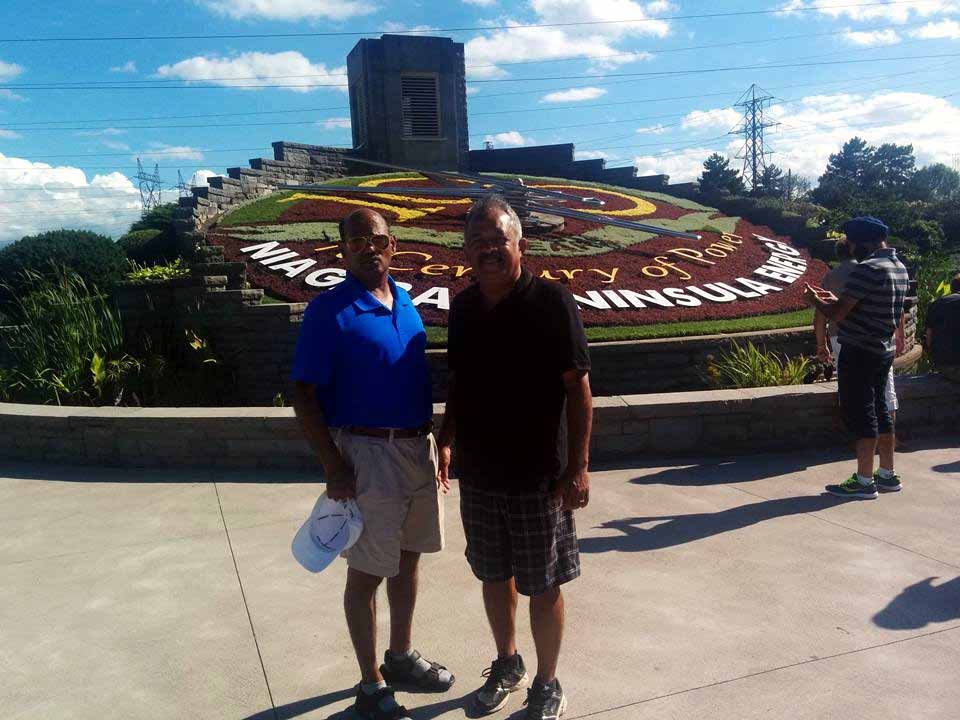
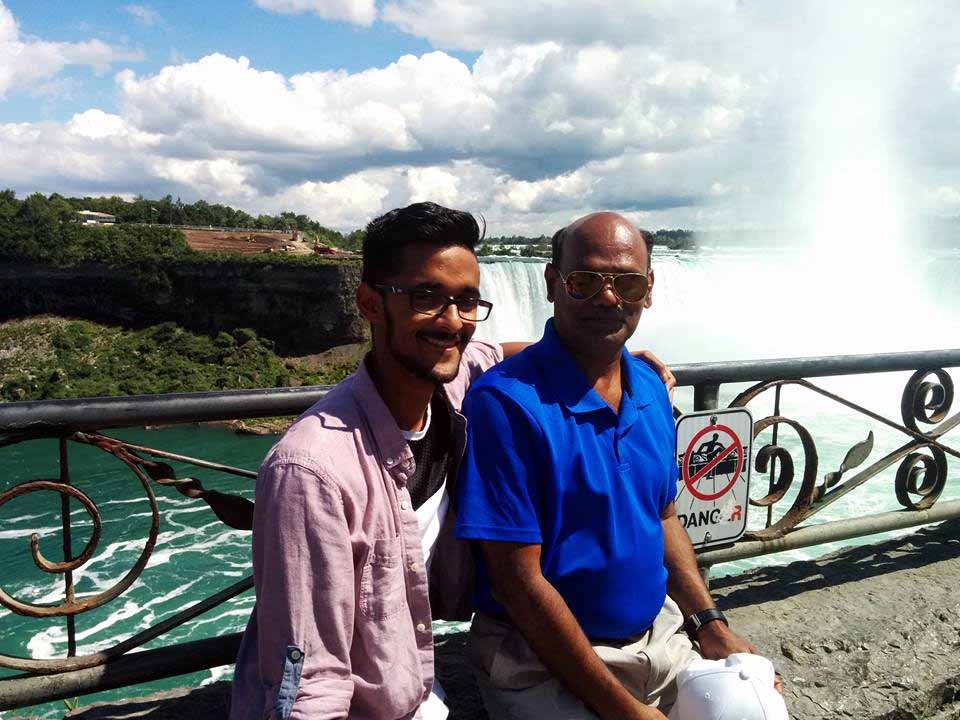
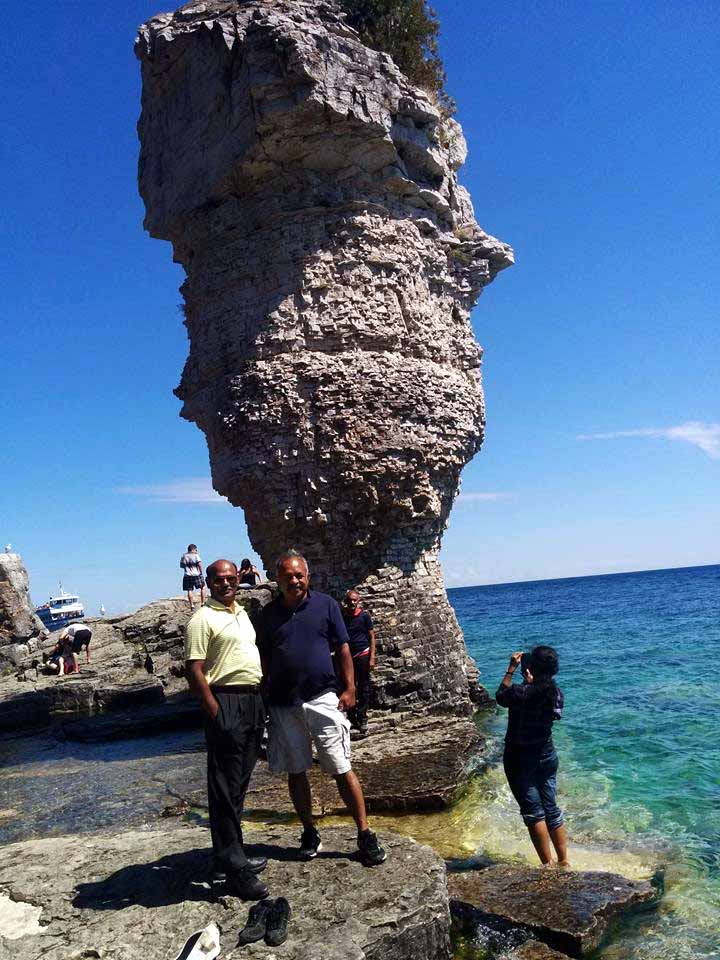

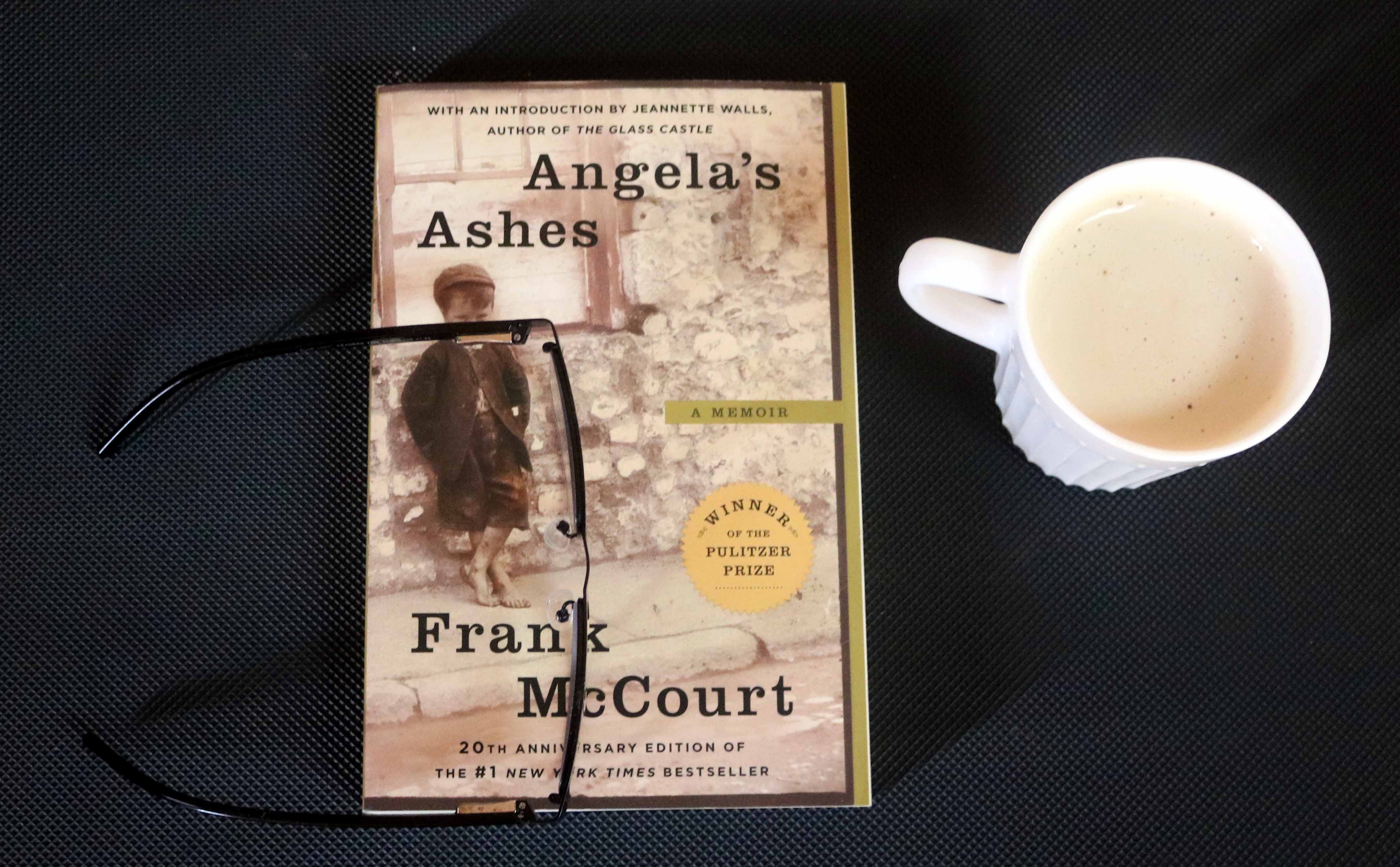




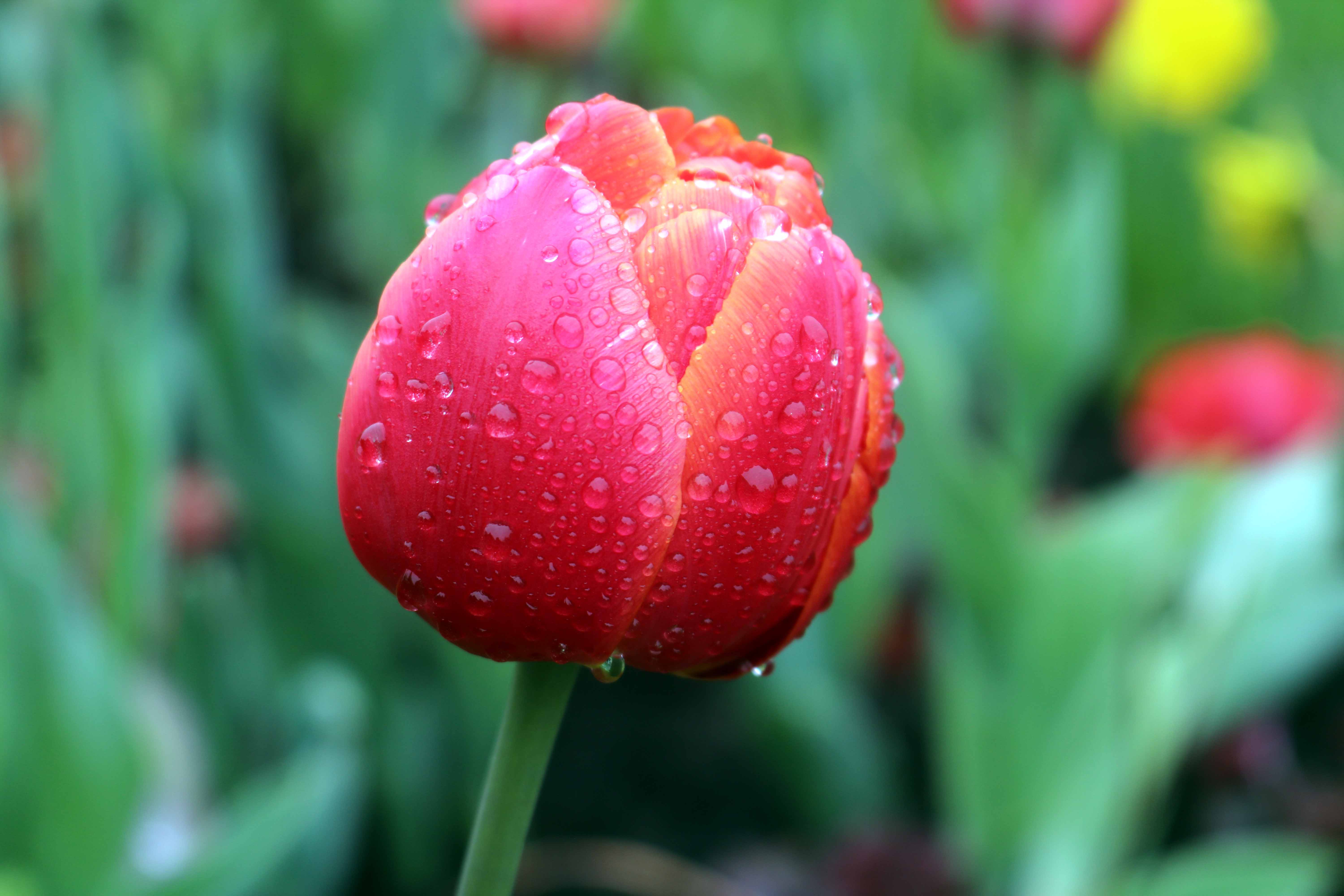

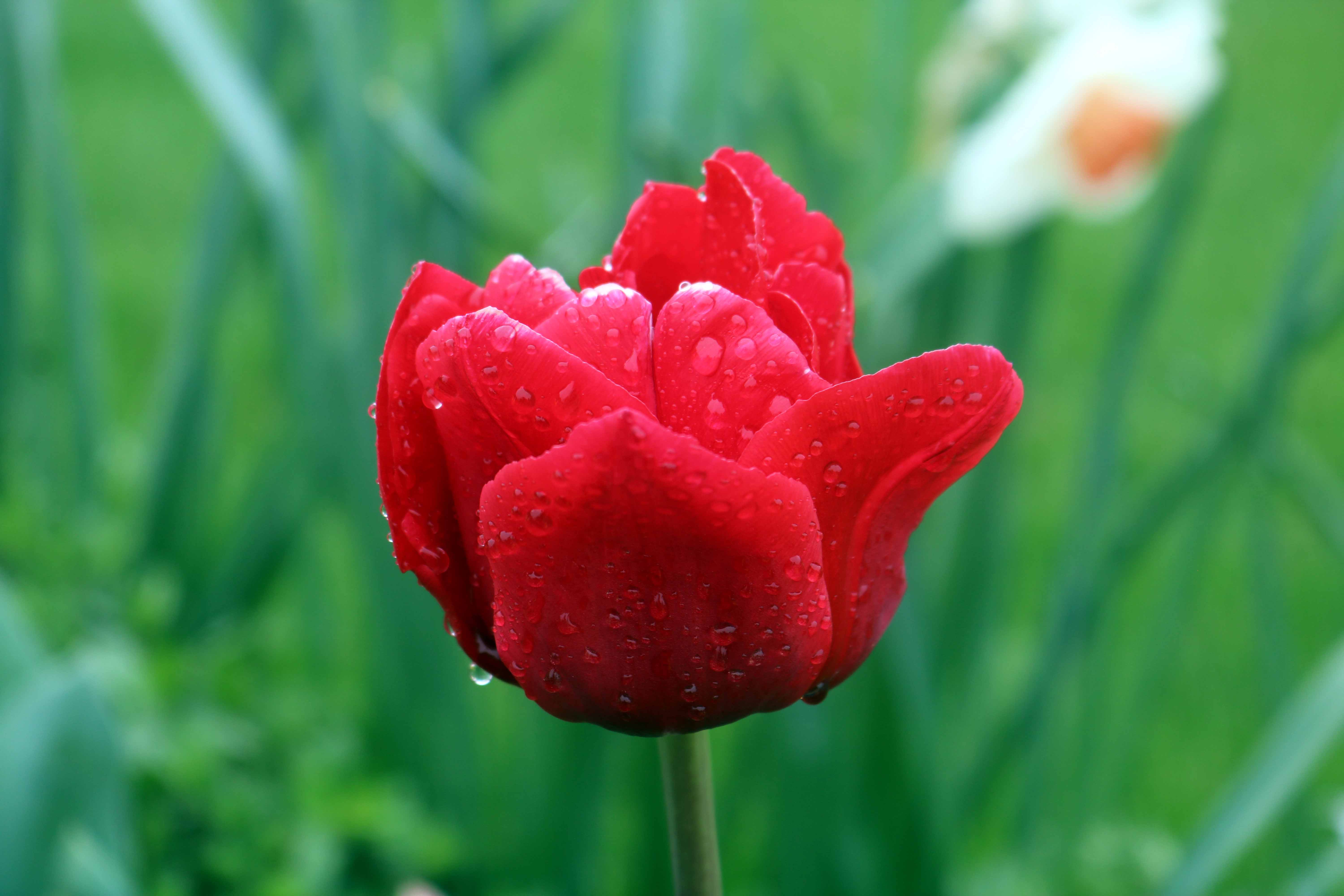


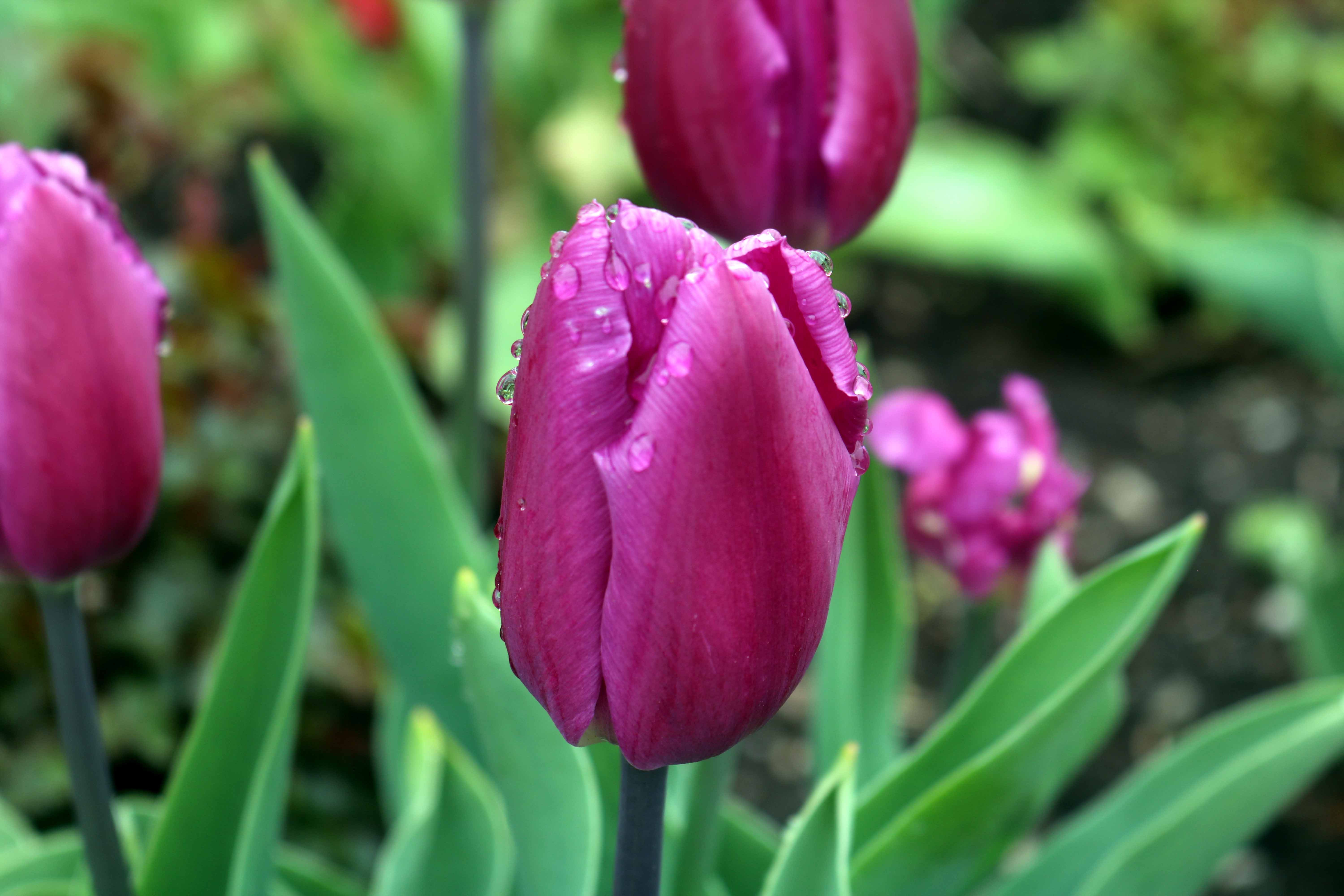
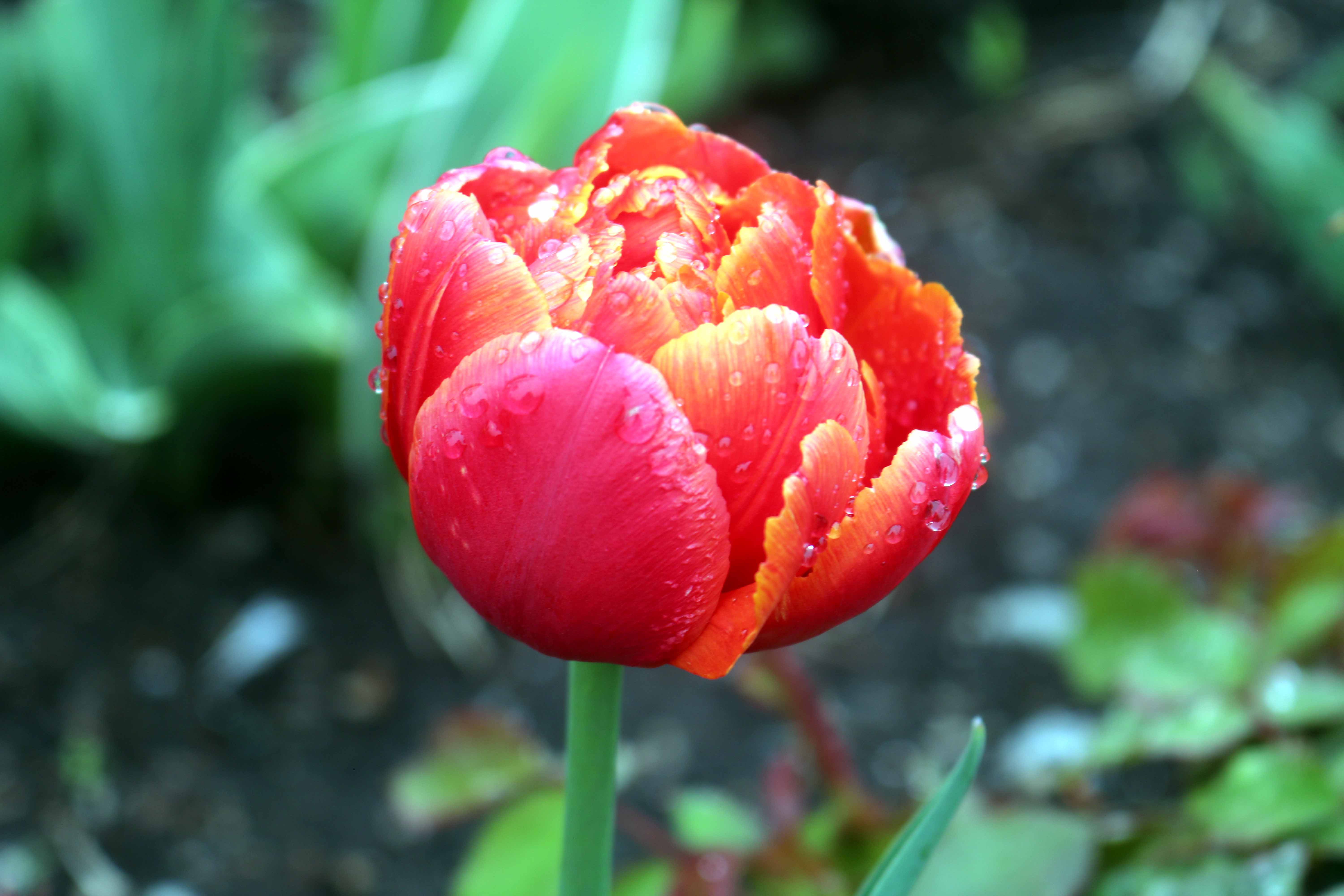
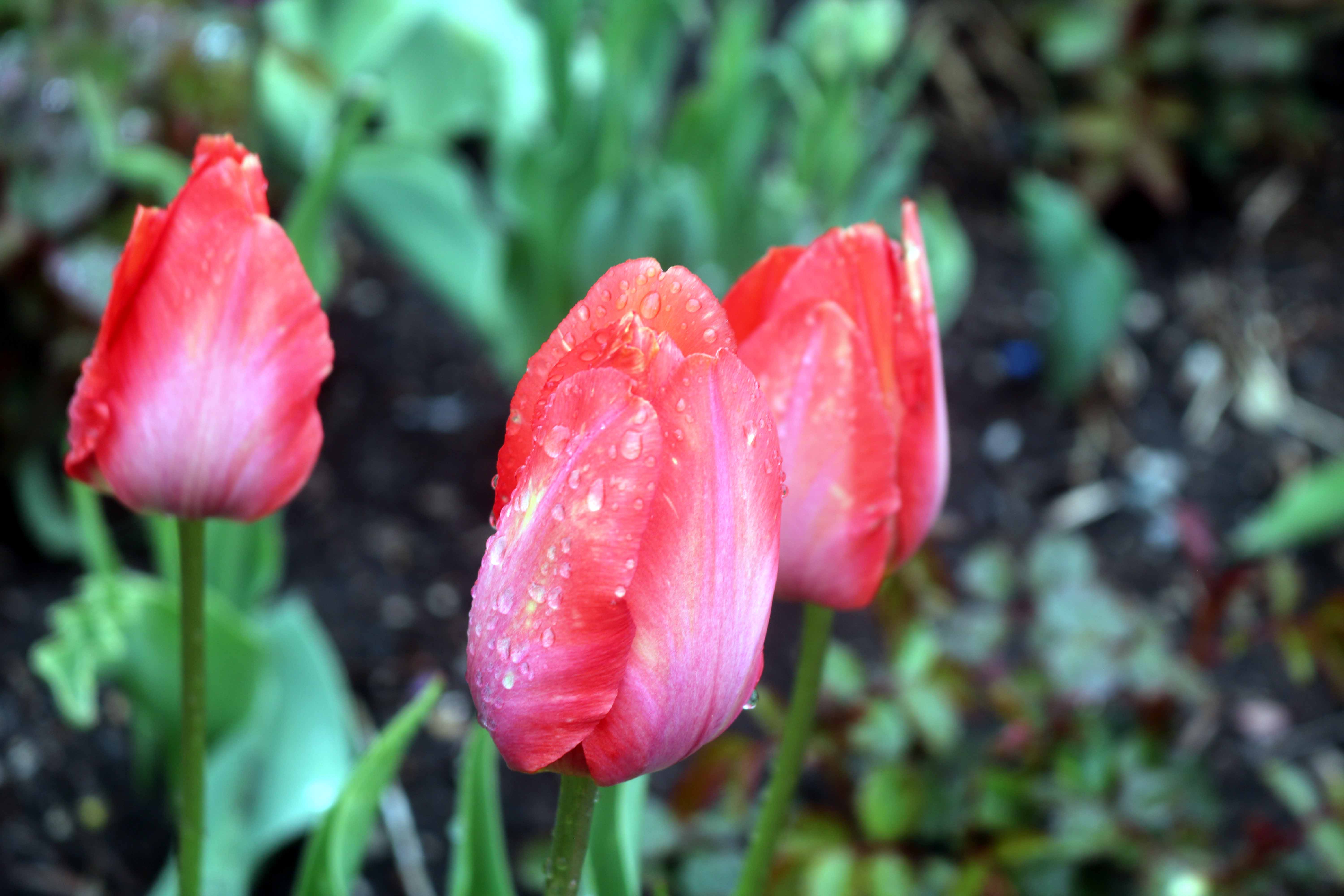
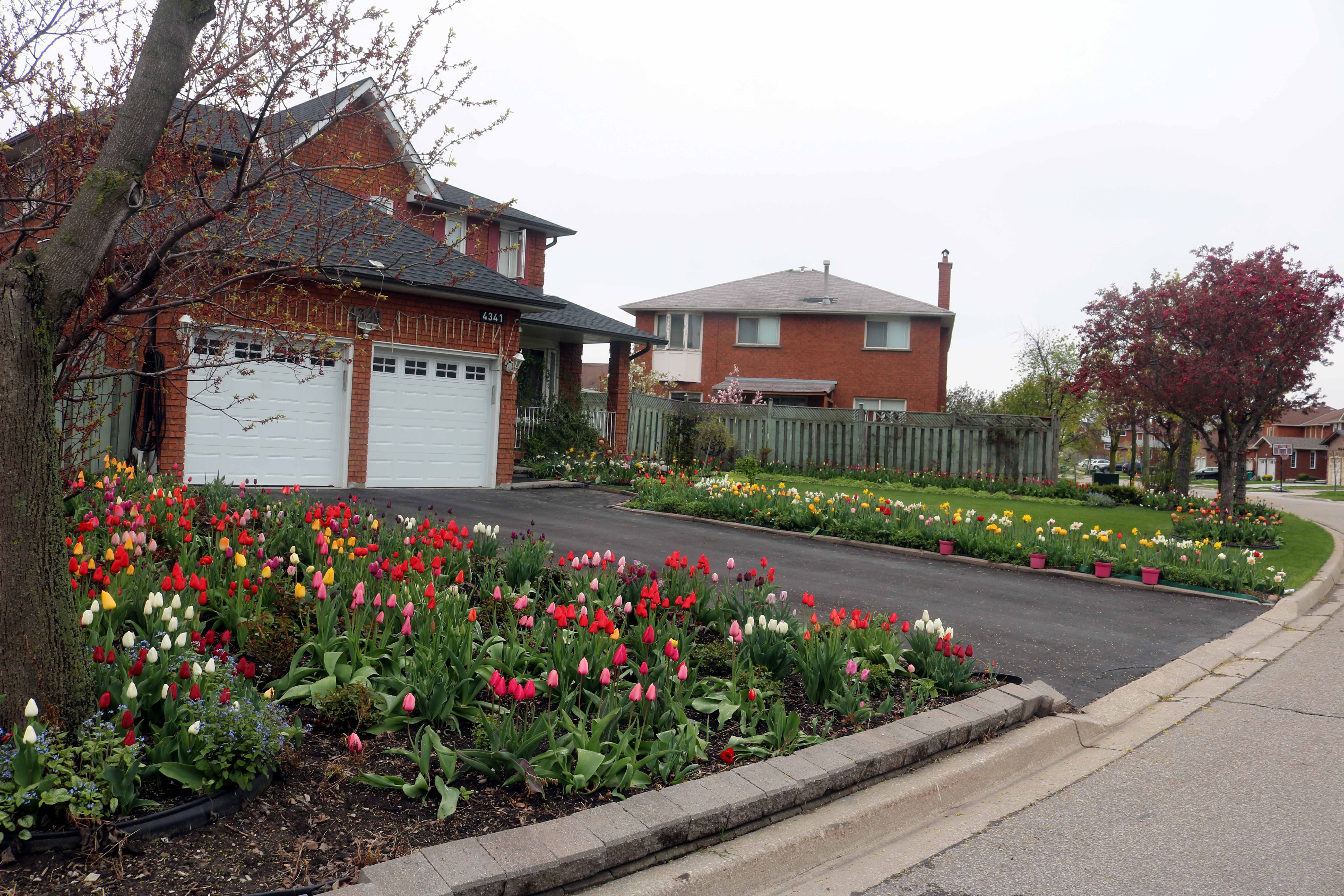
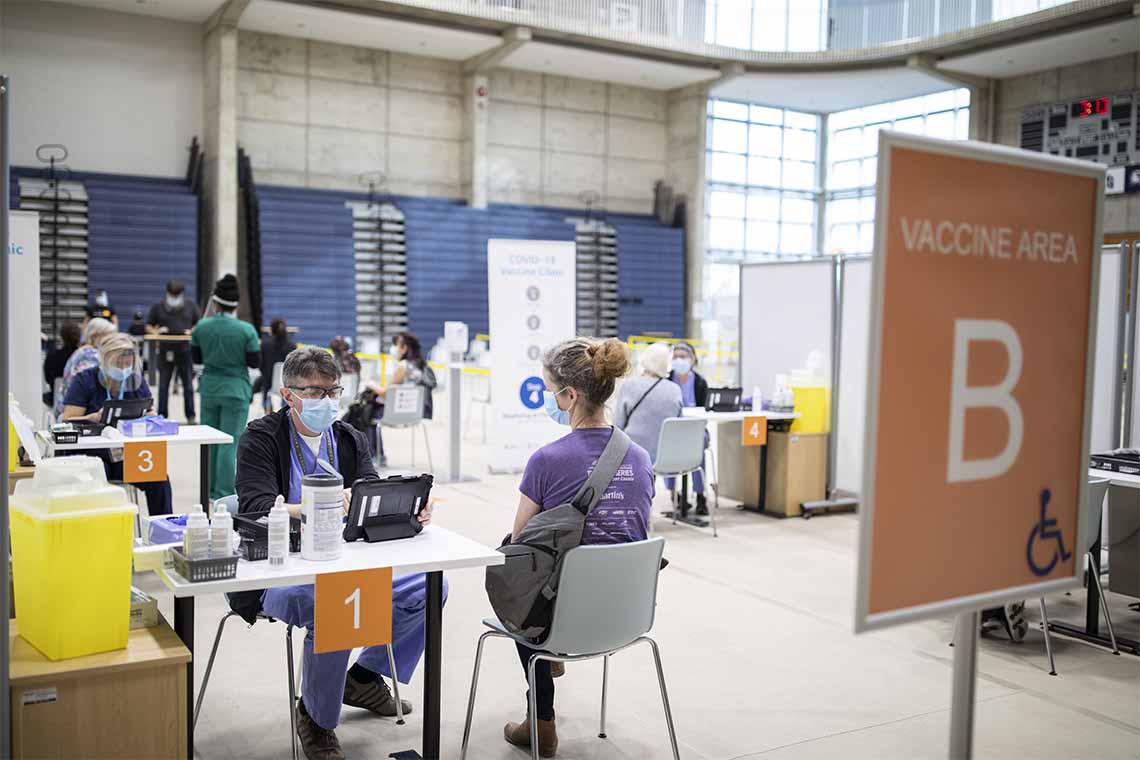

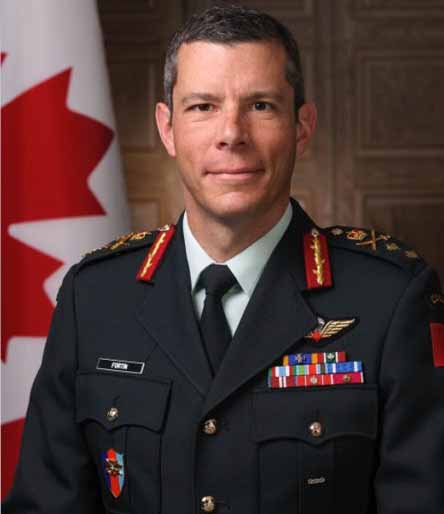




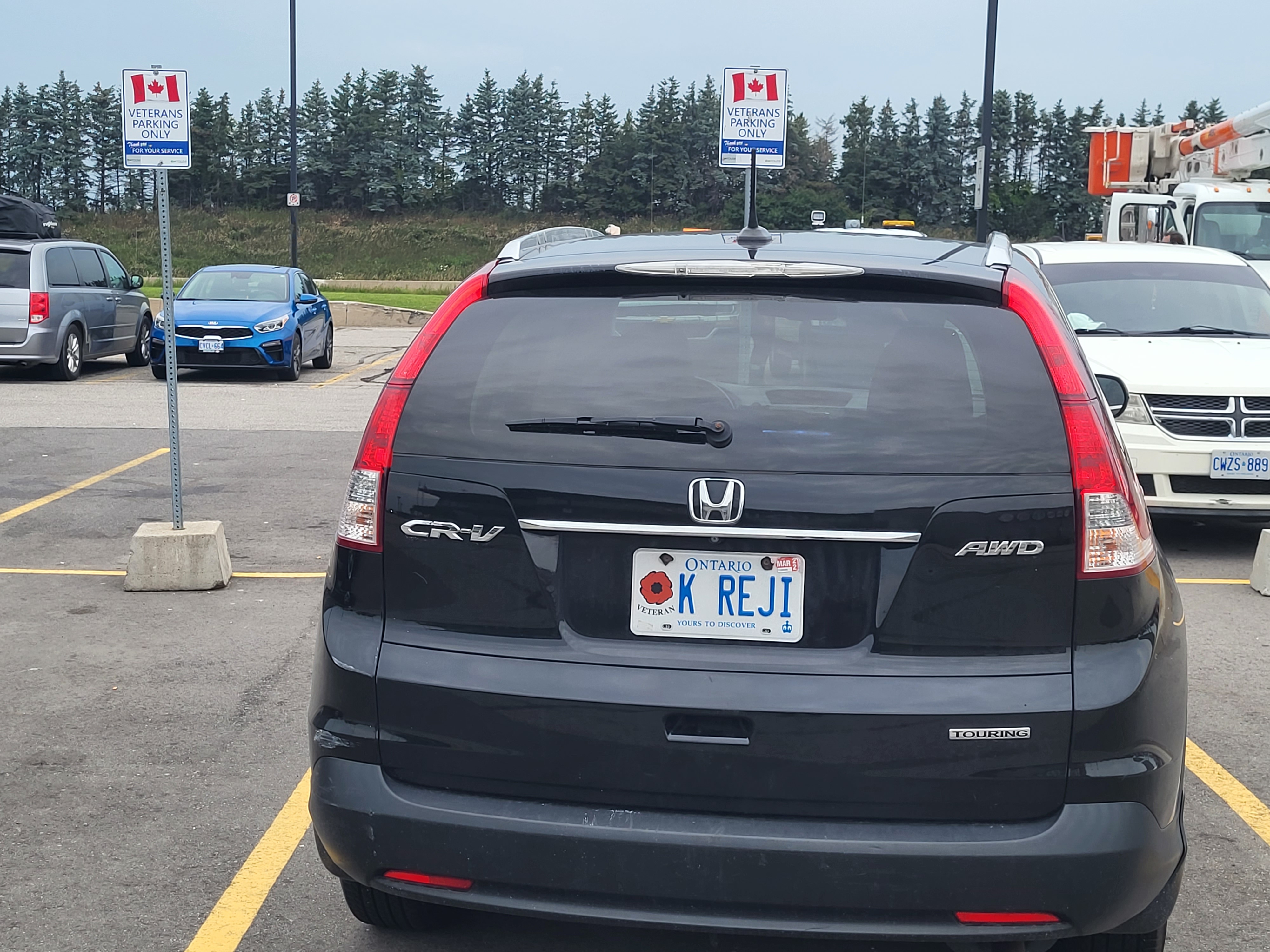


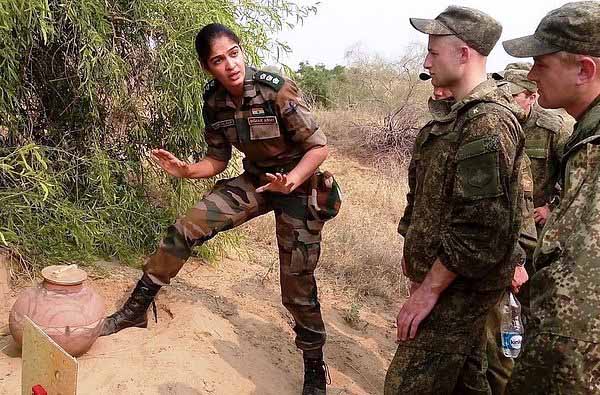

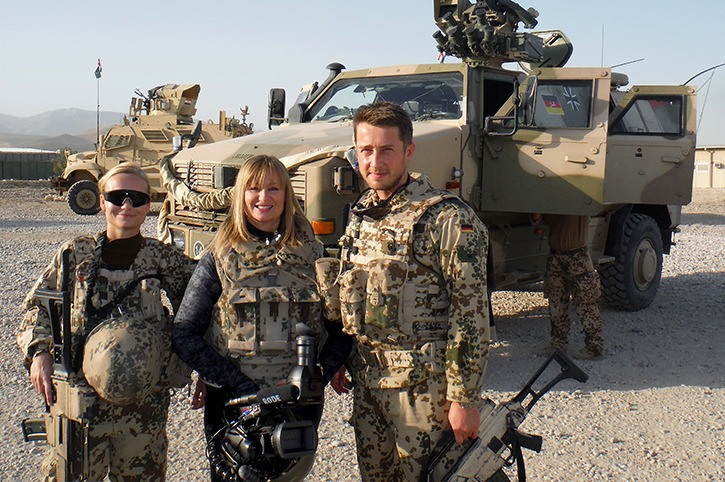
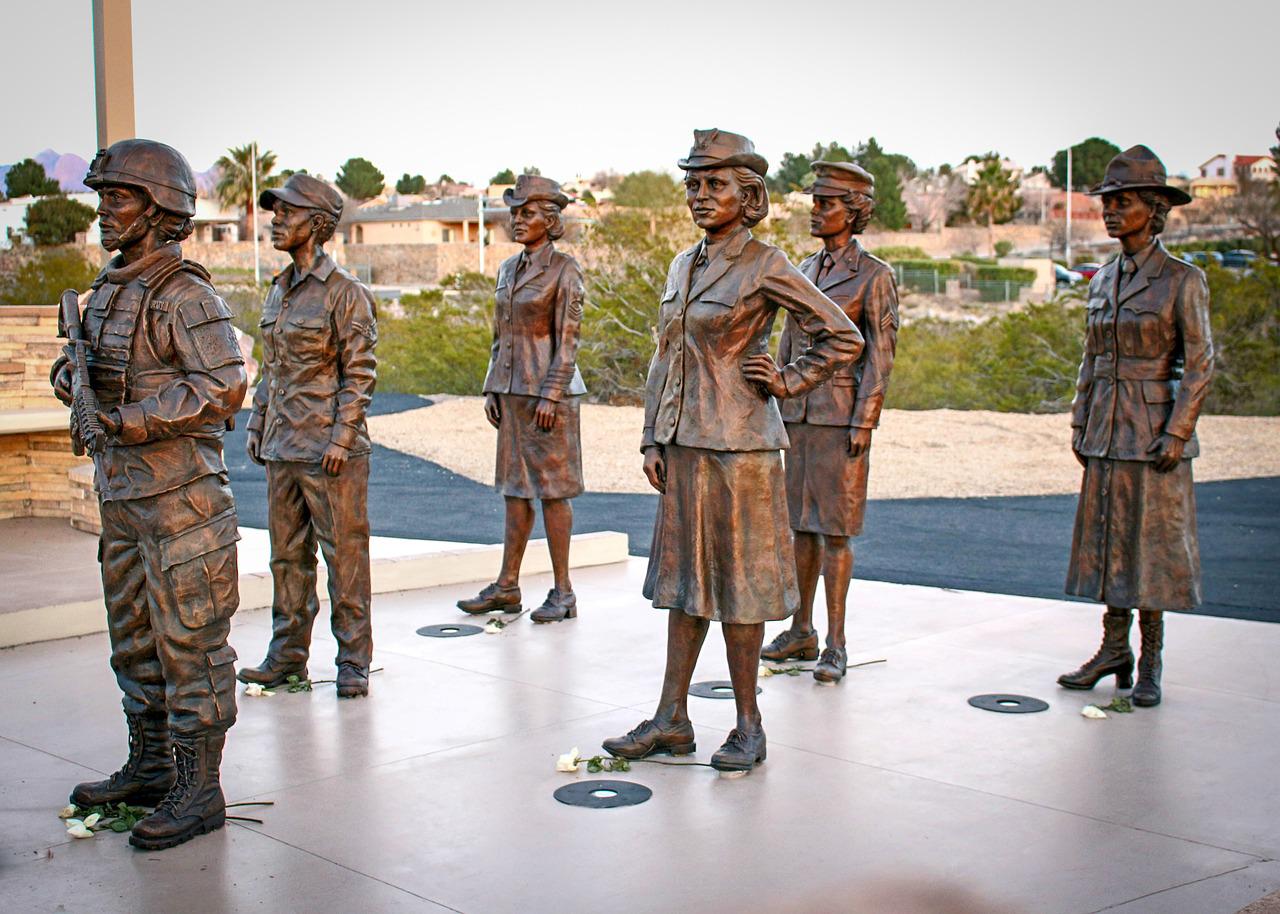
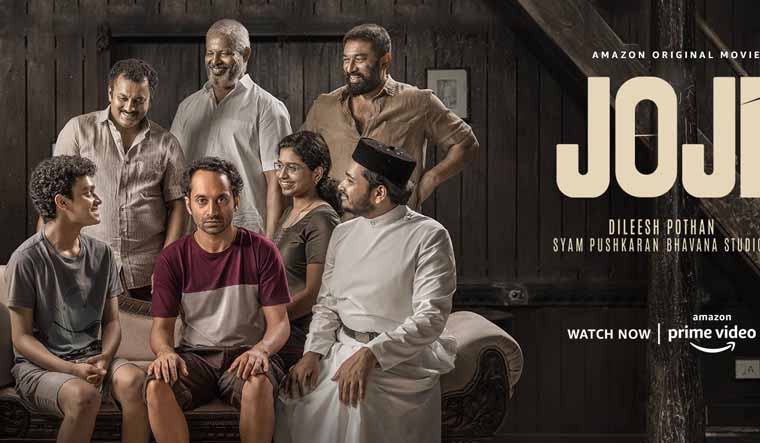


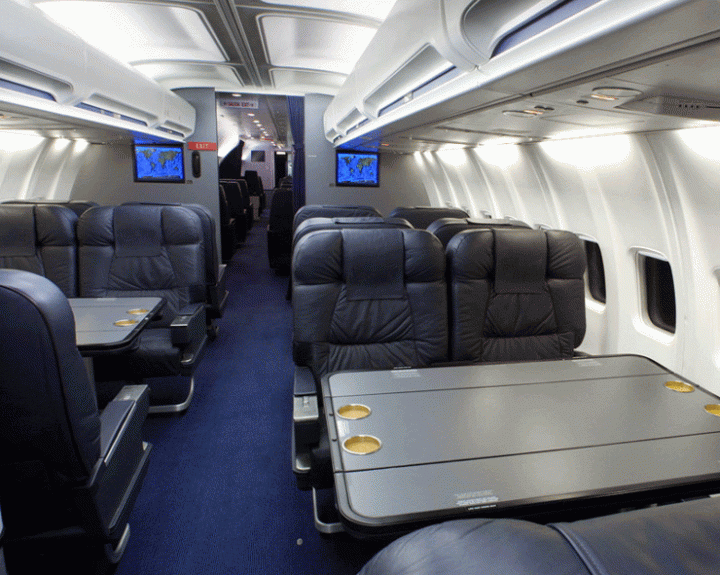


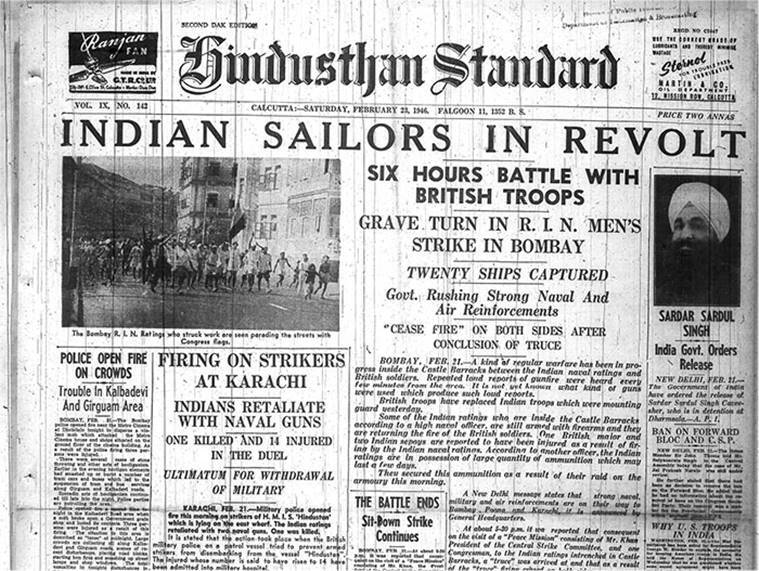


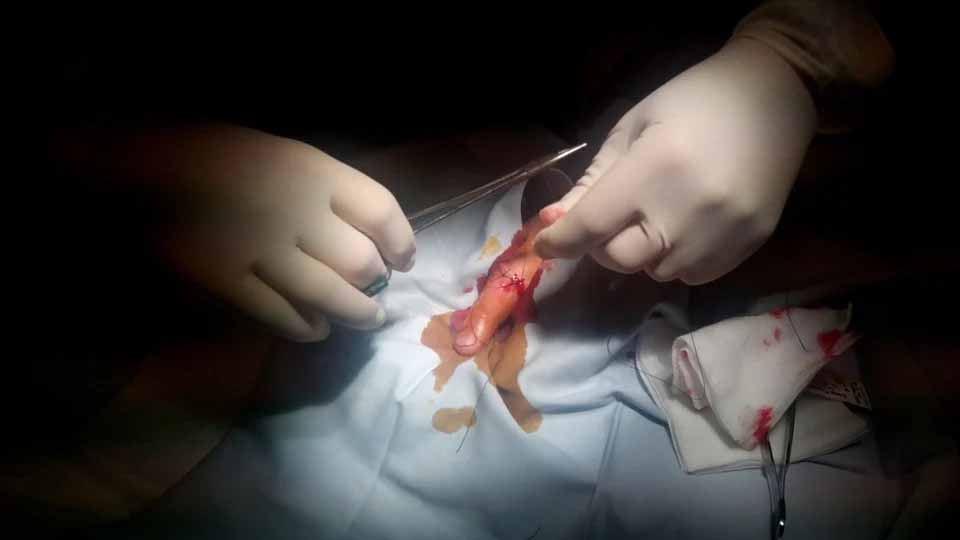


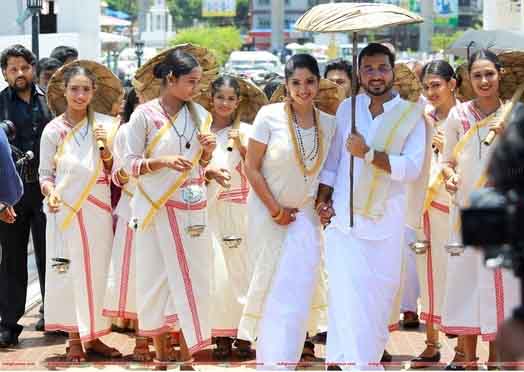
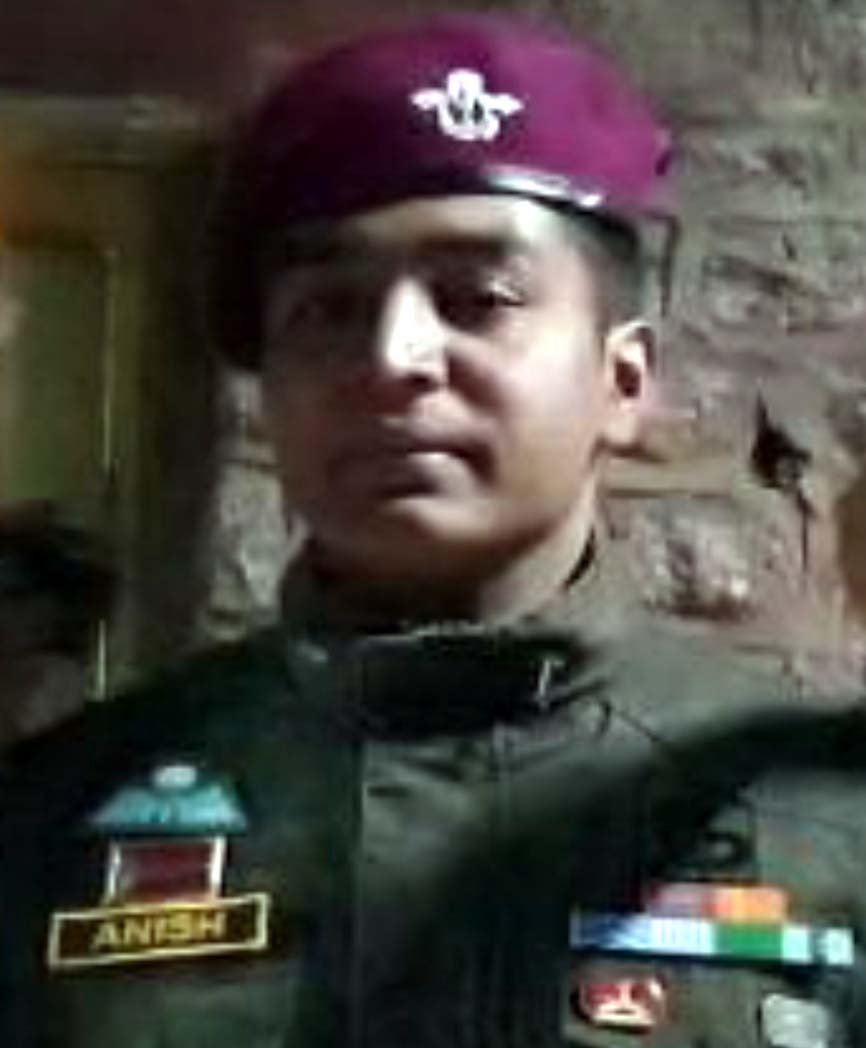


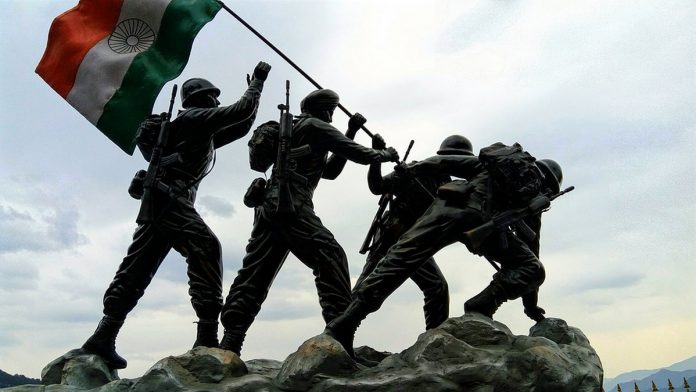
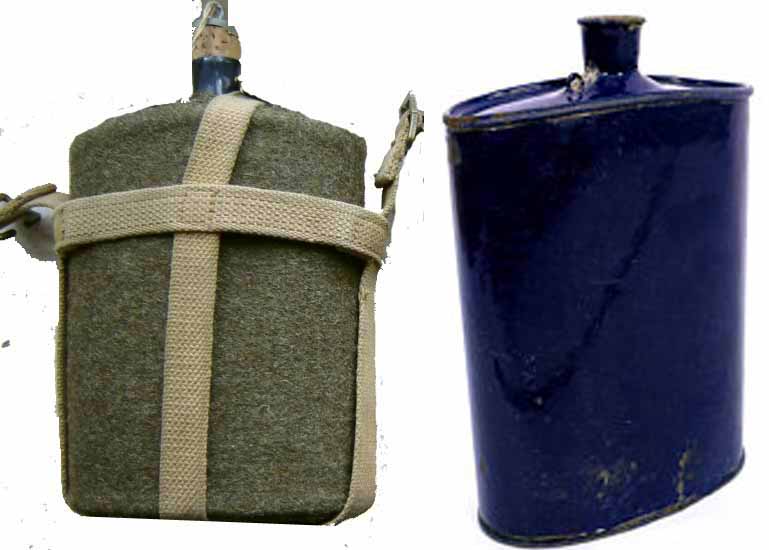


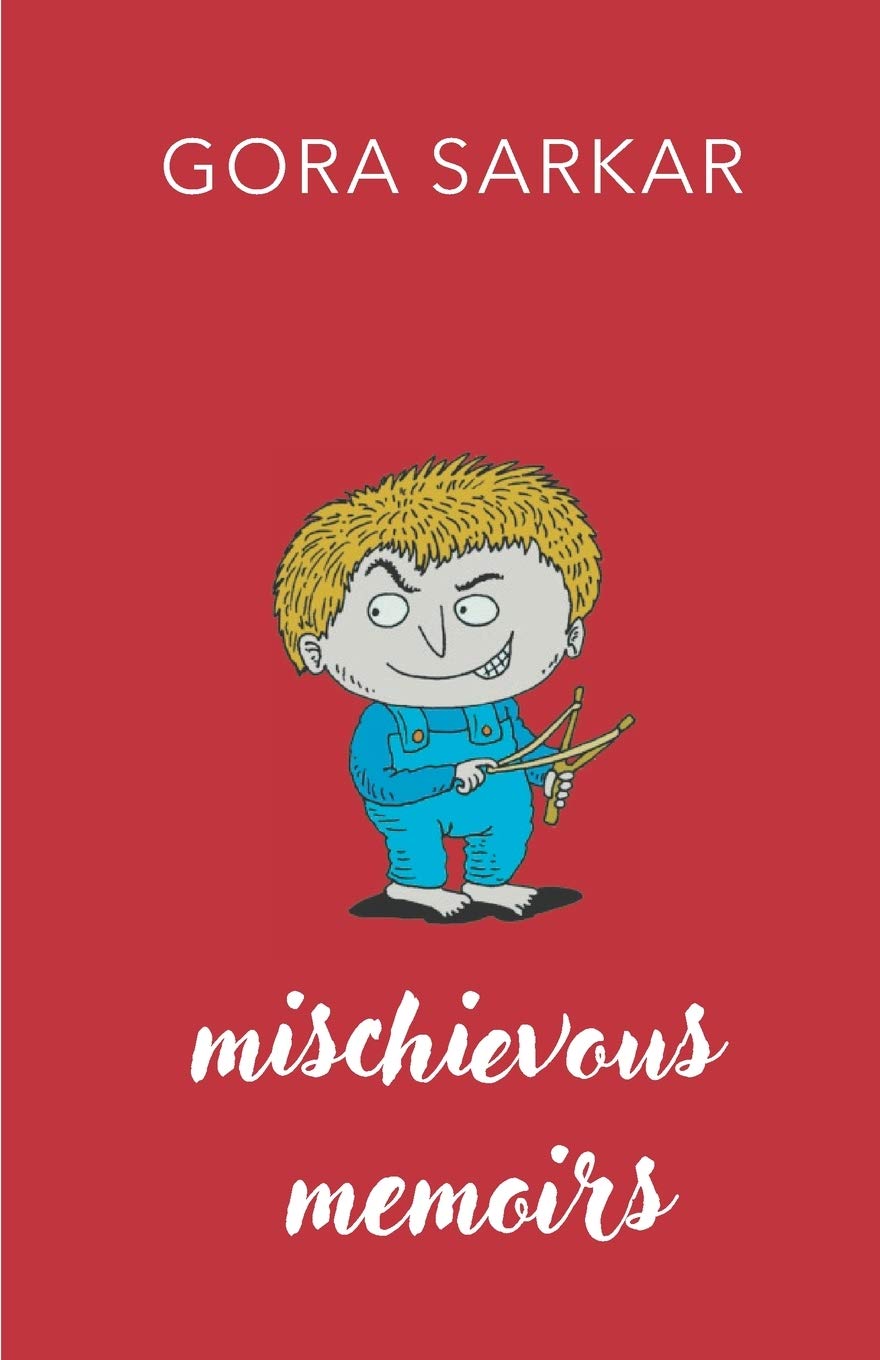
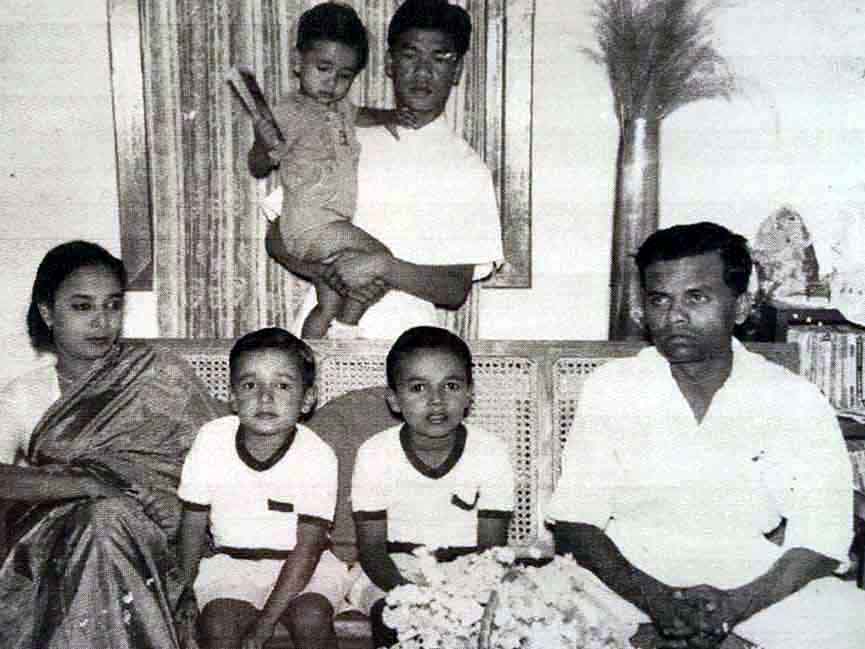
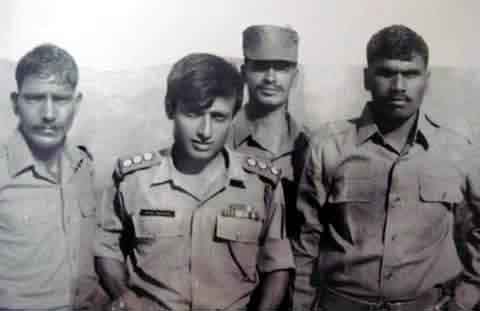
 In June 2002, I took over command of our Regiment in its operational location on the India-Pakistan border in Rajasthan. The Regiment was mobilised from its peace location in Devlali (Maharashtra, near Mumbai) on that year’s New Year Eve. In November 2002, we returned to Devlali.